Blog

  • Meet our ambassador: Gaye Foster

    Meet our ambassador: Gaye Foster

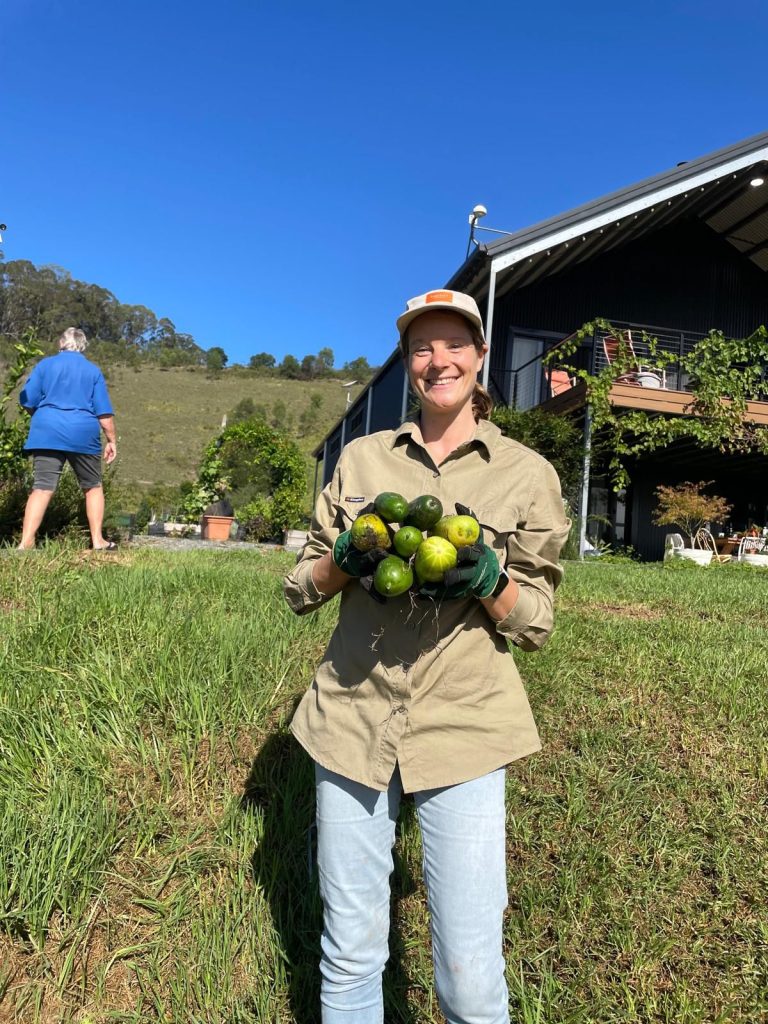
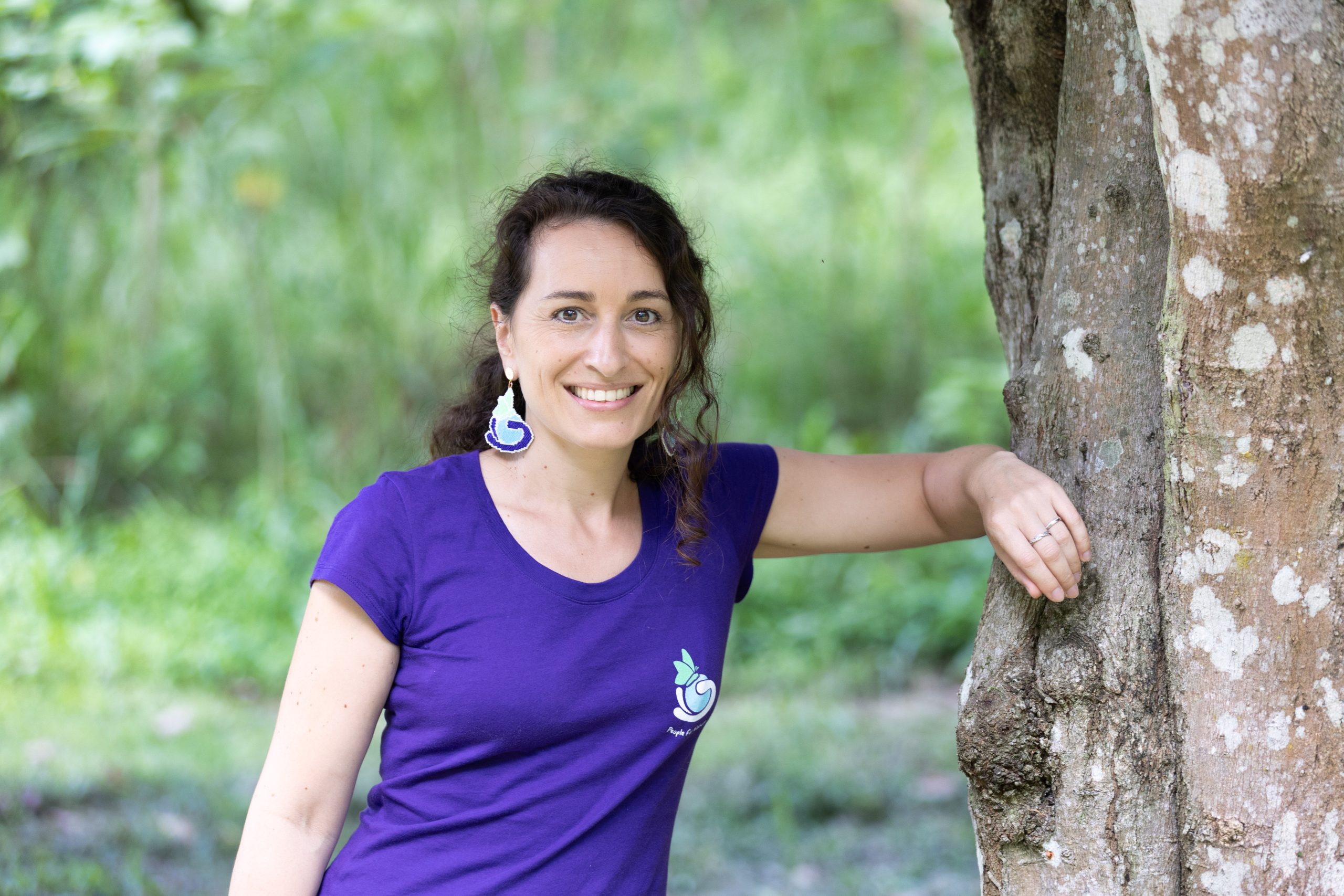
    Climate Fresk Facilitator, QLD

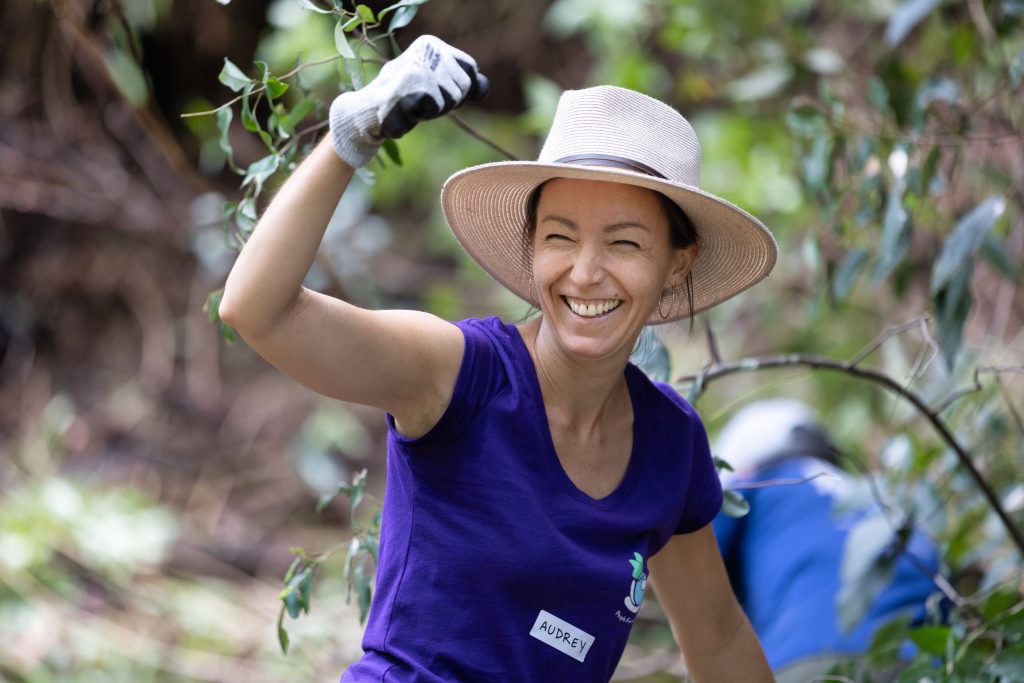
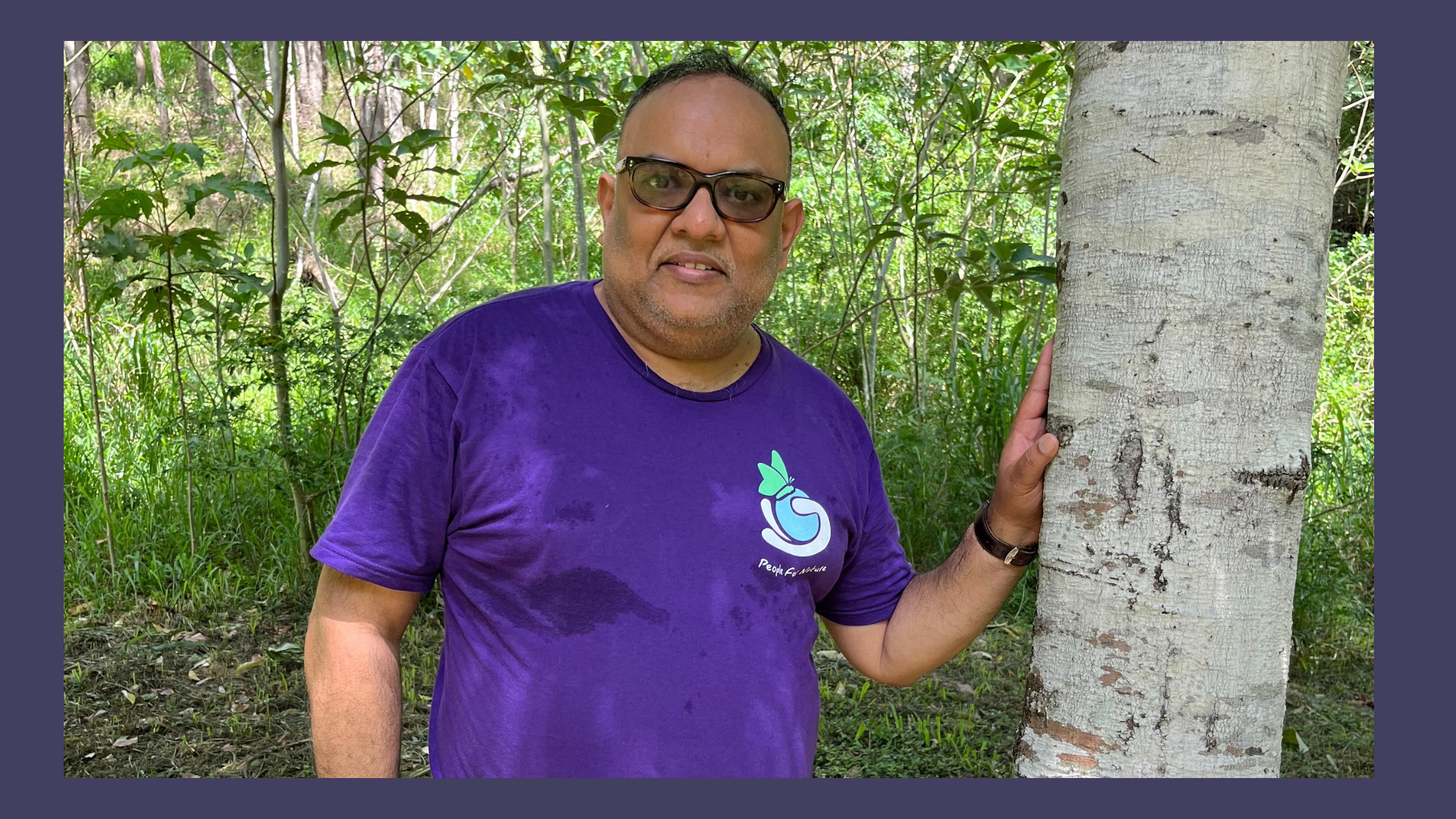
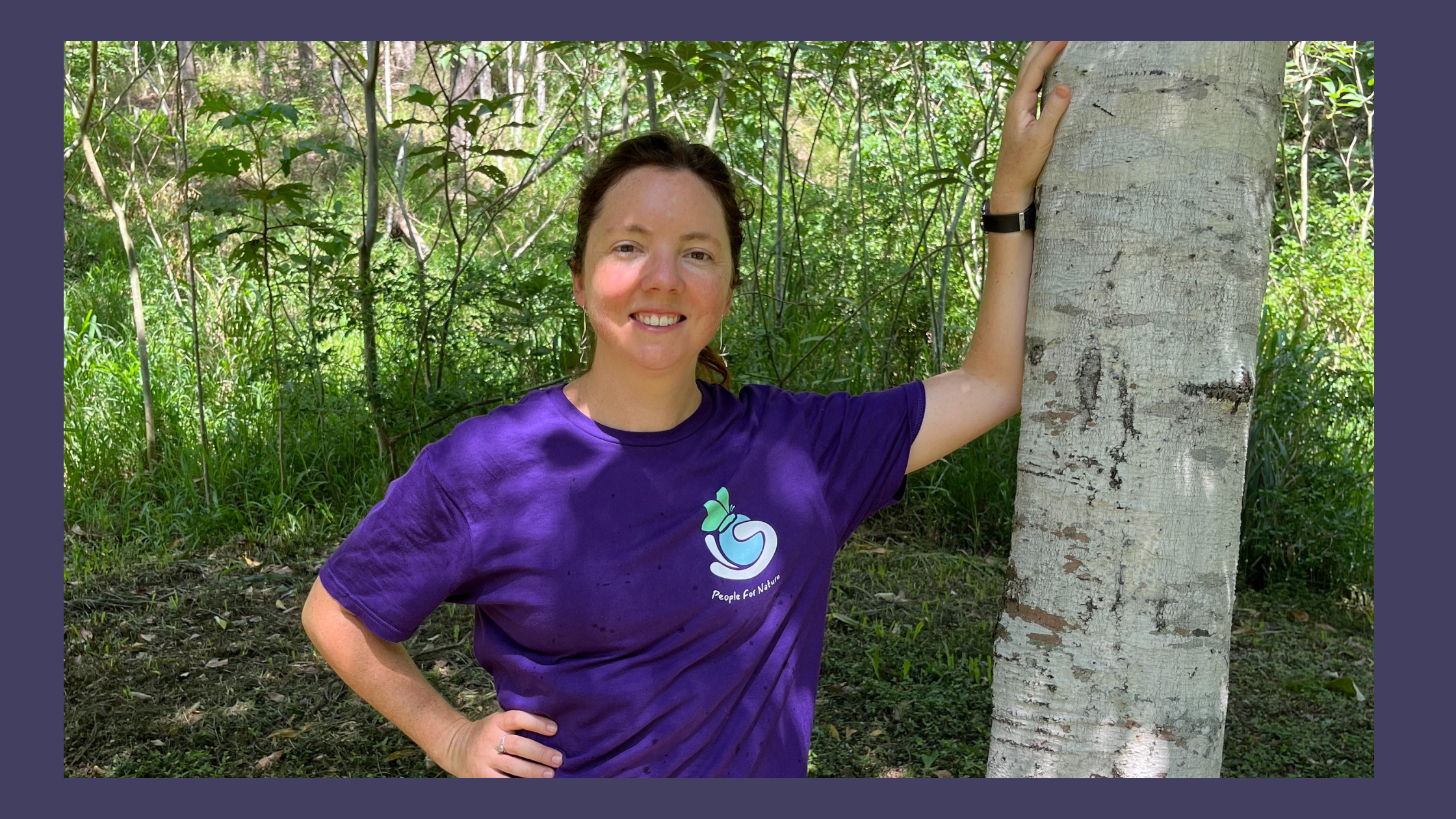
    As a psychologist Gaye believes that our wellbeing is inseparable from the health of the Earth.

    I want to help people reconnect with the natural world and nurture the emotional resilience and care needed to protect our planet in the face of climate change.

    A Climate Fresk facilitator, Gaye played a key part in bringing the Youth program for AlterCOP 30 to life in Brisbane in November 2025.

    Being part of a community helps tackle climate change by turning individual concern into collective action – sharing knowledge, changing habits together, and building the momentum needed for real, lasting impact and change.

  • Your Nature Oasis is a citizen science hotspot

    Your Nature Oasis is a citizen science hotspot

    Why People For Nature encourages every Oasis to use iNaturalist

    At People For Nature, we believe that protecting nature starts with connection — and that everyday people play a vital role in restoring and understanding the living world around them.

    That’s why we encourage everyone creating a Nature Oasis to use iNaturalist: a simple, joyful way to turn your patch of nature into a living contribution to science.

    What is iNaturalist?

    iNaturalist is a free app that allows you to photograph plants, animals and fungi, upload your observations, and help build one of the world’s largest biodiversity databases.

    Your sightings don’t just stay on your phone — they become real data, used by scientists, conservation groups and decision-makers to better understand biodiversity and how it’s changing.

    Why iNaturalist belongs in every Nature Oasis

    Nature Oases are designed to restore habitat, invite biodiversity back, and reconnect people with the natural world. iNaturalist helps make those changes visible.

    By using the app, you can:

    • 🌿 see what species are already present in your Oasis
    • 🐝 track pollinators, birds and other wildlife as habitat improves
    • 📈 observe changes over time as your Oasis grows and matures
    • 🧩 contribute valuable local data to national and global research

    Every observation strengthens the case for nature-positive action — starting right where you live.

    Citizen science that’s genuinely fun

    You don’t need to be a scientist. You don’t need special equipment.
    All you need is curiosity.

    Using iNaturalist often feels like:

    • a nature scavenger hunt
    • a shared learning experience with kids, friends or neighbours
    • a moment of wonder when you realise how much life is around you

    And the iNaturalist community is there to help identify species, answer questions and celebrate discoveries with you.

    From individual Oases to collective impact

    One Nature Oasis matters.
    Thousands of Nature Oases? That’s a movement.

    When many People For Nature participants use iNaturalist, we begin to:

    • build a clearer picture of biodiversity across communities
    • support citizen-led conservation and monitoring
    • strengthen Australia’s contribution to global biodiversity knowledge
    • show that people power can make nature visible — and valued

    This is climate and biodiversity action grounded in place, care and participation.

    How to get started

    1. Download iNaturalist (free on iOS and Android)
    2. Step into your Nature Oasis
    3. Photograph what you see — plants, insects, birds, fungi
    4. Upload your observation and let the community help identify it

    That’s it. You’re now part of a global citizen science network — through People For Nature.

    Because every Nature Oasis tells a story.
    And with iNaturalist, we can make sure those stories count.

  • COP30: what did it really deliver for nature – and why it matters for Australia

    COP30: what did it really deliver for nature – and why it matters for Australia

    Held in Belém, at the gateway to the Amazon, COP30 was widely framed as “the COP of nature”. Expectations were high: forests, biodiversity, food systems and Indigenous stewardship were meant to sit at the heart of climate action. The reality was more mixed.

    So what actually came out of COP30 for nature — and what does it mean for Australia?

    Nature recognised, but not prioritised

    The main outcome of COP30 was the Global mutirão (meaning “collective effort”), which highlights the need to better connect climate action with biodiversity, land and ocean protection. The language is strong: nature is clearly recognised as essential to achieving the Paris Agreement goals.

    But recognition didn’t translate into concrete commitments. Despite being hosted in the world’s most biodiverse country, no specific global action or dedicated funding for halting deforestation was agreed — a major missed opportunity given forests’ critical role in climate mitigation, adaptation and biodiversity protection.

    For Australia, a country facing accelerating land clearing, ecosystem collapse and species extinction, this gap is particularly concerning.

    Deforestation: words without a roadmap

    More than 90 countries supported the idea of a global roadmap to halt and reverse deforestation by 2030. However, consensus wasn’t reached, and the proposal was pushed outside the formal UN process.

    While Brazil signalled it would continue working on a deforestation roadmap ahead of COP31, there is still no binding global pathway. For Australia — one of the world’s deforestation hotspots — this reinforces the need for stronger domestic action, not just international rhetoric.

    Food systems and agriculture: progress delayed

    Agriculture and food systems were discussed under the Sharm el-Sheikh Joint Work on Agriculture, with growing recognition of:

    • the links between food systems and biodiversity
    • agroecology and regenerative approaches
    • the limited share of climate finance going to agriculture

    But disagreements over language meant no final decision was adopted, pushing outcomes to 2026. For Australia, where climate impacts on food security are already being felt, this delay matters.

    Growing momentum on climate–nature synergies

    One of the more positive signals from COP30 was the increasing focus on aligning climate, biodiversity and land agendas. New initiatives launched during the COP aim to better coordinate the three Rio Conventions (climate, biodiversity, desertification), improve policy coherence, and track nature-positive action and finance.

    This aligns strongly with Australia’s own commitments under the Global Biodiversity Framework and its national climate targets — but only if translated into joined-up policies and investment at home.

    Nature finance: promising ideas, familiar risks

    The launch of the Tropical Forest Forever Facility (TFFF) — a new fund designed to reward countries for protecting tropical forests — signalled growing interest in nature-positive finance. While innovative, it also raised concerns around greenwashing, equity, and whether funds will genuinely reach ecosystems and Indigenous communities.

    For Australia, this highlights a broader challenge: scaling nature finance without losing integrity, while ensuring public funding also plays a strong role.

    What COP30 means for Australia

    COP30 reinforced a clear message: nature is finally being talked about — but still not acted on at scale.

    For Australia, the implications are clear:

    • Climate and biodiversity can no longer be treated separately
    • Land clearing, ecosystem restoration and nature-based solutions must be central to climate policy
    • International leadership must be matched by credible domestic action

    With COP31 on the horizon and global attention increasingly on nature, the real test will be whether Australia turns alignment into action — for climate, for biodiversity, and for future generations.

    Conclusion

    In a year when nature was meant to finally take centre stage at the global climate talks, COP30 delivered important recognition — but fell short on concrete actions that match the scale of the interlinked climate and biodiversity crises. For Australia, the outcomes underscore the urgency of moving beyond dialogue to ambitious policy, funding and on-the-ground implementation that protects ecosystems, supports First Nations leadership, and integrates nature into our national climate response.

    That’s exactly why we organised AlterCOP30 — to ensure that all Australians, especially those whose voices are too often excluded from formal climate and biodiversity negotiations, were heard and included in these critical discussions. By bringing together citizens, community leaders, scientists and storytellers, AlterCOP30 created space for perspectives, values and solutions that reflect Australia’s unique landscapes and communities.

    We’re grateful to Ateliers Biodiversité for their detailed insights on the outcomes of COP30 — their analysis helped shape our thinking and reporting. You can read their original piece here: https://www.ateliersbiodiversite.org/post/cop30-climat-quelles-retomb%C3%A9es-pour-la-nature.

    As the global climate and biodiversity agenda continues to evolve, it’s up to all of us — at local, national and international levels — to demand that commitments translate into action. Australia’s nature depends on it.

  • Our Code of Conduct

    Our Code of Conduct

    Our Commitment

    At People For Nature, we are committed to fostering a respectful, inclusive, and purpose-driven environment for everyone involved — whether you are an ally, ambassador, donor, contractor, partner, or team member.

    This Code of Conduct outlines the principles that guide how we work together to reconnect people with nature and empower meaningful action for climate and biodiversity.

    “As part of People For Nature, I stay grounded in the reality of the environmental challenges we face, but I choose to act with stubborn optimism. I work collaboratively, valuing diverse perspectives and collective intelligence to drive systemic change. I lead with integrity and am committed to openness and transparency in all I do.”

    This code of conduct follows the EIANZ Code of Ethics and Professional Conduct.


    1. Respect and Inclusion

    We recognise that protecting nature requires diverse voices and lived experiences.
    We listen deeply, value differences, and co-create solutions grounded in empathy.

    • We respect all people — regardless of background, identity, ability, age, gender, sexuality, race, or belief.
    • We promote an inclusive, welcoming environment where everyone feels seen and valued.
    • We communicate with care and compassion, always assuming positive intent.
    • We tap into the wisdom of communities, scientists, and citizens to protect and regenerate nature.

    2. Integrity and Transparency

    We act with honesty and integrity to build trust, strengthen relationships, and align our actions with our mission.

    • We are transparent in our decisions, communications, and use of resources.
    • We declare any potential or perceived conflicts of interest.
    • We uphold the responsibilities of public trust as a values-led nonprofit organisation.

    3. Environmental Responsibility

    We strive to live the change we wish to see — embedding sustainability and regeneration in how we work and what we deliver.

    • We lead by example, making sustainable choices in daily operations and events.
    • We design programs that embed science-based, community-led responses to environmental challenges.
    • We minimise our footprint and maximise our impact — using digital-first communications, reducing travel, and hosting low-carbon events.
    • We champion urban greening, habitat restoration, citizen conservation, and sustainable consumption.

    4. Collaboration and Learning

    We believe transformative change happens when we come together, learn together, and act together.

    • We share knowledge freely and support one another’s growth through collaboration and mentorship.
    • We foster a culture of curiosity, creativity, and continuous learning.
    • We acknowledge contributions, celebrate collective achievements, and give credit where it’s due.
    • We partner with organisations, businesses, and policymakers that align with our mission and values.

    5. Safety and Wellbeing

    We care for one another and commit to safe, supportive spaces — both emotionally and physically.

    • We do not tolerate harassment, discrimination, bullying, or violence of any kind.
    • We support each other’s wellbeing and take action if we witness unsafe, harmful, or unethical behaviour.
    • We approach challenges with care and seek resolution through respectful dialogue.

    6. Responsible Representation

    Whether as a volunteer, partner, or team member, we represent People For Nature with professionalism and care.

    • We only speak on behalf of the organisation when authorised to do so.
    • We use our platforms and influence to uplift others and advocate for a just, regenerative future.
    • We lead by example and align our personal actions with our collective values.

    7. Confidentiality and Data Ethics

    We handle information with care and ensure the trust placed in us is protected.

    • We respect the confidentiality of sensitive information shared internally or by participants.
    • We collect, store, and use personal data responsibly and in line with relevant privacy laws.

    Accountability

    Everyone involved with People For Nature is expected to uphold this Code of Conduct. Breaches may lead to a review of involvement or removal from roles, depending on the severity and context of the issue.


    Raising Concerns

    If you witness or experience behaviour by any member of People For Nature — including Directors — that does not align with this Code or our organisational values, please report it in confidence to a member of the leadership team. We are committed to ensuring all concerns are addressed respectfully, fairly, and promptly.

    People For Nature’s Directors include Certified Environmental Practitioners (CEnvP), bound by the EIANZ Code of Ethics. If you believe that a co-founder or Director has breached this Code, you may lodge a confidential concern directly with the EIANZ using their online complaint form.


    Our Shared Responsibility

    This Code reflects who we are and what we stand for. When acting on behalf of or representing People For Nature, you are expected to uphold this Code and contribute to a culture of respect, care, and collective action for nature and people.

  • Meet the Sturt’s Desert Pea

    Meet the Sturt’s Desert Pea

    One of Australia’s most striking native flowers, the Sturt’s Desert Pea is instantly recognisable for its vibrant red petals and distinctive black centres that stand out against the arid landscapes it calls home.

    Found in some of the country’s harshest environments, this iconic wildflower has evolved remarkable adaptations that allow it to survive and flourish where many other plants cannot.

    It is a powerful symbol of resilience and the extraordinary diversity of life that has adapted to Australia’s unique conditions.

    Why it matters

    The Sturt’s Desert Pea is an important part of Australia’s arid ecosystems.

    🦗 It provides food and resources for native insects and other wildlife

    🌱 Its deep roots help it survive prolonged dry periods and contribute to the resilience of desert plant communities

    🕸️ It forms part of the complex web of species that support healthy arid landscapes

    🦎 It highlights the remarkable adaptations that have evolved in response to Australia’s challenging environments

    Although deserts can appear harsh and lifeless, species such as the Sturt’s Desert Pea reveal them to be dynamic ecosystems rich in biodiversity.

    Fun facts

    🤓 Sturt’s Desert Pea is the floral emblem of South Australia and symbolises resilience and survival in tough conditions

    🤓 Its long roots allow it to access deep water reserves and bloom even during drought

    🤓 The flower was named after nineteenth-century explorer Charles Sturt, who noted its beauty during his travels

    🤓 Its vivid red and black flowers have made it one of Australia’s most iconic and celebrated native plants

    A deeper reflection

    The Sturt’s Desert Pea challenges the perception that Australia’s deserts are barren landscapes with little ecological value.

    Arid regions support an extraordinary range of specialised plants and animals that have evolved to survive under some of the most demanding conditions on Earth.

    Yet these ecosystems face growing pressures from habitat degradation, invasive species and a changing climate.

    In a country with more than 600,000 native species, many found nowhere else on Earth, the Sturt’s Desert Pea reminds us that biodiversity extends far beyond rainforests and coastlines and thrives even in the driest corners of the continent.

    How we care for Australia’s arid landscapes today will determine the future of many remarkable species that depend on them.

    From Wonder to Action

    Learn & understand

    Explore how biodiversity, climate, and land systems are deeply connected through our workshops with People For Nature.

    Create your Nature Oasis

    Plant native species to restore habitat and support the insects, birds, and wildlife that depend on them.

    Join citizen science

    Record native species around you on iNaturalist and contribute to real conservation data.

    (Special thanks to Simon Andrews, Ambassador for People For Nature, for helping shape this story)


    References:

  • Meet our ambassador: Mélanie Ducros

    Meet our ambassador: Mélanie Ducros

    VIC Community Lead

    Some people work on climate solutions in boardrooms. Others bring them to life in circles of conversation — where citizens become part of the solution.

    Meet Mélanie Ducros.

    Originally from New Caledonia and now based in Victoria, Mélanie is deeply committed to climate action across the Pacific region. Her work is grounded in a simple but powerful belief: when people are informed and empowered, they become a driving force for change.

    Mélanie is a process, energy and environmental engineer, with nine years of experience working on international development projects across West and North Africa and the Indo-Pacific. Her work has focused on the intersection of renewable energy, sustainable water access and climate adaptation — where technical solutions meet real human needs.

    Today, she continues this journey through her work on energy transition with the French–Australian Indo-Pacific Centre for Energy Transition (FACET), helping shape conversations around a more sustainable future between France, Australia and the broader region.

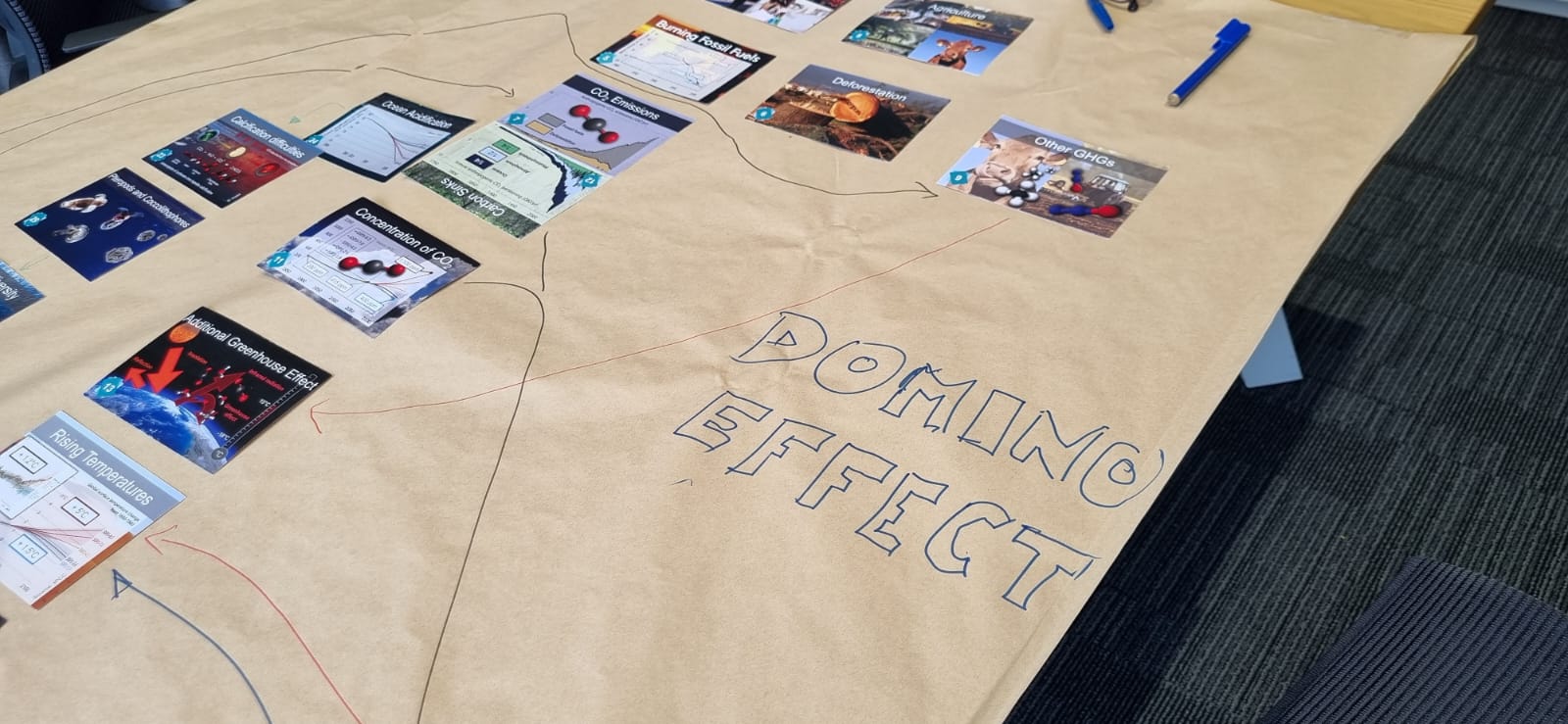
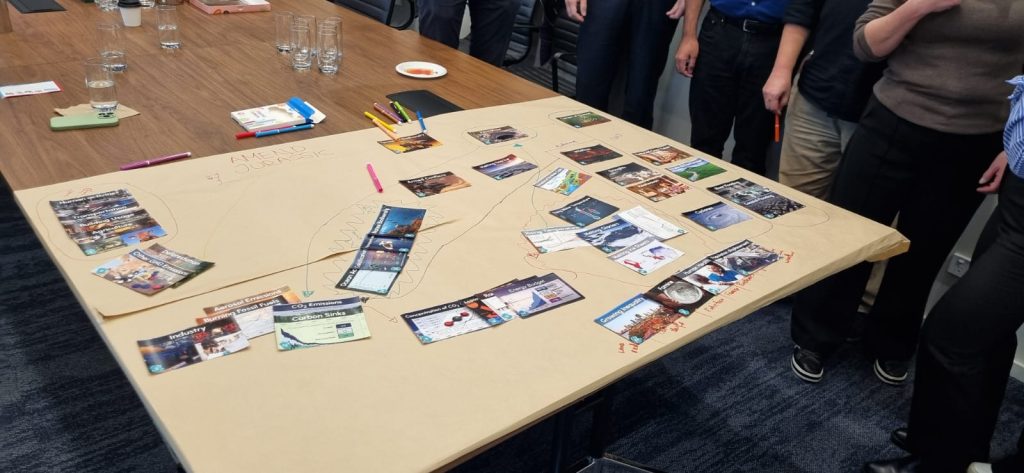
    But one of her most meaningful contributions happens in a very different setting: a room full of people, markers on tables, and a Climate Fresk unfolding through shared discovery.

    She shares:

    “Being an ambassador for People For Nature inspires me because I am convinced that citizen-led initiatives like P4N are essential to driving real change. Facilitating Climate Fresk workshops gives me the strong feeling that I am contributing to meaningful impact. It is also incredibly enriching — I always leave each workshop inspired and energised by the conversations and insights shared by participants. As ambassadors, we receive as much as we give.”

    This is what citizen-powered change looks like: not distant, not abstract — but shared, participatory, and deeply human.

    And it grows every time someone steps into the conversation.

    🤝 Connect with Mélanie on LinkedIn 💚

    .

  • People For Nature on Tap4Change

    People For Nature on Tap4Change

    We’re thrilled to share that People For Nature is now listed on Tap4Change — a digital giving platform designed to make donating to impactful causes easier, more transparent, and more rewarding for everyday supporters.

    Tap4Change is all about bringing the impact ecosystem together. It’s a modern platform where people can discover, support, and track giving to charities they care about, and where organisations can build an impact profile and connect with purpose‑driven donors and supporters online.

    What is Tap4Change?

    Tap4Change is a user‑friendly online platform that helps:

    • People find and give to charities they care about
    • Charities share updates
    • Donors track their giving and feel confident about where their support goes

    Unlike traditional giving channels, Tap4Change aims to make donating digital, convenient, and transparent — especially for the next generation of changemakers who want clarity and connection when they give.

    How it works

    On Tap4Change, supporters can:

    1. Browse causes and charities that align with your values
    2. Create your own giving profile
    3. Make one‑off or recurring donations
    4. Track and share with friends, colleagues, and networks

    👉 You can see our Tap4Change profile here:
    https://tap4change.org/charities/people‑for‑nature

    Every donation — big or small — adds another voice and another action toward protecting nature and empowering people to make a difference.

  • Benevity Workplace Giving: Help Protect Australia’s Nature & Biodiversity

    Benevity Workplace Giving: Help Protect Australia’s Nature & Biodiversity

    The challenges facing our planet can feel overwhelming. Climate change, biodiversity loss and ecosystem decline are interconnected challenges that require collective action.

    At People For Nature, we believe that everyone has a role to play in creating a future where nature is central to every decision. Through education, citizen science and community action, we empower Australians to understand the challenges facing our planet and take meaningful steps to protect the natural world.

    Now, there is another way for employees and organisations to support this mission: workplace giving through Benevity.

    What is Benevity workplace giving?

    Benevity is a global corporate purpose platform that helps connect employees and businesses with charities and causes creating positive social and environmental impact.

    For businesses, workplace giving is more than a donation mechanism—it is a way to engage employees, strengthen purpose-driven culture and create measurable positive impact.or supporters to donate through their employer.

    How to support People For Nature on Benevity

    If your workplace uses Benevity, supporting us is easy:

    1. Log in to your company’s Benevity portal
    2. Search for People For Nature
    3. Choose a one-off or recurring donation
    4. Check whether your employer will match your contribution

    You can also access our public Benevity Causes profile here:

    👉 https://causes.benevity.org/causes/036-42681884355

    (Please note: you’ll need to log in through your employer to donate.)

    Join the movement for nature

    People For Nature is proud to be available through Benevity, making it easier for employees and organisations to support citizen-powered change.

    Whether you are an employee looking to make your giving more impactful, or a business seeking meaningful ways to engage your people around sustainability, workplace giving provides a practical pathway to support a healthier future for nature.

    Find People For Nature on Benevity and help put nature back at the heart of society.

    Together, we can empower people to protect biodiversity, build climate resilience and create a future where nature thrives.