Blog

  • What’s the difference between a not-for-profit and a charity? understanding people for nature’s role

    What’s the difference between a not-for-profit and a charity? understanding people for nature’s role

    At People For Nature, we’re often asked whether we’re a not-for-profit or a charity—and what the difference between the two really is. While the terms are often used interchangeably, they carry distinct meanings that reflect how organisations like ours operate and create impact.

    Nonprofit vs. Charity: What’s the Difference?

    A not-for-profit is an organisation that exists to serve a mission or cause, reinvesting any surplus revenue back into its programs and services rather than distributing profits to owners or shareholders. Not-for-profits can operate in various sectors, from education to the arts and environmental conservation, like People For Nature.

    A charity, on the other hand, is a specific type of not-for-profit with a primary focus on providing aid or relief to address social or environmental challenges. Charities are often associated with direct service delivery and rely heavily on public donations to fund their work. They also receive special tax concessions in recognition of their public benefit.

    Where Does People For Nature Fit In?

    People For Nature is both a not-for-profit and a registered charity. This means we work to achieve our goal of reconnecting people with nature and empowering them to take meaningful environmental action, while also benefiting from tax concessions that support our work.

    As a charity, we focus on:

    Climate and Biodiversity Education

    Through workshops, community initiatives, and public outreach, we make complex environmental science accessible and actionable.

    Empowering Citizens

    We believe in the power of people to drive change. Our programs inspire individuals to become conservation advocates and leaders in their communities.

    Collaborative Partnerships

    By working with other organisations, governments, and businesses, we amplify our impact and promote shared solutions to environmental challenges.

    How We Operate

    As a not-for-profit charity, People For Nature reinvests every dollar we receive to fulfil our goal. This allows us to:

    • Develop and expand educational programs like the Biodiversity Collage and Climate Fresk workshops.
    • Support local citizen conservation projects that protect and restore biodiversity.
    • Advocate for sustainable policies and practices at a community and national level.

    Why It Matters

    Understanding the distinction between not-for-profits and charities helps clarify how organisations like People For Nature operate and create impact. While all charities are not-forprofits, not all not-for-profits are charities. Being both allows us to combine a purpose-driven approach with the resources and support needed to address Australia’s most pressing environmental challenges.

    How You Can Support People For Nature

    As a charity, we rely on the generosity of individuals, businesses, and communities to continue our work. Here’s how you can get involved:

    Donate

    Your contributions directly fund our programs and initiatives.

    Participate

    Join one of our workshops or events to learn more about climate and biodiversity.

    Advocate

    Share our goal and encourage others to take action for nature.

    Together, we can create a future where people and nature thrive in harmony. Thank you for being part of this journey with us!

  • Scaling Climate Literacy: Why Education Is Central to People For Nature’s Theory of Change

    Scaling Climate Literacy: Why Education Is Central to People For Nature’s Theory of Change

    Australia’s climate debate is loud — but climate literacy remains uneven.

    Policy targets exist. Corporate commitments are growing. Community concern is high.

    Yet many Australians still lack a clear understanding of:

    • The systemic drivers of climate change
    • The feedback loops between climate and biodiversity
    • The levers available to them within their sphere of influence

    Climate action without literacy risks being reactive, fragmented or polarised.

    People For Nature was built to address that structural gap.

    Climate Literacy Within Our Theory of Change

    At People For Nature, our Theory of Change is grounded in a simple but powerful sequence:

    1. 💜 Increase scientific literacy
    2. 💜 Build individual and collective agency
    3. 💜 Enable practical, localised action
    4. 💜 Contribute to broader cultural and systemic change

    Climate education is not an isolated program.
    It is the foundation layer of this model.

    Why Climate Fresk?

    To strengthen this foundational layer, People For Nature joined forces with Climate Fresk Australia — part of the global movement initiated by Climate Fresk.

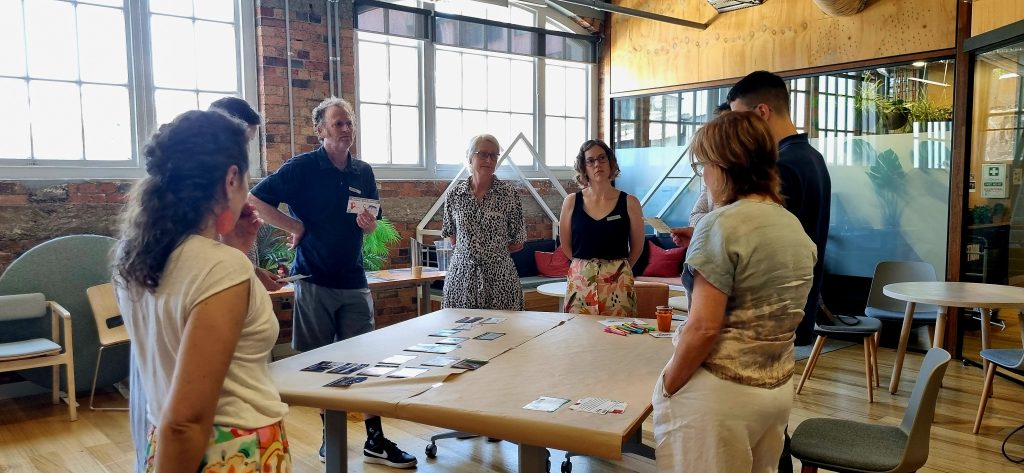
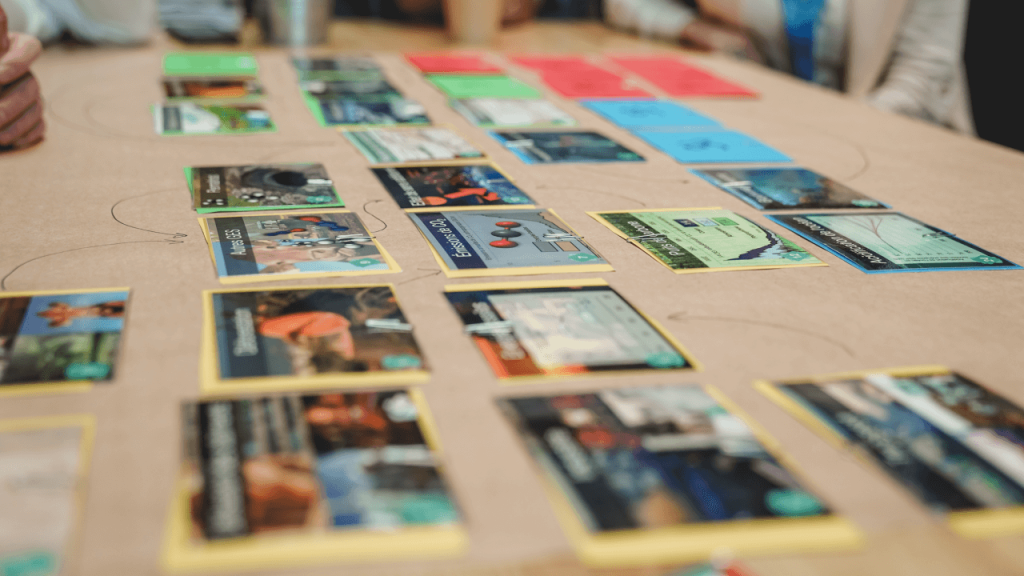
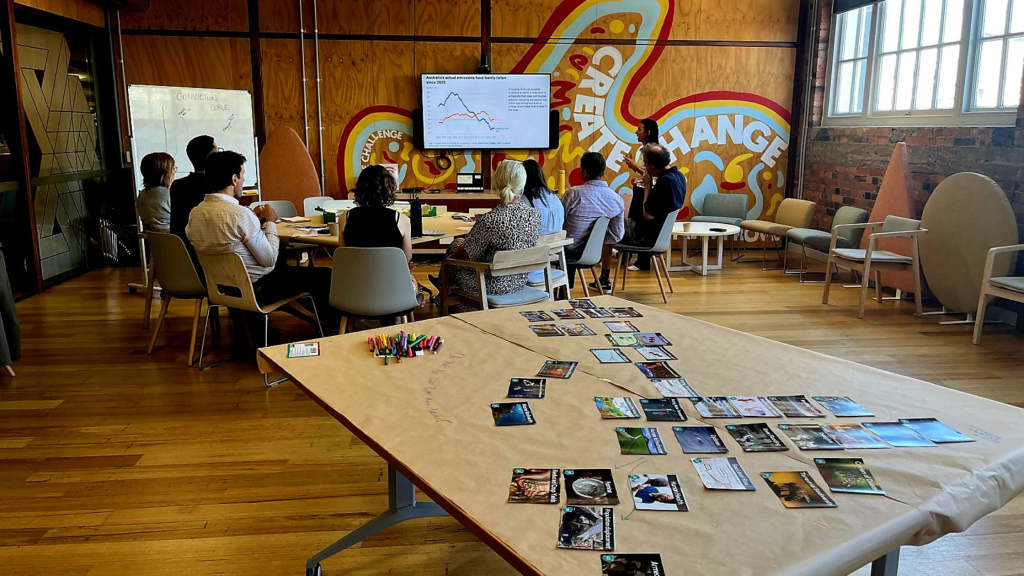
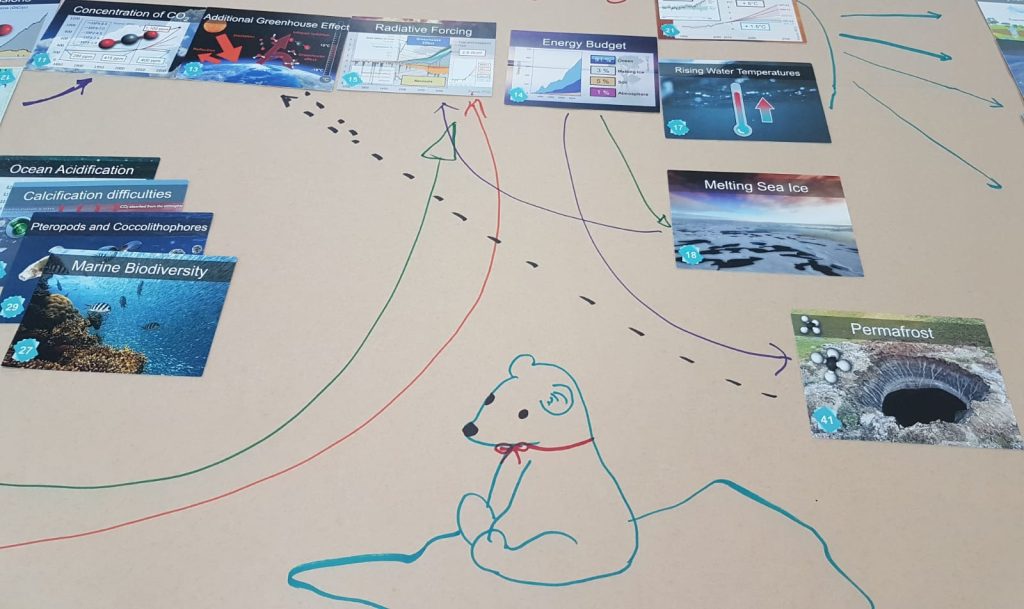
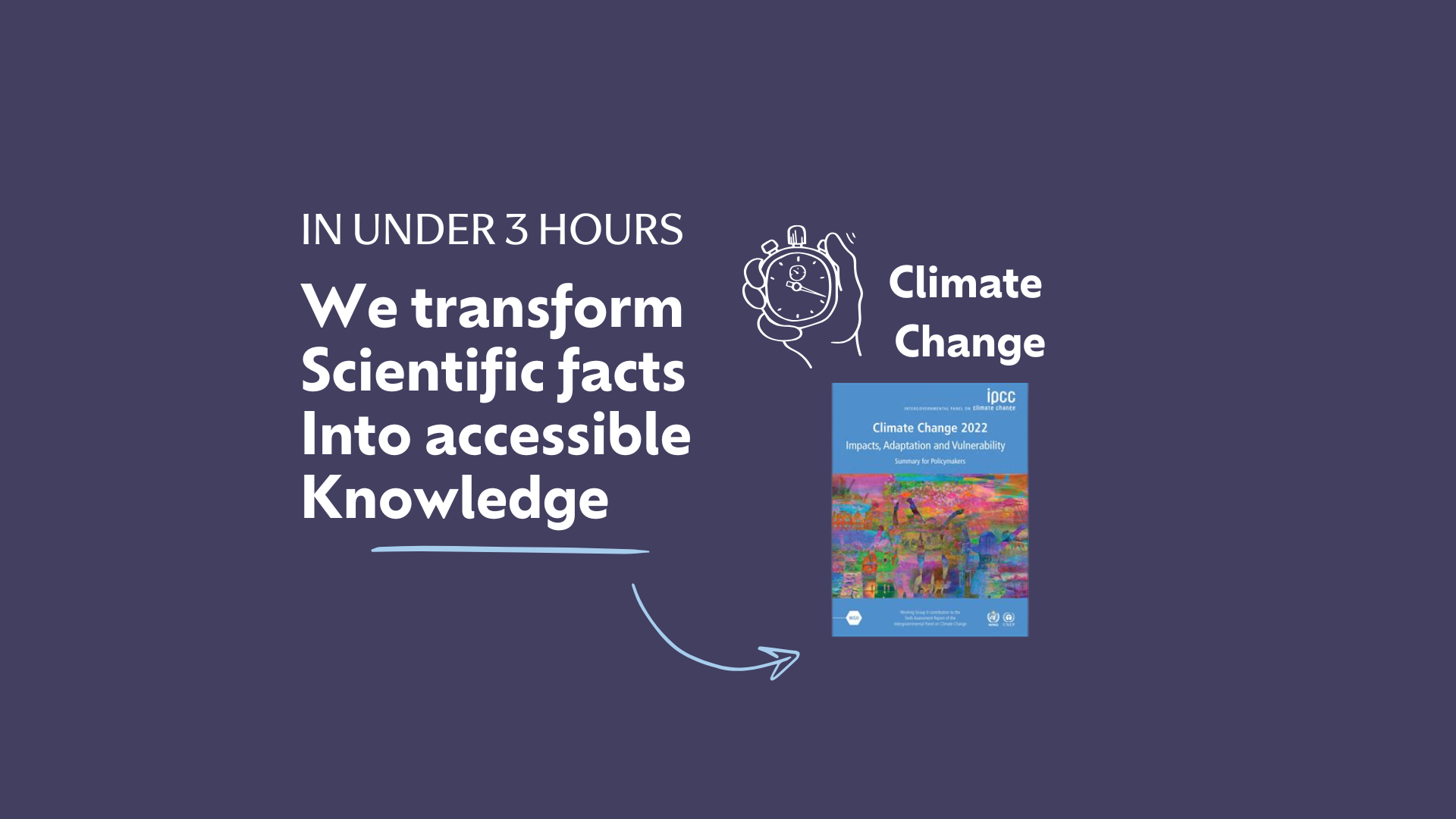
    The Climate Fresk methodology translates IPCC science into a participatory, evidence-based workshop format that allows participants to understand the causal links of climate change in under three hours.

    By integrating this model into our national ambassador network, we are scaling climate literacy across communities, workplaces and institutions.

    Find out more about Climate Fresk: https://climatefresk.org/world/

    Climate and biodiversity are often addressed separately in public discourse. In reality, they are interdependent systems.

    😢 Deforestation drives emissions.
    😢 Warming accelerates species loss.
    😢 Degraded ecosystems reduce resilience.

    For this reason, People For Nature deploys both climate literacy and biodiversity literacy programs, ensuring participants understand the full ecological system rather than isolated components.

    Since joining forces, People For Nature has:

    • 💜 Expanded its national ambassador network
    • 💜 Delivered workshops across communities and corporate settings
    • 💜 Integrated climate, biodiversity and circular economy education
    • 💜 Positioned citizen facilitation as a scalable model

    We are not simply delivering workshops.
    We are building a distributed education movement led by trained citizens.

    Australia’s environmental future will not be shaped by policy alone.

    It will be shaped by whether citizens, professionals and leaders understand the systems they are operating within.

    Climate literacy is not about fear.
    It is about competence.

    At People For Nature, we are committed to building that competence — at scale.

    Find a workshop near you

    https://collections.humanitix.com/people-for-nature-literacy-workshops

  • People for nature becomes an environmental partner of 1% for the planet

    People for nature becomes an environmental partner of 1% for the planet

    We are excited to announce that People For Nature is now an official environmental partner of 1% for the Planet, a global movement inspiring businesses and individuals to support environmental solutions through everyday actions. This partnership represents a significant step forward in our mission to reconnect people with nature and empower them to create a sustainable future.

    👉 https://directories.onepercentfortheplanet.org/profile/people-for-nature

    What is 1% for the Planet?

    1% for the Planet was founded in 2002 by Yvon Chouinard, Patagonia’s founder, and Craig Mathews, founder of Blue Ribbon Flies, to combat greenwashing and hold companies accountable for their environmental impact.

    Their mission is simple: businesses profit from Earth’s resources, so they should contribute to protecting them.

    Over 20+ years, 1% for the Planet has grown to 6,500 partners in 111 countries, generating $583 million in certified donations.

    “This is not philanthropy. This should be a cost of doing business. It’s paying rent for our use of the planet.”

    Yvon Chouinard | 1% for the Planet Co-founder

    What This Partnership Means for Us

    As a 1% for the Planet partner, People For Nature can receive vital support from businesses committed to our planet’s health. These contributions fund our climate and biodiversity education efforts, helping us expand workshops, community outreach, and citizen-led initiatives.

    How Your Support Makes a Difference

    Every contribution through 1% for the Planet helps us:

    • Inspire Action: Through storytelling, collaboration, and advocacy, we strengthen the connection between people and nature.
    • Educate and Empower: We expand our climate and biodiversity literacy workshops to equip Australians with the knowledge to make sustainable choices.
    • Protect and Restore: Our projects focus on preserving local ecosystems, promoting conservation, and supporting community-led initiatives.

    Joining 1% for the Planet aligns with a belief that nature stewardship is a shared commitment.

    1% for the Planet helps businesses by enhancing their impact and credibility through purposeful giving. By committing 1% of annual sales to environmental causes, businesses can:

    1. Strengthen Brand Reputation: Aligning with a trusted global network boosts credibility and shows a genuine commitment to sustainability.
    2. Engage Customers: Purpose-driven businesses attract and retain customers who value environmental responsibility.
    3. Build Partnerships: Access to a network of vetted non-profits and like-minded businesses fosters meaningful collaborations.
    4. Simplify Giving: The platform verifies donations and ensures contributions support high-impact projects.
    5. Inspire Employees: Purposeful missions increase employee pride and motivation.

    If your business wants to make a real impact, consider joining 1% for the Planet and supporting partners like People For Nature. Together, we can amplify efforts to protect and restore nature. Let’s turn 1% into 100% impact!

    Learn more about our profile and how to become a 1% for the Planet member.

  • Reconnecting People with Nature: Why Literacy Is the Missing Link in Australia’s Environmental Future

    Reconnecting People with Nature: Why Literacy Is the Missing Link in Australia’s Environmental Future

    Australia is one of the most biodiverse countries on Earth — and one of the fastest experiencing species decline.

    We speak about climate change.
    We speak about conservation.
    But we rarely speak about ecological literacy.

    The environmental crisis is not only ecological.
    It is educational.

    Without a widespread understanding of how ecosystems function — and how deeply human wellbeing depends on biodiversity — meaningful, sustained action remains limited.

    People For Nature was founded in response to this gap.

    The Missing Middle in Environmental Action

    In Australia, environmental action often sits at two extremes:

    • 💜 Policy and regulation
    • 💜 Grassroots activism

    Both are essential. But between them lies an underdeveloped space: structured, science-based public education that equips citizens, professionals and leaders to understand ecological systems.

    Internationally, participatory learning models such as Climate Fresk and La Fresque de la Biodiversité have demonstrated that when complex science is translated into collaborative workshops, people move from awareness to agency.

    People For Nature was established to bring this systems-based approach into the Australian context — and to embed it within communities, businesses and civic life.

    From Knowledge to Agency

    Environmental change does not occur through information alone. It requires:

    • 💜 Shared understanding
    • 💜 Structured dialogue
    • 💜 Practical pathways for action

    People For Nature focuses on translating peer-reviewed science into accessible, participatory formats that empower individuals to act within their sphere of influence — whether in their workplace, local community or personal life.

    The objective is not awareness.
    It is capacity.

    A Citizen Movement, Not a Traditional Charity

    People For Nature was co-founded as a citizen movement designed to strengthen ecological literacy across Australia.

    Our approach centres on:

    • 💜 Climate and biodiversity education
    • 💜 Ambassador training and facilitation
    • 💜 Community-led engagement
    • 💜 Cross-sector collaboration

    We believe environmental progress requires cultural competence — not just compliance.

    Policy can set direction.
    Citizens sustain momentum.

    Why This Matters Now

    Australia’s environmental future depends on more than targets and strategies.

    It depends on whether society at large understands:

    • 💜 The interdependence of climate and biodiversity
    • 💜 The systemic nature of ecological decline
    • 💜 The role individuals and organisations can play

    Reconnection is not symbolic.
    It is structural.

    People For Nature exists to make that reconnection practical, credible and scalable.

    Attend a Workshop

    👉 https://collections.humanitix.com/people-for-nature-literacy-workshops