Blog

  • What Are We Leaving Behind?

    What Are We Leaving Behind?

    Small Choices, Citizen Action for Nature

    It starts with something small.

    A takeaway coffee on the way to work.
    A bottle of water picked up at an event.
    A quick, convenient choice in the middle of a busy day.

    Individually, these moments feel insignificant. But together?

    They tell a much bigger story.

    Every single day in Australia, we throw away 4.1 million coffee cups1 and 2.7 million plastic bottles2.

    Let that sink in for a second.

    Most coffee cups aren’t actually recyclable. Despite looking like paper, they’re lined with plastic, making them difficult to process. And while plastic bottles can be recycled, only about one in three actually are.

    The rest?

    They end up in landfill.

    Now imagine this.

    All that waste, from just one day, lined up in front of you. It would fill the equivalent of about 51 school buses3.

    Every. Single. Day.

    The things we throw β€œaway” don’t disappear. They accumulate. They linger. They become part of the legacy we leave behind.

    And here’s where it becomes more than just numbers.

    Because those school buses don’t just represent waste. They represent the future we are shaping. A future that today’s children will inherit. A future defined, in part, by the everyday choices we make without thinking.

    But this isn’t a story about guilt.

    It’s a story about possibility.

    Because the same way small choices add up to a problem, they can also add up to a solution.

    • Choosing a reusable cup.
    • Bringing a water bottle.
    • Pausing for a second before reaching for something disposable.

    These actions might feel small. But multiplied across communities, events, and cities, they have the power to change the trajectory.

    This is what collective impact looks like.


    Want to go further?

    Awareness is just the first step. Real change happens when we understand the systems behind these challenges β€” and our role within them.

    At People For Nature, we exist to reconnect people with nature by making climate and biodiversity science understandable, relevant, and actionable. 

    • Join one of our workshops: https://collections.humanitix.com/people-for-nature-literacy-workshops
    • Join the Nature Oasis network: https://www.peoplefornature.org.au/blog/how-to-create-a-nature-oasis
    • Start by looking at your own impact β€” next time you head out for a coffee or attend an event, take your reusable coffee cup, a water bottle, and notice what you’re consuming and discarding along the way.  

    References

    1. Australian Plastic Flows and Fates Study 2021-22 National Report (1.5 billion hot cups used in 21-22 per year)
    2. ABC Education – War on waste misconceptions lead to unnecessary waste
    3. School buses calculation assumptions:
      1. Average cup volume β‰ˆ 350 mL
      2. Average bottle volume β‰ˆ 600 mL
      3. Australian school bus internal volume β‰ˆ 60,000 litres 
  • Meet the Coprinopsis pulchricaerulea | Biodiverse Australia

    Meet the Coprinopsis pulchricaerulea | Biodiverse Australia

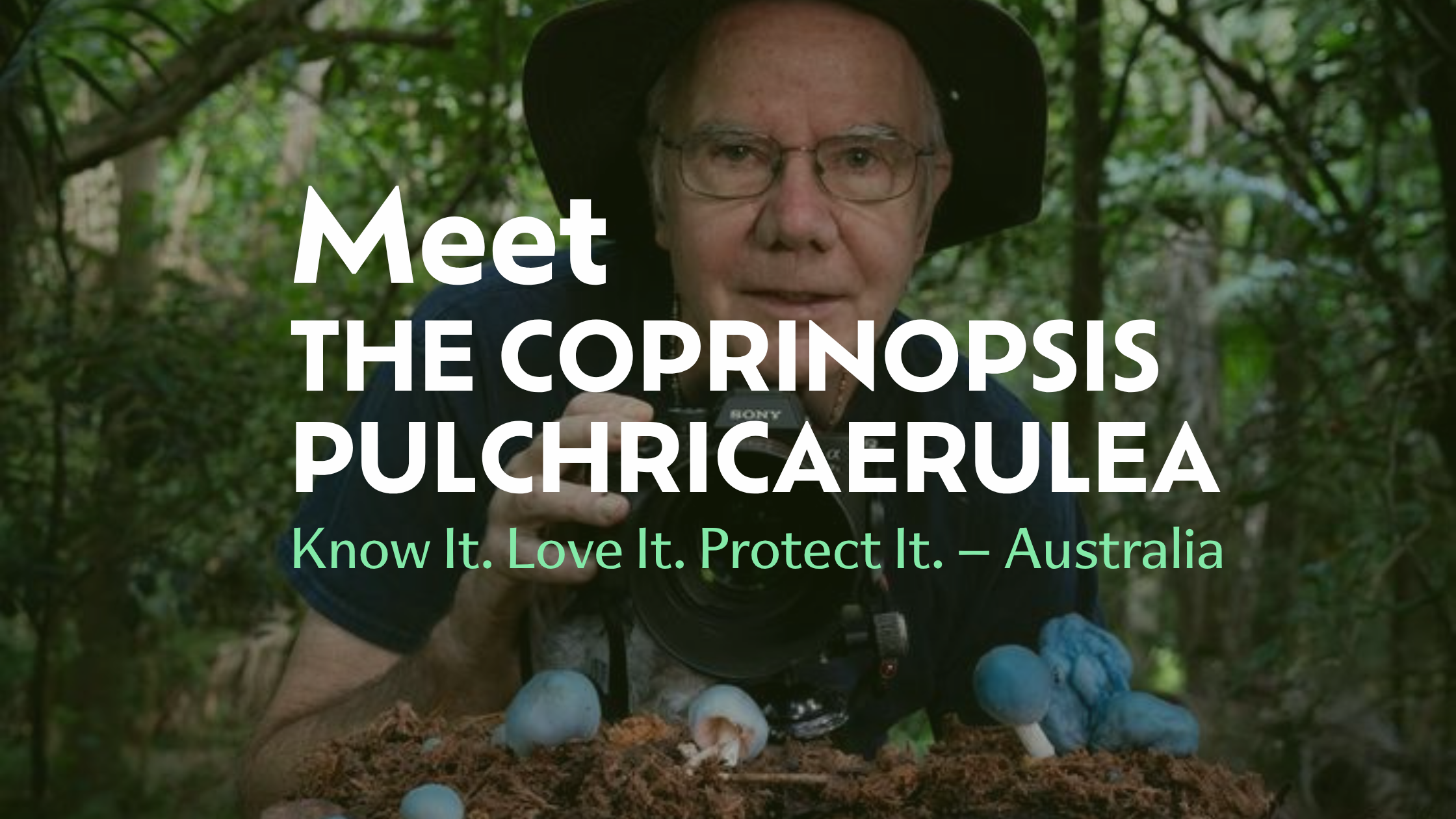
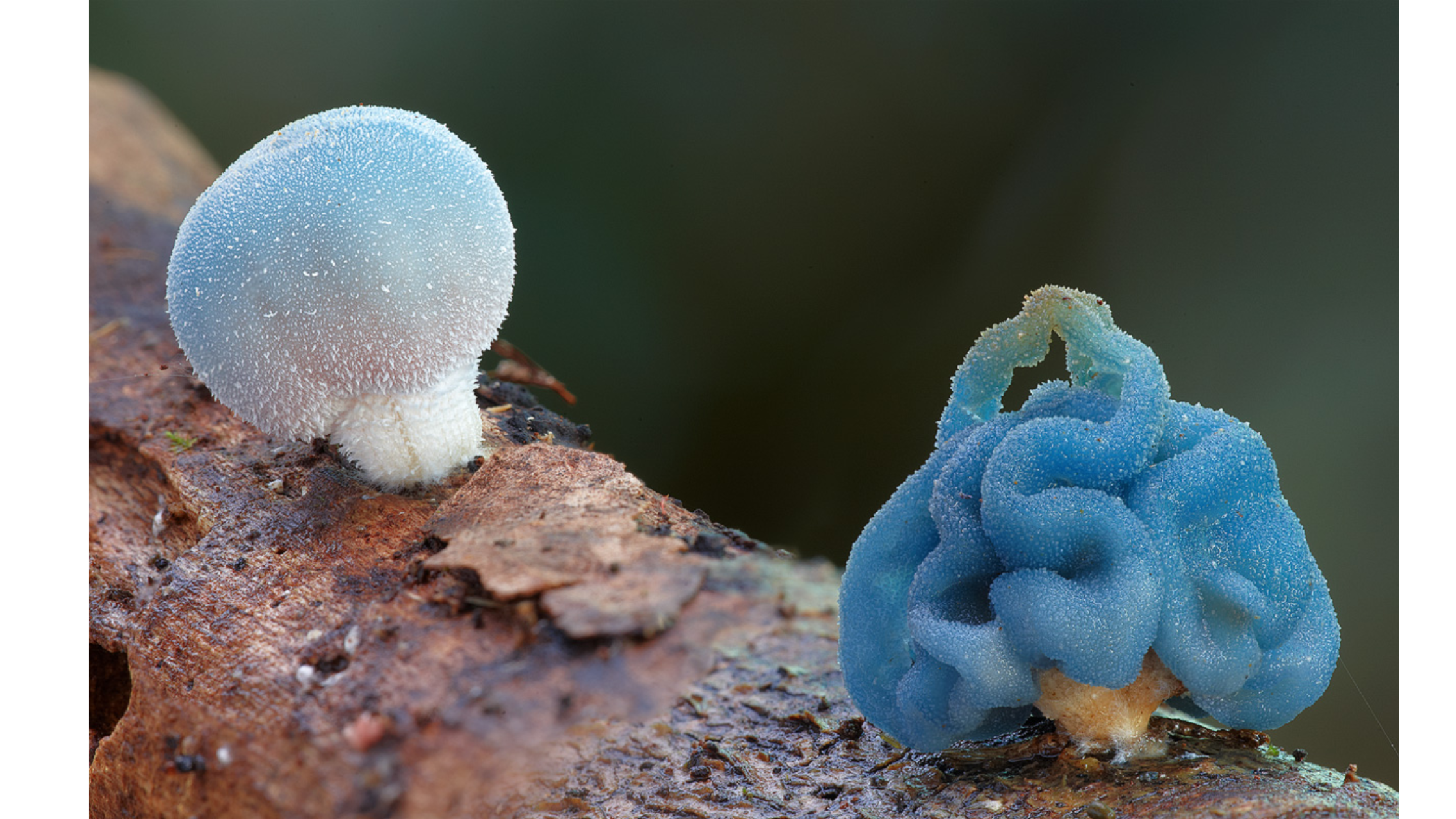
    Hidden among decaying leaf litter in the rainforests of northern New South Wales is one of Australia’s most remarkable fungi, a tiny blue mushroom so unusual that it was only recognised by science in 2012.

    Discovered by nature photographer Stephen Axford, Coprinopsis pulchricaerulea quickly captured attention for its vivid blue colouring and became a reminder of how much of Australia’s biodiversity remains undocumented.

    It is proof that even today, entirely new species are waiting to be discovered.

    Why it matters

    Fungi play an essential role in keeping ecosystems healthy and functioning.

    πŸͺ± They break down dead plant material and recycle nutrients back into the soil

    ♻️ They support forest health by contributing to nutrient cycling and dcomposition

    πŸ•ΈοΈ They help sustain the complex relationships that underpin biodiversity

    πŸ‘€ They remind us that many of the most important species in nature are often overlooked

    Although small and rarely seen, fungi such as Coprinopsis pulchricaerulea are part of the hidden processes that keep ecosystems alive.

    Fun facts

    πŸ€“ Coprinopsis pulchricaerulea is a small blue mushroom found only rarely in Australia. 

    πŸ€“ Unlike many related fungi, it produces pale spores rather than the dark spores common within its genus

    πŸ€“ Its fruiting bodies enclose spores in a truffle-like structure rarely seen in related species

    πŸ€“ Its fruiting bodies are extremely short-lived and can sometimes dissolve into liquid as they age, much like the Wicked Witch of the West in The Wizard of Oz

    Coprinopsis pulchricaerulea. Photo by Steve Axford at Tara Ridge, Booyong, New South Wales. CC BY-SA 3.0.

    A deeper reflection

    The discovery of Coprinopsis pulchricaerulea challenges the assumption that we already know most of the species that share our planet.

    Scientists estimate there may be as many as 250,000 fungal species in Australia, yet fewer than 12,000 have been formally described.

    This means the overwhelming majority of Australia’s fungi remain unnamed and largely unexplored.

    In a country with more than 600,000 native species, many found nowhere else on Earth, discoveries such as Coprinopsis pulchricaerulea remind us that biodiversity is not just something from the past, but something we are still uncovering today.

    How we protect forests, rainforests and other natural habitats will determine whether many of these hidden species are ever known at all.

    From Wonder to Action

    Learn & understand

    Explore how biodiversity, climate, and land systems are deeply connected through our workshops with People For Nature.

    Create your Nature Oasis

    Plant native species to restore habitat and support the insects, birds, and wildlife that depend on them.

    Join citizen science

    Record native species around you on iNaturalist and contribute to real conservation data.

    (Special thanks to Simon Andrews, Ambassador for People For Nature, for helping shape this story)


    References:

    FungiMap Inc. Fungi of Australia.

    https://fungimap.org.au

    Australian National Herbarium, Centre for Australian National Biodiversity Research. Australian National Species Lists.

    https://www.anbg.gov.au/cpbr/ANSL/index.html

  • Shaping Our Future Youth Summit – Newcastle

    Shaping Our Future Youth Summit – Newcastle

    University of Newcastle | 12 June 2026

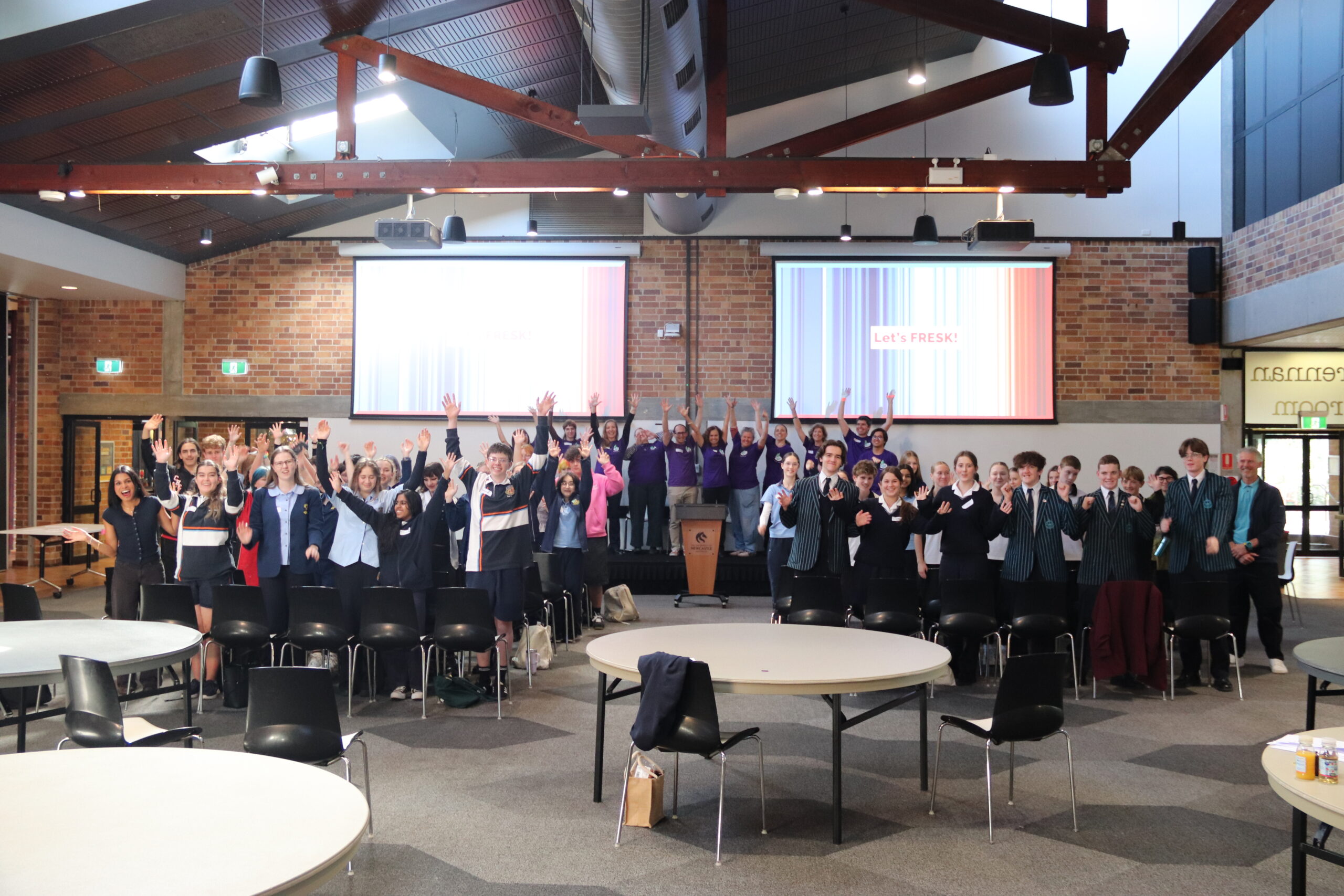
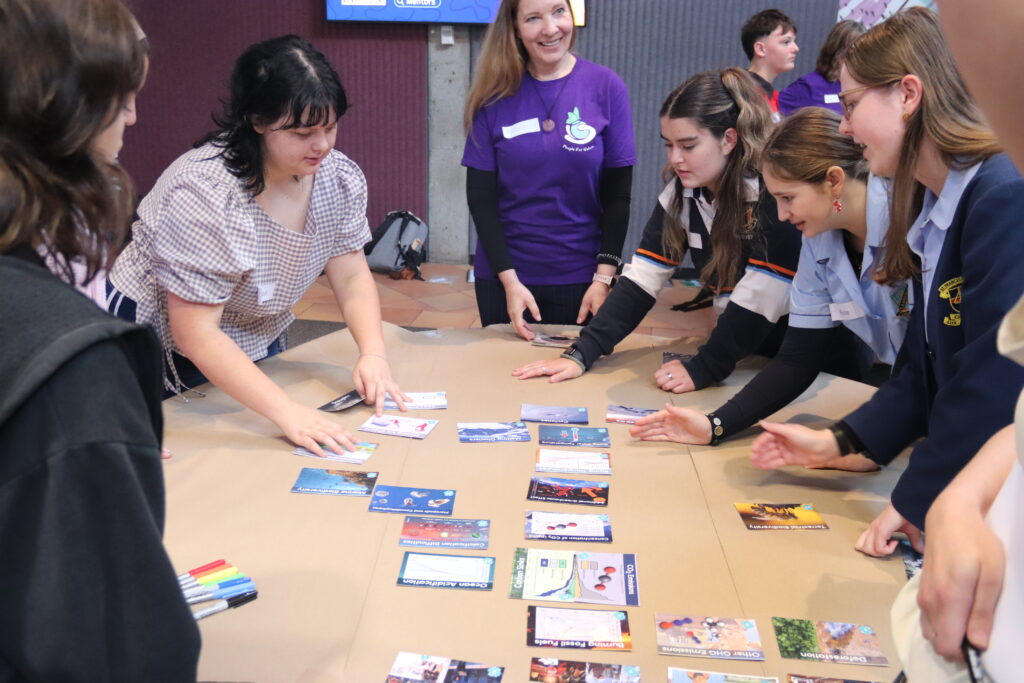
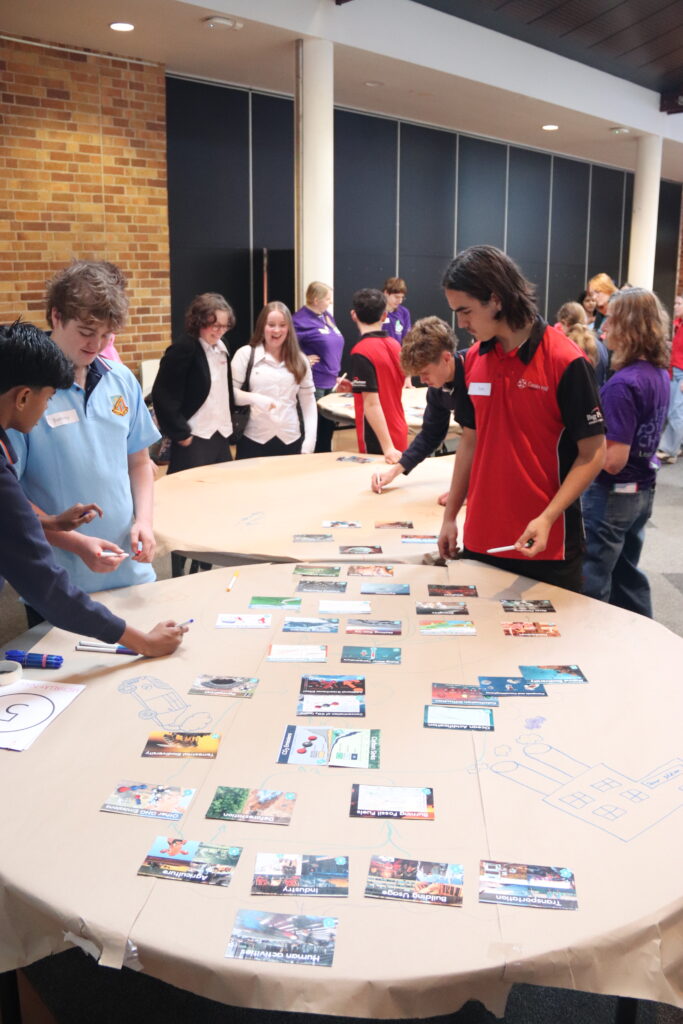
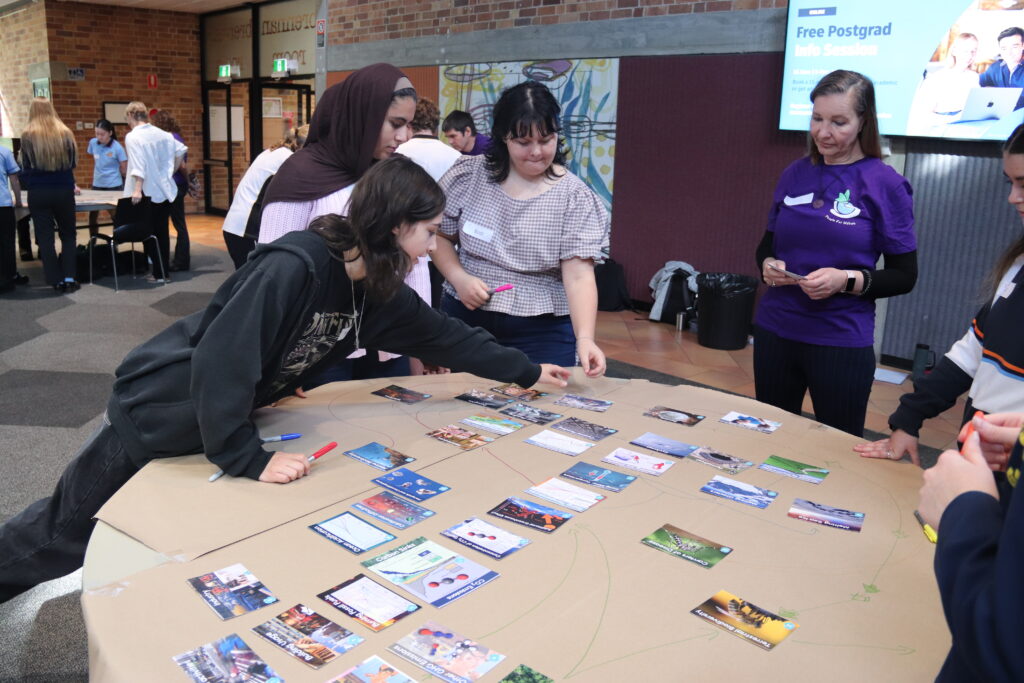
    On 12 June 2026, the University of Newcastle hosted the inaugural Shaping Our Future Youth Summit, bringing together 48 students from Years 9–12 across six Newcastle region high schools.

    Designed to empower young people to better understand the climate crisis, strengthen emotional resilience, and explore pathways for action, the Summit offered a deeply interactive and hopeful day of learning, reflection, and collaboration.

    A day of learning, connection, and action

    The Summit was built around five interconnected experiences:

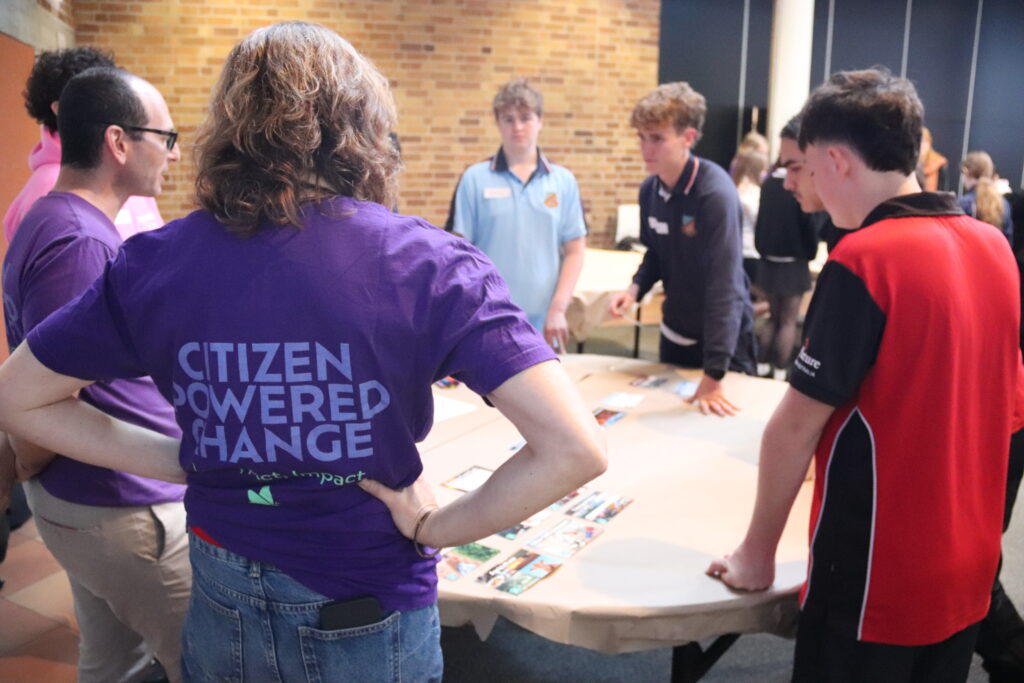
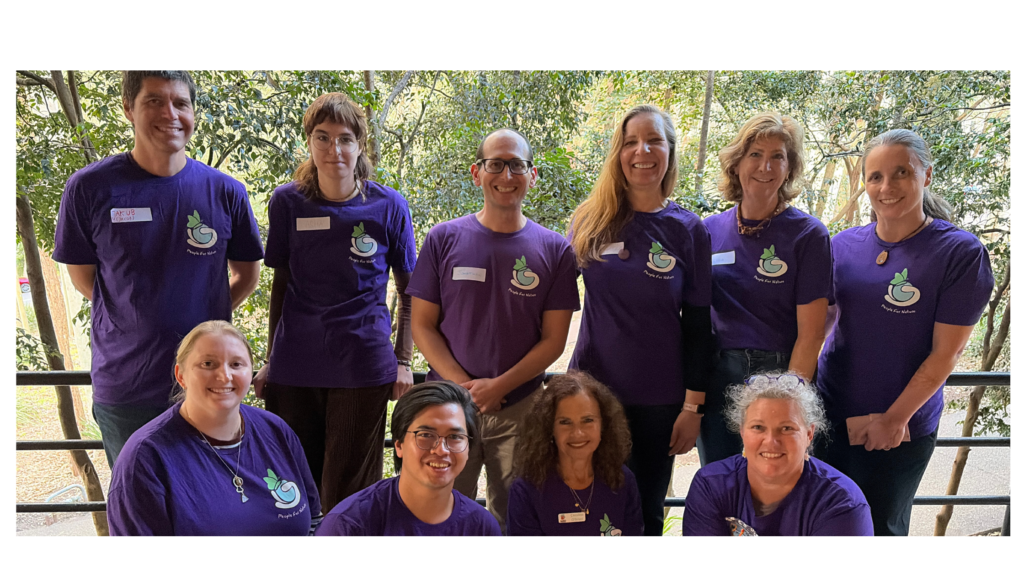
    • Climate Fresk Workshop, facilitated by 11 trained facilitators
    • Ecomind Workshop, focused on climate emotions and eco-anxiety
    • Solutions & Actions Session, exploring youth-led responses to the climate crisis
    • Keynote speakers, Dr Brodie Beales and Ms Devni Edirisinghe
    • Future Studies Expo, showcasing seven University of Newcastle faculties and sustainability-related study pathways

    Students from different schools worked together throughout the day, building new connections, sharing perspectives, and engaging in collaborative discussions on some of the most pressing challenges of our time.

    Transformative learning through systems thinking

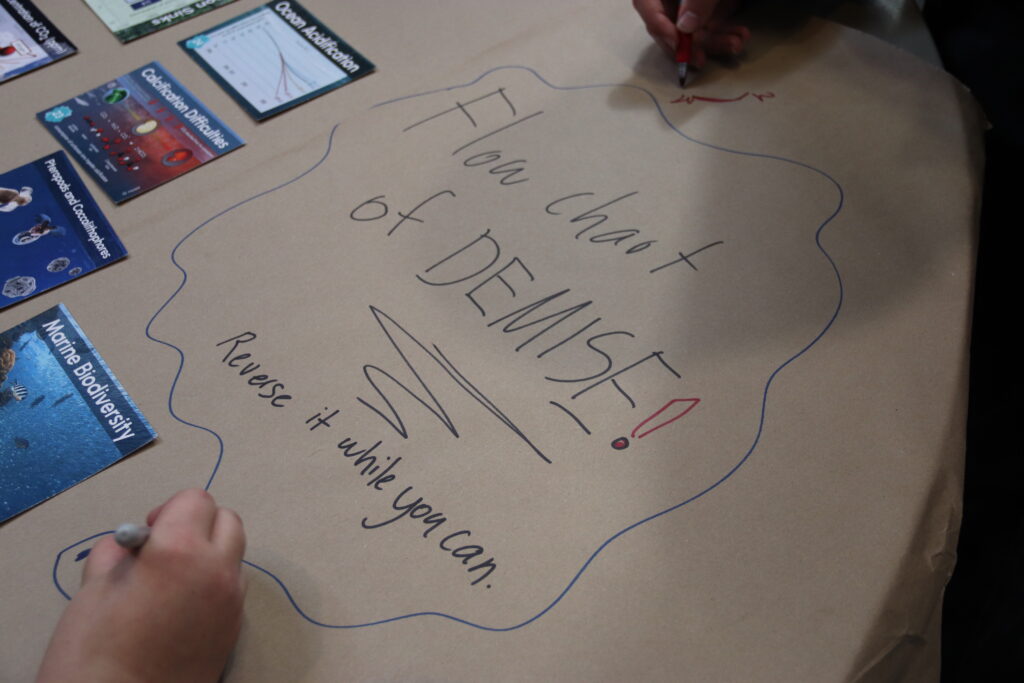
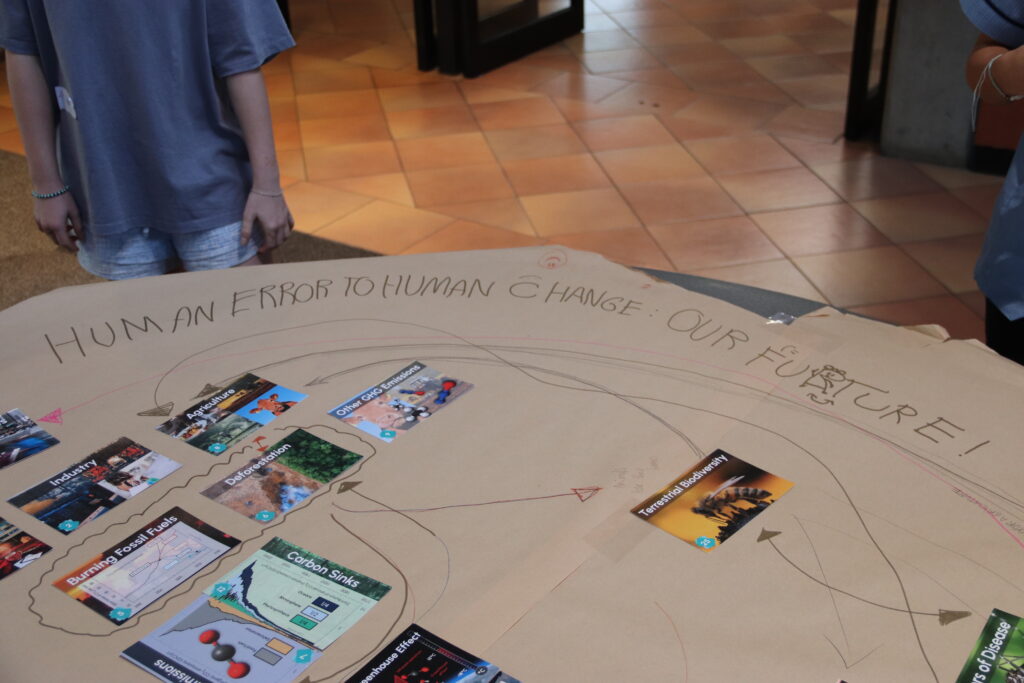
    The Climate Fresk workshop emerged as one of the most impactful components of the Summit. Students explored the interconnected nature of climate change and gained a systems-level understanding of how human activity, environmental impacts, and solutions are deeply linked.

    Post-event evaluation showed:

    • 100% of students reported a deeper understanding of the climate crisis
    • 100% of teachers confirmed improved student understanding
    • Consistently high engagement, curiosity, and critical thinking throughout the workshop

    As one student reflected:

    β€œDoing the Fresk and connecting all the problems made me realise how everything is connected and helped me gain a larger understanding of the climate problems and solutions.”

    Climate emotions, resilience, and hope

    The Ecomind workshop provided students with tools to better understand and manage emotions linked to climate change, including anxiety, overwhelm, and uncertainty.

    Key findings included:

    • 88% of students reported improved understanding of eco-anxiety and climate emotions
    • Teachers observed strengthened awareness of emotional wellbeing in 66% of students

    One student shared:

    β€œI’ve been feeling a lot of climate apathy due to the vastness of the issue. The conference helped me feel hopeful about the future for the first time in ages.”

    These insights highlight the importance of pairing climate education with emotional literacy and wellbeing support.

    High engagement and strong student satisfaction

    Across the day, engagement remained exceptionally high. Students particularly valued:

    • Collaborative learning with peers from other schools
    • The Climate Fresk workshop
    • Group discussions exploring solutions and actions
    • Exposure to future study and career pathways in sustainability

    Both students and teachers awarded the Summit a 5/5 satisfaction rating, reflecting the quality of the experience and the strength of the program design.

    Facilitator insights

    The Summit was supported by 11 Climate Fresk facilitators, who observed:

    • Strong collaboration and engagement across student groups
    • High-quality systems thinking discussions
    • Creative and practical solutions emerging from students
    • A strong sense of hope and agency

    Importantly, 100% of facilitators expressed interest in supporting future Youth Summits.

    A strong foundation for the future

    While feedback was overwhelmingly positive, participants also shared thoughtful suggestions to further strengthen future editions, including:

    • Increased youth leadership opportunities
    • More time for collaborative solution-building
    • Expanded representation of disciplines in future studies pathways
    • Stronger integration between climate emotions and climate action

    With thanks

    This event was made possible through the generous support of the City of Newcastle, whose funding helped bring the vision to life. We extend our sincere gratitude to Heather Stevens and the Environment & Sustainability team for their trust, flexibility, and commitment.

    We also acknowledge the University of Newcastle for hosting the Summit and providing an inspiring setting for learning and connection. Special thanks to Tarin Cromarty for her outstanding support, energy, and dedication throughout the planning and delivery of the event.

    Conclusion

    The Shaping Our Future Youth Summit demonstrated the power of bringing young people together to explore climate science, process emotions, and co-create solutions.

    When given the space to understand complex systems, reflect on their emotions, and engage with real-world pathways, young people respond with clarity, creativity, and hope.

    This inaugural Summit has laid a strong foundation for future programs that integrate climate literacy, wellbeing, and action β€” empowering the next generation to shape a more sustainable future.

  • Why we need a Citizen COP β€” and a Green Zone for everyone

    Why we need a Citizen COP β€” and a Green Zone for everyone

    Every year, governments from around the world come together at COP to make decisions about climate and biodiversity.

    These decisions matter to all of us.

    They shape the policies, investments and priorities that affect our communities, our environment and our future. Yet the conversations can feel very far removed from everyday life β€” happening in international meeting rooms, behind technical language, accreditation systems and closed-door negotiations.

    We believe they shouldn’t be.

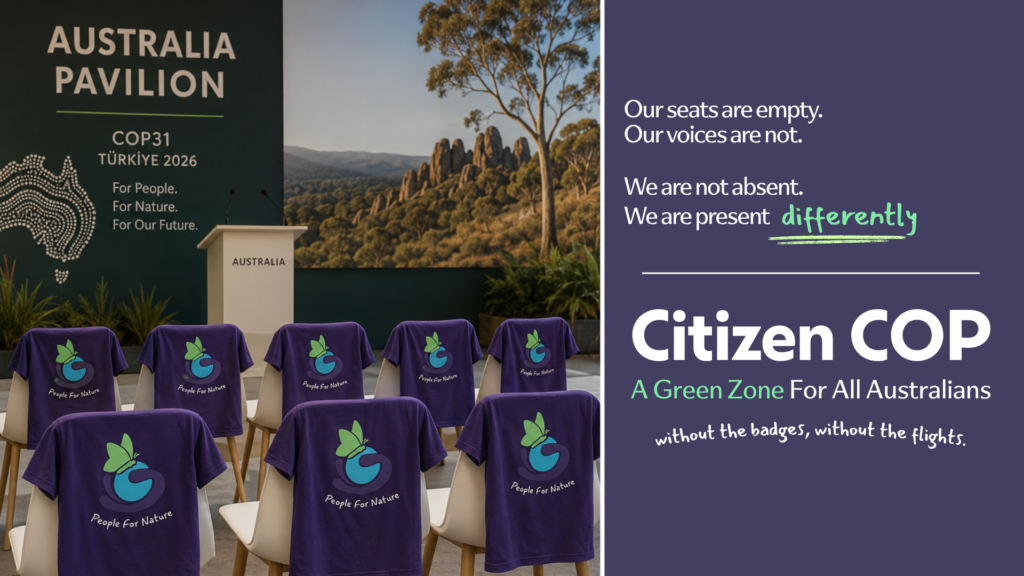
    That is why People For Nature created Citizen COP Australia: to bring the conversation back into communities and create more space for people to learn, question, connect and participate.


    So, what is a Green Zone?

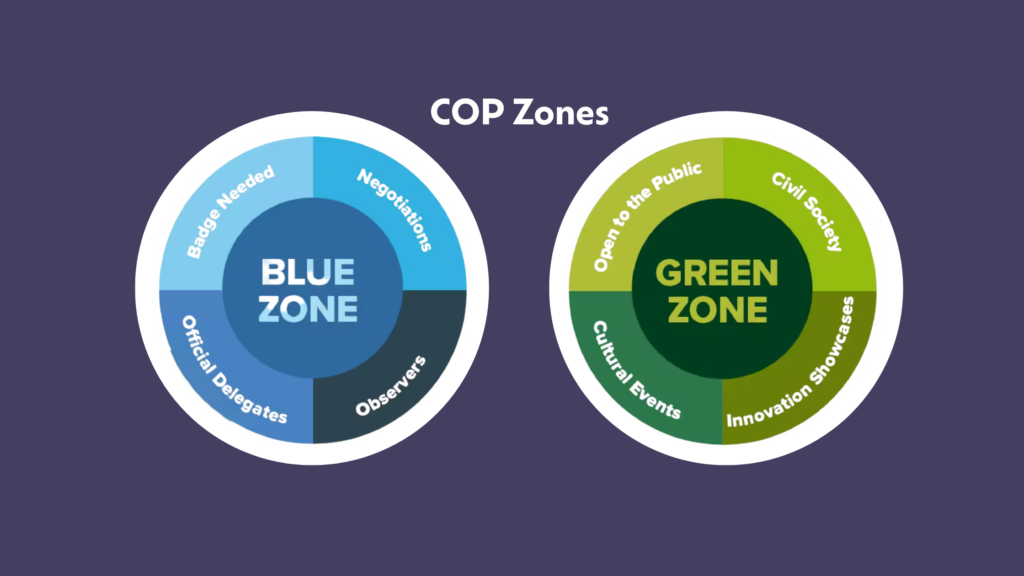
    When you hear about COP, you will often hear about the Blue Zone and the Green Zone.

    The Blue Zone is where the formal UN negotiations take place. It is where accredited country delegations, observers and other participants engage in the official COP process.

    The Green Zone is different.

    It is the public-facing space around COP β€” where civil society, community organisations, businesses, researchers, young people, artists and others can come together to share knowledge, discuss ideas and engage with the issues being considered at COP.

    It is where the conversation can become more open, accessible and human.

    But you shouldn’t have to fly across the world to be part of it.


    What if the Green Zone came to us?

    That is the idea behind Citizen COP.

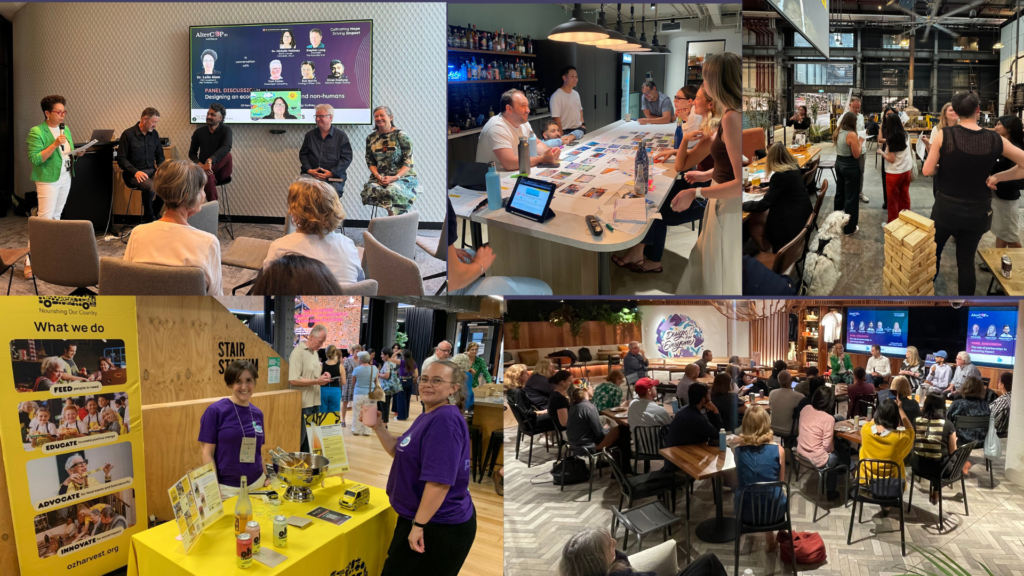
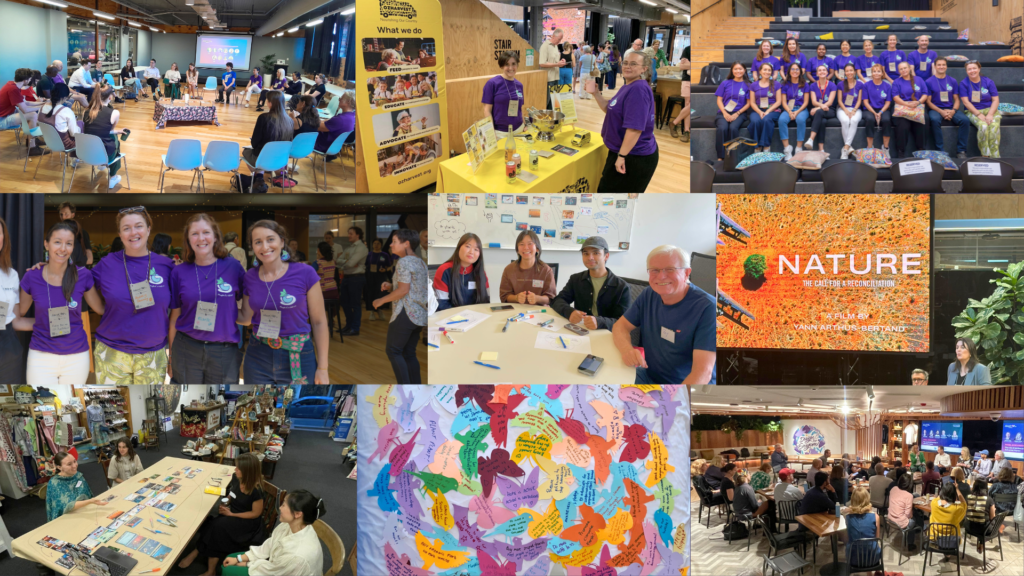
    Rather than creating one big event in one city, Citizen COP creates a decentralised Green Zone across Australia β€” made up of local conversations, workshops, walks, exhibitions, film screenings, community gatherings, youth events and other activities.

    Citizen COP runs running alongside two important global moments:

    🌿 The Convention on Biological Diversity (CBD), known informally as the Biodiversity Convention.


    🌏 Conference of the Parties (COP), also known as the United Nations Framework Convention on Climate Change (UNFCCC)

    As the global conversations happen, people across Australia can gather locally to understand what is happening, explore what it means for their communities, and consider what role they can play.


    Why does this matter?

    Because environmental decisions should not be something that happens to people.

    People need opportunities to understand what is happening, ask questions, share knowledge and have a voice in the conversations shaping their future.

    And participation shouldn’t depend on whether you can afford a flight, work for an accredited organisation or already know the language of climate and biodiversity policy.

    You don’t need to be an expert.

    You don’t need to belong to an environmental organisation.

    You don’t need to travel overseas.

    You just need to care enough to join the conversation.

    Citizen COP is about creating that civic space.


    A Green Zone in your community

    A Citizen COP event can look almost anything like a community wants it to.

    It might be:

    • a workshop
    • a conversation about local biodiversity
    • a nature or cultural walk
    • a film screening
    • a school or youth-led event
    • an exhibition or creative project
    • a community meal
    • a panel or public conversation
    • a workshop on food, cities, climate resilience or the circular economy
    • an online gathering

    The point isn’t the format.

    The point is creating space for people to participate.

    Citizen COP is not one conference.

    It is a national network of people creating their own spaces for participation.


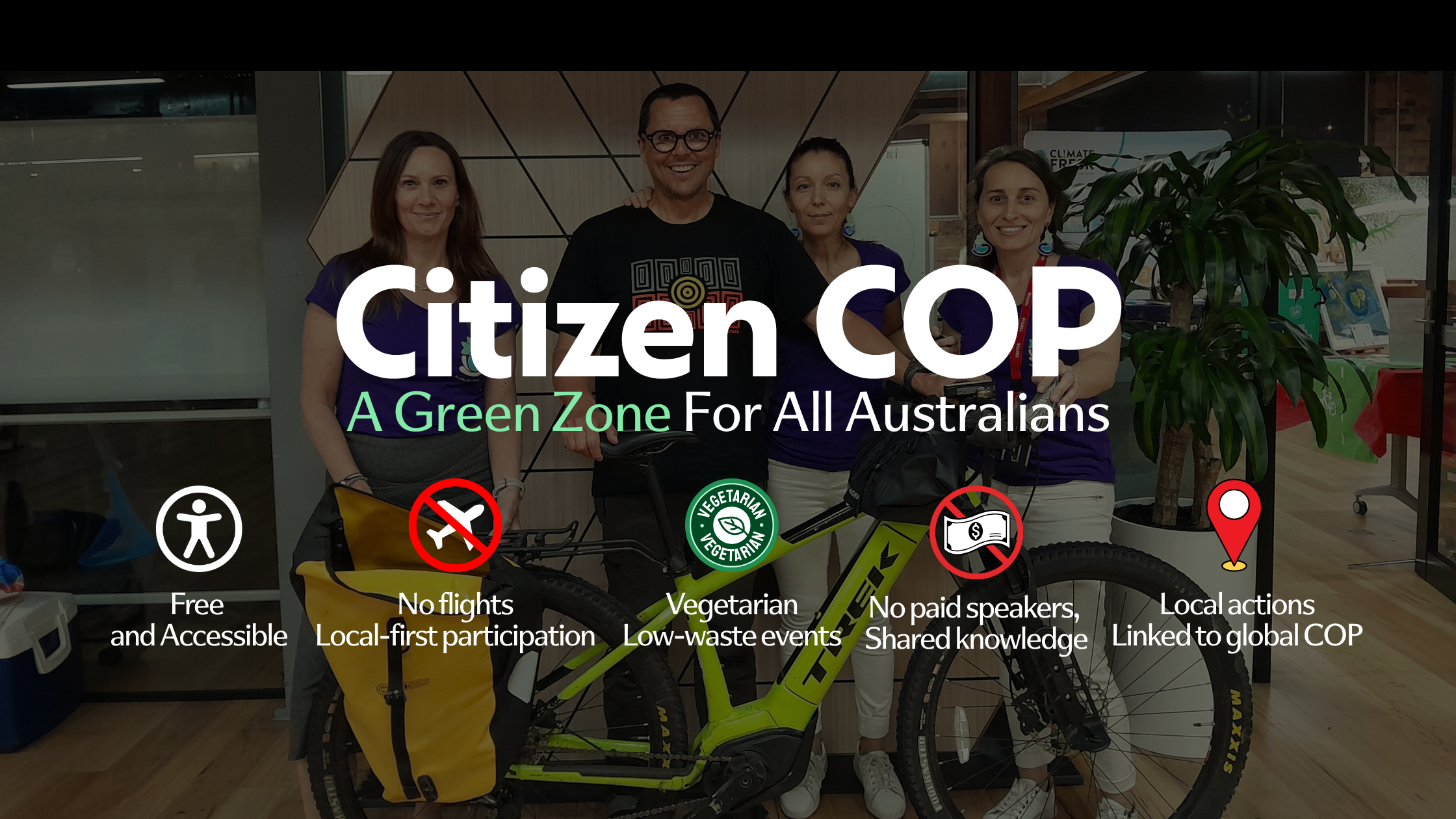
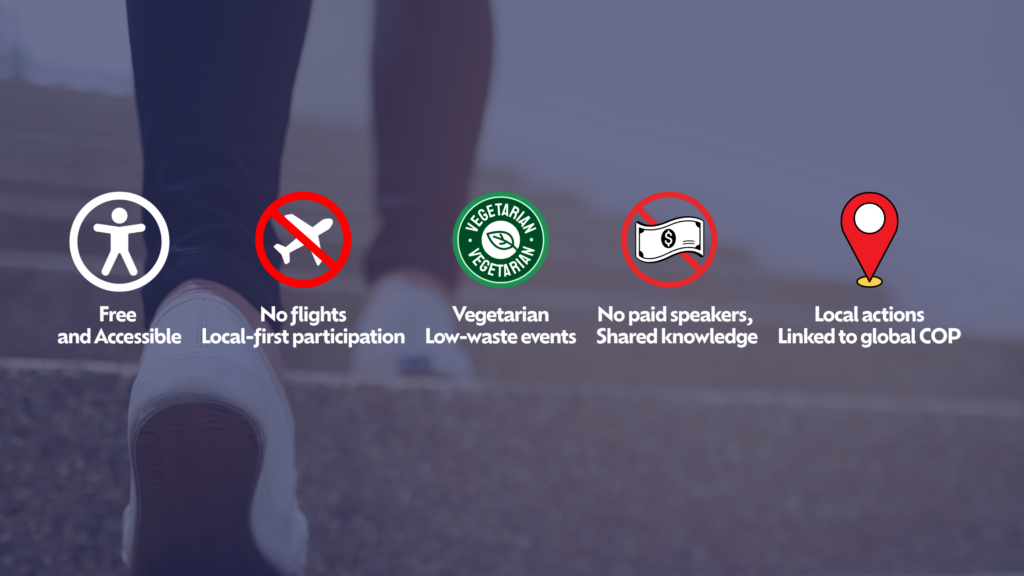
    No flights. No badges. No closed doors.

    Citizen COP is designed around a few simple principles.

    No flights β€” participate locally rather than travelling across the world.

    No badges β€” you don’t need special credentials to be part of the conversation.

    No closed doors β€” make environmental knowledge and discussion accessible.

    No fossil fuel influence β€” protect the independence of the space.

    And wherever possible, events are designed to be free, low-waste, vegetarian and based on shared knowledge rather than paid speakers.


    Give nature a seat at the table

    Ultimately, Citizen COP is about more than creating events.

    It is about strengthening the civic space around climate and biodiversity.

    Because democracy depends on people being able to understand the issues that affect them, participate in conversations about them and connect with others who care.

    The formal COP process has an important role to play.

    But the work of creating change cannot happen only inside conference centres.

    It happens in neighbourhoods, schools, universities, workplaces, community halls, councils, gardens, streets and online spaces.

    It happens when people start talking.

    When they learn something new.

    When they listen to another perspective.

    When they organise.

    When they act.

    That is our vision for Citizen COP: a Green Zone that belongs to everyone, everywhere.


    A shared effort

    Explore the growing programme of Citizen COP events across Australia, support the growth of our national Green Zone, or get in touch to find out how you can be part of it.

    View Citizen COP events β†’
    Support Citizen COP β†’
    Explore partnership opportunities β†’

    For questions about Citizen COP, contact citizencop@peoplefornature.org.au

    Warmly,
    The Citizen COP Team

  • Meet our ambassador: Aish Srinivas

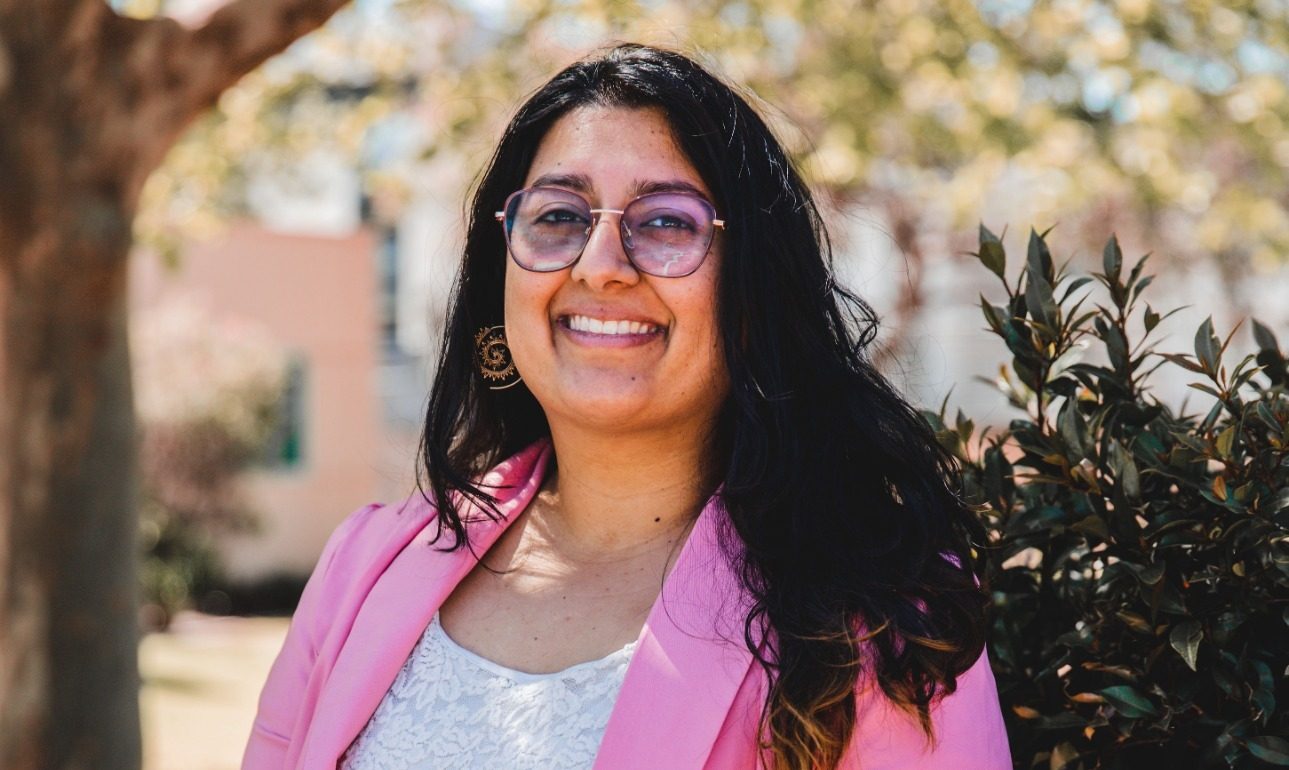
    Meet our ambassador: Aish Srinivas

    Climate Fresk facilitator, WA

    Aish became a Fresker in 2022. After meeting Laure Legros at a hackathon, she was encouraged to attend a Fresk event in Perth. She went with a friend, and it turned out to be a life-changing experience for both of them.

    Aish’s motivation comes from her fascination with science communication, recognising how often we fear what we don’t understand. The Fresk process allowed her to be part of a story that breaks down complex science into something accessible and relatable.

    One of Aish’s most inspiring experiences was facilitating a multi-group Fresk with the French-Australian Chamber of Commerce. The event brought together multiple groups, facilitators, and organisations, and the discussions were transformative.

    Several participants shared that their understanding of climate science had changed, and they felt inspired to make significant changes in their lives. They appreciated the clarity the Fresk process provided, which made the complex subject matter easier to trust.

    When it’s tough to inspire action, Aish reflects on the belief that perfection is the enemy of progress. She believes that even reaching a small portion of the audience is worth it, knowing that every step forward contributes to the larger cause.

    🀝 Connect with Aish on LinkedIn πŸ’š

  • Meet our ambassador: Carmelo Fedele

    Meet our ambassador: Carmelo Fedele

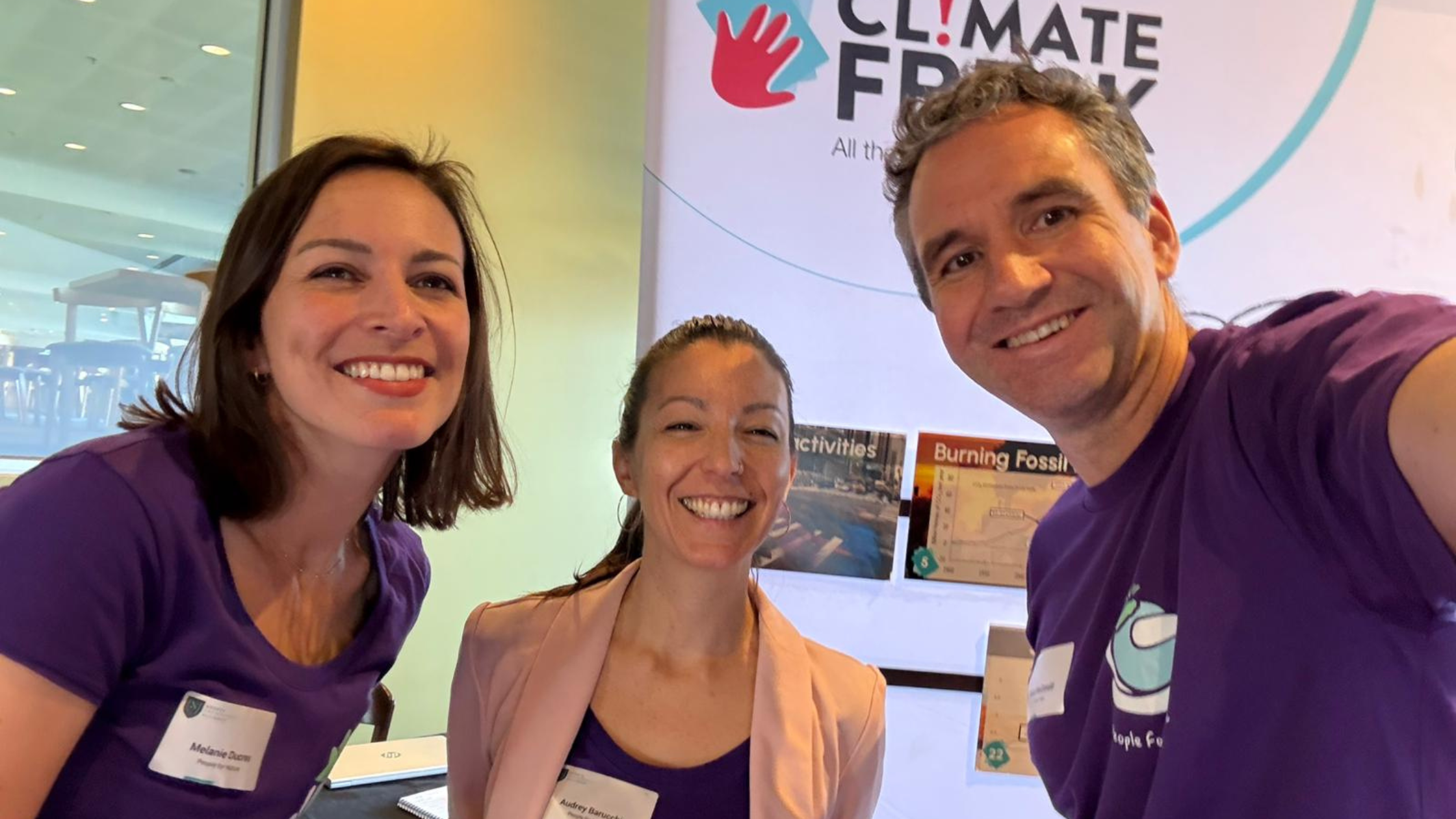
    Climate Fresk & Biodiversity Collage facilitator, NSW

    Carmelo became a Fresker in April 2023, driven by a desire to engage his students in climate change education.

    One of his proudest achievements was facilitating the largest Climate Fresk, held in Australia with more than 120 IGS staff participating in the workshop facilitated by students.

    You can read the IGS Climate Fresk case study here.

    Today, he also runs Biodiversity Collage workshop; it’s exciting to see him share his knowledge of biodiversity with schools.

    When it’s tough to inspire action, Carmelo reflects on the world his students will inherit, striving to ensure he does his part to make it better. 

    We feel blessed to have Carmelo as part of the team because students are the seeds of the future we want to cultivate.

    🀝 Connect with Carmelo on LinkedIn πŸ’š

  • Meet our ambassador: Bruce MacDonald

    Meet our ambassador: Bruce MacDonald

    Climate Fresk Facilitator, VIC

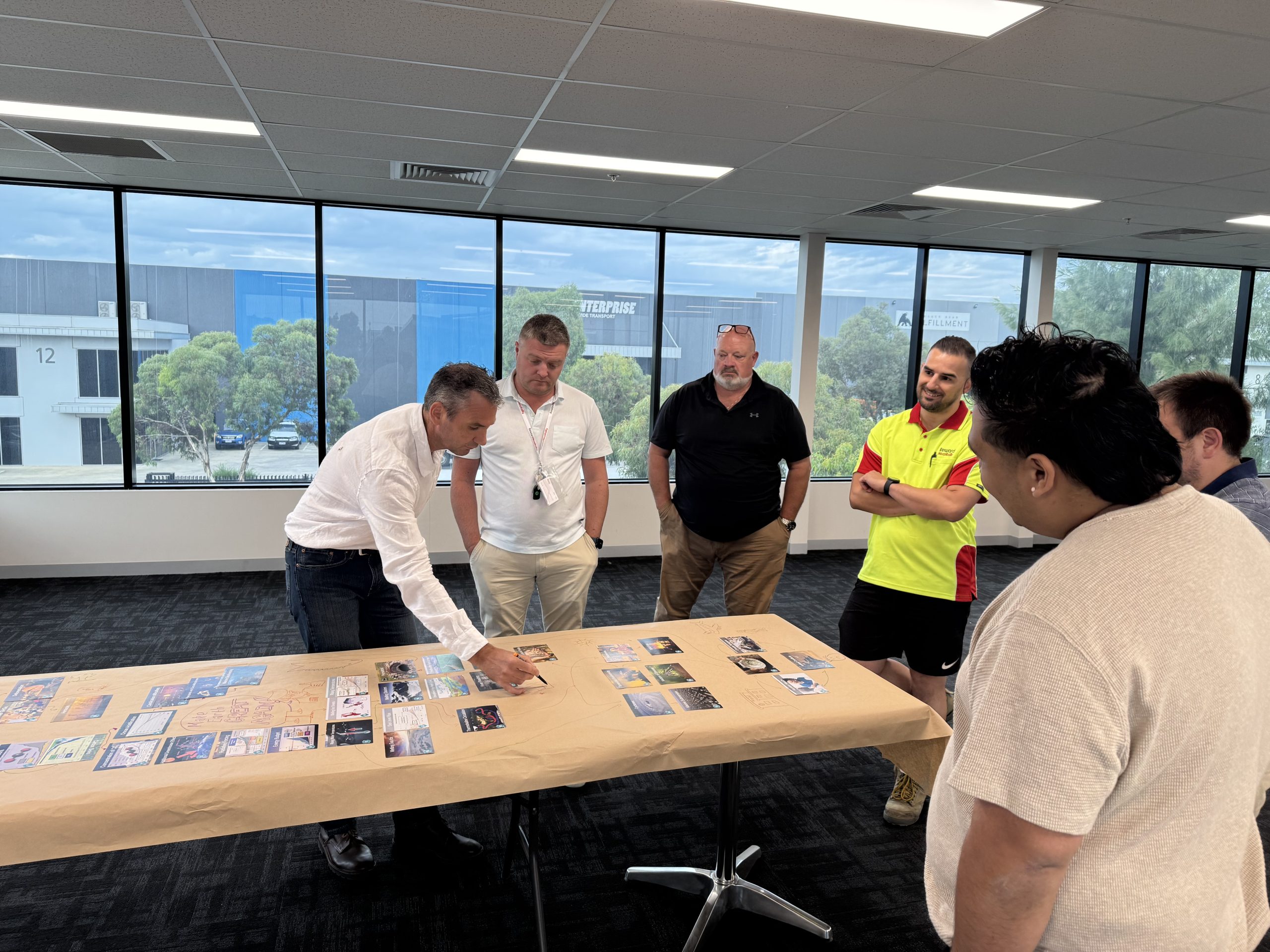
    Bruce became a Fresker in October 2022 after attending a workshop at his office, led by Laure Legros, the Climate Fresk Country Lead at that time.

    After a conversation with her, Bruce knew this was a journey he wanted to continue.

    Although he was already aware of the climate issues we face, he was deeply moved by the effectiveness of the Fresk delivery and saw how it impacted other participants. It inspired him to contribute in a meaningful way.

    One of his proudest moments was when his workshop inspired two of his students, Tim and Erica, to become facilitators themselves. Soon, he’ll be helping them deliver their first workshop, continuing the cycle of empowerment and education.

    What keeps Bruce motivated, especially when it’s tough to inspire action, is the thought of future generations who will inherit the world we shape today.

    While the challenges ahead are significant, he believes that every small positive impact counts, and we owe it to those yet to be born to do what we can now.

    “There are a lot of people – a lot of generations – that have not yet been born. There is little doubt that the world that they face is going to be worse by almost every measure than the one that we live in. But it is not a binary outcome. It will not be a matter of success or failure. Any small impact we can make is positive. And we owe it to those who have no voice because they have not yet been born to do what we can.“

    🀝 Connect with Bruce on LinkedIn πŸ’š

  • Become a People For Nature ambassador

    Become a People For Nature ambassador

    Inspire change. Empower others. Lead with purpose.

    Are you a trained facilitator of Climate Fresk or Biodiversity Collage β€” or an expert in conservation or sustainability?

    Are you passionate about nature, climate, and creating real impact in your community? Join our growing movement of changemakers across Australia as a People For Nature Ambassador.

    🌱 What is the Ambassador Program?

    Our Ambassador Program is at the heart of a national effort to reconnect people with nature through education, action, and citizen-powered change. Ambassadors are trained and supported to run engaging, science-based workshops on climate change, biodiversity, and nature-based solutions β€” empowering others to understand and act on the most pressing environmental challenges of our time.

    From school classrooms to boardrooms, Ambassadors help build awareness and momentum, one meaningful conversation at a time.

    🌏 Why Join?

    As an Ambassador, you’ll:

    • Facilitate meaningful conversations on climate and biodiversity
    • Use proven tools like Climate Fresk and the Biodiversity Collage to inspire action
    • Join a supportive network of passionate, like-minded leaders
    • Share your expertise in conservation, sustainability, or environmental education
    • Help shape a future where people and nature thrive together

    Whether you’re a teacher, student, scientist, community leader, parent, or professional β€” if you care about the planet and want to make a difference, you belong here.

    πŸ’¬ What Our Ambassadors Do

    • Facilitate interactive workshops using tools like Climate Fresk and Biodiversity Collage
    • Share knowledge and spark conversations in schools, communities, and workplaces
    • Help grow a national movement of citizen conservationists and scientists
    • Act as local champions for nature-based education and action

    πŸ’š Ready to Take the First Step?

    We believe in people power β€” and it starts with you.
    If you’re ready to host a workshop, become an Ambassador, or simply learn more, we’d love to hear from you.

    πŸ‘‰ Get in touch and let’s grow something beautiful together.