Author: Andres

  • Sounds of Summer Festival at the French Embassy

    Sounds of Summer Festival at the French Embassy

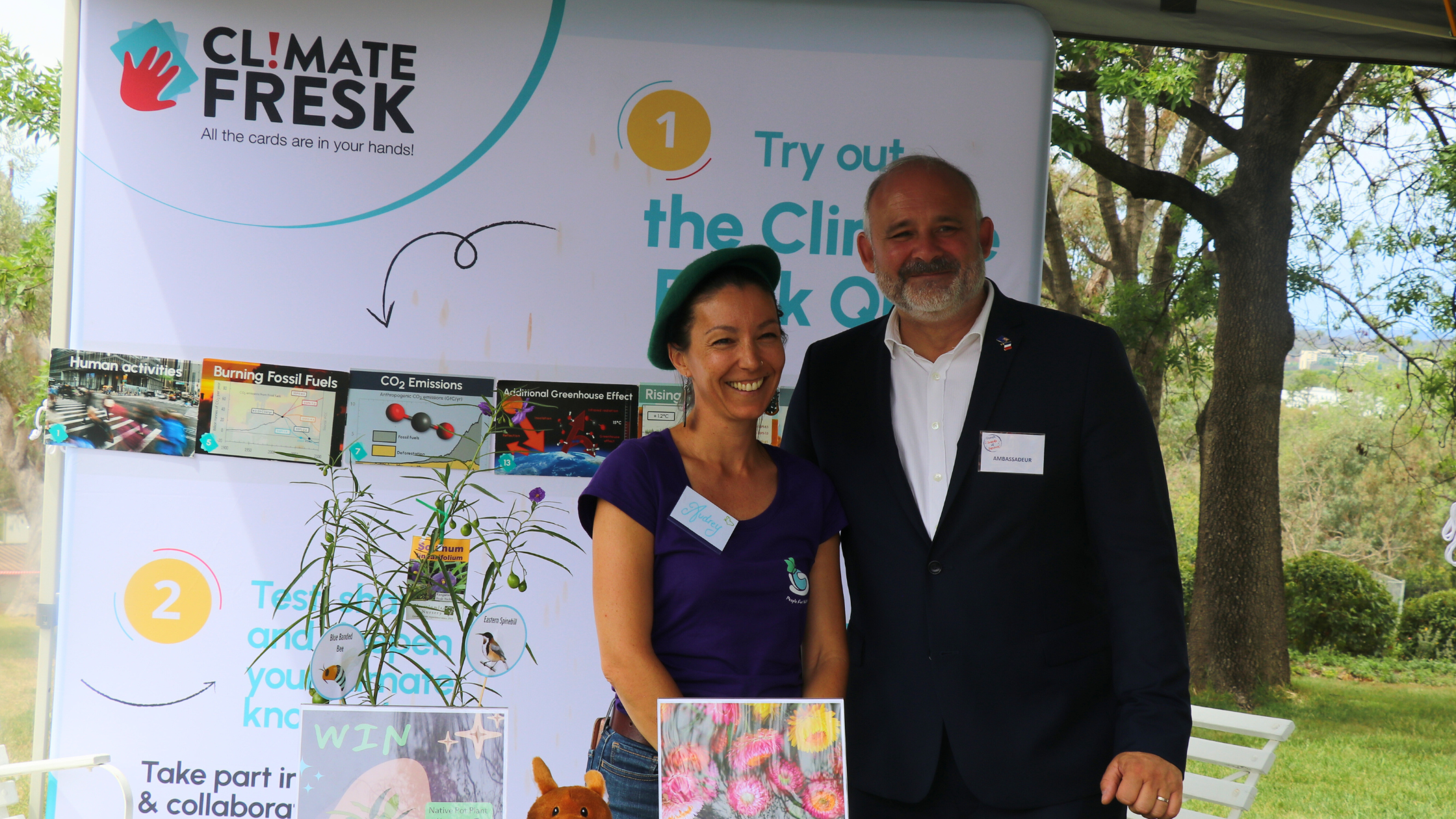
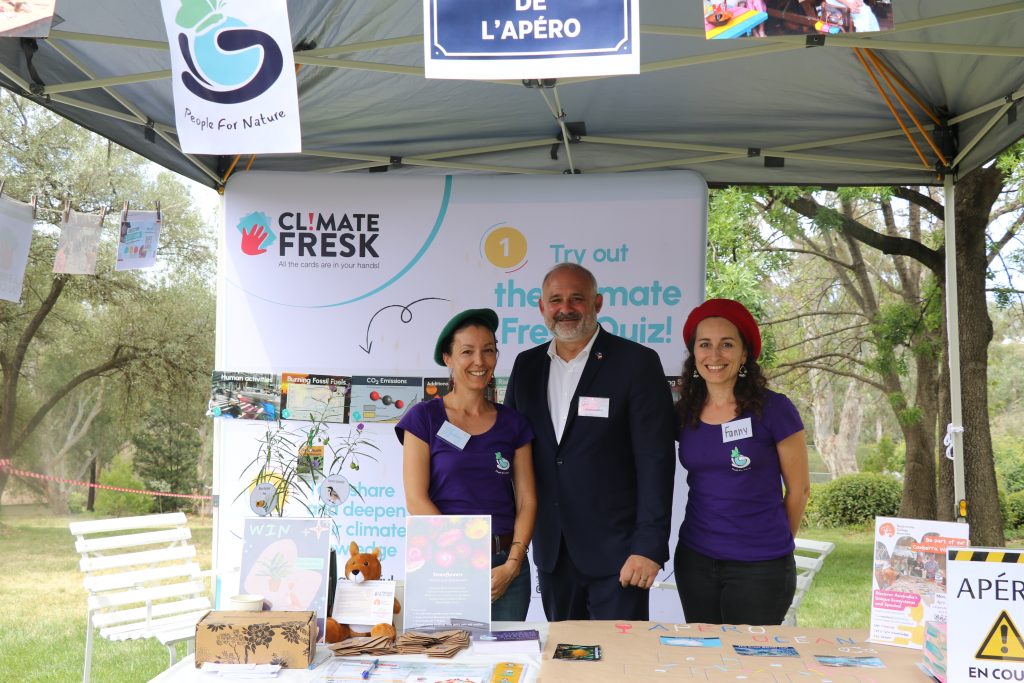
    We were thrilled to be part of this year’s Sounds of Summer Festival at the French Embassy in Canberra! This unique event celebrated cultural and environmental connections between France and Australia, providing an inspiring platform for collaboration, community, and creativity.

    Celebrating Nature Through Sound and Action

    The Sounds of Summer Festival was more than a celebration of music and art—it served as a meeting point for ideas and initiatives that emphasised sustainability and our shared responsibility to protect the planet. Our participation highlighted the growing significance of citizen-led efforts in addressing climate and biodiversity challenges.
    Our Contributions to the Festival

    At People For Nature, we are passionate about turning knowledge into action. During the festival, we:

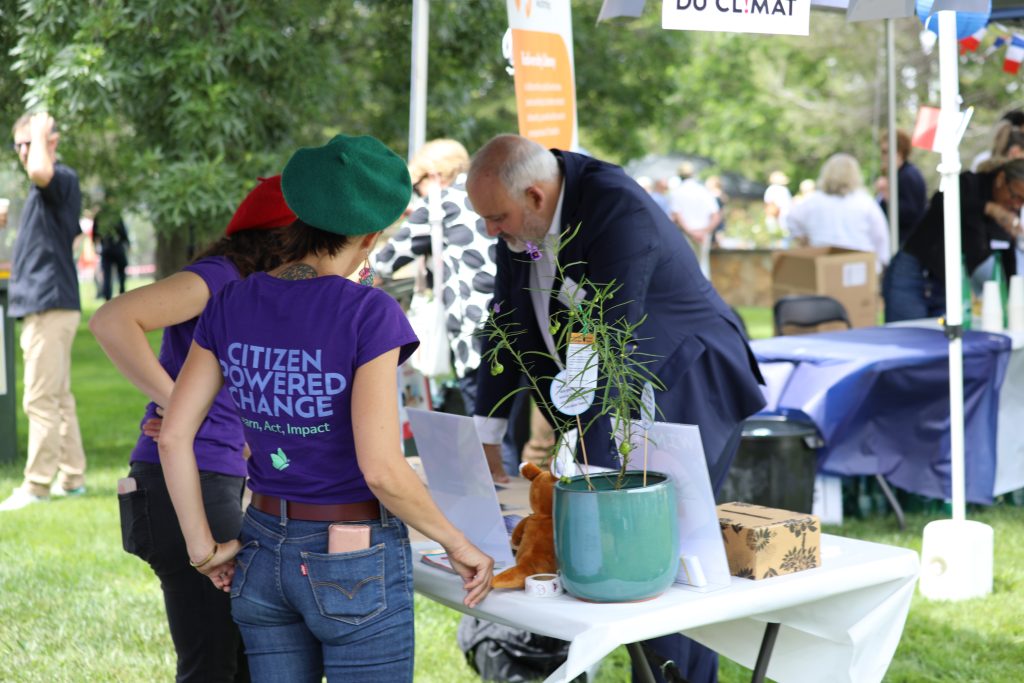
    • Engaged and Educated: Visitors joined our interactive climate and biodiversity literacy sessions, designed to make complex environmental issues accessible and actionable.
    • Inspired: We showcased our exciting programs, including The Biodiversity Collage and other creative tools that empower people to reconnect with nature.
    • Celebrated Connections: Together, we explored the cultural ties between France and Australia, particularly in biodiversity conservation and environmental education.

    Why This Festival Mattered

    The French Embassy’s commitment to sustainability resonated deeply with our mission. By bringing together diverse voices and perspectives, the Sounds of Summer Festival illuminated the power of collaboration in tackling global challenges. Events like this remind us that art, music, and culture are powerful tools to inspire environmental action.

    We were grateful to connect with so many passionate individuals and share in the celebration of nature, culture, and collaboration.

    Thank You for Joining Us!

    To everyone who visited us at the festival, thank you for making it a memorable event. Stay connected with us on social media to learn more about our initiatives and upcoming activities. Together, let’s continue to celebrate, learn, and take action for the planet!

  • What’s the difference between a not-for-profit and a charity? understanding people for nature’s role

    What’s the difference between a not-for-profit and a charity? understanding people for nature’s role

    At People For Nature, we’re often asked whether we’re a not-for-profit or a charity—and what the difference between the two really is. While the terms are often used interchangeably, they carry distinct meanings that reflect how organisations like ours operate and create impact.

    Nonprofit vs. Charity: What’s the Difference?

    A not-for-profit is an organisation that exists to serve a mission or cause, reinvesting any surplus revenue back into its programs and services rather than distributing profits to owners or shareholders. Not-for-profits can operate in various sectors, from education to the arts and environmental conservation, like People For Nature.

    A charity, on the other hand, is a specific type of not-for-profit with a primary focus on providing aid or relief to address social or environmental challenges. Charities are often associated with direct service delivery and rely heavily on public donations to fund their work. They also receive special tax concessions in recognition of their public benefit.

    Where Does People For Nature Fit In?

    People For Nature is both a not-for-profit and a registered charity. This means we work to achieve our goal of reconnecting people with nature and empowering them to take meaningful environmental action, while also benefiting from tax concessions that support our work.

    As a charity, we focus on:

    Climate and Biodiversity Education

    Through workshops, community initiatives, and public outreach, we make complex environmental science accessible and actionable.

    Empowering Citizens

    We believe in the power of people to drive change. Our programs inspire individuals to become conservation advocates and leaders in their communities.

    Collaborative Partnerships

    By working with other organisations, governments, and businesses, we amplify our impact and promote shared solutions to environmental challenges.

    How We Operate

    As a not-for-profit charity, People For Nature reinvests every dollar we receive to fulfil our goal. This allows us to:

    • Develop and expand educational programs like the Biodiversity Collage and Climate Fresk workshops.
    • Support local citizen conservation projects that protect and restore biodiversity.
    • Advocate for sustainable policies and practices at a community and national level.

    Why It Matters

    Understanding the distinction between not-for-profits and charities helps clarify how organisations like People For Nature operate and create impact. While all charities are not-forprofits, not all not-for-profits are charities. Being both allows us to combine a purpose-driven approach with the resources and support needed to address Australia’s most pressing environmental challenges.

    How You Can Support People For Nature

    As a charity, we rely on the generosity of individuals, businesses, and communities to continue our work. Here’s how you can get involved:

    Donate

    Your contributions directly fund our programs and initiatives.

    Participate

    Join one of our workshops or events to learn more about climate and biodiversity.

    Advocate

    Share our goal and encourage others to take action for nature.

    Together, we can create a future where people and nature thrive in harmony. Thank you for being part of this journey with us!

  • Reconnecting People with Nature: Why Literacy Is the Missing Link in Australia’s Environmental Future

    Reconnecting People with Nature: Why Literacy Is the Missing Link in Australia’s Environmental Future

    Australia is one of the most biodiverse countries on Earth — and one of the fastest experiencing species decline.

    We speak about climate change.
    We speak about conservation.
    But we rarely speak about ecological literacy.

    The environmental crisis is not only ecological.
    It is educational.

    Without a widespread understanding of how ecosystems function — and how deeply human wellbeing depends on biodiversity — meaningful, sustained action remains limited.

    People For Nature was founded in response to this gap.

    The Missing Middle in Environmental Action

    In Australia, environmental action often sits at two extremes:

    • 💜 Policy and regulation
    • 💜 Grassroots activism

    Both are essential. But between them lies an underdeveloped space: structured, science-based public education that equips citizens, professionals and leaders to understand ecological systems.

    Internationally, participatory learning models such as Climate Fresk and La Fresque de la Biodiversité have demonstrated that when complex science is translated into collaborative workshops, people move from awareness to agency.

    People For Nature was established to bring this systems-based approach into the Australian context — and to embed it within communities, businesses and civic life.

    From Knowledge to Agency

    Environmental change does not occur through information alone. It requires:

    • 💜 Shared understanding
    • 💜 Structured dialogue
    • 💜 Practical pathways for action

    People For Nature focuses on translating peer-reviewed science into accessible, participatory formats that empower individuals to act within their sphere of influence — whether in their workplace, local community or personal life.

    The objective is not awareness.
    It is capacity.

    A Citizen Movement, Not a Traditional Charity

    People For Nature was co-founded as a citizen movement designed to strengthen ecological literacy across Australia.

    Our approach centres on:

    • 💜 Climate and biodiversity education
    • 💜 Ambassador training and facilitation
    • 💜 Community-led engagement
    • 💜 Cross-sector collaboration

    We believe environmental progress requires cultural competence — not just compliance.

    Policy can set direction.
    Citizens sustain momentum.

    Why This Matters Now

    Australia’s environmental future depends on more than targets and strategies.

    It depends on whether society at large understands:

    • 💜 The interdependence of climate and biodiversity
    • 💜 The systemic nature of ecological decline
    • 💜 The role individuals and organisations can play

    Reconnection is not symbolic.
    It is structural.

    People For Nature exists to make that reconnection practical, credible and scalable.

    Attend a Workshop

    👉 https://collections.humanitix.com/people-for-nature-literacy-workshops