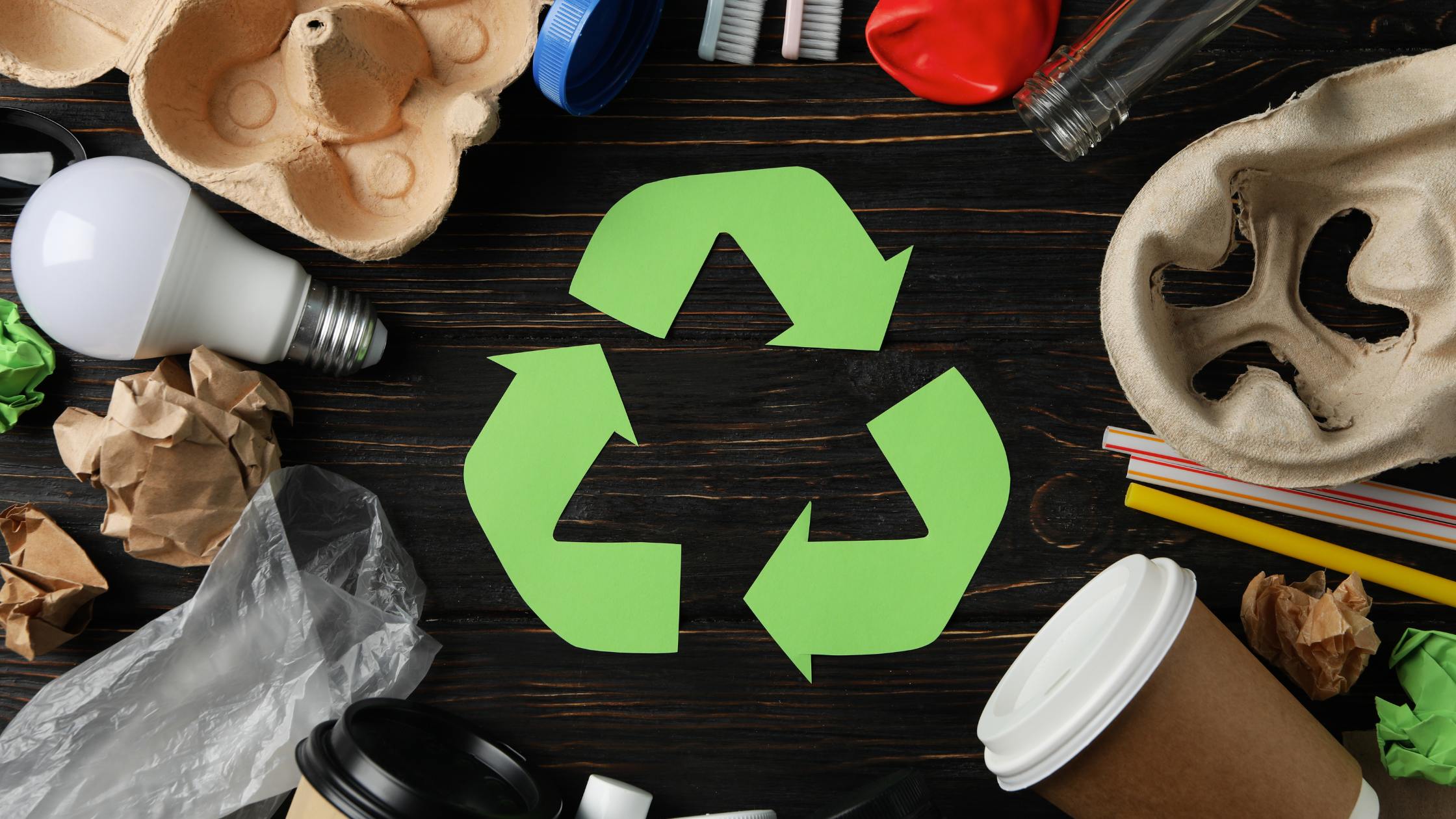
At events, festivals, and public spaces, waste bins are often the first place we are asked to “do the right thing”.
Recycle this.
Compost that.
Landfill the rest.
It seems simple enough.
But in reality, waste sorting is just one small part of a much bigger system—and it’s often where confusion begins.
This is the thinking behind our video “Help Kokonut sort it right!”, created to make waste systems more visible, more playful, and easier to understand.
Because when people are confused, it’s rarely due to lack of care. It’s usually because systems themselves are complex.
Why waste sorting is harder than it looks
At first glance, bins appear straightforward:
- ♻️ Recycling
- 🌿 Compost
- 🔴 Landfill
- 💰 Containers for Change
But the reality behind each stream is more complicated.
Some items that look recyclable are not accepted in standard recycling systems.
Some “compostable” packaging requires industrial facilities that aren’t widely available.
Some materials technically can be recycled—but only if they are clean, separated, and processed correctly.
Even well-intentioned decisions can end up in landfill.
This is not a failure of individuals. It’s a reflection of how systems are designed.
The role of confusion (and why it matters)
When people are unsure where something goes, it often leads to one of two outcomes:
- placing it in recycling “just in case”
- or defaulting to landfill to avoid contamination
Both are understandable. Both are common.
But both highlight a deeper issue: we are asking individuals to navigate systems that are not always intuitive.
This is why education and clarity matter—but also why design matters just as much as behaviour.
What Kokonut helps us see
Through simple examples—like bottles, food scraps, coffee cups, and takeaway packaging—the video shows:
- Not everything that looks recyclable actually is
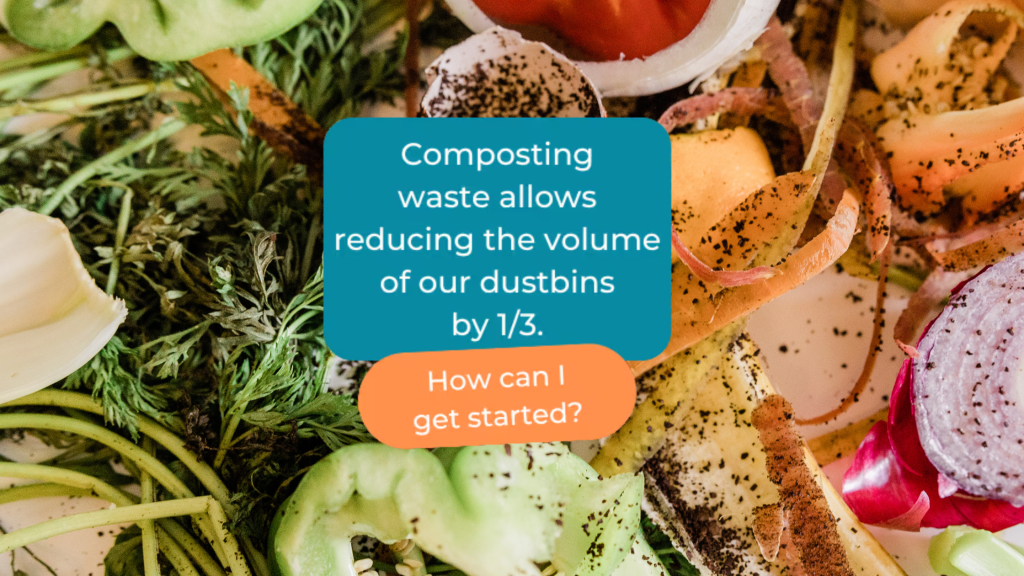
- Food waste belongs in biological cycles (compost), not landfill
- Container Deposit Schemes provide a clear recovery pathway for some materials
- Many everyday items still end up in landfill, even when sorted correctly
The goal is not perfection.
It is understanding.
The bigger question: why are we sorting so much waste at all?
Waste sorting is important. It helps reduce contamination and improves recovery where systems exist.
But it also raises a bigger question:
Why are we generating so many materials that require sorting in the first place?
Many single-use items are designed for convenience, not recovery.
Some materials are complex combinations that cannot easily be separated.
And even with good sorting, a significant proportion still ends up in landfill.
This is where the conversation begins to shift—from behaviour at the bin, to design upstream.
From sorting waste to reducing it
A more effective system starts earlier in the cycle:
- choosing reusable over single-use
- designing packaging that is truly recoverable
- supporting systems like refill and return
- reducing unnecessary material use altogether
This doesn’t replace recycling or composting. It strengthens it by reducing pressure on the system in the first place.
The takeaway
Waste sorting matters. It plays a role in keeping materials in circulation where possible.
But it is not the end of the story.
If we stop at sorting, we miss the bigger opportunity: designing systems that create less waste in the first place.
♻️ Reduce first.
♻️ Reuse always.
♻️ Then sort what’s left.
Because the goal is not just to sort waste better—but to create less of it altogether.