Inspire change. Empower others. Lead with purpose.
Are you a trained facilitator of Climate Fresk or Biodiversity Collage — or an expert in conservation or sustainability?
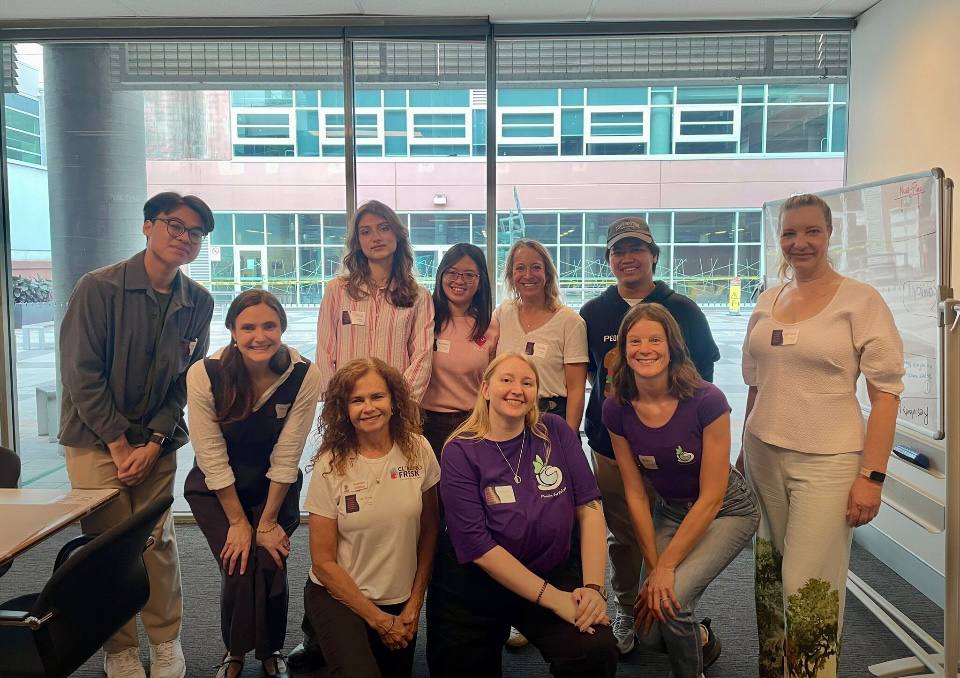
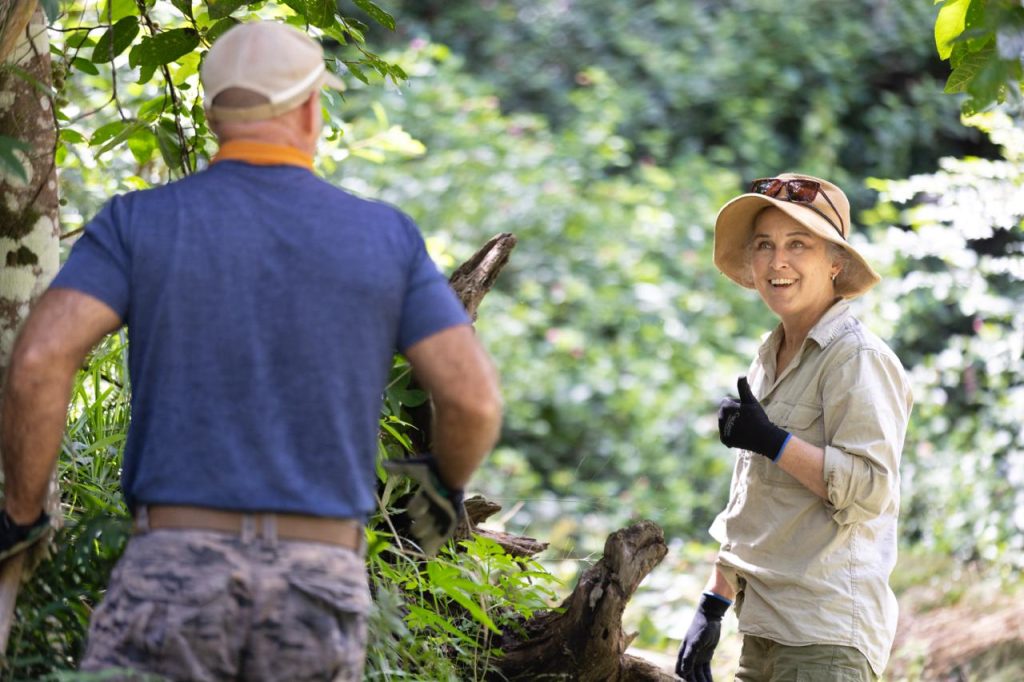
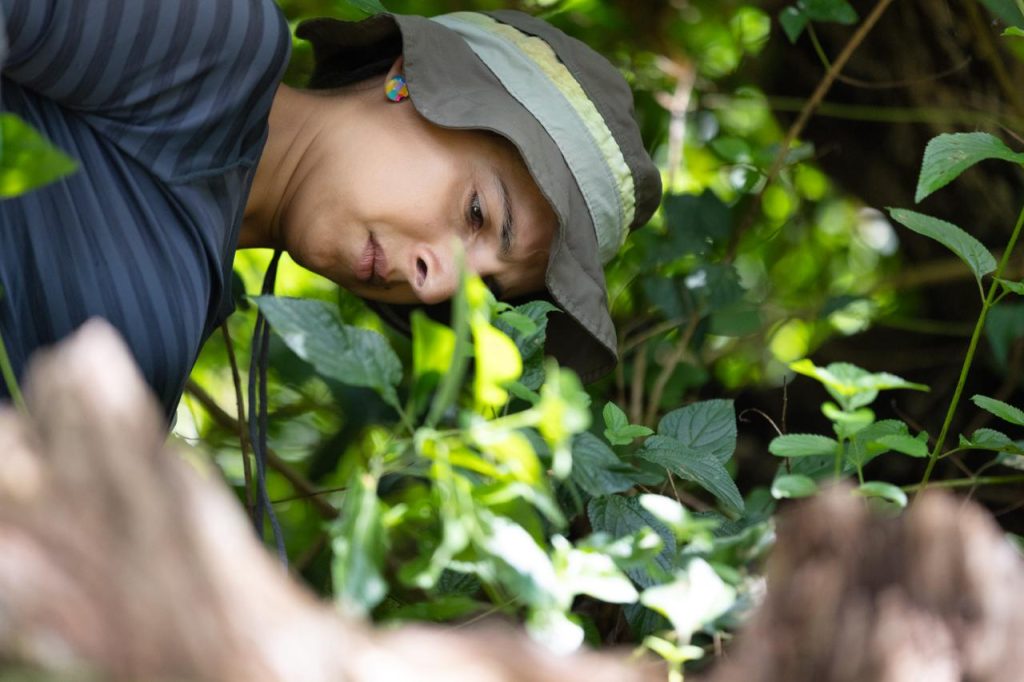
Are you passionate about nature, climate, and creating real impact in your community? Join our growing movement of changemakers across Australia as a People For Nature Ambassador.
🌱 What is the Ambassador Program?
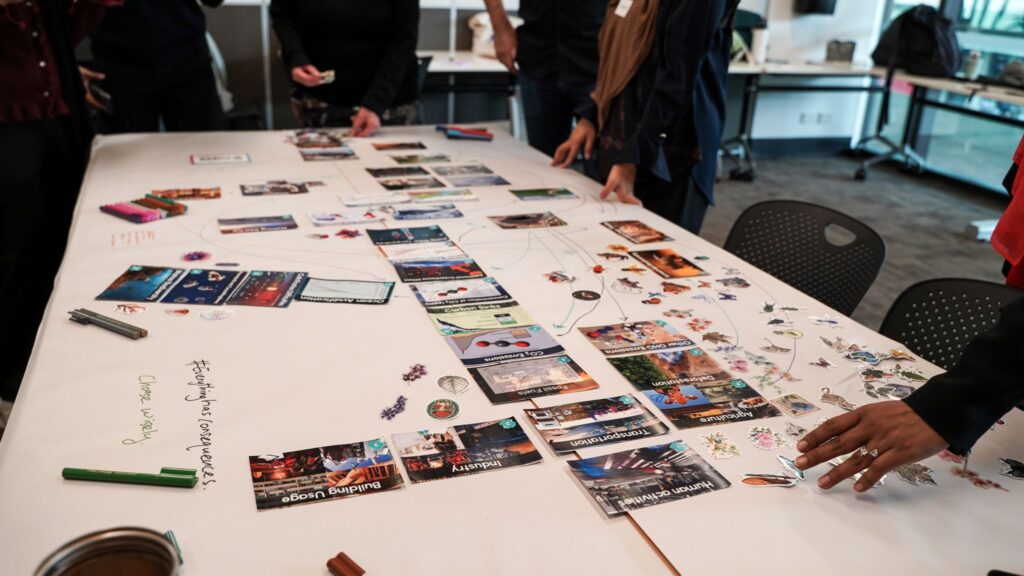
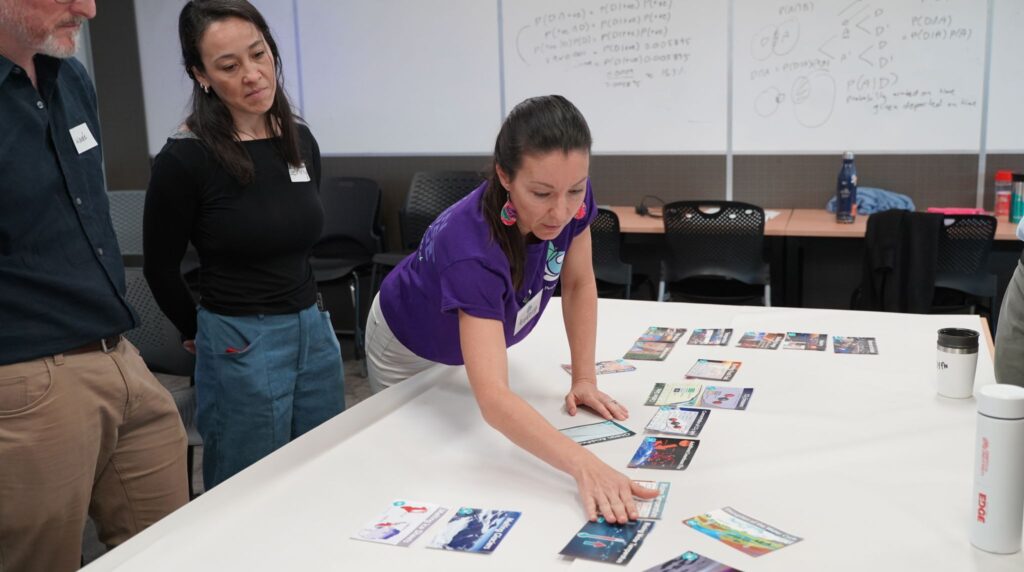
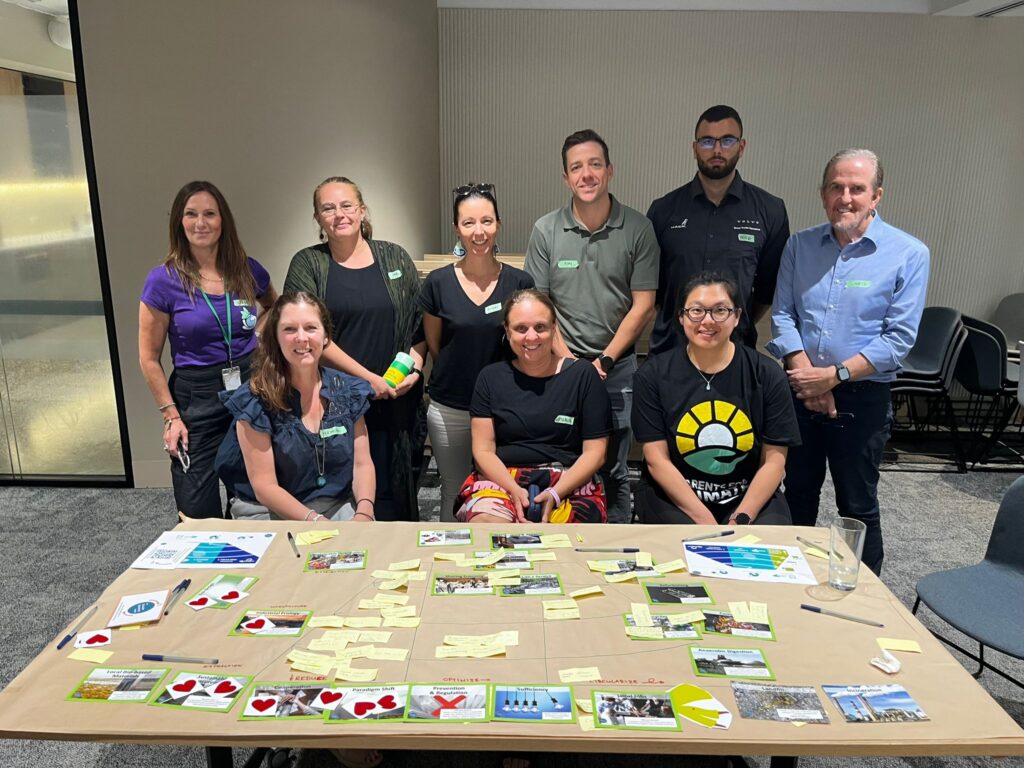
Our Ambassador Program is at the heart of a national effort to reconnect people with nature through education, action, and citizen-powered change. Ambassadors are trained and supported to run engaging, science-based workshops on climate change, biodiversity, and nature-based solutions — empowering others to understand and act on the most pressing environmental challenges of our time.
From school classrooms to boardrooms, Ambassadors help build awareness and momentum, one meaningful conversation at a time.
🌏 Why Join?
As an Ambassador, you’ll:
Facilitate meaningful conversations on climate and biodiversity
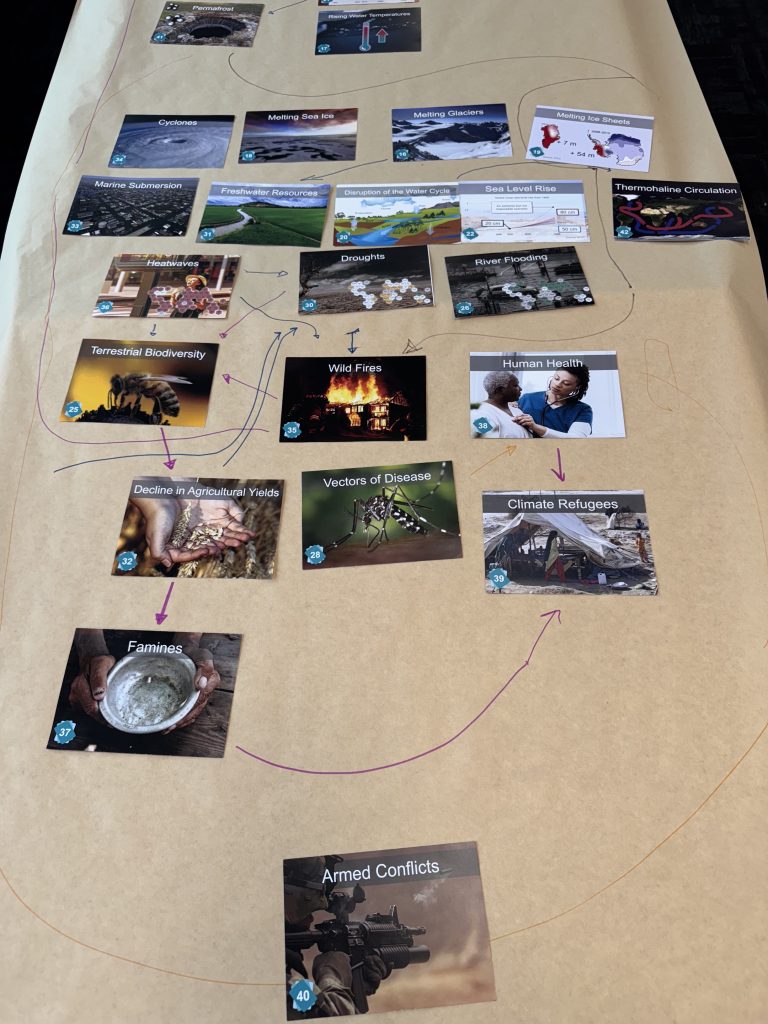
Use proven tools like Climate Fresk and the Biodiversity Collage to inspire action
Join a supportive network of passionate, like-minded leaders
Share your expertise in conservation, sustainability, or environmental education
Help shape a future where people and nature thrive together
Whether you’re a teacher, student, scientist, community leader, parent, or professional — if you care about the planet and want to make a difference, you belong here.
💬 What Our Ambassadors Do
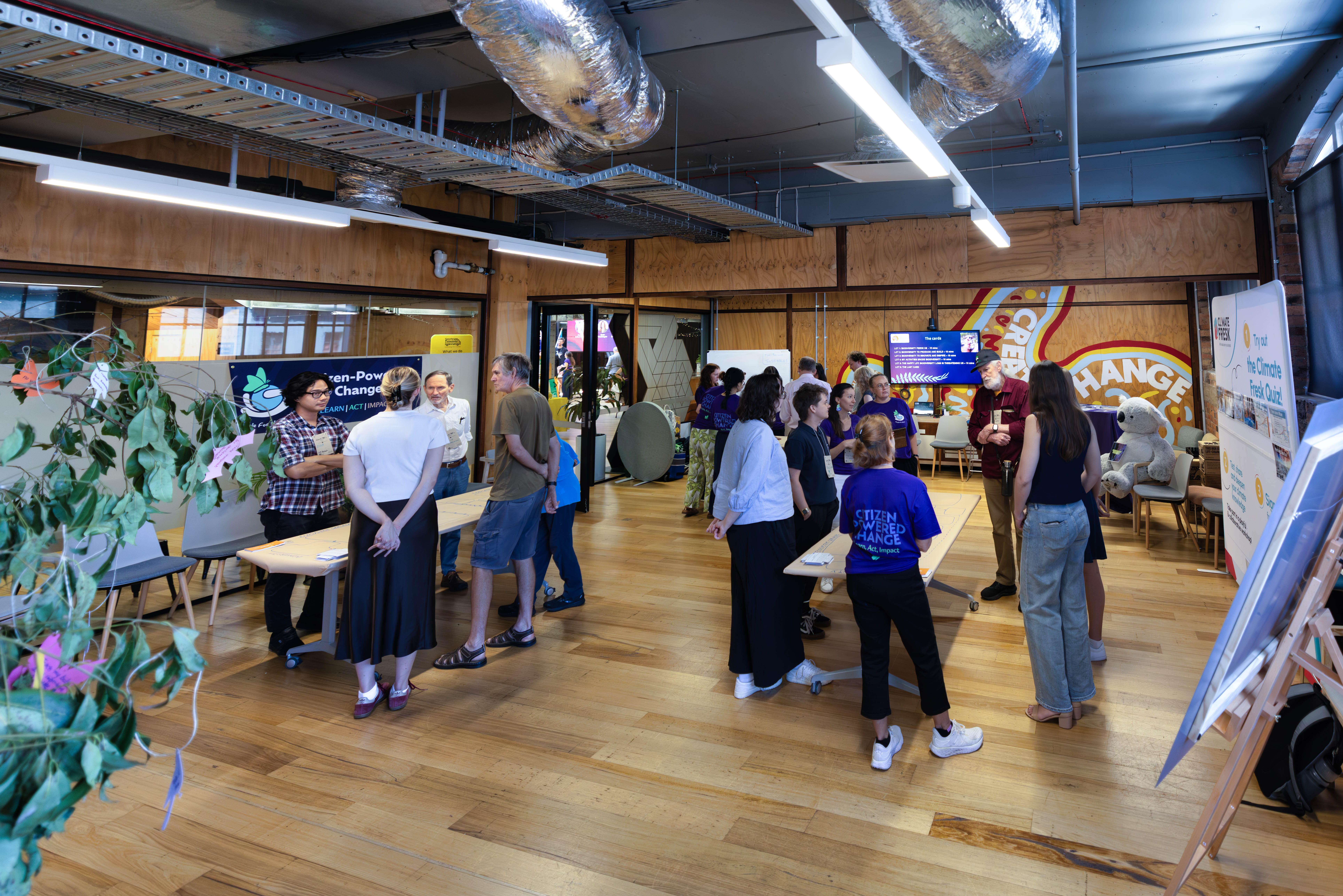
Facilitate interactive workshops using tools like Climate Fresk and Biodiversity Collage
Share knowledge and spark conversations in schools, communities, and workplaces
Help grow a national movement of citizen conservationists and scientists
Act as local champions for nature-based education and action
💚 Ready to Take the First Step?
We believe in people power — and it starts with you. If you’re ready to host a workshop, become an Ambassador, or simply learn more, we’d love to hear from you.
👉 Get in touch and let’s grow something beautiful together.
Over the past 18 months, 120+ people across 5 states in Australia have joined People For Nature through our Ambassador program.
That number matters — not because it is large, but because of what it represents.
People willing to step into a new model of change.
People choosing action over observation.
People For Nature has always been built on a simple belief: our strength is our people.
And that means you!
Why we exist
We left our careers and stable incomes because we believe there is another way to create change.
Not through more complexity.
Not through waiting for top-down solutions alone.
But by informing, empowering, and reconnecting citizens — and transforming scientific facts into accessible, meaningful knowledge.
When people understand, they act.
When people feel connected, they participate.
And when people participate, systems begin to shift.
A citizen-powered shift
We named this organisation People For Nature for a reason.
Across climate change, biodiversity loss, and the extractive linear economy, we no longer believe technology or top-down decision-making alone will be enough.
We need something more fundamental: a citizen-powered shift.
And yes — perhaps our French roots make us stubbornly optimistic — but we also believe it is necessary.
What becomes possible when we scale participation
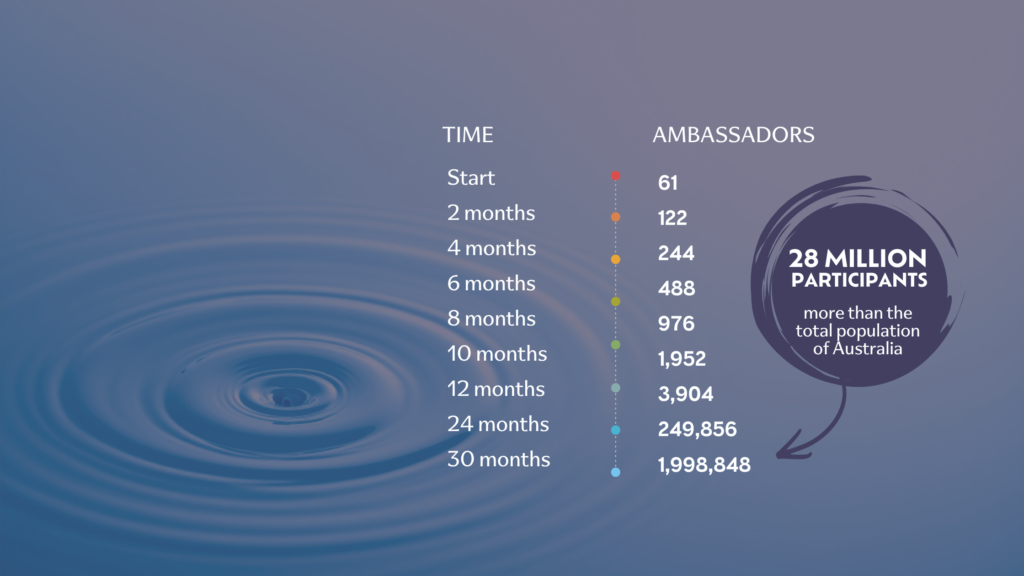
With the support of a few of you, we explored what happens if we apply our Theory of Change at scale.
We made a conservative assumption: that only 50% of ambassadors are currently in a position to be active.
From there, we modelled two simple scenarios:
Scenario 1
If each active ambassador facilitates just one workshop every 8 weeks, with 7 participants — and each workshop produces one new facilitator who continues the cycle — then within less than 2.5 years, we could theoretically reach the entire Australian population.
Scenario 2
If the same delivery rate applies, but only one new facilitator emerges every 16 weeks, the same outcome would take under 3.5 years.
These are not predictions.
They are illustrations of what becomes possible when participation compounds.
The real shift happens in the room
One workshop every two months is well within reach for most of us.
But more importantly, these sessions are not only about participants.
They change us too.
Every workshop creates space for something rare: real conversation about climate, biodiversity, and systems change — grounded in shared understanding rather than overwhelm.
People leave inspired.
And so do we.
As Robert Swan, Antarctic explorer and environmental advocate, once said:
“The greatest threat to our planet is the belief that someone else will save it.”
At People For Nature, we believe the opposite is also true:
The greatest opportunity lies in what happens when we decide to act — together.
Every week, we get a similar question: How do you go from attending a workshop to actually working in this space?
It’s a great question—and the answer is encouraging. There is a pathway. But it’s not a shortcut. It’s a progression.
1. It Starts with Awareness
For most people, the journey begins as an ally.
This means showing up — attending a workshop, being curious, and wanting to understand the challenges our planet is facing. Whether it’s climate change, biodiversity loss, or the circular economy, the first step is building a solid foundation of knowledge.
Workshops like Climate Fresk, Biodiversity Collage, and Circular Economy Collage are designed exactly for this: to make complex systems accessible, engaging, and actionable.
What transforms an ally into someone who can create impact is facilitation.
Facilitation is often underestimated, but it’s the single most important skill in this journey. It’s what turns understanding into action.
A great facilitator doesn’t lecture—they:
Guide conversations
Hold space for different perspectives
Help people connect the dots
Navigate emotions like eco-anxiety or resistance
Enable groups to move towards meaningful action
This is where real upskilling happens.
And importantly, facilitation training is accessible and based on a train-the-trainer model, making it easy for anyone motivated – even without prior knowledge of the topic – to get involved. Once you’ve attended a workshop, you will be offered the opportunity to step into this next phase and begin learning by doing.
3. From Ally to Ambassador
With practice comes confidence.
As people begin facilitating public workshops and engaging different audiences, they transition from Allies to Ambassadors.
This stage is all about:
Gaining real-world experience
Co-facilitating and eventually leading sessions
Learning from peers
Being supported through mentoring and shared resources
As an Ambassador, you’re not doing this alone. You gain access to a network of like-minded people, practical tools to run sessions, and ongoing support to build your confidence and skills.
It’s hands-on, practical, and deeply human work.
And it’s often where something shifts — where people realise: this is something I want to do more of.
4. Stepping into Professional Opportunities
To move into professional facilitation, experience matters.
We require facilitators to run a certain number of public workshops before progressing to pro facilitation. This ensures quality, confidence, and consistency.
At this level, new opportunities open up:
Facilitating for corporates
Working with councils and universities
Delivering workshops at scale
And importantly—this is where remunerated roles begin to emerge.
Some facilitators work with us on a casual basis. Others go on to build their own businesses, using the skills they’ve developed to create impact independently.
The Bottom Line
Moving from ally to professional isn’t about knowing more—it’s about becoming capable of guiding others.
Knowledge builds awareness. Facilitation creates impact. Practice opens opportunities.
If you’ve already taken that step, consider what it would look like to move from learning… to leading. If you are ready to upskill and become a facilitator, get in touch for the next training opportunity.
According to Carbon Brief and UNFCCC registration data, Australia had 494 delegates registered to attend COP30 in Brazil.
Travel from Australia alone likely generated at least 1,500 tonnes of CO₂ from flights — or over 3,000 tonnes CO₂e when accounting for the full climate impact of aviation. While these global summits play a critical diplomatic role, they also highlight the opportunity to reimagine climate engagement through more local, decentralised, and low-carbon approaches.
This is why we took on the challenge of organising a Citizen COP — bringing together more than 1,400 citizens across Australia* to reflect, learn, and act on the pressing environmental challenges of our time, all while maintaining a minimal footprint. This locally led approach shows that climate engagement and collaboration can happen at scale, with significantly lower impact.
👉 No Flights | Minimal Waste | No Jargon | Real Conversations
By raising awareness, forging alliances, and building collaboration across the country, participants shared not only priorities and policy ideas, but also personal reflections on hope, agency, and collective action.
Top Environmental Priorities
Three key areas stood out:
Climate & Energy:
Decarbonise electricity,
Phase out fossil fuel subsidies
Scale renewable energy
Biodiversity & Nature:
Protect ecosystems
Restore degraded landscapes
Circular Economy & Accountability
Reduce waste
Embed sustainable production
Hold businesses and governments accountable
Citizen-Informed Climate Roadmap
From discussions, participants co-created a citizen-informed roadmap to guide climate action in Australia:
1. Just Transition & Equity
Fair climate action must support coal-dependent towns and vulnerable communities.
Reskilling, economic diversification, and equitable access to green infrastructure are essential.
2. Practical Decarbonisation
Citizens value actionable solutions, toolkits, and real-life case studies.
Renewable energy must be balanced with biodiversity protection, water security, and waste reduction.
Co-benefits across environmental domains were highlighted as critical.
4. Policy & Regulatory Levers
Legislative reform (EPBC Act, Corporations Act) and market incentives are crucial.
Policies should prioritise sustainability and enable practical, citizen-led action.
5. Communication & Narrative
Storytelling and success stories inspire engagement.
Combating misinformation and sharing hopeful, practical narratives is key to sustaining momentum.
6. Sustainable Cities & Liveability
Human-scale urban planning, equitable public transport, and water-sensitive design are priorities.
Circular economy approaches can enhance urban liveability.
7. Systemic Thinking
Citizens emphasised the interconnectedness of climate, biodiversity, health, technology, and economics.
Cross-sector alliances and integrated strategies are necessary for lasting impact.
Actions Participants Plan to Take
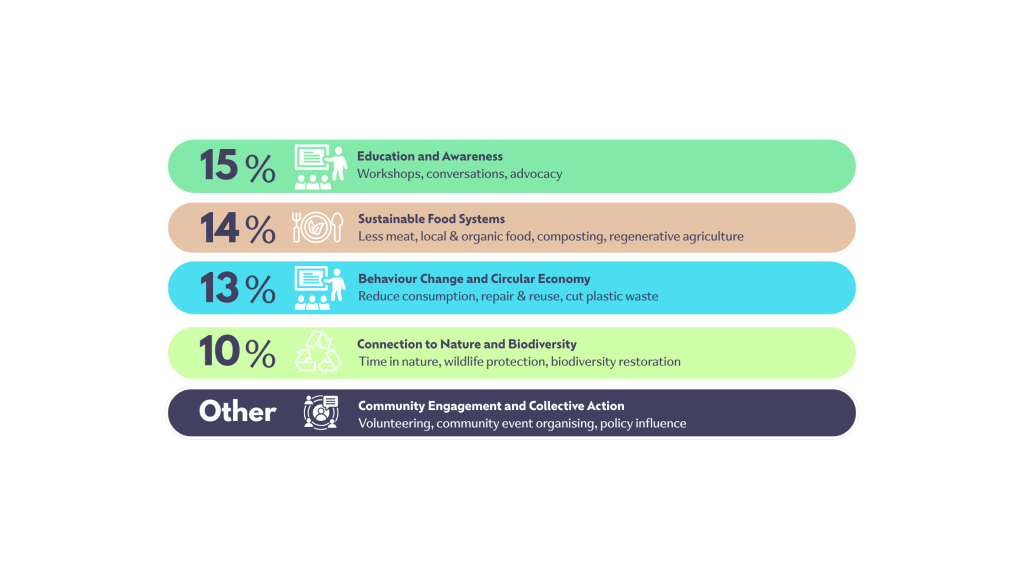
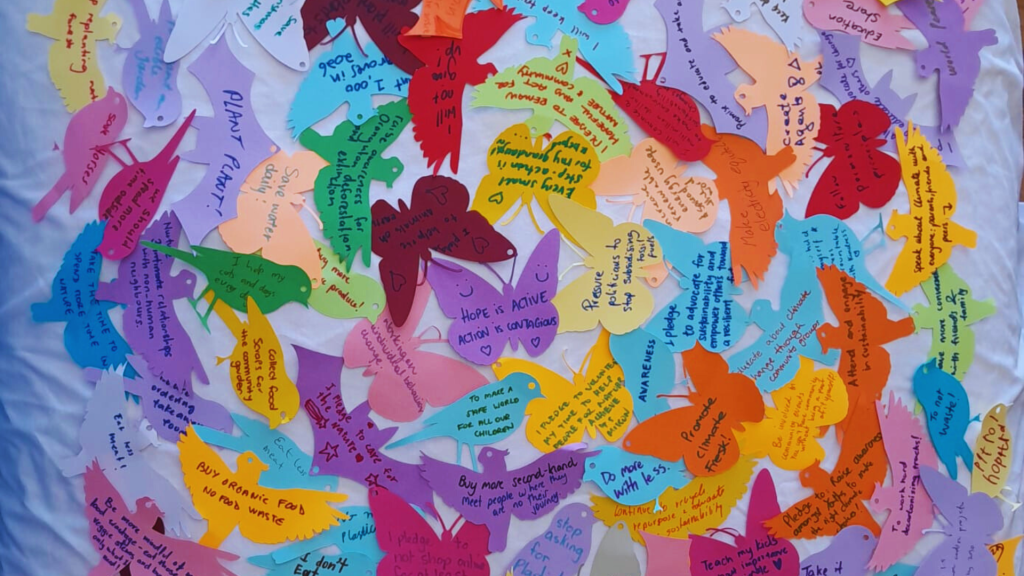
Attendees showed a real commitment to turn knowledge into action. Here are the categories of actions we saw from their pledges:
Educate and advocate for sustainability in communities and workplaces.
Reduce personal environmental footprints through everyday choices.
Join or lead local initiatives, workshops, and citizen science projects.
Advocate for sustainable practices in workplaces and policy spheres.
Voices from AlterCOP 30 Australia
“To tackle climate change, we need more than new technologies — we need new systems and new stories… Positive narratives and positive tipping points are essential to unlocking hope and action.” — Dr Leila Alem, UTS
“Being surrounded by First Nations leaders, changemakers, scientists, business innovators, and community organisers left me feeling energised and hopeful… Everyday Australians have real agency in the climate conversation.” — Janelle Court, Griffith University
“I thought I was ‘just a volunteer,’ but I realised I’m part of a broader climate movement… Being surrounded by people who practise active hope reminded me how powerful collective action truly is.” — Aiko Nagae, Student
“The Youth Climate Changemakers Summit was a powerful reminder of just how deeply young people care… They envision a future guided by Indigenous knowledge, deeply connected to community and nature, and powered by clean, renewable energy.” — Carole Defago
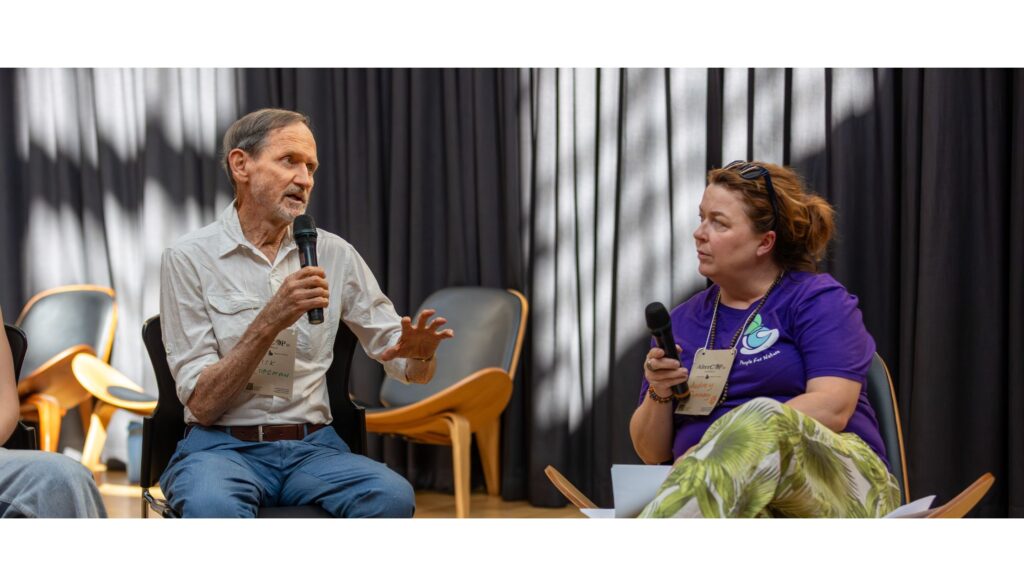
“People arrive curious, and they leave with a shared mental model of the climate system, a clearer sense of agency, and a foundation for meaningful change.” — Tom Foster, EcoProsper Consulting
A sincere thank you to all the people and organisations who believe in citizen-powered change. Together, you are proving that meaningful transformation starts with informed, engaged communities.
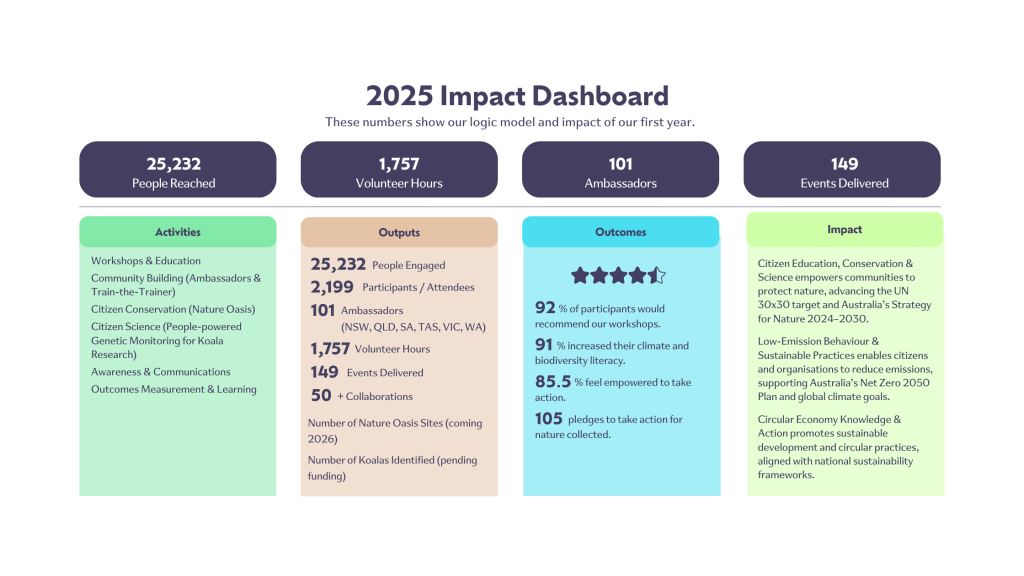
2025 was a big year for People For Nature. Together with our amazing community, we educated thousands of Australians on climate and biodiversity, ran hands-on workshops, and inspired action for nature.
From citizen science projects to corporate partnerships, our collective efforts are making a real difference — and we want to share it with you.
Dive into our 2025 Impact Report to see the stories, the numbers, and the people driving change. Let’s celebrate what’s possible when people power meets nature.
Volunteer-powered, free & inclusive grassroots climate conference showcased local innovations and action
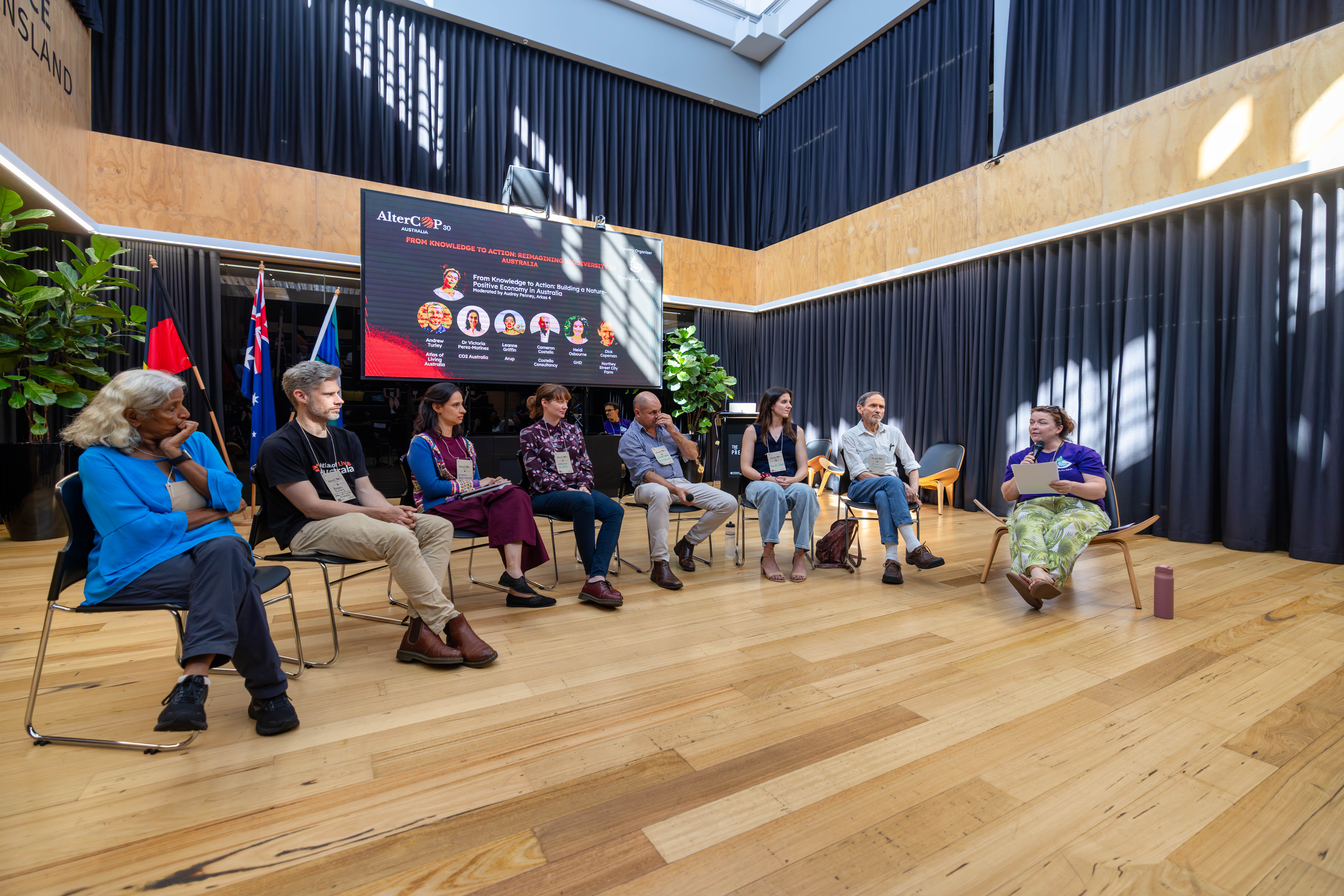
AlterCOP 30 Australia has concluded after four powerful days of community-led climate action, bringing together more than 1,400 registered participants across 42 events nationwide.
Running in parallel to the UN COP30 summit in Brazil, AlterCOP 30 Australia offered a platform for inclusive, locally grounded conversations on climate change, biodiversity, sustainable cities, health, and community resilience, fostering hope, connection and tangible pathways to action.
Audrey Barucchi, CEO and Co-Founder of Australian charitable social enterprise, People For Nature, commented
“AlterCOP 30 Australia has shown what’s possible when citizens are empowered to lead.
This wasn’t just a climate conference, it was a nationwide movement demonstrating that climate action is happening now, led by everyday people who care deeply about the future of our planet.
The energy we witnessed in Brisbane and across our satellite events was extraordinary. From packed workshops to meaningful conversations and new collaborations, AlterCOP 30 Australia has strengthened Australia’s grassroots climate ecosystem and proven that people-powered solutions are essential to driving real change.
We know there were close to 500 Australian delegates at COP30 in Brazil, carryinga considerable logistical and carbon-footprint burden. On the flipside, our citizen-powered events brought together 1,400 people locally with near to no budget and a minimal environmental footprint.
As a local extension of the Green Zone (without the heavy footprint), we enabled everyday Australians to engage with climate dialogue and innovation without having to travel across the world.“
In partnership with AlterCOP
AlterCOP was co-founded in 2024 by The Matcha Initiative and The Transmutation Principle in Singapore, as an accessible alternative to the United Nations COP, making climate action discussions available to communities, professionals, and youth. This year, the summit expanded to 12 new countries, including Australia, highlighting the enthusiasm around the region for inclusive, locally grounded climate dialogue.
Anne Langourieux and Thibaut Meurgue-Guyard, co-founders of AlterCOP, commented: “It’s amazing and exciting to see AlterCOP grow. It proves that a global, community-led movement for climate action is not just possible, it’s thriving. We’re committed to our mission of making climate dialogue accessible to regional communities without air travel while raising awareness of the official COP summit. We look forward to growing the movement to be even bigger next year.”
Audrey Barucchi concluded:
“People For Nature is proud to have helped activate a community-powered space that builds engagement, showcases real solutions, and connects Australians to the global climate conversation.
“Australia may have lost the opportunity to host COP31, but this hasn’t diminished our ambition. Instead, we’re planning to grow AlterCOP next year. Our vision is to include more cities, more local communities, and deeper citizen-led climate engagement across Australia. in 2026 and beyond”
Powered by volunteers, grounded in community, and radiating active hope for Australia’s climate and nature movement, AlterCOP showed what happens when citizens lead with purpose and imagination.
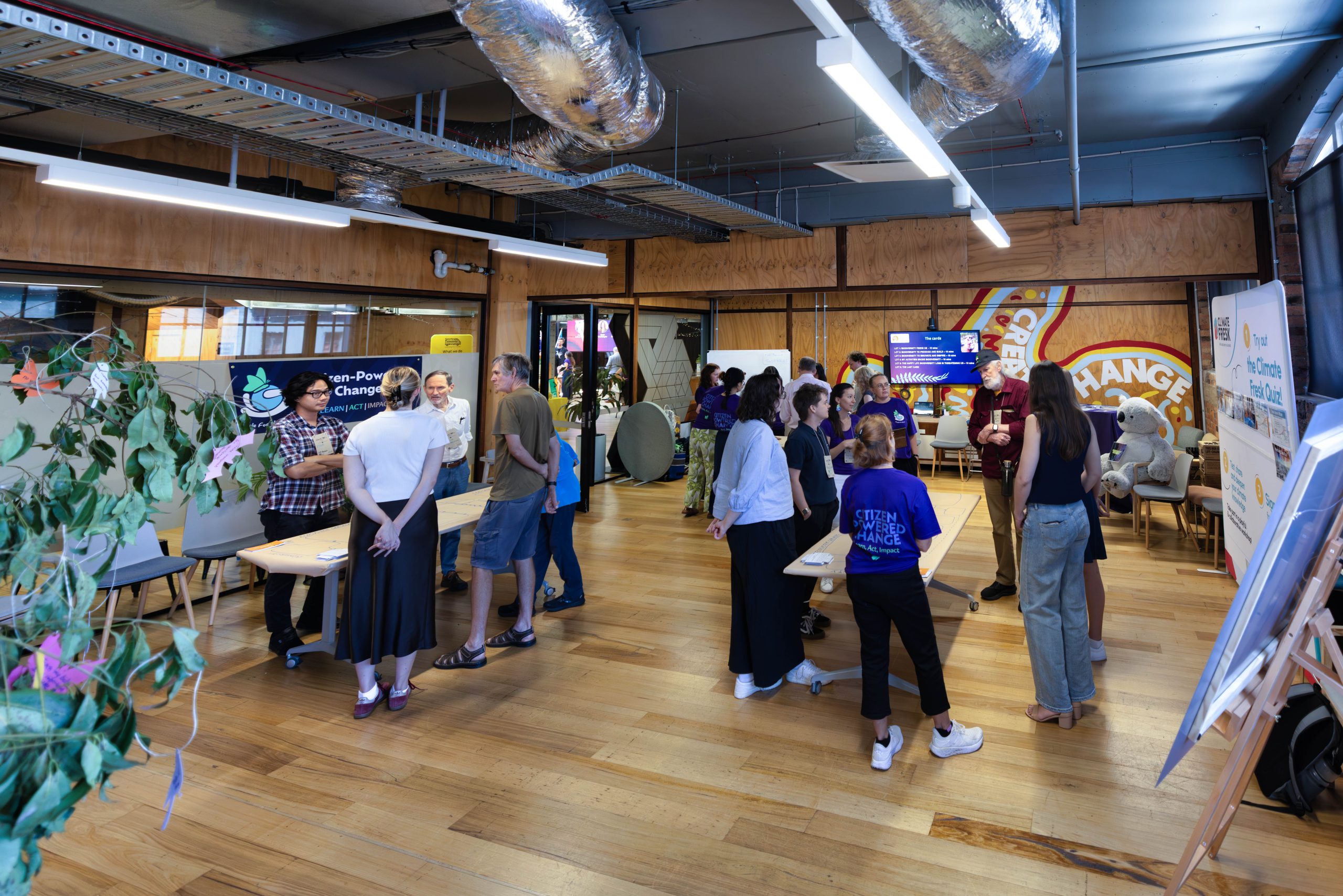
A main 4-day gathering in Brisbane, with major satellite events in Sydney and Melbourne, and additional events in Huon Valley (TAS), Bright (VIC), Wollongong, Newcastle, and Narara (NSW)
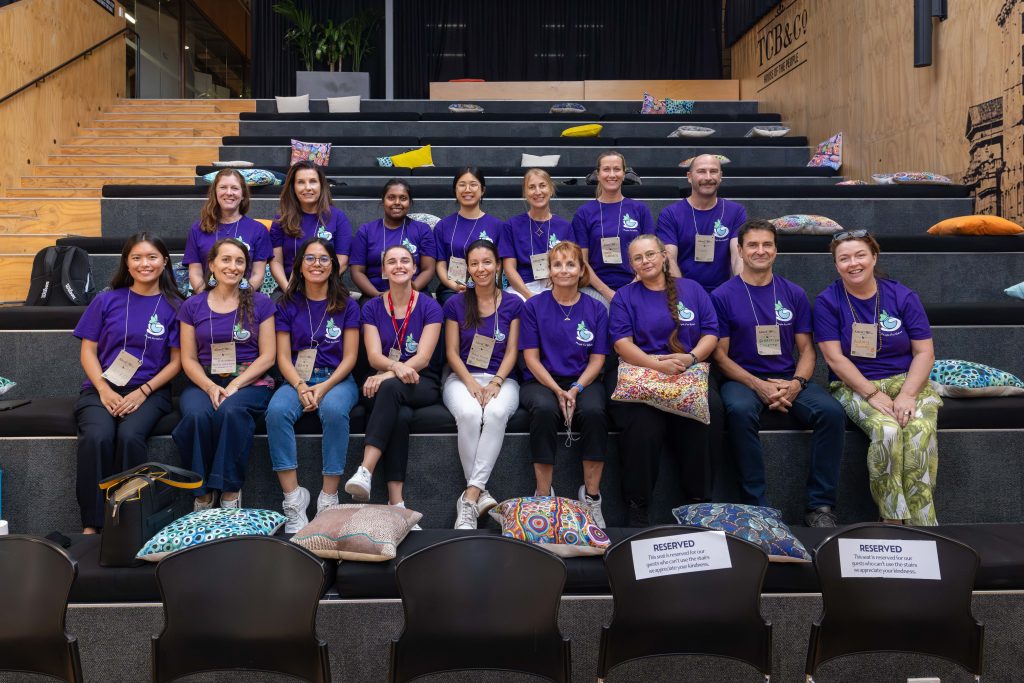
🤝 33 on-site volunteers in Brisbane, and 37+ more supporting events across the country. 💡 A core team of 15 volunteers driving the entire program across Brisbane and the satellite cities.
🌏 A Giant Climate Fresk reaching at least 200 participants across 8 locations in Australia and New Zealand — supported by 25+ facilitators.
🎤 85 speakers in Brisbane alone, and well over 100 nationally 🏛️ 49 organisations backing this movement — 15 partners and an ecosystem of 34 collaborations.
How We Shaped The Program in 2025
Our work was structured around five core working groups:
🌡 Climate
🌿 Biodiversity
🏙 Sustainable Cities
🧠 Health
🧒 Youth
Through strong collaborations with organisations and communities across the country, these working groups didn’t just shape the main Brisbane program — they also enabled satellite events nationwide, all running in parallel with the same overarching agenda.
Each local hub explored the same themes through its own community lens, grounding the discussions in local realities, challenges, and opportunities. This meant that whether people gathered in Sydney, Melbourne, Huon Valley, Bright, Wollongong, Newcastle, or Narara, they contributed to a unified national conversation while elevating the unique stories and solutions of their region.
These groups didn’t just curate sessions — they embedded the values that make AlterCOP what it is: collaborative, community-led, and rooted in both science and lived experience.
Why we loved delivering the first AlterCOP in Australia?
Inclusive: ensured First Nations perspectives and Youth voices were present on every panel.
Citizen-powered: designed, led, and delivered entirely by volunteers.
Events that walk the talk: no flights, no waste, and only vegetarian catering
Free and independent: open to all, without corporate influence or paywalls.
A local extension of the Green Zone: including live interviews and videos with delegates who are on the ground at COPs to share insights on the proceedings.
Positive and solutions-focused: grounded in science, driven by active hope, and inspired by community action.
A big thank you to the people and organisations who believed in AlterCOP from day one — especially our partners who supported us with the simple, practical logistics that make an event like this actually work. Your trust and collaboration truly mattered.
People For Nature was founded by Audrey Barucchi and Dr Fanny De Busserolles, both Certified Environmental Practitioners. Audrey brings extensive experience in climate education, engagement, and systems change across sectors, while Fanny is a marine biologist and research scientist with deep expertise in biodiversity, ocean ecosystems, and climate science. Together, they combine science-based insight with practical, action-oriented approaches to help people and organisations better understand and respond to the nature and climate crisis.
What does it mean?
The Certified Environmental Practitioner (CEnvP) Scheme assesses the experience, skills, and ethical conduct of environmental professionals. Our three founders have been formally vetted and endorsed as leading environmental experts.
CEnvPs uphold and are accountable under the EIANZ Code of Ethicsfor the environmental profession, which provides a formal framework for practicing ethically, competently, and responsibly with regard to the natural and cultural values of our shared environment.
The EIANZ or Environment Institute of Australia and New Zealand is Australasia’s leading body for environmental practitioners.
Why does it matter?
CEnvP certification is a rigorous and impartial process.
It sets environmental professionals apart by proving their expertise, ethical standards, and commitment to best practice. Recognised across Australasia, it builds trust and strengthens credibility.
At People For Nature, we are committed to playing an active role in supporting the goals set out in Australia’s Strategy for Nature 2024–2030. This comprehensive framework outlines critical objectives for halting biodiversity loss and improving the health and resilience of ecosystems across the country. As we work toward these goals, we are proud to contribute to the collective effort to safeguard Australia’s unique natural heritage.
Australia boasts some of the world’s most biodiverse ecosystems, but these landscapes and species are under threat from habitat loss, climate change, and pollution. The Strategy for Nature identifies ambitious targets to address these challenges, focusing on improving ecosystem health, engaging communities, and ensuring effective management of the country’s natural resources.
At People For Nature, we align our efforts with these goals, empowering individuals and communities to take meaningful action in support of a sustainable future for both people and nature.
Supporting the Strategy’s Key Goals
The Strategy for Nature is built around several key goals, and our programs are designed to directly contribute to these targets:
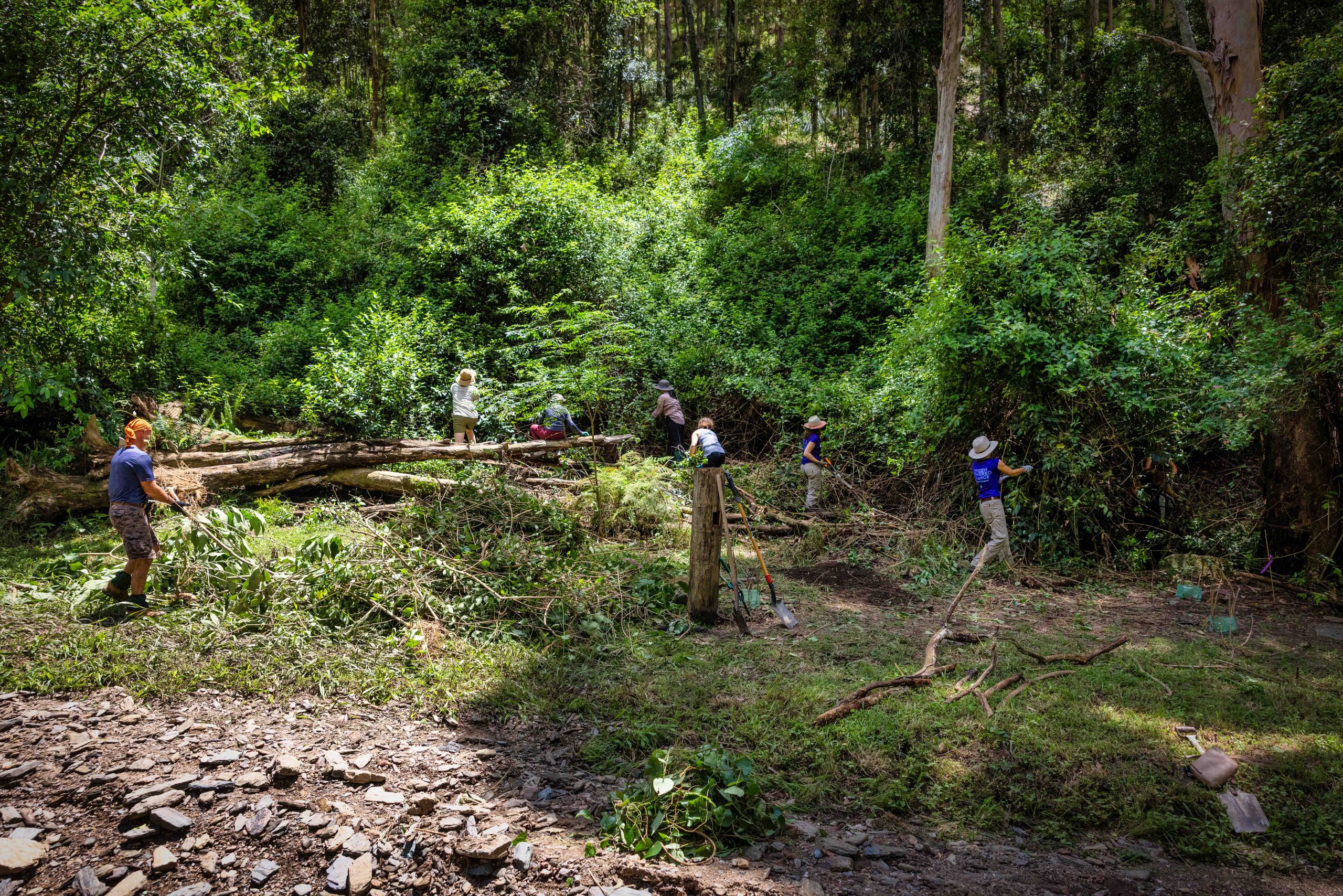
Protecting and Restoring Ecosystems One of the strategy’s primary goals is to protect and restore Australia’s ecosystems. Through our citizen-led conservation initiatives, we actively contribute to this goal by encouraging local communities to engage in habitat restoration and species protection efforts. We support projects aimed at improving water quality, reducing plastic pollution, and conserving vital ecosystems, ensuring they remain healthy and resilient for future generations.
Engaging Communities in Conservation The Strategy for Nature emphasises the importance of community involvement in conservation efforts. We are working towards this goal by educating citizens and empowering them to participate in conservation and scientific monitoring activities. Our programs enable individuals to better understand nature and become active participants in protecting and regenerating their local environments, from wildlife monitoring to habitat restoration initiatives. By fostering a deeper connection to nature, we help people understand the direct link between their actions and the health of the environment.
Improving Biodiversity Outcomes Australia’s Strategy for Nature sets a clear objective to halt the decline of biodiversity and improve outcomes for species and ecosystems. Through our educational workshops and citizen science programs, we increase public awareness about the importance of biodiversity and how to take action to protect it. We provide communities with the tools to monitor wildlife, reduce threats to biodiversity, and support conservation efforts at the local level, contributing to improved biodiversity outcomes across Australia.
Building Resilience to Climate Change The strategy also highlights the need to enhance the resilience of ecosystems and communities to the impacts of climate change. We are fully aligned with this goal, promoting nature-based solutions that help communities adapt to changing environmental conditions. By engaging in conservation activities that improve ecosystem health, such as restoring native vegetation and enhancing biodiversity corridors, we are supporting the long-term resilience of Australia’s landscapes in the face of climate change.
Strengthening the Connection Between People and Nature The strategy recognises that a strong connection between people and nature is essential for long-term environmental stewardship. Our programs foster this connection by offering opportunities for people to directly engage with nature, learn about its importance, and take tangible action to protect it. Whether through participating in one of our workshops, starting a Nature Oasis, or contributing to citizen science research, we help people strengthen their bond with the natural world, enabling them to become advocates for its protection.
Bridging the Gap Between Policy and Action
While the Strategy for Nature outlines essential goals for the future of Australia’s natural environment, achieving these objectives requires action at every level. We help bridge the gap between policy and action by translating the strategy’s targets into accessible, actionable steps for communities, businesses, and people. Through our initiatives, we make these goals achievable by empowering citizens to take direct action and contribute to the broader national effort.
By connecting people with nature, we enhance their desire to care for nature, which in turn builds knowledge that can be shared to improve our care for nature and the benefits we receive from connecting with nature.
Inspiring Collective Action for a Sustainable Future
The success of the Strategy for Nature relies on collective action. By engaging communities, businesses, and individuals in conservation efforts, we are amplifying the impact of the strategy’s goals. Our role is to inspire and mobilise people to take ownership of their local environments, fostering a sense of collective responsibility that drives tangible change.
Citizen power is key to advancing the strategy’s overarching goals. We are dedicated to supporting Australians and empowering them to actively engage in conservation and sustainability efforts, ensuring that Australia’s Strategy for Nature becomes not just a policy framework, but a powerful call to action for all Australians to protect and restore the environment.
Moving Forward with Purpose
As we continue our work, we remain focused on helping to achieve the goals outlined in the Strategy for Nature. Through citizen engagement, community-based action, and collaboration, we are making a meaningful contribution to the health and resilience of Australia’s ecosystems. Our programs inspire and equip Australians to confidently champion meaningful change, cultivating a shared awakening to the urgency of the greatest humanitarian cause of our time: building a sustainable future for both people and nature.
At People For Nature, we’re often asked whether we’re a not-for-profit or a charity—and what the difference between the two really is. While the terms are often used interchangeably, they carry distinct meanings that reflect how organisations like ours operate and create impact.
Nonprofit vs. Charity: What’s the Difference?
A not-for-profit is an organisation that exists to serve a mission or cause, reinvesting any surplus revenue back into its programs and services rather than distributing profits to owners or shareholders. Not-for-profits can operate in various sectors, from education to the arts and environmental conservation, like People For Nature.
A charity, on the other hand, is a specific type of not-for-profit with a primary focus on providing aid or relief to address social or environmental challenges. Charities are often associated with direct service delivery and rely heavily on public donations to fund their work. They also receive special tax concessions in recognition of their public benefit.
Where Does People For Nature Fit In?
People For Nature is both a not-for-profit and a registered charity. This means we work to achieve our goal of reconnecting people with nature and empowering them to take meaningful environmental action, while also benefiting from tax concessions that support our work.
As a charity, we focus on:
Climate and Biodiversity Education
Through workshops, community initiatives, and public outreach, we make complex environmental science accessible and actionable.
Empowering Citizens
We believe in the power of people to drive change. Our programs inspire individuals to become conservation advocates and leaders in their communities.
Collaborative Partnerships
By working with other organisations, governments, and businesses, we amplify our impact and promote shared solutions to environmental challenges.
How We Operate
As a not-for-profit charity, People For Nature reinvests every dollar we receive to fulfil our goal. This allows us to:
Develop and expand educational programs like the Biodiversity Collage and Climate Fresk workshops.
Support local citizen conservation projects that protect and restore biodiversity.
Advocate for sustainable policies and practices at a community and national level.
Why It Matters
Understanding the distinction between not-for-profits and charities helps clarify how organisations like People For Nature operate and create impact. While all charities are not-forprofits, not all not-for-profits are charities. Being both allows us to combine a purpose-driven approach with the resources and support needed to address Australia’s most pressing environmental challenges.
How You Can Support People For Nature
As a charity, we rely on the generosity of individuals, businesses, and communities to continue our work. Here’s how you can get involved:
Donate
Your contributions directly fund our programs and initiatives.
Participate
Join one of our workshops or events to learn more about climate and biodiversity.
Advocate
Share our goal and encourage others to take action for nature.
Together, we can create a future where people and nature thrive in harmony. Thank you for being part of this journey with us!