Category: Stories

  • What if we all understood the limits of our planet?

    What if we all understood the limits of our planet?

    Imagine what our society would look like if everyone understood—not just climate change—but the limits that make life on Earth possible.

    Not as an abstract concept.
    Not as a distant scientific framework.
    But as something deeply practical, shaping the way we live, work, and decide.

    Because the truth is this:

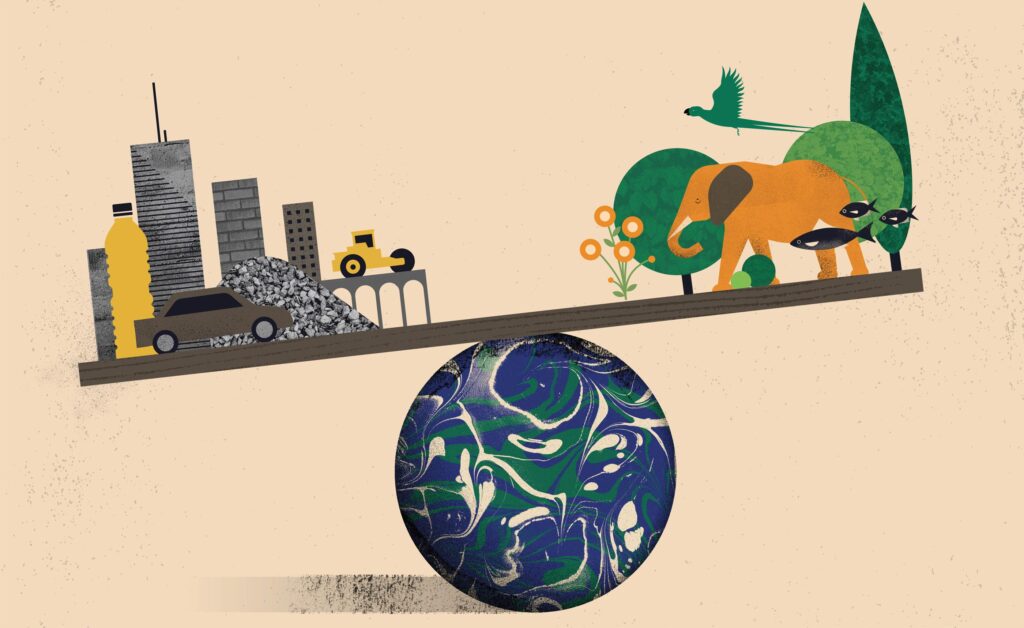
    We are not just facing a climate crisis. We are facing a systems crisis.

    Beyond climate: understanding the whole system

    For years, climate change has dominated the conversation.

    And rightly so.

    But climate is only one piece of a much bigger picture.

    Scientists have identified a set of planetary boundaries—the ecological limits that keep Earth stable and habitable. These include:

    • climate change
    • biodiversity loss
    • land use change
    • freshwater use
    • chemical pollution
    • and more

    Crossing these boundaries doesn’t just create isolated problems—it destabilises the entire system we depend on.

    And here’s the challenge:

    Most people have never heard of them.
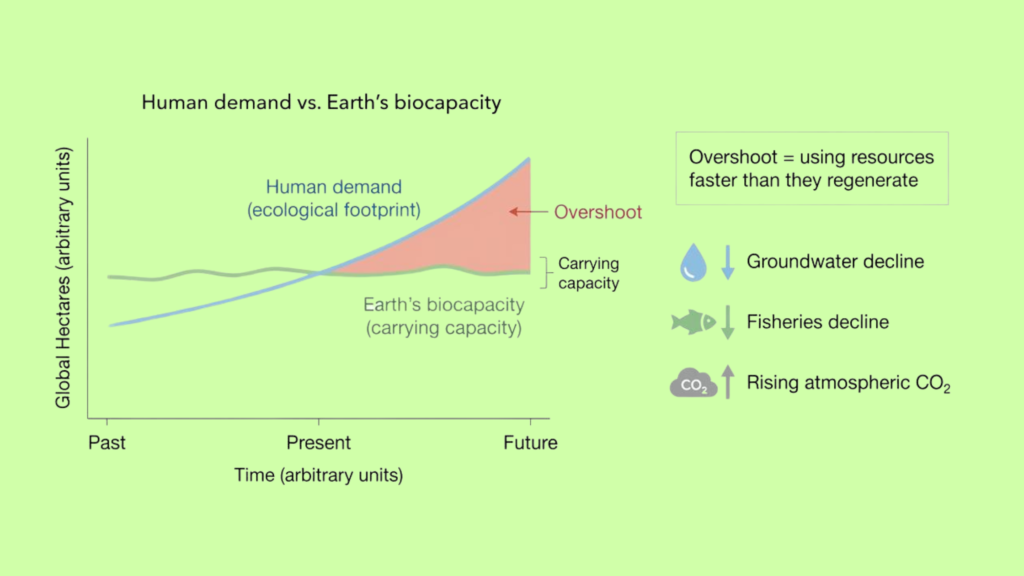

    The real gap is not action—it’s understanding

    We often talk about an “action gap.”

    But underneath it lies something more fundamental:

    👉 a literacy gap.

    Because how can we expect:

    • businesses to make aligned decisions
    • communities to support systemic change
    • individuals to act meaningfully

    …if the underlying system remains invisible?

    The science exists.
    The data is clear.
    But it hasn’t yet become shared understanding.


    What happens when people do understand?

    This is where things get interesting.

    Research consistently shows that education and literacy are among the strongest drivers of climate awareness and engagement.

    The IPCC highlights that improving understanding enables more effective and transformative responses to environmental challenges.

    And global studies confirm that well-designed educational experiences can:

    • significantly increase knowledge
    • shift perspectives
    • build a sense of agency

    In other words:

    👉 When people understand the system, they start to see their role within it.


    From complexity… to clarity

    The planetary boundaries framework can feel overwhelming at first.

    Nine boundaries. Interconnected systems. Feedback loops.

    But when made accessible, something powerful happens:

    People move from:

    • confusion → clarity
    • isolation → connection
    • paralysis → possibility

    Because they can finally answer questions like:

    • What’s really going on?
    • Why does it matter?
    • Where do I fit in?

    This is where our work begins

    At People For Nature, we focus on one simple but often overlooked idea:

    You cannot protect what you do not understand.

    Our work is about turning complex science into shared, lived understanding.

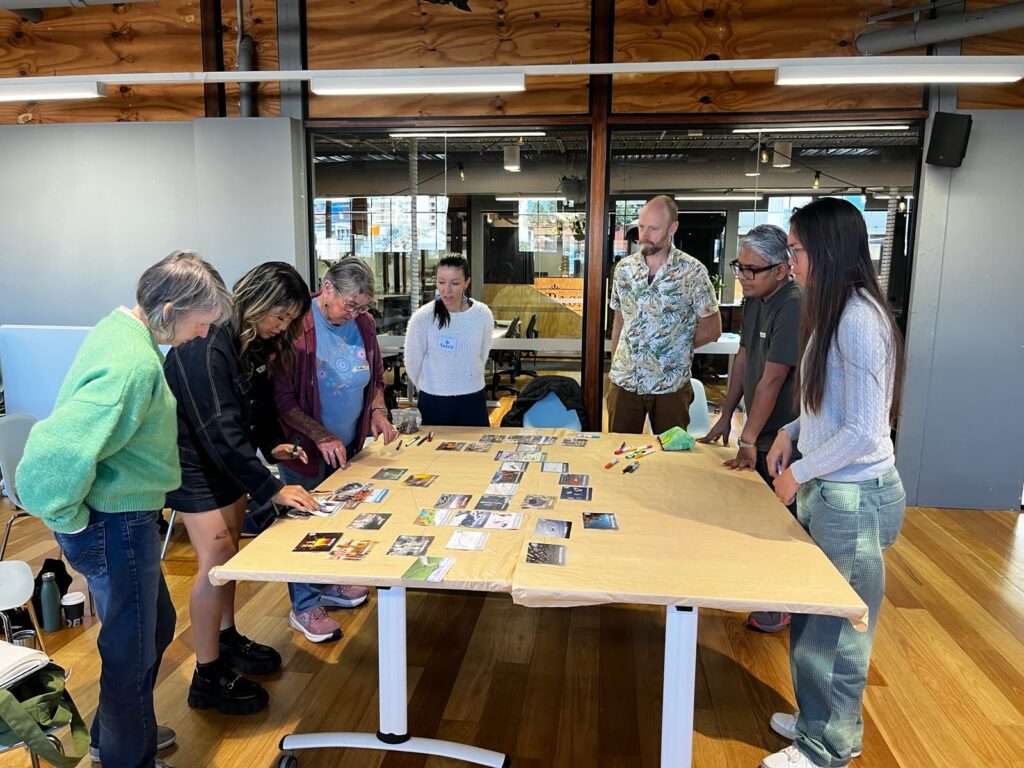
    Through immersive, science-based workshops like:

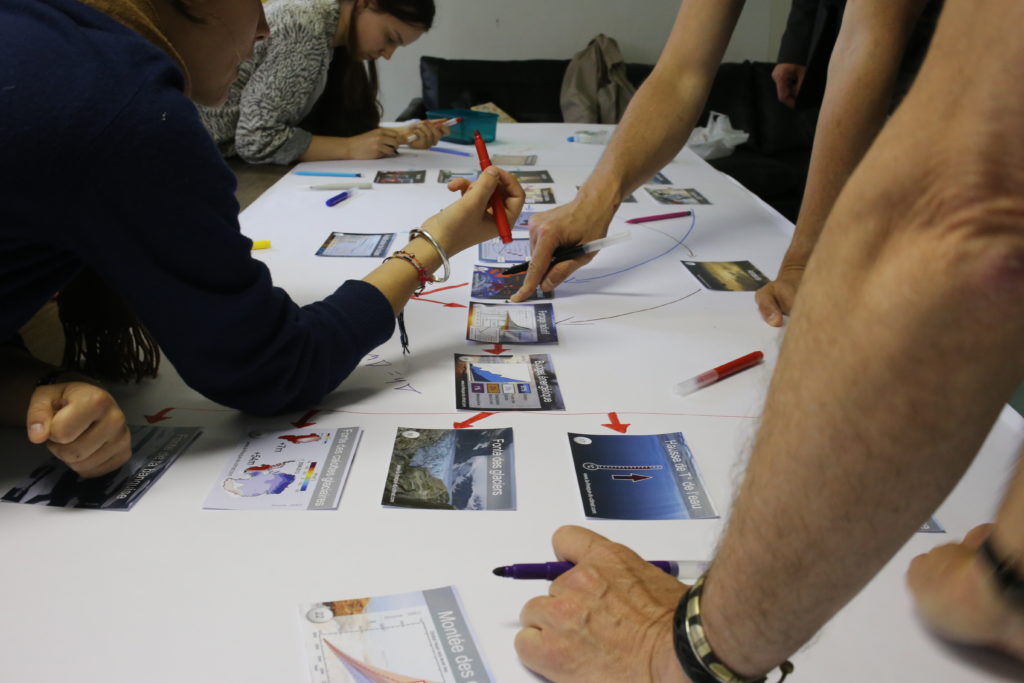
    • Climate Fresk
    • Biodiversity Collage
    • Circular Economy Collage

    …we help people see the whole system:

    • how climate and biodiversity are deeply interconnected
    • how our economic model drives pressure on planetary boundaries
    • how circular approaches can reduce that pressure

    This isn’t about delivering information.

    It’s about creating moments where people say:
    💡 “Now I get it.”

    Why circular economy is part of the story

    One of the most important shifts when people understand planetary boundaries is this:

    👉 They stop seeing sustainability as a series of small actions…
    and start seeing it as a system redesign challenge.

    That’s where the circular economy comes in.

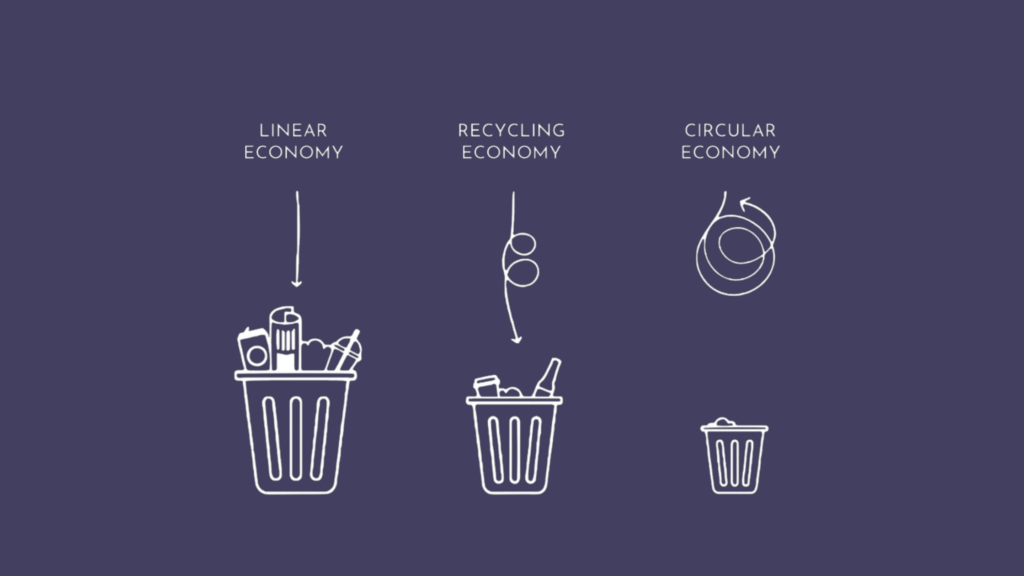
    Instead of:

    • extracting → producing → wasting

    we move towards:

    • reducing → reusing → regenerating

    Not as a trend,
    but as a necessary response to living within planetary limits.

    From awareness to agency

    Understanding alone is not enough.

    But it is the starting point for everything else.

    Because meaningful action requires:

    • a clear picture of reality
    • an emotional connection to what is at stake
    • and a sense that change is possible

    That’s why our approach combines:

    • 🧠 Head — systems understanding
    • ❤️ Heart — connection to nature
    • ✋ Hand — pathways to action

    A different future becomes possible

    So let’s come back to the question:

    What if we all understood the limits of our planet?

    Perhaps:

    • sustainability wouldn’t be a niche topic—it would be common sense
    • decisions would be guided by long-term stability, not short-term gain
    • businesses would align with planetary boundaries by design
    • communities would feel empowered to act, not overwhelmed

    In short:

    👉 we would move from reacting to crises…
    to operating within a safe and just space for humanity.

    The role we all have to play

    Planetary boundaries are not just a scientific framework.

    They are a shared reality.

    And building literacy around them is one of the most powerful levers we have for change.

    Because every person who understands:

    • influences decisions
    • shapes conversations
    • and contributes to a broader cultural shift

    Final thought

    Imagine what our society would look like if everyone understood the limits of our planet.

    Until then,
    our role is simple:

    make the invisible visible,
    make the complex accessible,
    and help people reconnect with the systems that sustain life.
  • From Climate Learner to Environmental Leader | Meet Sholihah

    From Climate Learner to Environmental Leader | Meet Sholihah

    How the People For Nature Ambassador pathway empowers the next generation of sustainability leaders


    The challenge: Turning science into action

    Climate and biodiversity challenges are complex. While scientific knowledge is growing, many people still struggle to understand what is happening, why it matters, and what they can do.

    For Sholihah, the barrier is not a lack of care.

    “People often don’t take action not because they don’t care, but because they don’t fully understand the issues at hand.”

    With a background in environmental engineering and biology education, Sholihah understood the importance of translating complex science into meaningful conversations that connect with people.


    The first step: Experiencing collective intelligence

    Sholihah’s journey with People For Nature began as a participant.

    Her first Climate Fresk workshop took place in Indonesia in June 2024. Despite having an environmental background, she didn’t know what to expect.

    What stood out was that it didn’t feel like a traditional lecture.

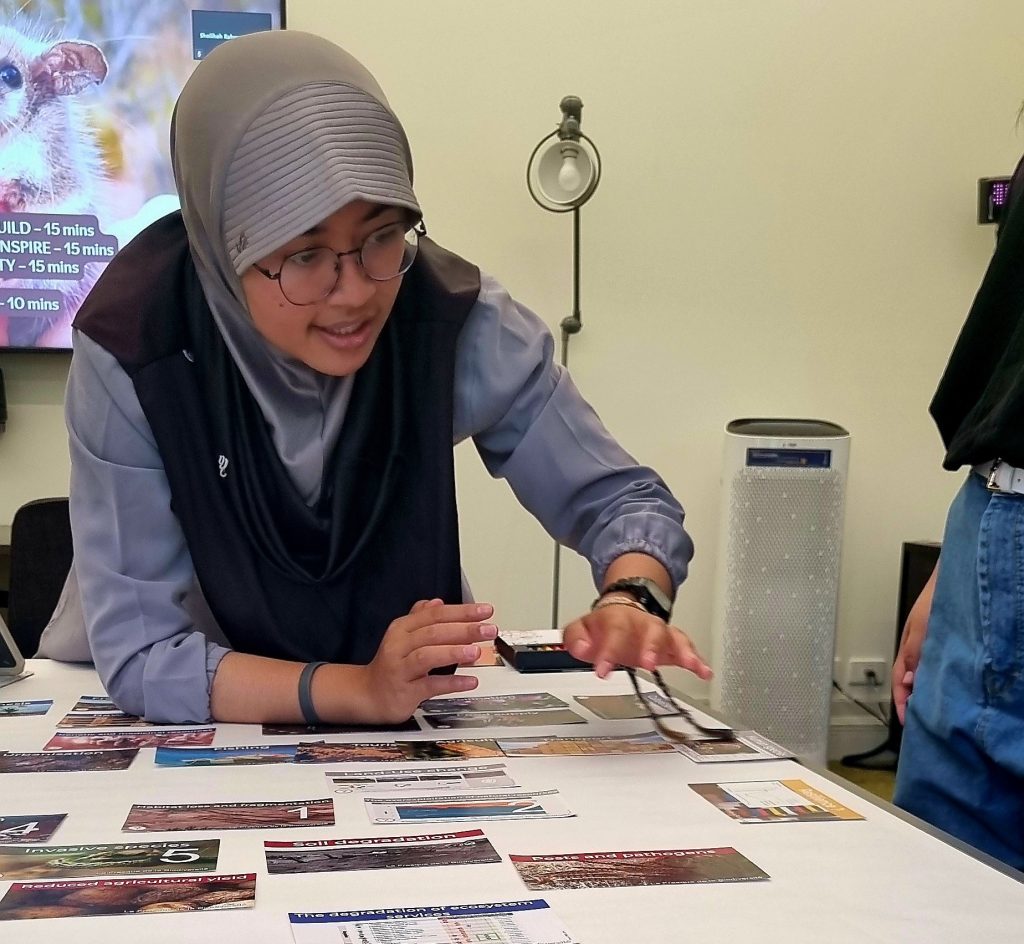
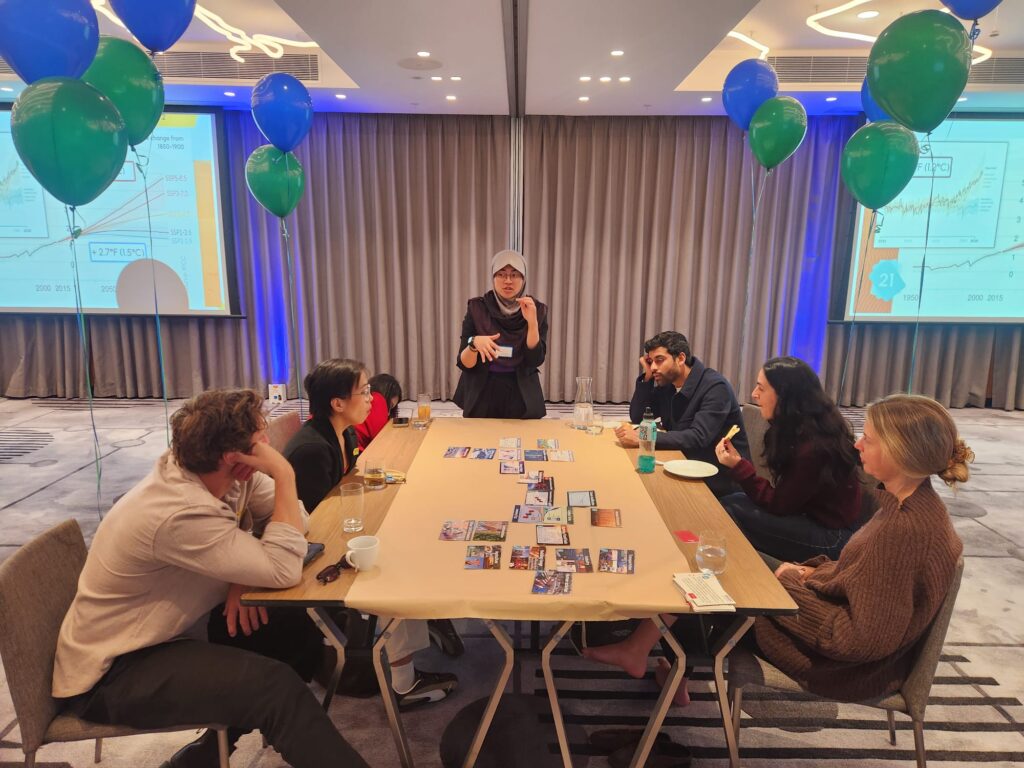
    Instead, participants worked together to build a shared understanding of climate systems by connecting causes and consequences, drawing on everyone’s knowledge and perspectives.

    “It felt like everyone in the room was figuring things out together, and somehow that made the whole thing land so much harder and memorable.”

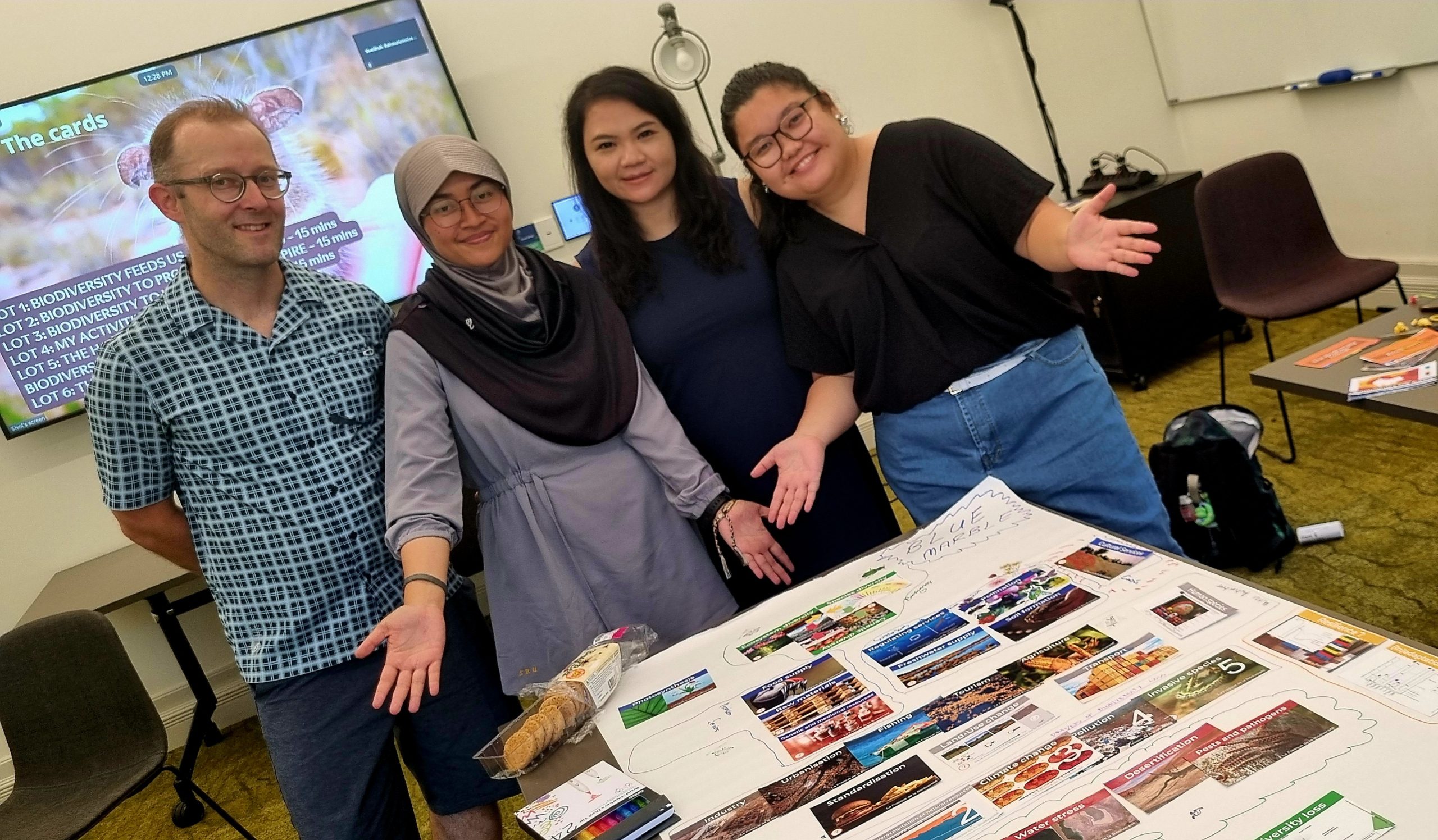
    A few months later, after moving to Melbourne for her Master of Environment at the University of Melbourne, Sholihah joined her first Biodiversity Collage workshop.

    The experience reinforced something important: environmental education is most powerful when people are active participants in creating knowledge.


    Becoming a facilitator: From learning to empowering others

    After experiencing the impact of these workshops, Sholihah wanted to help create the same experience for others.

    She trained as a Climate Fresk facilitator and later joined People For Nature’s facilitator community, expanding her skills to deliver Biodiversity Collage and Circular Economy Collage workshops.

    “I didn’t want to facilitate because I had all the answers. I wanted to help create the space where people could discover and understand these issues together.”

    Through People For Nature, Sholihah found not only training opportunities, but a supportive community of people working towards the same goal.


    Building confidence and professional skills

    The People For Nature Ambassador pathway gave Sholihah opportunities to move from volunteer facilitation into professional environmental engagement.

    After facilitating more than five workshops, she began supporting paid corporate Climate Fresk sessions — adapting workshops for different audiences and organisational contexts.

    This experience helped her develop skills beyond environmental knowledge:

    • Facilitating conversations across diverse audiences
    • Communicating complex science clearly
    • Supporting groups through challenging topics
    • Listening and creating inclusive spaces
    • Connecting sustainability concepts with real-world action

    “When you’re facilitating, your job is to hold space for the group, not to steer it toward your own perspective. That’s harder than it sounds, and it’s something I’m still working on.”


    Impact beyond the workshops

    Today, Sholihah has facilitated many Climate Fresk and Biodiversity Collage workshops, reaching diverse audiences including students, communities and corporate teams.

    Her environmental engagement work also contributed to her receiving a Highly Commended award in the Student Leadership category at the University of Melbourne Sustainability Awards 2025.

    But the impact goes beyond numbers.

    Through the Ambassador community, Sholihah has developed confidence, leadership skills and a network of people working across climate and sustainability.


    Why the Ambassador pathway matters

    Sholihah’s journey demonstrates the power of citizen-powered change.

    People do not need to be climate scientists to contribute to solving climate and biodiversity challenges.

    They need:

    • Access to trusted knowledge
    • The confidence to start conversations
    • Skills to bring others together
    • A community that supports their journey

    The People For Nature Ambassador pathway transforms participants into environmental leaders who can bring science, dialogue and action into workplaces, universities and communities.


    Her message to future ambassadors

    “You don’t need to be an expert in climate change or biodiversity to facilitate these workshops. You just need to be curious and willing to listen. The model is built on collective intelligence, which means the group does the work together.”

    Connect with Sholihah on LinkedIn 💚


    Interested in becoming a People For Nature Ambassador?
    Join our growing community of facilitators helping Australians understand, connect with and protect nature.

  • Help Kokonut Sort It Right: Why Waste Sorting Matters (and Why It’s Not the Whole Story)

    Help Kokonut Sort It Right: Why Waste Sorting Matters (and Why It’s Not the Whole Story)

    At events, festivals, and public spaces, waste bins are often the first place we are asked to “do the right thing”.

    Recycle this.
    Compost that.
    Landfill the rest.

    It seems simple enough.

    But in reality, waste sorting is just one small part of a much bigger system—and it’s often where confusion begins.

    This is the thinking behind our video “Help Kokonut sort it right!”, created to make waste systems more visible, more playful, and easier to understand.

    Because when people are confused, it’s rarely due to lack of care. It’s usually because systems themselves are complex.


    Why waste sorting is harder than it looks

    At first glance, bins appear straightforward:

    • ♻️ Recycling
    • 🌿 Compost
    • 🔴 Landfill
    • 💰 Containers for Change

    But the reality behind each stream is more complicated.

    Some items that look recyclable are not accepted in standard recycling systems.
    Some “compostable” packaging requires industrial facilities that aren’t widely available.
    Some materials technically can be recycled—but only if they are clean, separated, and processed correctly.

    Even well-intentioned decisions can end up in landfill.

    This is not a failure of individuals. It’s a reflection of how systems are designed.


    The role of confusion (and why it matters)

    When people are unsure where something goes, it often leads to one of two outcomes:

    • placing it in recycling “just in case”
    • or defaulting to landfill to avoid contamination

    Both are understandable. Both are common.

    But both highlight a deeper issue: we are asking individuals to navigate systems that are not always intuitive.

    This is why education and clarity matter—but also why design matters just as much as behaviour.


    What Kokonut helps us see

    Through simple examples—like bottles, food scraps, coffee cups, and takeaway packaging—the video shows:

    • Not everything that looks recyclable actually is
    • Food waste belongs in biological cycles (compost), not landfill
    • Container Deposit Schemes provide a clear recovery pathway for some materials
    • Many everyday items still end up in landfill, even when sorted correctly

    The goal is not perfection.

    It is understanding.


    The bigger question: why are we sorting so much waste at all?

    Waste sorting is important. It helps reduce contamination and improves recovery where systems exist.

    But it also raises a bigger question:

    Why are we generating so many materials that require sorting in the first place?

    Many single-use items are designed for convenience, not recovery.
    Some materials are complex combinations that cannot easily be separated.
    And even with good sorting, a significant proportion still ends up in landfill.

    This is where the conversation begins to shift—from behaviour at the bin, to design upstream.


    From sorting waste to reducing it

    A more effective system starts earlier in the cycle:

    • choosing reusable over single-use
    • designing packaging that is truly recoverable
    • supporting systems like refill and return
    • reducing unnecessary material use altogether

    This doesn’t replace recycling or composting. It strengthens it by reducing pressure on the system in the first place.


    The takeaway

    Waste sorting matters. It plays a role in keeping materials in circulation where possible.

    But it is not the end of the story.

    If we stop at sorting, we miss the bigger opportunity: designing systems that create less waste in the first place.

    ♻️ Reduce first.
    ♻️ Reuse always.
    ♻️ Then sort what’s left.

    Because the goal is not just to sort waste better—but to create less of it altogether.

  • What Are We Leaving Behind?

    What Are We Leaving Behind?

    Small Choices, Citizen Action for Nature

    It starts with something small.

    A takeaway coffee on the way to work.
    A bottle of water picked up at an event.
    A quick, convenient choice in the middle of a busy day.

    Individually, these moments feel insignificant. But together?

    They tell a much bigger story.

    Every single day in Australia, we throw away 4.1 million coffee cups1 and 2.7 million plastic bottles2.

    Let that sink in for a second.

    Most coffee cups aren’t actually recyclable. Despite looking like paper, they’re lined with plastic, making them difficult to process. And while plastic bottles can be recycled, only about one in three actually are.

    The rest?

    They end up in landfill.

    Now imagine this.

    All that waste, from just one day, lined up in front of you. It would fill the equivalent of about 51 school buses3.

    Every. Single. Day.

    The things we throw “away” don’t disappear. They accumulate. They linger. They become part of the legacy we leave behind.

    And here’s where it becomes more than just numbers.

    Because those school buses don’t just represent waste. They represent the future we are shaping. A future that today’s children will inherit. A future defined, in part, by the everyday choices we make without thinking.

    But this isn’t a story about guilt.

    It’s a story about possibility.

    Because the same way small choices add up to a problem, they can also add up to a solution.

    • Choosing a reusable cup.
    • Bringing a water bottle.
    • Pausing for a second before reaching for something disposable.

    These actions might feel small. But multiplied across communities, events, and cities, they have the power to change the trajectory.

    This is what collective impact looks like.


    Want to go further?

    Awareness is just the first step. Real change happens when we understand the systems behind these challenges — and our role within them.

    At People For Nature, we exist to reconnect people with nature by making climate and biodiversity science understandable, relevant, and actionable. 

    • Join one of our workshops: https://collections.humanitix.com/people-for-nature-literacy-workshops
    • Join the Nature Oasis network: https://www.peoplefornature.org.au/blog/how-to-create-a-nature-oasis
    • Start by looking at your own impact — next time you head out for a coffee or attend an event, take your reusable coffee cup, a water bottle, and notice what you’re consuming and discarding along the way.  

    References

    1. Australian Plastic Flows and Fates Study 2021-22 National Report (1.5 billion hot cups used in 21-22 per year)
    2. ABC Education – War on waste misconceptions lead to unnecessary waste
    3. School buses calculation assumptions:
      1. Average cup volume ≈ 350 mL
      2. Average bottle volume ≈ 600 mL
      3. Australian school bus internal volume ≈ 60,000 litres 
  • Citizen-Powered Change: The Ripple Effect of Collective Action

    Citizen-Powered Change: The Ripple Effect of Collective Action

    Over the past 18 months, 120+ people across 5 states in Australia have joined People For Nature through our Ambassador program.

    That number matters — not because it is large, but because of what it represents.

    People willing to step into a new model of change.

    People choosing action over observation.

    People For Nature has always been built on a simple belief: our strength is our people.

    And that means you!


    Why we exist

    We left our careers and stable incomes because we believe there is another way to create change.

    Not through more complexity.

    Not through waiting for top-down solutions alone.

    But by informing, empowering, and reconnecting citizens — and transforming scientific facts into accessible, meaningful knowledge.

    When people understand, they act.

    When people feel connected, they participate.

    And when people participate, systems begin to shift.


    A citizen-powered shift

    We named this organisation People For Nature for a reason.

    Across climate change, biodiversity loss, and the extractive linear economy, we no longer believe technology or top-down decision-making alone will be enough.

    We need something more fundamental: a citizen-powered shift.

    And yes — perhaps our French roots make us stubbornly optimistic — but we also believe it is necessary.


    What becomes possible when we scale participation

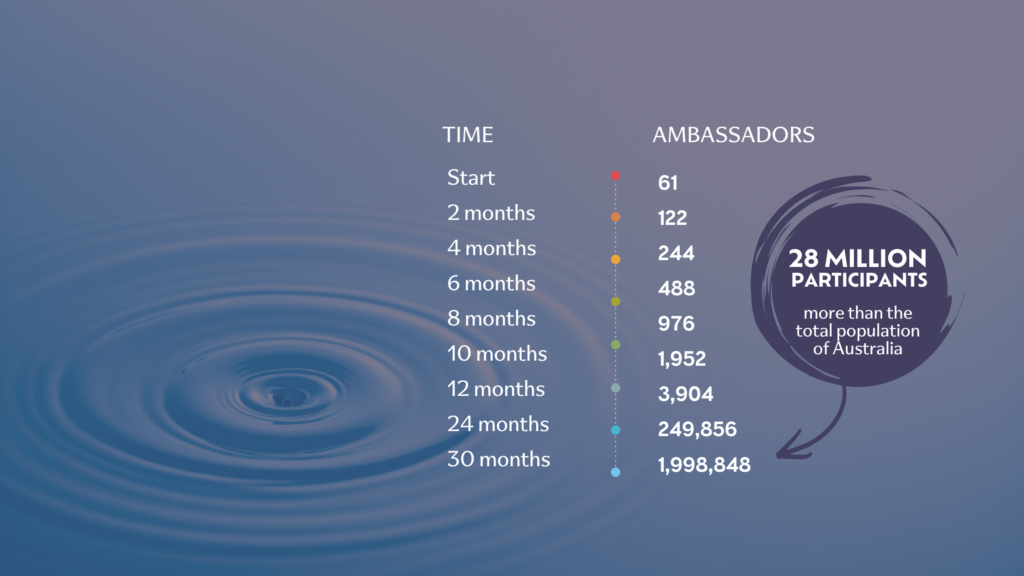
    With the support of a few of you, we explored what happens if we apply our Theory of Change at scale.

    We made a conservative assumption: that only 50% of ambassadors are currently in a position to be active.

    From there, we modelled two simple scenarios:

    Scenario 1

    If each active ambassador facilitates just one workshop every 8 weeks, with 7 participants — and each workshop produces one new facilitator who continues the cycle — then within less than 2.5 years, we could theoretically reach the entire Australian population.

    Scenario 2

    If the same delivery rate applies, but only one new facilitator emerges every 16 weeks, the same outcome would take under 3.5 years.

    These are not predictions.

    They are illustrations of what becomes possible when participation compounds.


    The real shift happens in the room

    One workshop every two months is well within reach for most of us.

    But more importantly, these sessions are not only about participants.

    They change us too.

    Every workshop creates space for something rare:
    real conversation about climate, biodiversity, and systems change — grounded in shared understanding rather than overwhelm.

    People leave inspired.

    And so do we.


    As Robert Swan, Antarctic explorer and environmental advocate, once said:

    “The greatest threat to our planet is the belief that someone else will save it.”

    At People For Nature, we believe the opposite is also true:

    The greatest opportunity lies in what happens when we decide to act — together.

  • From Waste to Wonder: How Australia Can Close the Loop

    From Waste to Wonder: How Australia Can Close the Loop

    Most of us are familiar with recycling. We sort our bottles, flatten our cardboard, and hope it ends up somewhere useful. But what if recycling is only the beginning of the story?

    Across Australia—and around the world—communities are starting to rethink something much bigger than what goes in our bins. They are reimagining the entire system that shapes how we design, make, use, and dispose of everything in our lives. This shift is known as the circular economy.

    Unlike the traditional “take–make–waste” model, which relies on extracting resources, producing goods, and discarding them, a circular economy is designed to keep materials in use for as long as possible. Products are reused, repaired, shared, remanufactured, and ultimately regenerated—so that waste is designed out of the system altogether.

    This shift is not just about recycling better—it’s about redefining value. Materials are no longer seen as disposable, but as part of a living system that should circulate, much like nature does.

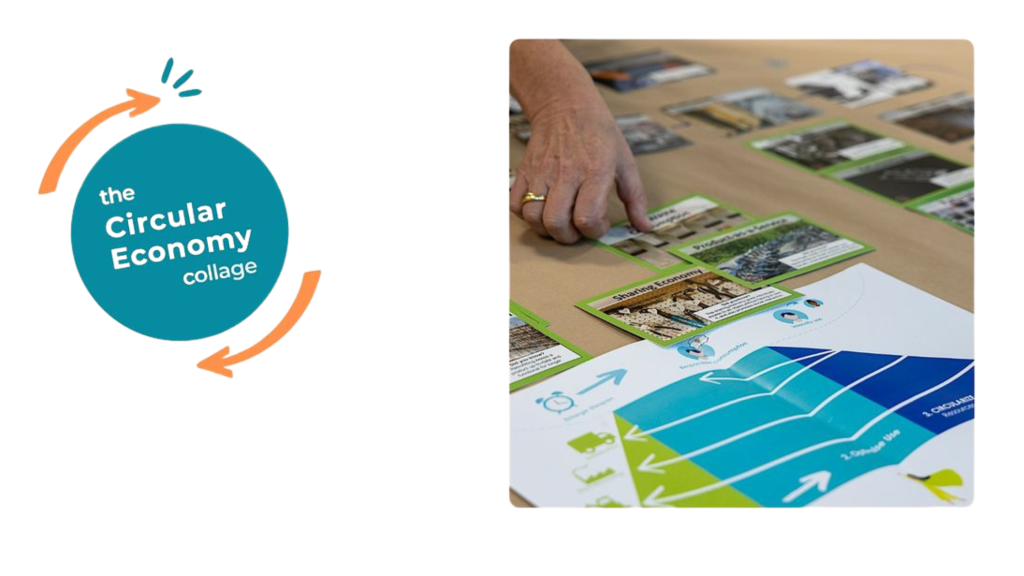
    A new way of learning: the Circular Economy Collage

    To make this complex system accessible and engaging, an interactive workshop called the Circular Economy Collage has been developed.

    Now running across Australia through People For Nature, a registered environmental charity, the workshop transforms global systems thinking into a hands-on, collaborative experience.

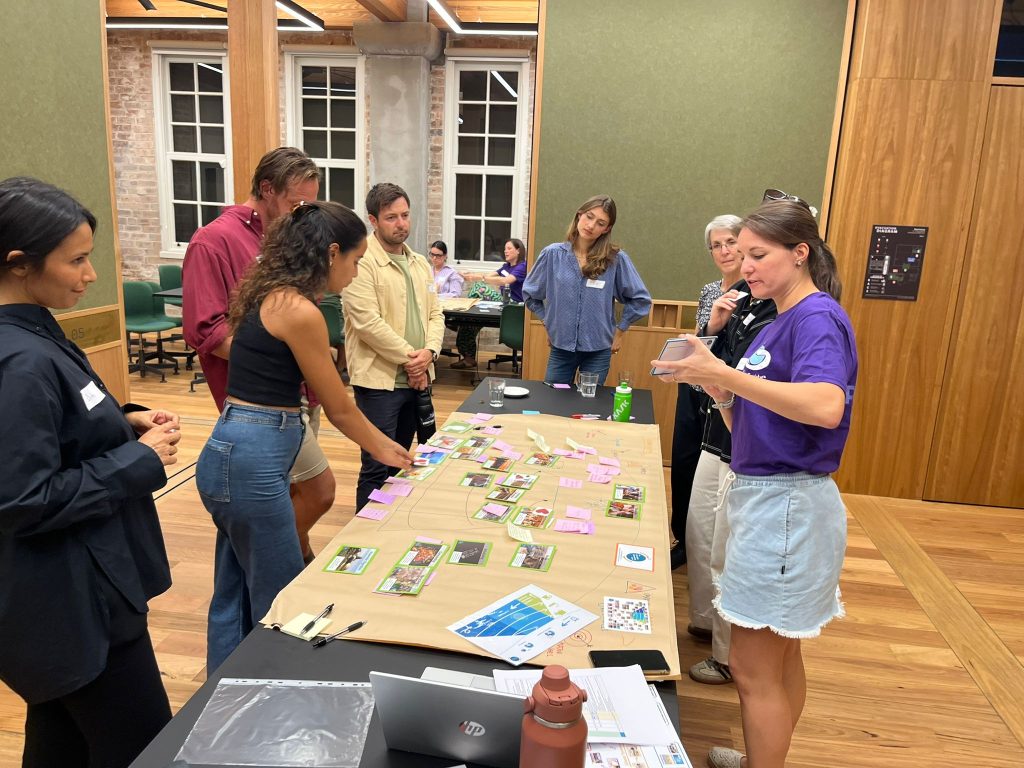
    Participants work together using illustrated cards that represent different parts of our economy—resource extraction, manufacturing, consumption, waste, and innovation. Step by step, they build a visual map of how our current system operates, before exploring how it can be redesigned.

    Rather than passively receiving information, participants actively construct understanding together. The result is often described as a moment of clarity—when the scale and interconnectedness of the system suddenly clicks.

    Like its sister initiatives, Climate Fresk (which has engaged more than 2.3 million people worldwide) and Biodiversity Collage, the Circular Economy Collage is grounded in science and designed to be engaging, accessible, and action-oriented. It helps people move beyond overwhelm and into meaningful action.

    Because when people understand how the system works, they begin to see where change is possible—in households, workplaces, councils, and across entire industries.

    Why this matters in Australia

    In an increasingly volatile and uncertain world, building resilience at the local level is becoming essential across Australia.

    From supply chain disruptions and rising costs of living to population growth, housing pressures, waste challenges, and biodiversity loss, the systems we rely on are being tested. The question is no longer whether change is coming—but how prepared we are to respond.

    The circular economy offers a practical and hopeful framework for navigating this reality. By keeping resources in use for longer, it reduces reliance on fragile global supply chains and strengthens local economies. It supports repair and reuse culture, empowers small businesses, reduces pressure on landfill, and reconnects people with the resources that sustain everyday life.

    Importantly, it also fosters a deeper cultural shift—from accepting waste as inevitable to recognising it as a design flaw we have the power to fix.

    In doing so, it helps communities become more self-reliant, adaptable, and better equipped to thrive in the face of change.

    An invitation to take part

    If you’re curious about how these ideas can be applied in everyday life—and how communities across Australia can be part of the solution—you’re warmly invited to take part in an upcoming workshop.

    Find a Circular Economy Collage workhop near you (or online):
    🎟️ https://collections.humanitix.com/people-for-nature-literacy-workshops

  • Get involved with People For Nature

    Get involved with People For Nature

    At People For Nature, we believe everyone has a role to play in shaping a future where people and nature thrive together.

    Whether you have time, energy, skills, or funds to give — there’s a meaningful way for you to get involved.

    Here’s are a few ways you can join our movement:

    1. Become an Ally 🌱

    Allies are people and organisations who participate in one of our workshops, events, or community initiatives. Whether you join a Climate Fresk, Biodiversity Collage, Circular Economy Collage, or one of our nature-based experiences, you are already part of the change.

    No ongoing commitment — just curiosity, open-mindedness, and a willingness to learn.

    🎟️ -> ATTEND A WORKSHOP:

    https://collections.humanitix.com/people-for-nature-literacy-workshops

    2. Become an Ambassador

    Ambassadors are trained and active volunteers who generously contribute their time and energy to support our purpose in their local community and within the organisation.

    From learning and facilitating workshops to supporting events, securing and delivering projects, fundraising, and growing our community, our ambassadors are at the heart of our grassroots power.

    This is a volunteer role and can be as flexible or involved as your time allows.

    As representatives of People For Nature, Ambassadors are expected to comply with our Code of Conduct. Ambassadors are also expected to accept personal accountability for their conduct and contribute to safe, collaborative spaces — whether online or in person.

    3. Join our Core Team 🌺

    Core Team members are committed leaders who help guide the strategic direction of People For Nature. This includes Board Members, Executive Leads, Comms Lead, Program Leads, Regional Leads.

    All team members are required to:

    • Sign and adhere to our Conflict of Interest Policy, declaring any actual, potential, or perceived conflicts of interest.
    • Avoid direct competition with People For Nature’s activities.
    • Uphold our values and purpose in all engagements.
    • Adhere to our Code of Conduct, acting with integrity, respect, and accountability.

    This role requires dedication, accountability, and shared ownership of our purpose. Core Team members may hold either volunteer or remunerated positions, depending on the nature of the role and available funding.

    4. Partner With Us 🌻

    Partners are organisations, businesses, educational institutions, and networks that support our Theory of Change through aligned collaboration. This can include financial contributions, pro bono expertise, shared resources, or joint initiatives.

    Partnerships take many forms — from co-hosted events and capacity-building support to strategic programmes and innovation projects — depending on shared goals and impact opportunities.

    All partnerships are established under agreed terms, aligned with project needs and available funding. To ensure clarity, transparency, and mutual commitment, we formalise our collaborations through a partnership agreement.

    We value partnerships grounded in purpose, trust, and a shared commitment to creating meaningful, long-term impact for people and nature.

    Get in touch >

    5. Donate🌾

    Donors are individuals, organisations, or businesses who contribute funds to sustain our work. As a registered charity with Deductible Gift Recipient (DGR) status, donations to People For Nature are tax-deductible, providing a valuable benefit to our supporters. This status also strengthens our eligibility for grants and funding opportunities.

    Your donation helps us reach more people with climate and biodiversity and other planetary boundaries education, deliver high-impact programs, and grow our team sustainably. Every dollar helps us plant the seeds of change. Regular or one-off donations are welcome.

    To donate, visit https://www.blog.peoplefornature.org.au/donate

  • Our Code of Conduct

    Our Code of Conduct

    Our Commitment

    At People For Nature, we are committed to fostering a respectful, inclusive, and purpose-driven environment for everyone involved — whether you are an ally, ambassador, donor, contractor, partner, or team member.

    This Code of Conduct outlines the principles that guide how we work together to reconnect people with nature and empower meaningful action for climate and biodiversity.

    “As part of People For Nature, I stay grounded in the reality of the environmental challenges we face, but I choose to act with stubborn optimism. I work collaboratively, valuing diverse perspectives and collective intelligence to drive systemic change. I lead with integrity and am committed to openness and transparency in all I do.”

    This code of conduct follows the EIANZ Code of Ethics and Professional Conduct.


    1. Respect and Inclusion

    We recognise that protecting nature requires diverse voices and lived experiences.
    We listen deeply, value differences, and co-create solutions grounded in empathy.

    • We respect all people — regardless of background, identity, ability, age, gender, sexuality, race, or belief.
    • We promote an inclusive, welcoming environment where everyone feels seen and valued.
    • We communicate with care and compassion, always assuming positive intent.
    • We tap into the wisdom of communities, scientists, and citizens to protect and regenerate nature.

    2. Integrity and Transparency

    We act with honesty and integrity to build trust, strengthen relationships, and align our actions with our mission.

    • We are transparent in our decisions, communications, and use of resources.
    • We declare any potential or perceived conflicts of interest.
    • We uphold the responsibilities of public trust as a values-led nonprofit organisation.

    3. Environmental Responsibility

    We strive to live the change we wish to see — embedding sustainability and regeneration in how we work and what we deliver.

    • We lead by example, making sustainable choices in daily operations and events.
    • We design programs that embed science-based, community-led responses to environmental challenges.
    • We minimise our footprint and maximise our impact — using digital-first communications, reducing travel, and hosting low-carbon events.
    • We champion urban greening, habitat restoration, citizen conservation, and sustainable consumption.

    4. Collaboration and Learning

    We believe transformative change happens when we come together, learn together, and act together.

    • We share knowledge freely and support one another’s growth through collaboration and mentorship.
    • We foster a culture of curiosity, creativity, and continuous learning.
    • We acknowledge contributions, celebrate collective achievements, and give credit where it’s due.
    • We partner with organisations, businesses, and policymakers that align with our mission and values.

    5. Safety and Wellbeing

    We care for one another and commit to safe, supportive spaces — both emotionally and physically.

    • We do not tolerate harassment, discrimination, bullying, or violence of any kind.
    • We support each other’s wellbeing and take action if we witness unsafe, harmful, or unethical behaviour.
    • We approach challenges with care and seek resolution through respectful dialogue.

    6. Responsible Representation

    Whether as a volunteer, partner, or team member, we represent People For Nature with professionalism and care.

    • We only speak on behalf of the organisation when authorised to do so.
    • We use our platforms and influence to uplift others and advocate for a just, regenerative future.
    • We lead by example and align our personal actions with our collective values.

    7. Confidentiality and Data Ethics

    We handle information with care and ensure the trust placed in us is protected.

    • We respect the confidentiality of sensitive information shared internally or by participants.
    • We collect, store, and use personal data responsibly and in line with relevant privacy laws.

    Accountability

    Everyone involved with People For Nature is expected to uphold this Code of Conduct. Breaches may lead to a review of involvement or removal from roles, depending on the severity and context of the issue.


    Raising Concerns

    If you witness or experience behaviour by any member of People For Nature — including Directors — that does not align with this Code or our organisational values, please report it in confidence to a member of the leadership team. We are committed to ensuring all concerns are addressed respectfully, fairly, and promptly.

    People For Nature’s Directors include Certified Environmental Practitioners (CEnvP), bound by the EIANZ Code of Ethics. If you believe that a co-founder or Director has breached this Code, you may lodge a confidential concern directly with the EIANZ using their online complaint form.


    Our Shared Responsibility

    This Code reflects who we are and what we stand for. When acting on behalf of or representing People For Nature, you are expected to uphold this Code and contribute to a culture of respect, care, and collective action for nature and people.

  • The decline of volunteering and how we can rebuild it

    The decline of volunteering and how we can rebuild it

    Over the past two decades, Australia has witnessed a notable decline in formal volunteering rates, raising concerns about the sustainability of many community services and the overall social fabric. According to the Household, Income and Labour Dynamics in Australia (HILDA) Survey, formal volunteering participation rates have decreased among individuals aged 15–40 and 41–65, while the rate among those aged 66 and above has gradually increased. 

    Factors Contributing to the Decline

    1. Economic Pressures: Rising living costs and economic uncertainties have led individuals to prioritise paid work over unpaid volunteer activities.

    2. Time Constraints: Modern lifestyles, characterised by demanding work schedules and personal commitments, leave limited time for volunteering.

    3. Shifts in Volunteer Engagement: There is a growing trend towards short-term, episodic volunteering rather than long-term commitments, making it challenging for organisations to maintain consistent volunteer support. 

    4. Perceived Bureaucracy: Some potential volunteers are deterred by the administrative requirements and formalities associated with volunteering roles.

    Implications of the Decline

    The reduction in volunteering has significant consequences:

    • Strained Community Services: charities rely on volunteers to deliver essential services. A decline in volunteer numbers can lead to reduced service delivery.
    • Erosion of Social Capital: Volunteering fosters community bonds and civic engagement. A decrease in volunteerism can weaken community cohesion and social networks.
    • Increased Pressure on Remaining Volunteers: With fewer volunteers available, those remaining may experience burnout due to increased responsibilities.

    Revitalising Volunteerism

    At People For Nature, we believe in the power of informed, committed citizens to drive change. We are more than a charity—we are a movement, a community where people come together to rethink a more “humane” society. Here, we form lifelong connections, support one another, and create small local and tangible impact.

    In the face of declining volunteerism, we’re reimagining what it means to contribute. By making volunteering more flexible and rewarding, we can reignite civic engagement and strengthen our communities.

    Our Ambassador Program:

    Our Ambassador Program empowers people to become leaders in climate and biodiversity education, citizen conservation, and citizen science—creating impact in their communities and organisations across the country.

    What Our Ambassadors Do:

    🌿 Educate & Inspire – Deliver engaging workshops in schools, workplaces, and communities, turning complex environmental science into action. Help create Nature Oasis spaces—restorative green hubs that reconnect people with nature in urban environments.

    🎤 Speak for Nature – Represent People For Nature at conferences and events, pitching bold ideas for climate and biodiversity solutions.

    🧪 Lead Citizen Science – Mobilise communities to take part in conservation projects, gathering valuable data to protect Australia’s ecosystems.

    Why Join?

    ✔️ Professional Training – Gain the skills and confidence to lead workshops, public talks, and citizen-driven initiatives.
    ✔️ National Impact – Help spread environmental awareness and action across Australia.
    ✔️ Lifelong Connections – Join a passionate network of like-minded changemakers.
    ✔️ Flexible Involvement – Choose how and where you contribute, based on your skills and availability.

    By becoming a People For Nature Ambassador, you’re not just volunteering—you’re leading a movement.

    Together, we can turn the tide on declining volunteerism and imagine a society where people and nature thrive—driven by the collective power of citizens who care.

    Join us. Learn, inspire, and create change. 🌏💚


    References:

    The Decline of Formal Volunteering in Australia (2001–2020): Insights from the HILDA Survey; Rong Zhu – September 2022

    Key Statistics about Volunteering in Australia: The General Social
    Survey 2020 and the Household Impacts of COVID-19 Survey,
    Volunteering Australia

    Five Forces that are Changing Volunteering in Queensland, Volunteering Queensland

    Community events cancelled, emergency services stretched as volunteer numbers fall; Regional social affairs reporter ABC News Erin Parke

  • The story behind People For Nature

    The story behind People For Nature

    Empowering Change Through a Shared Purpose and the Strength of People Power

    At People For Nature, we believe that true change starts with people. Our goal is simple: to reconnect people with nature and empower them to take action for a healthier, more sustainable world. But how did we get here, and why does this matter so much? Let’s take you through the journey behind our organisation.

    The Genesis of People For Nature

    The story of People For Nature began with a shared vision—one that brought together a diverse group of individuals who were passionate about the planet and its future. With unique experiences and backgrounds, they all share a deep-rooted commitment to conservation, sustainability, and education.

    Audrey Barucchi | Chief Executive Officer

    Audrey’s journey to creating People For Nature began after years in the corporate world. Despite a successful career in sustainability, she became disillusioned with the traditional approaches of both the non-profit sector and for-profit technosolutionism. She realised that relying on linear, tech-based solutions wasn’t the answer. While we have plenty of solutions, most people don’t grasp the full, interconnected nature of the crisis. Sustainability, she often says, isn’t just about reshaping the narrative—it’s about a revolution in how we connect with the natural world and each other. Concerned about the future for her two children, Audrey felt compelled to act, believing real change would come from engaging people in a systemic, inclusive, and actionable way.

    Dr Fanny De Busserolles | Chief Program Officer

    Fanny’s path to founding People For Nature began with a career in academia as a marine neuroecologist, studying how marine fishes perceive and interact with their environments. Her research has taken her from vibrant coral reefs to the mysterious depths of the deep sea, making significant contributions to marine biology, sensory ecology, and environmental science. While her academic work has deepened her appreciation for the ocean’s wonders, it has also exposed her to the harsh realities of human impact on marine ecosystems and reinforced her personal determination to protect the planet. Inspired by these experiences, in 2022 Fanny transitioned from research to conservation and community engagement, driven by the belief that education and grassroots action are key to creating meaningful environmental change.

    Mylene Turban | Non-Executive Director

    Mylène graduated with a Master’s in chemical engineering and worked across the solar and water treatment industry for two years before switching to climate consulting. After learning the intricacies, but also the limits of carbon accounting to drive positive change, she shifted gears to join the University of New South Wales as a Manager for sustainability engagement. With a special interest in public education and regeneration, Mylène co-led Climate Fresk Australia and is a Director at Regen Sydney to implement the doughnut economics model in Sydney.

    “I thrive when I work and collaborate with teams of passionate people toward a common mission and mine is to stop the ecological crisis and build a regenerative society.”

    Germain Briand | Non-Executive Director

    Germain is on a mission to reconnect people with nature by creating places and experiences with innovative and nature inspired solutions. As a Board Member of People for Nature, he brings his entrepreneurial expertise and passion for nature-based solutions to help drive our organisation’s vision. After a 12-year career in the petroleum industry, Germain took a bold turn, launching Urban Canopee—a venture that introduces living shade structures to urban environments, where planting trees isn’t feasible. This pioneering work brought the concept of Nature-Based Placemaking to Australia, transforming urban landscapes into greener, more sustainable spaces.

    Today he heads up the Bio… Group. Bio… still works with Urban Canopee but also with Aglae, a innovation turning living plants into luminescent beauties for magical events, Glowee, a world leading bioluminescence venture lighting cities with living light, Luminokrom, an electricity free luminescent paint and Gunter’s Fables, a series of educational books designed to awaken the nature-inspired entrepreneur in every kid. His journey reflects a deep belief in the power of self-development and aligning personal values with impactful action. He thrives in the intersection of environment, art, science, and business, believing that true innovation and societal change emerge from challenging the status quo and embracing transformation. Germain’s work is guided by his belief in nature’s wisdom, the importance of reconnecting humanity with the environment, and the transformative power of business to create environmental, economic and societal change at scale.

    Each of them brought valuable insights into how people could be empowered to take action—whether through education, community-building, or hands-on conservation efforts.

    That’s how People For Nature was born — a charity dedicated to giving everyday people the opportunity to be active participants in nature conservation, not just passive recipients of information or solutions. People For Nature aims to empower individuals to understand the complexities of environmental challenges and offer them the tools and knowledge to become catalysts for lasting change in their local communities.

    The Power of People

    At People For Nature, we believe that everyone has the power to make a difference. Our approach is simple yet transformative: we engage people from all walks of life to become “citizen scientists” and conservation advocates. By making complex environmental issues accessible and actionable, we hope to inspire a generation of individuals who not only understand the importance of biodiversity and climate action but also feel compelled to get involved.

    We do this through a variety of initiatives, including workshops, educational programs, and community events that highlight the importance of protecting our natural world. We also aim to build a national community of 100,000 citizen conservationists by 2030—a movement that will help drive meaningful change for our environment.

    Our Purpose and Vision

    The overarching goal of People For Nature is to educate and inspire.

    Through our programs, we aim to reach people of all ages, backgrounds, and locations, helping them understand the science behind climate change and biodiversity loss while offering tangible ways to make a difference. By building a community of informed and motivated individuals, we believe we can collectively tackle the urgent environmental challenges facing our planet.

    Our goal is to empower individuals to take action—whether it’s through participating in citizen science projects, supporting nature-based solutions, or simply sharing knowledge with others. We are not just focused on the facts; we are focused on creating positive, actionable change that will have a lasting impact on the world for generations to come.

    Registered as an Australian Charity, People For Nature is supported by a dedicated Board, each with unique expertise and a shared passion for the mission.

    Looking to the Future

    As People For Nature grows, our vision expands. We are committed to being a catalyst for change, fostering partnerships, and supporting a movement that puts people at the center of environmental solutions. Whether it’s through grassroots initiatives, corporate collaborations, or community-led projects, we are building a network of individuals who are passionate about making a difference.

    In the end, our story is the story of people wanting to see change—a change that comes from collective action, shared knowledge, and a deep respect for the natural world. Together, we are not just dreaming of a better future; we are actively shaping it.

    Join us on this journey. Let’s make our world a greener, more sustainable place—for our children, and theirs.

  • Sounds of Summer Festival at the French Embassy

    Sounds of Summer Festival at the French Embassy

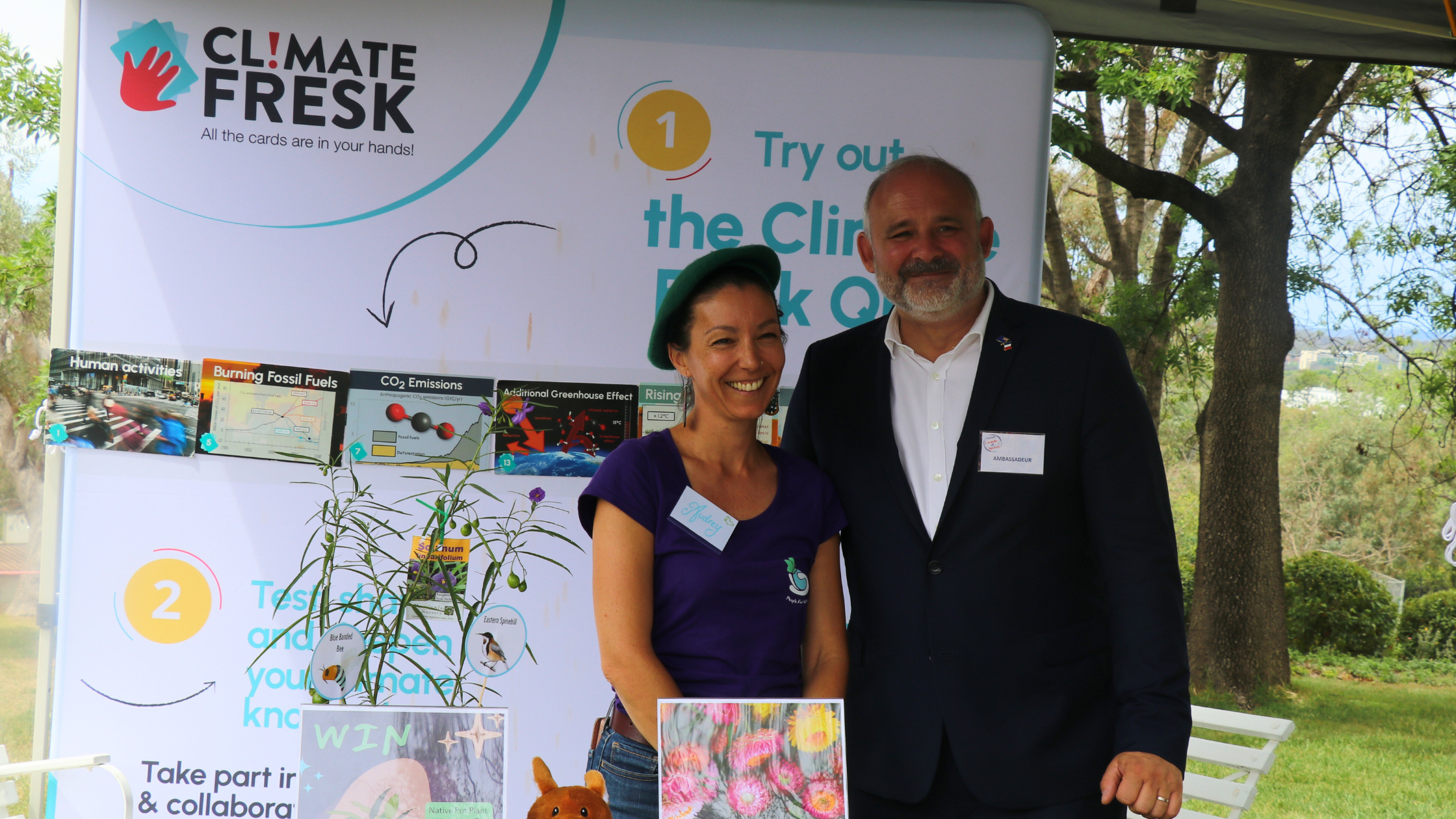
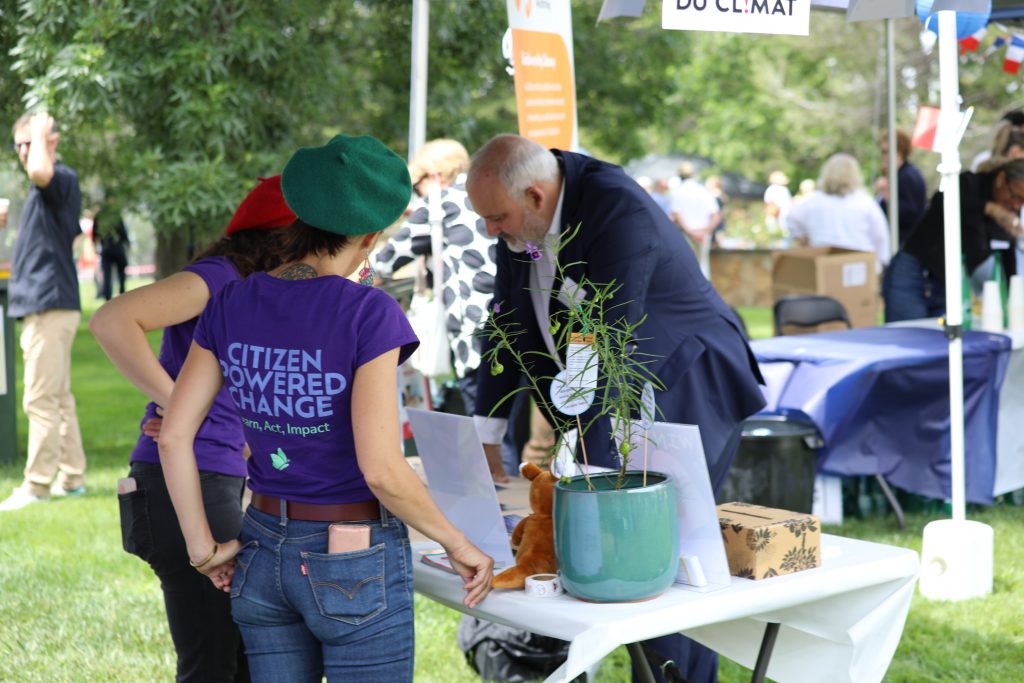
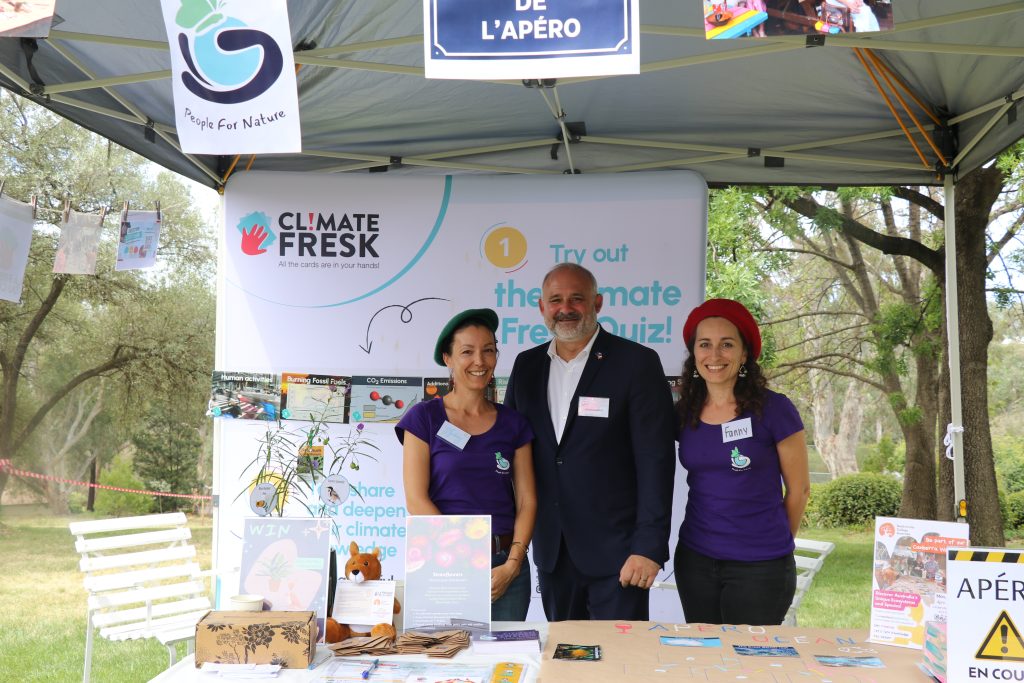
    We were thrilled to be part of this year’s Sounds of Summer Festival at the French Embassy in Canberra! This unique event celebrated cultural and environmental connections between France and Australia, providing an inspiring platform for collaboration, community, and creativity.

    Celebrating Nature Through Sound and Action

    The Sounds of Summer Festival was more than a celebration of music and art—it served as a meeting point for ideas and initiatives that emphasised sustainability and our shared responsibility to protect the planet. Our participation highlighted the growing significance of citizen-led efforts in addressing climate and biodiversity challenges.

    Our Contributions to the Festival

    At People For Nature, we are passionate about turning knowledge into action. During the festival, we:

    • Engaged and Educated: Visitors joined our interactive climate and biodiversity literacy sessions, designed to make complex environmental issues accessible and actionable.
    • Inspired: We showcased our exciting programs, including The Biodiversity Collage and other creative tools that empower people to reconnect with nature.
    • Celebrated Connections: Together, we explored the cultural ties between France and Australia, particularly in biodiversity conservation and environmental education.

    Why This Festival Mattered

    The French Embassy’s commitment to sustainability resonated deeply with our mission. By bringing together diverse voices and perspectives, the Sounds of Summer Festival illuminated the power of collaboration in tackling global challenges. Events like this remind us that art, music, and culture are powerful tools to inspire environmental action.

    We were grateful to connect with so many passionate individuals and share in the celebration of nature, culture, and collaboration.

    Thank You for Joining Us!

    To everyone who visited us at the festival, thank you for making it a memorable event. Stay connected with us on social media to learn more about our initiatives and upcoming activities. Together, let’s continue to celebrate, learn, and take action for the planet!