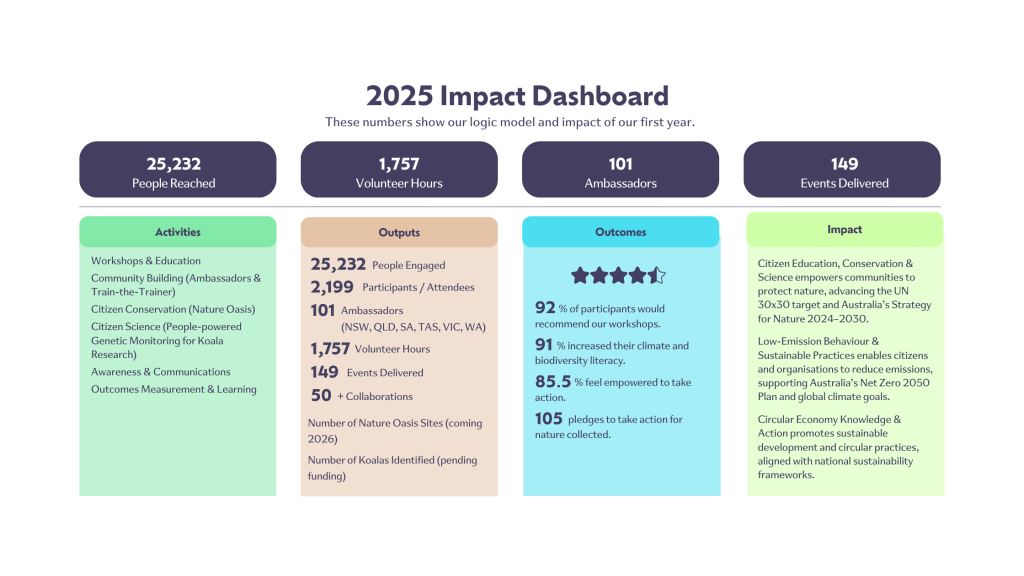
2025 was a big year for People For Nature. Together with our amazing community, we educated thousands of Australians on climate and biodiversity, ran hands-on workshops, and inspired action for nature.
From citizen science projects to corporate partnerships, our collective efforts are making a real difference — and we want to share it with you.
Dive into our 2025 Impact Report to see the stories, the numbers, and the people driving change. Let’s celebrate what’s possible when people power meets nature.
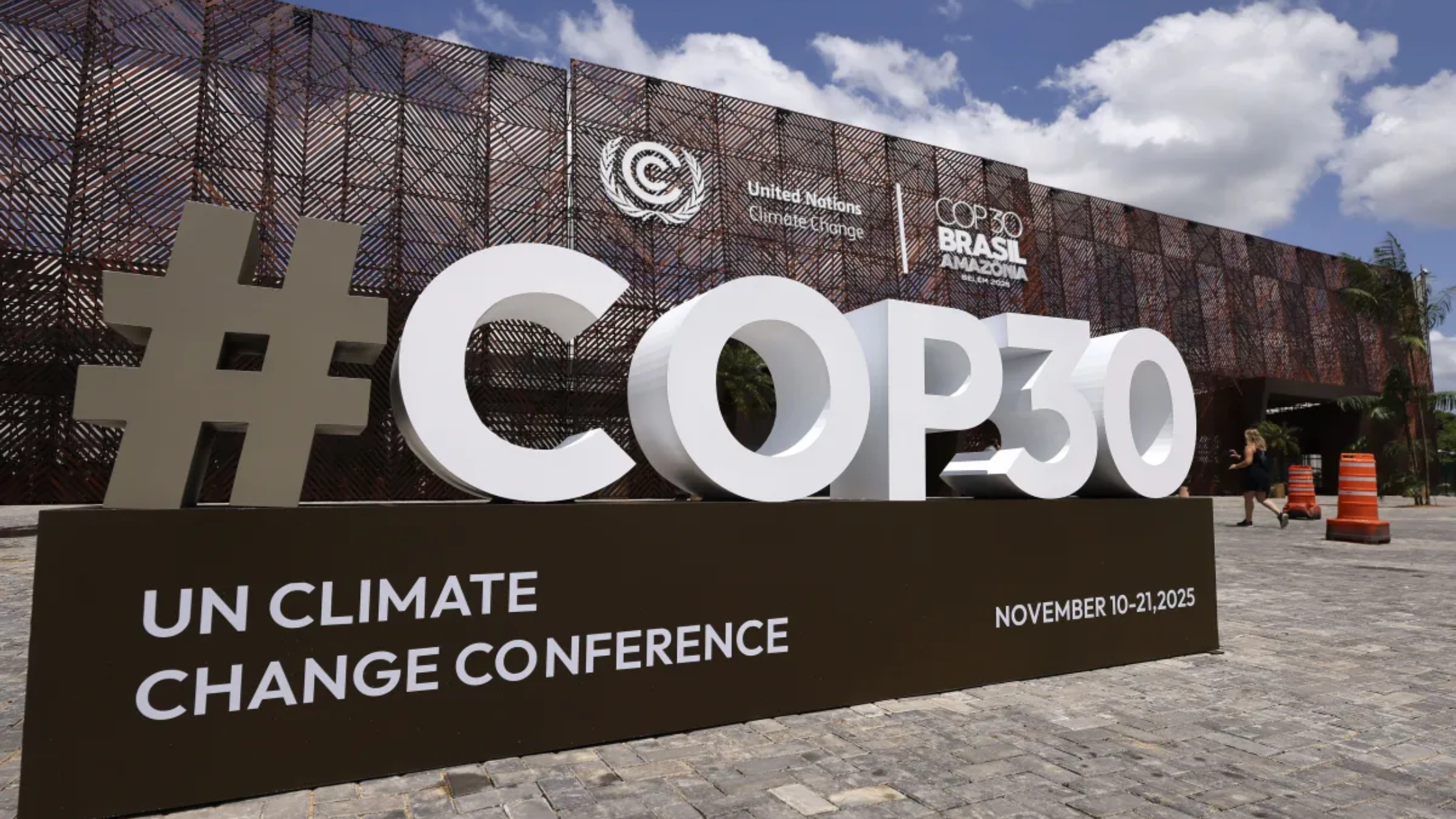
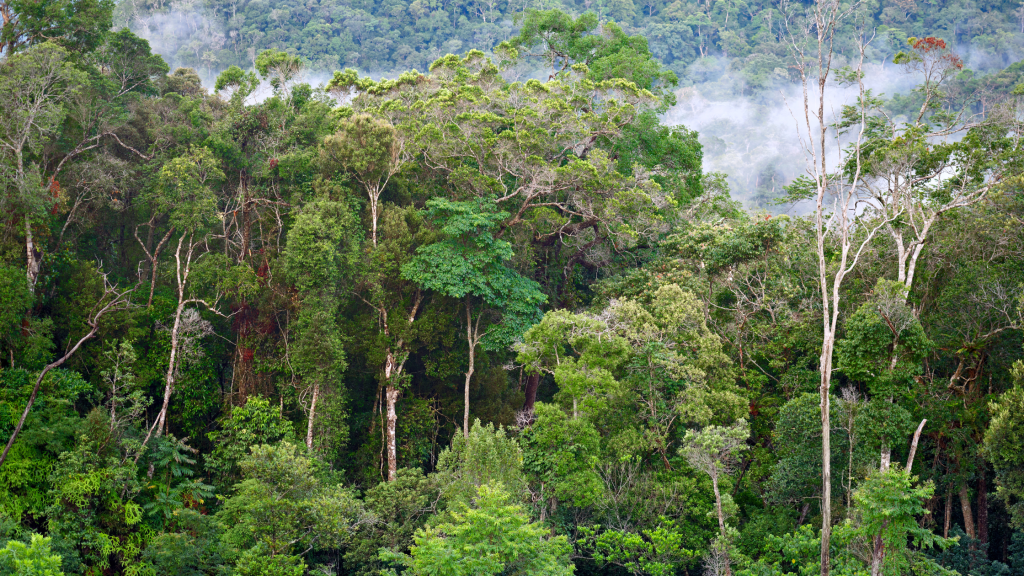
Held in Belém, at the gateway to the Amazon, COP30 was widely framed as “the COP of nature”. Expectations were high: forests, biodiversity, food systems and Indigenous stewardship were meant to sit at the heart of climate action. The reality was more mixed.
So what actually came out of COP30 for nature — and what does it mean for Australia?
Nature recognised, but not prioritised
The main outcome of COP30 was the Global mutirão (meaning “collective effort”), which highlights the need to better connect climate action with biodiversity, land and ocean protection. The language is strong: nature is clearly recognised as essential to achieving the Paris Agreement goals.
But recognition didn’t translate into concrete commitments. Despite being hosted in the world’s most biodiverse country, no specific global action or dedicated funding for halting deforestation was agreed — a major missed opportunity given forests’ critical role in climate mitigation, adaptation and biodiversity protection.
For Australia, a country facing accelerating land clearing, ecosystem collapse and species extinction, this gap is particularly concerning.
Deforestation: words without a roadmap
More than 90 countries supported the idea of a global roadmap to halt and reverse deforestation by 2030. However, consensus wasn’t reached, and the proposal was pushed outside the formal UN process.
While Brazil signalled it would continue working on a deforestation roadmap ahead of COP31, there is still no binding global pathway. For Australia — one of the world’s deforestation hotspots — this reinforces the need for stronger domestic action, not just international rhetoric.
Food systems and agriculture: progress delayed
Agriculture and food systems were discussed under the Sharm el-Sheikh Joint Work on Agriculture, with growing recognition of:
the links between food systems and biodiversity
agroecology and regenerative approaches
the limited share of climate finance going to agriculture
But disagreements over language meant no final decision was adopted, pushing outcomes to 2026. For Australia, where climate impacts on food security are already being felt, this delay matters.
Growing momentum on climate–nature synergies
One of the more positive signals from COP30 was the increasing focus on aligning climate, biodiversity and land agendas. New initiatives launched during the COP aim to better coordinate the three Rio Conventions (climate, biodiversity, desertification), improve policy coherence, and track nature-positive action and finance.
This aligns strongly with Australia’s own commitments under the Global Biodiversity Framework and its national climate targets — but only if translated into joined-up policies and investment at home.
Nature finance: promising ideas, familiar risks
The launch of the Tropical Forest Forever Facility (TFFF) — a new fund designed to reward countries for protecting tropical forests — signalled growing interest in nature-positive finance. While innovative, it also raised concerns around greenwashing, equity, and whether funds will genuinely reach ecosystems and Indigenous communities.
For Australia, this highlights a broader challenge: scaling nature finance without losing integrity, while ensuring public funding also plays a strong role.
What COP30 means for Australia
COP30 reinforced a clear message: nature is finally being talked about — but still not acted on at scale.
For Australia, the implications are clear:
Climate and biodiversity can no longer be treated separately
Land clearing, ecosystem restoration and nature-based solutions must be central to climate policy
International leadership must be matched by credible domestic action
With COP31 on the horizon and global attention increasingly on nature, the real test will be whether Australia turns alignment into action — for climate, for biodiversity, and for future generations.
Conclusion
In a year when nature was meant to finally take centre stage at the global climate talks, COP30 delivered important recognition — but fell short on concrete actions that match the scale of the interlinked climate and biodiversity crises. For Australia, the outcomes underscore the urgency of moving beyond dialogue to ambitious policy, funding and on-the-ground implementation that protects ecosystems, supports First Nations leadership, and integrates nature into our national climate response.
That’s exactly why we organised AlterCOP30 — to ensure that all Australians, especially those whose voices are too often excluded from formal climate and biodiversity negotiations, were heard and included in these critical discussions. By bringing together citizens, community leaders, scientists and storytellers, AlterCOP30 created space for perspectives, values and solutions that reflect Australia’s unique landscapes and communities.
As the global climate and biodiversity agenda continues to evolve, it’s up to all of us — at local, national and international levels — to demand that commitments translate into action. Australia’s nature depends on it.
Volunteer-powered, free & inclusive grassroots climate conference showcased local innovations and action
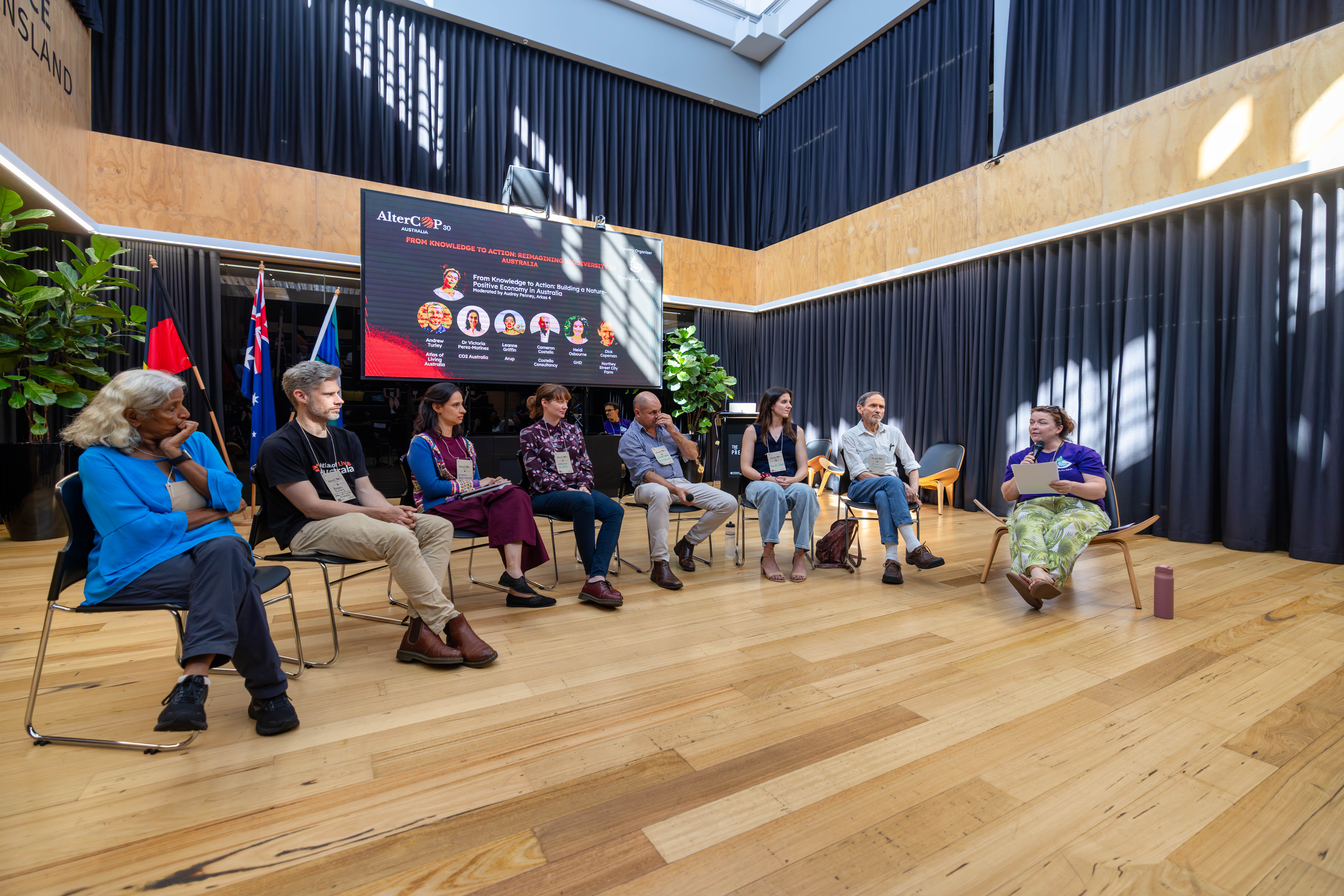
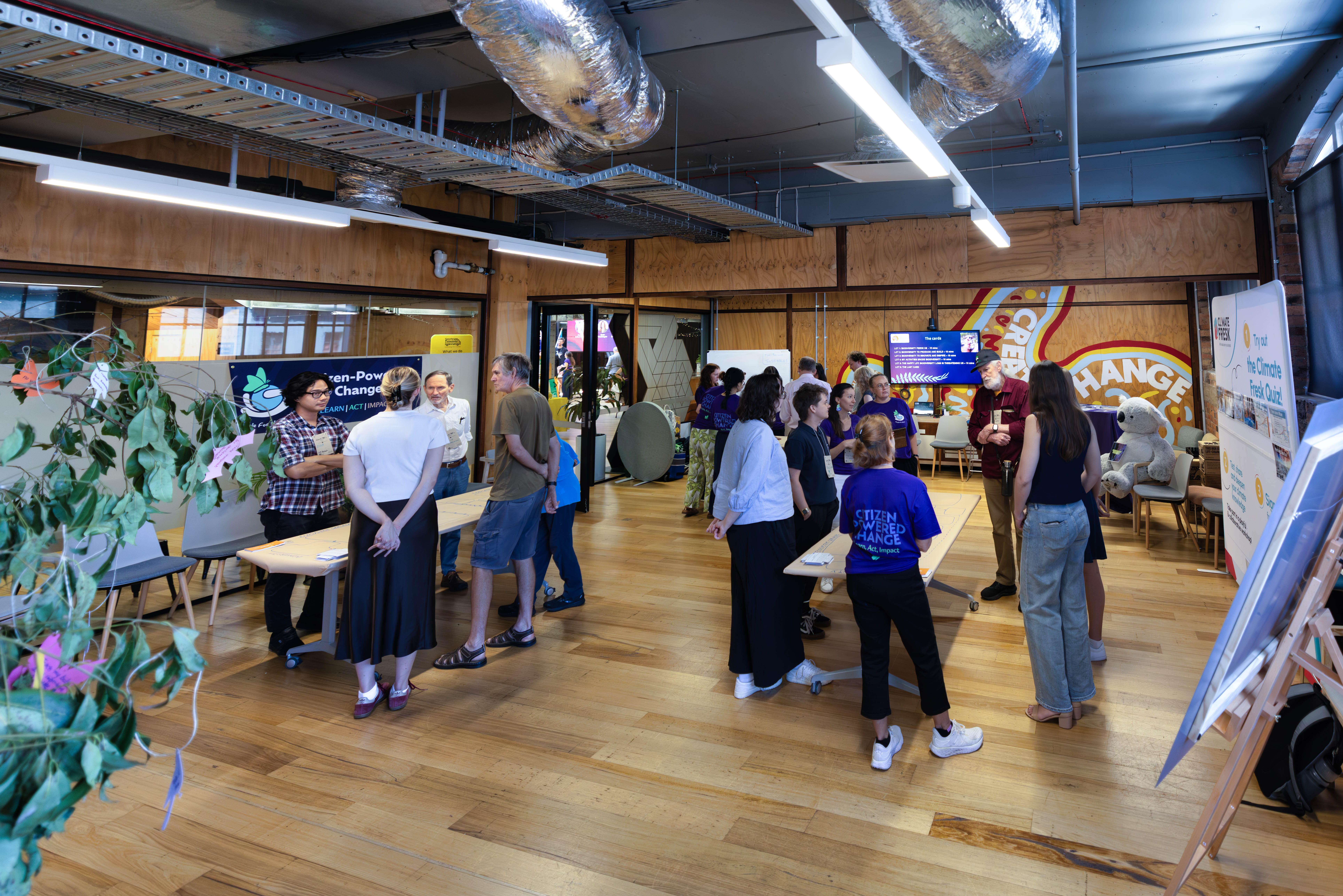
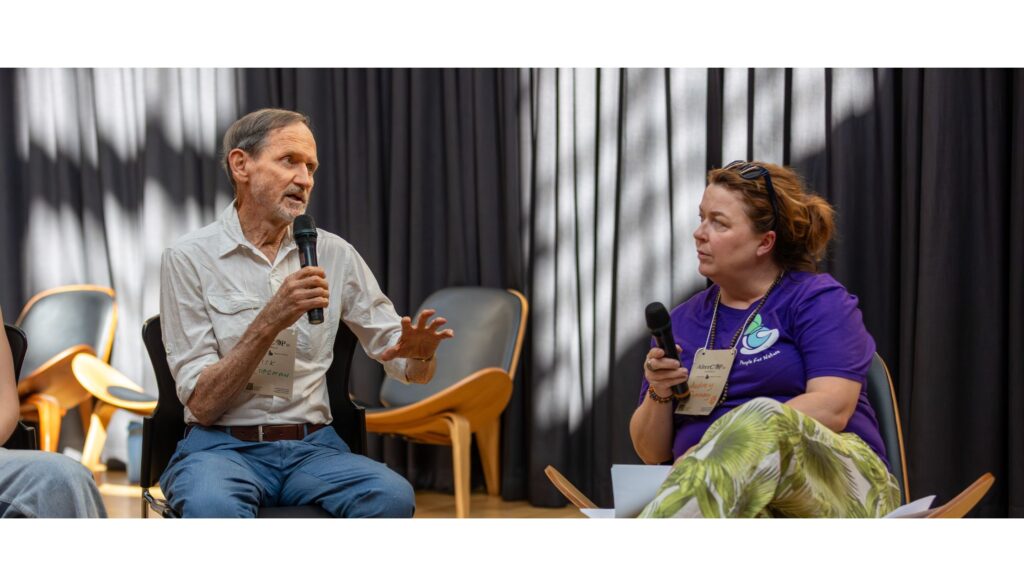
AlterCOP 30 Australia has concluded after four powerful days of community-led climate action, bringing together more than 1,400 registered participants across 42 events nationwide.
Running in parallel to the UN COP30 summit in Brazil, AlterCOP 30 Australia offered a platform for inclusive, locally grounded conversations on climate change, biodiversity, sustainable cities, health, and community resilience, fostering hope, connection and tangible pathways to action.
Audrey Barucchi, CEO and Co-Founder of Australian charitable social enterprise, People For Nature, commented
“AlterCOP 30 Australia has shown what’s possible when citizens are empowered to lead.
This wasn’t just a climate conference, it was a nationwide movement demonstrating that climate action is happening now, led by everyday people who care deeply about the future of our planet.
The energy we witnessed in Brisbane and across our satellite events was extraordinary. From packed workshops to meaningful conversations and new collaborations, AlterCOP 30 Australia has strengthened Australia’s grassroots climate ecosystem and proven that people-powered solutions are essential to driving real change.
We know there were close to 500 Australian delegates at COP30 in Brazil, carryinga considerable logistical and carbon-footprint burden. On the flipside, our citizen-powered events brought together 1,400 people locally with near to no budget and a minimal environmental footprint.
As a local extension of the Green Zone (without the heavy footprint), we enabled everyday Australians to engage with climate dialogue and innovation without having to travel across the world.“
In partnership with AlterCOP
AlterCOP was co-founded in 2024 by The Matcha Initiative and The Transmutation Principle in Singapore, as an accessible alternative to the United Nations COP, making climate action discussions available to communities, professionals, and youth. This year, the summit expanded to 12 new countries, including Australia, highlighting the enthusiasm around the region for inclusive, locally grounded climate dialogue.
Anne Langourieux and Thibaut Meurgue-Guyard, co-founders of AlterCOP, commented: “It’s amazing and exciting to see AlterCOP grow. It proves that a global, community-led movement for climate action is not just possible, it’s thriving. We’re committed to our mission of making climate dialogue accessible to regional communities without air travel while raising awareness of the official COP summit. We look forward to growing the movement to be even bigger next year.”
Audrey Barucchi concluded:
“People For Nature is proud to have helped activate a community-powered space that builds engagement, showcases real solutions, and connects Australians to the global climate conversation.
“Australia may have lost the opportunity to host COP31, but this hasn’t diminished our ambition. Instead, we’re planning to grow AlterCOP next year. Our vision is to include more cities, more local communities, and deeper citizen-led climate engagement across Australia. in 2026 and beyond”
Powered by volunteers, grounded in community, and radiating active hope for Australia’s climate and nature movement, AlterCOP showed what happens when citizens lead with purpose and imagination.
A main 4-day gathering in Brisbane, with major satellite events in Sydney and Melbourne, and additional events in Huon Valley (TAS), Bright (VIC), Wollongong, Newcastle, and Narara (NSW)
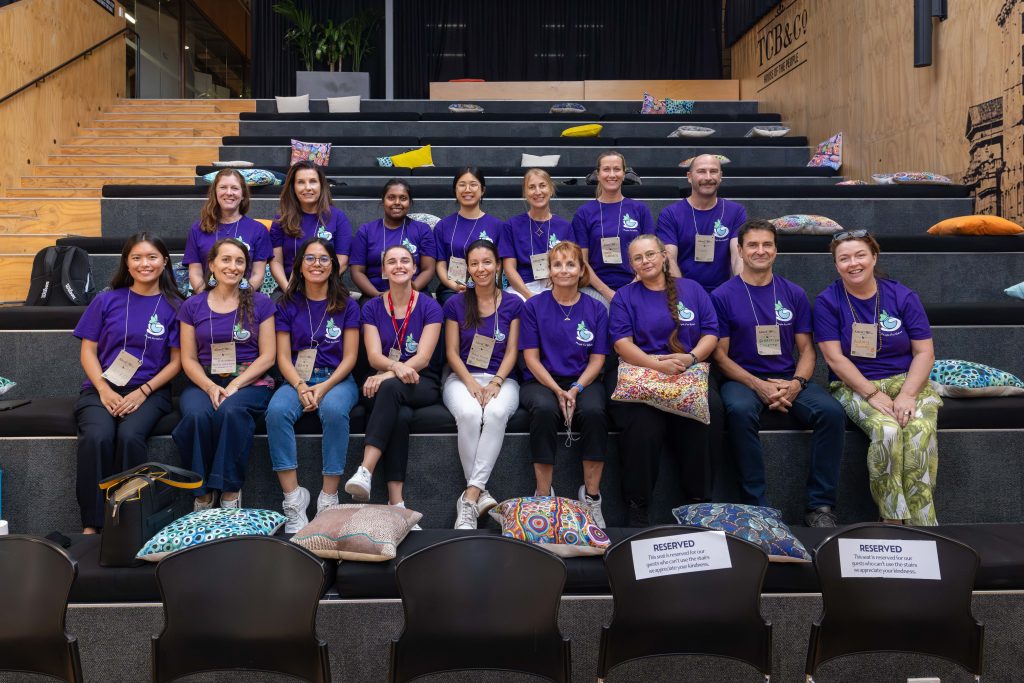
🤝 33 on-site volunteers in Brisbane, and 37+ more supporting events across the country. 💡 A core team of 15 volunteers driving the entire program across Brisbane and the satellite cities.
🌏 A Giant Climate Fresk reaching at least 200 participants across 8 locations in Australia and New Zealand — supported by 25+ facilitators.
🎤 85 speakers in Brisbane alone, and well over 100 nationally 🏛️ 49 organisations backing this movement — 15 partners and an ecosystem of 34 collaborations.
How We Shaped The Program in 2025
Our work was structured around five core working groups:
🌡 Climate
🌿 Biodiversity
🏙 Sustainable Cities
🧠 Health
🧒 Youth
Through strong collaborations with organisations and communities across the country, these working groups didn’t just shape the main Brisbane program — they also enabled satellite events nationwide, all running in parallel with the same overarching agenda.
Each local hub explored the same themes through its own community lens, grounding the discussions in local realities, challenges, and opportunities. This meant that whether people gathered in Sydney, Melbourne, Huon Valley, Bright, Wollongong, Newcastle, or Narara, they contributed to a unified national conversation while elevating the unique stories and solutions of their region.
These groups didn’t just curate sessions — they embedded the values that make AlterCOP what it is: collaborative, community-led, and rooted in both science and lived experience.
Why we loved delivering the first AlterCOP in Australia?
Inclusive: ensured First Nations perspectives and Youth voices were present on every panel.
Citizen-powered: designed, led, and delivered entirely by volunteers.
Events that walk the talk: no flights, no waste, and only vegetarian catering
Free and independent: open to all, without corporate influence or paywalls.
A local extension of the Green Zone: including live interviews and videos with delegates who are on the ground at COPs to share insights on the proceedings.
Positive and solutions-focused: grounded in science, driven by active hope, and inspired by community action.
A big thank you to the people and organisations who believed in AlterCOP from day one — especially our partners who supported us with the simple, practical logistics that make an event like this actually work. Your trust and collaboration truly mattered.