Imagine what our society would look like if everyone understood—not just climate change—but the limits that make life on Earth possible.
Not as an abstract concept.
Not as a distant scientific framework.
But as something deeply practical, shaping the way we live, work, and decide.
Because the truth is this:
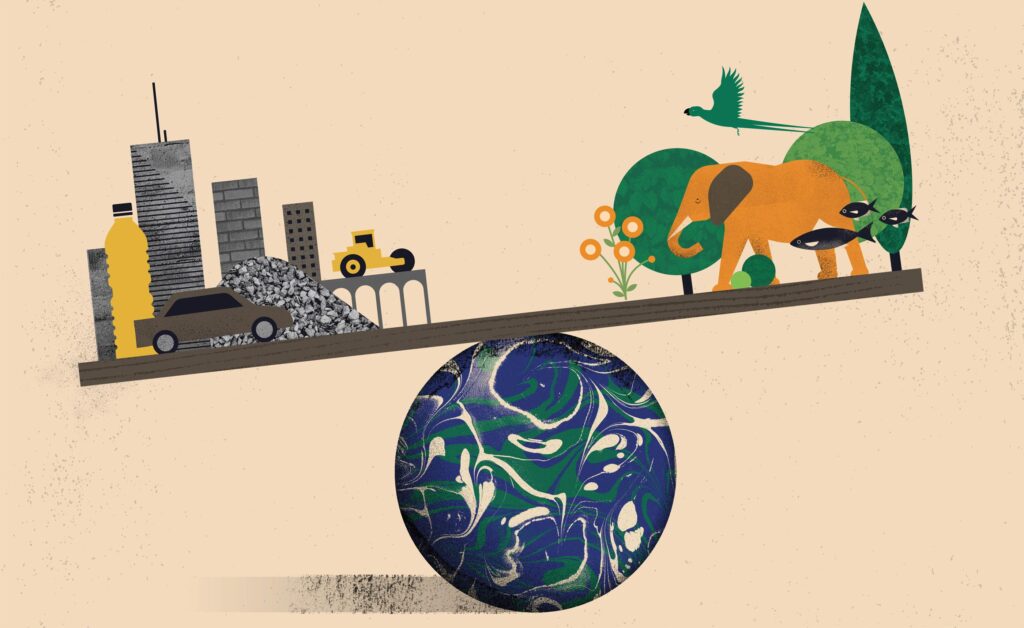
We are not just facing a climate crisis. We are facing a systems crisis.
Beyond climate: understanding the whole system
For years, climate change has dominated the conversation.
And rightly so.
But climate is only one piece of a much bigger picture.
Scientists have identified a set of planetary boundaries—the ecological limits that keep Earth stable and habitable. These include:
- climate change
- biodiversity loss
- land use change
- freshwater use
- chemical pollution
- and more
Crossing these boundaries doesn’t just create isolated problems—it destabilises the entire system we depend on.
And here’s the challenge:
Most people have never heard of them.
The real gap is not action—it’s understanding
We often talk about an “action gap.”
But underneath it lies something more fundamental:
👉 a literacy gap.
Because how can we expect:
- businesses to make aligned decisions
- communities to support systemic change
- individuals to act meaningfully
…if the underlying system remains invisible?
The science exists.
The data is clear.
But it hasn’t yet become shared understanding.
What happens when people do understand?
This is where things get interesting.
Research consistently shows that education and literacy are among the strongest drivers of climate awareness and engagement.
The IPCC highlights that improving understanding enables more effective and transformative responses to environmental challenges.
And global studies confirm that well-designed educational experiences can:
- significantly increase knowledge
- shift perspectives
- build a sense of agency
In other words:
👉 When people understand the system, they start to see their role within it.
From complexity… to clarity
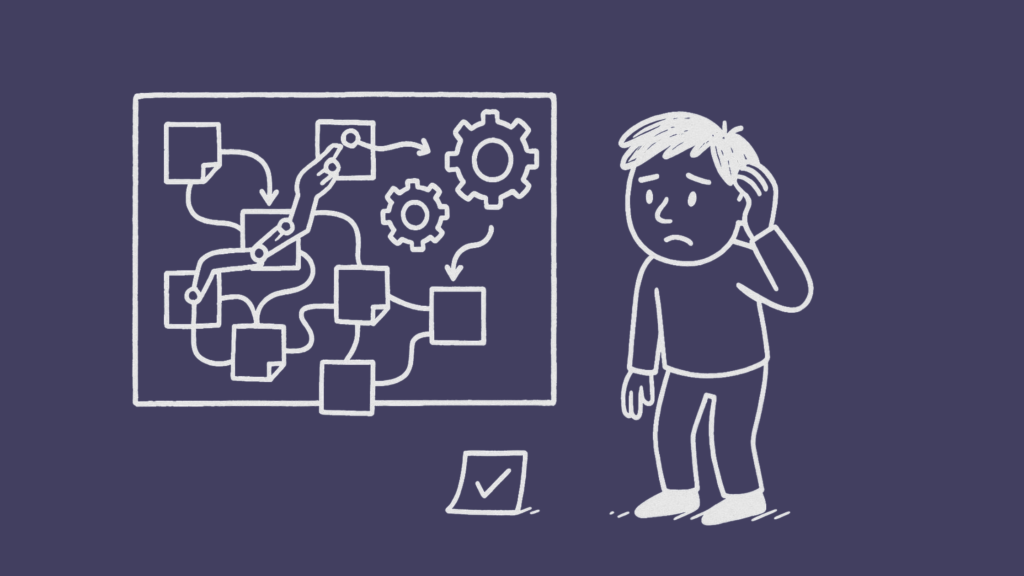
The planetary boundaries framework can feel overwhelming at first.
Nine boundaries. Interconnected systems. Feedback loops.
But when made accessible, something powerful happens:
People move from:
- confusion → clarity
- isolation → connection
- paralysis → possibility
Because they can finally answer questions like:
- What’s really going on?
- Why does it matter?
- Where do I fit in?
This is where our work begins
At People For Nature, we focus on one simple but often overlooked idea:
You cannot protect what you do not understand.
Our work is about turning complex science into shared, lived understanding.
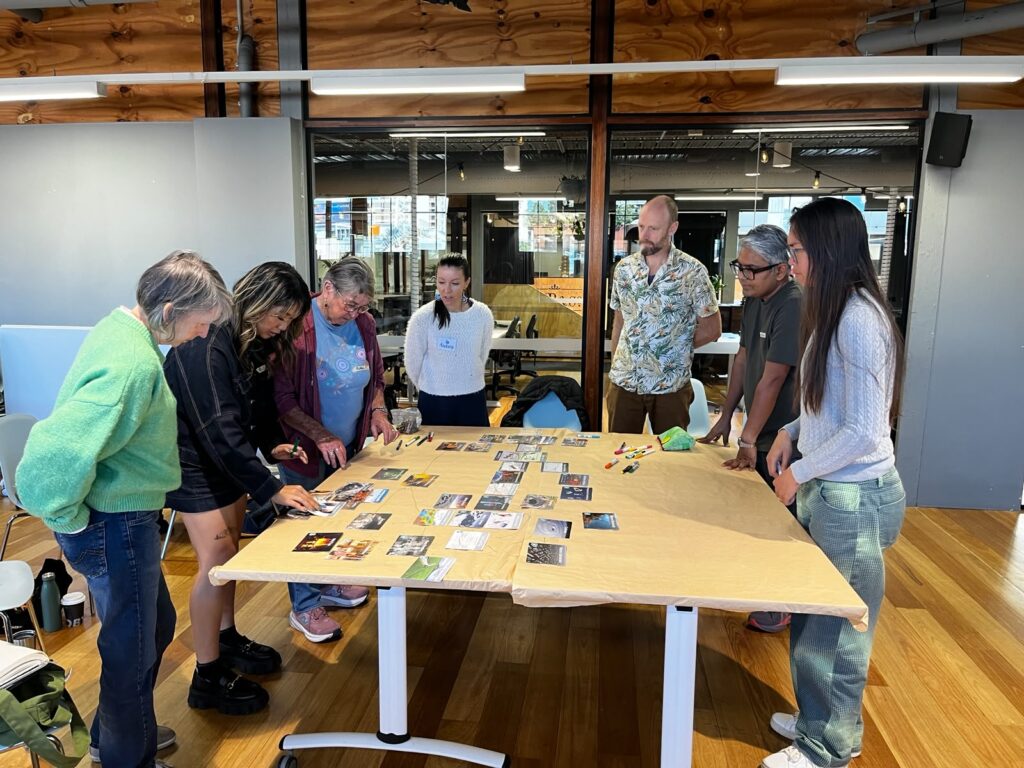
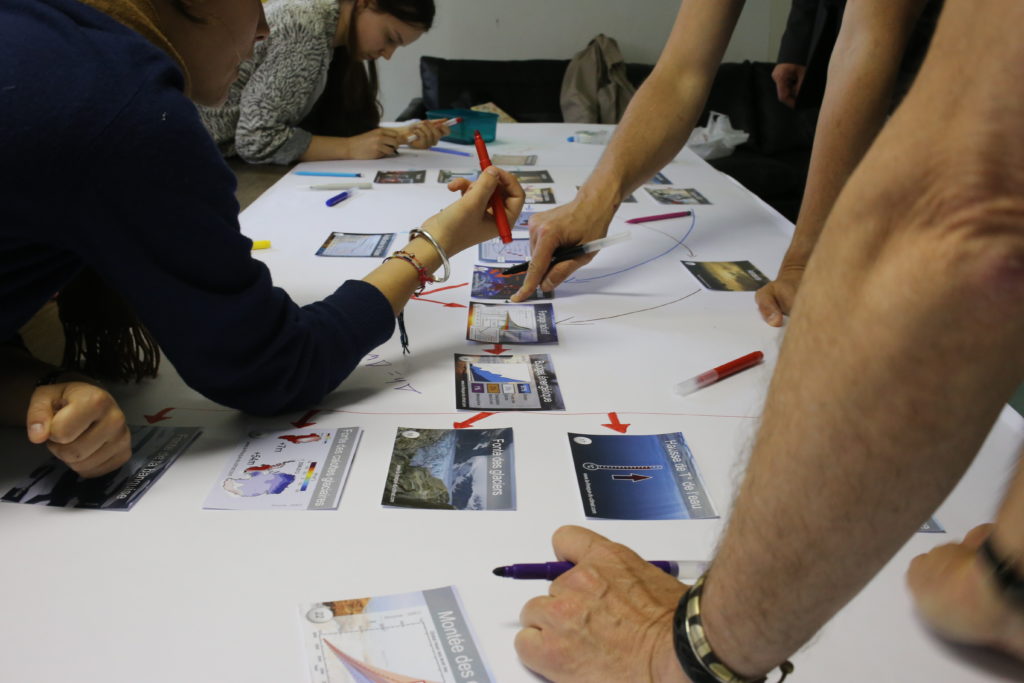
Through immersive, science-based workshops like:
- Climate Fresk
- Biodiversity Collage
- Circular Economy Collage
…we help people see the whole system:
- how climate and biodiversity are deeply interconnected
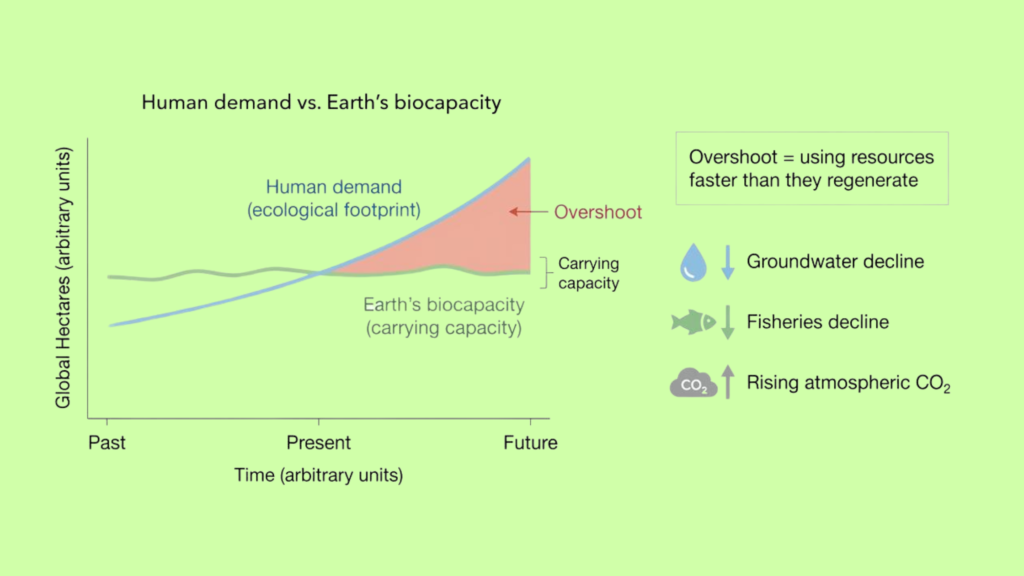
- how our economic model drives pressure on planetary boundaries
- how circular approaches can reduce that pressure
This isn’t about delivering information.
It’s about creating moments where people say:
💡 “Now I get it.”
Why circular economy is part of the story
One of the most important shifts when people understand planetary boundaries is this:
👉 They stop seeing sustainability as a series of small actions…
and start seeing it as a system redesign challenge.
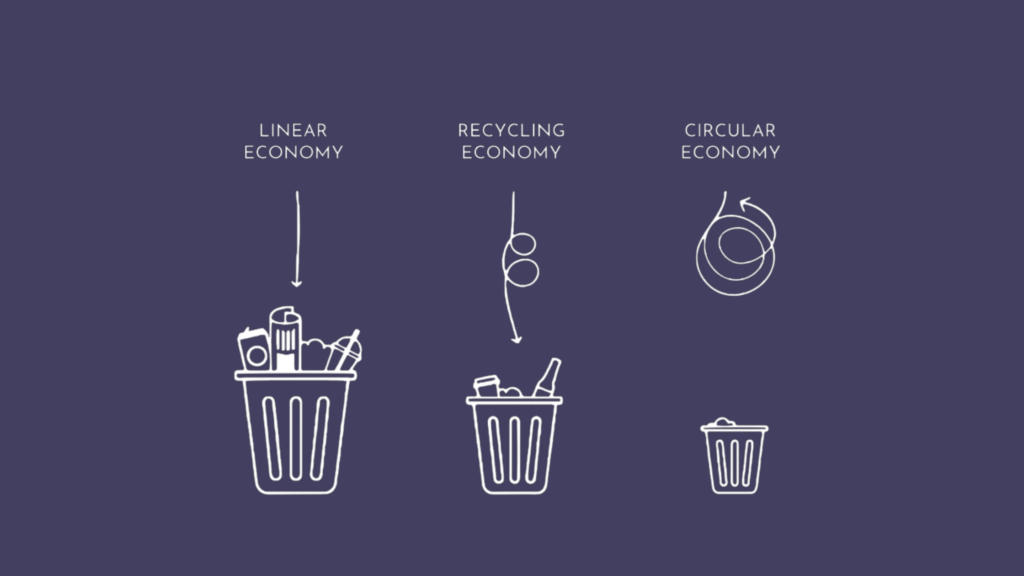
That’s where the circular economy comes in.
Instead of:
- extracting → producing → wasting
we move towards:
- reducing → reusing → regenerating
Not as a trend,
but as a necessary response to living within planetary limits.
From awareness to agency
Understanding alone is not enough.
But it is the starting point for everything else.
Because meaningful action requires:
- a clear picture of reality
- an emotional connection to what is at stake
- and a sense that change is possible
That’s why our approach combines:
- 🧠 Head — systems understanding
- ❤️ Heart — connection to nature
- ✋ Hand — pathways to action
A different future becomes possible
So let’s come back to the question:
What if we all understood the limits of our planet?
Perhaps:
- sustainability wouldn’t be a niche topic—it would be common sense
- decisions would be guided by long-term stability, not short-term gain
- businesses would align with planetary boundaries by design
- communities would feel empowered to act, not overwhelmed
In short:
👉 we would move from reacting to crises…
to operating within a safe and just space for humanity.
The role we all have to play
Planetary boundaries are not just a scientific framework.
They are a shared reality.
And building literacy around them is one of the most powerful levers we have for change.
Because every person who understands:
- influences decisions
- shapes conversations
- and contributes to a broader cultural shift
Final thought
Imagine what our society would look like if everyone understood the limits of our planet.
Until then,
our role is simple:
make the invisible visible,
make the complex accessible,
and help people reconnect with the systems that sustain life.