The program is live — 38 citizen-led events across NSW, QLD, VIC, ACT, WA and online, running alongside COP17 Biological Diversity.
No paid delivery team. No major grant behind it. Just citizens who decided this needed to exist — and 75+ supporting organisations who made it real.
Start with one ticket that works wherever you are:
Give Nature a Seat at the Table – Citizen COP 2026 (not matter where you are and when you join):
— Book your ticket: https://events.humanitix.com/give-nature-a-seat-at-the-table-citizen-cop-2026
Then explore the full 2-week program:
19 OCT 2026
- Outdoor Office Day(s) Australia – 19-23 October (nationwide) — A nationwide movement inviting individuals and organisations to bring more nature, movement and fresh air into their working day.
— Book your ticket: https://events.humanitix.com/outdoor-office-day-s-citizen-cop-2026
- Growing Place – interactive public art experience (Melbourne, VIC) — A city-wide augmented-reality art trail revealing Indigenous plants and ecosystems across Melbourne.
— Book your ticket: https://events.humanitix.com/growing-place-interactive-public-art-experience-melbourne-citizen-cop-2026
- Spring Street Wisdom WALKshop (online) — A guided online Street Wisdom walk inviting participants to step outside, slow down and reconnect with their environment.
— Book your ticket: https://events.humanitix.com/spring-reconnecting-walkshop
- Giant Biodiversity Collage (Sydney,NSW) — A science-based, participatory workshop that helps people understand the causes and consequences of biodiversity loss — and how this connects our economies and our everyday choices.
— Book your ticket: https://events.humanitix.com/giant-biodiversity-collage-sydney-citizen-cop-2026
- Giant Biodiversity Collage (Brisbane, QLD) — A science-based, participatory workshop that helps people understand the causes and consequences of biodiversity loss — and how this connects our economies and our everyday choices.
— Book your ticket: https://events.humanitix.com/giant-biodiversity-collage-brisbane-citizen-cop-2026
20 OCT 2026
- Visioning Biophilic City Beyond NetZero (Sydney, NSW) — A hands-on workshop bringing together academics, local government, developers and industry consultants to co-design a real biophilic city concept, grounded in an actual Australian site.
— Book your ticket: https://events.humanitix.com/visioning-biophilic-city-beyond-netzero-sydney-citizen-cop-2026
- The Living Neighbourhood – How We Return to the Village (Online) — A permaculture-inspired conversation on designing neighbourhoods that strengthen biodiversity, food resilience and community.
— Book your ticket: https://events.humanitix.com/the-living-neighbourhood-how-we-return-to-the-village-online-citizen-cop-2026
- Living Waters: From Harbour Crisis to Climate Action (North Sydney, NSW) — Launch of the Sydney Living Waters Lab, connecting research, industry and community in nature-based responses to climate change.
— Book your ticket: https://events.humanitix.com/living-waters-from-harbour-crisis-to-climate-action-sydney-citizen-cop-2026
- Local biodiversity in the spotlight: connecting people, places and species (Brisbane, QLD) — A biodiversity talk and guided walk linking historical records with citizen science at Griffith’s Nathan campus.
— Book your ticket: https://events.humanitix.com/local-biodiversity-in-the-spotlight-connecting-people-places-and-species-brisbane-citizen-cop-2026
- Intergenerational by Nature: Embedding Youth in Nature Policy in Australia (Sydney, NSW) — Launch of Australia’s first youth nature network, exploring young people’s role in national and global nature policy.
— Book your ticket: https://events.humanitix.com/intergenerational-by-nature-embedding-youth-in-nature-policy-in-australia-online-citizen-cop-2026
21 OCT 2026
- Nature Studio: Connect and Create (Parkville, VIC) — A relaxed drop-in session exploring biodiversity through drawing, journalling and other simple creative activities.
— Book your ticket: https://events.humanitix.com/nature-studio-connect-and-create-melbourne-citizen-cop-2026
- Masterclass on Forest Therapy: Reconnecting with Nature for Health (Online) — An evidence-based online masterclass on Forest Therapy (Shinrin-Yoku) and its benefits for health and wellbeing.
— Book your ticket: https://events.humanitix.com/masterclass-on-forest-therapy-reconnecting-with-nature-for-health-geelong-citizen-cop-2026
22 OCT 2026
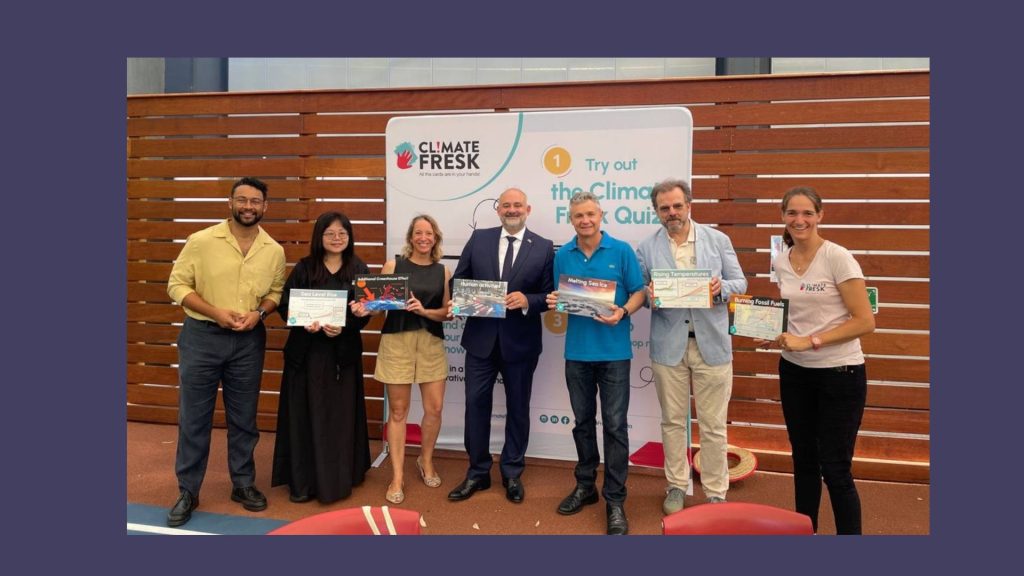
- Climate Fresk UQ (Brisbane, QLD) — A Climate Fresk card-game workshop exploring the causes and solutions to climate change, hosted at UQ St Lucia.
— Book your ticket: https://events.humanitix.com/giant-climate-fresk-uq-citizen-cop-2026
- Co-working & Networking Outdoors (Sydney, NSW) — A relaxed outdoor co-working day inviting people to bring their laptop and work alongside others in a greener setting.
— Book your ticket: https://events.humanitix.com/co-working-and-networking-outdoors-sydney-citizen-cop-2026
- Conservation Conflict and Consensus: Finding Common Ground on Introduced Species (Sydney (UTS), NSW) — A research-based session exploring how conservationists can navigate disagreement over introduced species management.
— Book your ticket: https://events.humanitix.com/conservation-conflict-and-consensus-finding-common-ground-on-introduced-species-sydney-citizen-cop-2026
- The Plastic Country – at Narara Ecovillage (Narara, NSW) — A documentary screening on Australia’s plastic crisis and its impact on ecosystems, politics and human health. — Humanitix: https://events.humanitix.com/the-plastic-country-film-screening-narara-ecovillage-citizen-cop-2026
- From Citizen Ideas to Visible Action with LOMA (Local Matters) (Online) — A webinar introducing LOMA, a civic participation platform that keeps Citizen COP ideas visible and actioned after events end.
— Book your ticket: https://events.humanitix.com/from-citizen-ideas-to-visible-action-with-loma-online-citizen-cop-2026
23 OCT 2026
- People, Planet, Pastry – Sustainability Meetup (Gold Coast, QLD) — A casual meetup for people working in or curious about biodiversity and sustainability to share local stories and ideas.
— Book your ticket: https://events.humanitix.com/people-planet-pastry-sustainability-meetup-gold-coast-citizen-cop-2026
24 OCT 2026
- Bite by Bite: Supporting Biodiversity Through Everyday Food Choices (Brisbane, QLD) — A hands-on plant-based cooking workshop linking everyday food choices to biodiversity and community resilience.
— Book your ticket: https://events.humanitix.com/bite-by-bite-supporting-biodiversity-through-everyday-food-choices-brisbane-citizen-cop-2026
- Biodiversity & Pollinator-Friendly Gardening Workshop (Findon, SA) — A practical workshop on gardening for native pollinators and biodiversity in backyards, courtyards and balconies.
— Book your ticket: https://events.humanitix.com/biodiversity-and-pollinator-friendly-gardening-workshop-adelaide-citizen-cop-2026
- Film screening – ‘Malleefowl’ & ‘The Plastic Country’ (St Kilda, VIC) — A double-feature environmental documentary screening with afternoon tea, covering malleefowl conservation and plastic pollution.
— Book your ticket: https://events.humanitix.com/film-screening-malleefowl-and-the-plastic-country-port-phillip-citizen-cop-2026
25 OCT 2026
- Citizen COP Bird Walk (Canberra, ACT) — A gentle bird walk exploring local birdlife, biodiversity decline and cultural responsibilities to care for Country.
— Book your ticket: https://events.humanitix.com/bird-walk-canberra-citizen-cop-2026
- Places That Matter: A Redlands Conversation on Biodiversity (Redlands, QLD) — A community conversation on growth, development pressure and protecting biodiversity-rich places in the Redlands.
— Book your ticket: https://events.humanitix.com/places-that-matter-a-redlands-conversation-on-biodiversity-citizen-cop-2026
- Climate Fresk (Perth, WA) — An internationally acclaimed, science-based workshop that turns complex climate science into a fun, interactive game.
— Book your ticket: https://events.humanitix.com/giant-climate-fresk-perth-citizen-cop-2026
- Solve The Biodiversity Puzzle & Help Restore Nature (Brisbane, QLD) — A fun, family-friendly morning celebrating biodiversity and taking action for nature.
— Book your ticket: https://events.humanitix.com/solve-the-biodiversity-puzzle-and-help-restore-nature-brisbane-citizen-cop-2026
26 OCT 2026
- Creating Systems Change to Support Nature (Sydney, NSW) — An interactive workshop applying eco-centrism and the Three Horizons framework to build actions that create systems change for nature.
— Book your ticket: https://events.humanitix.com/creating-systems-change-to-support-nature-sydney-citizen-cop-2026
- Could Car Parks Become Hubs for Biodiversity? (Online) — An online lecture exploring research on turning car parks into joined-up, biodiverse green spaces in cities.
— Book your ticket: https://events.humanitix.com/could-car-parks-become-hubs-for-biodiversity-online-citizen-cop-2026
27 OCT 2026
- Repair and Swap @ UoN (Newcastle, NSW) — A clothes-swap and repair café for University of Newcastle students and staff, giving pre-loved items a second life.
— Book your ticket: https://events.humanitix.com/repair-and-swap-uon-newcastle-citizen-cop-2026
- Leadership on the Edge from Antarctica (Sydney, NSW) — A talk on courage, resilience and leadership drawn from 15+ years travelling to Antarctica, the Arctic and the Amazon.
— Book your ticket: https://events.humanitix.com/leadership-on-the-edge-from-antarctica-sydney-citizen-cop-2026
- Backyard Biodiversity Safara with Permaculture Australia (Online) — A relaxed online session on noticing and supporting the biodiversity already present in backyards and balconies.
— Book your ticket: https://events.humanitix.com/backyard-biodiversity-safara-with-permaculture-australia-online-citizen-cop-2026
28 OCT 2026
- Gardens for Wildlife Speaker Series (Online) — An online speaker session on habitat gardening and caring for wildlife in backyards, with a network of habitat gardeners.
— Book your ticket: https://events.humanitix.com/gardens-for-wildlife-speaker-series-online-citizen-cop-2026
- Biodiversity: The Next Frontier for Finance (Melbourne, VIC) — A webinar with Australian and international experts on including biodiversity in sustainable finance and markets.
— Book your ticket: https://events.humanitix.com/biodiversity-the-next-frontier-for-finance-online-citizen-cop-2026
- Tim Winton’s ‘Coral’s Last Stand’ Film Showing (Chapel Hill, QLD) — A film screening with refreshments and discussion on the threats facing Australia’s coral reefs.
— Book your ticket: https://events.humanitix.com/coral-s-last-stand-film-screening-brisbane-citizen-cop-2026
29 OCT 2026
- Small Steps Biodiversity Panel and Workshop (Sydney, NSW) — A panel of community doers followed by a Biodiversity Collage workshop, showing how small actions can reverse biodiversity loss.
— Book your ticket: https://events.humanitix.com/small-steps-biodiversity-panel-discussion-and-workshop-sydney-citizen-cop-2026
- Turning the Tide on the Cooks River – Stories of Community, Regeneration and Wild Hope (Hurlstone Park, NSW) — A conversation on river and community regeneration along the Cooks River, featuring Finding Nature, Regen Sydney and Wild Hope.
— Book your ticket: https://events.humanitix.com/turning-the-tide-on-the-cooks-river-sydney-citizen-cop-2026
30 OCT 2026
- Effective Climate Conversations Training (Online) — An online workshop teaching the skills to have productive, confident climate conversations and counter doomism or denial.
— Book your ticket: https://events.humanitix.com/effective-climate-conversations-training-online-citizen-cop-2026
SUPPORT CITIZEN COP
Citizen COP National raffle – October 19 – November 20 (nationwide) — Citizen COP is built on citizen power, independence, and imagination. This national raffle is one of the creative ways we are building financial independence for Citizen COP.
— Book your ticket: https://events.humanitix.com/citizen-cop-national-raffle-2026