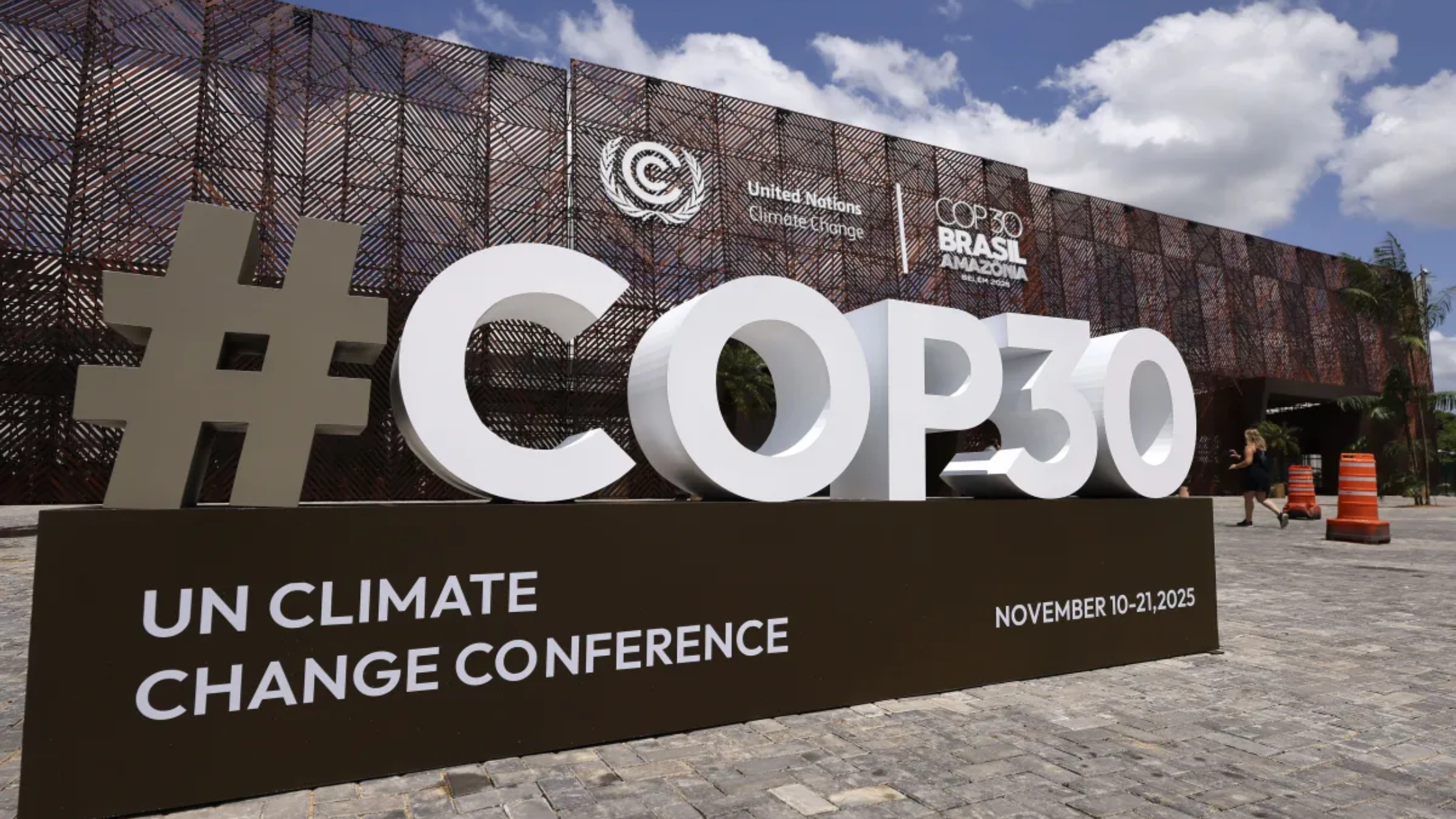
Held in Belém, at the gateway to the Amazon, COP30 was widely framed as “the COP of nature”. Expectations were high: forests, biodiversity, food systems and Indigenous stewardship were meant to sit at the heart of climate action. The reality was more mixed.
So what actually came out of COP30 for nature — and what does it mean for Australia?
Nature recognised, but not prioritised
The main outcome of COP30 was the Global mutirão (meaning “collective effort”), which highlights the need to better connect climate action with biodiversity, land and ocean protection. The language is strong: nature is clearly recognised as essential to achieving the Paris Agreement goals.
But recognition didn’t translate into concrete commitments. Despite being hosted in the world’s most biodiverse country, no specific global action or dedicated funding for halting deforestation was agreed — a major missed opportunity given forests’ critical role in climate mitigation, adaptation and biodiversity protection.
For Australia, a country facing accelerating land clearing, ecosystem collapse and species extinction, this gap is particularly concerning.
Deforestation: words without a roadmap
More than 90 countries supported the idea of a global roadmap to halt and reverse deforestation by 2030. However, consensus wasn’t reached, and the proposal was pushed outside the formal UN process.
While Brazil signalled it would continue working on a deforestation roadmap ahead of COP31, there is still no binding global pathway. For Australia — one of the world’s deforestation hotspots — this reinforces the need for stronger domestic action, not just international rhetoric.
Food systems and agriculture: progress delayed
Agriculture and food systems were discussed under the Sharm el-Sheikh Joint Work on Agriculture, with growing recognition of:
- the links between food systems and biodiversity
- agroecology and regenerative approaches
- the limited share of climate finance going to agriculture
But disagreements over language meant no final decision was adopted, pushing outcomes to 2026. For Australia, where climate impacts on food security are already being felt, this delay matters.
Growing momentum on climate–nature synergies
One of the more positive signals from COP30 was the increasing focus on aligning climate, biodiversity and land agendas. New initiatives launched during the COP aim to better coordinate the three Rio Conventions (climate, biodiversity, desertification), improve policy coherence, and track nature-positive action and finance.
This aligns strongly with Australia’s own commitments under the Global Biodiversity Framework and its national climate targets — but only if translated into joined-up policies and investment at home.
Nature finance: promising ideas, familiar risks
The launch of the Tropical Forest Forever Facility (TFFF) — a new fund designed to reward countries for protecting tropical forests — signalled growing interest in nature-positive finance. While innovative, it also raised concerns around greenwashing, equity, and whether funds will genuinely reach ecosystems and Indigenous communities.
For Australia, this highlights a broader challenge: scaling nature finance without losing integrity, while ensuring public funding also plays a strong role.
What COP30 means for Australia
COP30 reinforced a clear message: nature is finally being talked about — but still not acted on at scale.
For Australia, the implications are clear:
- Climate and biodiversity can no longer be treated separately
- Land clearing, ecosystem restoration and nature-based solutions must be central to climate policy
- International leadership must be matched by credible domestic action
With COP31 on the horizon and global attention increasingly on nature, the real test will be whether Australia turns alignment into action — for climate, for biodiversity, and for future generations.
Conclusion
In a year when nature was meant to finally take centre stage at the global climate talks, COP30 delivered important recognition — but fell short on concrete actions that match the scale of the interlinked climate and biodiversity crises. For Australia, the outcomes underscore the urgency of moving beyond dialogue to ambitious policy, funding and on-the-ground implementation that protects ecosystems, supports First Nations leadership, and integrates nature into our national climate response.
That’s exactly why we organised AlterCOP30 — to ensure that all Australians, especially those whose voices are too often excluded from formal climate and biodiversity negotiations, were heard and included in these critical discussions. By bringing together citizens, community leaders, scientists and storytellers, AlterCOP30 created space for perspectives, values and solutions that reflect Australia’s unique landscapes and communities.
We’re grateful to Ateliers Biodiversité for their detailed insights on the outcomes of COP30 — their analysis helped shape our thinking and reporting. You can read their original piece here: https://www.ateliersbiodiversite.org/post/cop30-climat-quelles-retomb%C3%A9es-pour-la-nature.
As the global climate and biodiversity agenda continues to evolve, it’s up to all of us — at local, national and international levels — to demand that commitments translate into action. Australia’s nature depends on it.