Australia is home to one of the world’s most advanced and well-established citizen science ecosystems. Across cities, suburbs, regional towns and remote landscapes, everyday people are contributing to a shared understanding of how nature is changing — and how we respond.
From backyard observations to structured national programs, citizen science is becoming a critical layer of environmental data. It is helping us understand biodiversity loss, climate impacts, and even material flows in our environment through the lens of circular economy systems.
This is not just data collection. It is a shift in who gets to observe, interpret and respond to environmental change.
From individual observations to national environmental datasets
Every day, Australians are already contributing to platforms that turn simple observations into meaningful scientific insight.
Our Nature Oasis program helps map and connect citizen-led conservation efforts, revealing how backyard and privately managed land are collectively contributing to Australia’s Nature Positive Strategy goals.
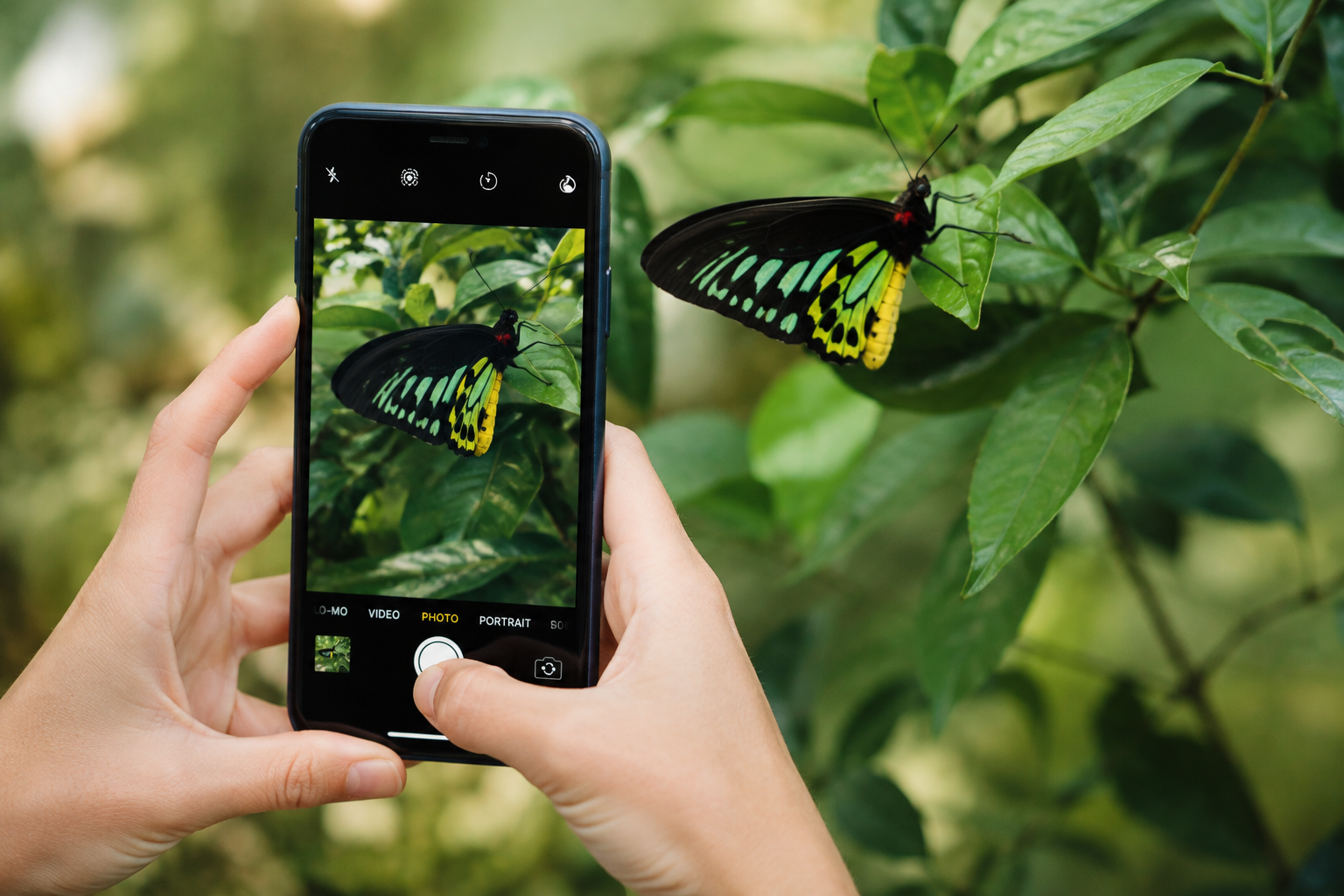
Tools such as iNaturalist Australia enable people to record and identify plants, animals and fungi, generating data that feeds directly into national biodiversity systems and global research networks. These observations help track species distribution, habitat change and ecosystem health over time.
Similarly, FrogID allows citizens to record frog calls using their phones, helping scientists monitor amphibian populations and understand how climate and land use change are affecting sensitive species across the country.
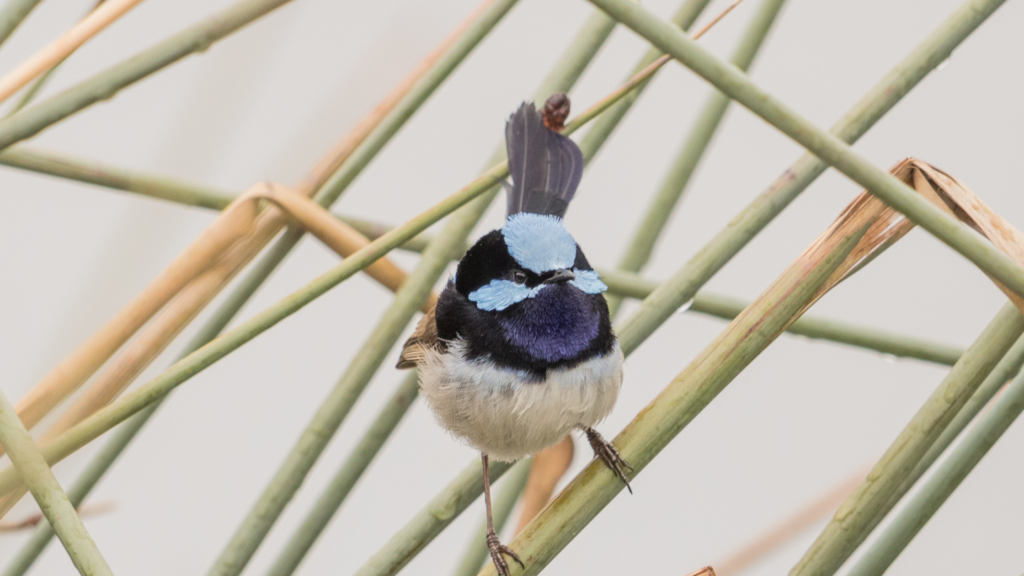
Bird enthusiasts contribute through tools such as Merlin Bird ID and eBird, documenting species presence, migration patterns and seasonal shifts that are increasingly linked to climate variability.
Together, these platforms form a living, distributed dataset of Australia’s biodiversity — built by millions of everyday encounters with nature.
Citizen science as a climate monitoring system
Beyond biodiversity, citizen science is increasingly playing a role in understanding climate impacts at local scale.
Initiatives such as ClimateWatch enable people to record seasonal changes in plants and animals — from flowering times to migration and breeding behaviour. These phenological shifts are key indicators of how temperature and rainfall patterns are changing across the continent.
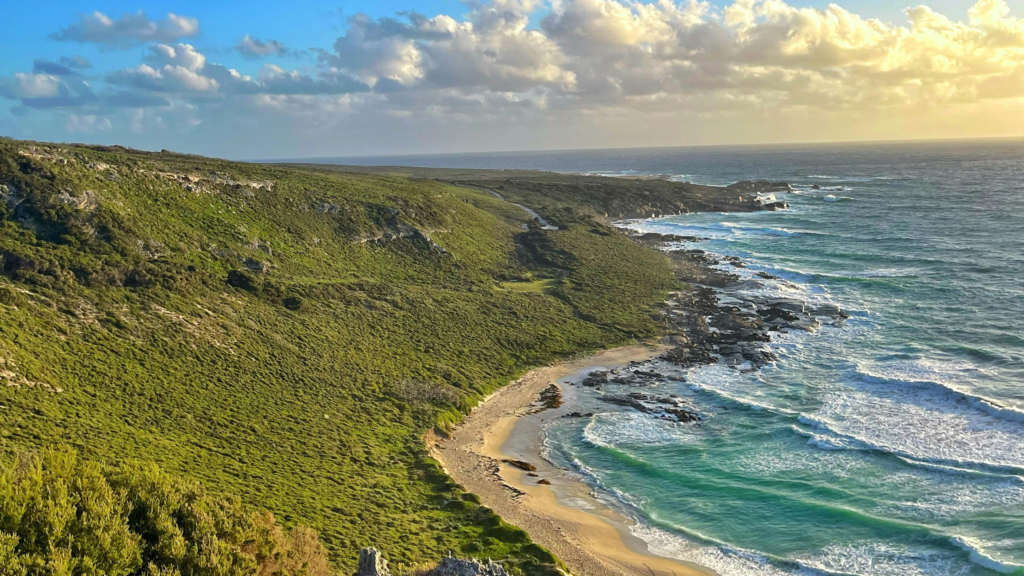
Coastal monitoring initiatives such as CoastSnap allow communities to repeatedly photograph shorelines, building long-term datasets on erosion, sea-level rise and storm impacts.
Together, these tools make climate change visible at a human scale — not as abstract global models, but as observable changes in local environments over time.
Mapping pollution, waste and circular economy systems
Citizen science is also expanding into how we understand material flows through ecosystems — a critical part of the circular economy transition.
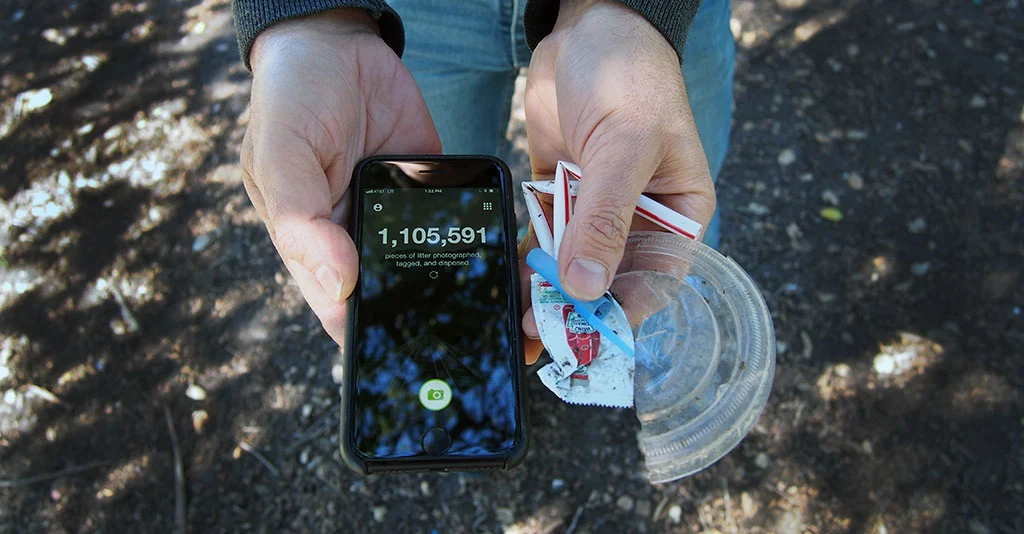
Community-led programs and tools such as Litterati support the mapping of litter and waste types, helping identify patterns in consumption, packaging design and leakage into natural environments.
Marine debris monitoring initiatives such as those led by Tangaroa Blue Foundation bring together thousands of volunteers collecting and categorising waste found on coastlines, informing policy, product redesign and recovery systems.
These datasets are increasingly important for understanding how materials move through society — and where they end up in nature.
In this sense, citizen science is not only tracking ecosystems — it is also helping trace the lifecycle of materials and the effectiveness of circular economy interventions.
A connected system: climate, biodiversity and circularity
What emerges across these platforms is not a collection of separate projects, but a connected environmental intelligence system.
- Biodiversity tools show how species and ecosystems are changing
- Climate tools reveal how seasonal patterns and physical systems are shifting
- Circular economy tools expose how materials and waste flow through landscapes
Together, they form a distributed sensing network powered by people — one that complements scientific institutions and helps fill critical data gaps at scale.
This integration is essential. Climate change, biodiversity loss and resource consumption are not separate crises — they are interconnected systems.

Why this matters
Citizen science is fundamentally reshaping the relationship between people and the natural world.
It shifts nature monitoring from something done by a few experts to something embedded in everyday life. It builds environmental literacy through participation. And it creates datasets that are richer, more local, and more continuous than traditional research alone can achieve.
Most importantly, it enables people to move from awareness to contribution — turning observation into action.
Where this is heading
The opportunity now is to scale participation and integration.
As these tools become more connected, citizen science has the potential to become a core pillar of Australia’s environmental decision-making infrastructure — supporting biodiversity protection, climate adaptation and circular economy transformation.
The next phase is not just more data, but better integration — linking citizen observations into systems that inform policy, planning and regenerative action.
Closing
Across Australia, a quiet shift is already underway.
Millions of everyday observations are building a real-time picture of how our environment is changing — from frogs in suburban backyards to coastlines, forests, and urban ecosystems.
Citizen science is no longer a niche activity. It is becoming a fundamental part of how we understand and respond to the climate and nature crisis.
And it is something anyone can take part in.