Blog

  • Meet the Richmond Birdwing Butterfly

    Meet the Richmond Birdwing Butterfly

    One of Australia’s most spectacular insects, the Richmond Birdwing Butterfly is among the country’s largest butterflies and is found only in the rainforests of Queensland and northern New South Wales.

    With its striking colours and impressive size, this beautiful species has become a symbol of the unique biodiversity that makes Australia’s rainforests so special.

    It is also a reminder that even some of our most iconic species can be vulnerable to environmental change.

    Why it matters

    The Richmond Birdwing Butterfly plays an important role in the health of rainforest ecosystems.

    🦋 Adult butterflies feed on nectar from a wide variety of native and introduced flowering plants

    🌼 They contribute to pollination and support the reproduction of many plant species

    🌳 Their lifecycle is closely linked to the health of rainforest habitats

    🌏 Their recovery is seen as symbolic of broader efforts to protect Australia’s unique biodiversity

    As both pollinators and indicators of ecosystem health, Richmond Birdwing Butterflies highlight the importance of conserving interconnected natural systems.

    Fun facts

    🤓 The Richmond Birdwing Butterfly has a close relationship with the native Birdwing Vine (Pararistolochia praevenosa), which is the sole food source for its larvae

    🤓 The Birdwing Vine contains aristolochic acid, making the caterpillars toxic to vertebrate predators

    🤓 Despite this defence, the caterpillars can still fall prey to other invertebrates, including other larvae

    🤓 Adult butterflies prefer feeding on white and red flowers, including native frangipani, lilly pillies and hibiscus

    A deeper reflection

    The Richmond Birdwing Butterfly reminds us that no species exists in isolation.

    Its survival depends entirely on the presence of a single native vine, demonstrating how deeply interconnected biodiversity can be.

    Yet habitat destruction, climate change and the introduction of non-native plants have significantly restricted the butterfly’s range and placed increasing pressure on its future.

    In a country with more than 600,000 native species, many found nowhere else on Earth, the Richmond Birdwing Butterfly is a powerful example of why conservation is about protecting relationships between species as much as protecting individual plants and animals.

    How we care for rainforests and native habitats today will determine whether future generations can continue to witness one of Australia’s most beautiful butterflies.

    From Wonder to Action

    Learn & understand

    Explore how biodiversity, climate, and land systems are deeply connected through our workshops with People For Nature.

    Create your Nature Oasis

    Plant native species to restore habitat and support the insects, birds, and wildlife that depend on them.

    Join citizen science

    Record native species around you on iNaturalist and contribute to real conservation data.

    (Special thanks to Simon Andrews, Ambassador for People For Nature, for helping shape this story)


    References:

  • Introducing Gunter’s Fables

    Introducing Gunter’s Fables

    Climate education using storytelling, creativity and imagination

    At People For Nature, climate literacy is at the heart of what we do. We firmly believe that education isn’t just about understanding the problem, it’s about inspiring people to act. Because, when people understand, they care – and when they care, they act.

    That’s why we love Gunter’s Fables, a bilingual (French and English) collection of educational stories that help children see nature not as something fragile and separate, but as a source of solutions for humanity’s biggest challenges. 

    Climate education needs to start with those that are already at the frontline: our youth. Teaching children and young adults about the science of climate change, its impacts, and potential solutions can inspire a new wave of climate-conscious leaders, entrepreneurs, and activists who will shape Australia’s future. Early education fosters a sense of responsibility and urgency, ensuring that the next generation is ready to tackle the challenges ahead.

    Download the presentation to learn more.

    A collection of 365 fables

    Gunter’s Fables were created by Gunter Pauli, a Belgian-born climate visionary, who has dedicated his life to the radical transformation of business and society. He is the founder of the Zero Emissions Research Initiative and author of The Blue Economy, a framework adopted by the United Nations, governments, and industries worldwide. 

    Aimed at children aged 3 to 15, Gunter’s Fables evolve in depth and complexity as readers grow, showing how nature already holds the answers to many of our sustainability problems. 

    Each set of fables explores a different theme: water, health, food, energy, housing, work, and education / ethics.

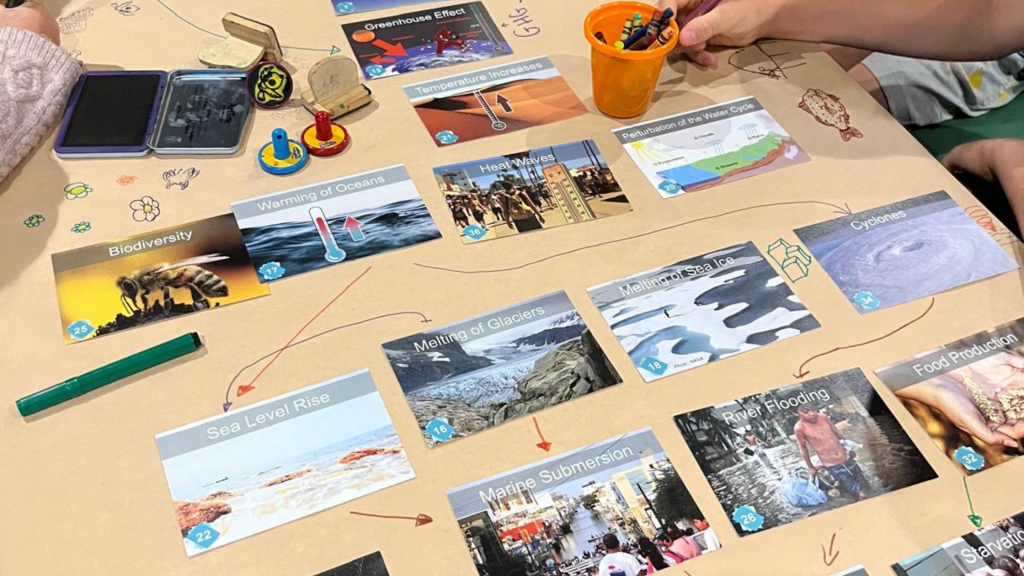
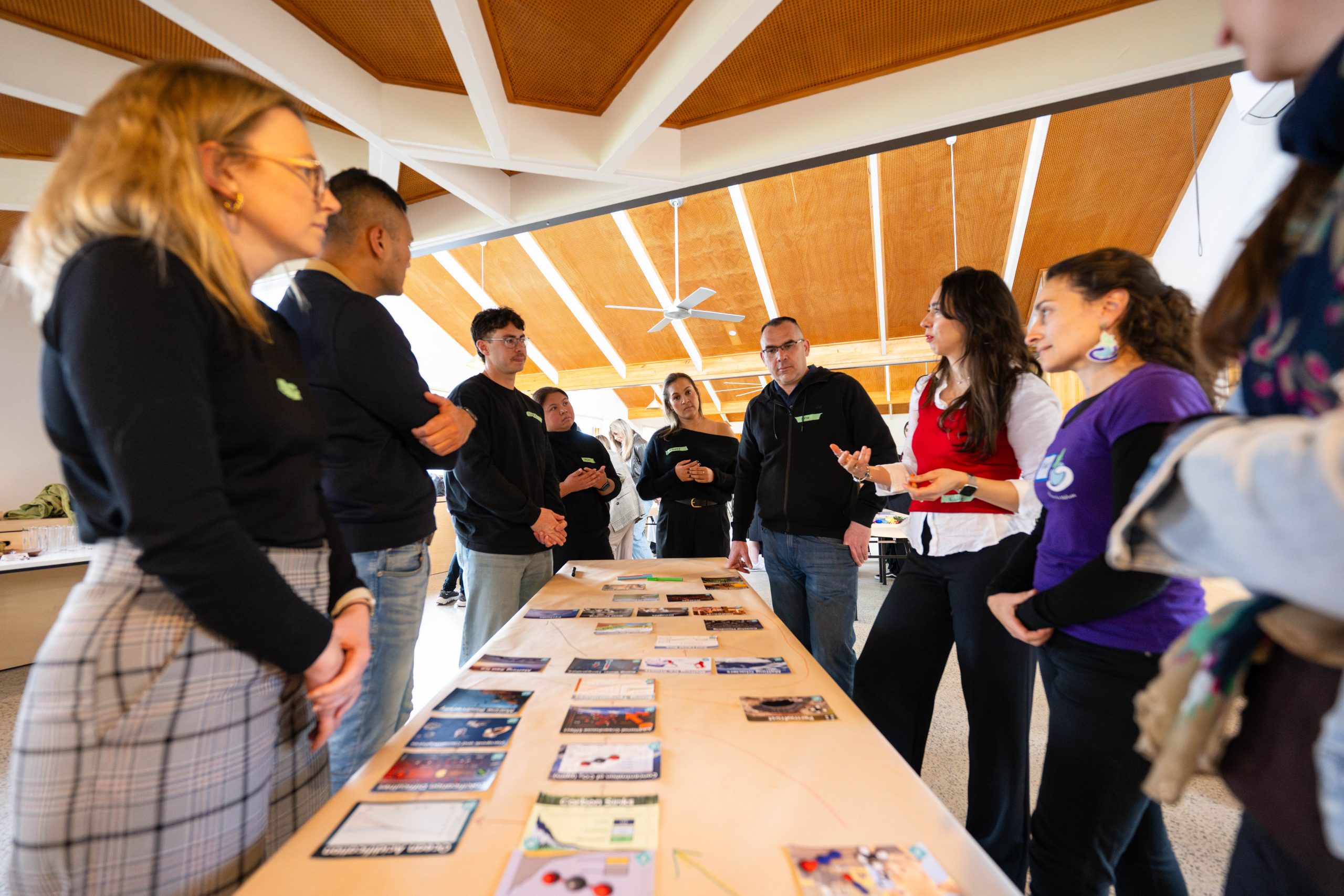
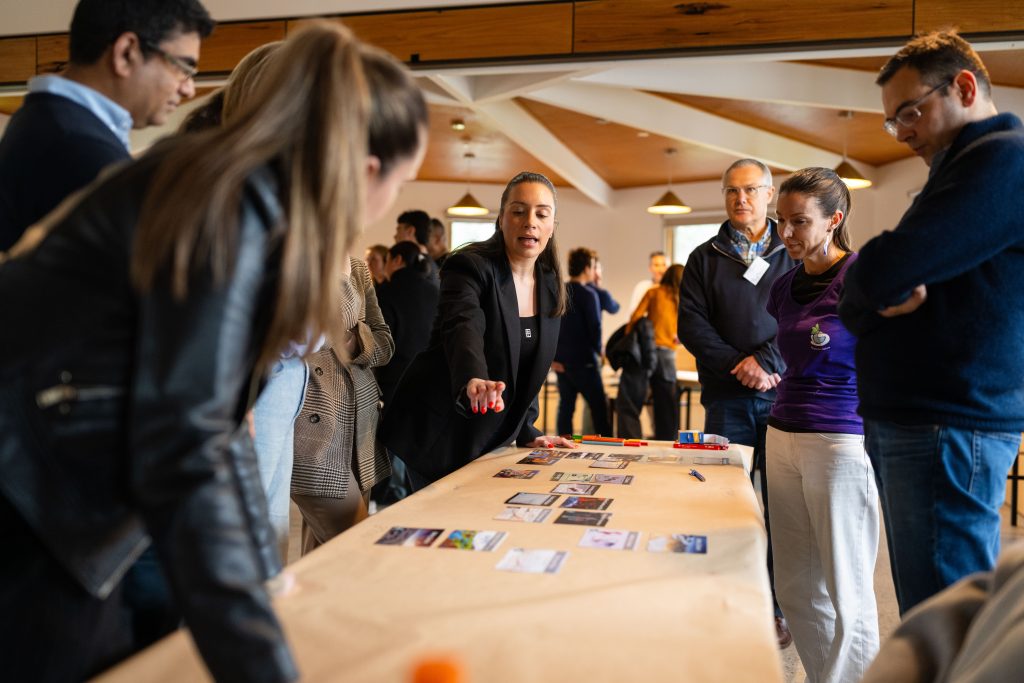
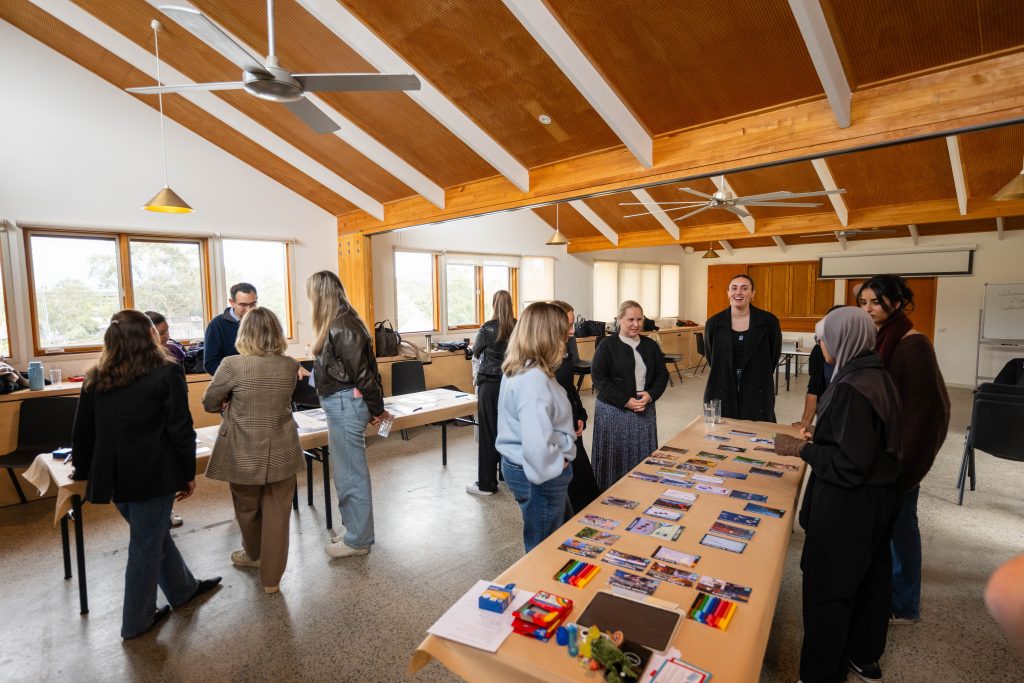
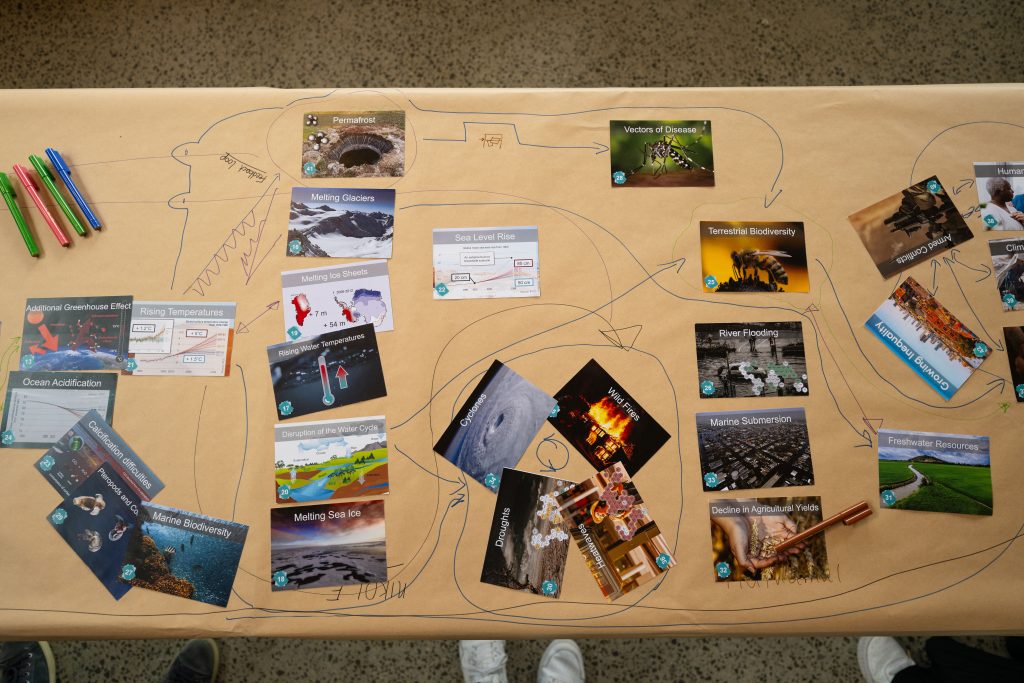
    Just like People For Nature’s educational workshops – Climate Fresk, Biodiversity Collage and Circular Economy collageGunter’s Fables are fun and interactive. They encourage curiosity, questioning and experimentation, cultivating the mindset that we can all make a difference.

    Combining storytelling with science and action

    What makes Gunter’s Fables so powerful as an educational tool is the way it blends storytelling with science and action. Inspired by educators like Maria Montessori, Rudolf Steiner, and Paulo Freire, the series awakens five kinds of intelligence: scientific knowledge, emotional intelligence, artistic expression, understanding of complex systems, and the ability to take action. Children aren’t just learning facts; they’re exploring, questioning, and discovering how they can make a difference.

    Each fable is a guided exploration that encourages reflection, creativity, and reinforces the innate desire to contribute to the good of all. The fables turn sustainability from an abstract topic into a lived experience. Each one ends with real-world examples, helping young readers see that change is already happening and that they can be part of it.

    Empowering tomorrow’s leaders

    Gunter’s Fables are a great tool to equip our future leaders with the knowledge, skills, and passion to drive meaningful change.

    In a world where climate headlines can feel overwhelming, Gunter’s Fables offer something rare: hope grounded in understanding. By nurturing imagination and action, these stories help raise a generation of thoughtful, empowered “planet protectors.”

    Whether you are a parent, a grand parent or an educator, these books are a great tool to pass on important messages to the next generation.

    Interested in finding out more or getting a copy of Gunter’s Fables?

    Contact us today.

  • Meet our ambassador: Lisa Selbie

    Meet our ambassador: Lisa Selbie

    Climate Fresk and Circular Economy Collage Facilitator, NSW

    Lisa became a People for Nature Ambassador in 2025. She’s a Climate Fresk and Circular Economy Collage Facilitator based in Sydney.

    Lisa draws on her background in biotechnology research and education to inspire citizen science and drive collective climate action. As a scientist, educator, and advocate, Lisa champions evidence-based innovation and community engagement to tackle environmental challenges—from ocean health to climate resilience.

    I believe the true solution lies in empowering individuals through education and fostering collective responsibility for a sustainable future.

    🤝 Connect with Lisa on LinkedIn 💚

  • Meet the Clownfish | Biodiverse Australia

    Meet the Clownfish | Biodiverse Australia

    Made famous by the animated film Finding Nemo, the Clownfish is one of the world’s most recognisable marine species and a fascinating example of the remarkable life found on Australia’s Great Barrier Reef.

    Also known as the Eastern Clown Anemonefish, Amphiprion percula is a small, brightly coloured fish that lives among coral reefs and shallow lagoons, where it forms a unique partnership with sea anemones.

    It is a reminder that some of nature’s most extraordinary relationships can be found beneath the ocean’s surface.

    Why it matters

    The Clownfish plays an important role in the health and functioning of coral reef ecosystems.

    🐠 It forms a mutualistic relationship with sea anemones, with both species benefiting from the partnership

    🧼 It helps provide nutrients to its host anemone and keeps it clean

    🪸 It is part of the intricate web of relationships that support the biodiversity of coral reefs

    🌊 It highlights the importance of healthy reef systems that sustain thousands of marine species

    Through its relationship with sea anemones, the Clownfish demonstrates how interconnected life in the ocean truly is.

    Fun facts

    🤓  Clownfish can live safely among the venomous tentacles of sea anemones because they have a protective coating on their bodies

    🤓  They live in groups organised around a dominant female

    🤓  All Clownfish are born male

    🤓  If the dominant female dies, the dominant male can change sex and take her place within the group

    A deeper reflection

    The Clownfish challenges the idea that survival in nature is always based on competition.

    Its partnership with sea anemones shows that cooperation and interdependence are also powerful forces that shape the natural world.

    Yet the future of this remarkable species is closely tied to the health of coral reefs, which are increasingly under pressure from coral bleaching, habitat loss and rising sea temperatures.

    In a country with more than 600,000 native species, many found nowhere else on Earth, the Clownfish is a reminder that protecting biodiversity means protecting the relationships that sustain entire ecosystems.

    How we respond to the challenges facing our oceans will shape the future of one of Australia’s most colourful and charismatic marine species.

    From Wonder to Action

    Learn & understand

    Explore how biodiversity, climate, and land systems are deeply connected through our workshops with People For Nature.

    Create your Nature Oasis

    Plant native species to restore habitat and support the insects, birds, and wildlife that depend on them.

    Join citizen science

    Record native species around you on iNaturalist and contribute to real conservation data.

    (Special thanks to Simon Andrews, Ambassador for People For Nature, for helping shape this story)


    References:

    Australian Museum. Clown Anemonefish (Amphiprion percula).

    https://australian.museum/learn/animals/fishes/clown-anemonefish-amphiprion-percula/ 

  • Meet our ambassador: Jonathan Handschuh

    Meet our ambassador: Jonathan Handschuh

    Climate Fresk & Biodiversity Collage Facilitator, Sydney

    Jonathan has been a Climate Fresk facilitator since 2022 and a Biodiversity Collage facilitator since 2024.

    He is driven by a strong will to prove to his children that we can be part of the solution to the climate crisis. His aim is to expand climate and biodiversity literacy as wide as possible to help create that critical mass of responsible people who will shift the system and challenge the status quo.

    Being an ambassador for People For Nature offers me an amazing platform to spread awareness on the climate and biodiversity crisis whilst being supported by an incredible bunch of people. I love being part of this community. It brings me strength and perseverance to keep pushing when it sometimes feels like we are not making any progress.” 

    🔗 Connect with Jonathan on LinkedIn.

    📅 You can often find Jonathan leading our workshops in Sydney. Check out our events on Humanitix to catch him at the next one! 🌿

  • Meet the Banksia | Biodiverse Australia

    Meet the Banksia | Biodiverse Australia

    Found across much of Australia, the Banksia is one of the country’s most recognisable native plants, known for its striking flower spikes and distinctive woody cones.

    With 173 species occurring across a wide range of habitats, from coastal regions and tropical areas to deserts and sub-alpine environments, the Banksia demonstrates the remarkable adaptability of Australian flora.

    It is a reminder that Australia’s biodiversity is not only found in its animals, but also in the plants that support entire ecosystems.

    Why it matters

    Banksias play an important role in supporting wildlife and ecological health across Australia.

    🌸 Their flowers provide food for birds, insects and other pollinators

    🍂 Many species flower during autumn and winter when food resources can be limited

    🌰 Their cones provide food for species such as cockatoos

    🌿 They help support biodiversity across a wide range of Australian landscapes

    Through these interactions, Banksias help sustain the complex relationships that keep ecosystems healthy and functioning.

    Fun facts

    🤓 There are 173 Banksia species and all but one occur naturally only in Australia

    🤓 Banksias were named after Sir Joseph Banks, who collected the first specimens in 1770

    🤓 Each flower spike is made up of hundreds, and sometimes thousands, of tiny flowers

    🤓 Indigenous people in south-western Australia traditionally enjoyed Banksia nectar and used flower spikes to make a sweet drink

    A deeper reflection

    The Banksia reminds us that plants are often the overlooked foundation of biodiversity.

    While animals frequently capture our attention, native plants create the habitat, food and ecological connections that support life across entire landscapes.

    Many Australian plant communities now face pressures from land clearing, habitat fragmentation, invasive species and a changing climate.

    In a country with over 600,000 native species, most found nowhere else on Earth, the Banksia is a reminder that protecting biodiversity begins with protecting the ecosystems that sustain it.

    How we care for native plants today will shape the future of the wildlife that depends on them.

    From Wonder to Action

    Learn & understand

    Explore how biodiversity, climate, and land systems are deeply connected through our workshops with People For Nature.

    Create your Nature Oasis

    Plant native species to restore habitat and support the insects, birds, and wildlife that depend on them.

    Join citizen science

    Record native species around you on iNaturalist and contribute to real conservation data.

    (Special thanks to Simon Andrews, Ambassador for People For Nature, for helping shape this story)


    References:

    Australian National Botanic Gardens. Banksia.

    https://www.anbg.gov.au/gnp/interns-2002/banksia.html 

    Department of Biodiversity, Conservation and Attractions, Western Australian Government. Banksia Atlas.

    https://www.dbca.wa.gov.au/science-research/flora-conservation-research/banksia-atlas 

  • Meet our ambassador: Oscar D’Silva

    Meet our ambassador: Oscar D’Silva

    Climate Fresk, Biodiversity Collage, and Circular Economy Collage Facilitator, NSW

    Oscar is an experienced sustainability educator, passionate about demystifying the science behind climate change through gamification.

    He is a Climate Fresk, Biodiversity Collage, and Circular Economy Collage Facilitator, based in Sydney, NSW. 

    Oscar believes education is key to driving real change in the way we treat our only home.

    “I love the energy of being among people keen on protecting our earth. At People For Nature I see the passion and creativity required to make an impact using education. It’s why I love being here.”

    🤝 Connect with Oscar on LinkedIn 💚

  • Meet our ambassador: Carole Defago

    Meet our ambassador: Carole Defago

    Climate Fresk & Biodiversity Collage Facilitator, NSW

    Carole is an experienced Climate Fresk and Biodiversity Collage Facilitator based in Sydney, NSW.

    With over 15 years of experience driving improvement and leading high-performing teams across diverse sectors, Carole brings a deep understanding of what it takes to create meaningful change. Her climate journey is rooted in a belief that education is the first step towards action.

    Carole channels her passion for learning into empowering individuals and organisations to take informed climate action. Whether she’s delivering workshops or mentoring others, Carole is helping build a future where climate knowledge leads to confident, collective action.

    🤝 Connect with Carole on LinkedIn 💚