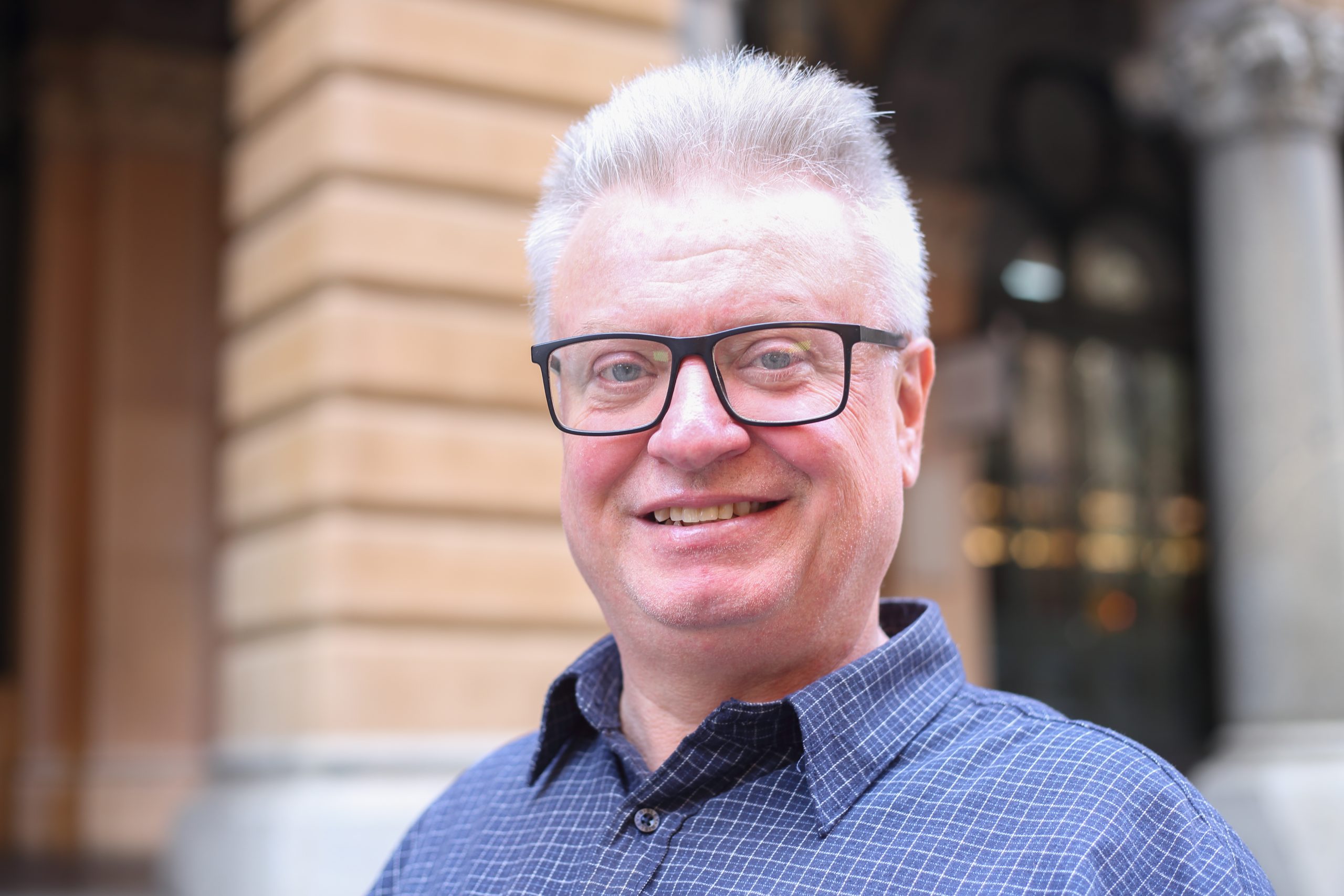
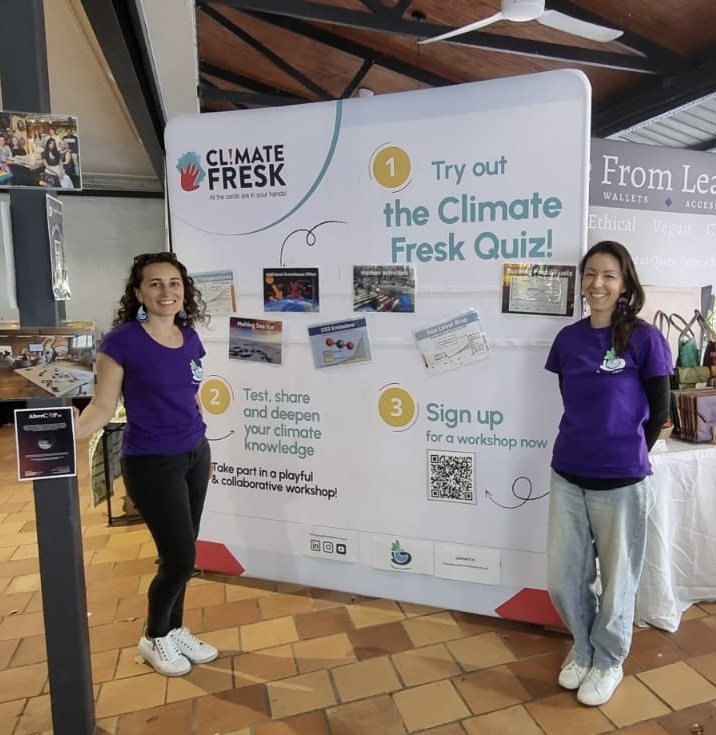
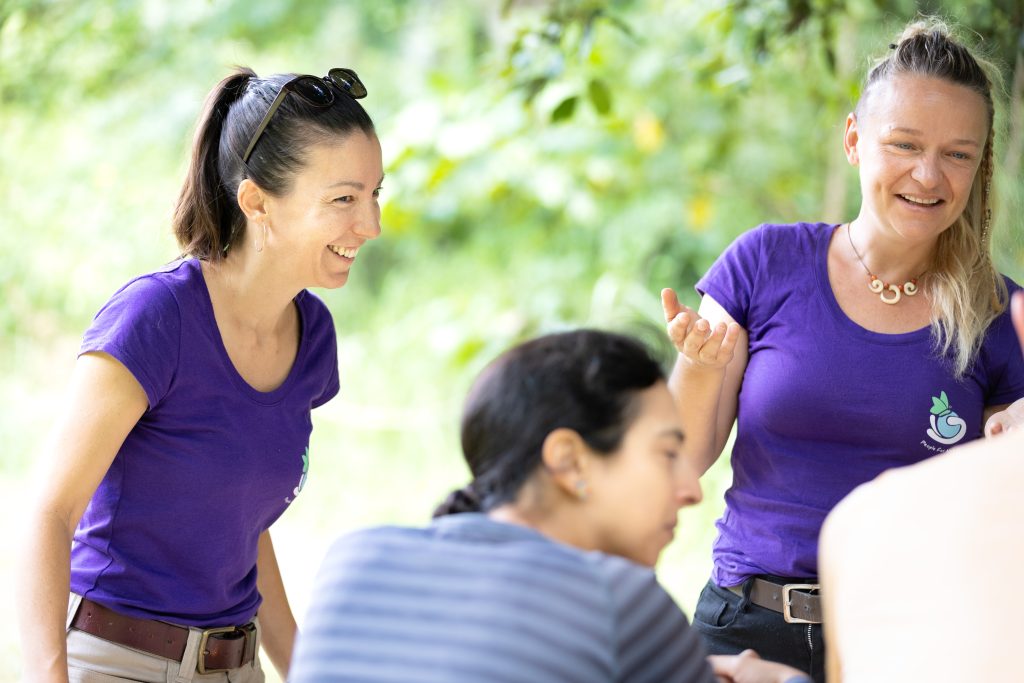
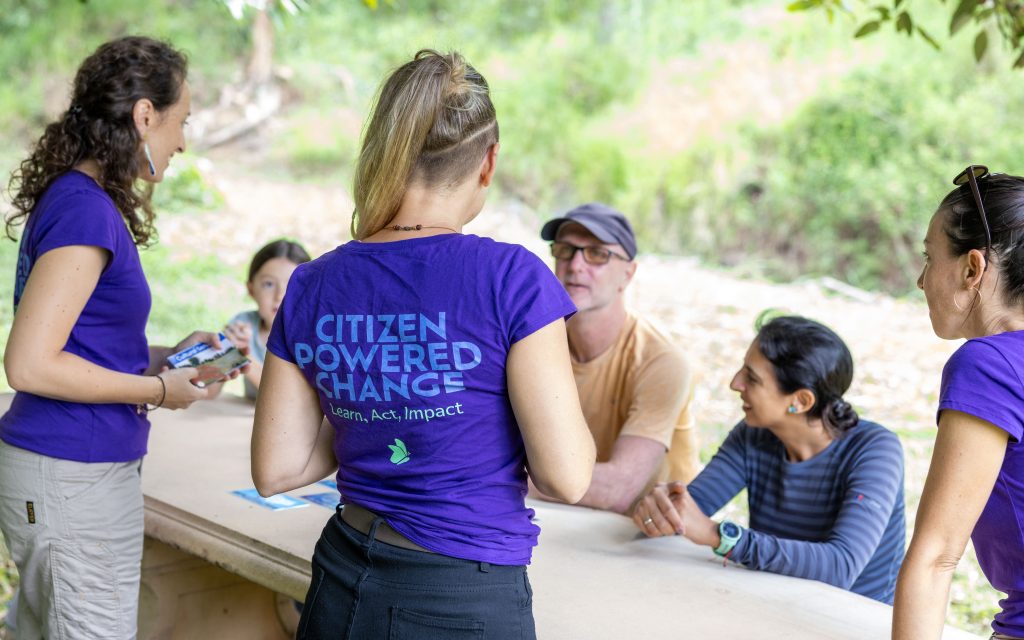
Tom is a seasoned, pro-trained Climate Fresk facilitator for business, based in Sydney.
He also volunteers as an ambassador with People for Nature, supporting climate education and engagement across the community.
Through his firm, EcoProsper Consulting, Tom helps leaders navigate the converging crises of climate, ecology, and economic disruption, transforming uncertainty into strategic clarity and action.
He supports businesses and mission-led organisations across Australia to become more regenerative, resilient, and future-fit, using globally recognised tools like Climate Fresk, the Doughnut Economics Design for Business tool, and the En-ROADS climate simulator.
“Fresking is one of the most effective ways to build shared understanding and motivation for action, whether in the community or inside an organisation. It’s fun, team-building, and evidence-based. Action on climate is urgent, and helping more people experience a workshop like Climate Fresk is part of how we scale awareness and action.”
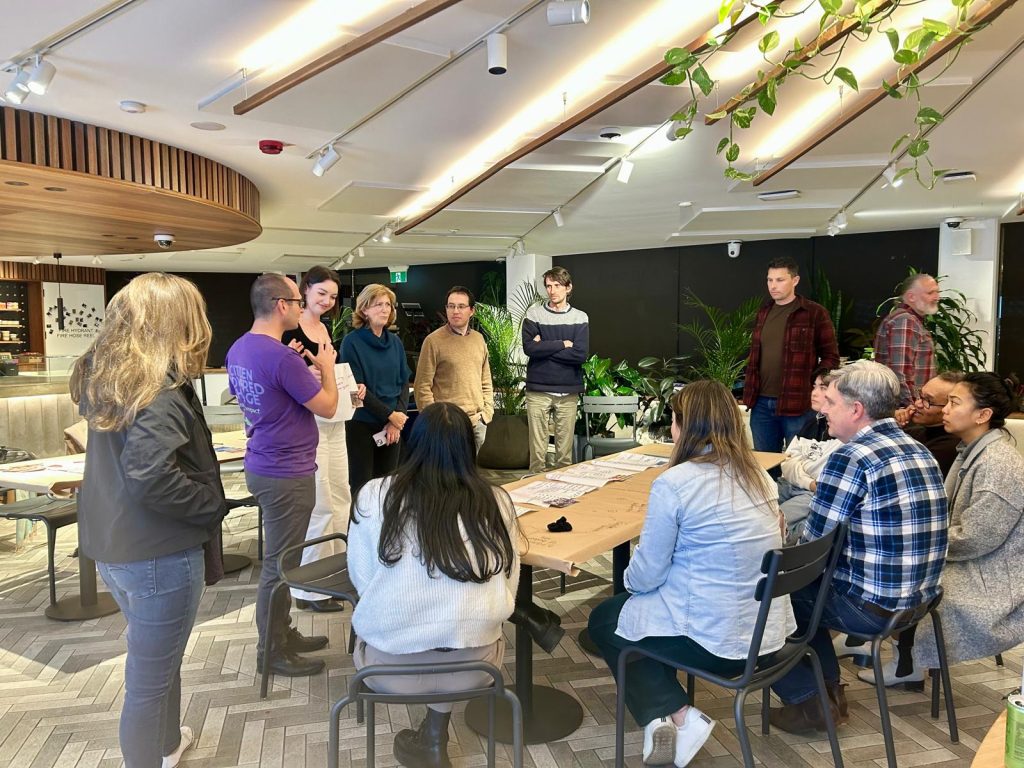
Tom is available to deliver Climate Fresk workshops for organisations during business hours, Australia-wide.
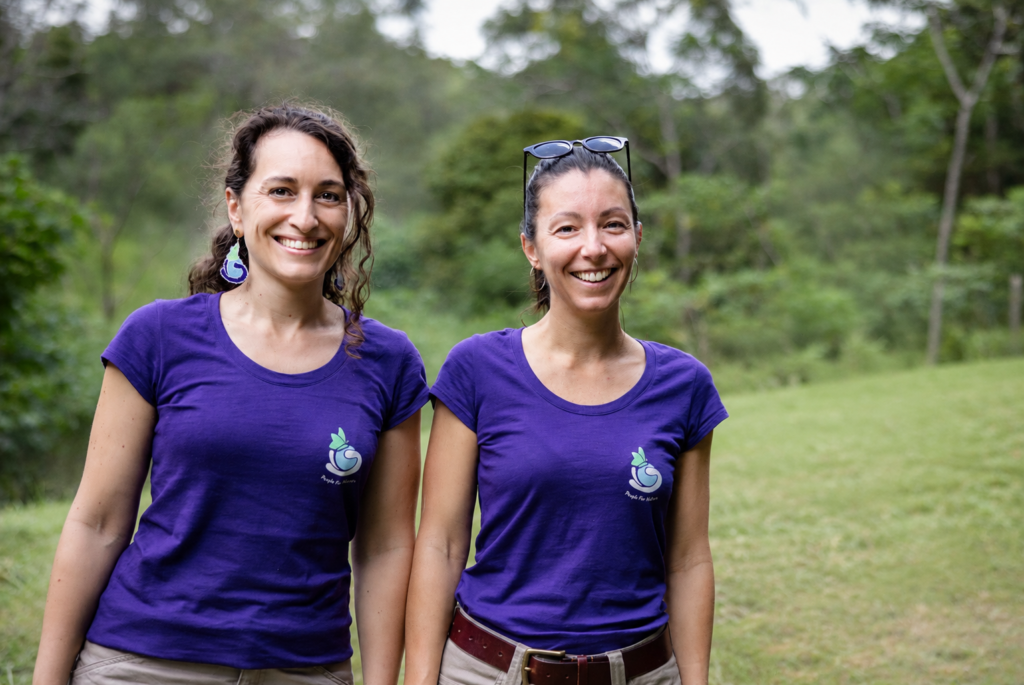
People For Nature was founded by Audrey Barucchi and Dr Fanny De Busserolles, both Certified Environmental Practitioners. Audrey brings extensive experience in climate education, engagement, and systems change across sectors, while Fanny is a marine biologist and research scientist with deep expertise in biodiversity, ocean ecosystems, and climate science. Together, they combine science-based insight with practical, action-oriented approaches to help people and organisations better understand and respond to the nature and climate crisis.
What does it mean?
The Certified Environmental Practitioner (CEnvP) Scheme assesses the experience, skills, and ethical conduct of environmental professionals. Our three founders have been formally vetted and endorsed as leading environmental experts.
CEnvPs uphold and are accountable under the EIANZ Code of Ethicsfor the environmental profession, which provides a formal framework for practicing ethically, competently, and responsibly with regard to the natural and cultural values of our shared environment.
The EIANZ or Environment Institute of Australia and New Zealand is Australasia’s leading body for environmental practitioners.
Why does it matter?
CEnvP certification is a rigorous and impartial process.
It sets environmental professionals apart by proving their expertise, ethical standards, and commitment to best practice. Recognised across Australasia, it builds trust and strengthens credibility.
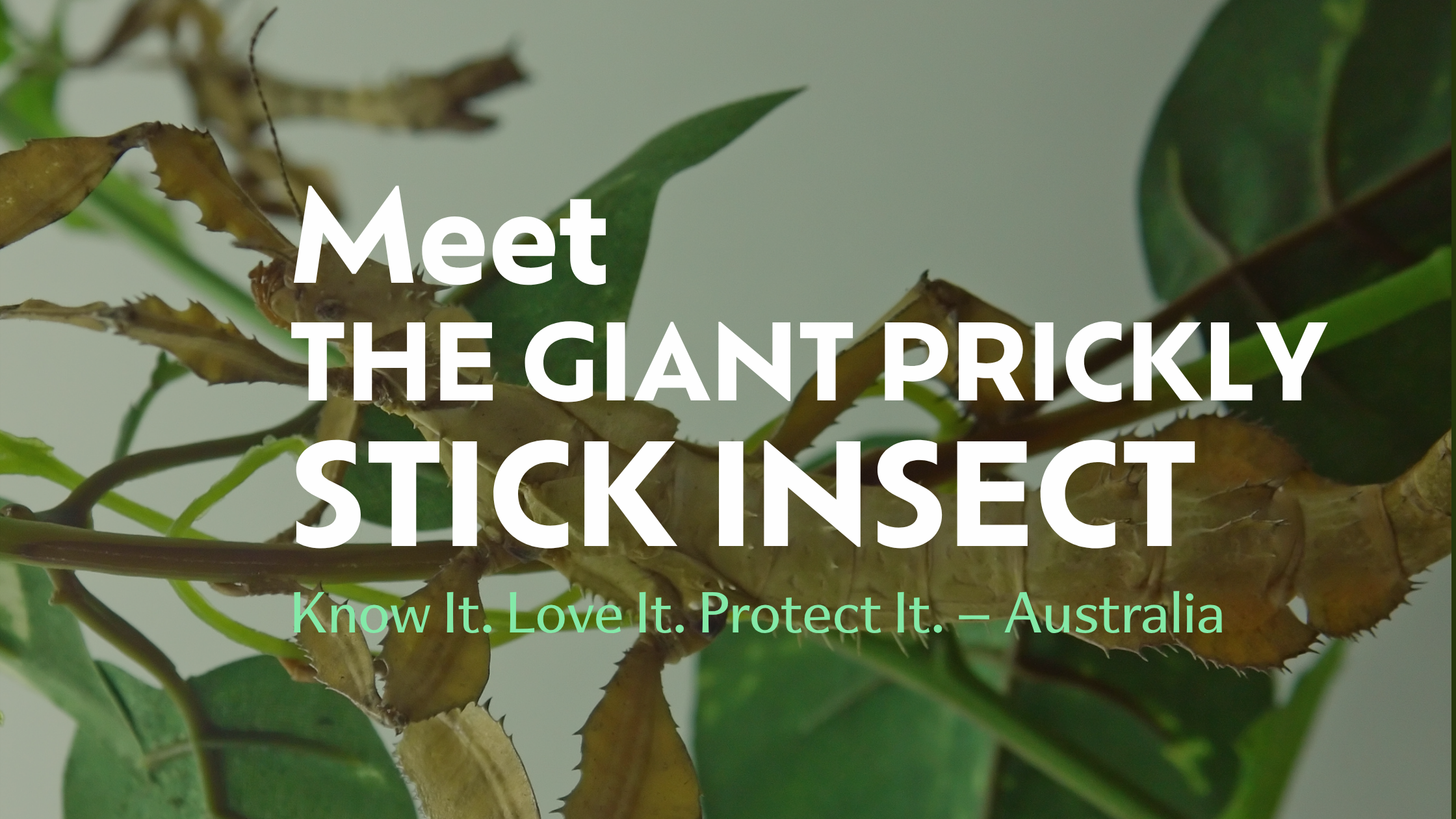
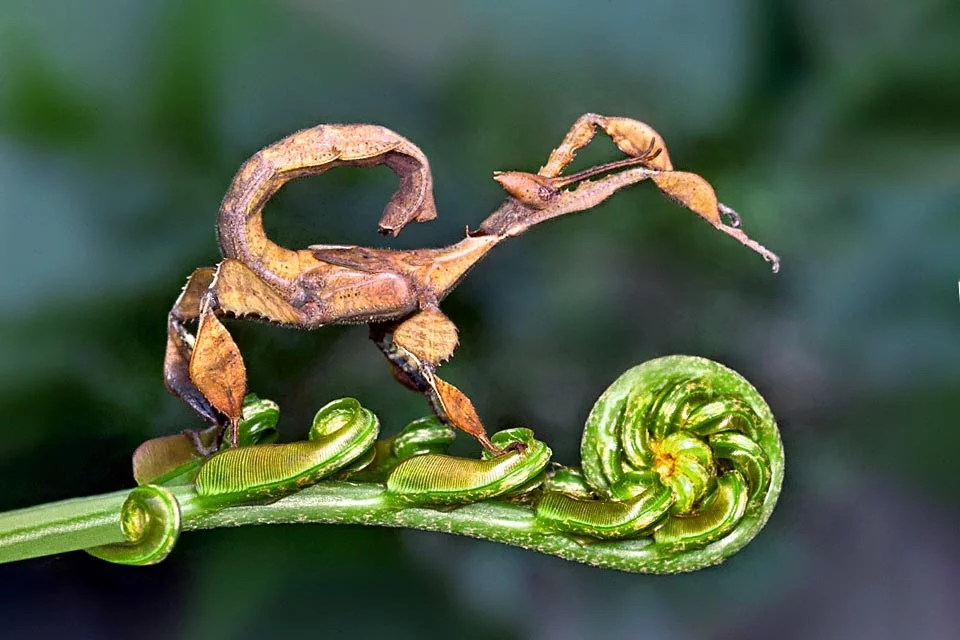
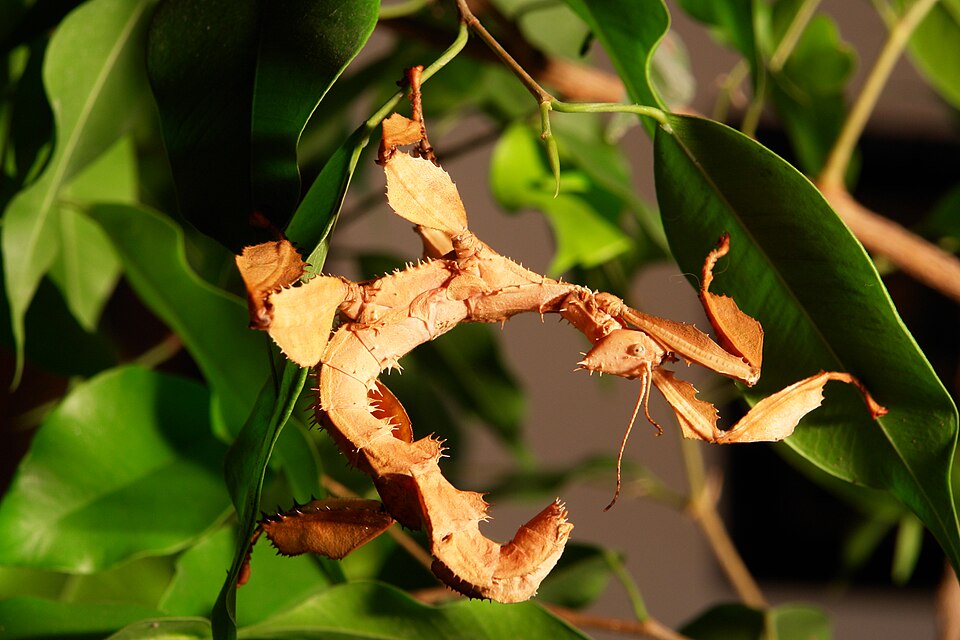
One of Australia’s largest and most striking insects, the Giant Prickly Stick Insect can grow up to 20 centimetres long and has evolved an extraordinary appearance that allows it to disappear into its surroundings.
With its spiny, branch-like body and prickly legs, this remarkable insect resembles a twig or piece of vegetation and can even sway like a branch in the wind to avoid being detected by predators.
It is a reminder that some of nature’s most impressive adaptations are hiding in plain sight.
Why it matters
The Giant Prickly Stick Insect is part of the rich diversity of insects that support healthy ecosystems.
🍃 Stick insects are important herbivores that interact with native vegetation and contribute to ecological processes
🕸️ They form part of food webs and provide prey for birds, reptiles and other animals
🌿 Their presence reflects the health and complexity of native habitats
🦗 They highlight the incredible diversity and adaptability of Australia’s invertebrate life
Although often overlooked, insects such as the Giant Prickly Stick Insect are essential components of functioning ecosystems.
Fun facts
🤓 The Giant Prickly Stick Insect can grow up to 20 centimetres long, making it one of Australia’s largest stick insects
🤓 If threatened by a predator, it can shed a leg or part of its body to distract the attacker and make its escape
🤓 Females can reproduce through parthenogenesis, meaning they can produce offspring without mating
🤓 Despite this ability, males remain important because they help maintain genetic diversity and long-term adaptability within the species
A deeper reflection
The Giant Prickly Stick Insect challenges the idea that conservation is only about protecting large or charismatic animals.
Invertebrates make up the vast majority of biodiversity and perform countless ecological roles that support the health of ecosystems, yet they are often overlooked in conservation conversations.
Like many native species, stick insects are vulnerable to habitat loss, climate change and the degradation of the environments they depend upon.
In a country with more than 600,000 native species, many found nowhere else on Earth, the Giant Prickly Stick Insect reminds us that biodiversity includes the small, hidden and easily forgotten species that quietly keep ecosystems functioning.
How we care for insects and their habitats will shape the resilience of Australia’s natural systems for generations to come.
From Wonder to Action
Learn & understand
Explore how biodiversity, climate, and land systems are deeply connected through our workshops with People For Nature.
Create your Nature Oasis
Plant native species to restore habitat and support the insects, birds, and wildlife that depend on them.
Join citizen science
Record native species around you on iNaturalist and contribute to real conservation data.
(Special thanks to Simon Andrews, Ambassador for People For Nature, for helping shape this story)
We empower your people to create positive change for nature
As businesses face the growing urgency of climate and biodiversity challenges, we believe your organisation has the potential to lead the way in creating meaningful change.
At People for Nature, we’re not interested in a traditional charity-corporate partnership. Instead, we’re building something different: a strategic relationship aimed at transformative change from within.
Together, we can align purpose with impact, embedding nature-positive solutions directly into your business strategy.
We transform businesses from within
Led by certified environmental practitioners, we combine strategic insight with hands-on experience in science, education, and community action.
Through our tailored training, we empower key people within your organisation to become certified People For Nature Ambassadors — not by doing the work for them, but by equipping them to lead the change from within.
We make complex science simple and actionable, guiding your team every step of the way. These ambassadors don’t just gain knowledge — they become trusted sustainability champions, bridging our expertise with your workplace culture.
They’re not just participants; they’re part of our extended family — the heart of a long-term, values-aligned partnership driving meaningful, nature-positive change from the inside out.
Our approach
1. Science-Based Education to Spark Action
Our globally renowned, science-based workshops translate the latest findings from the IPCC and IPBES into accessible, engaging sessions for your teams.
These workshops spark meaningful dialogue and shift mindsets — building a shared understanding that inspires action across all levels of your organisation.
2.Empowering Ambassadors for Local Impact
Through our Ambassador Program, we empower selected individuals within your organisation to lead the way in climate literacy and local biodiversity action.
These ambassadors become visible champions of your organisation’s environmental commitment, grounded in place and deeply connected to community.
3.Co-Creating Your Nature-Positive Journey
We’ll work alongside your team to co-design meaningful, measurable biodiversity initiatives aligned with your organisation’s sustainability strategy.
Our support includes strategic guidance, action planning, and impact evaluation — ensuring your efforts deliver genuine environmental value.
In-house expertise and national footprint
We bring together deep expertise in climate science, biodiversity, sustainability strategy, and community engagement.
People for Nature is led by two Certified Environmental Practitioners: Audrey Barucchi and Dr Fanny De Busserolles.
The Certified Environmental Practitioner (CEnvP) Scheme assesses the experience, skills, and ethical conduct of environmental professionals.
There are many meaningful ways to partner with People for Nature
Whether through partnerships, in-kind support, or donations, there are many ways businesses support our charitable purpose.Together, we can educate and empower citizens, inspire action for biodiversity, and innovate for a more resilient planet.
Australia is already experiencing the impacts of climate change in ways that affect our communities, ecosystems, and economy.
Despite the urgency, one of the biggest challenges we face is the lack of understanding and awareness of the causes, consequences, and solutions for climate change.
Additionally, in the age of social media, false claims and misleading information about climate change can spread rapidly, undermining public understanding and delaying climate action.
That’s why, at People For Nature, our focus is on educating all Australians – young and old – with the knowledge to make informed decisions and advocate for policies that protect our environment.
By using trusted sources and scientific data, we can combat the spread of misinformation and equip individuals with the facts they need to make informed decisions.
Our goal is to educate 27,000 Australians by 2027 — to tackle climate and biodiversity challenges and drive real change for a sustainable future.
Youth Climate Education
Young people are already experiencing the effects of a changing climate.
That’s why it’s crucial to integrate climate education into schools and universities. Early education fosters a sense of responsibility and urgency, ensuring that the next generation is ready to tackle the challenges ahead.
Teaching children and young adults about the science of climate change, its impacts, and potential solutions can inspire a new wave of climate-conscious leaders, entrepreneurs, and activists who will shape Australia’s future.
When delivered well, climate education fosters hope, builds emotional resilience, and empowers action.
Our work with schools
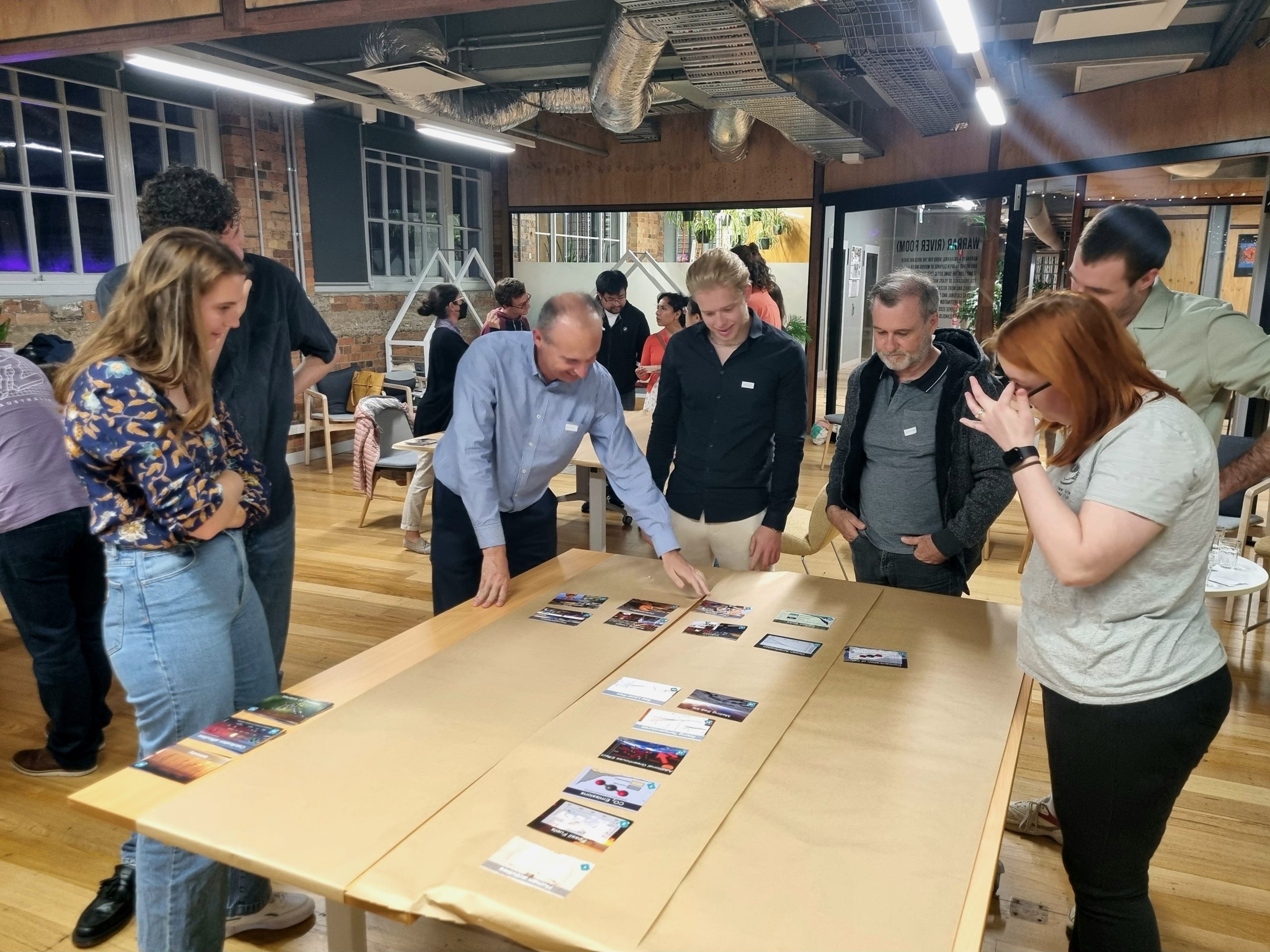
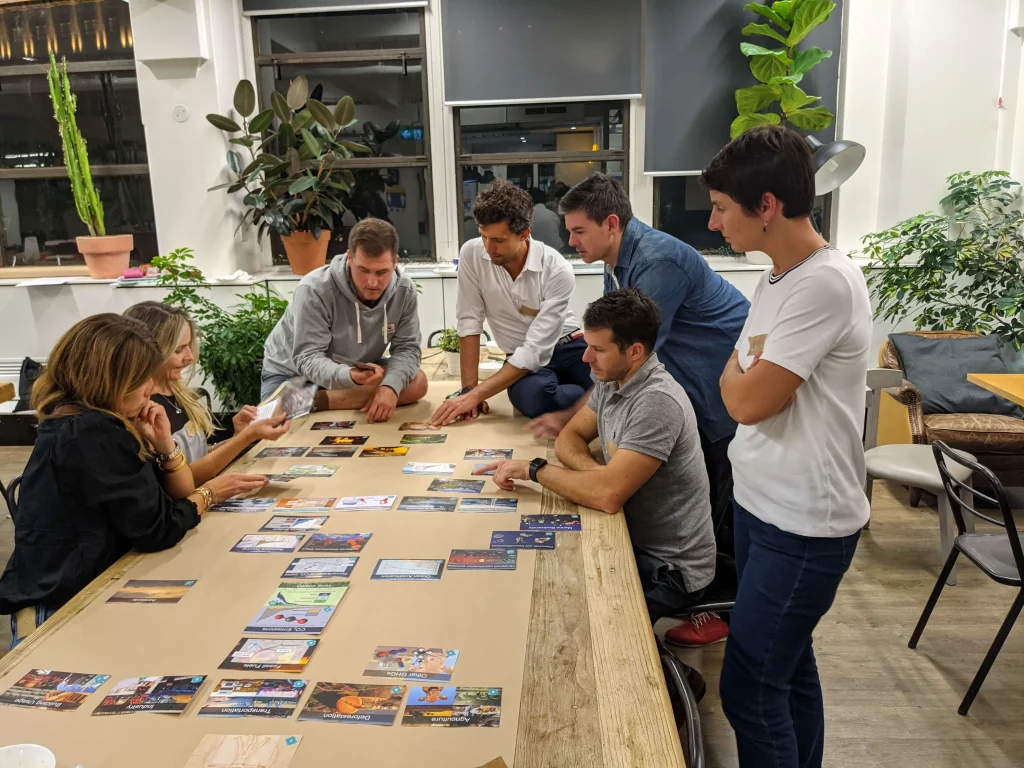
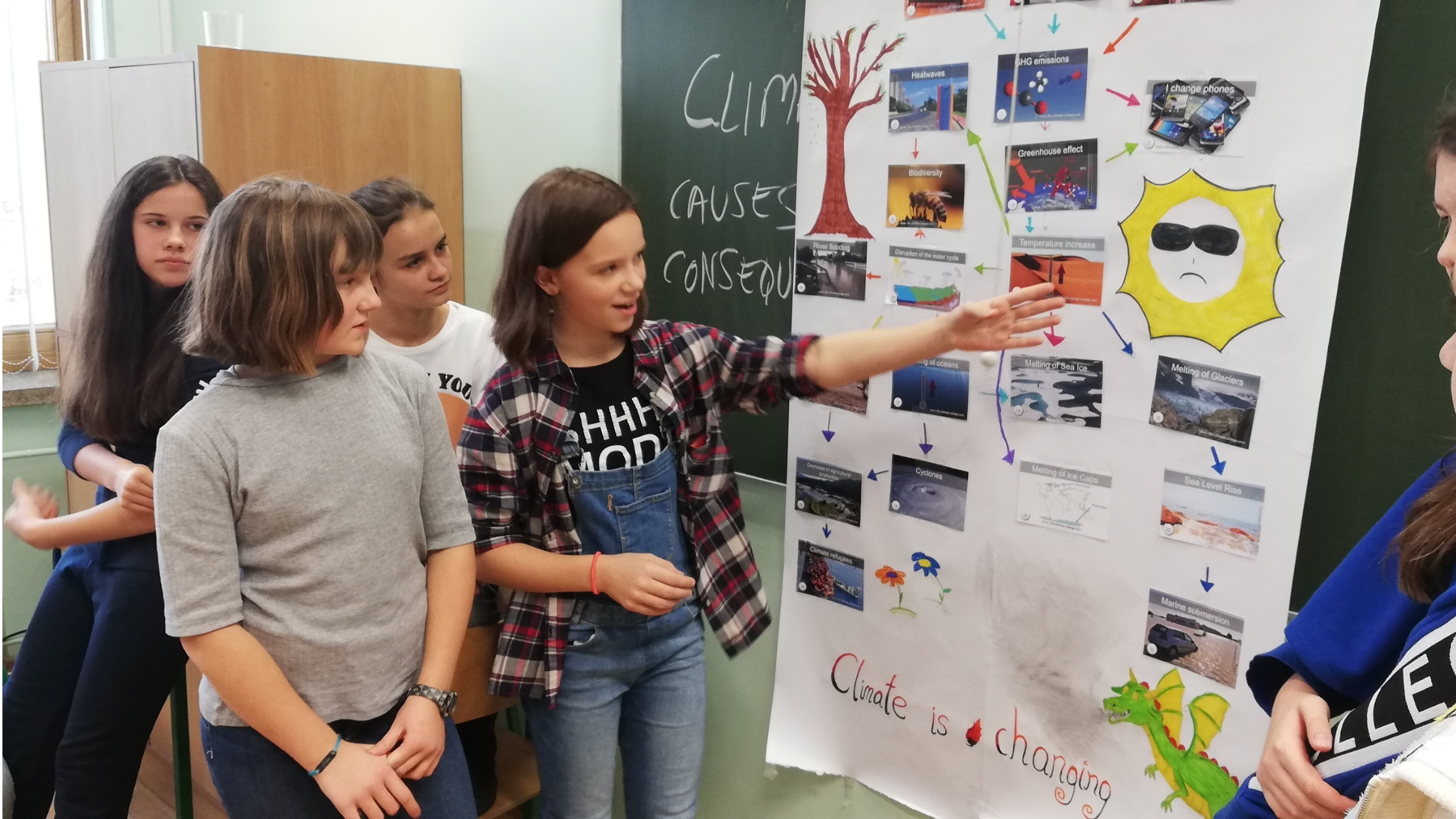
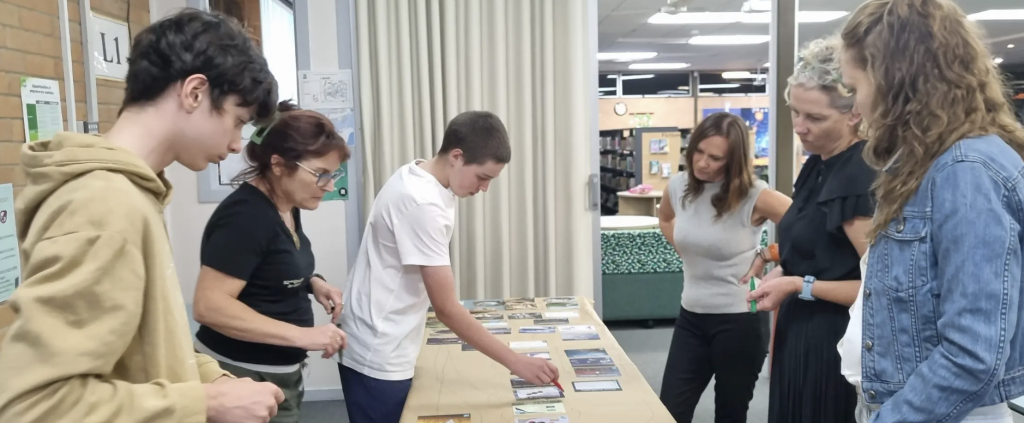
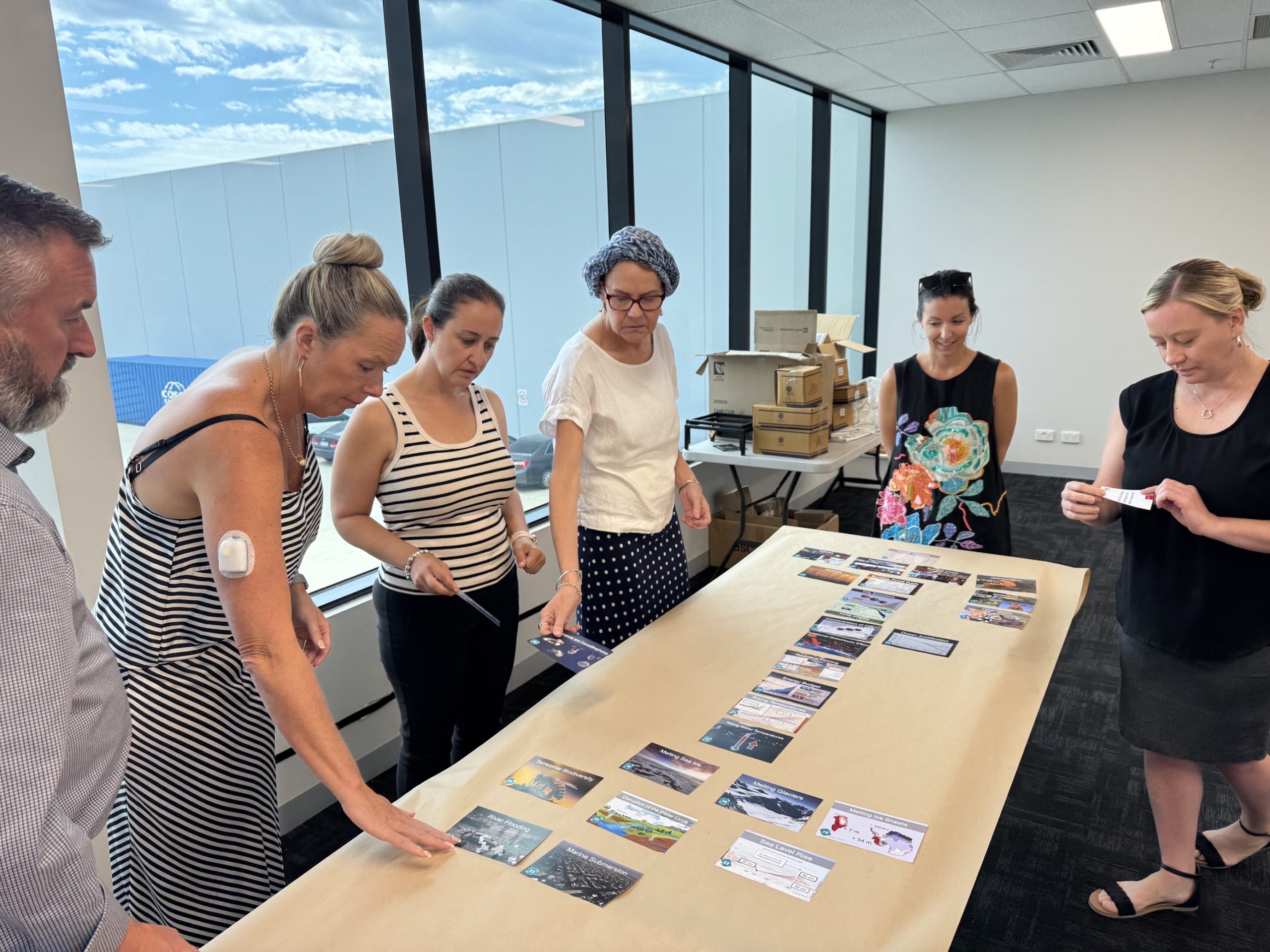
We deliver workshops tailored specifically to younger audiences. Our Climate Fresk for Kids is a fun, interactive, and age-appropriate version of the internationally acclaimed Climate Fresk workshop.
This playful, science-based workshop is designed to introduce students aged 10 and up to the basics of climate change. Using colourful illustrations and a card game format, students explore:
🧐 What causes climate change
🌎 Its effects on people and the planet
🙌 How we can take action
This kid-friendly Climate Fresk has been developed by teachers and climate experts to make complex science engaging and accessible for younger learners, without overwhelming them.
We’re working with forward-thinking Australian universities to deliver workshops that:
✅ Build climate and biodiversity understanding across faculties and disciplines
✅ Embed literacy into curricula and campus-wide initiatives
✅ Engage academic and operational teams in meaningful action toward net zero
From science and engineering to law, business, and the arts — climate and biodiversity touch every field. Now is the time to empower every department.
🌿 These are some of the universities are leading the way: The University of Newcastle, Griffith University, UNSW, and UTS.
Community education helps drive broader change
Education isn’t just about understanding the problem – it’s about inspiring people to act. When people understand, they care – and when they care, they act.
Our interactive and fun workshops aim to help people learn about climate change, biodiversity, sustainability and what they can do to make a positive difference.
Climate literacy empowers Australians to participate in climate-related discussions, vote for climate-conscious leaders, and engage in citizen science initiatives that can drive local conservation efforts.
Want to organise a workshop for your community? Get in touch!
Believe in a better future? So do we.
At People For Nature, our mission is bold: to educate 27,000 Australians by 2027 on climate and biodiversity, empowering them to take meaningful action for our planet.
Your donation fuels citizen-powered education that turns knowledge into action—and action into lasting change. Donate today and be part of the change.
💚 Together, we can shape a planet-boundaries literate Australia.
VSL Australia has put sustainability at the centre of its operations, and has a big focus on educating and empowering its workforce.
Internally driven by Jonathan Handschuh, one of our Ambassadors, VSL has run countless Climate Fresk workshops, helping its teams understand climate science and how they play a part in creating a better future.
The organisation has now moved into the next phase of climate education, running Biodiversity Collage workshops. This is deepening understanding, building further engagement and accelerating climate action.
Program Objectives
VSL Australia has set an ambitious climate action plan. To deliver on it, employees need to be engaged and understand the role they can play in achieving its goals. By building climate literacy and fostering awareness of the challenges, people can see how their actions contribute to a more sustainable future.
Impact & Feedback
“Rolling out Climate Fresk workshops across the organisation has helped mobilise our teams. When people connect emotionally with climate facts, their actions become more meaningful and impactful. And the impact extends beyond the workplace: when people connect the dots they drive positive change in their personal lives as well.”
Andrew Manser, Managing Director, VSL ANZ
Interested in organising a workshop for your organisation?
We’ll empower your people to power change for nature. Contact us today to find out more.
Melissa is a Climate Fresk, Biodiversity Collage and Circular Economy Collage facilitator based in Tasmania.
She joined People For Nature as an Ambassador because she firmly believes in our mission to empower citizens through engaging educational experiences.
Melissa is the founder of Wild-Built, a boutique consultancy offering strategic, cross-disciplinary expertise to help businesses align with future, real-world challenges. Melissa blends 20 years of marketing, brand, business and sustainability skills to help business leaders activate their strategic imagination and their humanity, in service of a liveable future.
“Participating in the workshops offered by People For Nature has changed the trajectory of my life, and I’m inspired to be part of the movement to make that happen for others. We have a rapidly closing window to act on the climate crisis and biodiversity crisis – which are symptoms of our consumerist, extractive way of life.”
“We simply will not see this action from governments and businesses alone – we need to come together, form community and create a shared vision of the future – with a revived reverence for nature – if we’re to create a liveable future for all. People For Nature provides the ideal platform to engage and empower citizens to do just that.”
At People For Nature, we’re all about empowering people — individuals and communities alike — to take meaningful action on climate and biodiversity. But what makes us a bit different is how we operate: not just as a registered environmental charity, but also as a social enterprise. This means we blend the heart and purpose of a charity with the creativity and sustainability of a business.
What’s a Social Enterprise, Anyway?
Simply put, a social enterprise is a business set up to solve social or environmental problems. Instead of focusing on making profits for shareholders, it reinvests any money earned back into its mission. The Social Enterprise Council of NSW & ACT (SECNA) describes it as a business that trades to create positive change — both for people and the planet.
Social enterprises sit at this really exciting crossroads of doing good while staying financially sustainable. They’re not just charities relying on donations, and they’re not just businesses chasing profit. They’re something fresh — combining the best of both worlds to make a real difference.
Why Environmental and Social Work Go Hand in Hand
We truly believe that environmental issues are human issues. Some might say the environmental crisis is, at its core, a human crisis. When ecosystems suffer, people do too — especially vulnerable communities. Climate change and biodiversity loss affect people’s health, wellbeing, and livelihoods. That’s why at People For Nature, we see environmental care and social justice as inseparable.
By supporting nature, we’re supporting communities, and by empowering people, we’re protecting nature. It’s all deeply connected.
People For Nature: A Social Enterprise With a Charitable Heart
We’re proud to wear two hats:
Registered Environmental Charity: We’re officially recognised for our work benefiting the public, which means your donations are tax-deductible. We’re committed to being open, honest, and accountable in everything we do.
Social Enterprise: We also run educational workshops, corporate training, and community programs that generate income. This earned revenue helps us grow our impact and stay financially strong — all without losing sight of our environmental mission.
Why We Joined SECNA
SECNA is more than just an organisation — it’s a thriving community of changemakers who believe business can be a powerful force for environmental and social good. Being part of SECNA means we’re connected to:
Other nature-focused social enterprises like ours, helping each other thrive
Advocates pushing for policies that support and grow social and nature enterprises
A network of passionate people bridging business, environment, and community sectors
Being a SECNA member makes us stronger. It helps us blend smart business skills with deep care for nature. Because we know that solving climate and biodiversity challenges means finding new, creative ways that are both impactful and sustainable in the long run.