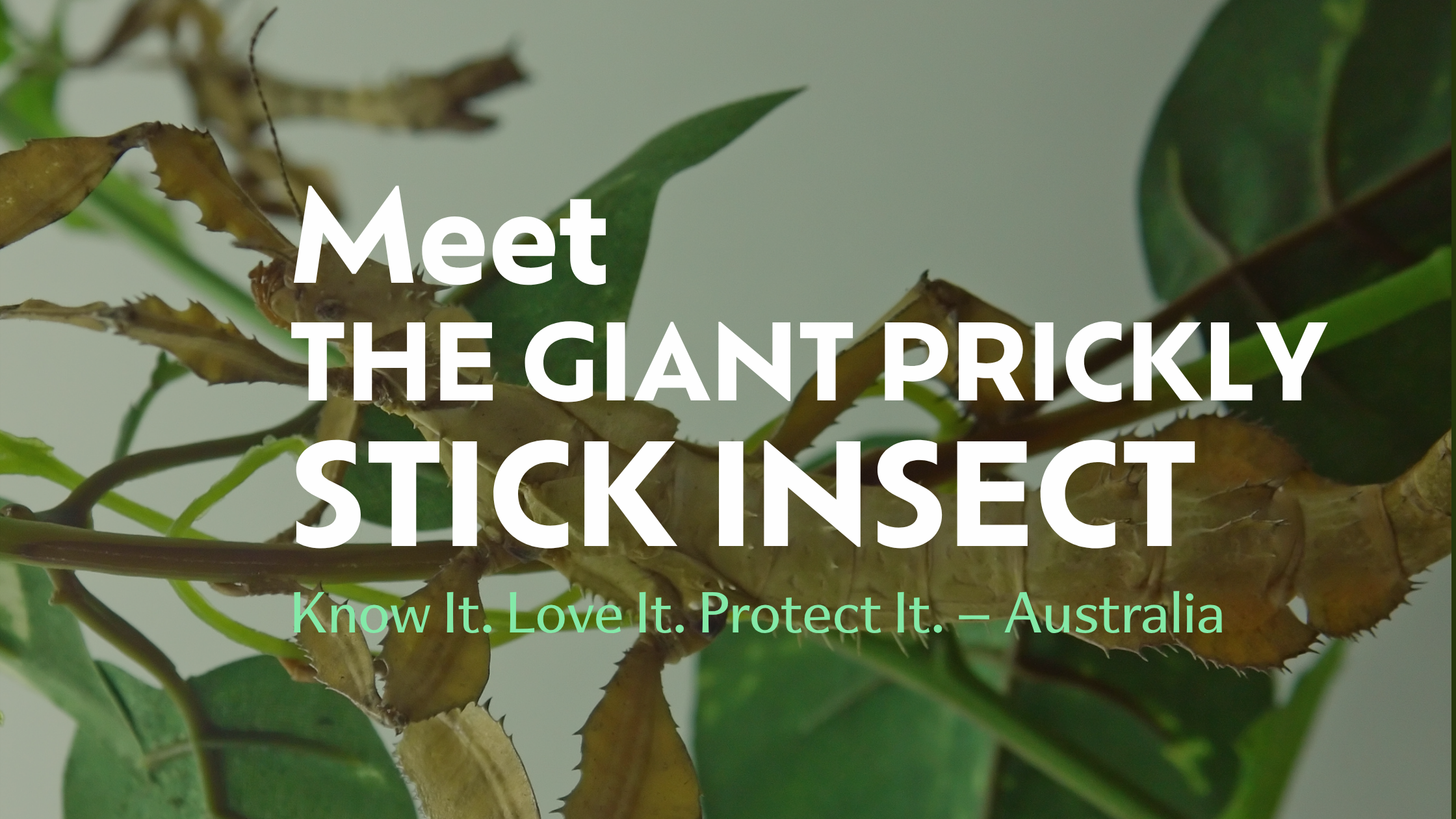
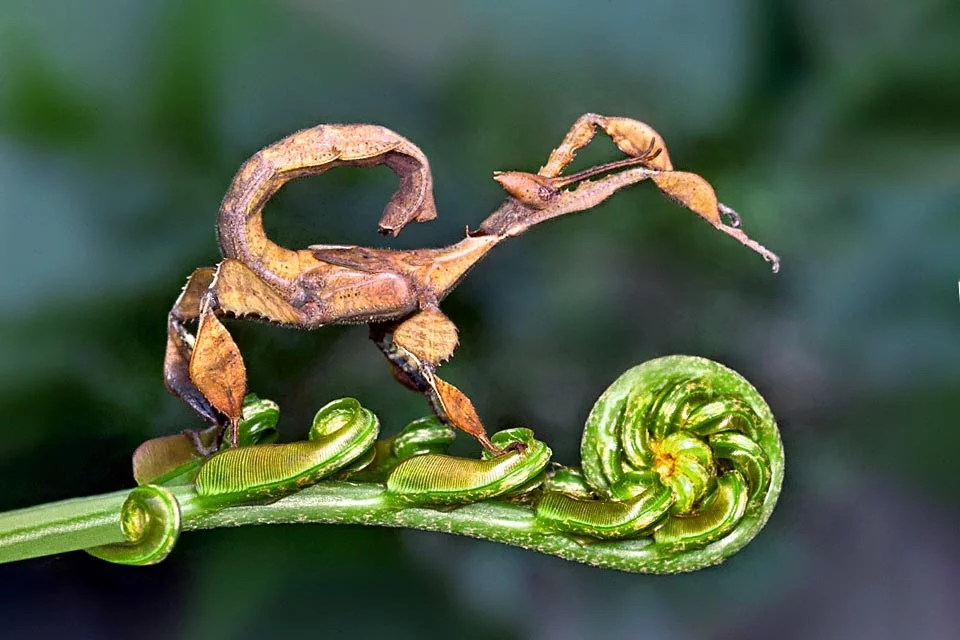
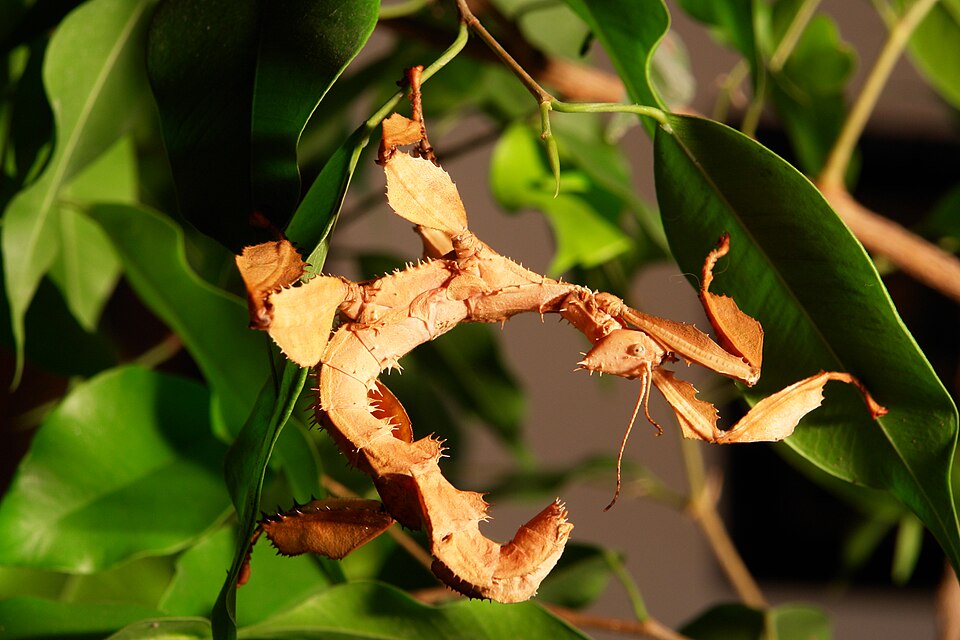
One of Australia’s largest and most striking insects, the Giant Prickly Stick Insect can grow up to 20 centimetres long and has evolved an extraordinary appearance that allows it to disappear into its surroundings.
With its spiny, branch-like body and prickly legs, this remarkable insect resembles a twig or piece of vegetation and can even sway like a branch in the wind to avoid being detected by predators.
It is a reminder that some of nature’s most impressive adaptations are hiding in plain sight.
Why it matters
The Giant Prickly Stick Insect is part of the rich diversity of insects that support healthy ecosystems.
🍃 Stick insects are important herbivores that interact with native vegetation and contribute to ecological processes
🕸️ They form part of food webs and provide prey for birds, reptiles and other animals
🌿 Their presence reflects the health and complexity of native habitats
🦗 They highlight the incredible diversity and adaptability of Australia’s invertebrate life
Although often overlooked, insects such as the Giant Prickly Stick Insect are essential components of functioning ecosystems.
Fun facts
🤓 The Giant Prickly Stick Insect can grow up to 20 centimetres long, making it one of Australia’s largest stick insects
🤓 If threatened by a predator, it can shed a leg or part of its body to distract the attacker and make its escape
🤓 Females can reproduce through parthenogenesis, meaning they can produce offspring without mating
🤓 Despite this ability, males remain important because they help maintain genetic diversity and long-term adaptability within the species
A deeper reflection
The Giant Prickly Stick Insect challenges the idea that conservation is only about protecting large or charismatic animals.
Invertebrates make up the vast majority of biodiversity and perform countless ecological roles that support the health of ecosystems, yet they are often overlooked in conservation conversations.
Like many native species, stick insects are vulnerable to habitat loss, climate change and the degradation of the environments they depend upon.
In a country with more than 600,000 native species, many found nowhere else on Earth, the Giant Prickly Stick Insect reminds us that biodiversity includes the small, hidden and easily forgotten species that quietly keep ecosystems functioning.
How we care for insects and their habitats will shape the resilience of Australia’s natural systems for generations to come.
From Wonder to Action
Learn & understand
Explore how biodiversity, climate, and land systems are deeply connected through our workshops with People For Nature.
Create your Nature Oasis
Plant native species to restore habitat and support the insects, birds, and wildlife that depend on them.
Join citizen science
Record native species around you on iNaturalist and contribute to real conservation data.
(Special thanks to Simon Andrews, Ambassador for People For Nature, for helping shape this story)
References:
Leave a Reply