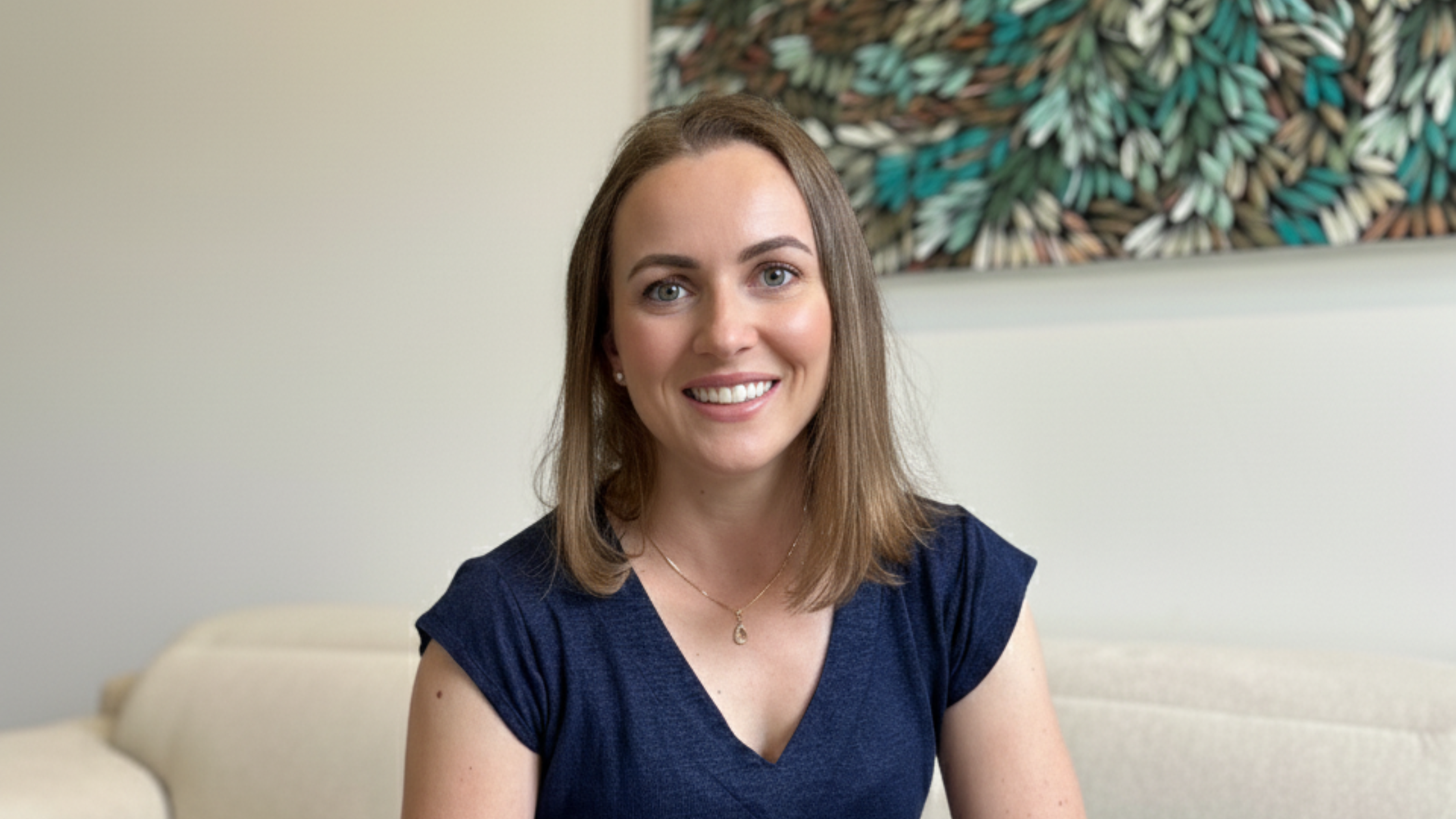
Daniel Zelli is an executive leader with more than 20 years’ experience in strategy, governance, and enterprise transformation across government, not-for-profit, and higher education sectors. He helps organisations strengthen capability, manage risk, and build resilient, future-ready operations.
Through Better Ideas, Daniel works with boards and executive teams to assess and improve their technology and ESG (Environmental, Social and Governance) maturity. His Technology and ESG Heatmaps provide clear, actionable insights that support organisations to prioritise environmental transformation, digital modernisation, and long-term sustainability outcomes. He also leads multi-year transformation programs that deliver organisation-wide uplift across digital systems, operational performance, and ESG strategy.
Daniel is also an ambassador of People For Nature, where he supports biodiversity awareness, climate and nature education, and community engagement initiatives that encourage Australians to take meaningful action for the environment.
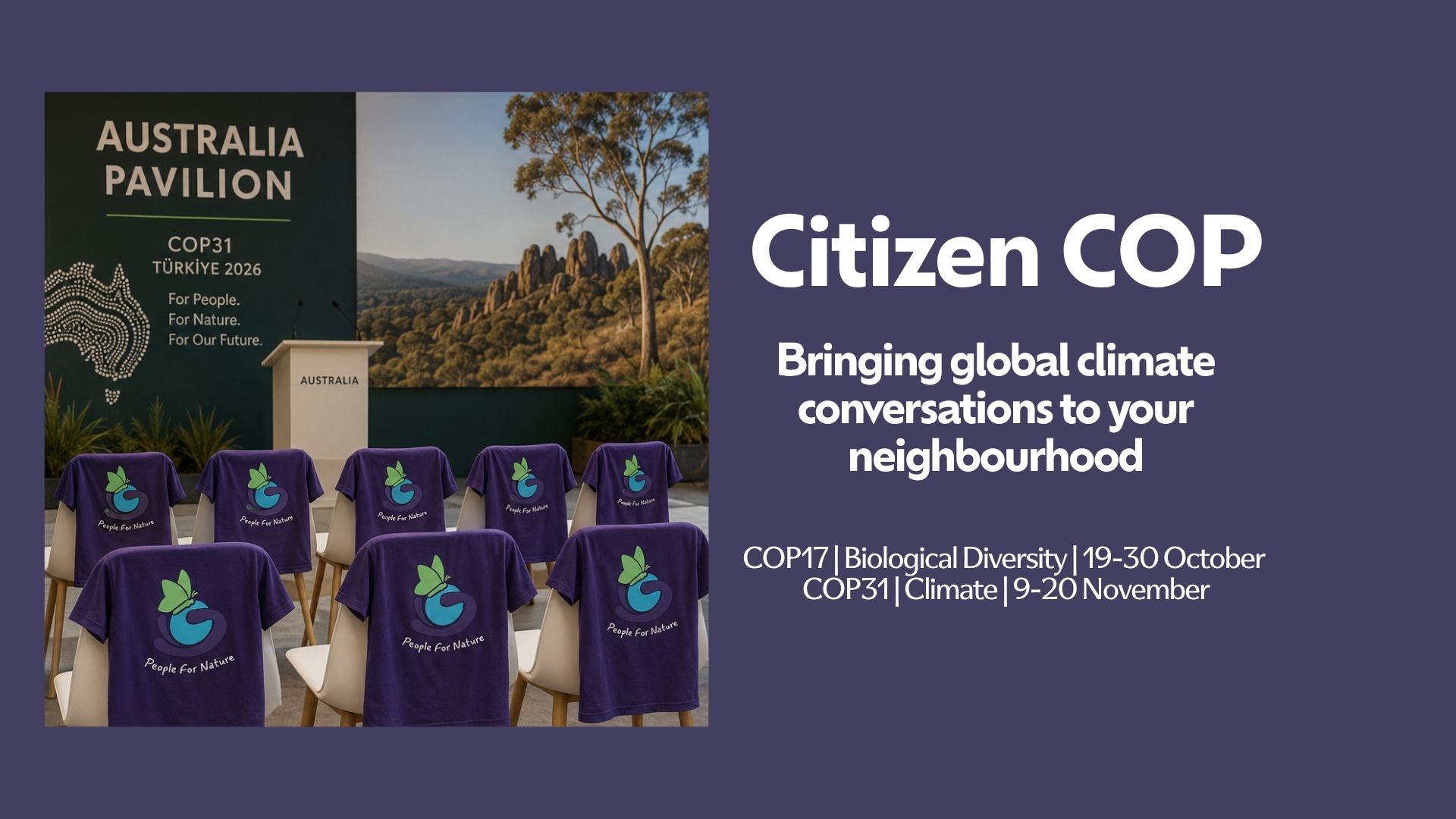
Every year, world leaders, scientists, negotiators, businesses, NGOs, and civil society groups gather for global environmental summits known as COPs — Conferences of the Parties at the UN Climate Change Conference. Here is where major environmental agreements, including the Paris and Kyoto Agreements are negotiated and drafted. This year, there will be two major global COPs.
🌿 COP17 Biodiversity (19–30 Oct) held in Yerevan, Armenia.
🌎 COP31 Climate (9–20 Nov) taking place in Antalya, Türkiye.
These negotiations, which will be led by Australia this year, focus on reducing greenhouse gas emissions, accelerating the energy transition, adapting to climate impacts, and financing climate action globally.
And while these conferences are essential, they can also feel distant from everyday life… unless you’re part of the official agenda.
That is where Citizen COP Australia comes in: a nationwide, people-powered movement bringing the spirit of the COP “Green Zone” (the public area at the UN Conference) into communities across Australia — creating spaces where everyone can learn, connect, share ideas and take action for climate and nature.
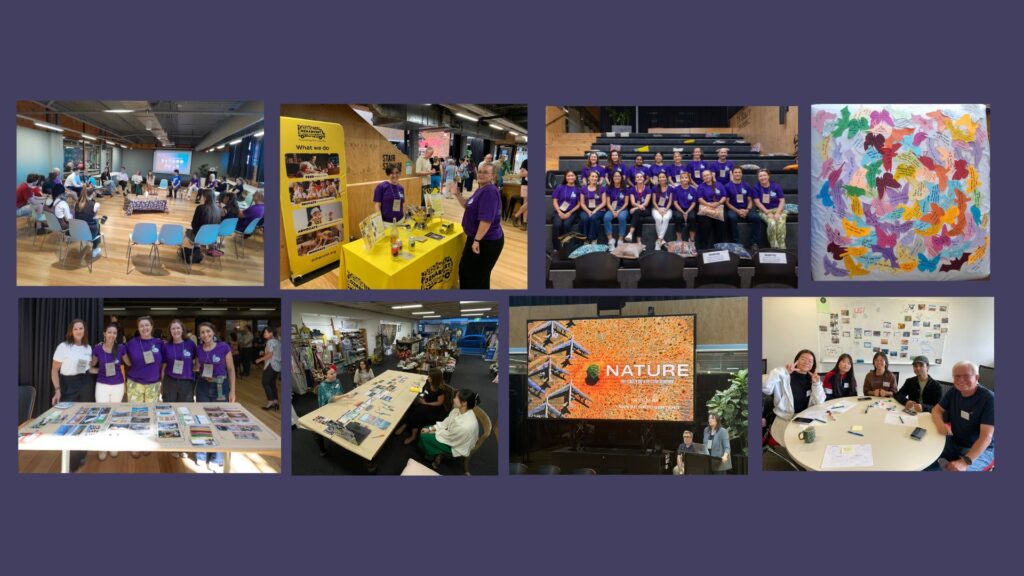
Enabled by People For Nature but intentionally independent and distributed, Citizen COP invites communities, organisations, schools, businesses, artists, and local groups across Australia to host their own events during the COP periods.
Rather than a single centralised conference, Citizen COP becomes a network of locally led conversations and actions — a “people’s COP” that makes global negotiations visible, accessible, and relevant at community level.
Help build Australia’s biggest citizen-led Green Zone
The official COP Green Zone creates space for civil society, communities, innovators, youth and organisations to engage beyond formal negotiations. Citizen COP expands that idea.
Our vision is a nationwide Green Zone — where every community, every state and every Australian has the opportunity to participate.
We believe climate and biodiversity action should be participatory, community-driven, and aligned with the values of the future we are trying to create.
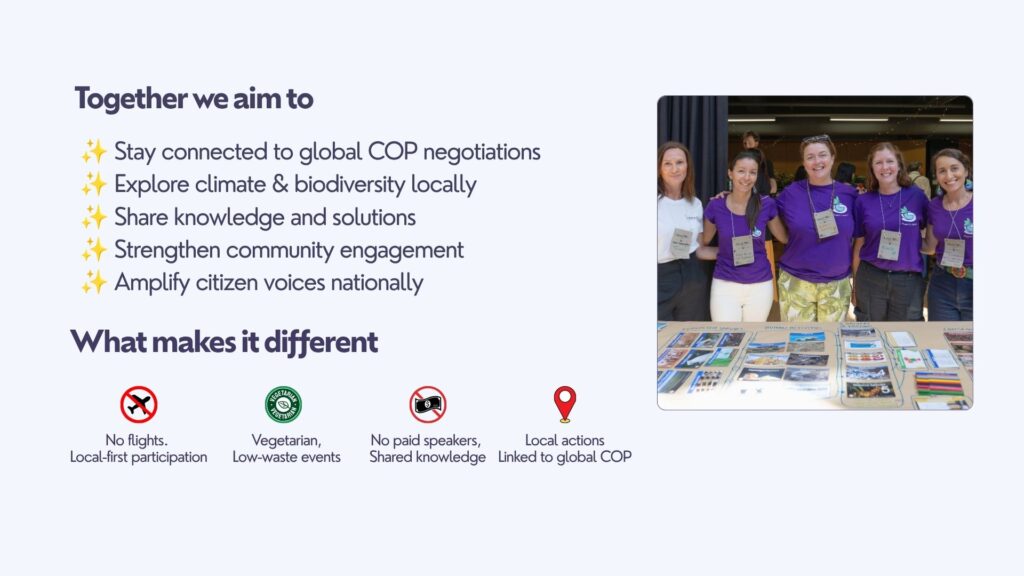
Participating events are encouraged to follow a set of shared principles, including:
No flights associated with events or speaker participation
Low-waste and environmentally responsible event design
Vegetarian or plant-forward catering
A focus on local action and community solutions
No paid speakers, encouraging contribution through shared purpose rather than commercialisation
Inclusivity, accessibility, and constructive dialogue
These principles are not about perfection. They are about modelling practical, values-aligned ways of gathering and collaborating.
In a world where large conferences can sometimes carry significant environmental footprints themselves, Citizen COP aims to demonstrate that meaningful engagement can happen locally, affordably, and with minimal impact.
Together, we can build a Green Zone where conversations happen in neighbourhoods, schools, workplaces, community halls, parks and online spaces. A Green Zone where knowledge becomes action.
Many ways to participate
Citizen COP is intentionally designed as a distributed movement rather than a branded, centralised event.
There are many ways you could participate:
Schools may host student climate forums or biodiversity projects.
Councils might facilitate community workshops.
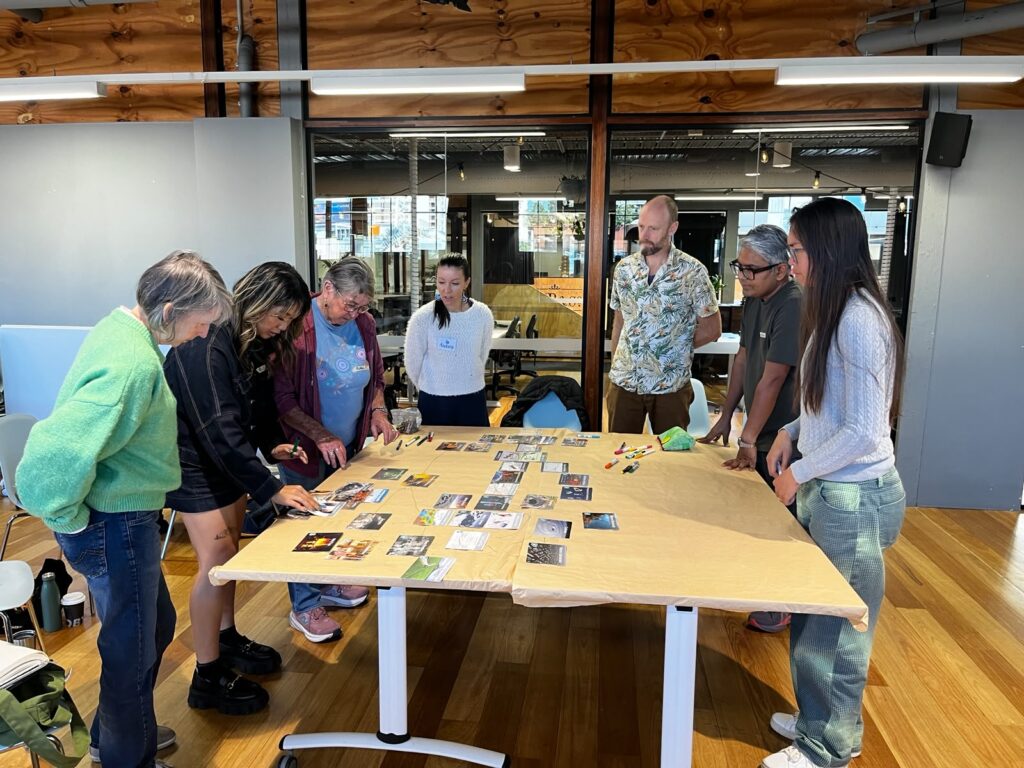
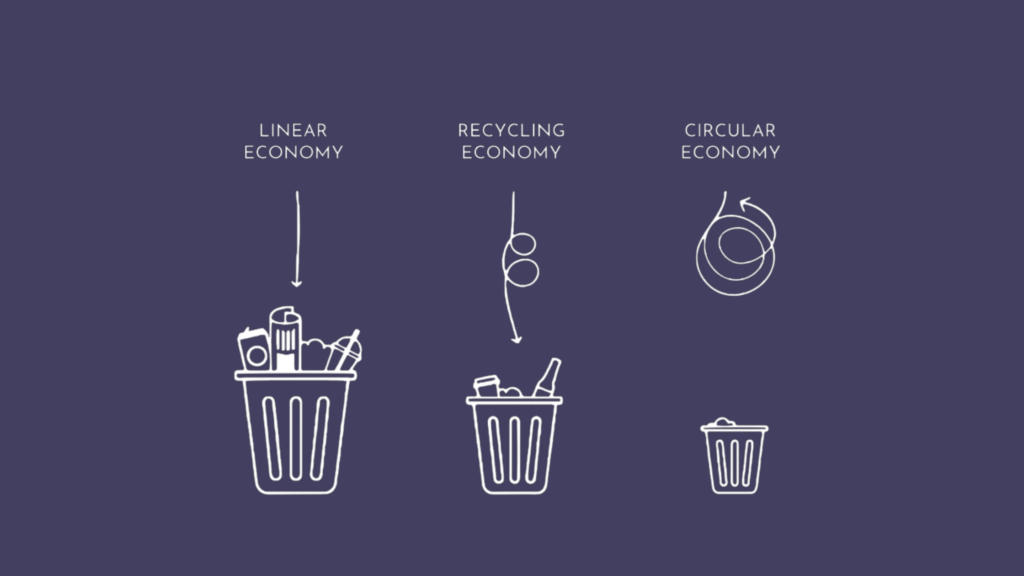
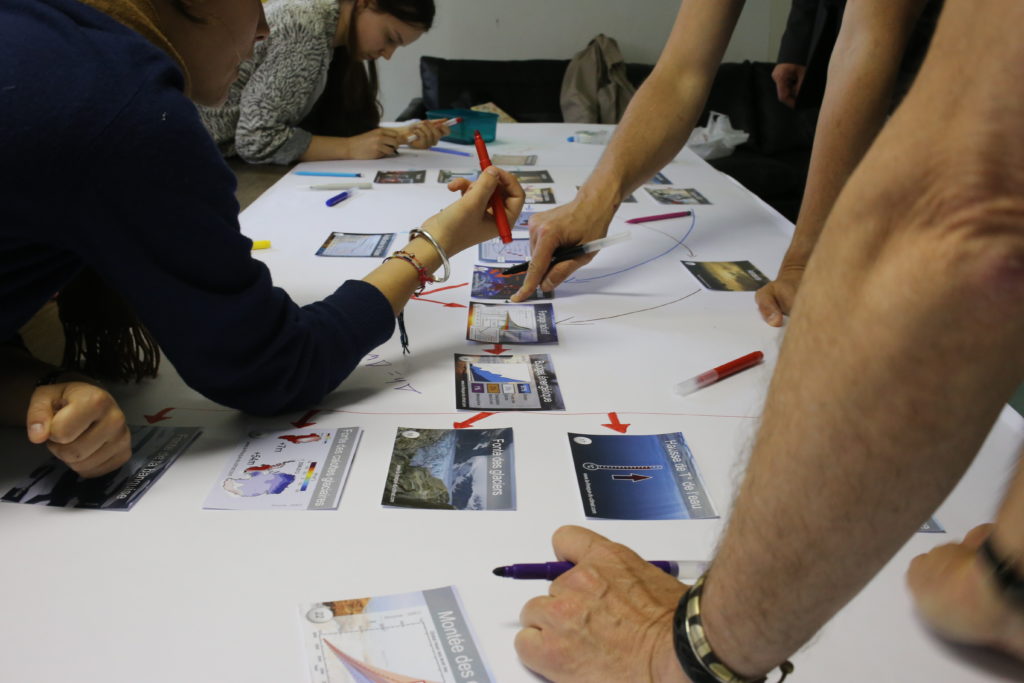
Businesses could organise sustainability discussions or host Climate Fresk, Biodiversity Collage or Circular Economy Collage workshops with staff and customers.
Artists may create exhibitions or performances exploring ecological themes.
Community groups might run repair cafés, nature walks, film screenings, climate cafés, and so much more.
This decentralised approach allows communities to shape discussions around the issues most relevant to them – whether that is renewable energy, biodiversity restoration, circular economy solutions, sustainable food systems, greener cities, climate adaptation, conservation, or community wellbeing.
Global issues call for local solutions
The impacts of climate change and biodiversity loss are deeply local.
At a time when Australia has an unprecedented opportunity to help shape global environmental conversations through its leadership role connected to COP31, Citizen COP creates a way for communities across the country to feel part of that moment.
Citizen COP bridges the gap between global negotiations and everyday life by translating complex environmental issues into practical, human-centred conversations in our neighbourhoods, schools, workplaces, organisations, and communities.
📆 Interested in organising an event, submit your EOI before 31 August.
If you’ve ever looked at a sustainability report and thought, “Where do I even start?” — you’re not alone. And that’s exactly where our ambassador Azra shines.
Based in Melbourne, Azra is a Senior Consultant in the Climate Impact team at Pangolin Associates. Her day-to-day work sits at the intersection of data, strategy, and real-world impact — helping organisations understand their greenhouse gas emissions, define reporting boundaries, and uncover meaningful ways to reduce their climate footprint.
But what really sets Azra apart isn’t just her technical expertise — it’s her ability to make complex climate concepts feel clear, approachable, and even empowering.
Making Climate Make Sense
A big part of Azra’s work is translating the often overwhelming world of climate reporting into something people can actually engage with.
“I spend a lot of time helping organisations feel confident navigating their reporting obligations,” she says. “But more importantly, helping them see that they can take meaningful action.”
That focus on clarity and confidence is at the heart of everything she does — whether she’s working with corporate clients or volunteering in the community.
Passion Meets Purpose
Azra is deeply passionate about climate education and environmental literacy. Not just in a technical sense — but in a human one.
She believes that when people truly understand sustainability, they stop feeling paralysed by it.
Instead, they feel empowered.
“I love helping people move from feeling overwhelmed to feeling capable,” she shares. “That shift is where real change begins.”
Why People For Nature?
For Azra, joining People For Nature was a natural fit.
She was drawn to the organisation’s community-based approach — where learning isn’t just theoretical, but hands-on, social, and deeply connected to the natural world.
“I really value how the program connects people to nature while building understanding,” she says. “It’s such a powerful way to support communities — especially young people — to feel informed, inspired, and part of something bigger.”
Bridging Two Worlds
At the core of Azra’s work — both professionally and as a volunteer — is a simple but powerful mission:
Bridging the gap between technical climate knowledge and everyday understanding.
Whether she’s consulting with organisations, facilitating conversations, or engaging with local communities, Azra is constantly working to make sustainability feel less like a distant concept… and more like something we can all be part of.
And that’s exactly the kind of energy we love to see in our ambassador community 💚
Want to get involved like Azra? Join us in turning knowledge into action — one conversation, one workshop, and one community at a time.
Australia is home to one of the world’s most advanced and well-established citizen science ecosystems. Across cities, suburbs, regional towns and remote landscapes, everyday people are contributing to a shared understanding of how nature is changing — and how we respond.
From backyard observations to structured national programs, citizen science is becoming a critical layer of environmental data. It is helping us understand biodiversity loss, climate impacts, and even material flows in our environment through the lens of circular economy systems.
This is not just data collection. It is a shift in who gets to observe, interpret and respond to environmental change.
From individual observations to national environmental datasets
Every day, Australians are already contributing to platforms that turn simple observations into meaningful scientific insight.
Our Nature Oasis program helps map and connect citizen-led conservation efforts, revealing how backyard and privately managed land are collectively contributing to Australia’s Nature Positive Strategy goals.
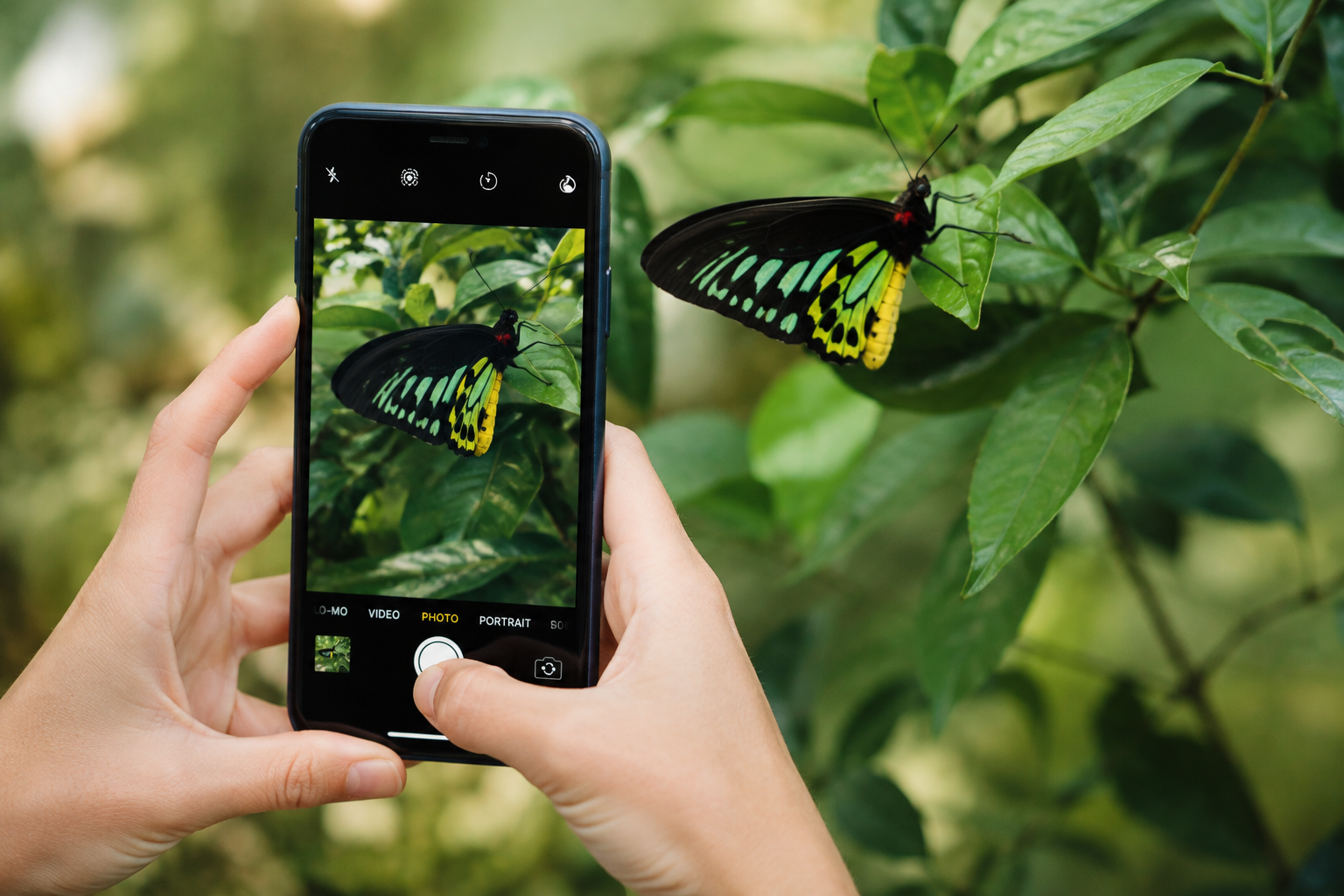
Tools such as iNaturalist Australia enable people to record and identify plants, animals and fungi, generating data that feeds directly into national biodiversity systems and global research networks. These observations help track species distribution, habitat change and ecosystem health over time.
Similarly, FrogID allows citizens to record frog calls using their phones, helping scientists monitor amphibian populations and understand how climate and land use change are affecting sensitive species across the country.
Bird enthusiasts contribute through tools such as Merlin Bird ID and eBird, documenting species presence, migration patterns and seasonal shifts that are increasingly linked to climate variability.
Together, these platforms form a living, distributed dataset of Australia’s biodiversity — built by millions of everyday encounters with nature.
Citizen science as a climate monitoring system
Beyond biodiversity, citizen science is increasingly playing a role in understanding climate impacts at local scale.
Initiatives such as ClimateWatch enable people to record seasonal changes in plants and animals — from flowering times to migration and breeding behaviour. These phenological shifts are key indicators of how temperature and rainfall patterns are changing across the continent.
Coastal monitoring initiatives such as CoastSnap allow communities to repeatedly photograph shorelines, building long-term datasets on erosion, sea-level rise and storm impacts.
Together, these tools make climate change visible at a human scale — not as abstract global models, but as observable changes in local environments over time.
Mapping pollution, waste and circular economy systems
Citizen science is also expanding into how we understand material flows through ecosystems — a critical part of the circular economy transition.
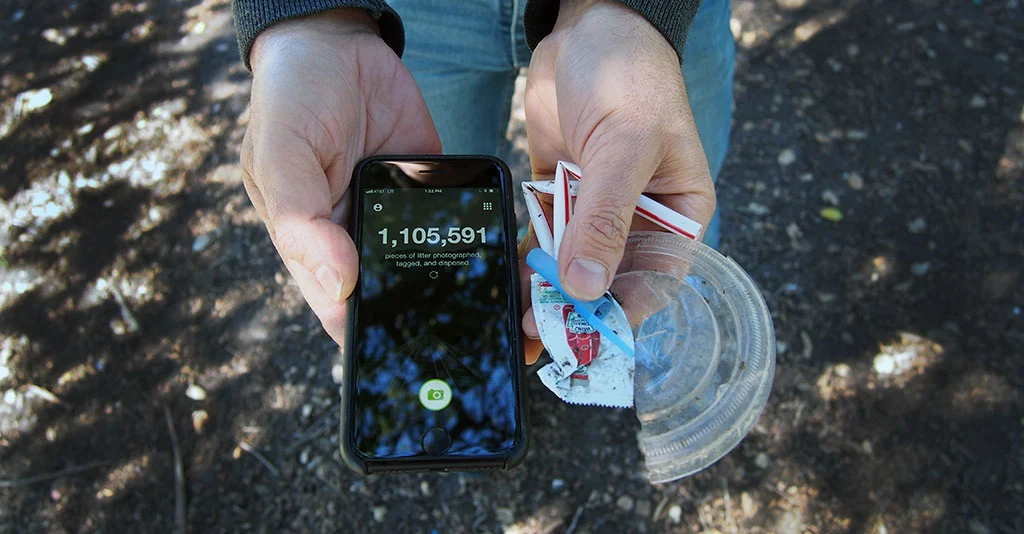
Community-led programs and tools such as Litterati support the mapping of litter and waste types, helping identify patterns in consumption, packaging design and leakage into natural environments.
Marine debris monitoring initiatives such as those led by Tangaroa Blue Foundation bring together thousands of volunteers collecting and categorising waste found on coastlines, informing policy, product redesign and recovery systems.
These datasets are increasingly important for understanding how materials move through society — and where they end up in nature.
In this sense, citizen science is not only tracking ecosystems — it is also helping trace the lifecycle of materials and the effectiveness of circular economy interventions.
A connected system: climate, biodiversity and circularity
What emerges across these platforms is not a collection of separate projects, but a connected environmental intelligence system.
Biodiversity tools show how species and ecosystems are changing
Climate tools reveal how seasonal patterns and physical systems are shifting
Circular economy tools expose how materials and waste flow through landscapes
Together, they form a distributed sensing network powered by people — one that complements scientific institutions and helps fill critical data gaps at scale.
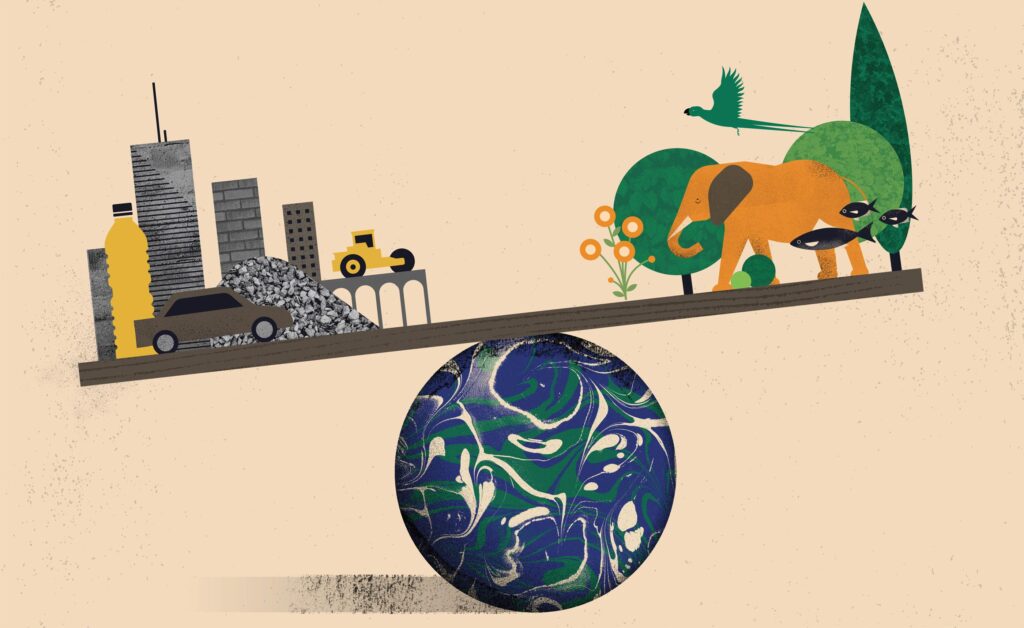
This integration is essential. Climate change, biodiversity loss and resource consumption are not separate crises — they are interconnected systems.
Why this matters
Citizen science is fundamentally reshaping the relationship between people and the natural world.
It shifts nature monitoring from something done by a few experts to something embedded in everyday life. It builds environmental literacy through participation. And it creates datasets that are richer, more local, and more continuous than traditional research alone can achieve.
Most importantly, it enables people to move from awareness to contribution — turning observation into action.
Where this is heading
The opportunity now is to scale participation and integration.
As these tools become more connected, citizen science has the potential to become a core pillar of Australia’s environmental decision-making infrastructure — supporting biodiversity protection, climate adaptation and circular economy transformation.
The next phase is not just more data, but better integration — linking citizen observations into systems that inform policy, planning and regenerative action.
Closing
Across Australia, a quiet shift is already underway.
Millions of everyday observations are building a real-time picture of how our environment is changing — from frogs in suburban backyards to coastlines, forests, and urban ecosystems.
Citizen science is no longer a niche activity. It is becoming a fundamental part of how we understand and respond to the climate and nature crisis.
Not only the things we own, but the things we choose to care for.
The trees we protect. The wildlife we make space for. The knowledge we pass on. The people we inspire to keep going.
A will is more than a legal document. It can be a reflection of what matters to us — and a way to help shape the world we leave behind.
For those who believe nature should have a place at the heart of our future, leaving a gift to People For Nature is one way to make that belief part of your legacy.
What is a bequest?
A bequest is a gift left to an individual or organisation in your will.
It can be a specific amount, a particular asset, or a percentage of what remains of your estate after your other commitments have been met.
Even a small percentage can make a meaningful difference.
Why leave a gift to People For Nature?
We have a big dream: to build a society where nature is central to every decision.
And we want to build it independently.
Too often, charities depend on corporate funding — sometimes from the very industries contributing to the problems they are trying to address. We believe environmental organisations need the freedom to speak honestly, challenge systems and stay true to their purpose.
People For Nature is small, independent and ambitious. We are building something designed to last — powered by citizens, not corporate interests.
A gift in your will can help give this little charity with a big dream the means to survive, grow and keep doing the work for generations to come.
People For Nature is an Australian registered charity and Deductible Gift Recipient. Your gift can help empower more Australians to understand, protect and restore the natural world — today and for generations to come.
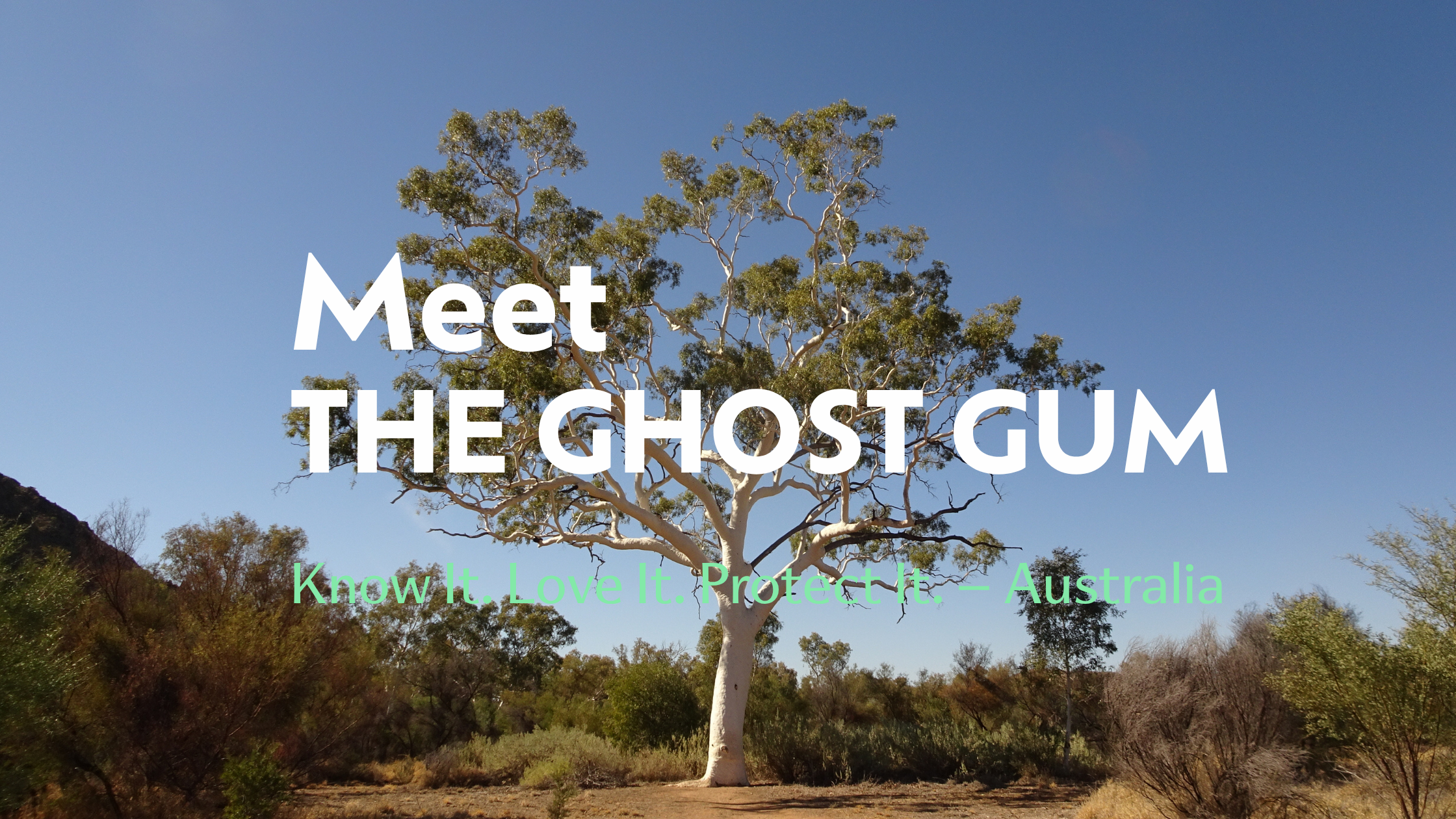
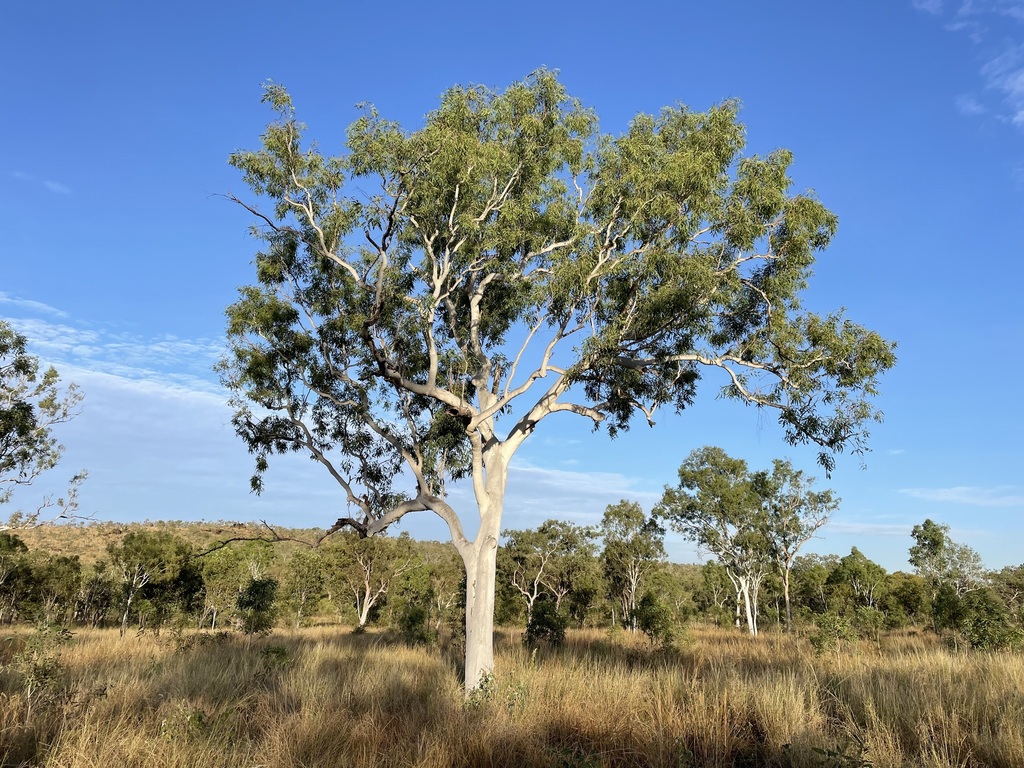
With its brilliant white bark that appears to glow in the moonlight, the Ghost Gum is one of Australia’s most iconic and recognisable native trees.
Found throughout Central Australia, this striking species thrives in arid landscapes where few other large trees can survive, making it a symbol of resilience in some of the country’s harshest environments.
It is a reminder that Australia’s unique biodiversity extends far beyond its animals and includes remarkable plants adapted to extraordinary conditions.
Why it matters
The Ghost Gum plays an important role in supporting life across Australia’s arid ecosystems.
🪺 It provides shelter and nesting sites for birds, mammals and insects
🌿 It offers food resources for a variety of native species
🌵 It contributes to the health and stability of arid landscapes
🌏 It helps maintain biodiversity in environments where resources can be limited
Fun facts
🤓 Ghost Gums can live for more than 100 years
🤓 They can grow up to 30 metres tall
🤓 Their smooth white bark peels away in large strips, revealing shades of red and cream underneath
🤓 Their distinctive pale trunks can appear to glow in moonlight, inspiring their common name
Photo credit: Nature Bound Australia – connect, discover, refresh
A deeper reflection
The Ghost Gum challenges the perception that Australia’s arid regions are barren or lacking in biodiversity.
These landscapes support highly specialised plants and animals that have evolved remarkable adaptations to survive in extreme conditions.
Yet arid ecosystems are increasingly affected by climate change, habitat degradation and other environmental pressures that can alter the delicate balance of life they support.
In a country with more than 600,000 native species, many found nowhere else on Earth, the Ghost Gum reminds us that biodiversity is found in every corner of the continent, including some of its most remote and seemingly harsh environments.
Protecting native plants such as the Ghost Gum helps preserve the ecosystems, wildlife and natural heritage that make Australia unique.
From Wonder to Action
Learn & understand
Explore how biodiversity, climate, and land systems are deeply connected through our workshops with People For Nature.
Create your Nature Oasis
Plant native species to restore habitat and support the insects, birds, and wildlife that depend on them.
Join citizen science
Record native species around you on iNaturalist and contribute to real conservation data.
(Special thanks to Simon Andrews, Ambassador for People For Nature, for helping shape this story)
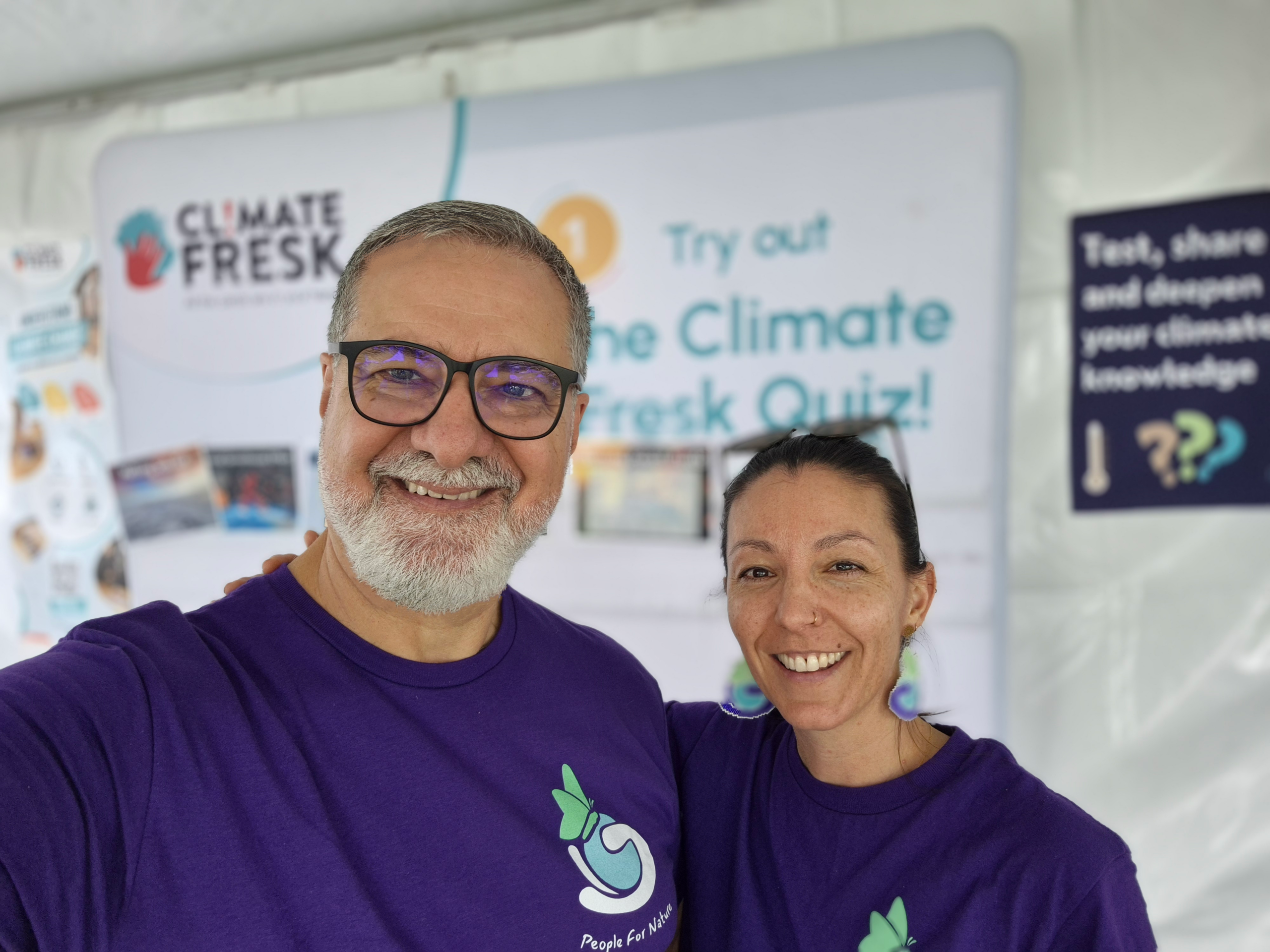
Originally from Brazil, Andreia has called Australia home for the past eight years and is now based in beautiful Queensland with her family.
With an 18-year career in the IT industry, Andreia has worked as a project and program manager at SAP, helping organisations navigate complexity and deliver meaningful change. More recently, she has combined her technology expertise with his passion for positive impact, founding a business that supports purpose-driven organisations and NGOs to adopt AI safely and responsibly — reducing administrative burden and amplifying their missions.
Over the past three years, Andreia has dedicated significant time to deepening her understanding of climate change, biodiversity loss, ecological restoration and sustainable food systems. She is passionate about regenerative gardening and is currently exploring native plant identification and foraging, discovering new ways to connect with Australia’s unique ecosystems.
Andreia joined People For Nature to support Citizen COP because she believes in the power of community, collaboration and informed participation to create meaningful change. She is excited to contribute her skills, experience and curiosity to a growing movement of people working towards a healthier relationship with nature.