With its brilliant white bark that appears to glow in the moonlight, the Ghost Gum is one of Australia’s most iconic and recognisable native trees.
Found throughout Central Australia, this striking species thrives in arid landscapes where few other large trees can survive, making it a symbol of resilience in some of the country’s harshest environments.
It is a reminder that Australia’s unique biodiversity extends far beyond its animals and includes remarkable plants adapted to extraordinary conditions.
Why it matters
The Ghost Gum plays an important role in supporting life across Australia’s arid ecosystems.
🪺 It provides shelter and nesting sites for birds, mammals and insects
🌿 It offers food resources for a variety of native species
🌵 It contributes to the health and stability of arid landscapes
🌏 It helps maintain biodiversity in environments where resources can be limited
Fun facts
🤓 Ghost Gums can live for more than 100 years
🤓 They can grow up to 30 metres tall
🤓 Their smooth white bark peels away in large strips, revealing shades of red and cream underneath
🤓 Their distinctive pale trunks can appear to glow in moonlight, inspiring their common name
Photo credit: Nature Bound Australia – connect, discover, refresh
A deeper reflection
The Ghost Gum challenges the perception that Australia’s arid regions are barren or lacking in biodiversity.
These landscapes support highly specialised plants and animals that have evolved remarkable adaptations to survive in extreme conditions.
Yet arid ecosystems are increasingly affected by climate change, habitat degradation and other environmental pressures that can alter the delicate balance of life they support.
In a country with more than 600,000 native species, many found nowhere else on Earth, the Ghost Gum reminds us that biodiversity is found in every corner of the continent, including some of its most remote and seemingly harsh environments.
Protecting native plants such as the Ghost Gum helps preserve the ecosystems, wildlife and natural heritage that make Australia unique.
From Wonder to Action
Learn & understand
Explore how biodiversity, climate, and land systems are deeply connected through our workshops with People For Nature.
Create your Nature Oasis
Plant native species to restore habitat and support the insects, birds, and wildlife that depend on them.
Join citizen science
Record native species around you on iNaturalist and contribute to real conservation data.
(Special thanks to Simon Andrews, Ambassador for People For Nature, for helping shape this story)
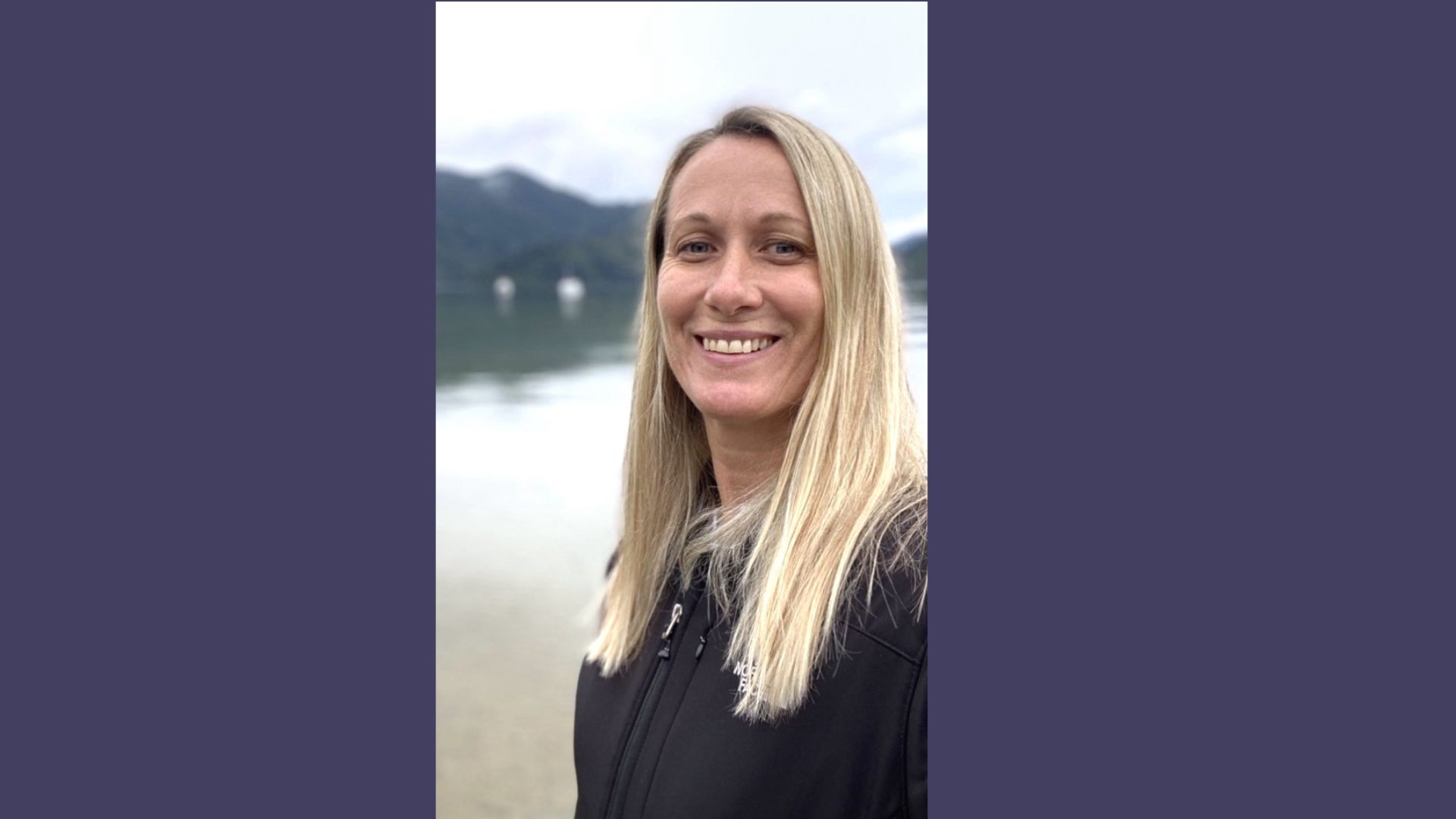
Originally from Brazil, Andreia has called Australia home for the past eight years and is now based in beautiful Queensland with her family.
With an 18-year career in the IT industry, Andreia has worked as a project and program manager at SAP, helping organisations navigate complexity and deliver meaningful change. More recently, she has combined her technology expertise with his passion for positive impact, founding a business that supports purpose-driven organisations and NGOs to adopt AI safely and responsibly — reducing administrative burden and amplifying their missions.
Over the past three years, Andreia has dedicated significant time to deepening her understanding of climate change, biodiversity loss, ecological restoration and sustainable food systems. She is passionate about regenerative gardening and is currently exploring native plant identification and foraging, discovering new ways to connect with Australia’s unique ecosystems.
Andreia joined People For Nature to support Citizen COP because she believes in the power of community, collaboration and informed participation to create meaningful change. She is excited to contribute her skills, experience and curiosity to a growing movement of people working towards a healthier relationship with nature.
Climate change is no longer just an environmental issue — it is a leadership challenge
Boards and executive teams are navigating a world of accelerating climate impacts, changing regulations, shifting investor expectations, supply chain disruptions and growing community scrutiny.
Yet one critical capability is often missing from leadership development programs: climate literacy.
Just as financial literacy enables leaders to understand financial performance, climate literacy enables leaders to understand climate-related risks, opportunities and decisions that shape the future of their organisation.
Climate literacy is not about turning executives into climate scientists. It is about giving decision-makers the confidence and shared understanding they need to lead in a rapidly changing world.
At People For Nature, we believe informed leaders are essential to building a resilient future. Through Climate Fresk, a proven science-based collaborative workshop, we help organisations transform complex climate science into practical understanding — empowering leaders and teams to turn climate risk into meaningful action.
The climate challenge is becoming a business challenge
For many years, climate change was treated primarily as an environmental or sustainability issue. Today, it is increasingly recognised as a strategic issue that affects every organisation.
Climate-related risks can influence:
operational continuity through extreme weather events;
supply chain reliability;
insurance availability and costs;
access to capital and investor confidence;
regulatory obligations;
workforce expectations and talent attraction;
long-term business resilience.
Boards and executives are responsible for making decisions under uncertainty. But meaningful decisions require a shared understanding of the systems driving these changes.
Without climate literacy, leaders risk relying on fragmented information, reactive responses or isolated sustainability initiatives rather than embedding climate considerations into strategy.
Climate literacy is a leadership capability
Effective leadership requires the ability to understand complex systems, identify emerging risks and make informed choices.
Climate literacy helps leaders answer fundamental questions:
What is driving climate change? Understanding the science behind greenhouse gas emissions, feedback loops and climate impacts provides a foundation for strategic thinking.
How does climate change affect our organisation? Leaders need to connect global climate trends with operational, financial and reputational risks.
What action creates meaningful impact? Moving beyond awareness requires understanding where organisations can reduce emissions, build resilience and contribute to positive change.
A climate-literate leadership team can move conversations from:
“What is happening?”
to:
“What does this mean for our organisation, and what decisions do we need to make?”
The gap between climate awareness and climate action
Many organisations have committed to sustainability goals. Many leaders genuinely want to contribute to solutions.
The challenge is often not motivation — it is shared understanding.
Climate conversations can become complicated by:
overwhelming amounts of information;
uncertainty about priorities;
technical language;
competing business pressures;
uncertainty about where to start.
This is where participatory learning approaches can make a difference.
Rather than delivering another presentation filled with facts, Climate Fresk brings leaders together to explore the causes and consequences of climate change through a collaborative, evidence-based process.
In just three hours, participants build a shared mental model of the climate system, identify connections between causes and impacts, and begin exploring pathways for action.
Why boards and executives need a shared climate language
Organisations transform when leadership teams align around a common understanding.
Climate literacy enables executives and boards to:
1. Ask better questions
Climate-literate leaders can challenge assumptions, identify blind spots and engage more effectively with sustainability teams, consultants and stakeholders.
2. Make better strategic decisions
Understanding climate systems helps leaders integrate climate considerations into investment decisions, risk management and organisational strategy.
3. Engage teams with confidence
Employees increasingly expect their organisations to take meaningful action. Leaders who understand the challenge can communicate with authenticity and inspire participation.
4. Move beyond compliance
While regulations and reporting requirements are important, climate leadership is about more than meeting obligations. It is about preparing organisations for the future.
From climate risk to meaningful action
The organisations that thrive in the coming decades will be those that can adapt, innovate and collaborate.
Climate literacy is a foundation for that transition.
At People For Nature, we work with organisations to build climate capability through engaging, science-based learning experiences. Our Climate Fresk workshops help leaders and teams understand the climate challenge, connect the science to their context, and identify opportunities for meaningful action.
Because climate action starts with understanding.
And understanding starts with informed leadership.
Build climate capability in your organisation
People For Nature equips corporate leaders with the climate understanding they need to lead with confidence.
Through Climate Fresk’s proven 3-hour collaborative workshop, we transform complex climate science into shared understanding — enabling leaders and teams to turn climate risk into meaningful action.
Businesses have an important role to play in shaping a future where nature is valued, protected and restored.
People For Nature is proud to be registered with Good2Give — a workplace giving platform that helps connect employees and businesses with charities creating positive change.
Workplace giving makes it simple for employees to support causes they care about through regular payroll donations, while enabling organisations to strengthen their sustainability commitments, engage their teams and contribute to meaningful community impact. Many workplaces also choose to amplify their employees’ generosity through matched giving programs.
By choosing People For Nature as part of your workplace giving program, your organisation helps empower Australians to understand, value and protect the natural world.
Your support contributes to: 🌱 science-based climate and biodiversity education 🦘 citizen science initiatives protecting Australian species and ecosystems 🤝 community-led action connecting people with nature 🌏 a growing movement of citizens driving positive change
Because protecting nature is not the responsibility of a few—it is a collective effort.
Whether you are an employee looking for a meaningful way to give, or a business wanting to engage your people around sustainability and purpose, workplace giving provides a practical pathway to create lasting impact.
Find out how your organisation can support People For Nature through Good2Give and help put nature back at the heart of society.
Evelina Lekešiūtė enjoys helping people and organisations navigate complex sustainability challenges by bringing together research, learning, participation, and systems thinking.
She is a sustainability project manager, researcher, climate educator, and community engagement and nature connectedness facilitator.
Based in Sydney, Evelina volunteers with People for Nature, where she facilitates Climate Fresk workshops and is training to become a Biodiversity Collage facilitator. She also leads the Outdoor Office Day Australia movement, inviting people to get up, move, and spend more time outdoors while completing their everyday work tasks, working more efficiently and feeling relaxed.
With experience spanning from civil engineering to non-formal learning, engaging youth, local communities, elderly and migrants,from research agencies and governmental EU institutions to hands-on community engagement, educating and facilitating.
She designs and leads effective educational programmed and experiential activities, and guides people and business towards cross-sector collaboration for a better world.
From revitalising public green spaces and contributing to regional climate adaptation strategies to embedding circular economy principles into vocational education and leading experiential learning in nature, Evelina is passionate about helping people connect, collaborate, and create positive environmental change.
How the People For Nature Ambassador pathway empowers the next generation of sustainability leaders
The challenge: Turning science into action
Climate and biodiversity challenges are complex. While scientific knowledge is growing, many people still struggle to understand what is happening, why it matters, and what they can do.
For Sholihah, the barrier is not a lack of care.
“People often don’t take action not because they don’t care, but because they don’t fully understand the issues at hand.”
With a background in environmental engineering and biology education, Sholihah understood the importance of translating complex science into meaningful conversations that connect with people.
The first step: Experiencing collective intelligence
Sholihah’s journey with People For Nature began as a participant.
Her first Climate Fresk workshop took place in Indonesia in June 2024. Despite having an environmental background, she didn’t know what to expect.
What stood out was that it didn’t feel like a traditional lecture.
Instead, participants worked together to build a shared understanding of climate systems by connecting causes and consequences, drawing on everyone’s knowledge and perspectives.
“It felt like everyone in the room was figuring things out together, and somehow that made the whole thing land so much harder and memorable.”
A few months later, after moving to Melbourne for her Master of Environment at the University of Melbourne, Sholihah joined her first Biodiversity Collage workshop.
The experience reinforced something important: environmental education is most powerful when people are active participants in creating knowledge.
Becoming a facilitator: From learning to empowering others
After experiencing the impact of these workshops, Sholihah wanted to help create the same experience for others.
She trained as a Climate Fresk facilitator and later joined People For Nature’s facilitator community, expanding her skills to deliver Biodiversity Collage and Circular Economy Collage workshops.
“I didn’t want to facilitate because I had all the answers. I wanted to help create the space where people could discover and understand these issues together.”
Through People For Nature, Sholihah found not only training opportunities, but a supportive community of people working towards the same goal.
Building confidence and professional skills
The People For Nature Ambassador pathway gave Sholihah opportunities to move from volunteer facilitation into professional environmental engagement.
After facilitating more than five workshops, she began supporting paid corporate Climate Fresk sessions — adapting workshops for different audiences and organisational contexts.
This experience helped her develop skills beyond environmental knowledge:
Facilitating conversations across diverse audiences
Communicating complex science clearly
Supporting groups through challenging topics
Listening and creating inclusive spaces
Connecting sustainability concepts with real-world action
“When you’re facilitating, your job is to hold space for the group, not to steer it toward your own perspective. That’s harder than it sounds, and it’s something I’m still working on.”
Impact beyond the workshops
Today, Sholihah has facilitated many Climate Fresk and Biodiversity Collage workshops, reaching diverse audiences including students, communities and corporate teams.
Her environmental engagement work also contributed to her receiving a Highly Commended award in the Student Leadership category at the University of Melbourne Sustainability Awards 2025.
But the impact goes beyond numbers.
Through the Ambassador community, Sholihah has developed confidence, leadership skills and a network of people working across climate and sustainability.
Why the Ambassador pathway matters
Sholihah’s journey demonstrates the power of citizen-powered change.
People do not need to be climate scientists to contribute to solving climate and biodiversity challenges.
They need:
Access to trusted knowledge
The confidence to start conversations
Skills to bring others together
A community that supports their journey
The People For Nature Ambassador pathway transforms participants into environmental leaders who can bring science, dialogue and action into workplaces, universities and communities.
Her message to future ambassadors
“You don’t need to be an expert in climate change or biodiversity to facilitate these workshops. You just need to be curious and willing to listen. The model is built on collective intelligence, which means the group does the work together.”
Interested in becoming a People For Nature Ambassador? Join our growing community of facilitators helping Australians understand, connect with and protect nature.
As we build towards Citizen COP Australia 2026, we are proud to highlight our partnership with Green Scope Prod — a collaboration that brings a powerful new dimension to citizen-led climate and biodiversity action: storytelling through film.
In 2025 Green Scope Prod supported People For Nature by documenting our events, capturing not only what happened — but what it felt like. Through their lens, moments of connection, curiosity, and collective action were preserved and shared far beyond the rooms where they took place.
Adding a lens to citizen action
Citizen COP is built on a simple idea: global decisions should be shaped by the people they affect. It is a decentralised, people-powered movement that invites communities across Australia to host their own events alongside global COPs — creating a distributed “Green Zone” grounded in local conversations and action.
But for these conversations to travel, to inspire others, and to create a ripple effect — they need to be seen.
This is where Green Scope Prod plays a vital role.
By documenting Citizen COP and our broader programs, they help amplify citizen voices, making local initiatives visible, accessible, and shareable. Their work transforms ephemeral moments into lasting stories — ensuring that ideas, energy, and insights continue to circulate beyond each event.
A shared vision
At the heart of this partnership is a shared belief: storytelling is not just about documentation — it is a tool for change.
By combining citizen engagement with visual storytelling, we are helping ensure that the voices, ideas, and solutions emerging from communities are not only heard, but remembered, shared, and built upon.
We are deeply grateful to Green Scope Prod for their support, creativity, and commitment to amplifying citizen-powered change.
Together, we are not only creating spaces for dialogue — we are capturing a movement in motion.
At People For Nature, our story is deeply rooted in the connection between France and Australia — not just geographically, but through ideas, innovation, and shared responsibility for the living world.
Our co-founders bring French origins and influences that have shaped the way we approach environmental education today. It is from this background that we were first introduced to powerful participatory learning tools such as Biodiversity Collage and Climate Fresk — methods that translate complex scientific knowledge into accessible, engaging, and collective experiences. These tools are now helping communities across Australia build climate and biodiversity literacy in a way that is fun, social, and empowering.
But France’s contribution to global environmental thinking goes far beyond cultural stereotypes. Yes, it is the country of fine cuisine, art, and yes… champagne and iconic design. But it is also a nation that helped shape modern democracy through the First Revolution, and a key player in global climate diplomacy through the adoption of the Paris Agreement — a landmark commitment to collective climate action.
As we bring these tools and ideas into Australia, we do so with a sense of shared purpose. Australia is a uniquely multicultural nation, and we believe these cross-cultural exchanges are essential to building the kind of ecological awareness and action our time demands.