Blog

  • Building climate literacy at Fort Street High School through teacher-led Climate Fresks

    Building climate literacy at Fort Street High School through teacher-led Climate Fresks

    Young people are already experiencing the effects of a changing climate. 

    That’s why at People For Nature, we believe it is crucial to integrate climate education into schools and universities. Early education fosters a sense of responsibility and urgency, ensuring that the next generation is ready to tackle the challenges ahead.

    Building climate literacy through teacher-led Climate Fresks

    One example of our work is with Fort Street High School. Since 2022, the school has made climate education a core part of its annual Sustainability Week and it organises Climate Fresk workshops for Year 10 students (ages 15–16).

    Fort Street High School recognises that climate change must be meaningfully embedded in the classroom, not only to raise awareness, but to empower students with solutions they can apply in shaping a better future.

    The approach

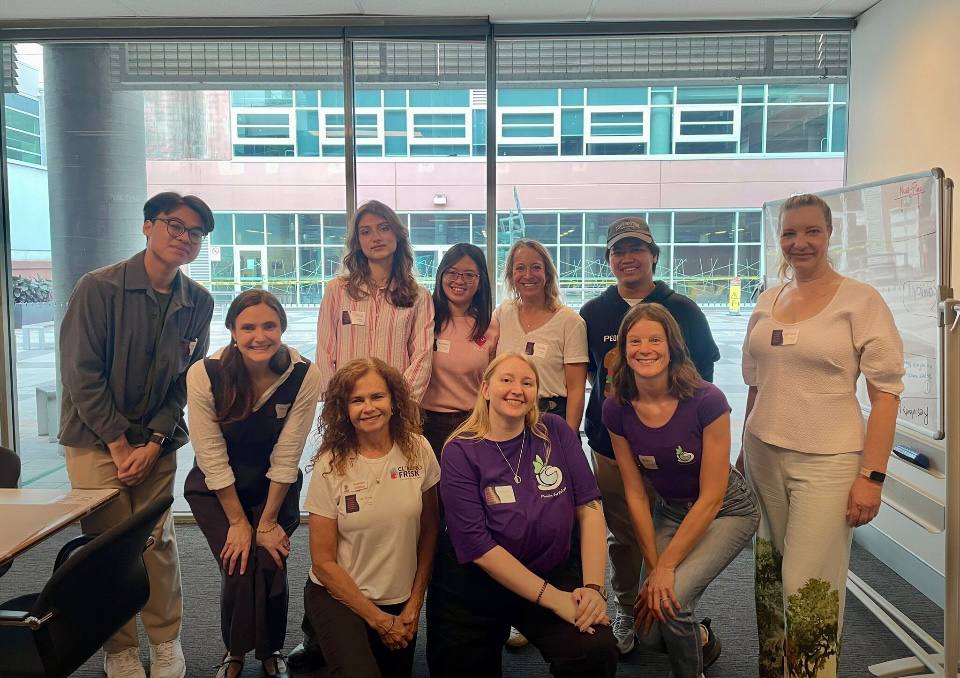
    Fort Street High School wanted to create a program that could be sustained for the long term. So, rather than relying solely on external facilitators, we trained eight teachers to co-lead the workshops. By taking this ‘train the trainer’ approach, we gave these teachers the knowledge, skills and confidence to run their future workshops autonomously, which they have been doing successfully for the last few years.

    Since 2025, teachers have taken on full facilitation and organisation of the workshops themselves. 

    Results & key impact

    The Climate Fresk workshops continue to be a key part of the school’s Sustainability Week with strong engagement from both teachers and students.

    We witness a high level of student engagement, showcasing a clear benefit in engaging and empowering teachers to lead the Climate Fresks as they already have a trusted relationship with the students.

    Carole Defago, Climate Fresk Program Lead at People For Nature

    Additional student feedback supported the success of this climate initiative:

    The final presentation of the projects, which the groups presented together in the school hall as a sort of trade fair, [involved] pitching each project to their peers, their teachers and to students from Years 7-9, who now eagerly anticipate their own opportunity to address the climate crisis in this program. The final “bazaar” was full of energy and enthusiasm, with student experts explaining patiently and passionately the urgent need to face the issues their product or system addressed.

    Impact beyond the school

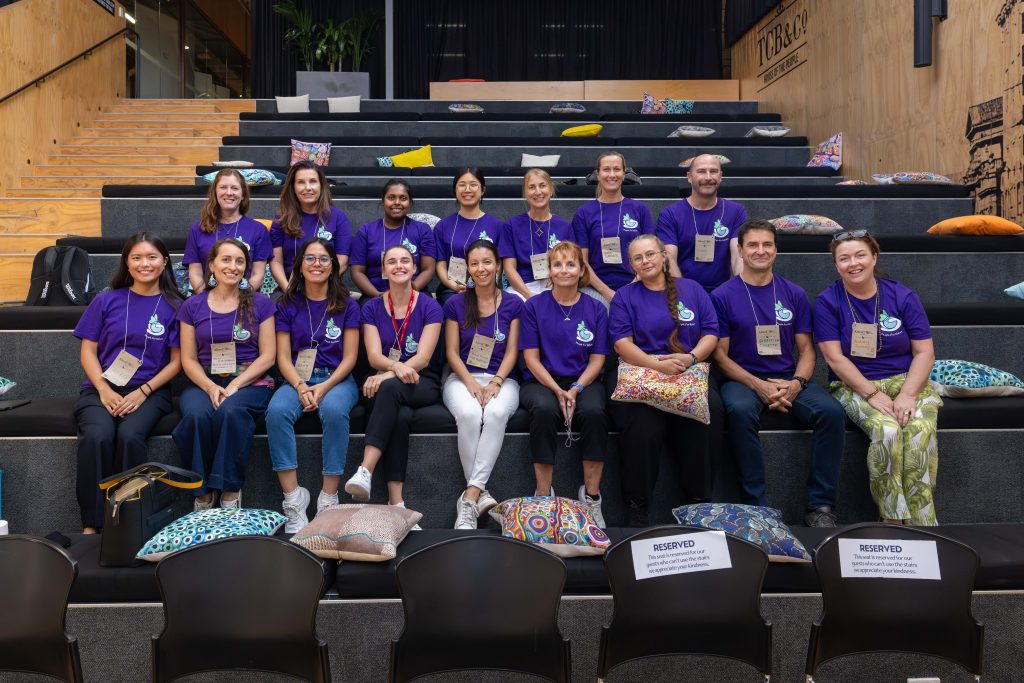
    We trained eight new Climate Fresk facilitators, building on our existing group of facilitators across Australia.

    Furthermore, this success story has inspired other schools to adopt a similar model:

    💚 Redlands school has implemented a full-day Year 9 program combining a Climate Fresk workshop and film screening.

    💚 The Jesuit schools network trained 8 teachers, with facilitation training scheduled for June 2025.

    Our long-term vision for climate literacy in schools

    Schools can play a pivotal role in fostering a generation of informed and engaged young leaders dedicated to combating climate change and promoting sustainable practices within their communities.

    By equipping teachers as facilitators, this model demonstrates how Climate Fresk can be scaled sustainably within education systems. It is our long-term ambition to see climate literacy and systems thinking embedded in the national curriculum. The Fort Street High School approach highlights the potential for educators to drive change within their schools, fostering a culture of climate action and student-led sustainability projects.

    📩 Let’s start the conversation.

    Contact us today if you are interested in developing a climate education initiative in your school! We’d love to chat.

    Together, we can drive positive change, one action at a time.

  • The biggest professional Climate Fresk workshop in Australia – Future Group

    The biggest professional Climate Fresk workshop in Australia – Future Group

    Power in numbers

    Over the past 150 years, the concentration of carbon dioxide (CO₂) in Earth’s atmosphere has increased from a relatively stable 280 parts per million (ppm) to a concerning 420 ppm today. 420 ppm is not just a number – it is a key driver behind climate change, leading to devastating environmental consequences that impact everything from ecosystems to weather patterns to economies. The urgency to act has never been clearer. However, in the face of such a monumental challenge, the path forward is not one of isolated efforts but of collective action – of recognising the power in numbers.

    This was the core message behind the Climate Fresk workshop organised by Future Group during its annual EOFY summit in Australia.

    The workshop brought together over 120 employees from across the company – it was the biggest professional Climate Fresk in Australia.

    Futureproofing a Movement

    Future Group (Future Super, SmartMonday, Guild Super, Child Care Super and Verve Super) is on a mission to lead the movement to use the power of money to invest, advocate and campaign for a future worth retiring into.  The company has proven that purpose-led super can shake up an industry, shift narratives, and build power.

    The summit was designed to challenge employees to think about Futureproofing Our Movement – it was about defining scaling impact, not just in terms of size, but in terms of influence, strategy, and collective movement-building.

    In the opening remarks, Future Group emphasised the need to create systemic change. But achieving that requires more than just corporate commitment; it requires a rallying of voices, talents, and capital to drive real progress. Power in Numbers is an acknowledgment that collective efforts, combined with clear and consistent action, have the potential to make the next decade of climate action even bolder.

    The Power of Education

    The Climate Fresk workshop is a fun, educational experience that aims to help participants understand the complexities of climate change and its wide-ranging impacts. It is based on climate science and focuses on how various human activities and natural systems are interconnected in driving global warming.

    By educating employees about the science behind climate change and the systemic changes needed, the Future Group took a critical step in ensuring that each person within the organisation understands and actively supports the company’s values and mission.

    This is crucial in a time where the complexities of climate change can feel daunting. Understanding the issue at a deeper level empowers individuals to take actionable steps—whether it’s reducing personal carbon footprints, advocating for more sustainable business practices, or contributing to larger community efforts. To take action and build solutions, we first need to understand the problem. Companies embedding climate education into the workplace are doing more than raising awareness—they’re cultivating a culture of action, where every employee is empowered to be a change-maker.

    Collective Action Drives Change

    Each employee brings something unique to the table—whether it’s expertise in finance, marketing, technology, human resources or other. Power in Numbers means harnessing these diverse skills and perspectives to advance a shared mission. It also means harnessing collective financial strength to shift markets, accelerate climate solutions, and drive systemic change. The result is a company that doesn’t just talk about sustainability but actively integrates it into every aspect of its operations and culture.

    A Call to Action for Companies

    Companies must actively educate their employees, align their mission with sustainable practices, and create an environment where collective action is the driving force behind change.

    Integrating climate education into corporate culture is not just an ethical imperative – it’s a strategic one. The world is watching as businesses face increasing pressure from consumers, regulators, and stakeholders to address climate change. The companies that will thrive in the future are those that foster a culture of innovation and leadership, and scale their impact by leveraging the power of workforce and the power of consumers. It’s about creating a ripple effect that extends far beyond the walls of any single organisation. By aligning our voices, our capital, and our mission, we become more than just a group of individuals- we become a force for change, one that can help transform the world in ways we’ve yet to imagine.

    The next decade is crucial. It’s a time when decisive action must be taken to reduce global emissions from greenhouse gasses. And as Future Group’s summit and Climate Fresk workshop showed, the power to drive that change lies in our collective hands.

    People For Nature empowers your people to create positive change for nature

    As businesses face the growing urgency of climate and biodiversity challenges, we believe your organisation has the potential to lead the way in creating meaningful change. 

    Sustainability isn’t just a responsibility — it’s an opportunity. Forward-thinking businesses are already taking the lead, strengthening their brands, reducing costs, and future-proofing their operations.

    If you want to equip your team with the knowledge and confidence to make a difference, we’re here to help!

    📩 Let’s start the conversation.

    Contact us today to organise a Climate Fresk, Biodiversity Collage or Circular Economy Collage workshop for your team.

    Together, we can drive positive change, one action at a time.

    This article was originally published on LinkedIn by Climate Fresk Australia.

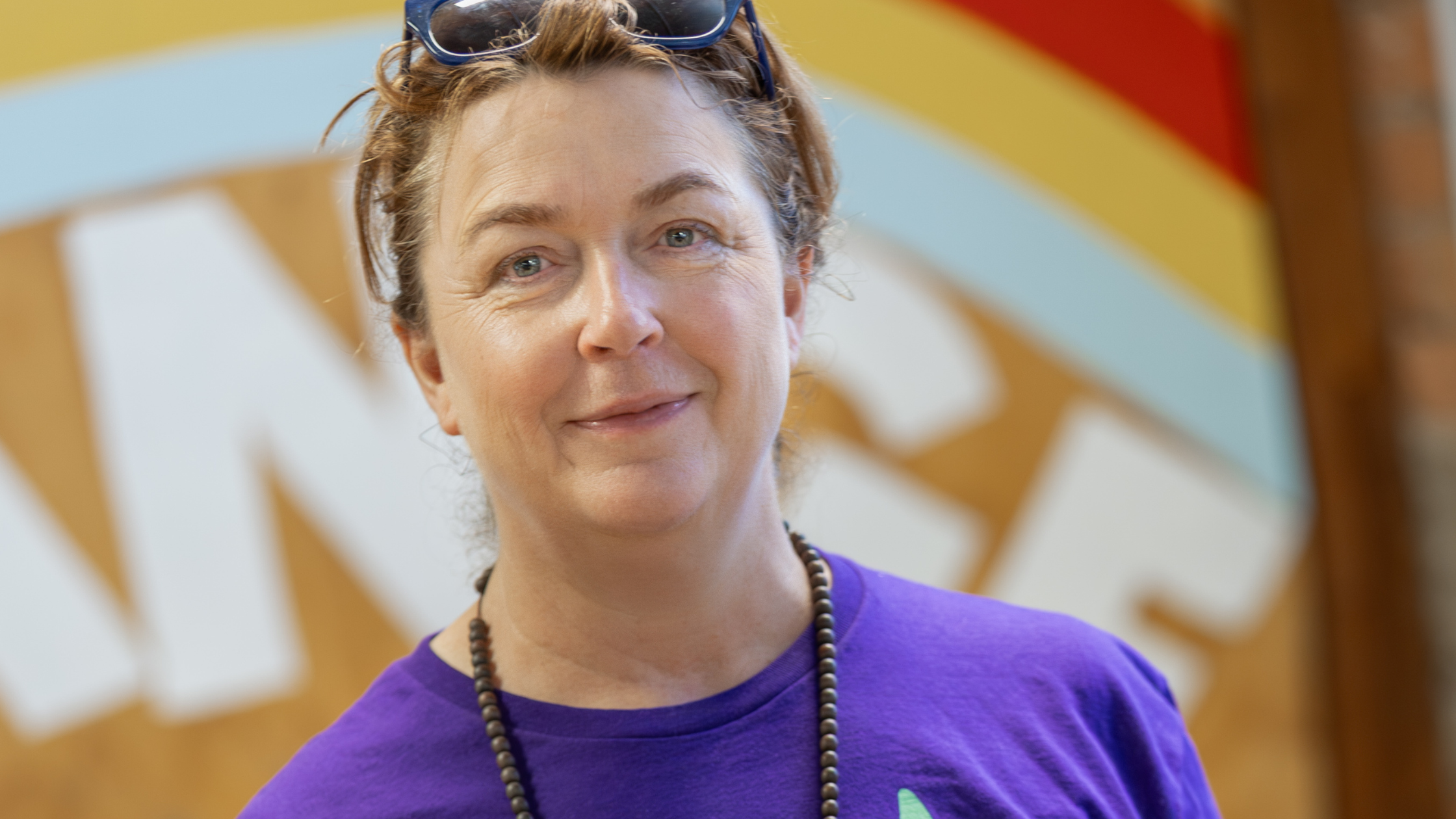
  • Meet our ambassador: Sarah Woolmington

    Meet our ambassador: Sarah Woolmington

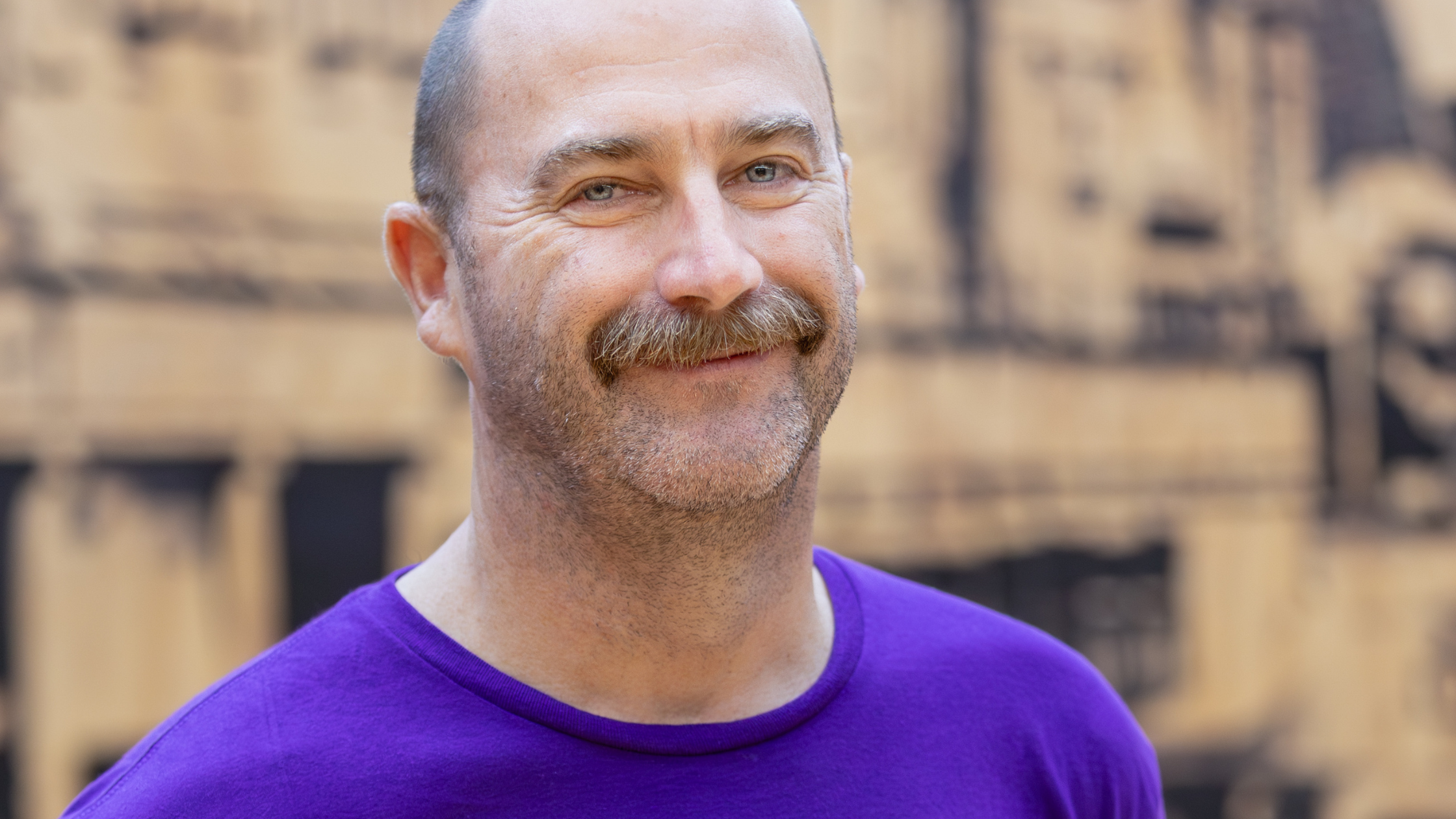
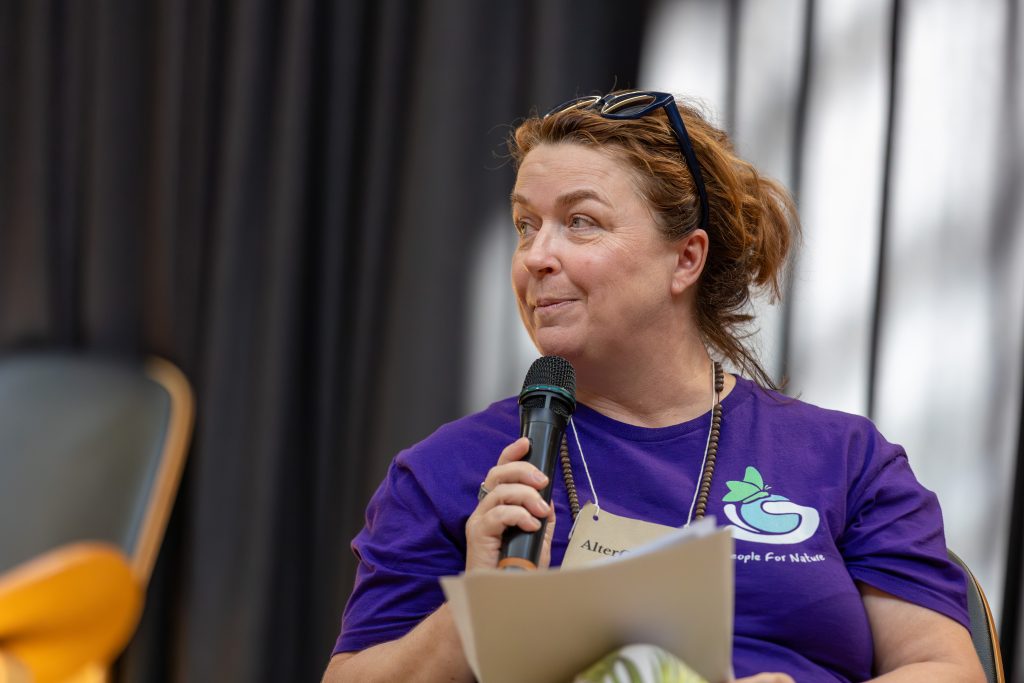
    Sarah Woolmington is a seasoned sustainability engagement leader and founder of Impact Dragonfly, a consultancy dedicated to helping organisations embed sustainability into culture, strategy and everyday practice. With more than 25 years of experience in coaching, facilitation and training, Sarah specialises in inspiring behaviour change that empowers teams across business, government, not‑for‑profit and education sectors to embrace sustainability with clarity and purpose.

    As a facilitator for Climate Fresk, Biodiversity Collage and Circular Economy Collage , Sarah brings systems thinking and creativity to complex topics, enabling diverse audiences to connect insights with action. She also appears as a speaker and judge at events focused on sustainable innovation and community transformation, contributing her expertise to conversations that bridge strategy, behaviour and real‑world outcomes.

    At People For Nature, Sarah champions community‑centred engagement and practical learning, reinforcing our organisation’s mission to empower individuals and teams to act with confidence in the face of climate and biodiversity challenges.

  • Embedding Climate Literacy in Banking

    Embedding Climate Literacy in Banking

    The Bank Australia Approach

    Bank Australia is a customer-owned bank with a strong commitment to social and environmental impact. With 70% of its customers prioritizing climate action, the bank is committed to aligning its operations with a sustainable future. As part of its broader purpose, the organisation has been actively integrating climate and biodiversity considerations into its operations, strategy, and decision-making.

    To empower its people to navigate the complexities of climate change, and to embed climate awareness into the bank’s culture, Bank Australia has engaged in climate literacy and systems thinking initiatives that help employees better understand the links between finance, nature, and long-term risk.

    Through interactive learning experiences, staff are encouraged to explore how climate science connects to their roles and how their decisions can contribute to more sustainable outcomes. 

    “I recently had the opportunity to attend the Climate Fresk workshop at our Bank Australia Collingwood head office moderated by Bruce M. from People For Nature, and it was a really good reminder of just how imminent and interconnected the impacts of climate change are.

    The session breaks down complex climate science in a clear, practical way and helps put the bigger picture into perspective. It resets and prompts you to keep climate awareness still at the front of mind and not lose it in the noise around.

    What I appreciated most was how the conversation stayed grounded and it wasn’t overwhelming, instead, it was a chance to pause, reflect, and rethink how our everyday choices and work connect to broader climate outcomes

    It also aligned nicely with Bank Australia’s Climate Action Strategy focus, encouraging shared responsibility and practical thinking rather than grand gestures.

    Also, a small fun fact I learned along the way: “Fresk” is an English adaptation of the French word “fresque”, meaning a fresco or mural which feels fitting, as the session is all about stepping back and seeing the whole picture.”

    Minisha Reddy, Impact Lending Support Consultant at Bank Australia.

    By investing in climate education, Bank Australia is strengthening internal awareness, aligning its workforce with its values, and building the capability needed to support Australia’s transition to a low-carbon, nature-positive economy.

    This approach reflects a growing recognition that informed employees are key to driving meaningful, organisation-wide change. It also positions Bank Australia as a leader in sustainable finance, earning recognition from customers for its authentic commitment to climate action.

    Photos credit: Minisha Reddy, Bank Australia.

    📩 Let’s start the conversation.

    Contact us today to organise a Climate Fresk, Biodiversity Collage or Circular Economy Collage workshop for your team.

    Together, we can drive positive change, one action at a time.

    This article was originally published on LinkedIn by Climate Fresk Australia.

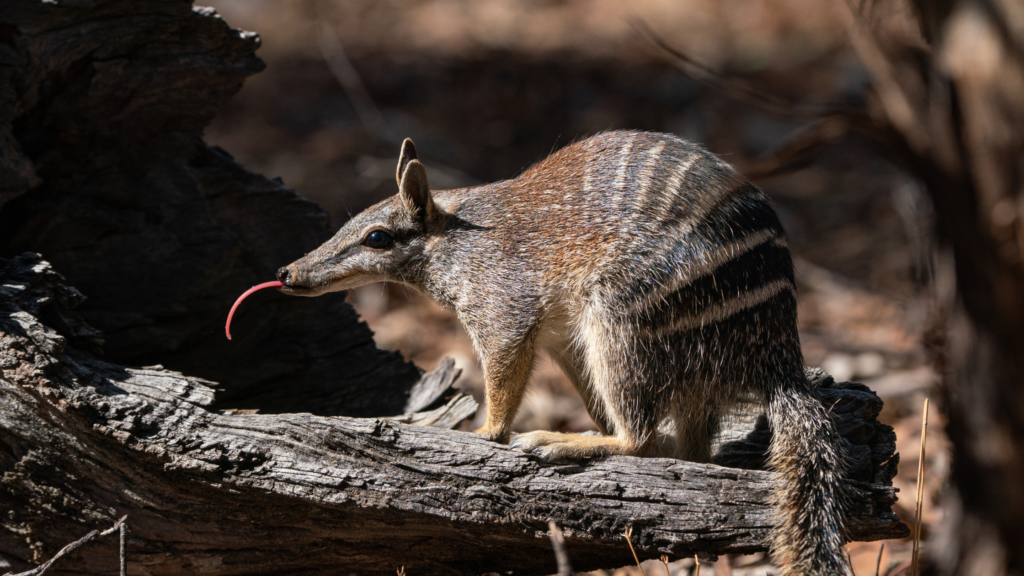
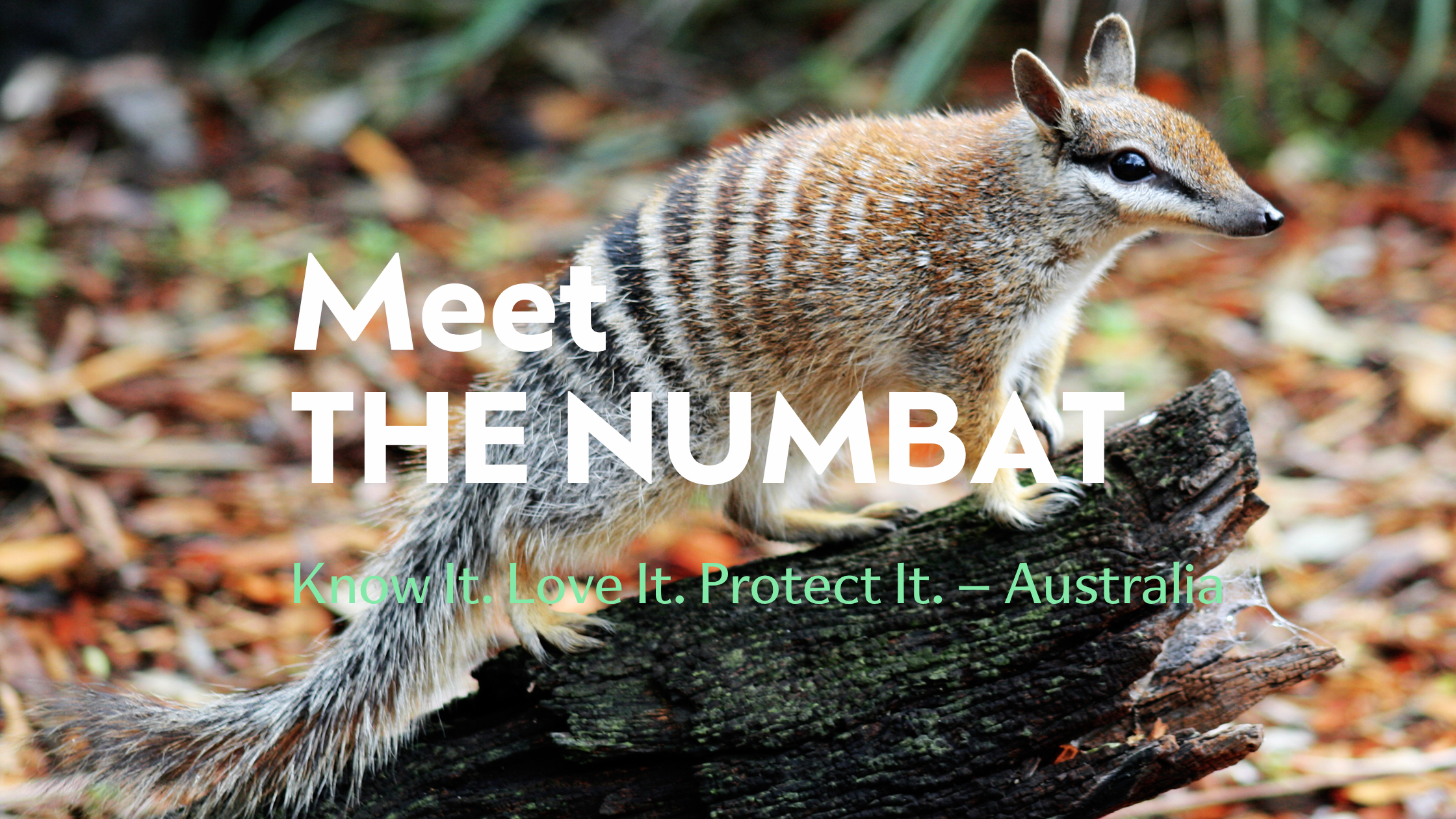
  • Meet the Fairy Wren (Malurus splendens)

    Meet the Fairy Wren (Malurus splendens)

    Small in size but bursting with colour and personality, the Fairy Wren is one of Australia’s most beloved native birds, known for its brilliant blue feathers and energetic behaviour.

    Found across open forests and scrublands, these tiny birds are a familiar sight as they hop through dense vegetation in search of insects and shelter.

    They are a reminder that some of Australia’s most captivating wildlife can be found in our own backyards.

    Why it matters

    Fairy Wrens play an important role in Australia’s ecosystems.

    🪲 They feed on insects and other small invertebrates, helping maintain ecological balance

    🌿 They rely on dense native vegetation, highlighting the importance of healthy understorey habitats

    🕊️ They contribute to the rich diversity of birdlife that makes Australia’s landscapes so unique

    🌏 Their presence can indicate the health and connectivity of native habitats

    Although small, Fairy Wrens are an important part of the intricate web of life that supports healthy ecosystems.

    Fun facts

    🤓 Male Fairy Wrens develop striking bright blue plumage during the breeding season

    🤓 They live in cooperative social groups and are often seen foraging together

    🤓 Their songs are surprisingly complex and play an important role in communication

    🤓 Despite their delicate appearance, Fairy Wrens are active and highly adaptable birds

    The Fairy Wren reminds us that biodiversity is often found in the small and familiar species we encounter every day.

    A deeper reflection

    These birds depend on dense native vegetation for protection from predators and access to food, making them particularly sensitive to changes in habitat quality.

    As urban development, habitat fragmentation and introduced predators continue to alter Australia’s landscapes, creating and protecting suitable habitat becomes increasingly important.

    In a country with more than 600,000 native species, many found nowhere else on Earth, the Fairy Wren is a reminder that conserving biodiversity begins with caring for the everyday places where nature persists.

    How we manage our gardens, parks and native vegetation can have a meaningful impact on the future of these delightful birds.

    From Wonder to Action

    Learn & understand

    Explore how biodiversity, climate, and land systems are deeply connected through our workshops with People For Nature.

    Create your Nature Oasis

    Plant native species to restore habitat and support the insects, birds, and wildlife that depend on them.

    Join citizen science

    Record native species around you on iNaturalist and contribute to real conservation data.

    (Special thanks to Simon Andrews, Ambassador for People For Nature, for helping shape this story)


    References:
  • Meet our ambassador: Andres De Saavedra

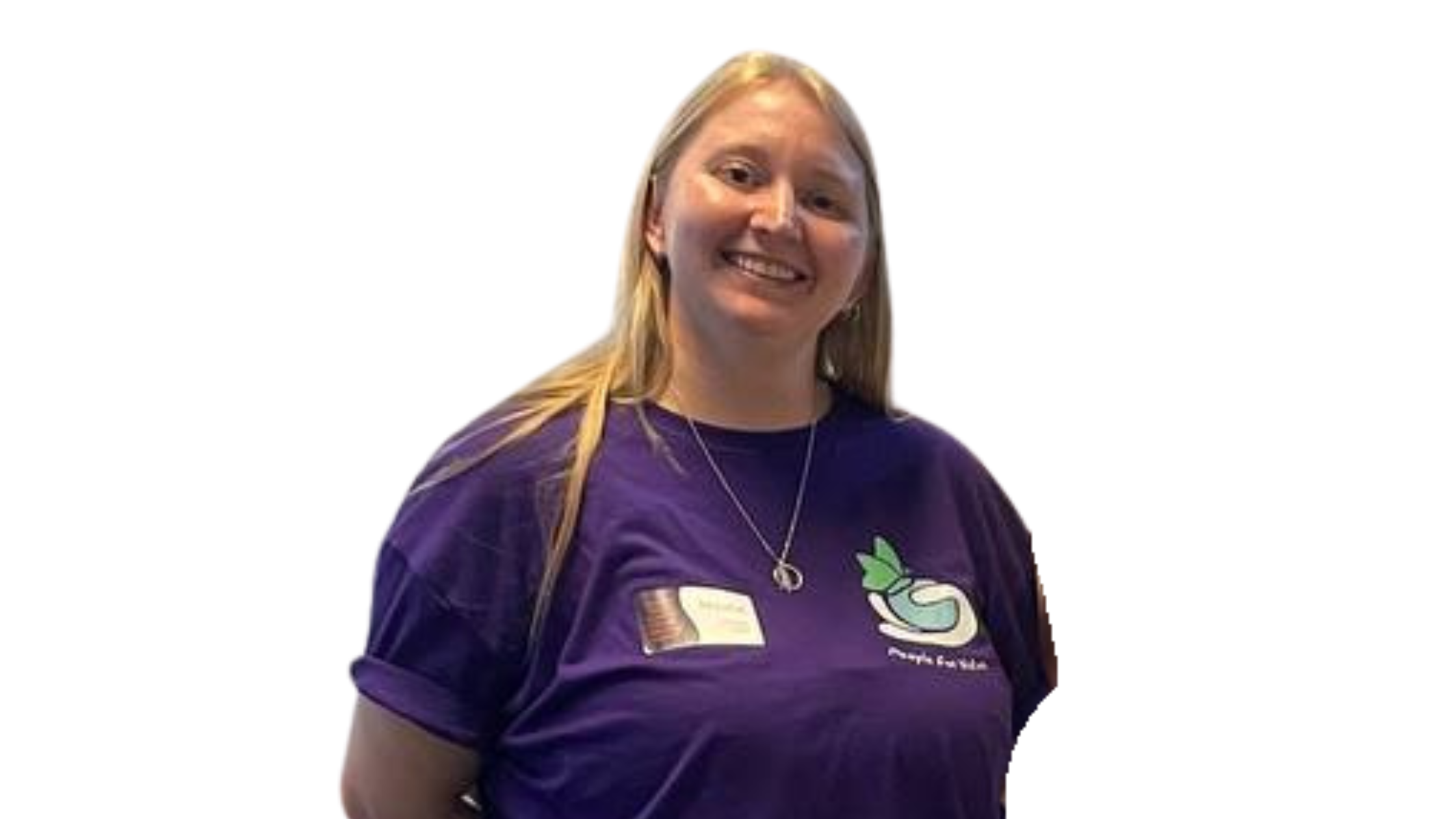
    Meet our ambassador: Andres De Saavedra

    With expertise in digital systems, machine learning, and impact dashboards, Andres develops websites, apps, and digital assets that enhance community engagement and measure conservation outcomes.

    Currently focused on applied analytics, machine learning, and AI, he empowers People For Nature to leverage technology, brand, and data for impact.

  • Meet our ambassador: Peter Netherclift

    Meet our ambassador: Peter Netherclift

    Climate Fresk Facilitator

    Peter Netherclift is a civil engineer with over 20 years of experience delivering infrastructure projects across Australia, the United Kingdom, and the Caribbean. His work spans multiple sectors—including mining, rail, airports, water, and building engineering—bringing deep expertise in planning, feasibility studies, and project delivery across complex environments.

    Alongside his engineering career, Peter has cultivated a strong interest in sustainable living and regenerative practices. He has completed training in natural building, permaculture, and holds a Diploma of Sustainable Living from the University of Tasmania.

    As an Ambassador for People for Nature, Peter brings a practical, solutions-focused perspective and a passion for integrating sustainable approaches into how we design, build, and live.

    Connect with Peter on LinkedIn

  • Meet our Ambassador: Anne-Laure Chapuis

    Meet our Ambassador: Anne-Laure Chapuis

    Climate Literacy Facilitator

    Anne-Laure has a background in corporate sustainability and now works in the public sector.

    She is passionate about the role businesses and communities can play in the transition to net zero, with a strong interest in reducing emissions across agriculture and food supply chains.

    She enjoys facilitating Climate Fresk, 2 Tonnes, and Biodiversity Collage workshops.  

    Connect with Anne-Laure on LinkedIn.