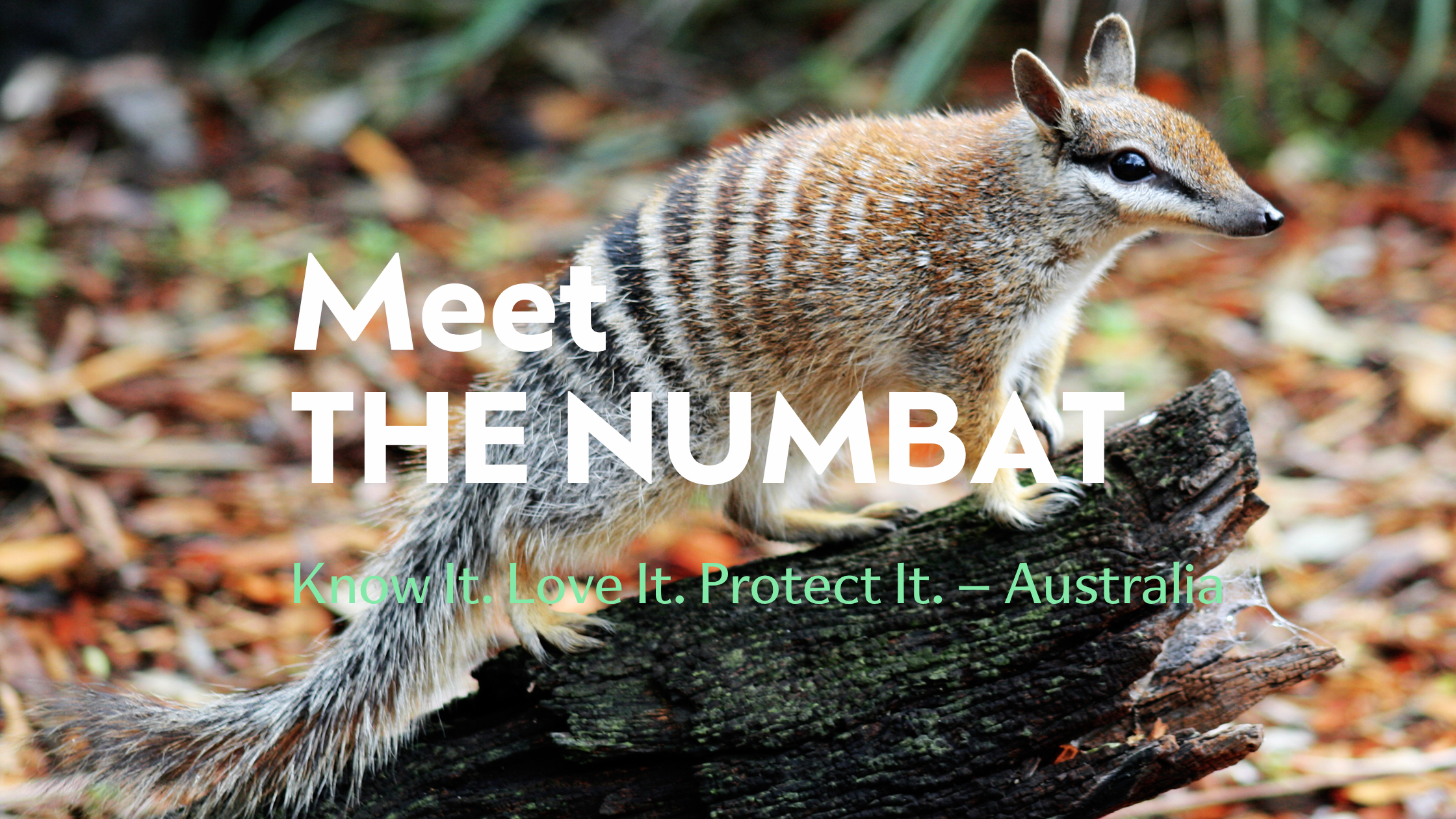
One of Australia’s most distinctive marsupials, the Numbat is a small, striped mammal that has become a symbol of resilience and conservation success.
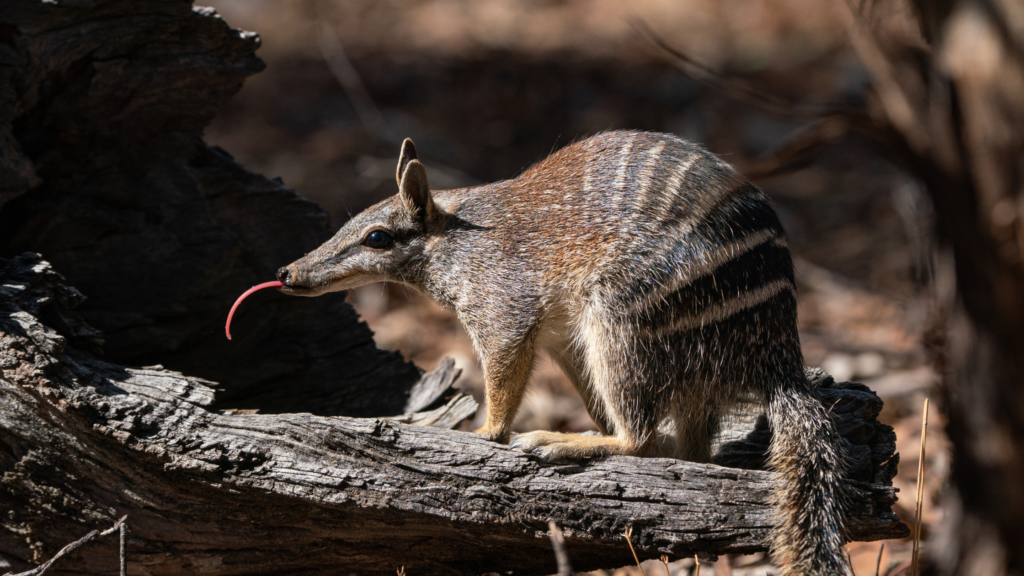
Found in pockets of native woodland and forest, this remarkable species is perfectly adapted to life as a termite specialist, using its long, sticky tongue and sharp claws to hunt its favourite food.
It is a reminder that some of Australia’s most extraordinary wildlife can also be among its most vulnerable.
Why it matters
The Numbat plays an important role in Australia’s ecosystems.
🪱 It helps regulate termite populations by feeding almost exclusively on termites
🌳 It forms part of the complex food webs that support healthy woodland ecosystems
🌏 Its presence highlights the importance of protecting native habitats and ecological connections
🌿 Its recovery efforts have become a symbol of broader conservation initiatives across Australia
Although small in size, the Numbat demonstrates how every species contributes to the balance and health of natural systems.
Fun facts
🤓 Numbats have a diet that consists almost entirely of termites
🤓 They can consume up to 20,000 termites in a single day
🤓 They are largely solitary animals and spend much of their time sheltering in hollow logs and burrows
🤓 Their long, sticky tongue is specially adapted to extracting termites from their nests
A deeper reflection
The Numbat challenges the assumption that Australia’s iconic wildlife is secure.
Once widespread across southern Australia, the species has experienced significant declines due to habitat loss, land clearing and predation by introduced species.
Its story highlights both the fragility of native ecosystems and the importance of targeted conservation efforts.
In a country with more than 600,000 native species, many found nowhere else on Earth, the Numbat reminds us that protecting biodiversity requires safeguarding the habitats and ecological relationships that allow species to survive.
How we manage our landscapes, support conservation programs and share space with wildlife will shape the future of this remarkable marsupial and the ecosystems it calls home.
From Wonder to Action
Learn & understand
Explore how biodiversity, climate, and land systems are deeply connected through our workshops with People For Nature.
Create your Nature Oasis
Plant native species to restore habitat and support the insects, birds, and wildlife that depend on them.
(Special thanks to Simon Andrews, Ambassador for People For Nature, for helping shape this story)
References:
Leave a Reply