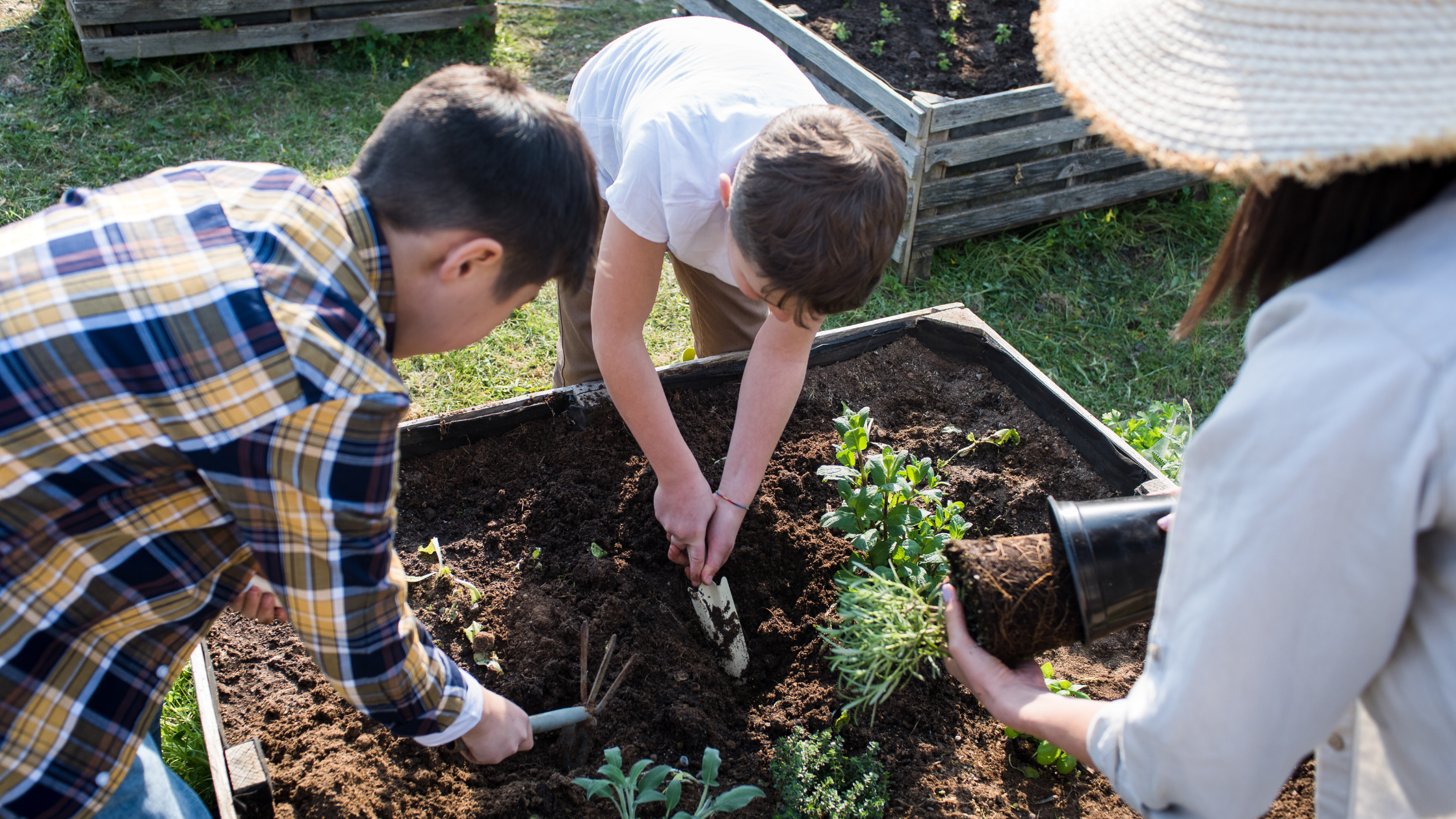
Discover playful, powerful ways to nurture eco-conscious kids using tools like Climate Fresk Kids, Nature Oasis, and everyday nature-inspired learning at home.
In a world where climate headlines and ecological tipping points can feel overwhelming, many parents and carers are asking:
“What can I do to help my child grow up with hope, empathy, and a strong sense of responsibility for our planet?”
The answer starts close to home — in our kitchens, gardens, conversations, and storytimes.
Sustainability begins with everyday choices, and teaching it doesn’t require a textbook. It’s a way of life that can be modelled, explored, and celebrated through curiosity and connection.
Why Start at Home?
Children learn not just by being told, but by doing, seeing, and feeling.
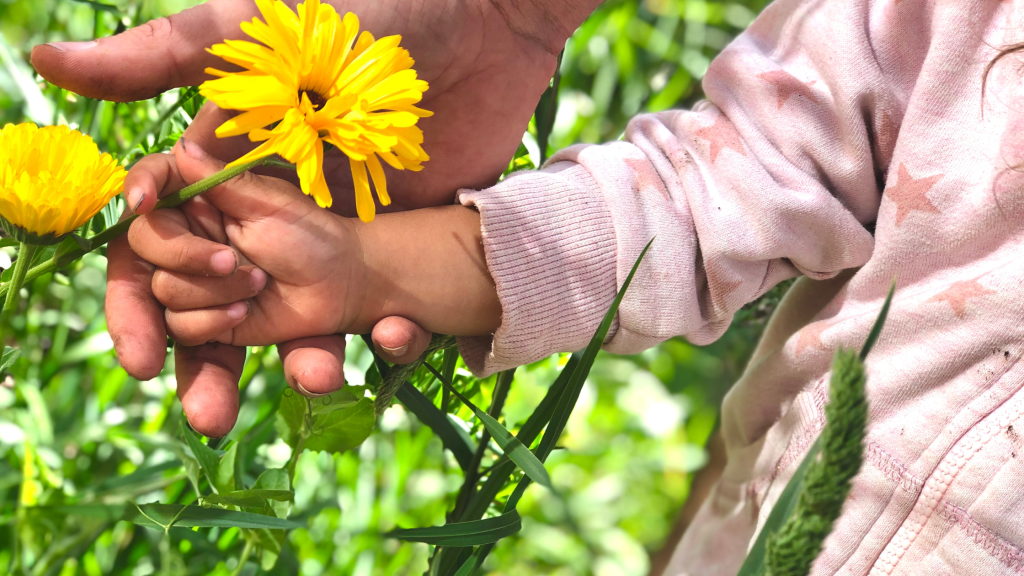
Home is where values are planted and nurtured. By weaving sustainability into your daily life — through nature play, storytelling, or small rituals — you empower your child to grow into a thoughtful, eco-conscious human who understands their place in a living, breathing system.
1. Make Big Ideas Playful: Try Climate Fresk Kids
We often underestimate just how much children can grasp — especially when we invite them in through play.
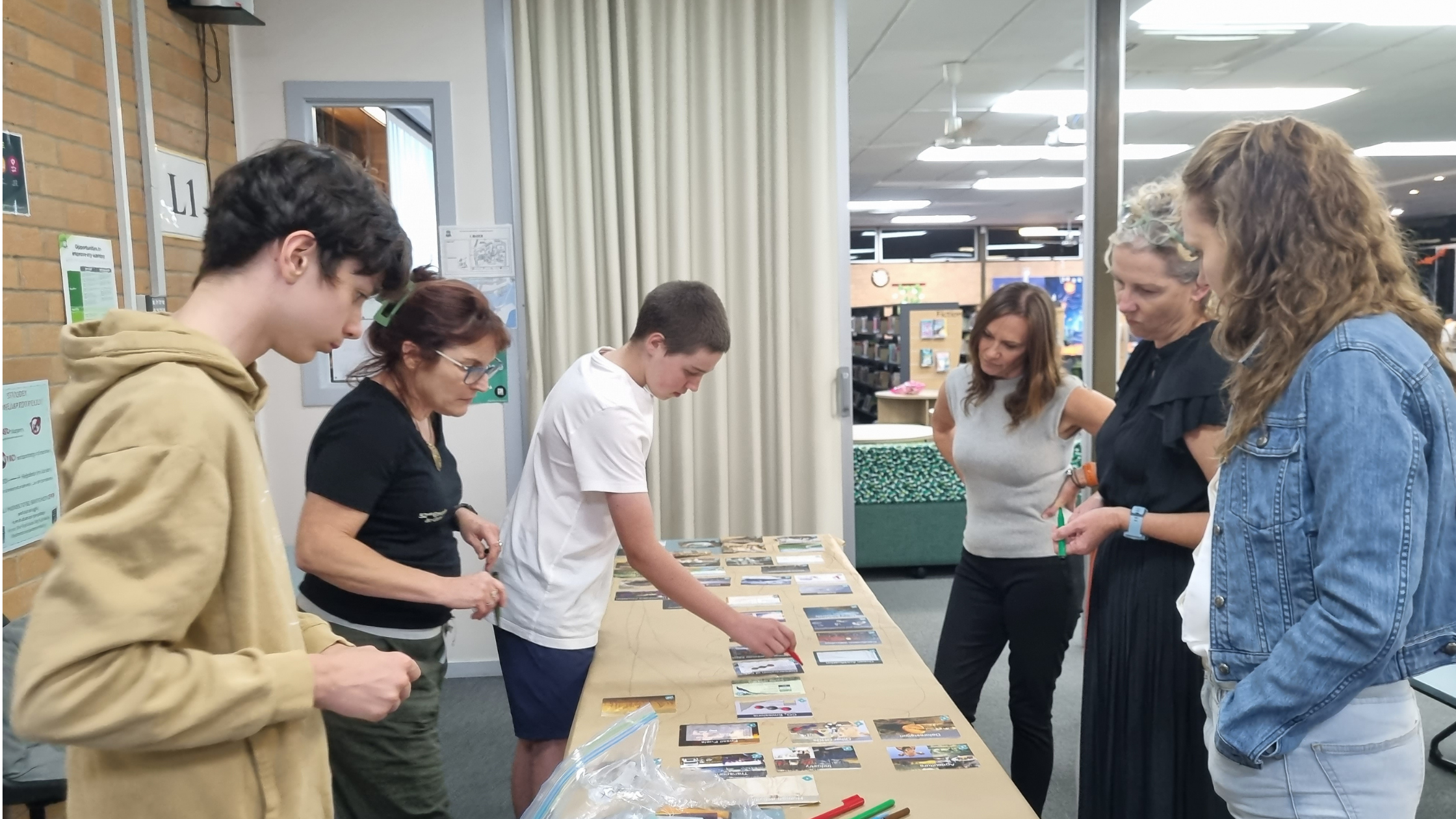
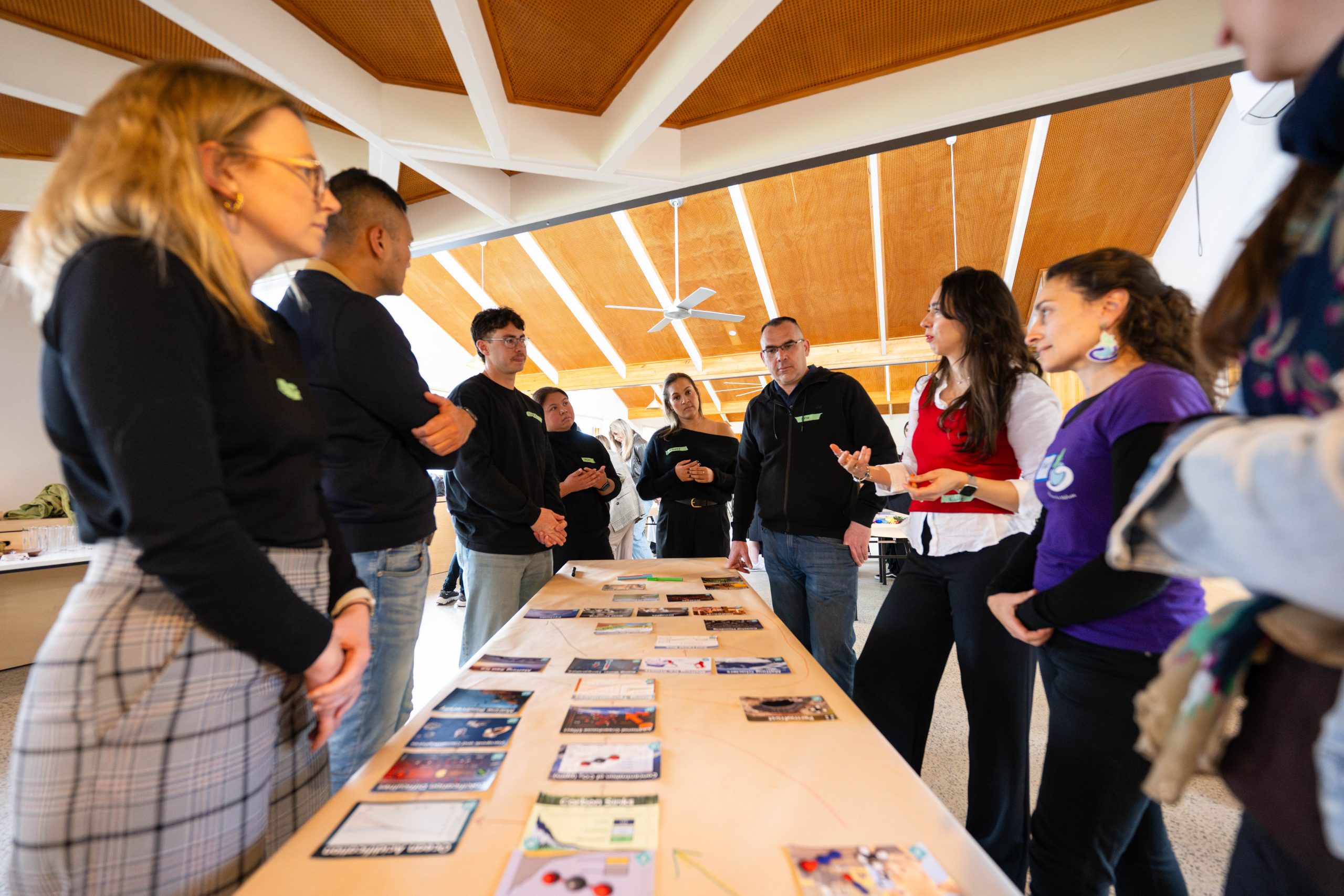
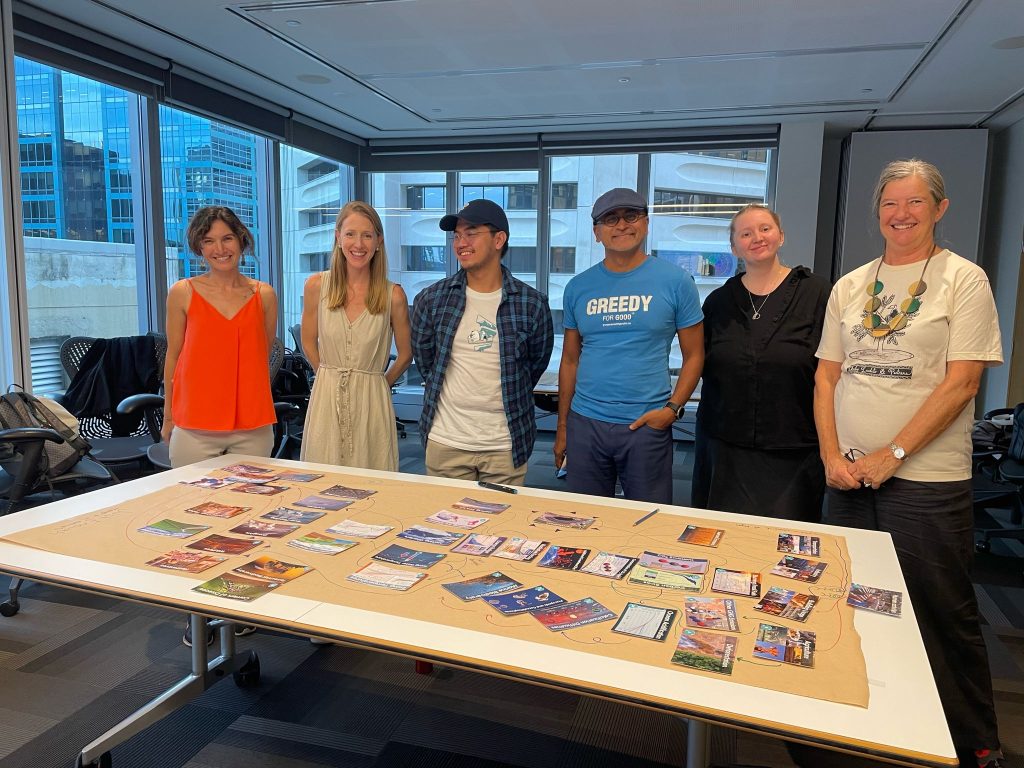
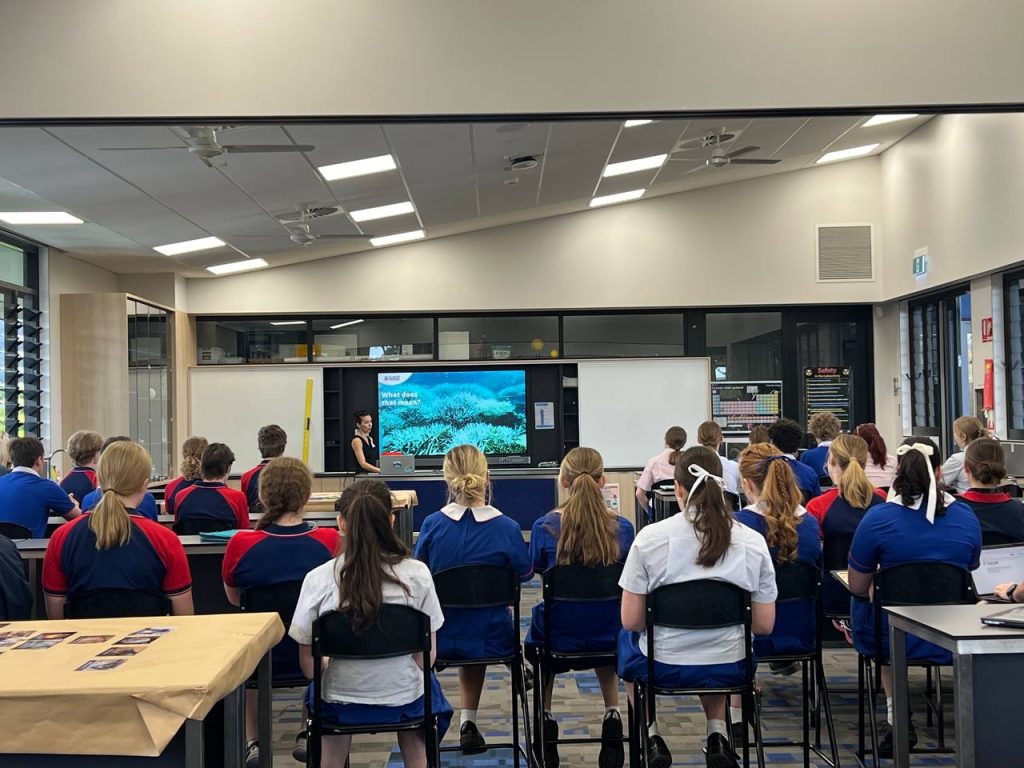
Climate Fresk Kids is a hands-on workshop that helps young people understand the basics of climate science in an engaging, age-appropriate way. Using images, stories, and systems thinking, it connects the dots between human actions and environmental consequences — without creating fear.
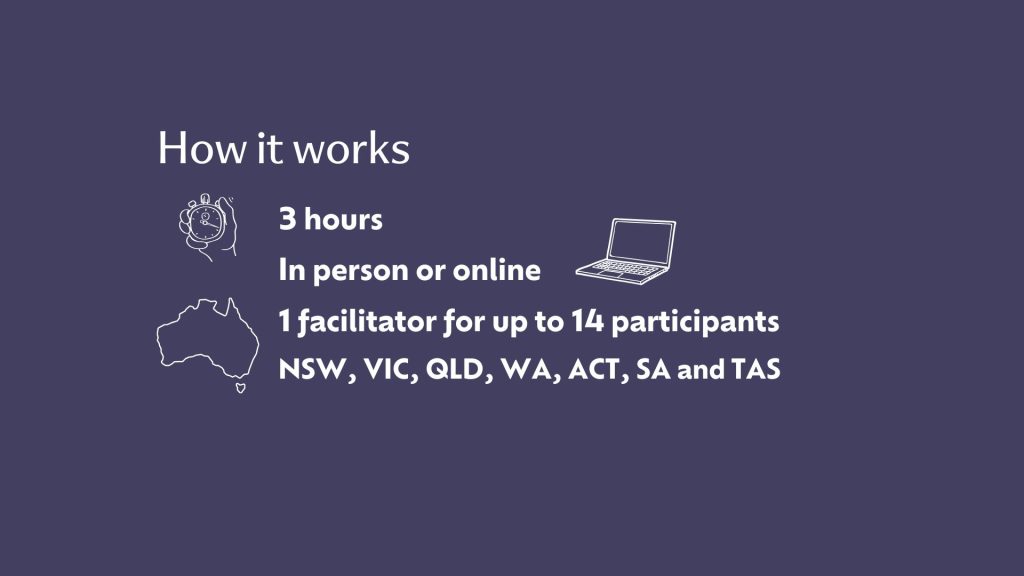
🌿 Find a Workshop Near You — and Become a Facilitator: https://events.humanitix.com/host/people-for-nature
Alternatively, put us in touch with your child’s school — we offer engaging climate and biodiversity workshops in schools across Australia: info@blog.peoplefornature.org.au
2. Create a Wild Welcome: Build a Nature Oasis
Not every family has access to a forest or farm — but we can all bring a little wildness into our homes.
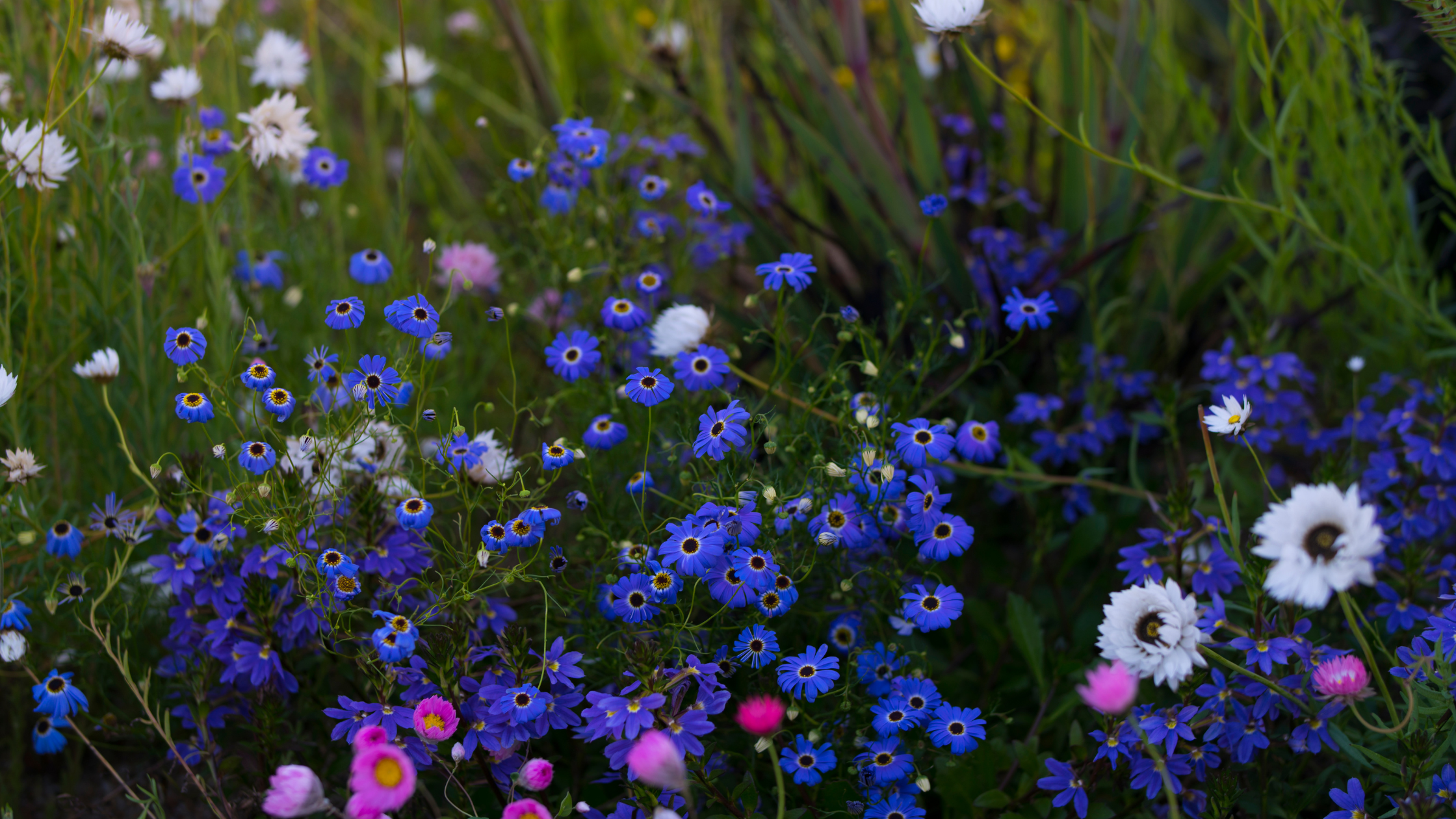
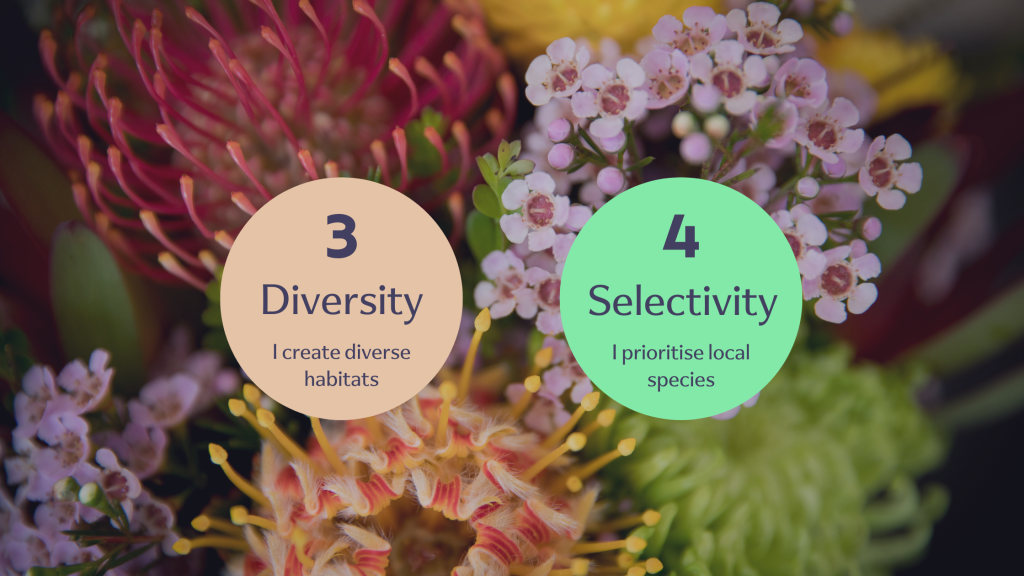
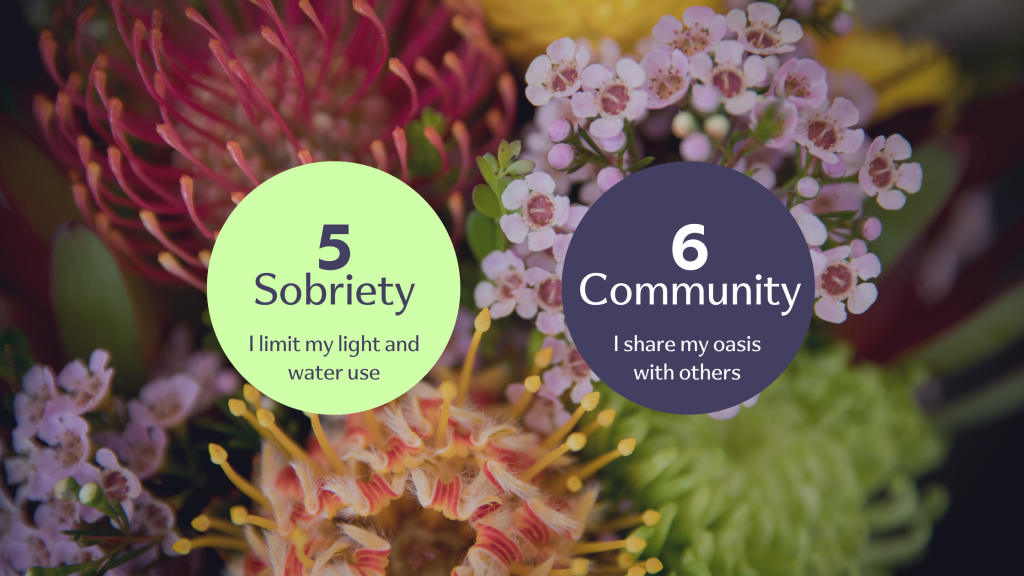
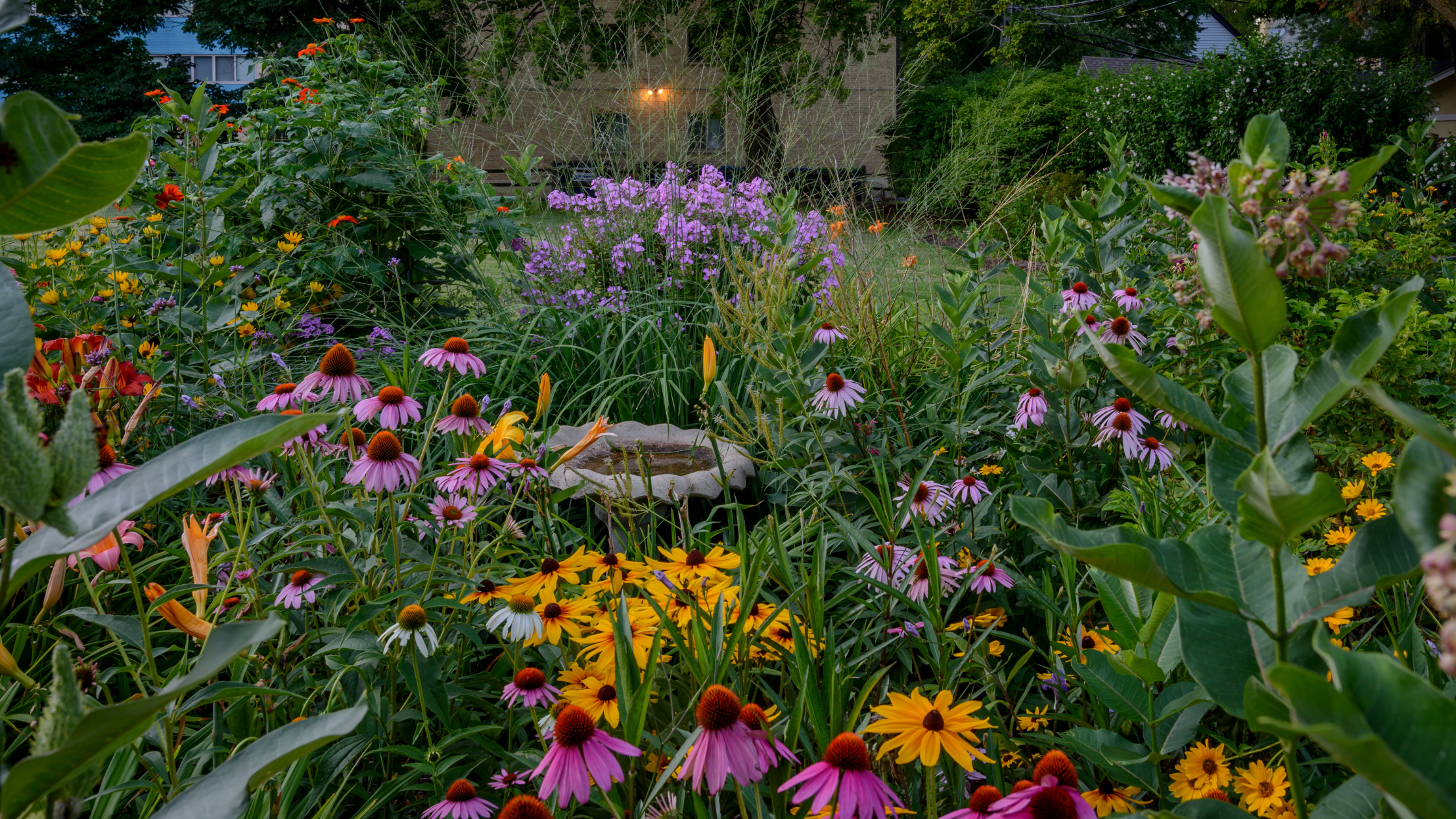
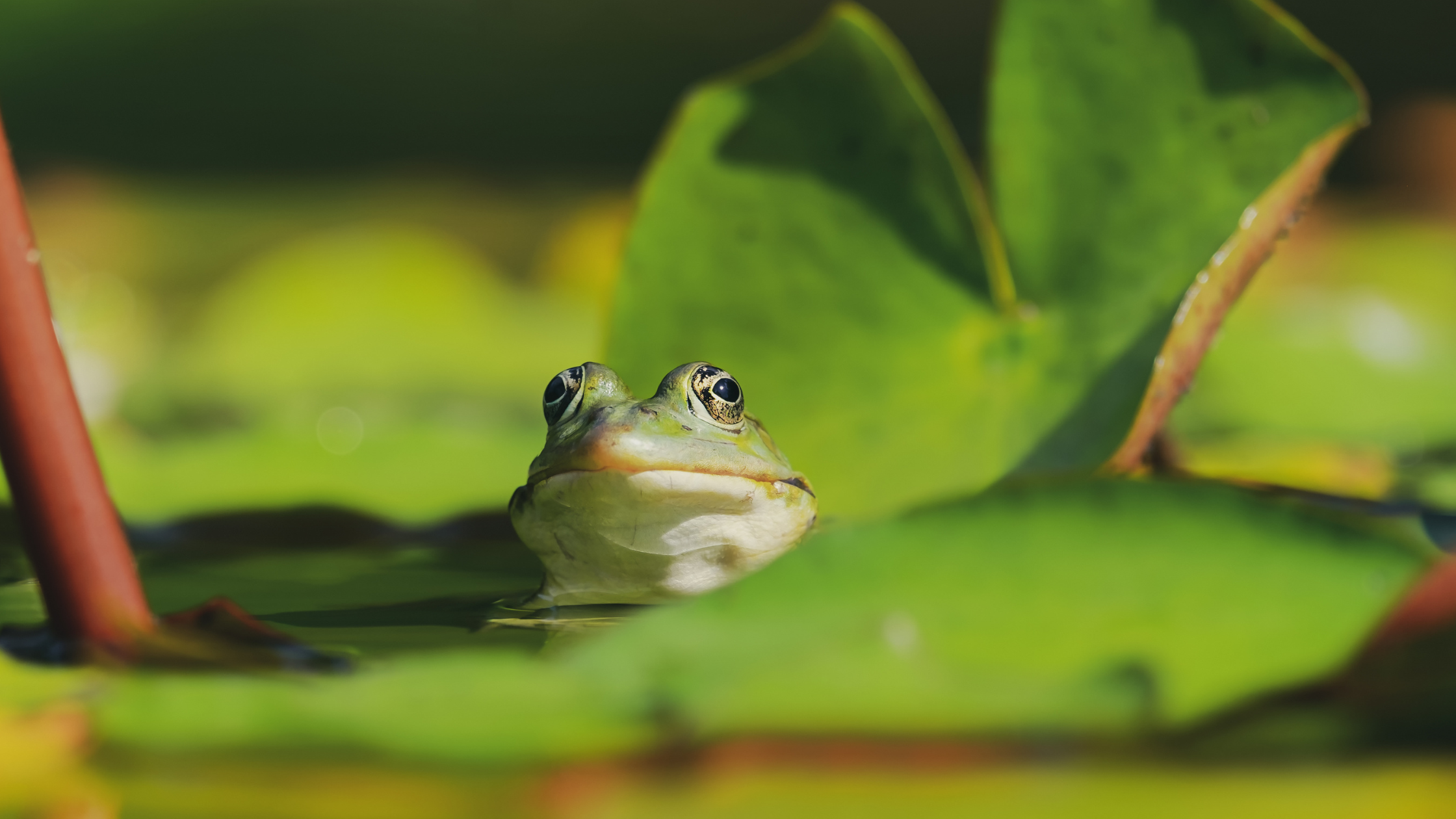
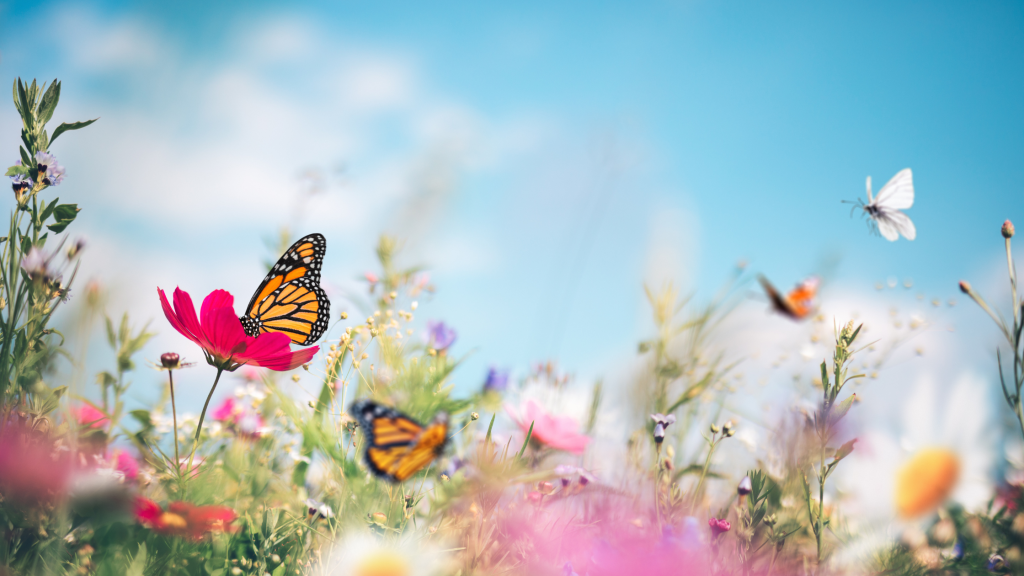
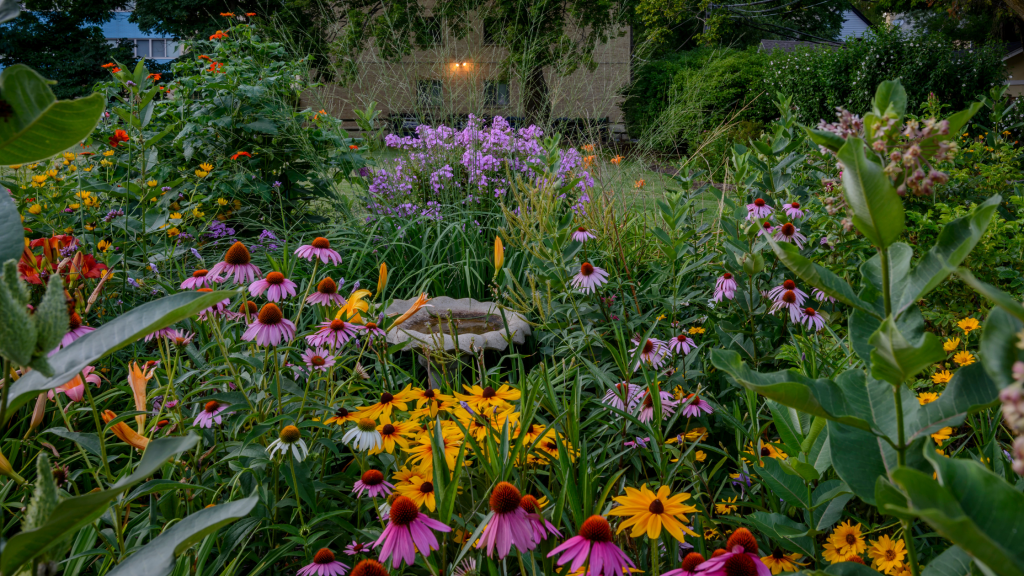
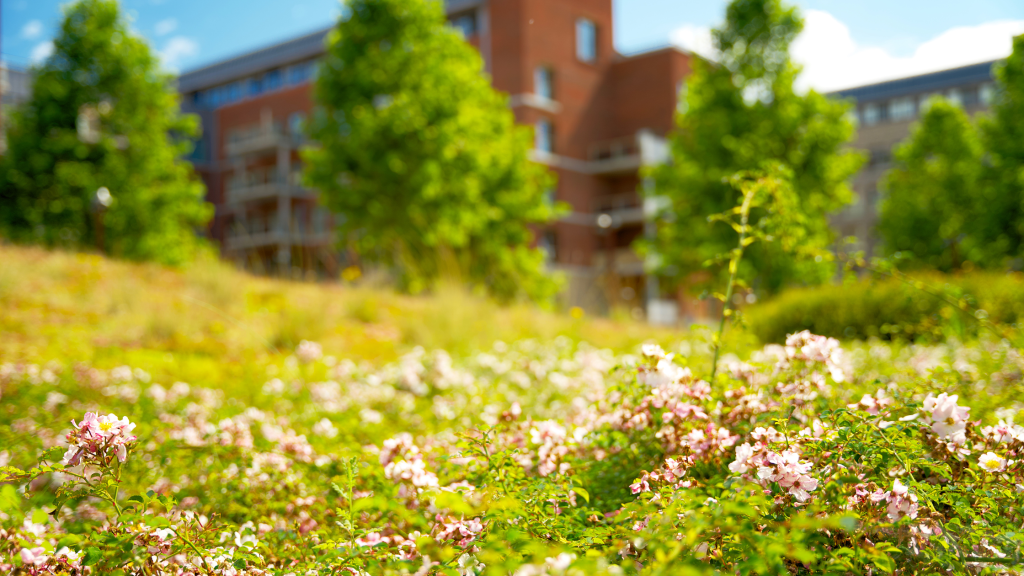
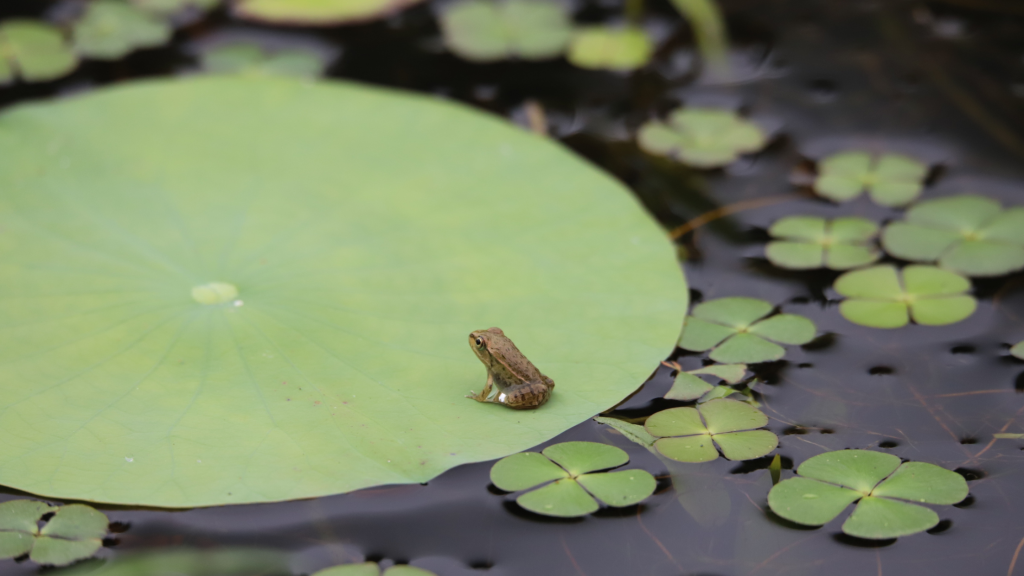
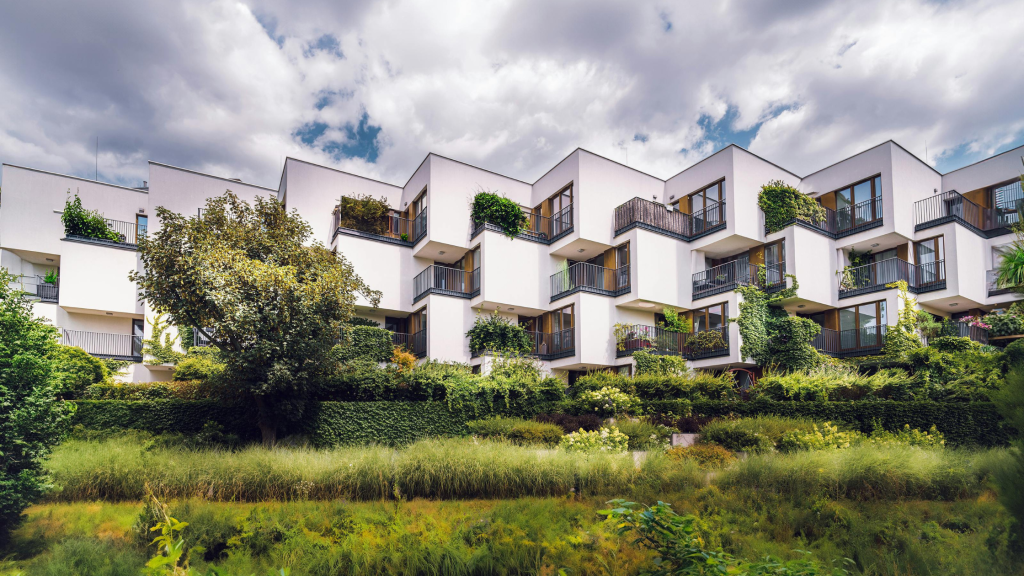
A Nature Oasis is any space — a balcony, garden bed, windowsill, or schoolyard — designed to invite biodiversity. Think native plants, insect hotels, butterfly-friendly flowers, or a frog-friendly corner.
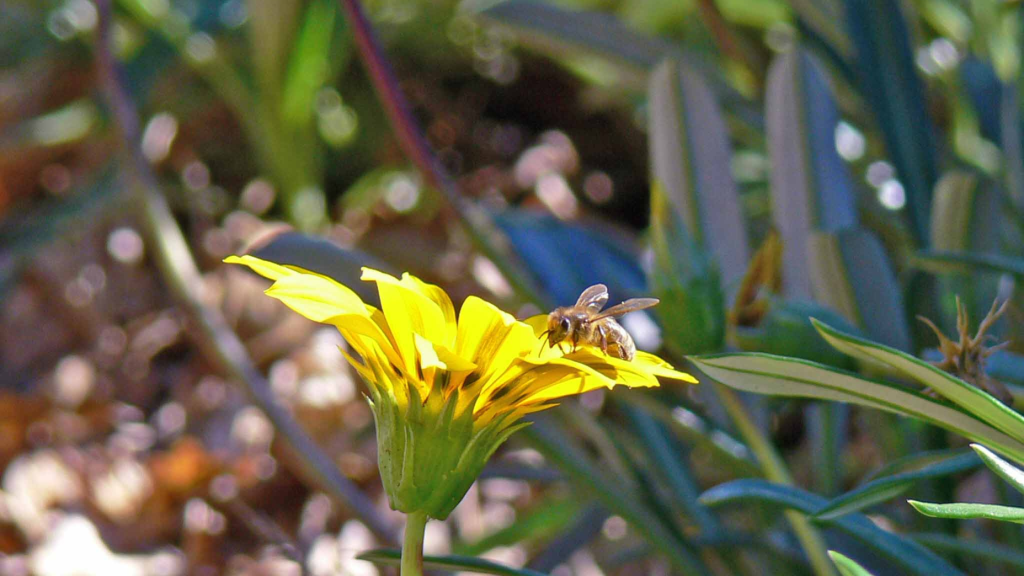
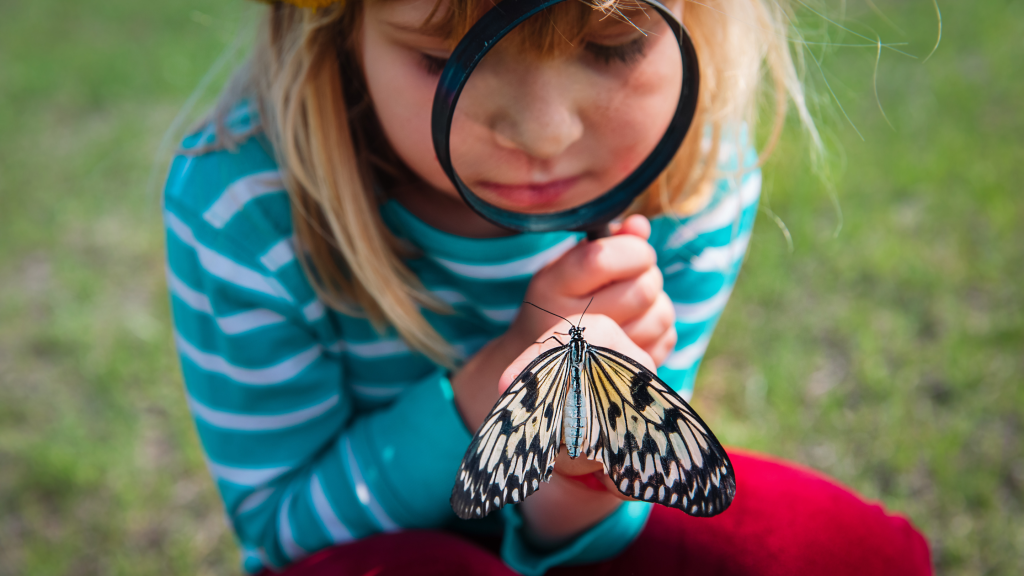
Children love observing change. Watching bees visit a flower they planted or hearing frogs return builds a living relationship with the natural world.
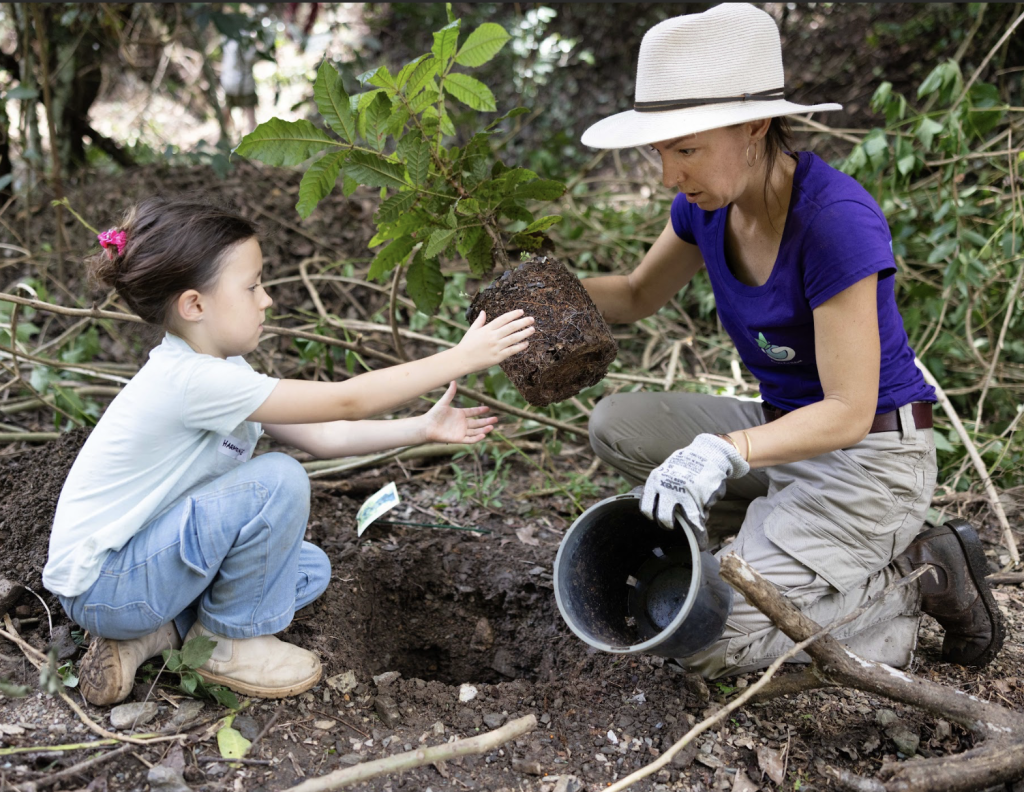
Try This at Home: Plant native species or rewild a corner of your yard. Keep a nature journal with your child — what do they notice each day?
3. Use Storytelling to Spark Reflection
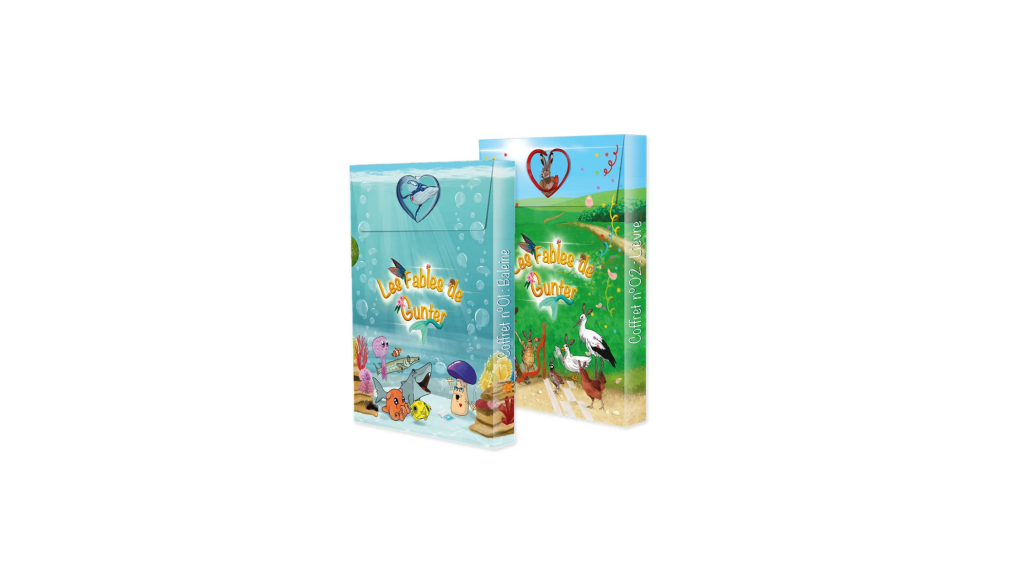
Tools like Gunter’s Fables offer more than entertainment — they invite children to reflect, imagine, and act.
Rooted in Montessori and Steiner principles, these illustrated fables help children explore systems thinking, emotional intelligence, and environmental responsibility. They’re a gentle yet powerful way to introduce biodiversity, empathy, and nature’s complexity through story.
✅ Try This at Home: After reading a story, ask: “What would you do if you were the animal in the story?” or “How can we help animals like this in real life?”
4. Turn Your Child Into a Mini Scientist
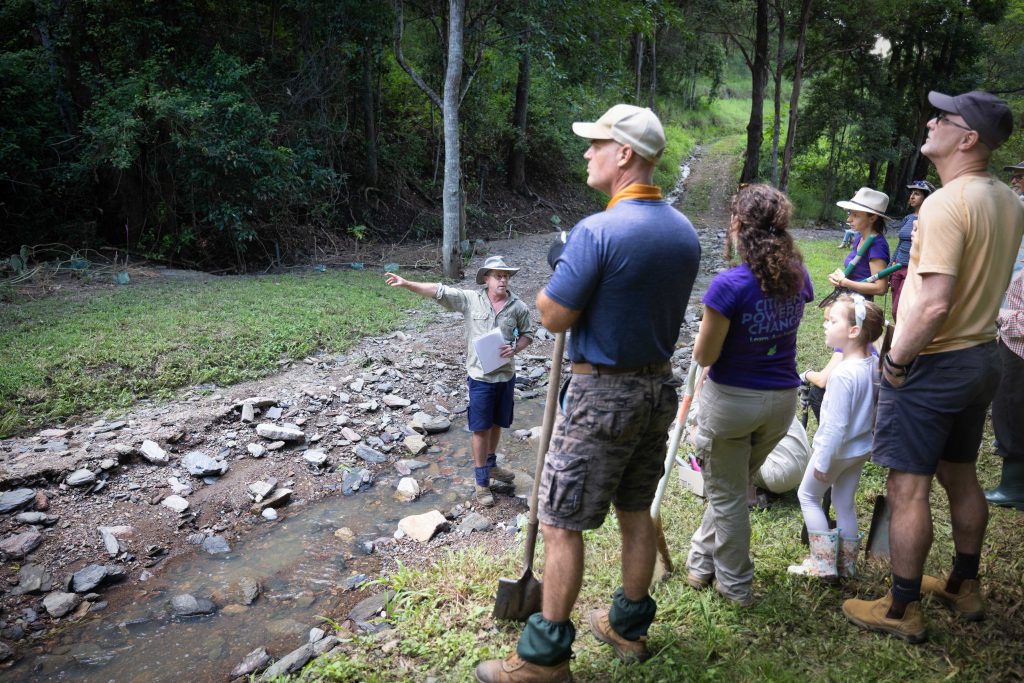
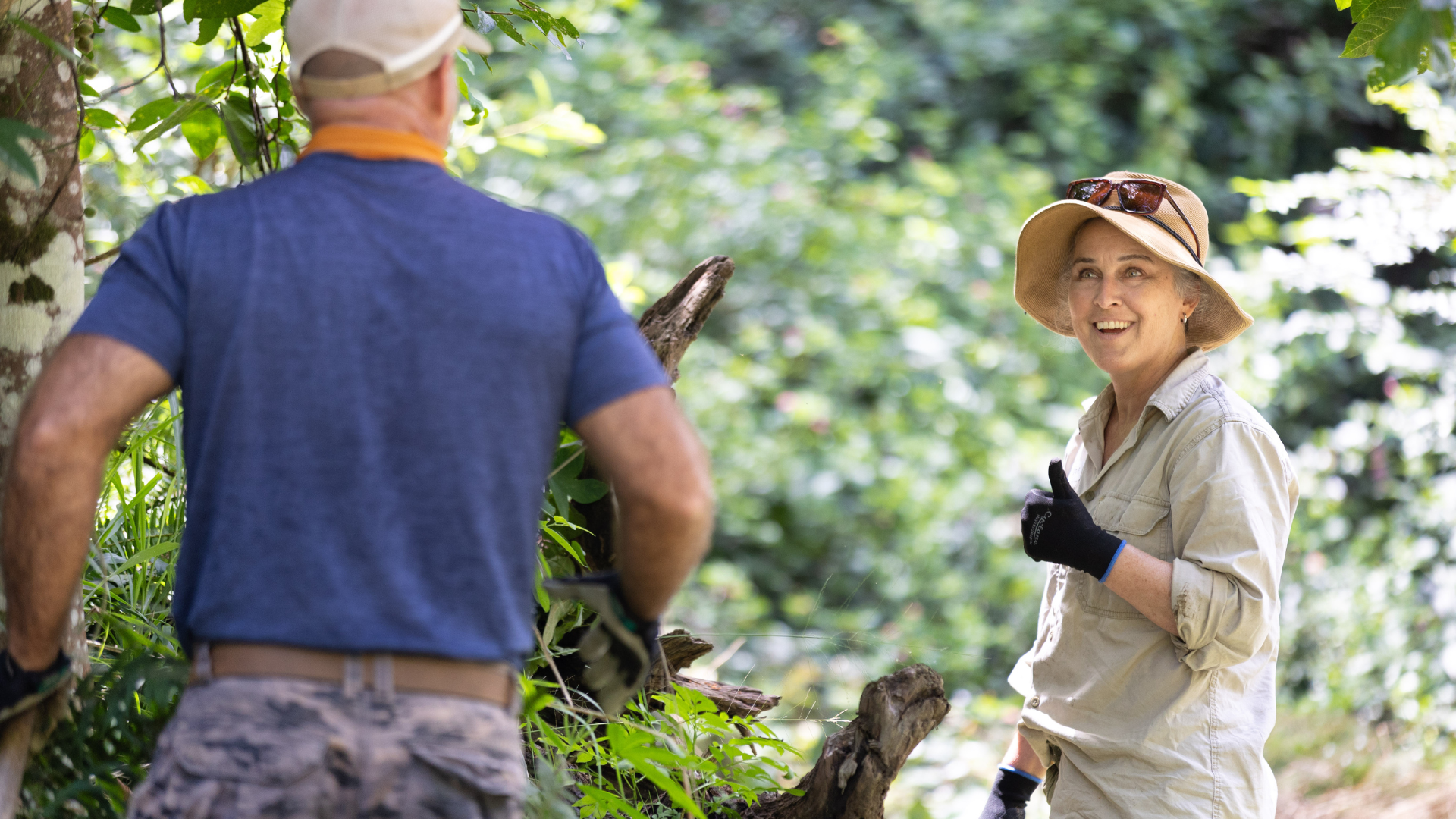
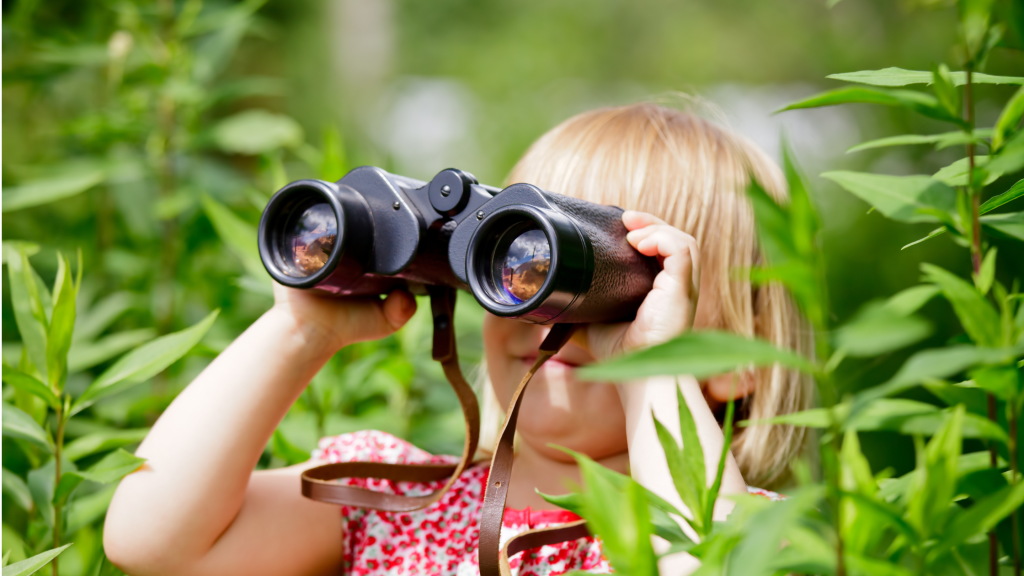
Citizen science isn’t just for grown-ups. From spotting birds in the backyard to counting insects or testing water quality, many organisations welcome children’s contributions to real scientific data.
This not only supports environmental research, but gives children a sense of purpose and belonging in something bigger.
✅ Try This at Home: Join a local BioBlitz, frog ID project, or backyard bird count. Check out NatureMapr, iNaturalist, or local citizen science groups in Australia.
5. Lead by Living It
Children are natural observers. The best way to teach sustainability? Live it yourself.
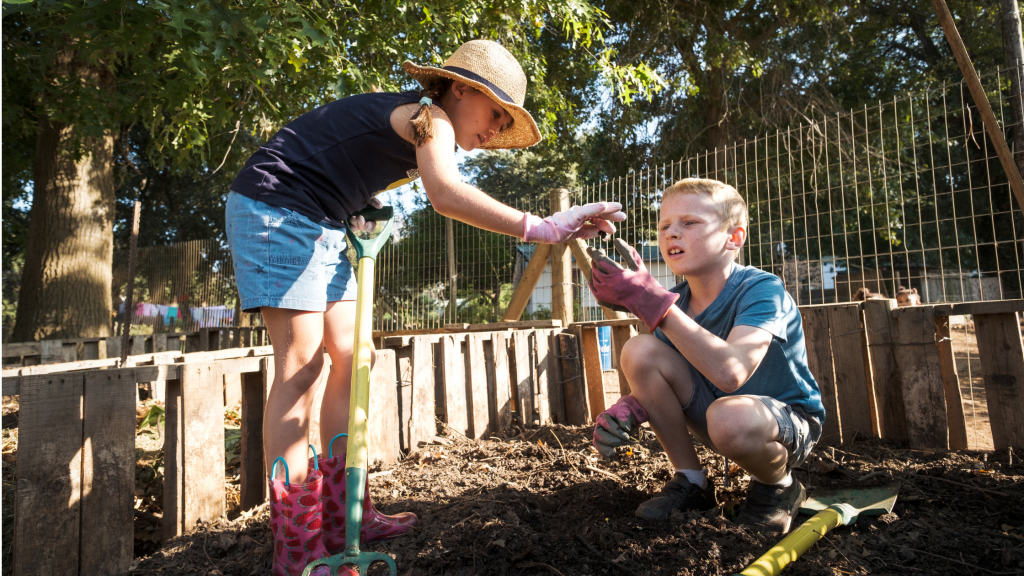
- Involve kids in composting or choosing local produce.
- Fix things instead of throwing them away.
- Talk openly about your values and choices.
- Celebrate small wins together — “We saved water today!” or “We helped a bee!”
Sustainability becomes less about sacrifice and more about joy, care, and connection.
More Than Just “Green Habits”
Teaching sustainability at home isn’t about being perfect. It’s about planting seeds of care — for people, places, and possibilities.
Whether you’re using tools like Climate Fresk Kids, building a Nature Oasis, reading eco-fables, or simply walking barefoot in the grass together — you’re shaping a future where children don’t just understand nature, but feel part of it.
Because when children fall in love with the Earth, they’re more likely to protect it.