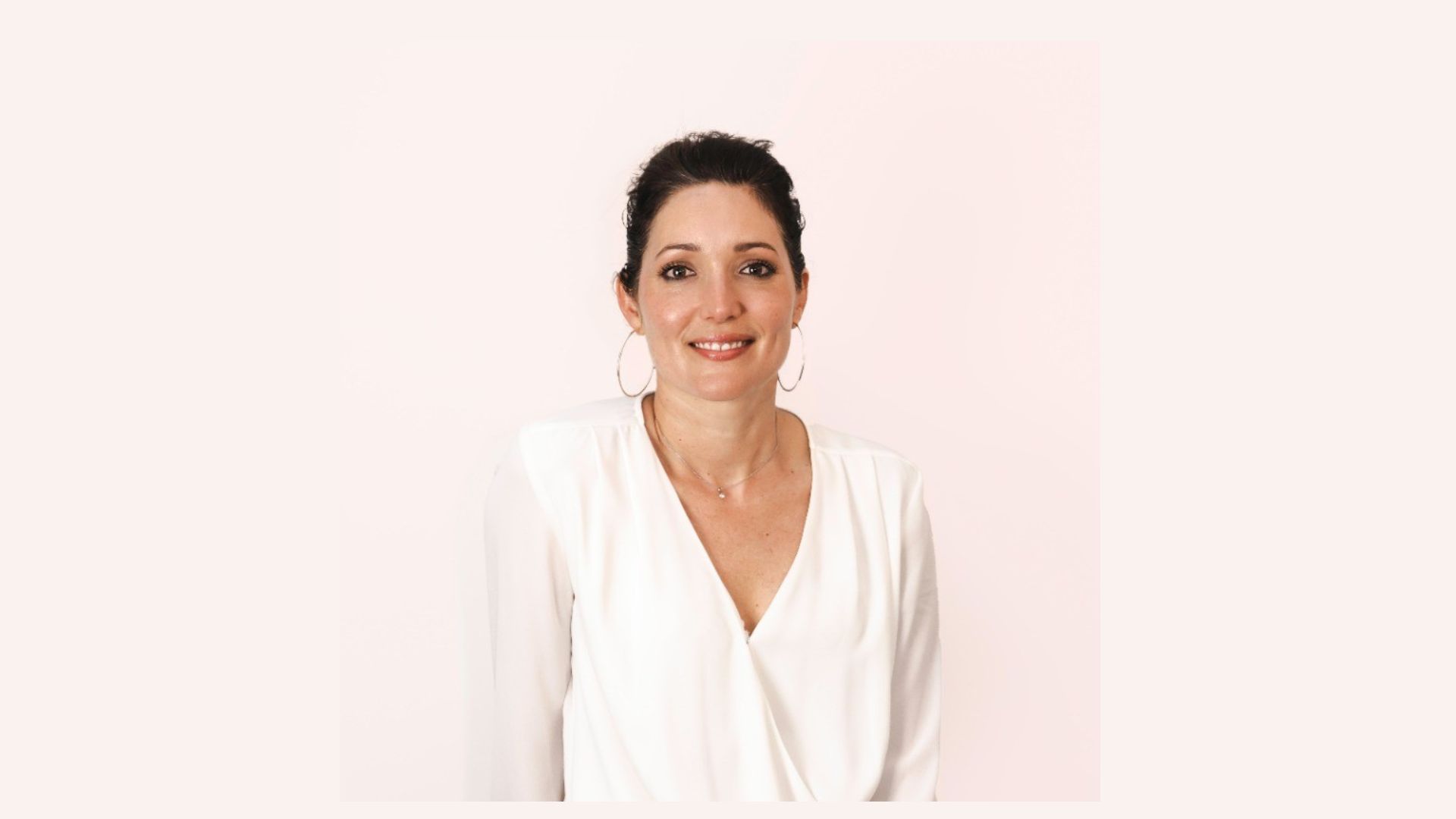
Author: Audrey Barucchi

  • Introducing Gunter’s Fables

    Introducing Gunter’s Fables

    Climate education using storytelling, creativity and imagination

    At People For Nature, climate literacy is at the heart of what we do. We firmly believe that education isn’t just about understanding the problem, it’s about inspiring people to act. Because, when people understand, they care – and when they care, they act.

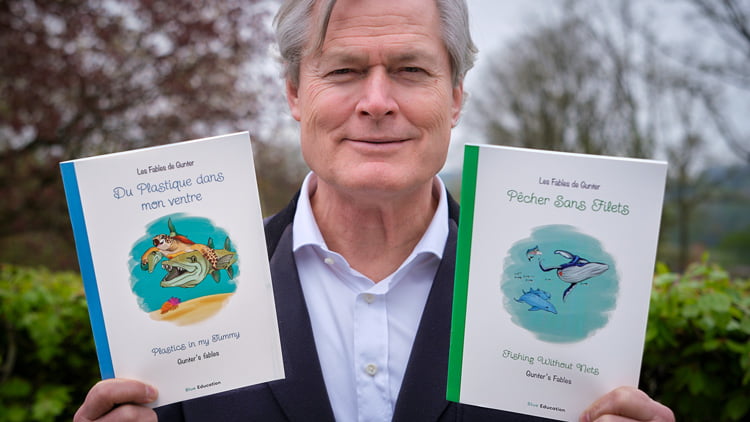
    That’s why we love Gunter’s Fables, a bilingual (French and English) collection of educational stories that help children see nature not as something fragile and separate, but as a source of solutions for humanity’s biggest challenges. 

    Climate education needs to start with those that are already at the frontline: our youth. Teaching children and young adults about the science of climate change, its impacts, and potential solutions can inspire a new wave of climate-conscious leaders, entrepreneurs, and activists who will shape Australia’s future. Early education fosters a sense of responsibility and urgency, ensuring that the next generation is ready to tackle the challenges ahead.

    Download the presentation to learn more.
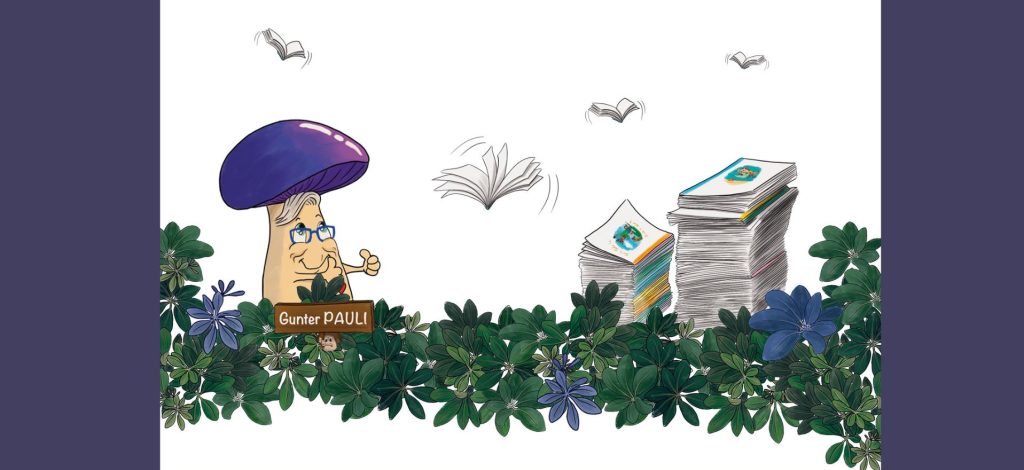
    A collection of 365 fables

    Gunter’s Fables were created by Gunter Pauli, a Belgian-born climate visionary, who has dedicated his life to the radical transformation of business and society. He is the founder of the Zero Emissions Research Initiative and author of The Blue Economy, a framework adopted by the United Nations, governments, and industries worldwide. 

    Aimed at children aged 3 to 15, Gunter’s Fables evolve in depth and complexity as readers grow, showing how nature already holds the answers to many of our sustainability problems. 

    Each set of fables explores a different theme: water, health, food, energy, housing, work, and education / ethics.

    Just like People For Nature’s educational workshops – Climate Fresk, Biodiversity Collage and Circular Economy collageGunter’s Fables are fun and interactive. They encourage curiosity, questioning and experimentation, cultivating the mindset that we can all make a difference.

    Combining storytelling with science and action

    What makes Gunter’s Fables so powerful as an educational tool is the way it blends storytelling with science and action. Inspired by educators like Maria Montessori, Rudolf Steiner, and Paulo Freire, the series awakens five kinds of intelligence: scientific knowledge, emotional intelligence, artistic expression, understanding of complex systems, and the ability to take action. Children aren’t just learning facts; they’re exploring, questioning, and discovering how they can make a difference.

    Each fable is a guided exploration that encourages reflection, creativity, and reinforces the innate desire to contribute to the good of all. The fables turn sustainability from an abstract topic into a lived experience. Each one ends with real-world examples, helping young readers see that change is already happening and that they can be part of it.
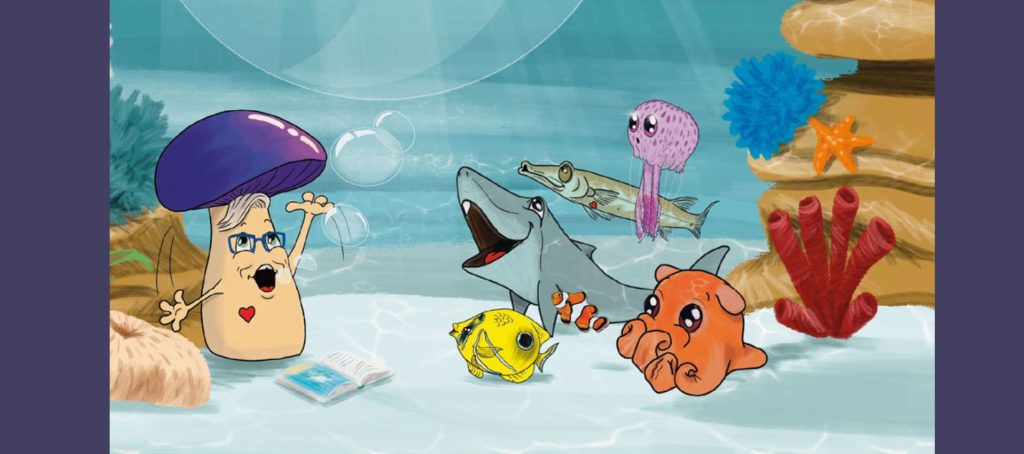
    Empowering tomorrow’s leaders

    Gunter’s Fables are a great tool to equip our future leaders with the knowledge, skills, and passion to drive meaningful change.

    In a world where climate headlines can feel overwhelming, Gunter’s Fables offer something rare: hope grounded in understanding. By nurturing imagination and action, these stories help raise a generation of thoughtful, empowered “planet protectors.”

    Whether you are a parent, a grand parent or an educator, these books are a great tool to pass on important messages to the next generation.

    Interested in finding out more or getting a copy of Gunter’s Fables?
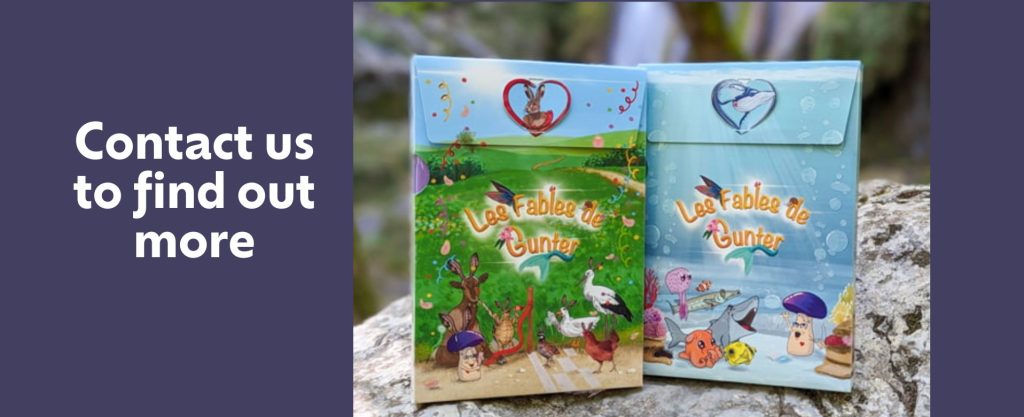
    Contact us today.

  • Grassroots climate summit, AlterCOP, coming to Australia from 17-20 November

    Grassroots climate summit, AlterCOP, coming to Australia from 17-20 November

    Local charitable social enterprise, People For Nature, is bringing the 4-day conference to Brisbane, with satellite events in Sydney, Melbourne and beyond.

    Brisbane, 5 November 2025 – While world leaders are getting ready to attend COP30 in Belèm, Brazil, Australian charitable social enterprise, People For Nature, is putting the spotlight on local climate actions and innovations with AlterCOP 30 Australia.

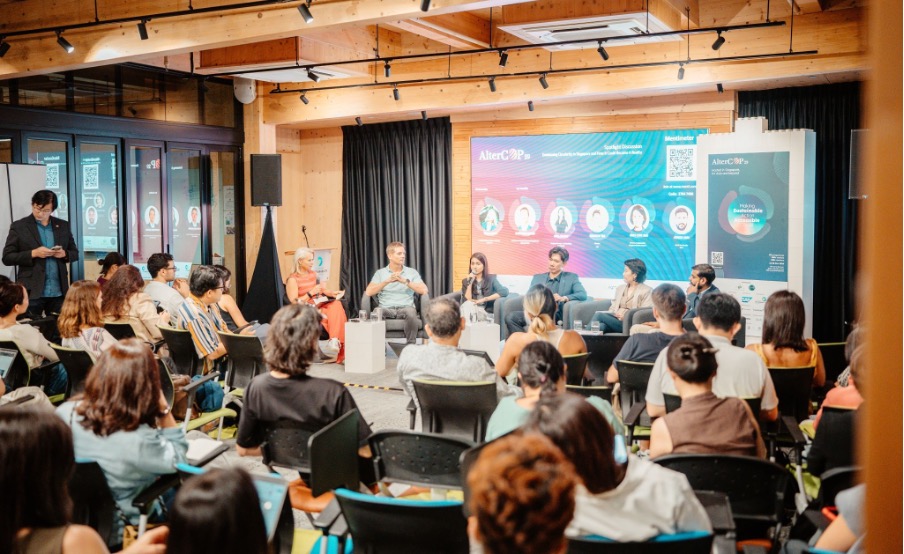
    AlterCOP is a volunteer-powered, free and inclusive grassroots climate summit, happening from 17-20 November in Brisbane, with satellite events in Sydney, Melbourne, and beyond. 

    It brings together diverse communities, scientists, First Nations voices, youth, businesses and innovators to explore and act on climate justice, decarbonisation, and resilience, offering an inclusive, science-based platform for localised climate action. 

    Extending the green zone beyond Brazil 

    As a remote alternative to COP30 and a local extension of the Green Zone, AlterCOP enables Australians to engage with climate dialogue and innovation without travelling across the world. 

    Audrey Barucchi, CEO and Co-Founder of People For Nature, commented, “As Australia prepares to potentially host COP31, we wanted to give all Australians a voice in the climate and biodiversity conversation. 

    “Climate change doesn’t belong to politicians or business leaders; it belongs to everyday Australians who are already dealing with the impact – from floods to fires, extreme storms to droughts. 

    “AlterCOP is a unique opportunity to open up climate dialogue to everyone and show that local actions to mitigate and adapt to climate change are already happening across the country.”

    Globally Connected, Locally Grounded

    AlterCOP was co-founded in 2024 by The Matcha Initiative and The Transmutation Principle in Singapore. Last year it attracted more than 2,000 participants, with over 250 speakers across 130 sessions. This year, the summit has expanded to more than 10 new countries, one of which is Australia. 

    Anne Langourieux and Thibaut Meurgue-Guyard, co-founders of AlterCOP, commented: “We’re excited that People For Nature is bringing AlterCOP 30 to Australia. We’re continuing our mission of making climate dialogue accessible to regional communities without air travel while raising awareness of the official COP summit. 

    “The theme for this year is ‘Cultivating hope, driving impact’. Even if reaching global climate targets is out of reach, every cent of degree matters. That’s why AlterCOP 30 highlights alternative models and local initiatives that are creating an impact and inspiring change.

    “We’re also excited about the possibility of Australia hosting COP31 as we know this will help accelerate the climate transition in APAC, benefiting all of us in the region.”

    A local lens on global action

    Running alongside COP30, AlterCOP brings the climate conversation home, showcasing how Australian communities are leading with practical, place-based solutions. In total, more than 35 different sessions are scheduled featuring close to 100 local speakers and facilitators. 

    The agenda aligns with the official UN COP agenda and covers the following topics:

    Day 1: Climate Change, Social Impact & Resilience

    Day 2: Sustainable Cities

    Day 3: Biodiversity, Bio-economy & Nature-based solutions

    Day 4: Generation Now: Youth Leading the Climate Shift + Thriving Together: Health in a Changing Climate 

    The main event is held at The Precinct in Brisbane, with satellite events happening in Sydney, Melbourne, Newcastle, Wollongong, Bright, Huon Valley, and Narara, with some online sessions as well.  

    A climate platform for everyone

    True to its values, AlterCOP 30 Australia is:

    100% volunteer-driven: Organised by a dedicated group of volunteers supported by community and corporate supporters. 

    Free & inclusive:  Sessions are free to attend, ensuring accessibility for all and amplifying voices often excluded from formal negotiations.

    Sustainable by design: A no-flight, zero-waste and vegetarian event that integrates sustainability practices into every aspect of the event.

    Audrey Barucchi concluded, “AlterCOP celebrates collaboration, practical solutions, and the power of collective effort. It’s a space for positive change, where every voice matters and everyone can contribute to building a healthier planet – together.

    “People For Nature is proud to help activate a community-powered space that builds engagement, showcases real solutions, and connects Australians to the global climate conversation.

    We are grateful to our ecosystem of collaborations for their support, and thankful to our passionate volunteers, without whom this event could not have come together.

    AlterCOP 30 Australia would not be possible without the generous support of its partners: 

    SAP, our Blue Partner; Queensland Decarbonisation Hub, Mott MacDonald and CO2 Australia, our Green Partners; Green Socials and Greenscope Productions, our Activation Partners.

    – Advance Queensland, hosting us at The Precinct and serving as our Brisbane Venue Partner. 

    – UTS, Canva, City of Melbourne, Ecomind, Narara Ecovillage, Protect Our Winters, Psychology for a Safe Climate and Susgain, our other Venue and Satellite Event Partners. 

    More details about the program and speaker line-up are on the AlterCOP 30 Australia website. Tickets are free and can be booked via Humanitix.  

    For all media enquiries, please email Aye Verckens (aye@blog.peoplefornature.org.au). 

    About AlterCOP 

    AlterCOP is an independent, volunteer-led conference designed as an accessible alternative to the United Nations COP, making climate action discussions available to communities, professionals, and youth across Asia. Since its inception, AlterCOP has grown into a unique knowledge-sharing platform where regional voices, grassroots solutions, and cross-sector collaboration converge to accelerate sustainability action and raise awareness on COPs. More info: altercop.com and altercop.com/australia 

    About People For Nature

    People For Nature is a Queensland-based charitable social enterprise empowering citizen-led action for nature across Australia. Co-founded by three French-Australian women, the registered charity helps individuals reconnect with the natural world and take meaningful action to protect it. 

    People for Nature turns complex science into engaging, accessible learning experiences that inspire people to care and act. Through a simple train-the-trainer model, it equips ambassadors nationwide to share knowledge on climate, biodiversity, and the circular economy — driving local citizen-led conservation and science initiatives while creating meaningful opportunities for those transitioning into purpose-driven work. More info: https://www.blog.peoplefornature.org.au/ 

  • Meet our ambassadors: Lisa Selbie

    Meet our ambassadors: Lisa Selbie

    Climate Fresk and Circular Economy Collage Facilitator, NSW

    Lisa became a People for Nature Ambassador in 2025. She’s a Climate Fresk and Circular Economy Collage Facilitator based in Sydney.

    Lisa draws on her background in biotechnology research and education to inspire citizen science and drive collective climate action. As a scientist, educator, and advocate, Lisa champions evidence-based innovation and community engagement to tackle environmental challenges—from ocean health to climate resilience.

    I believe the true solution lies in empowering individuals through education and fostering collective responsibility for a sustainable future.

    🤝 Connect with Lisa on LinkedIn 💚

  • Meet the Clownfish | Biodiverse Australia

    Meet the Clownfish | Biodiverse Australia

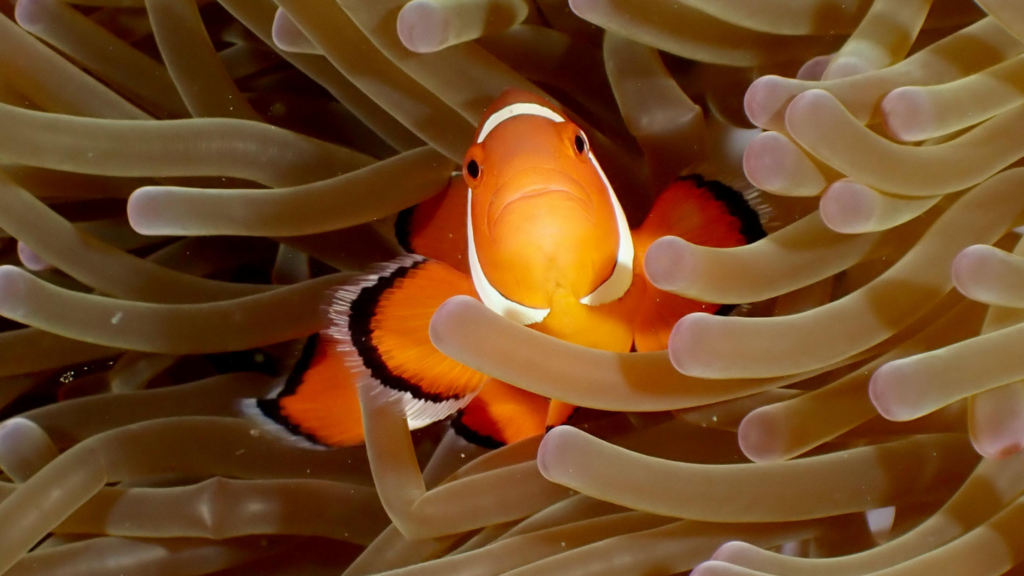
    Made famous by the animated film Finding Nemo, the Clownfish is one of the world’s most recognisable marine species and a fascinating example of the remarkable life found on Australia’s Great Barrier Reef.

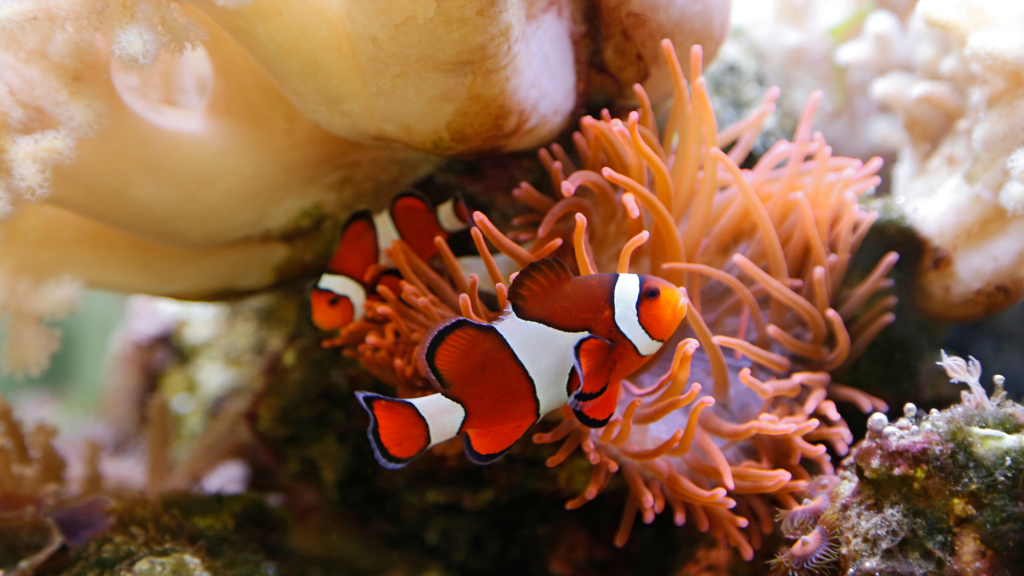
    Also known as the Eastern Clown Anemonefish, Amphiprion percula is a small, brightly coloured fish that lives among coral reefs and shallow lagoons, where it forms a unique partnership with sea anemones.

    It is a reminder that some of nature’s most extraordinary relationships can be found beneath the ocean’s surface.

    Why it matters

    The Clownfish plays an important role in the health and functioning of coral reef ecosystems.

    🐠 It forms a mutualistic relationship with sea anemones, with both species benefiting from the partnership

    🧼 It helps provide nutrients to its host anemone and keeps it clean

    🪸 It is part of the intricate web of relationships that support the biodiversity of coral reefs

    🌊 It highlights the importance of healthy reef systems that sustain thousands of marine species

    Through its relationship with sea anemones, the Clownfish demonstrates how interconnected life in the ocean truly is.

    Fun facts

    🤓  Clownfish can live safely among the venomous tentacles of sea anemones because they have a protective coating on their bodies

    🤓  They live in groups organised around a dominant female

    🤓  All Clownfish are born male

    🤓  If the dominant female dies, the dominant male can change sex and take her place within the group

    A deeper reflection

    The Clownfish challenges the idea that survival in nature is always based on competition.

    Its partnership with sea anemones shows that cooperation and interdependence are also powerful forces that shape the natural world.

    Yet the future of this remarkable species is closely tied to the health of coral reefs, which are increasingly under pressure from coral bleaching, habitat loss and rising sea temperatures.

    In a country with more than 600,000 native species, many found nowhere else on Earth, the Clownfish is a reminder that protecting biodiversity means protecting the relationships that sustain entire ecosystems.

    How we respond to the challenges facing our oceans will shape the future of one of Australia’s most colourful and charismatic marine species.

    From Wonder to Action

    Learn & understand

    Explore how biodiversity, climate, and land systems are deeply connected through our workshops with People For Nature.

    Create your Nature Oasis

    Plant native species to restore habitat and support the insects, birds, and wildlife that depend on them.

    Join citizen science

    Record native species around you on iNaturalist and contribute to real conservation data.

    (Special thanks to Simon Andrews, Ambassador for People For Nature, for helping shape this story)


    References:

    Australian Museum. Clown Anemonefish (Amphiprion percula).

    https://australian.museum/learn/animals/fishes/clown-anemonefish-amphiprion-percula/ 

  • Meet our ambassadors: Jonathan Handschuh

    Meet our ambassadors: Jonathan Handschuh

    Climate Fresk & Biodiversity Collage Facilitator, Sydney

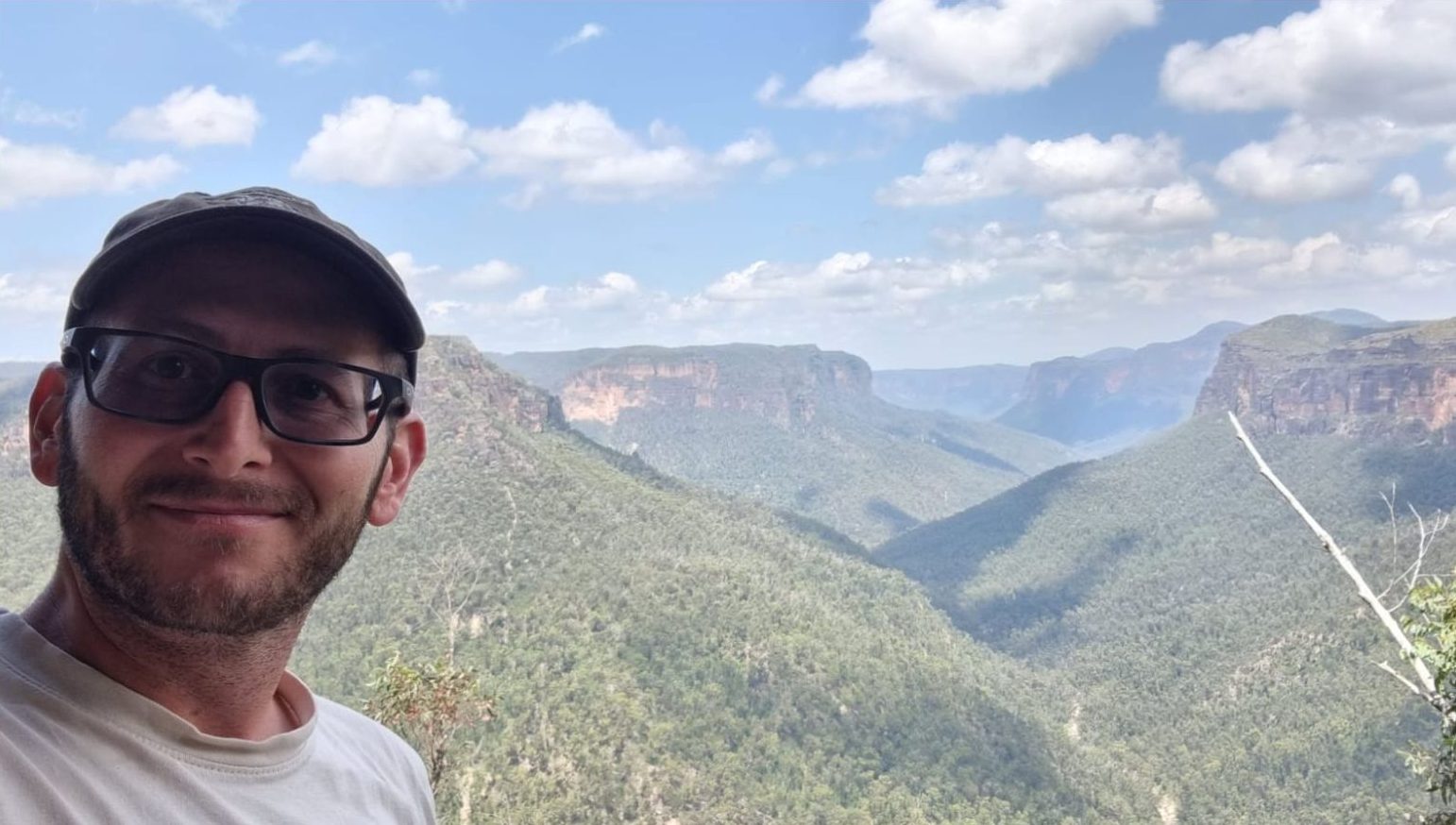
    Jonathan has been a Climate Fresk facilitator since 2022 and a Biodiversity Collage facilitator since 2024.

    He is driven by a strong will to prove to his children that we can be part of the solution to the climate crisis. His aim is to expand climate and biodiversity literacy as wide as possible to help create that critical mass of responsible people who will shift the system and challenge the status quo.

    Being an ambassador for People For Nature offers me an amazing platform to spread awareness on the climate and biodiversity crisis whilst being supported by an incredible bunch of people. I love being part of this community. It brings me strength and perseverance to keep pushing when it sometimes feels like we are not making any progress.” 

    🔗 Connect with Jonathan on LinkedIn.

    📅 You can often find Jonathan leading our workshops in Sydney. Check out our events on Humanitix to catch him at the next one! 🌿

  • Meet the Banksia | Biodiverse Australia

    Meet the Banksia | Biodiverse Australia

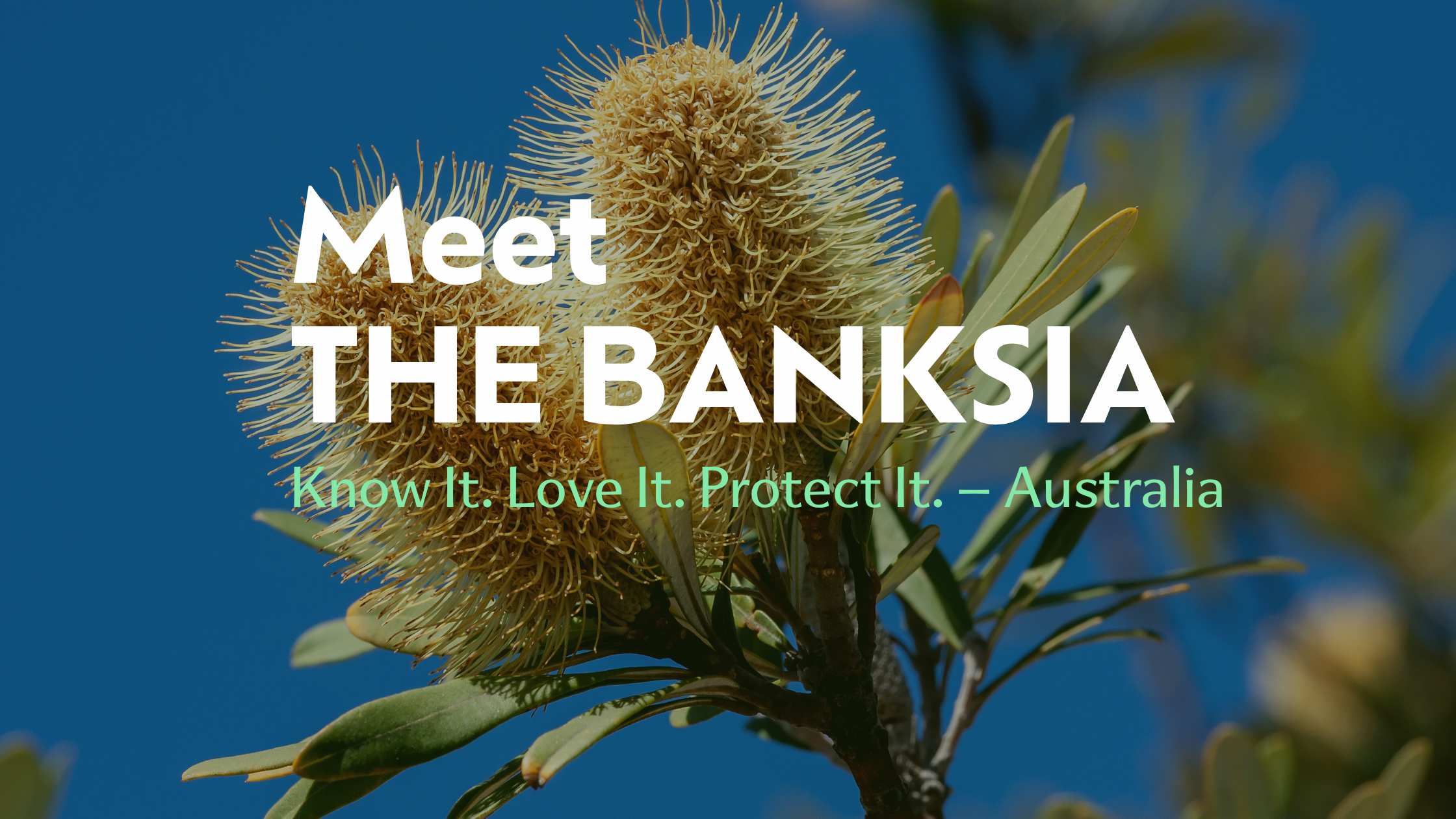
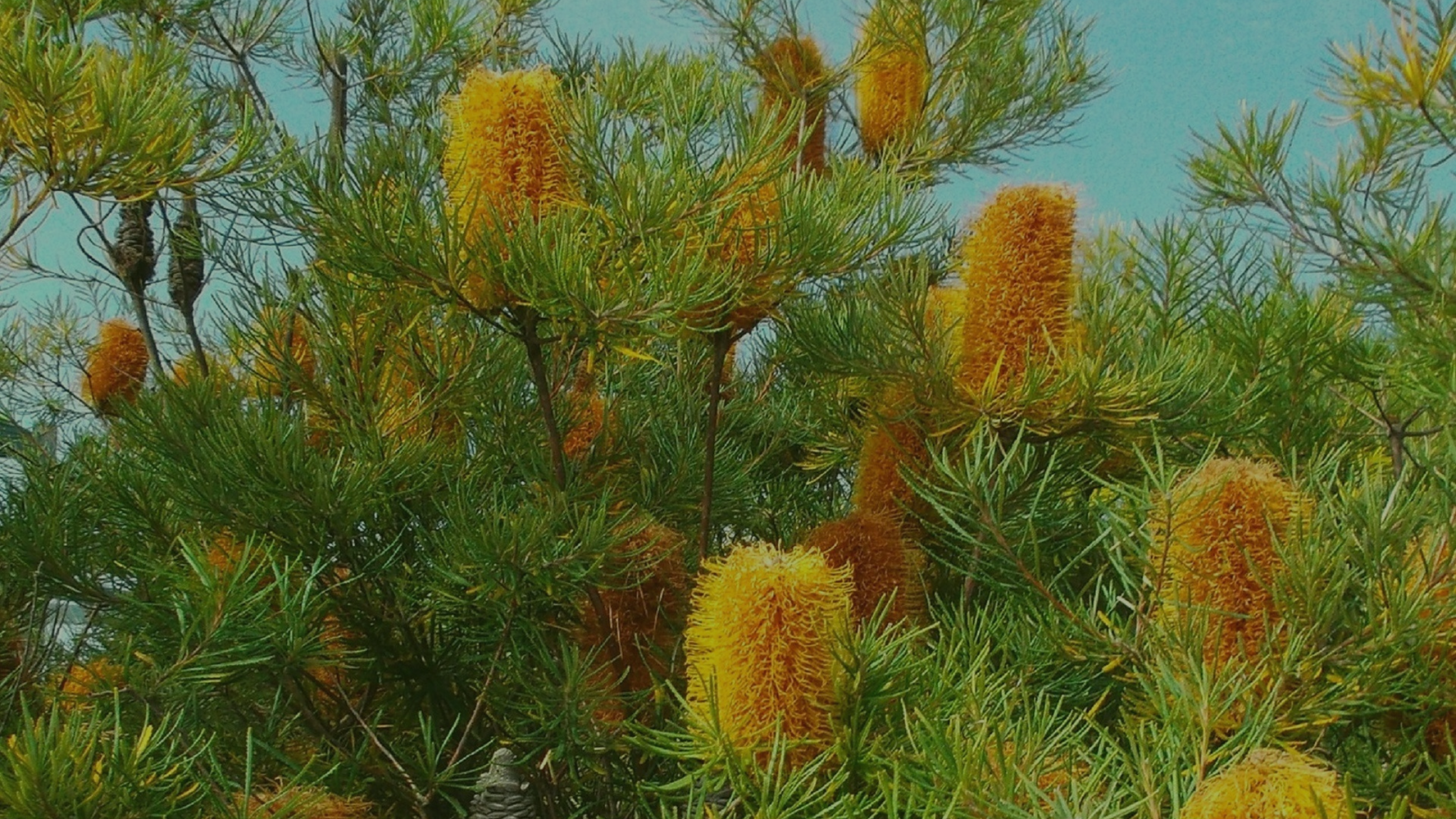
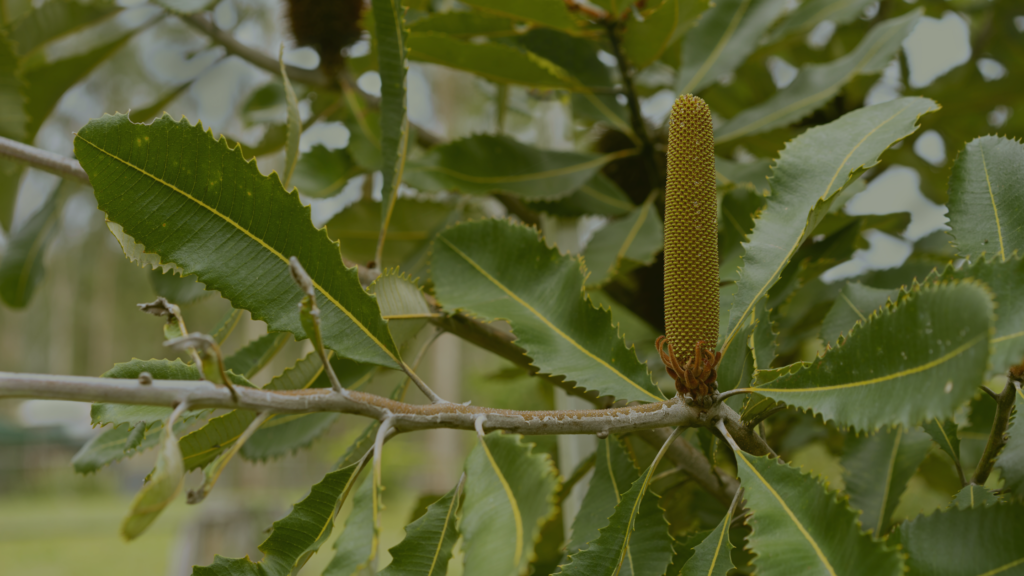
    Found across much of Australia, the Banksia is one of the country’s most recognisable native plants, known for its striking flower spikes and distinctive woody cones.

    With 173 species occurring across a wide range of habitats, from coastal regions and tropical areas to deserts and sub-alpine environments, the Banksia demonstrates the remarkable adaptability of Australian flora.

    It is a reminder that Australia’s biodiversity is not only found in its animals, but also in the plants that support entire ecosystems.

    Why it matters

    Banksias play an important role in supporting wildlife and ecological health across Australia.

    🌸 Their flowers provide food for birds, insects and other pollinators

    🍂 Many species flower during autumn and winter when food resources can be limited

    🌰 Their cones provide food for species such as cockatoos

    🌿 They help support biodiversity across a wide range of Australian landscapes

    Through these interactions, Banksias help sustain the complex relationships that keep ecosystems healthy and functioning.

    Fun facts

    🤓 There are 173 Banksia species and all but one occur naturally only in Australia

    🤓 Banksias were named after Sir Joseph Banks, who collected the first specimens in 1770

    🤓 Each flower spike is made up of hundreds, and sometimes thousands, of tiny flowers

    🤓 Indigenous people in south-western Australia traditionally enjoyed Banksia nectar and used flower spikes to make a sweet drink

    A deeper reflection

    The Banksia reminds us that plants are often the overlooked foundation of biodiversity.

    While animals frequently capture our attention, native plants create the habitat, food and ecological connections that support life across entire landscapes.

    Many Australian plant communities now face pressures from land clearing, habitat fragmentation, invasive species and a changing climate.

    In a country with over 600,000 native species, most found nowhere else on Earth, the Banksia is a reminder that protecting biodiversity begins with protecting the ecosystems that sustain it.

    How we care for native plants today will shape the future of the wildlife that depends on them.

    From Wonder to Action

    Learn & understand

    Explore how biodiversity, climate, and land systems are deeply connected through our workshops with People For Nature.

    Create your Nature Oasis

    Plant native species to restore habitat and support the insects, birds, and wildlife that depend on them.

    Join citizen science

    Record native species around you on iNaturalist and contribute to real conservation data.

    (Special thanks to Simon Andrews, Ambassador for People For Nature, for helping shape this story)


    References:

    Australian National Botanic Gardens. Banksia.

    https://www.anbg.gov.au/gnp/interns-2002/banksia.html 

    Department of Biodiversity, Conservation and Attractions, Western Australian Government. Banksia Atlas.

    https://www.dbca.wa.gov.au/science-research/flora-conservation-research/banksia-atlas 

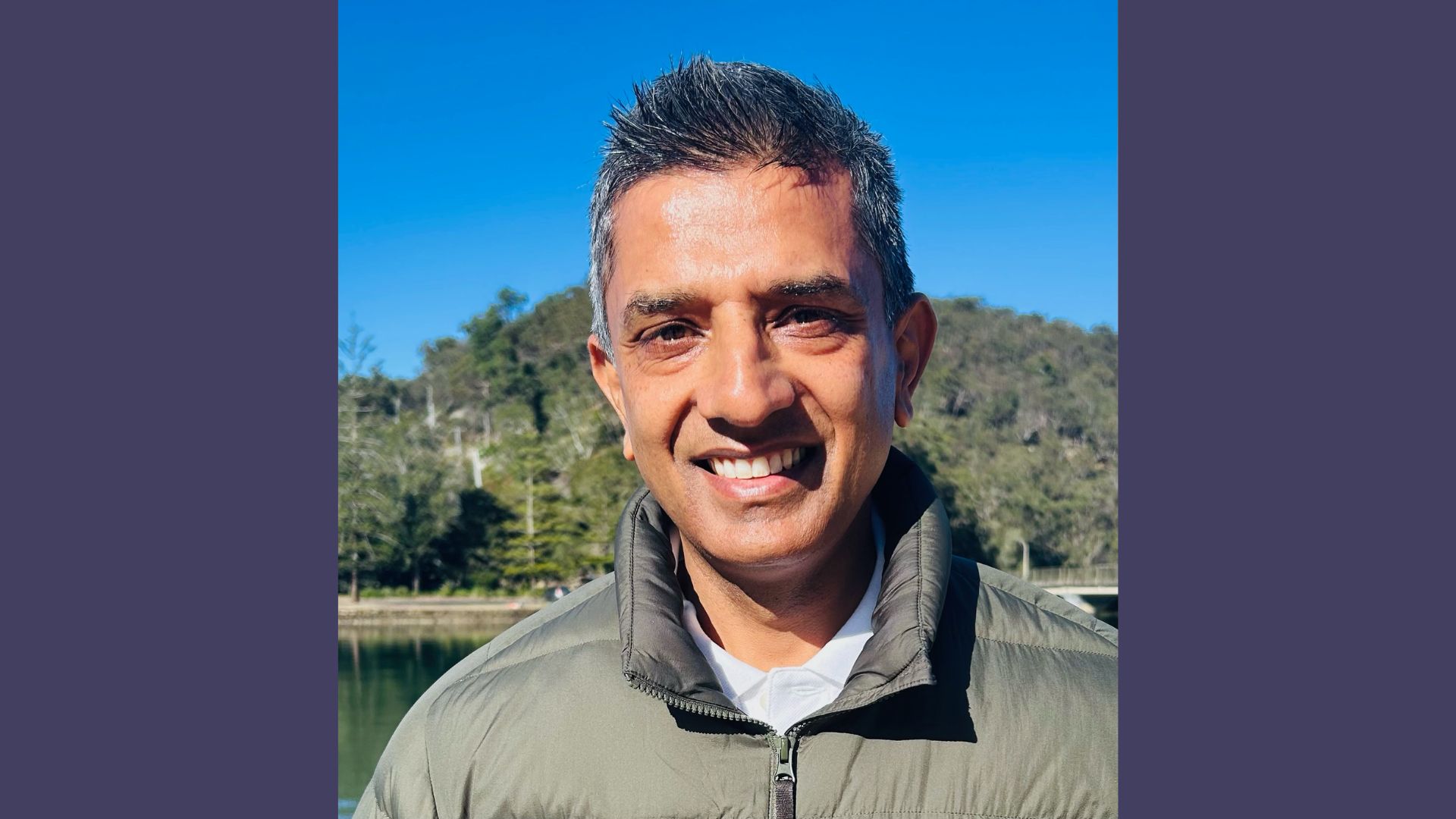
  • Meet our ambassadors: Oscar D’Silva

    Meet our ambassadors: Oscar D’Silva

    Climate Fresk, Biodiversity Collage, and Circular Economy Collage Facilitator, NSW

    Oscar is an experienced sustainability educator, passionate about demystifying the science behind climate change through gamification.

    He is a Climate Fresk, Biodiversity Collage, and Circular Economy Collage Facilitator, based in Sydney, NSW. 

    Oscar believes education is key to driving real change in the way we treat our only home.

    “I love the energy of being among people keen on protecting our earth. At People For Nature I see the passion and creativity required to make an impact using education. It’s why I love being here.”

    🤝 Connect with Oscar on LinkedIn 💚

  • Meet our ambassadors: Carole Defago

    Meet our ambassadors: Carole Defago

    Climate Fresk & Biodiversity Collage Facilitator, NSW

    Carole is an experienced Climate Fresk and Biodiversity Collage Facilitator based in Sydney, NSW.

    With over 15 years of experience driving improvement and leading high-performing teams across diverse sectors, Carole brings a deep understanding of what it takes to create meaningful change. Her climate journey is rooted in a belief that education is the first step towards action.

    Carole channels her passion for learning into empowering individuals and organisations to take informed climate action. Whether she’s delivering workshops or mentoring others, Carole is helping build a future where climate knowledge leads to confident, collective action.

    🤝 Connect with Carole on LinkedIn 💚

  • Meet our ambassadors: Jenni Philippe

    Meet our ambassadors: Jenni Philippe

    Circular Economy Collage Facilitator, NSW

    Jenni is an experienced circular economy collage facilitator, who believes in the power of collective intelligence and action.

    Day to day, she works on changing the overall economic system with government and private organisations where she co-develops and implements circular economy initiatives. She also volunteers as Co-Chair of the Infrastructure & Precincts Taskforce at Circular Australia bringing industry, government and academia together to advocate and activate place-based circularity.

    Her focus is on educating and enabling circular economy actions from the ground up, at a community level.

    We need to transform our mindset and systems, and it will take all of us to move toward a regenerative, life-centered society. I joined People For Nature as an Ambassador to contribute to grass-roots citizen change, which is another critical part of the ecosystem.

    In her personal time, Jenni loves being in nature and meditating. She also dedicates a lot of time researching, volunteering and attending events about regeneration, first nations knowledge, decolonisation and community engagement.

    The three pillars that are core to People For Nature, “learn, act, impact” totally resonate with me. To make changes we need to gain knowledge on the climate and biodiversity crisis that we are in. But, also, it is essential to harness our strength and identify how / where we can take action so we can truly make an impact. People For Nature does exactly that, translating science-based knowledge into accessible and engaging learning experiences and offering tangible actions that we can all make a difference.

    🤝 Connect with Jenni on LinkedIn 💚

  • Meet our ambassadors: Virginie Rubio

    Meet our ambassadors: Virginie Rubio

    Climate Fresk Facilitator, NSW

    Virginie is a Climate Fresk facilitator in NSW. She joined the Fresking community a few years ago and has loved being a part of it ever since.

    “I’m passionate about how climate education can spark change even for those who already have a strong knowledge of climate science. There’s always another layer to uncover. Every workshop leaves me inspired by the rich, honest conversations that unfold. They help all of us (me included) see more clearly the paths we’re on, and the choices we can make, together or individually, for a more sustainable future.”

    “I’m genuinely excited to guide others through these workshops and share what I’ve learned, so they leave feeling empowered, just as I do after every single session, to take on more climate action.

    I’m equally excited to keep learning alongside this caring community, who bring such a wealth of ideas and perspectives. It’s a powerful group from all over Australia, with different mindsets and backgrounds, coming together to turn knowledge into meaningful action, one step at a time” 

    🤝 Connect with Virginie on LinkedIn 💚