Author: Simon Andrews

  • Meet the Eastern Rainbowfish (Melanotaenia splendida splendida)

    Meet the Eastern Rainbowfish (Melanotaenia splendida splendida)

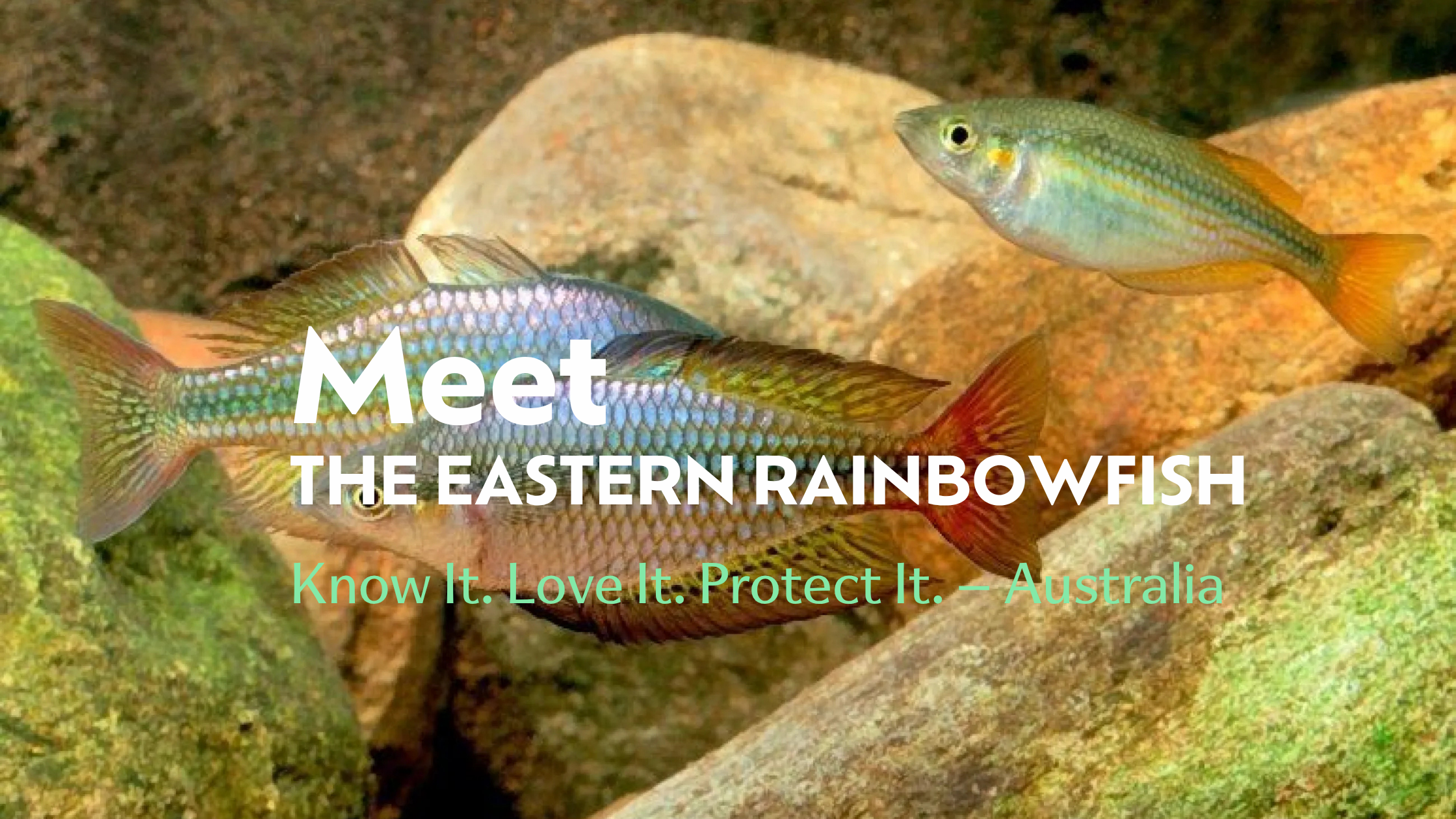
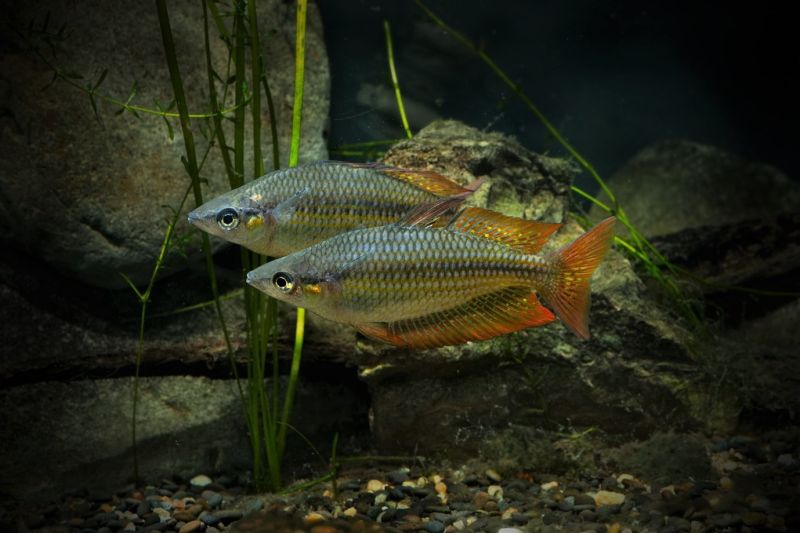
    With shimmering shades of blue, gold, green and red, the Eastern Rainbowfish is one of Australia’s most colourful freshwater species and a striking example of the biodiversity found beneath the surface of our waterways.

    Found in rivers, creeks, streams and wetlands across northern and eastern Australia, these vibrant fish thrive in clean, flowing water and are often considered indicators of healthy freshwater ecosystems.

    They are a reminder that some of Australia’s most spectacular wildlife can be found in places we often overlook.

    Why it matters

    The Eastern Rainbowfish plays an important role in maintaining healthy freshwater ecosystems.

    🐜 It helps control insect populations by feeding on aquatic invertebrates

    🐟 It forms part of the food web that supports a wide range of freshwater species

    πŸ’§ Its presence can indicate good water quality and healthy aquatic habitats

    🌳 It contributes to the biodiversity that keeps waterways functioning and resilient

    As a native freshwater fish, the Eastern Rainbowfish highlights the importance of protecting Australia’s rivers, creeks and wetlands.

    Fun facts

    πŸ€“ Male Eastern Rainbowfish become even more colourful during the breeding season to attract females

    πŸ€“ Their scales can reflect brilliant shades of blue, gold, green and red

    πŸ€“ They are social fish that live in schools

    πŸ€“ The species is endemic to Australia and occurs naturally nowhere else in the world
    A deeper reflection

    The Eastern Rainbowfish reminds us that healthy ecosystems depend on clean and connected waterways.

    Freshwater habitats support an extraordinary diversity of life, yet they are among the most vulnerable ecosystems to pollution, habitat degradation and invasive species.

    Even small changes to water quality can have significant impacts on the species that rely on these environments.

    In a country with more than 600,000 native species, many found nowhere else on Earth, the Eastern Rainbowfish highlights the importance of conserving the freshwater ecosystems that sustain countless plants and animals.

    Protecting our rivers, creeks and wetlands helps ensure these colourful native fish continue to thrive for generations to come.

    From Wonder to Action

    Learn & understand

    Explore how biodiversity, climate, and land systems are deeply connected through our workshops with People For Nature.

    Create your Nature Oasis

    Plant native species to restore habitat and support the insects, birds, and wildlife that depend on them.

    Join citizen science

    Record native species around you on iNaturalist and contribute to real conservation data.
    (Special thanks to Simon Andrews, Ambassador for People For Nature, for helping shape this story)


    References

    Australian Museum. Eastern Rainbowfish (Melanotaenia splendida splendida).https://australian.museum/learn/animals/fishes/eastern-rainbowfish/

    Photo credit: Keith Martin and ‘Clohesy River, Kuranda’ – Foto Β© Gunther Schmida.

  • Meet the Finger Lime (Citrus australasica)

    Meet the Finger Lime (Citrus australasica)

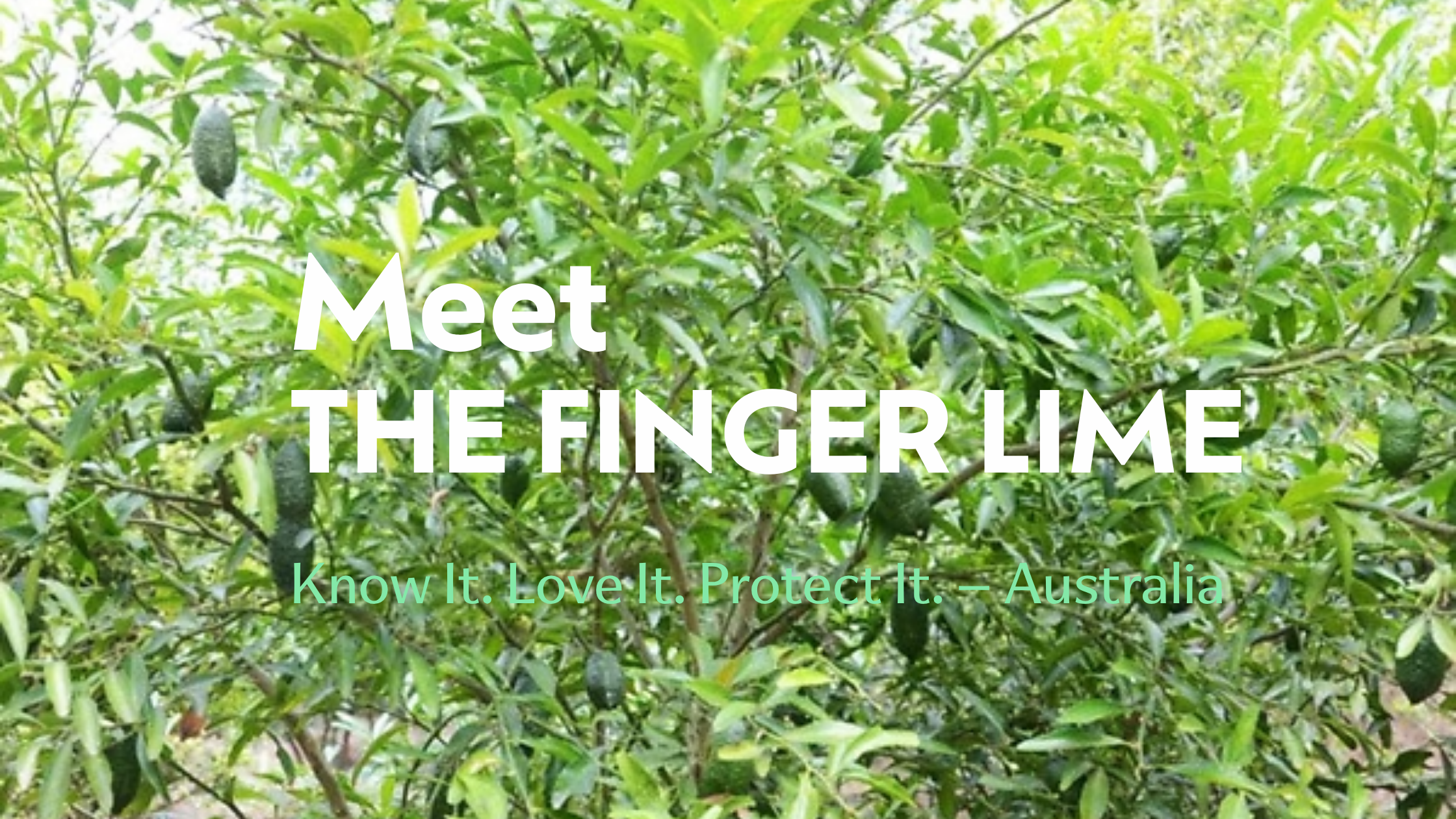
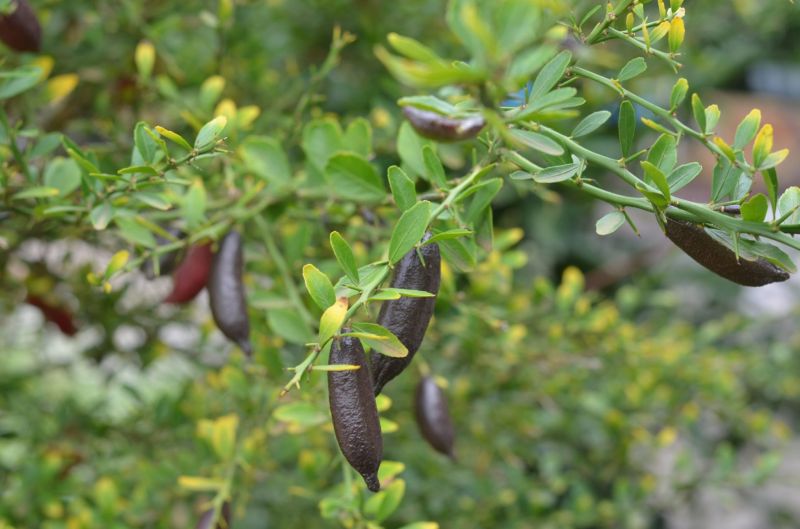
    Often called the “caviar of the bush”, the Finger Lime is one of Australia’s most unique native foods, prized for its vibrant citrus flavour and distinctive pearl-like juice vesicles.

    Native to the rainforests of Queensland and New South Wales, this remarkable plant has been used by Aboriginal Australians for food and medicine for generations and is now celebrated by chefs around the world.

    It is a powerful example of the rich biodiversity and cultural knowledge found within Australia’s native landscapes.

    Why it matters

    The Finger Lime contributes to both ecological and cultural diversity.

    🐜 It provides food and habitat for a range of native insects and animals

    🌲 It forms part of Australia’s unique rainforest ecosystems

    πŸ‹β€πŸŸ© It represents an important native bushfood with deep cultural significance

    🌱 It highlights the value of conserving native plants and traditional ecological knowledge

    As interest in sustainable and locally sourced foods grows, native species such as the Finger Lime demonstrate the potential of Australia’s unique flora.

    Fun facts

    πŸ€“ Finger Limes are often called “caviar of the bush” because their tiny juice pearls resemble caviar

    πŸ€“ They have been used by Aboriginal Australians for food and medicine for thousands of years

    πŸ€“ The fruit is rich in vitamin C, folate and antioxidants

    πŸ€“ Finger Limes occur in a range of colours, from green and yellow through to pink and red

    A deeper reflection

    The Finger Lime reminds us that biodiversity is not only something to admire, but also something that can nourish and sustain communities.

    Native bushfoods connect people to place, culture and ecosystems, offering valuable insights into sustainable food systems that have evolved over thousands of years.

    Yet many native plant communities continue to face pressures from habitat loss, invasive species and environmental change.

    In a country with more than 600,000 native species, many found nowhere else on Earth, the Finger Lime highlights the importance of protecting both biodiversity and the cultural knowledge associated with it.

    Supporting native species and Indigenous-led conservation helps ensure these connections endure for future generations.

    From Wonder to Action

    Learn & understand

    Explore how biodiversity, climate, and land systems are deeply connected through our workshops with People For Nature.

    Create your Nature Oasis

    Plant native species to restore habitat and support the insects, birds, and wildlife that depend on them.

    Join citizen science

    Record native species around you on iNaturalist and contribute to real conservation data.

    (Special thanks to Simon Andrews, Ambassador for People For Nature, for helping shape this story)


    References

    Australian Native Food & Botanicals. Finger Lime (Citrus australasica). https://anfab.org.au/main.asp?_=Finger+Lime 

    Australian National Botanic Gardens. Citrus australasica. https://www.anbg.gov.au/gnp/gnp1/citrus-australasica.html

    Photo credit: Suburban Tomato and The Tree Center.

  • Meet the Crested Pigeon (Ocyphaps lophotes)

    Meet the Crested Pigeon (Ocyphaps lophotes)

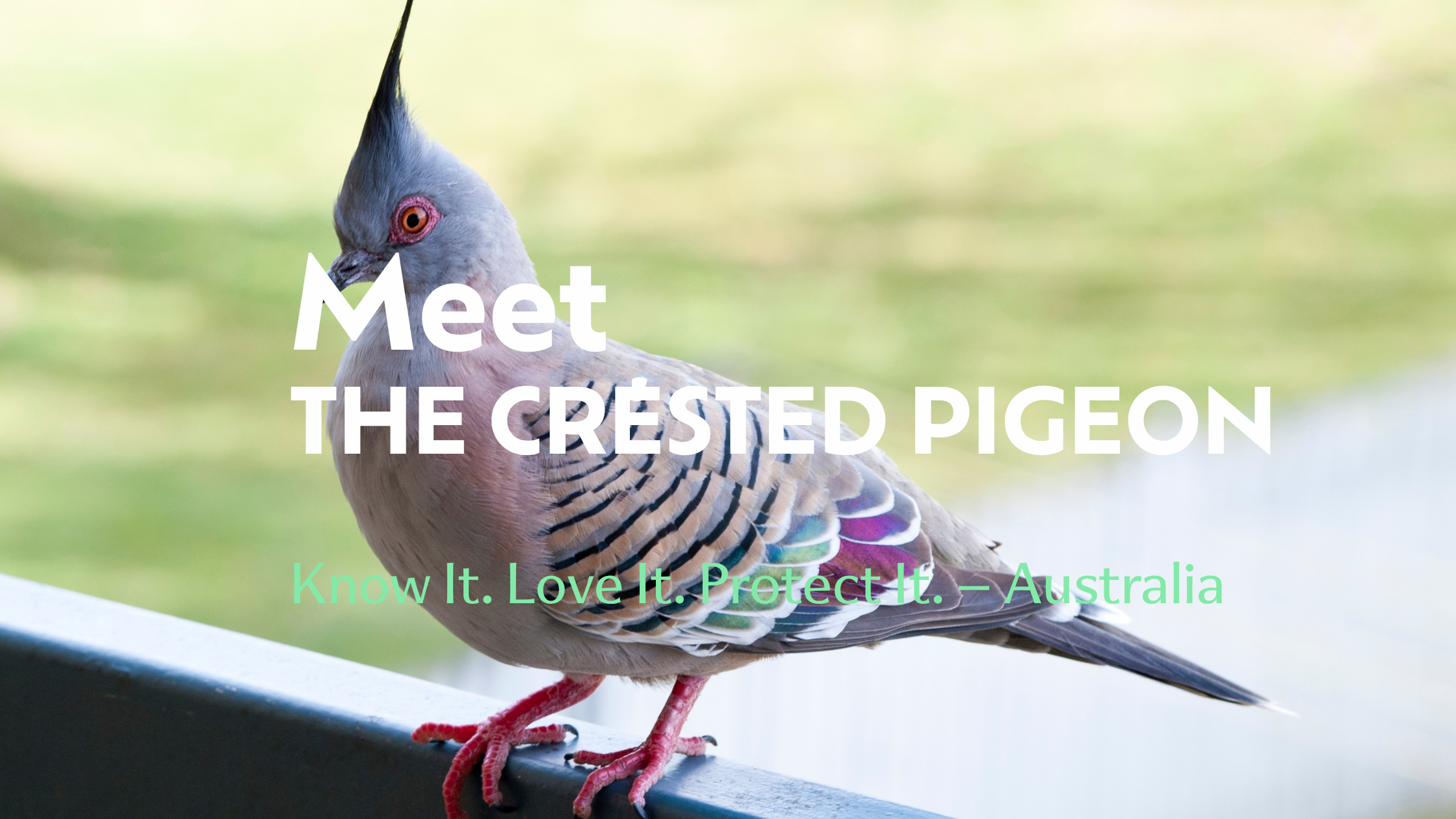
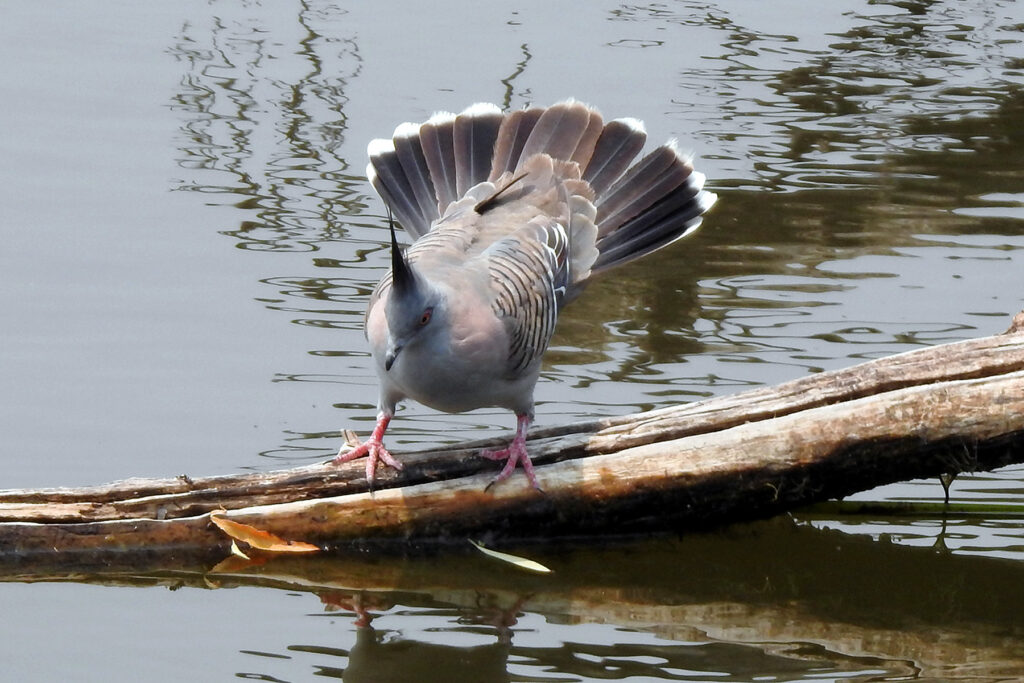
    With its distinctive upright crest, shimmering wing patches and unmistakable whistling take-off, the Crested Pigeon is one of Australia’s most recognisable and charismatic native birds.

    Found across much of mainland Australia, this adaptable species has become a familiar sight in parks, gardens and open woodlands, earning a reputation as the β€˜punk rocker’ of the bird world.

    It is a reminder that some of Australia’s most fascinating wildlife can be found right outside our front doors.

    Why it matters

    The Crested Pigeon plays an important role in supporting healthy ecosystems.

    🌱 It feeds primarily on seeds, helping to maintain the balance of native plant communities

    πŸ¦… It forms part of the food web, supporting native birds of prey and other predators

    🐦 It contributes to the rich diversity of birdlife found across Australia’s landscapes

    🏑 Its presence demonstrates how some native species can successfully adapt to changing environments

    Even common backyard birds play an important role in keeping ecosystems healthy and connected.

    Fun facts

    πŸ€“ The Crested Pigeon is the only Australian pigeon with a tall, pointed crest

    πŸ€“ Its wings produce a distinctive whistling sound when it takes flight, which can alert other birds to danger

    πŸ€“ Iridescent feathers on its wings shimmer with flashes of green and purple in the sunlight

    πŸ€“ It has adapted well to urban environments and is commonly seen in towns, cities and rural areas

    A deeper reflection

    The Crested Pigeon reminds us that biodiversity is not confined to national parks and remote wilderness.

    Native birds are an important part of everyday life, connecting people with nature in suburbs, parks and backyards across Australia.

    As urban areas continue to grow, creating and protecting habitat becomes increasingly important to ensure birds have access to food, shelter and nesting sites.

    In a country with more than 600,000 native species, many found nowhere else on Earth, the Crested Pigeon shows how even familiar wildlife contributes to the richness and resilience of Australia’s ecosystems.

    Small actions, such as planting native vegetation and reducing pesticide use, can help native birds continue to thrive alongside our communities.

    Photo credit: deborod, iNaturalist.

    From Wonder to Action

    Learn & understand

    Explore how biodiversity, climate and land systems are deeply connected through our workshops with People For Nature.

    Create your Nature Oasis

    Plant native species to restore habitat and support the insects, birds and wildlife that depend on them.

    Join citizen science

    Record native species around you on iNaturalist and contribute to real conservation data.

    (Special thanks to Simon Andrews, Ambassador for People For Nature, for helping shape this story)


    References

    BirdLife Australia. Crested Pigeon.
    BirdLife Australia – Crested Pigeon

    Australian Museum. Crested Pigeon (Ocyphaps lophotes).
    Australian Museum – Crested Pigeon

  • Meet the Sea Fan Coral (Gorgonia ventalina)

    Meet the Sea Fan Coral (Gorgonia ventalina)

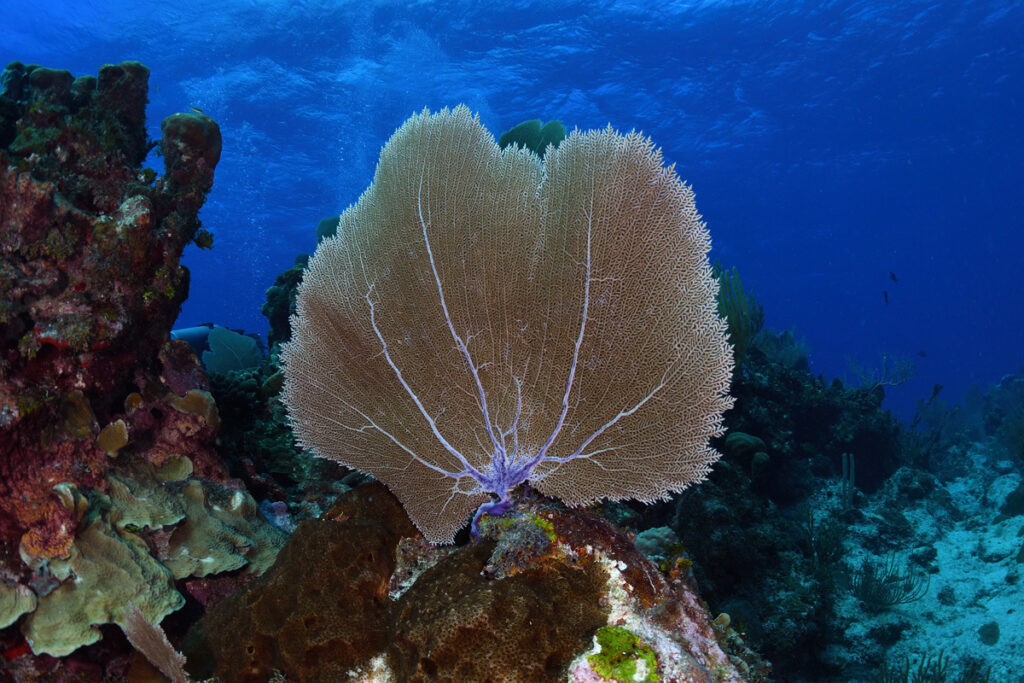
    Gracefully swaying with ocean currents, the Sea Fan Coral is one of the reef’s most striking inhabitants, creating intricate, fan-shaped structures that resemble delicate underwater lace.

    Found in tropical marine environments, these remarkable corals provide far more than beauty, forming complex habitats that shelter and support a diverse array of marine life.

    They are a reminder that healthy coral reefs depend on countless species working together to create thriving underwater ecosystems.

    Why it matters

    Sea Fan Corals play an important role in maintaining healthy reef ecosystems.

    🐠 Their branching structures provide shelter for fish, crustaceans and other marine animals

    πŸͺΈ They increase the complexity of reef habitats, supporting greater biodiversity

    🌊 They contribute to the overall health and resilience of coral reef ecosystems

    🐚 They help create the rich underwater environments that sustain countless marine species

    By creating habitat for other organisms, Sea Fan Corals help support the extraordinary biodiversity found on Australia’s reefs.

    Fun facts

    πŸ€“ Sea Fan Corals grow in broad, fan-shaped colonies that move gently with ocean currents

    πŸ€“ Their intricate branches provide refuge for a wide range of marine life

    πŸ€“ They occur in a variety of vibrant colours, adding to the beauty of coral reef ecosystems

    πŸ€“ Despite their plant-like appearance, Sea Fan Corals are colonies of tiny animals called polyps

    A deeper reflection

    The Sea Fan Coral reminds us that healthy reefs are built on connection.

    Every coral colony provides food, shelter and habitat for countless other species, creating intricate ecosystems that support life both above and below the water.

    Yet coral reefs are increasingly threatened by climate change, pollution, sediment runoff and coral bleaching, placing immense pressure on these delicate environments.

    In a country with more than 600,000 native species, many found nowhere else on Earth, the Sea Fan Coral highlights the importance of protecting the ecosystems that support Australia’s extraordinary marine biodiversity.

    Safeguarding our reefs today will help ensure future generations can continue to experience the vibrant underwater worlds they create.

    From Wonder to Action

    Learn & understand

    Explore how biodiversity, climate and land systems are deeply connected through our workshops with People For Nature.

    Create your Nature Oasis

    Plant native species to restore habitat and support the insects, birds and wildlife that depend on them.

    Join citizen science

    Record native species around you on iNaturalist and contribute to real conservation data.

    Photo credit: zahnerphoto, iNaturalist.

    References

    Great Barrier Reef Foundation. Corals and coral reefs.
    Great Barrier Reef Foundation – Corals and coral reefs

    Australian Institute of Marine Science. Coral reefs.
    Australian Institute of Marine Science – Coral reefs

  • Meet the Anemone Stinkhorn (Aseroe rubra)

    Meet the Anemone Stinkhorn (Aseroe rubra)

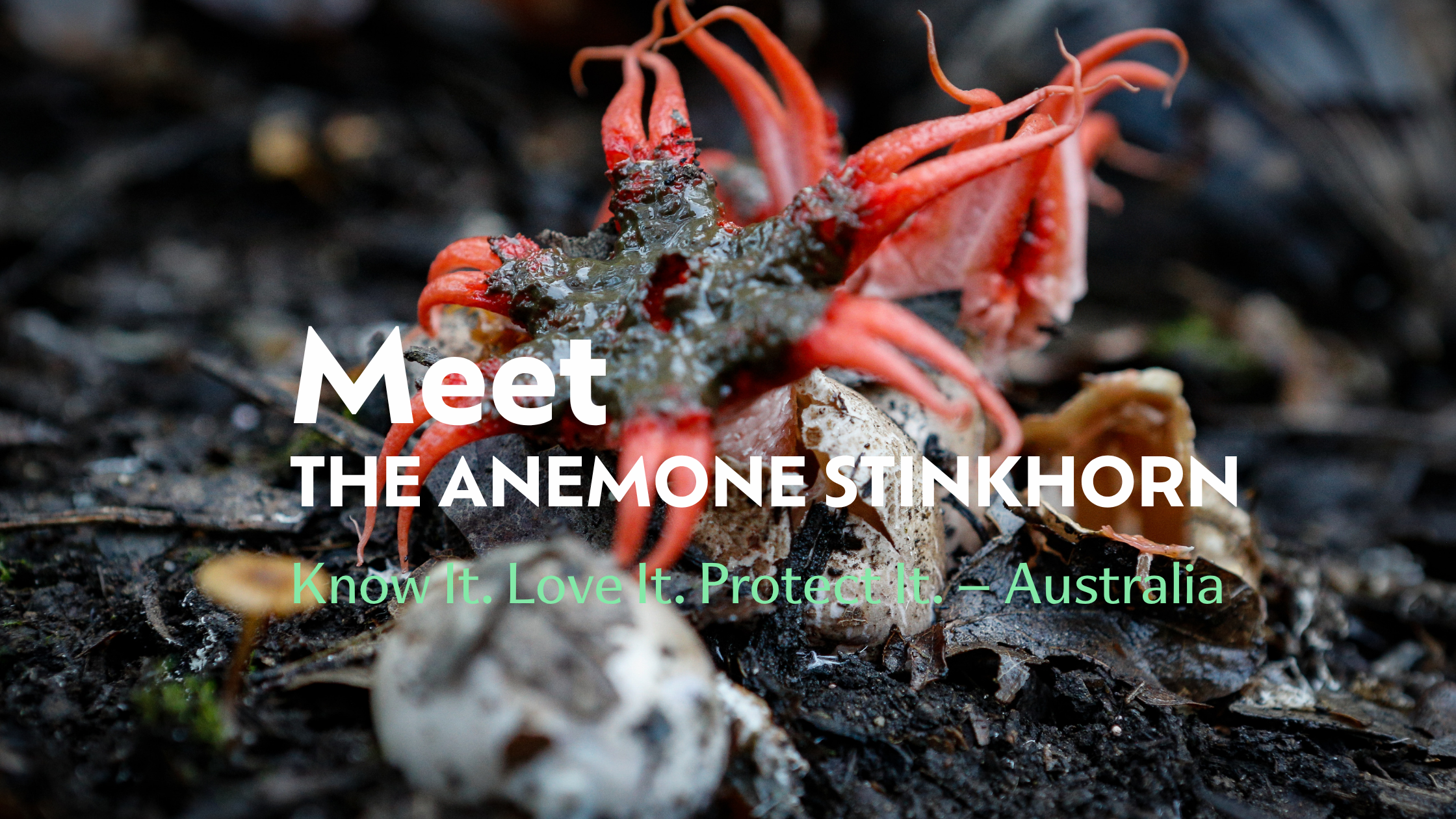
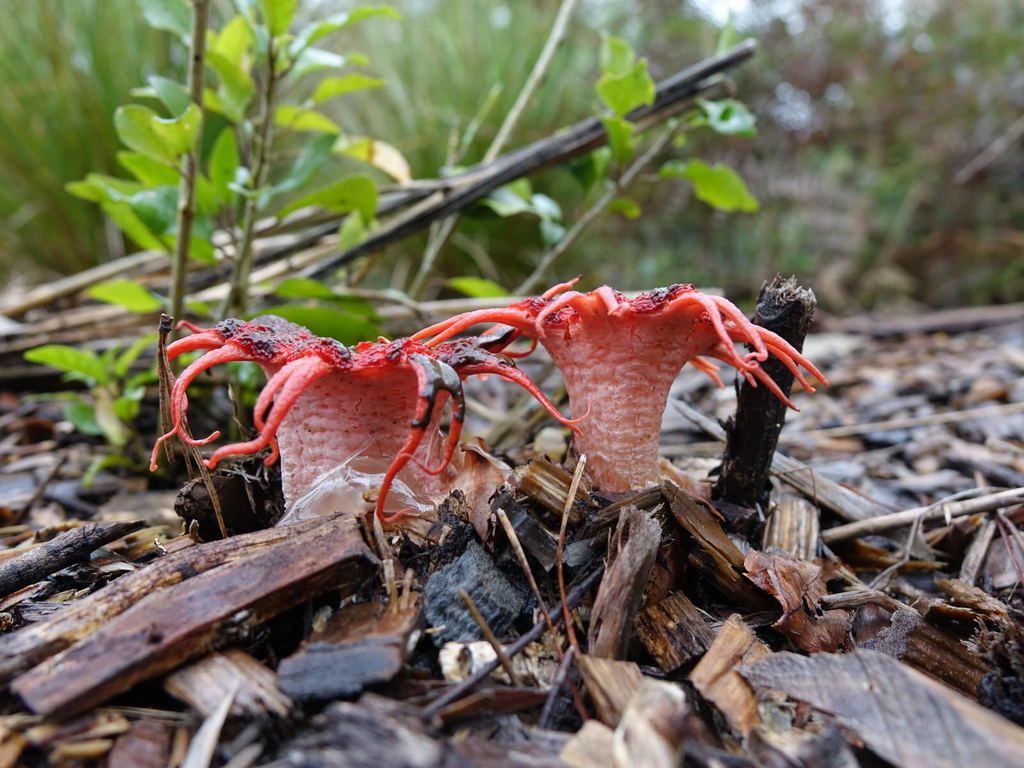
    With its bright red tentacles and unusual star-shaped appearance, the Anemone Stinkhorn is one of Australia’s most eye-catching fungi and looks more like a sea creature than a mushroom.

    Native to Australia, this remarkable fungus often appears in gardens, forests and mulch after rain, where its vibrant colours make it difficult to miss.

    It is a reminder that fungi are among the most fascinating and overlooked forms of biodiversity.

    Why it matters

    The Anemone Stinkhorn plays an important role in supporting healthy ecosystems.

    ♻️ It helps break down dead organic matter and recycle nutrients back into the environment

    β€οΈβ€πŸ©Ή It contributes to soil health through the decomposition process

    πŸ„ It forms part of the complex fungal networks that support ecosystem function

    🌱 It highlights the often-overlooked importance of fungi in maintaining biodiversity

    Without fungi such as the Anemone Stinkhorn, many natural systems would struggle to recycle nutrients efficiently.

    Fun facts

    πŸ€“ The Anemone Stinkhorn is native to Australia

    πŸ€“ Its bright red tentacles give it a distinctive starfish-like appearance

    πŸ€“ It is commonly found growing in mulch, gardens and forested areas after rain

    πŸ€“ Its unusual smell helps attract insects, which assist with spore dispersal

    A deeper reflection

    The Anemone Stinkhorn challenges the idea that biodiversity is limited to plants and animals.

    Fungi are essential to life on Earth, yet they often receive far less attention than the species we can easily see and recognise.

    By breaking down organic matter and supporting nutrient cycling, fungi quietly sustain the ecosystems that countless other species depend upon.

    In a country with more than 600,000 native species, many found nowhere else on Earth, the Anemone Stinkhorn reminds us that biodiversity includes an extraordinary hidden world beneath our feet.

    Protecting habitats means protecting not only the plants and animals we love, but also the fungi that help keep ecosystems healthy and resilient.

    From Wonder to Action

    Learn & understand

    Explore how biodiversity, climate, and land systems are deeply connected through our workshops with People For Nature.

    Create your Nature Oasis

    Plant native species to restore habitat and support the insects, birds, and wildlife that depend on them.

    Join citizen science

    Record native species around you on iNaturalist and contribute to real conservation data.

    Photo credit: iNaturalist

    (Special thanks to Simon Andrews, Ambassador for People For Nature, for helping shape this story)

    References

    Australian National Botanic Gardens. Aseroe rubra (Anemone Stinkhorn). https://www.anbg.gov.au/fungi/aseroe-rubra.html 

    FungiMap. Australian fungi and their ecological importance.https://fungimap.org.au

  • Meet the Peron’s Tree Frog (Litoria peronii)

    Meet the Peron’s Tree Frog (Litoria peronii)

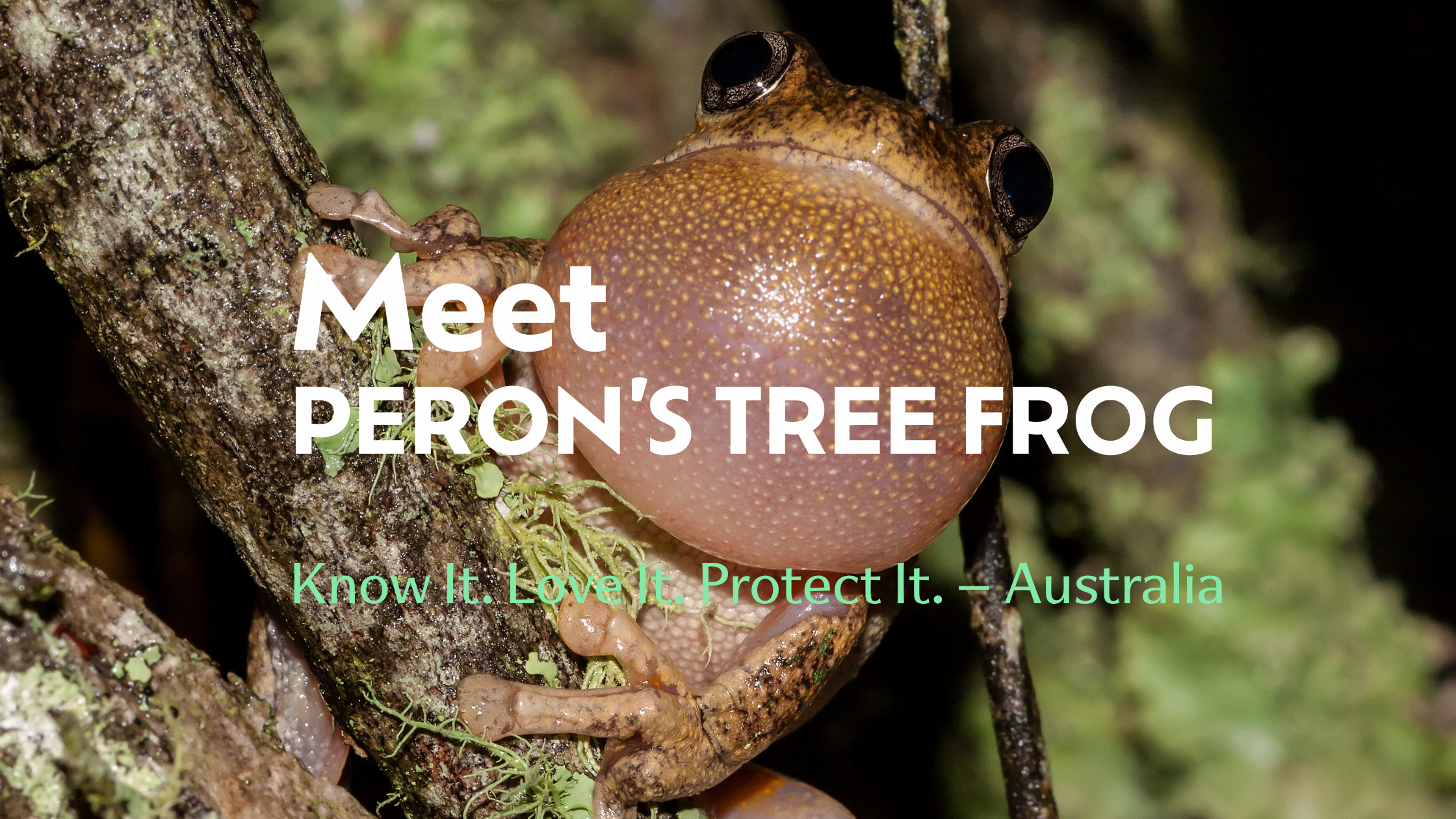
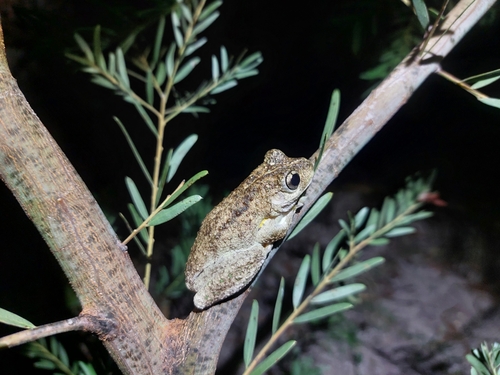
    With its distinctive laughing call and remarkable climbing ability, Peron’s Tree Frog is one of Australia’s most charismatic amphibians and a familiar visitor to gardens, forests and wetlands across eastern Australia.

    Its green-grey colouring and ability to cling to branches, rocks and even windows make it a fascinating species that often appears after rain or on warm evenings.

    It is a reminder that some of Australia’s most important wildlife is active long after the sun goes down.

    Why it matters

    Peron’s Tree Frog plays an important role in maintaining healthy ecosystems.

    🦟 It helps control insect populations by feeding on mosquitoes and other invertebrates

    🌿 It forms an important part of the food web, providing prey for birds, reptiles and mammals

    🌏 Its sensitivity to environmental change makes it an important indicator of ecosystem health

    πŸ’§ Healthy frog populations often reflect healthy waterways and surrounding habitats

    As environmental indicators, frogs provide valuable insights into the condition of the ecosystems we all depend upon.

    Fun facts

    πŸ€“ Peron’s Tree Frog is well known for its distinctive call, often described as sounding like a laugh

    πŸ€“ It has specialised toe pads that allow it to climb smooth surfaces with ease

    πŸ€“ Its colouring can vary from green-grey to brown, helping it blend into its surroundings

    πŸ€“ It is commonly found around gardens, dams, forests and wetlands throughout eastern Australia

    A deeper reflection

    Peron’s Tree Frog reminds us that even common species can tell us a great deal about the health of our environment.

    Amphibians are among the world’s most threatened vertebrates, with more than 40 per cent of species considered at risk of extinction due to habitat loss, pollution, disease and climate change.

    Their permeable skin makes them particularly sensitive to changes in water quality and environmental conditions.

    In a country with more than 600,000 native species, many found nowhere else on Earth, Peron’s Tree Frog highlights why protecting biodiversity also means protecting clean waterways, healthy habitats and the delicate ecological relationships that sustain life.

    Creating frog-friendly spaces and reducing pollution can make a meaningful difference for these remarkable amphibians.

    From Wonder to Action

    Learn & understand

    Explore how biodiversity, climate and land systems are deeply connected through our workshops with People For Nature.

    Create your Nature Oasis

    Plant native species to restore habitat and support the insects, birds and wildlife that depend on them.

    Join citizen science

    Record native species around you on iNaturalist and contribute to real conservation data.

    (Special thanks to Simon Andrews, Ambassador for People For Nature, for helping shape this story)

    Photo credit: boogman, iNaturalist.

    References

    Australian Museum. Peron’s Tree Frog (Litoria peronii).
    Australian Museum – Peron’s Tree Frog

    FrogID. Peron’s Tree Frog.
    FrogID – Peron’s Tree Frog

  • Meet the Ghost Gum (Corymbia aparrerinja)

    Meet the Ghost Gum (Corymbia aparrerinja)

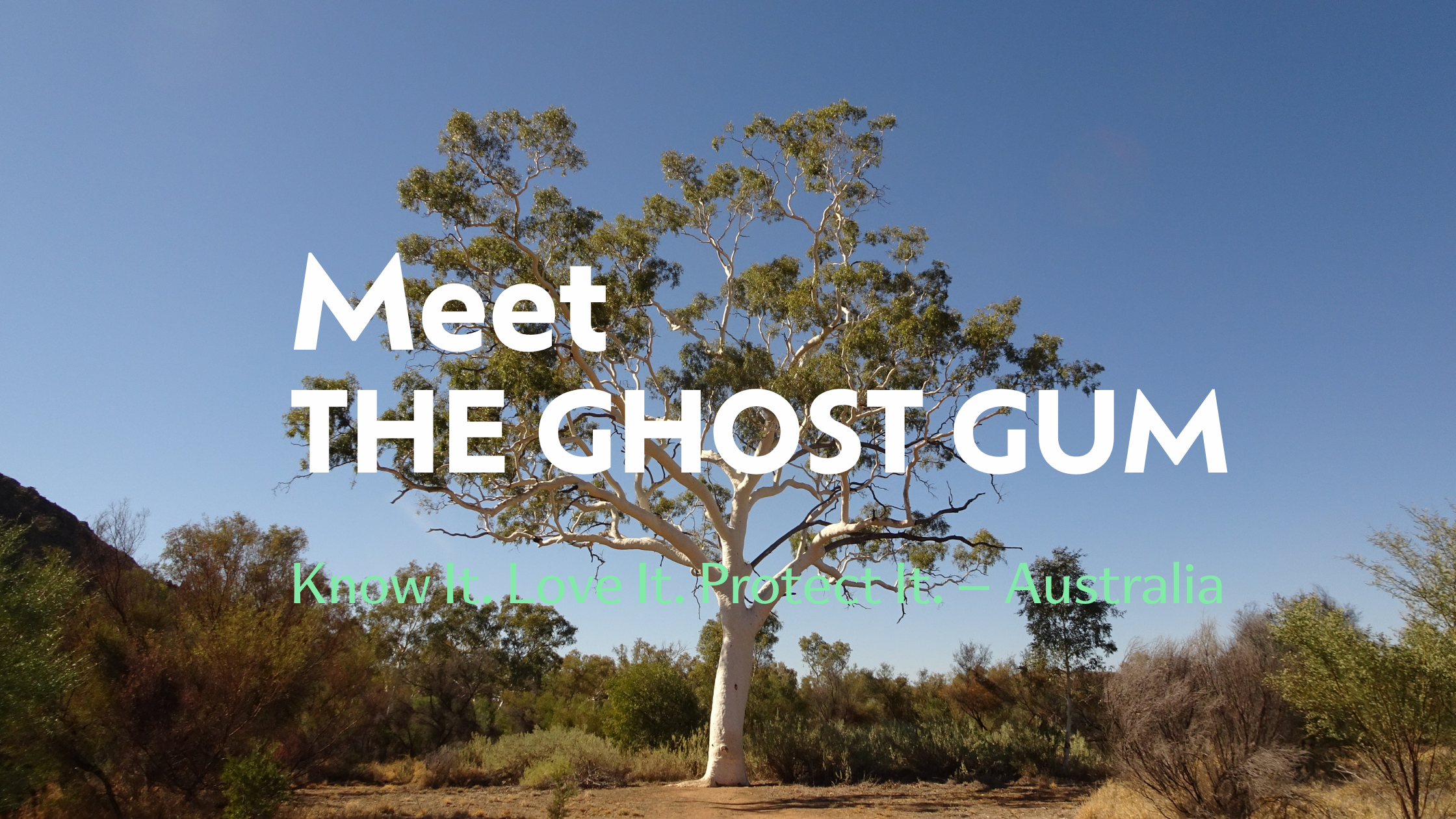
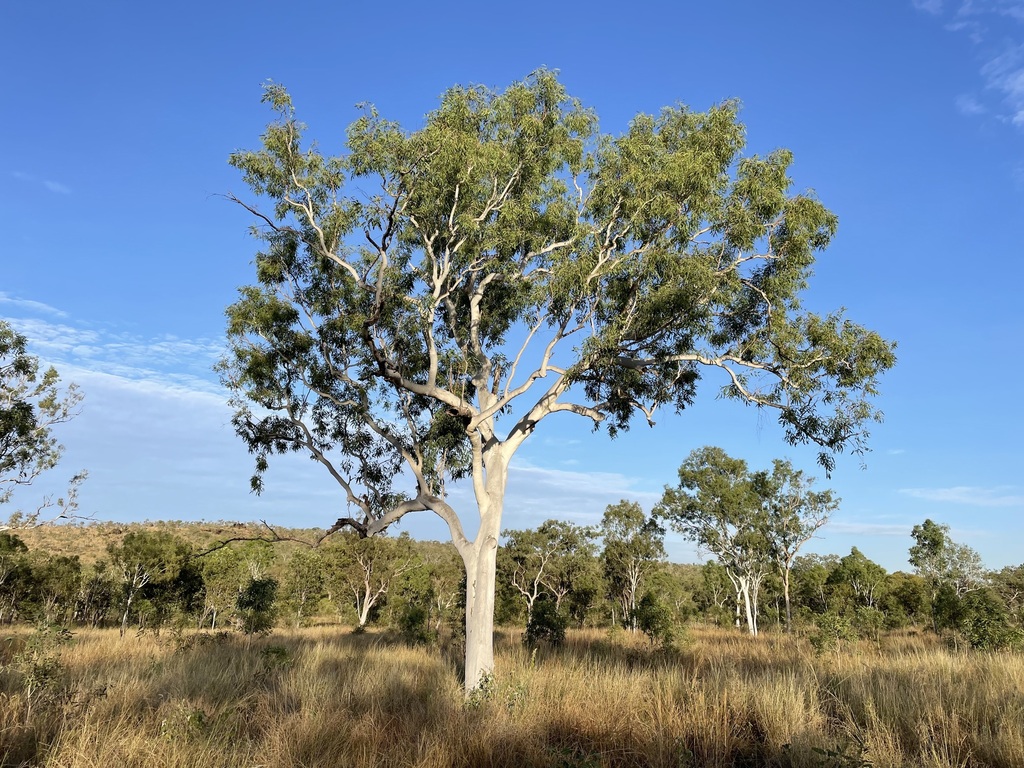
    With its brilliant white bark that appears to glow in the moonlight, the Ghost Gum is one of Australia’s most iconic and recognisable native trees.

    Found throughout Central Australia, this striking species thrives in arid landscapes where few other large trees can survive, making it a symbol of resilience in some of the country’s harshest environments.

    It is a reminder that Australia’s unique biodiversity extends far beyond its animals and includes remarkable plants adapted to extraordinary conditions.

    Why it matters

    The Ghost Gum plays an important role in supporting life across Australia’s arid ecosystems.

    πŸͺΊ It provides shelter and nesting sites for birds, mammals and insects

    🌿 It offers food resources for a variety of native species

    🌡 It contributes to the health and stability of arid landscapes

    🌏 It helps maintain biodiversity in environments where resources can be limited

    Fun facts

    πŸ€“ Ghost Gums can live for more than 100 years

    πŸ€“ They can grow up to 30 metres tall

    πŸ€“ Their smooth white bark peels away in large strips, revealing shades of red and cream underneath

    πŸ€“ Their distinctive pale trunks can appear to glow in moonlight, inspiring their common name

    Photo credit: Nature Bound Australia – connect, discover, refresh

    A deeper reflection

    The Ghost Gum challenges the perception that Australia’s arid regions are barren or lacking in biodiversity.

    These landscapes support highly specialised plants and animals that have evolved remarkable adaptations to survive in extreme conditions.

    Yet arid ecosystems are increasingly affected by climate change, habitat degradation and other environmental pressures that can alter the delicate balance of life they support.

    In a country with more than 600,000 native species, many found nowhere else on Earth, the Ghost Gum reminds us that biodiversity is found in every corner of the continent, including some of its most remote and seemingly harsh environments.

    Protecting native plants such as the Ghost Gum helps preserve the ecosystems, wildlife and natural heritage that make Australia unique.

    From Wonder to Action

    Learn & understand

    Explore how biodiversity, climate, and land systems are deeply connected through our workshops with People For Nature.

    Create your Nature Oasis

    Plant native species to restore habitat and support the insects, birds, and wildlife that depend on them.

    Join citizen science

    Record native species around you on iNaturalist and contribute to real conservation data.

    (Special thanks to Simon Andrews, Ambassador for People For Nature, for helping shape this story)

    References:

    Australian National Botanic Gardens. Corymbia aparrerinja (Ghost Gum).https://www.anbg.gov.au/gnp/gnp11/corymbia-aparrerinja.html