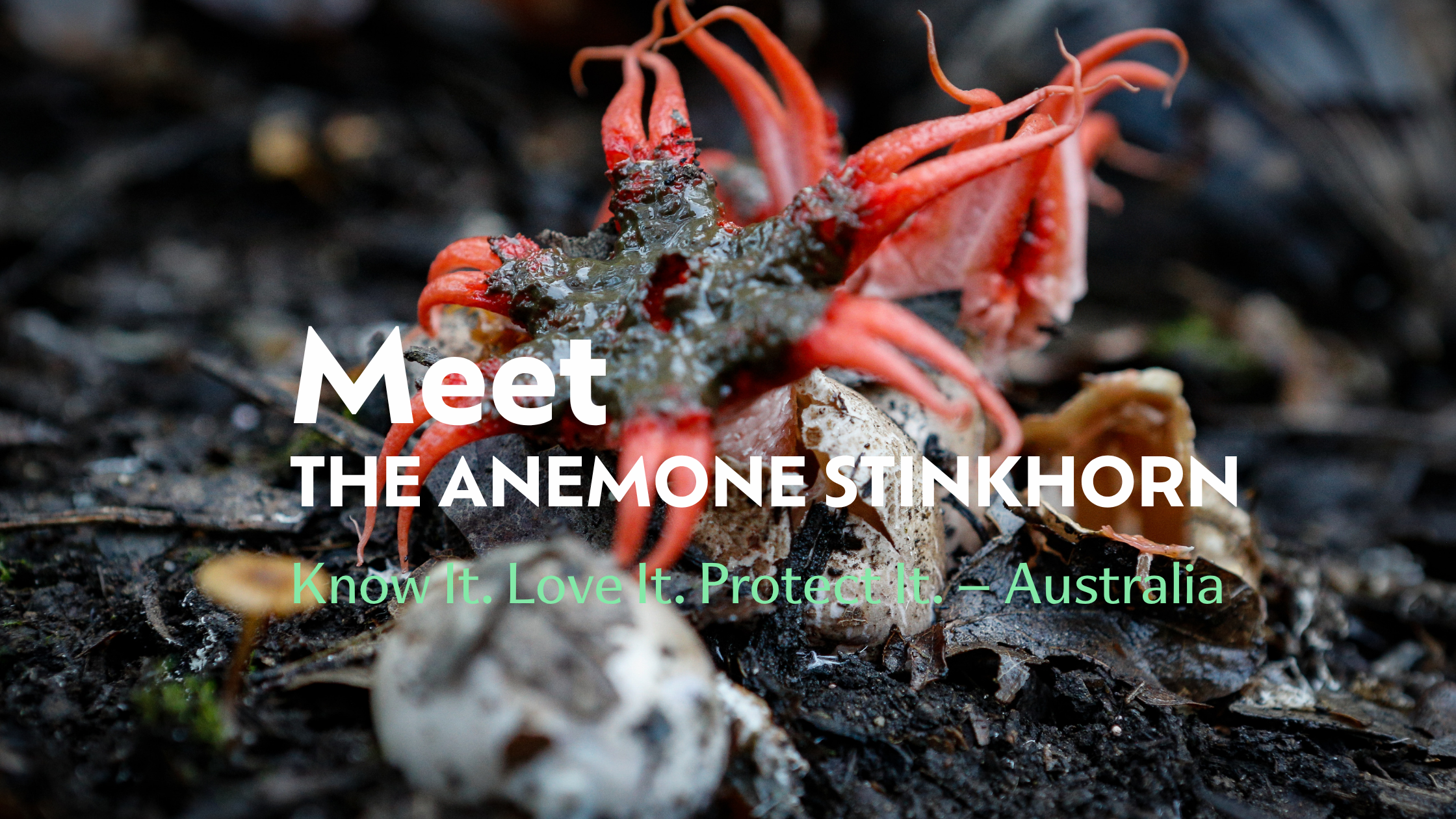
With its bright red tentacles and unusual star-shaped appearance, the Anemone Stinkhorn is one of Australia’s most eye-catching fungi and looks more like a sea creature than a mushroom.
Native to Australia, this remarkable fungus often appears in gardens, forests and mulch after rain, where its vibrant colours make it difficult to miss.
It is a reminder that fungi are among the most fascinating and overlooked forms of biodiversity.
Why it matters
The Anemone Stinkhorn plays an important role in supporting healthy ecosystems.
♻️ It helps break down dead organic matter and recycle nutrients back into the environment
❤️🩹 It contributes to soil health through the decomposition process
🍄 It forms part of the complex fungal networks that support ecosystem function
🌱 It highlights the often-overlooked importance of fungi in maintaining biodiversity
Without fungi such as the Anemone Stinkhorn, many natural systems would struggle to recycle nutrients efficiently.
Fun facts
🤓 The Anemone Stinkhorn is native to Australia
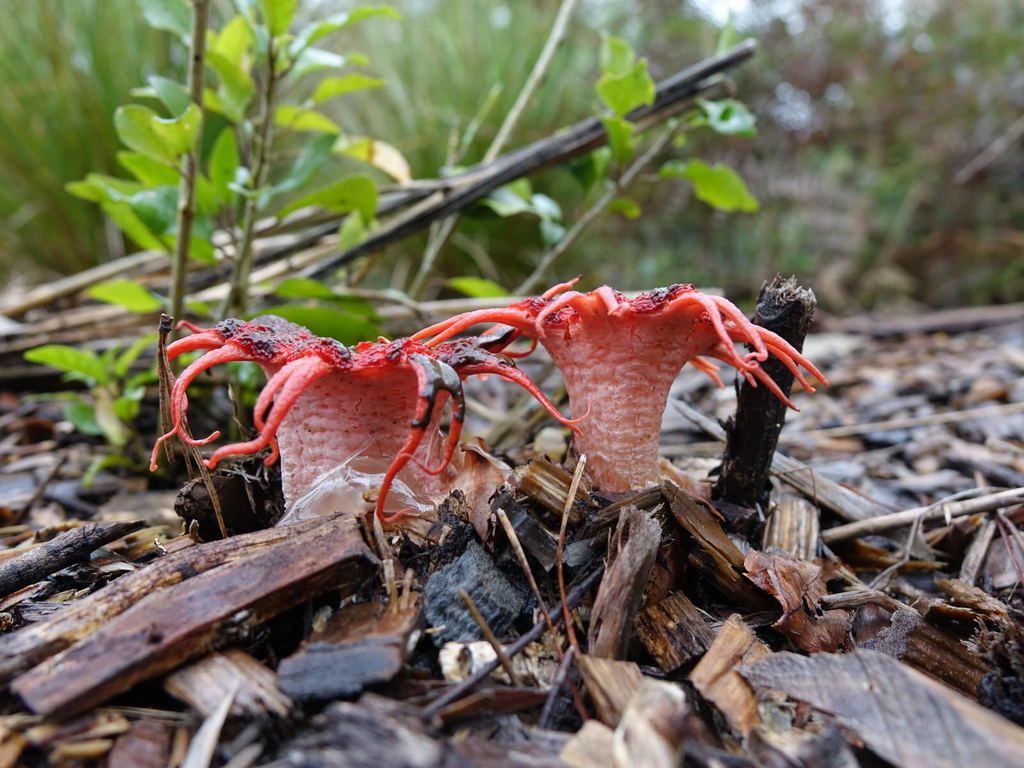
🤓 Its bright red tentacles give it a distinctive starfish-like appearance
🤓 It is commonly found growing in mulch, gardens and forested areas after rain
🤓 Its unusual smell helps attract insects, which assist with spore dispersal
A deeper reflection
The Anemone Stinkhorn challenges the idea that biodiversity is limited to plants and animals.
Fungi are essential to life on Earth, yet they often receive far less attention than the species we can easily see and recognise.
By breaking down organic matter and supporting nutrient cycling, fungi quietly sustain the ecosystems that countless other species depend upon.
In a country with more than 600,000 native species, many found nowhere else on Earth, the Anemone Stinkhorn reminds us that biodiversity includes an extraordinary hidden world beneath our feet.
Protecting habitats means protecting not only the plants and animals we love, but also the fungi that help keep ecosystems healthy and resilient.
From Wonder to Action
Learn & understand
Explore how biodiversity, climate, and land systems are deeply connected through our workshops with People For Nature.
Create your Nature Oasis
Plant native species to restore habitat and support the insects, birds, and wildlife that depend on them.
Join citizen science
Record native species around you on iNaturalist and contribute to real conservation data.
Photo credit: iNaturalist
(Special thanks to Simon Andrews, Ambassador for People For Nature, for helping shape this story)
References
Australian National Botanic Gardens. Aseroe rubra (Anemone Stinkhorn). https://www.anbg.gov.au/fungi/aseroe-rubra.html
FungiMap. Australian fungi and their ecological importance.https://fungimap.org.au
Leave a Reply