Category: CitizenCOP Australia

  • Citizen COP Australia: Bringing global climate conversations to your neighbourhood

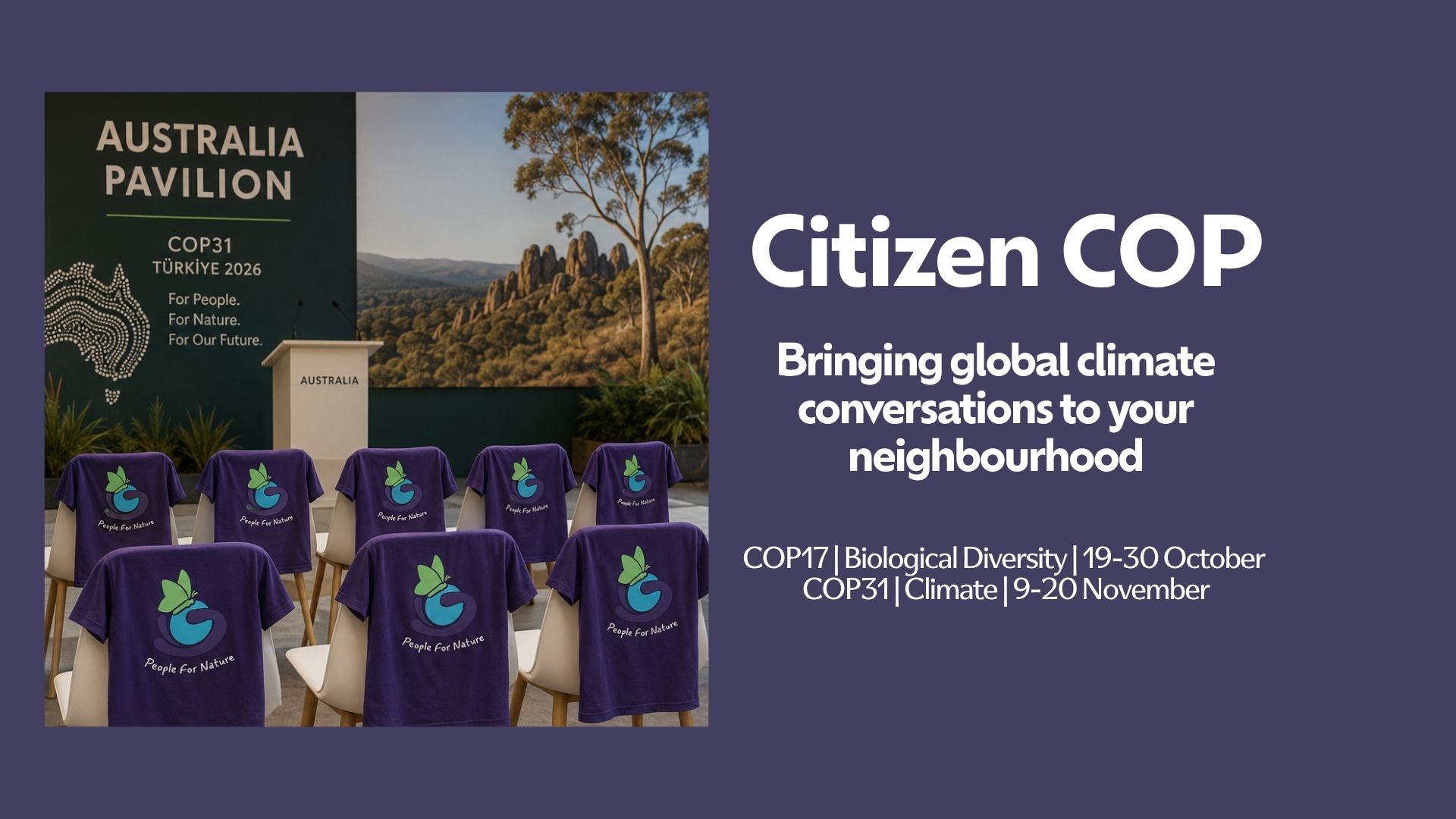
    Citizen COP Australia: Bringing global climate conversations to your neighbourhood

    Every year, world leaders, scientists, negotiators, businesses, NGOs, and civil society groups gather for global environmental summits known as COPs — Conferences of the Parties at the UN Climate Change Conference. Here is where major environmental agreements, including the Paris and Kyoto Agreements are negotiated and drafted. This year, there will be two major global COPs. 

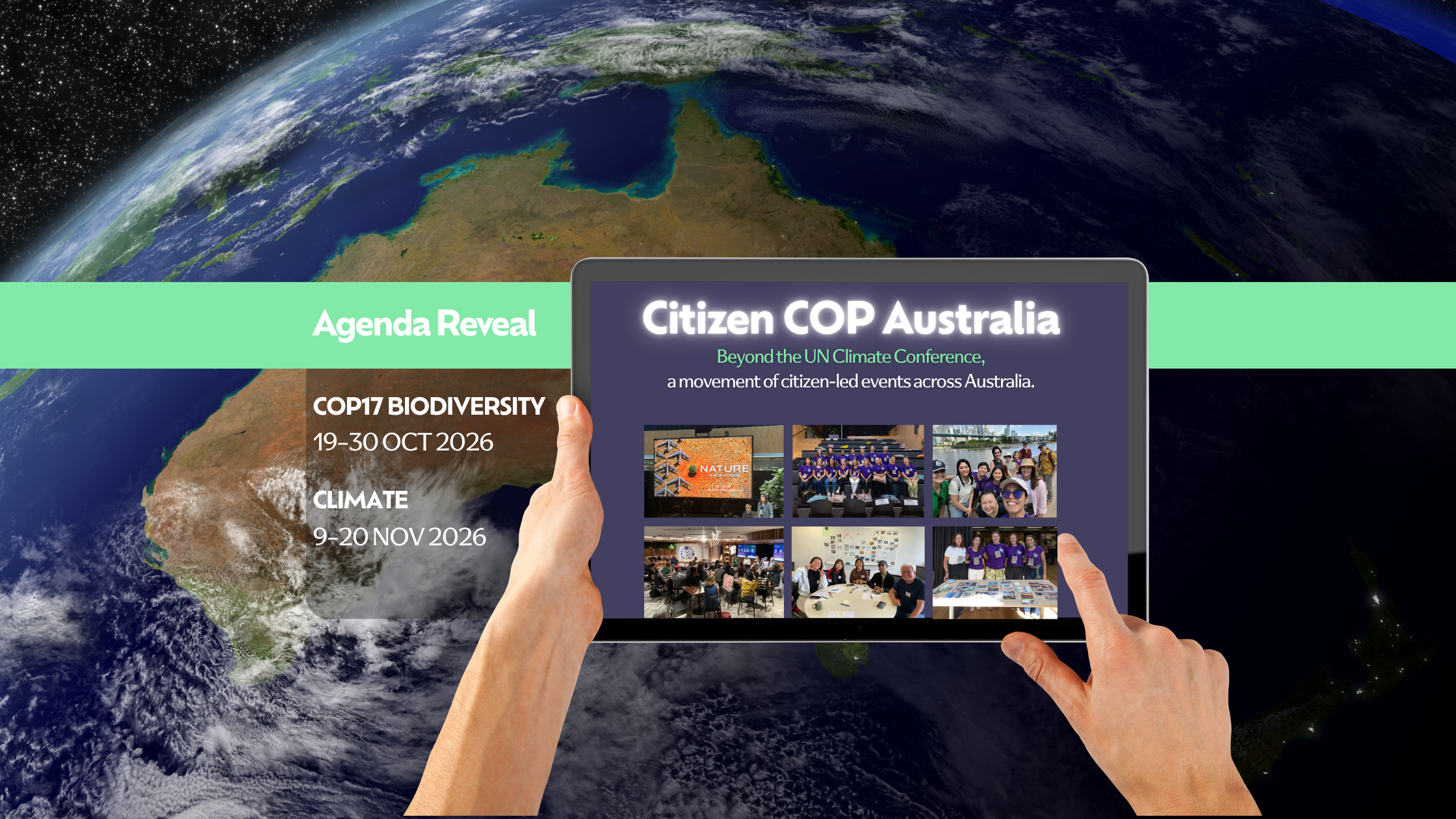
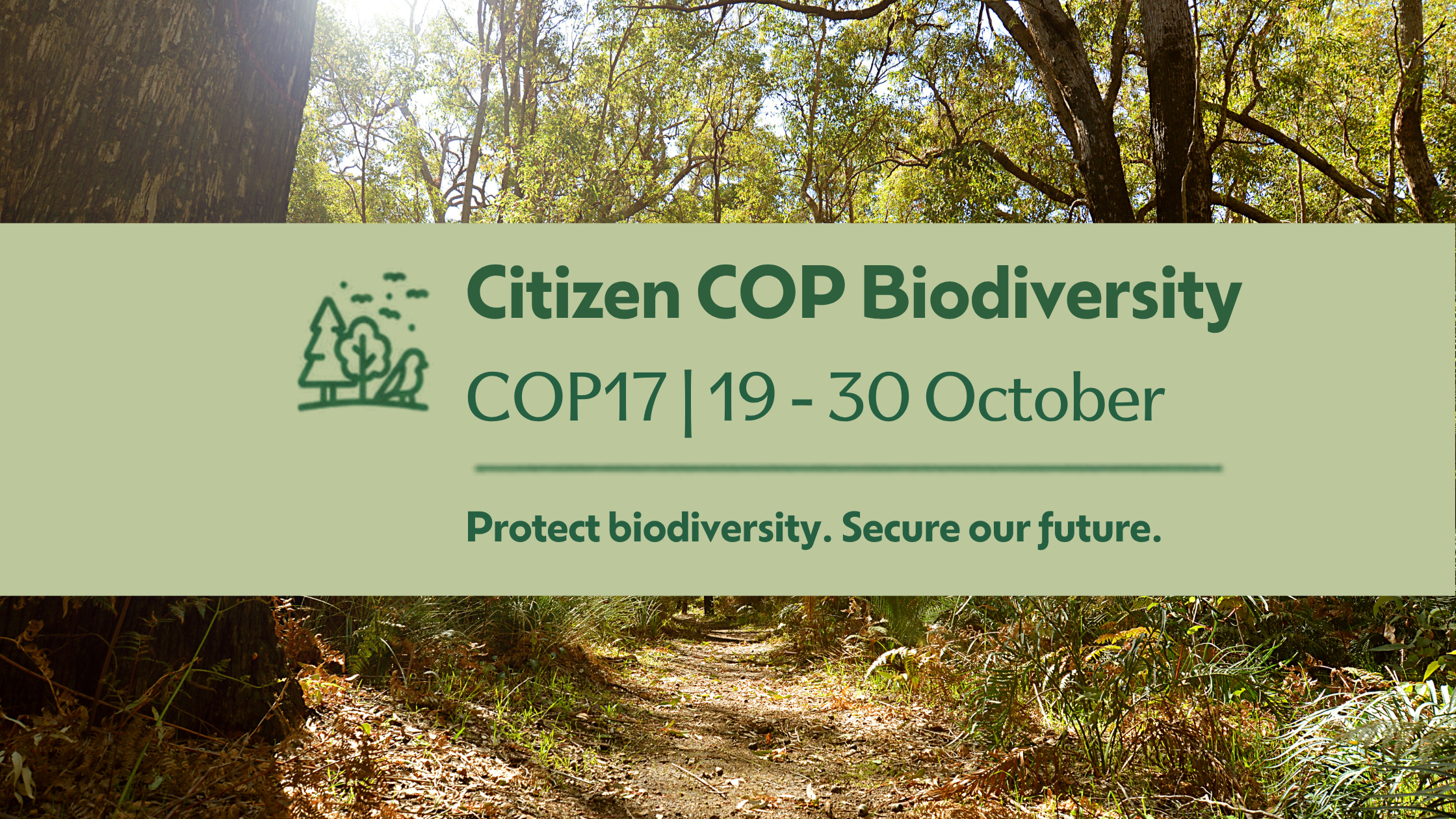
    🌿 COP17 Biodiversity (19–30 Oct) held in Yerevan, Armenia.

    🌎 COP31 Climate (9–20 Nov) taking place in Antalya, Türkiye.

    These negotiations, which will be led by Australia this year, focus on reducing greenhouse gas emissions, accelerating the energy transition, adapting to climate impacts, and financing climate action globally. 

    And while these conferences are essential, they can also feel distant from everyday life… unless you’re part of the official agenda.

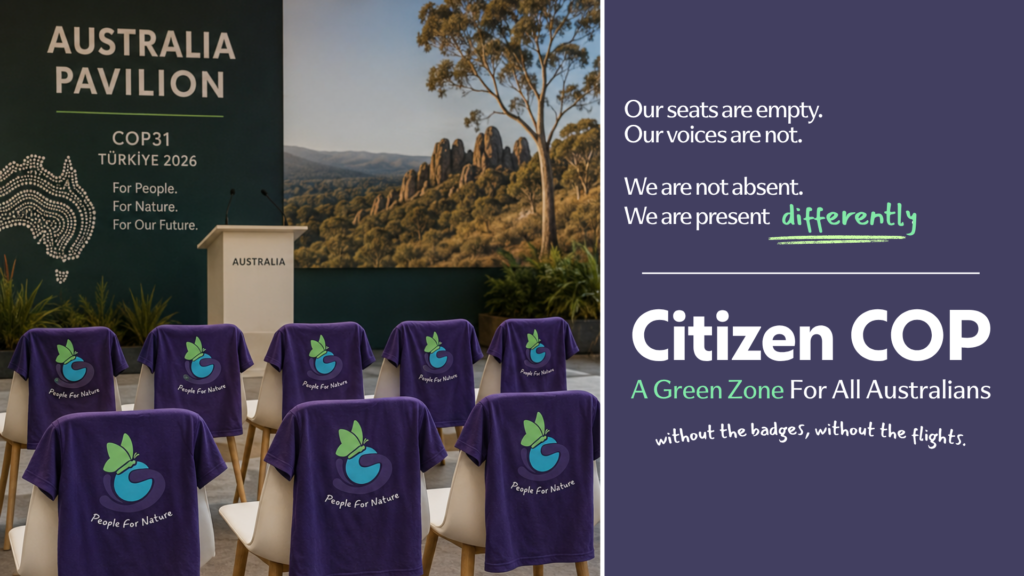
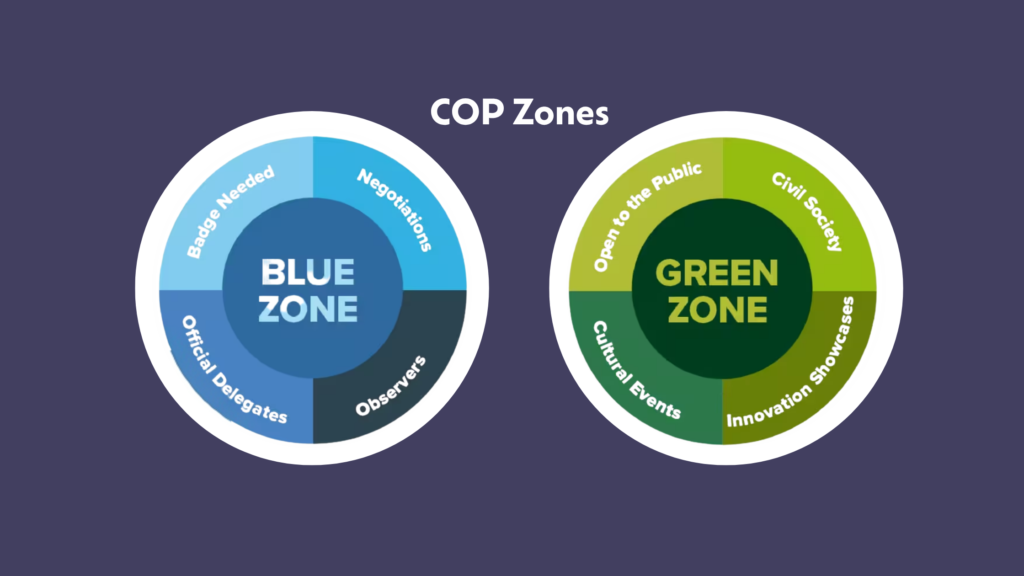
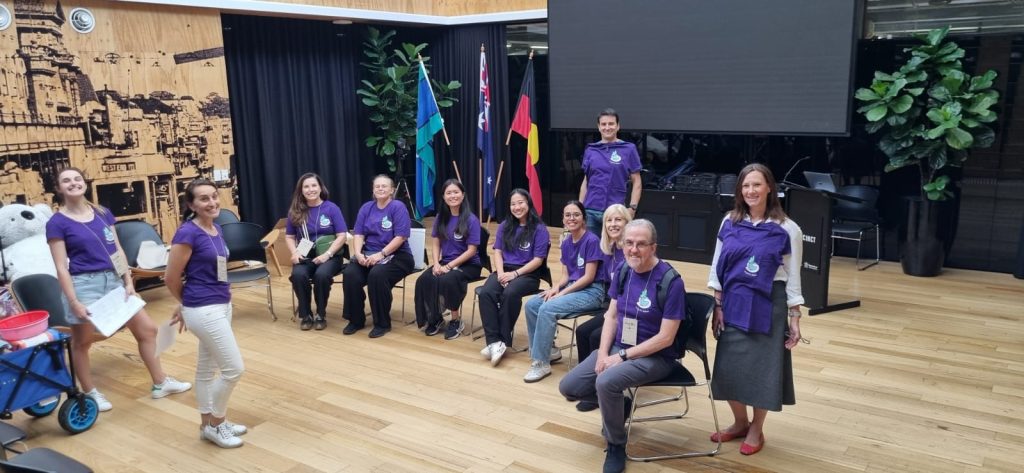
    That is where Citizen COP Australia comes in: a nationwide, people-powered movement bringing the spirit of the COP “Green Zone” (the public area at the UN Conference) into communities across Australia — creating spaces where everyone can learn, connect, share ideas and take action for climate and nature.

    Enabled by People For Nature but intentionally independent and distributed, Citizen COP invites communities, organisations, schools, businesses, artists, and local groups across Australia to host their own events during the COP periods.

    Rather than a single centralised conference, Citizen COP becomes a network of locally led conversations and actions — a “people’s COP” that makes global negotiations visible, accessible, and relevant at community level.

    Help build Australia’s biggest citizen-led Green Zone 

    The official COP Green Zone creates space for civil society, communities, innovators, youth and organisations to engage beyond formal negotiations. Citizen COP expands that idea.

    Our vision is a nationwide Green Zone — where every community, every state and every Australian has the opportunity to participate.

    We believe climate and biodiversity action should be participatory, community-driven, and aligned with the values of the future we are trying to create.

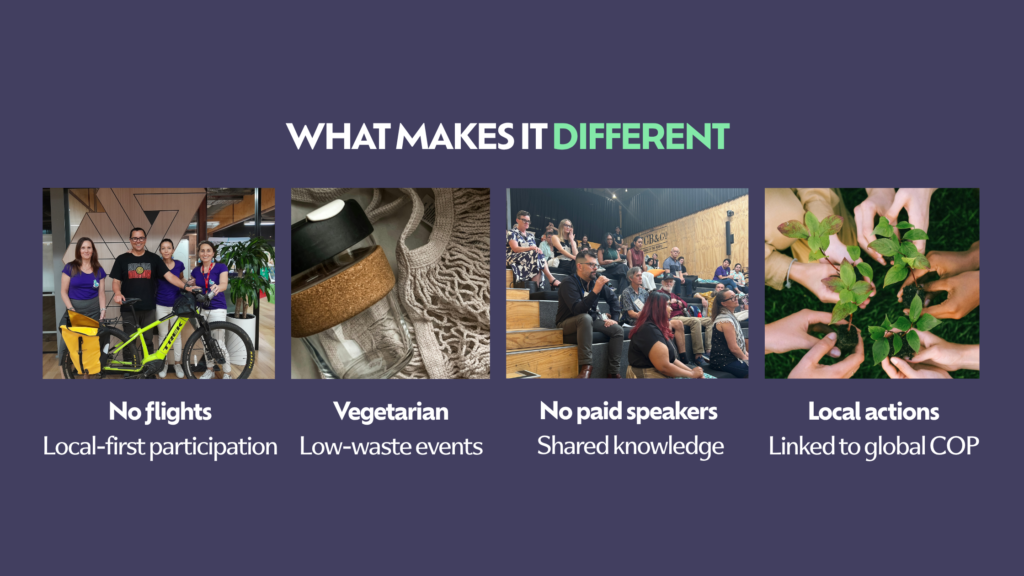
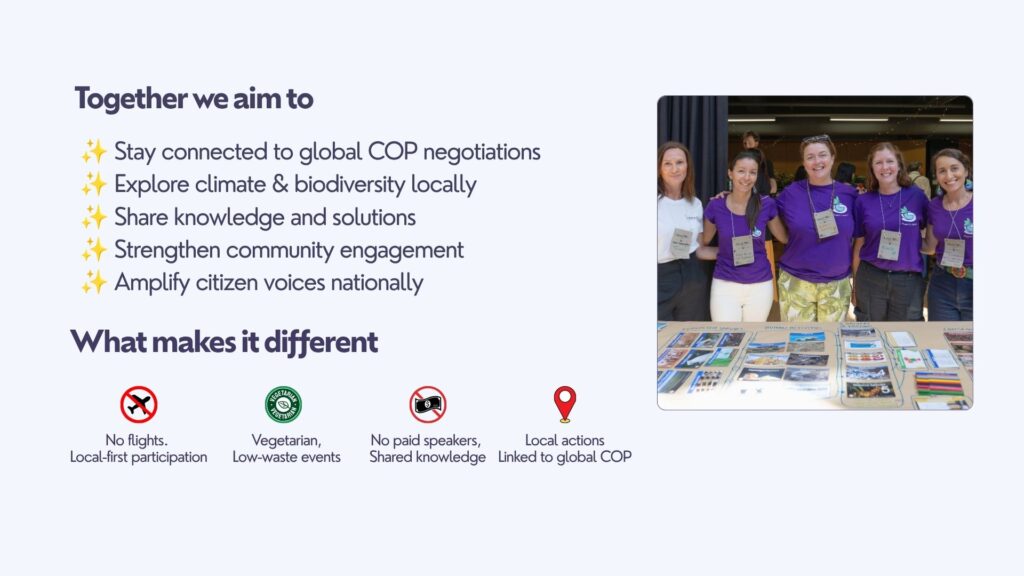
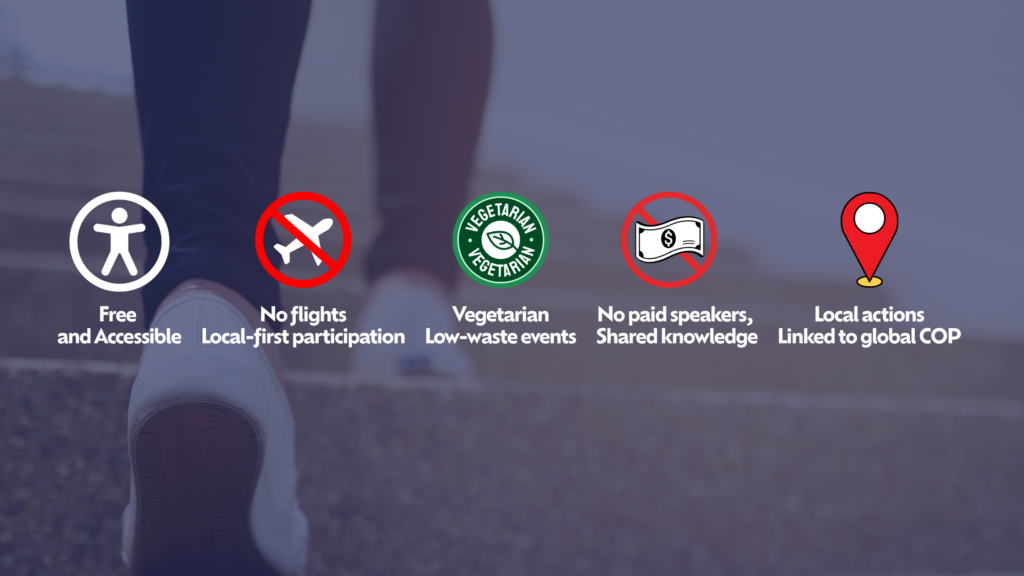
    Participating events are encouraged to follow a set of shared principles, including:

    • No flights associated with events or speaker participation
    • Low-waste and environmentally responsible event design
    • Vegetarian or plant-forward catering
    • A focus on local action and community solutions
    • No paid speakers, encouraging contribution through shared purpose rather than commercialisation
    • Inclusivity, accessibility, and constructive dialogue

    These principles are not about perfection. They are about modelling practical, values-aligned ways of gathering and collaborating.

    In a world where large conferences can sometimes carry significant environmental footprints themselves, Citizen COP aims to demonstrate that meaningful engagement can happen locally, affordably, and with minimal impact.

    Together, we can build a Green Zone where conversations happen in neighbourhoods, schools, workplaces, community halls, parks and online spaces. A Green Zone where knowledge becomes action.

    Many ways to participate 

    Citizen COP is intentionally designed as a distributed movement rather than a branded, centralised event. 

    There are many ways you could participate:

    • Schools may host student climate forums or biodiversity projects. 
    • Councils might facilitate community workshops. 
    • Businesses could organise sustainability discussions or host Climate Fresk, Biodiversity Collage or Circular Economy Collage workshops with staff and customers. 
    • Artists may create exhibitions or performances exploring ecological themes. 
    • Community groups might run repair cafés, nature walks, film screenings, climate cafés, and so much more.

    This decentralised approach allows communities to shape discussions around the issues most relevant to them – whether that is renewable energy, biodiversity restoration, circular economy solutions, sustainable food systems, greener cities, climate adaptation, conservation, or community wellbeing.

    Global issues call for local solutions 

    The impacts of climate change and biodiversity loss are deeply local.

    At a time when Australia has an unprecedented opportunity to help shape global environmental conversations through its leadership role connected to COP31, Citizen COP creates a way for communities across the country to feel part of that moment.

    Citizen COP bridges the gap between global negotiations and everyday life by translating complex environmental issues into practical, human-centred conversations in our neighbourhoods, schools, workplaces, organisations, and communities.

    📆 Interested in organising an event, submit your EOI before 31 August.

    🙌 Want to help out? Contact us today!

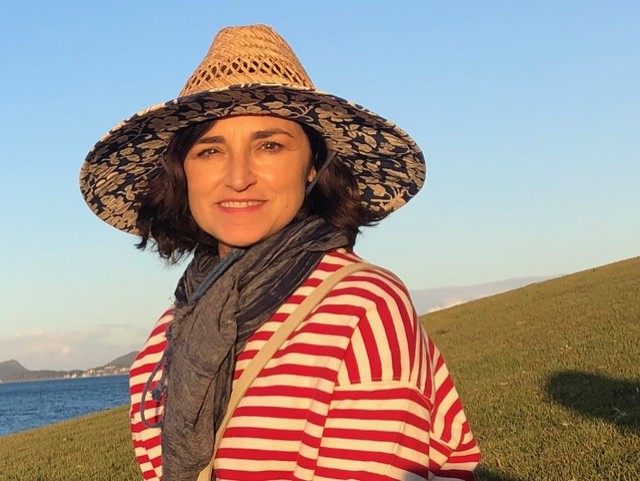
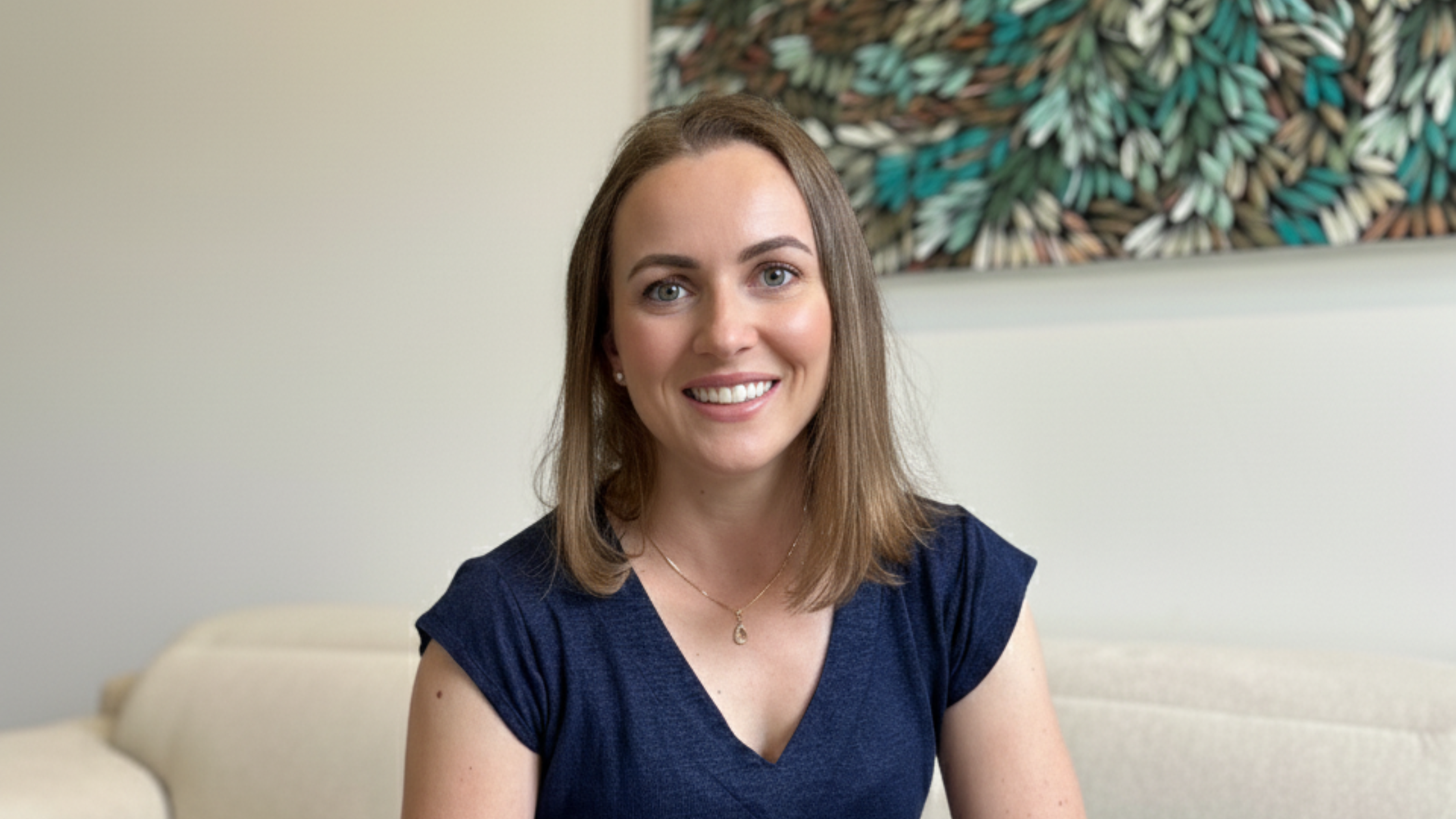
  • Meet our ambassador: Andreia Silva

    Meet our ambassador: Andreia Silva

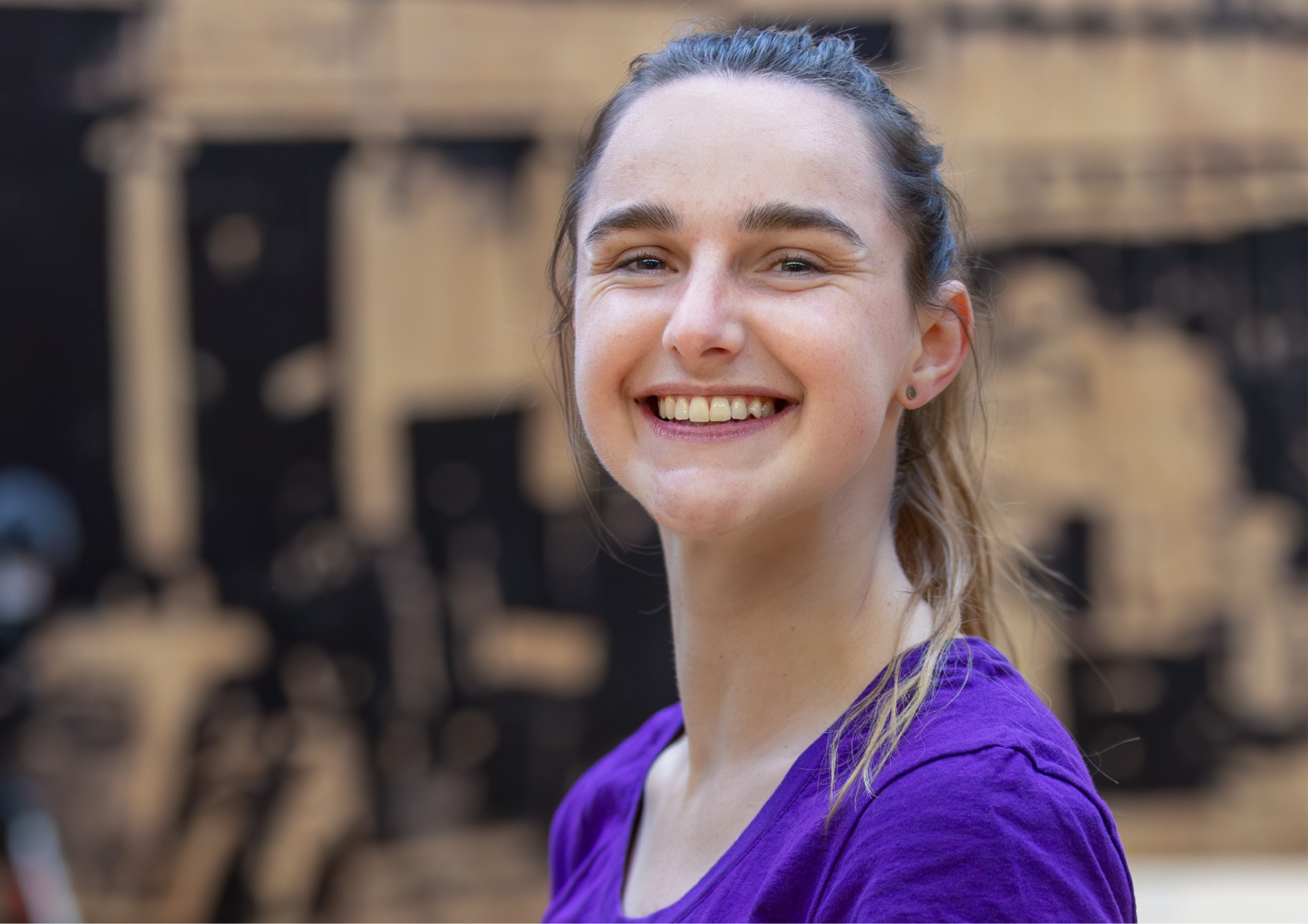
    Originally from Brazil, Andreia has called Australia home for the past eight years and is now based in beautiful Queensland with her family.

    With an 18-year career in the IT industry, Andreia has worked as a project and program manager at SAP, helping organisations navigate complexity and deliver meaningful change. More recently, she has combined her technology expertise with his passion for positive impact, founding a business that supports purpose-driven organisations and NGOs to adopt AI safely and responsibly — reducing administrative burden and amplifying their missions.

    Over the past three years, Andreia has dedicated significant time to deepening her understanding of climate change, biodiversity loss, ecological restoration and sustainable food systems. She is passionate about regenerative gardening and is currently exploring native plant identification and foraging, discovering new ways to connect with Australia’s unique ecosystems.

    Andreia joined People For Nature to support Citizen COP because she believes in the power of community, collaboration and informed participation to create meaningful change. She is excited to contribute her skills, experience and curiosity to a growing movement of people working towards a healthier relationship with nature.

  • Citizen COP Australia 2026: A Green Zone for Everyone, Everywhere

    Citizen COP Australia 2026: A Green Zone for Everyone, Everywhere

    Bringing global climate and biodiversity conversations into communities across Australia

    In 2026, the world will come together for two critical global moments:

    🌿 COP17 Biodiversity (19–30 October 2026)
    🌏 COP31 Climate (9–20 November 2026)

    These international conferences will shape decisions about the future of our planet. But too often, these conversations happen far away from the people and communities who are most affected — and who also hold many of the solutions.

    Citizen COP Australia exists to change that.

    Citizen COP is a nationwide, people-powered movement bringing the spirit of the COP “Green Zone” into communities across Australia — creating spaces where everyone can learn, connect, share ideas and take action for climate and nature.

    Not one big conference.

    Not one city.

    A national Green Zone made up of hundreds of local conversations, gatherings and actions.


    A COP by people, for people

    Citizen COP is built on a simple belief:

    Global decisions should not be disconnected from the people they affect.

    Every Australian should have the opportunity to participate — whether they live in a capital city, a regional town, a remote community, or somewhere in between.

    You don’t need to be a climate expert.
    You don’t need to belong to an organisation.
    You don’t need to travel.

    You simply need curiosity, care and a willingness to be part of the conversation.

    From community groups and schools to businesses, universities, artists, Traditional Owners, local councils and individuals — everyone has a role to play.


    From AlterCOP30 to Citizen COP Australia

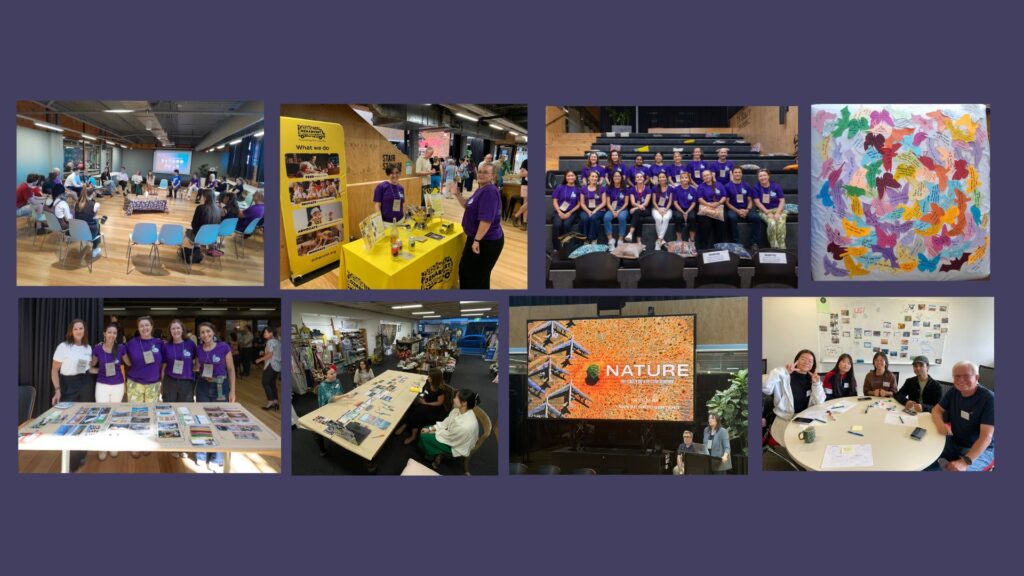
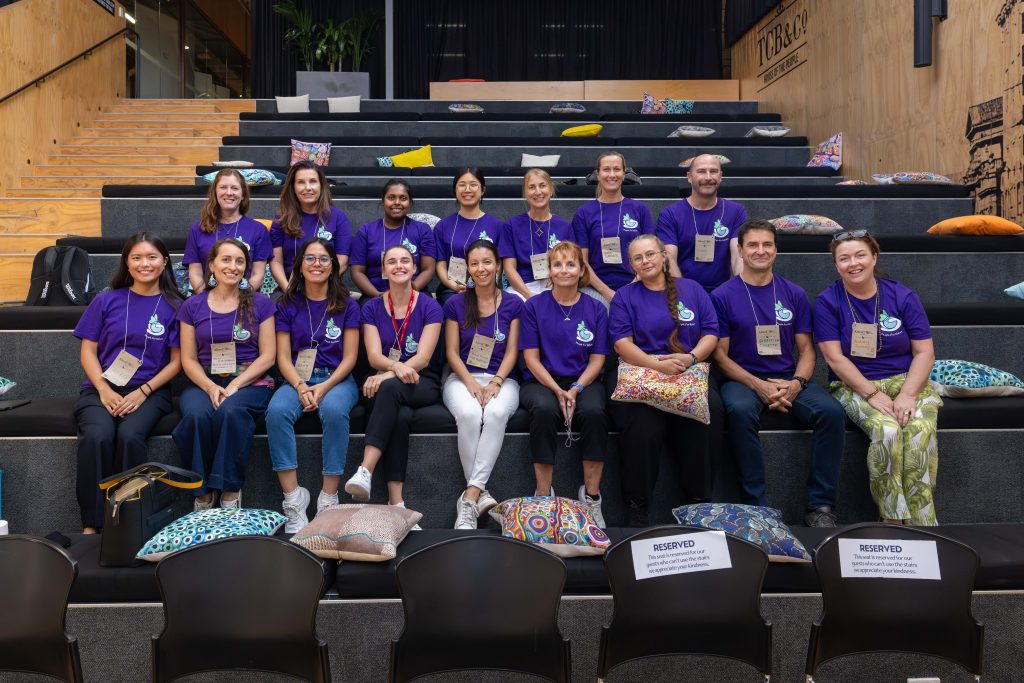
    In 2025, AlterCOP 30 Australia was the Australian AlterCOP Chapter brought to Australia by People For Nature in 2025:

    • 1,400+ registered participants
    • 42+ events
    • 8 locations
    • 49 participating organisations

    This collective experience showed that Australians are ready for meaningful, inclusive spaces to discuss the challenges and solutions shaping our future.

    Citizen COP takes that momentum further — creating a decentralised national movement alongside the global COPs of 2026.


    What does a Citizen COP event look like?

    There is no single format.

    Citizen COP is designed to reflect the diversity of Australian communities.

    Events might include:

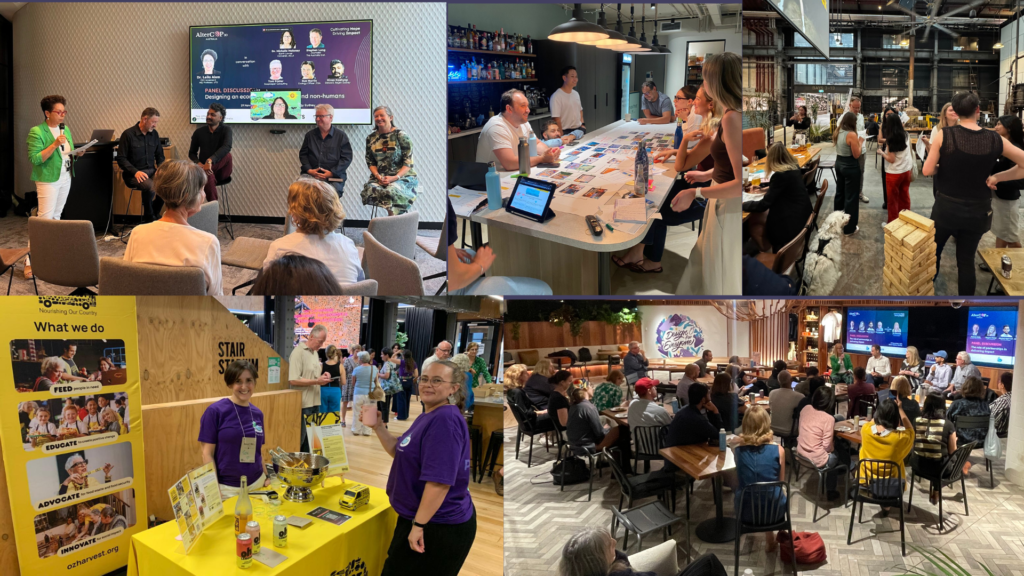
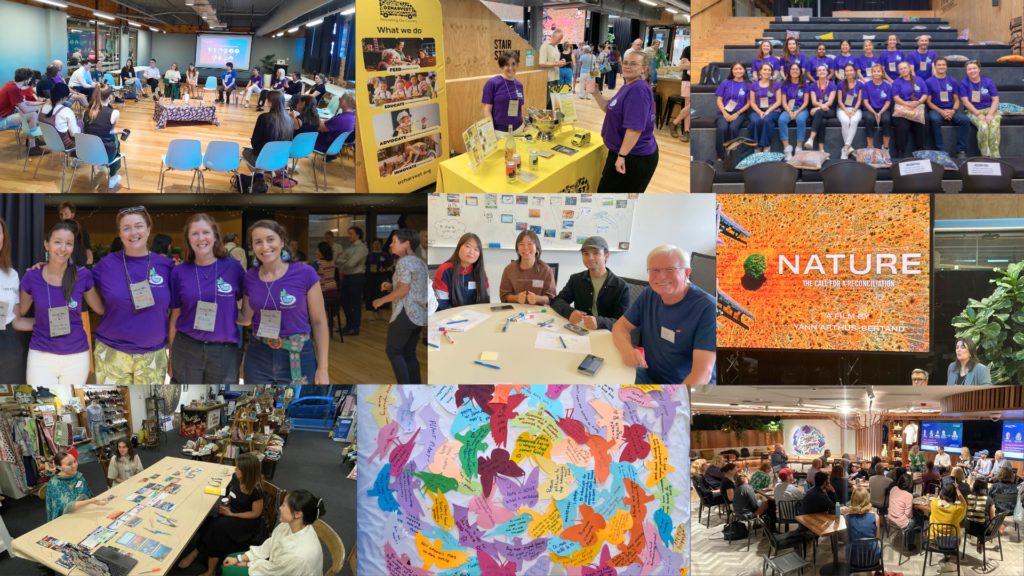
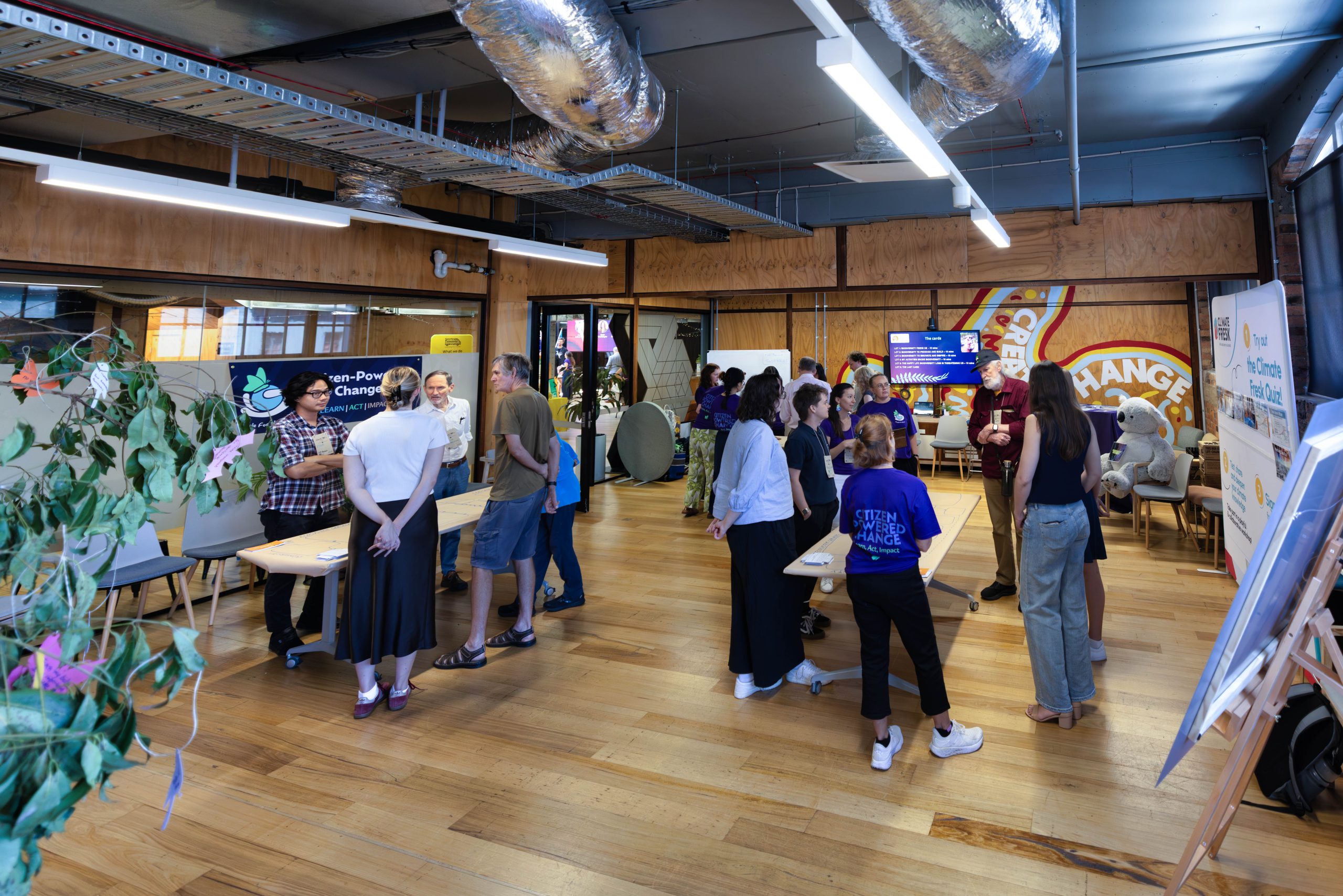
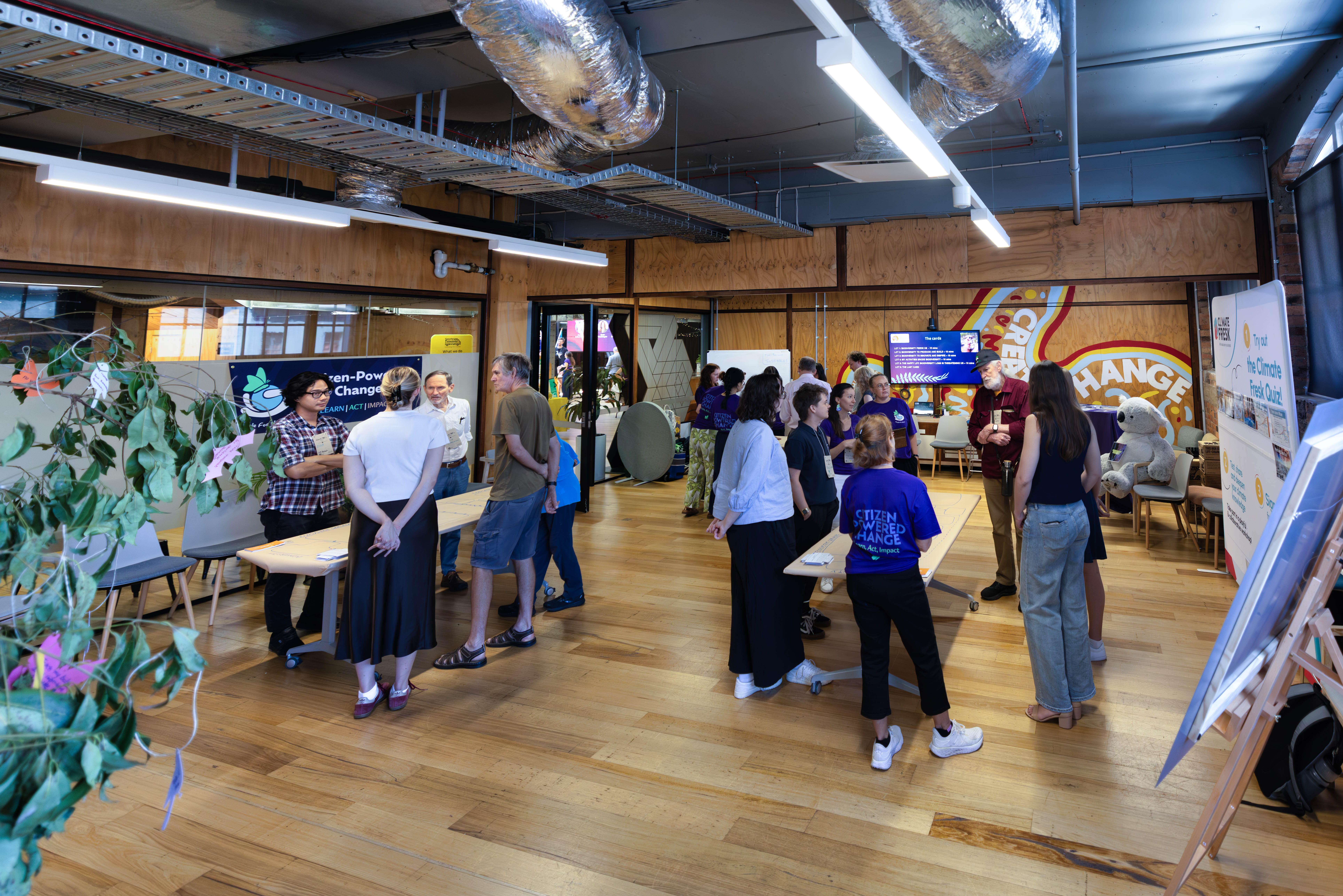
    🌱 Climate, biodiversity or sustainability workshops (e.g. Climate Fresk, Biodiversity Collage, Circular Economy Collage — we can support facilitation)
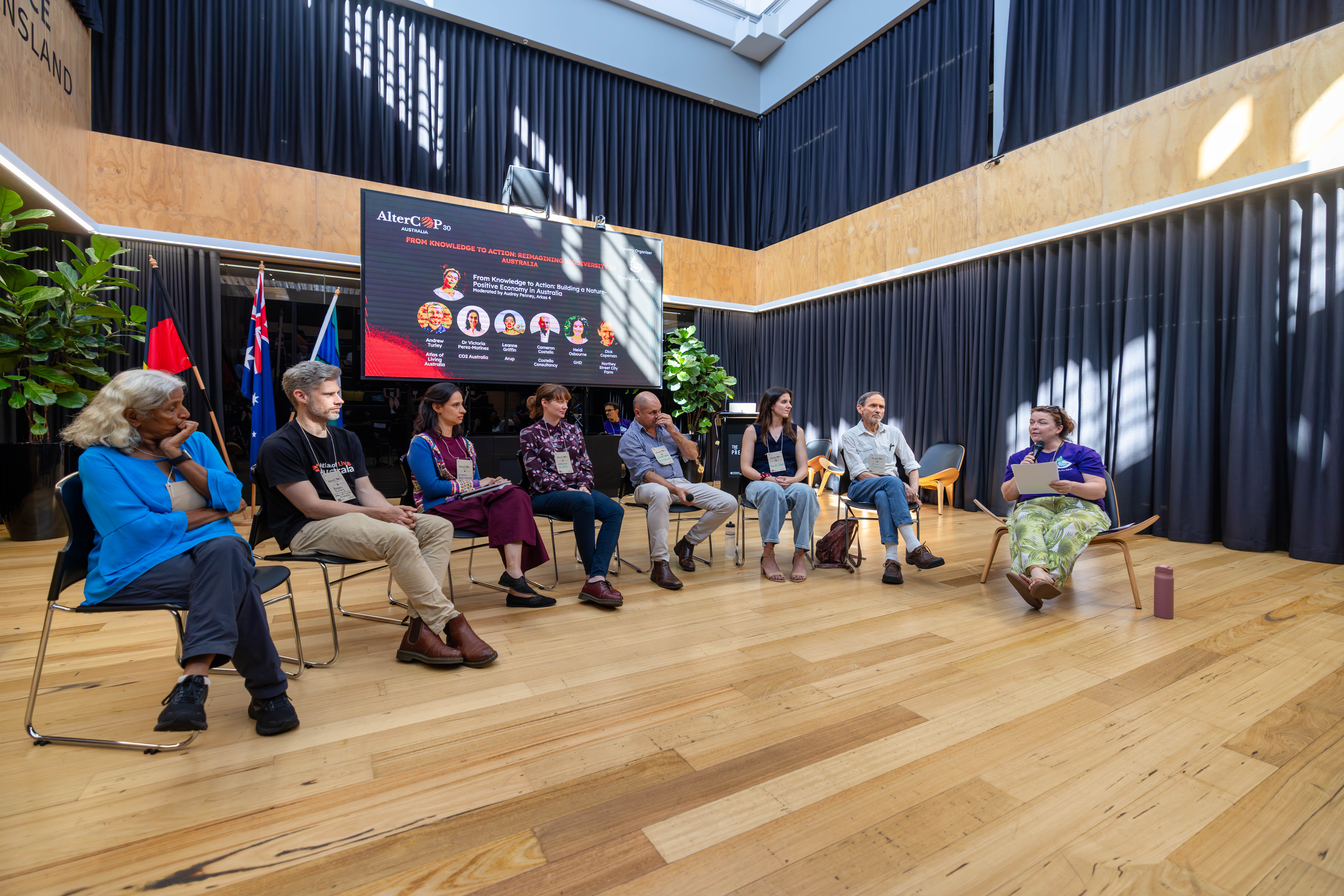
    🎤 Community conversations, panels or debates
    🎬 Film screenings and discussions (we can support screening rights for selected films such as Nature, Floodland, Rising Up, The Plastic Country)
    🎨 Art exhibitions, storytelling and creative activations
    🚶 Nature walks, cultural walks or restoration activities
    🎓 School and youth-led sessions
    🍲 Shared meals exploring food systems and sustainability
    ❓ Climate and nature trivia nights
    💻 Online discussions or webinars
    👨‍👩‍👧 Parent and community conversations about the future we want for our children

    Big or small, every gathering contributes to the national conversation


    Our shared principles

    Citizen COP events are guided by a commitment to making participation accessible, inclusive and aligned with the future we want to create.

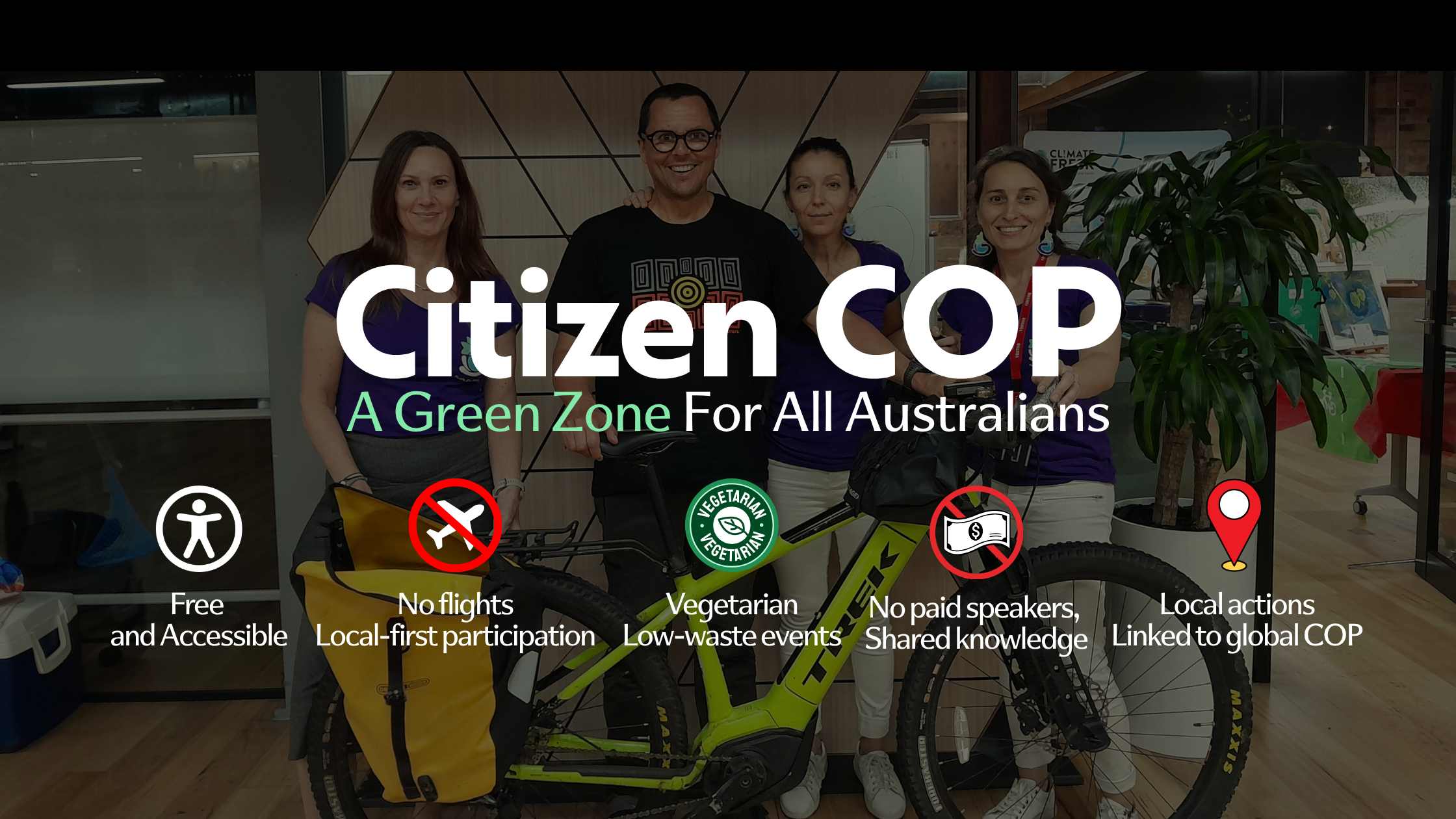
    Citizen COP events aim to be:

    ✅ Accessible to all
    ✅ No flights
    ✅ No paid speakers
    ✅ Vegetarian and low-waste
    ✅ Independent and citizen-led
    ✅ Free from fossil fuel and extractive industry influence


    Help build Australia’s biggest citizen-led Green Zone

    The official COP Green Zone creates space for civil society, communities, innovators, youth and organisations to engage beyond formal negotiations.

    Citizen COP expands that idea.

    Our vision is a nationwide Green Zone — where every community, every state and every Australian has the opportunity to participate.

    A Green Zone where conversations happen in neighbourhoods, schools, workplaces, community halls, parks and online spaces.

    A Green Zone where knowledge becomes action.


    How you can be part of Citizen COP

    You can join in three ways:

    1. Host a Citizen COP event

    Bring your community together and create a conversation or action that matters locally.

    We can support you with ideas, resources, facilitation and connections.

    Please click on the image above or HERE to fill out the EOI form.

    Submissions close Monday 31 August.

     To view events as they are added to the agenda, please visit here.

    If you have questions, please contact: citizencop@peoplefornature.org.au

    2. Join a Citizen COP event

    Attend a workshop, conversation, creative activation or community gathering near you.

    3. Support the movement

    To create a truly citizen-led Green Zone, Citizen COP must remain independent and accessible. We welcome support from individuals, philanthropic partners and values-aligned organisations who share our vision of a future where everyone can participate in climate and biodiversity conversations. Your financial contribution helps sustain the coordination, resources and community support needed to grow this national movement — while allowing Citizen COP to remain free, inclusive and guided by the voices of communities across Australia.

    To support the growth of Citizen COP and help us build Australia’s Green Zone, you can make a donation here.

    To contribute a prize or experience to our national Citizen COP raffle, please contact Dr Fanny De Busserolles at f.debusserolles@peoplefornature.org.au.

    To explore sponsorship opportunities and support Citizen COP as a partner, please contact Audrey Barucchi at a.barucchi@peoplefornature.org.au.


    Citizen COP themes include (but are not limited to):

    • Climate change, social impact & resilience
    • Climate disaster preparedness, response & adaptation
    • Sustainable cities & regenerative design
    • Biodiversity, bioeconomy & nature-based solutions
    • Food systems, regenerative agriculture & food resilience
    • Decolonised dialogues, First Nations leadership & knowledge systems
    • Youth leadership & intergenerational action
    • Women, equity & inclusive leadership
    • Health, wellbeing & climate resilience

    A shared effort

    If your organisation is interested in hosting or exploring an activation, we would love to hear from you and welcome you into this year’s cohort of participating partners.

    Warmly,
    The Citizen COP Team

  • Meet our ambassador: Daniel Bairstow

    Meet our ambassador: Daniel Bairstow

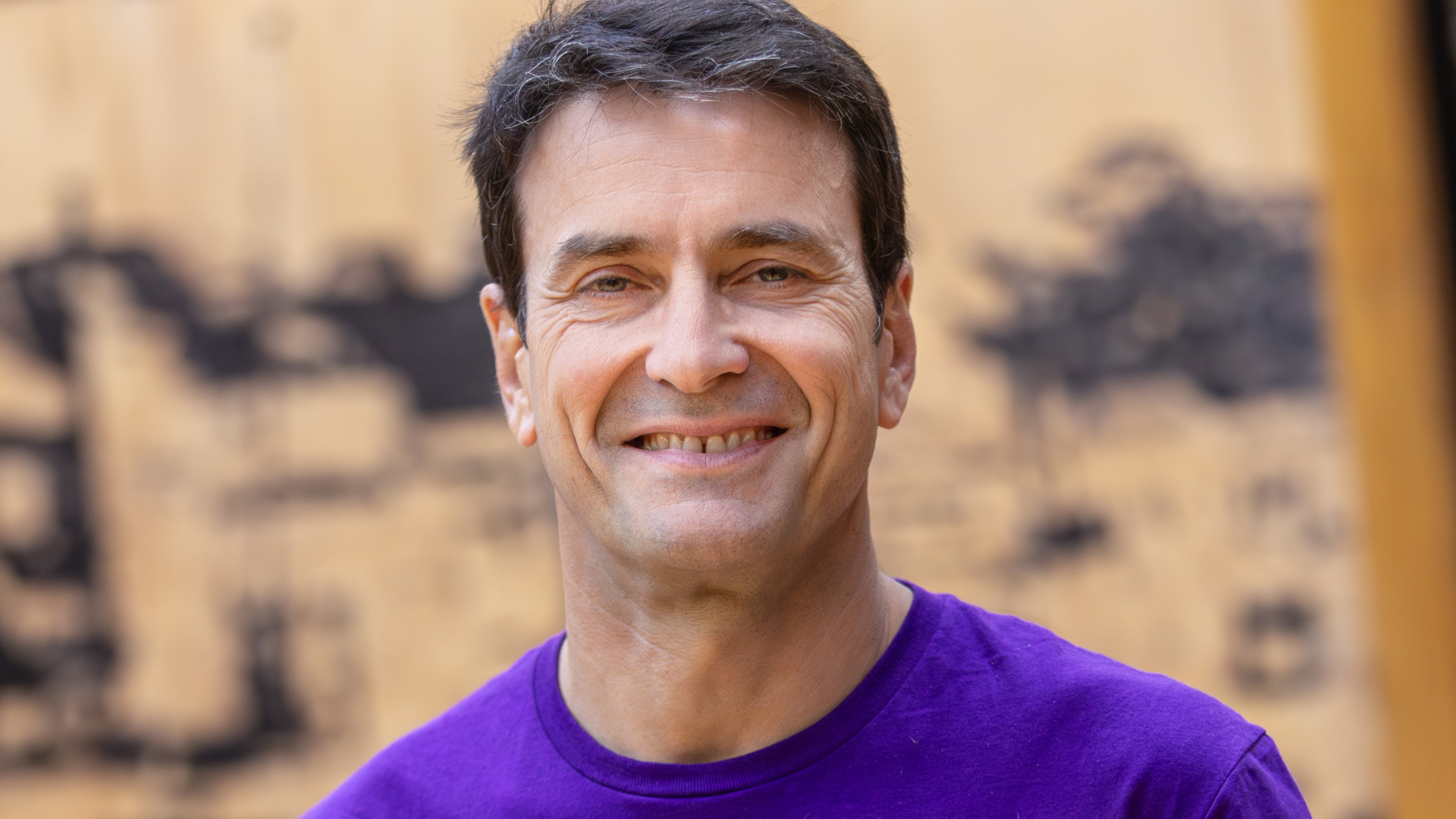
    Daniel joins the Citizen COP team to help lead Government Engagement and Impact Reporting.

    Based in Brisbane, he brings a strong background in technology, innovation, and stakeholder engagement, with experience spanning AI, product development, and cross-sector collaboration.

    Passionate about translating complex ideas into real-world impact, Daniel is focused on strengthening connections between policy, community, and innovation to help maximise the reach and effectiveness of Citizen COP.

  • Meet our ambassador: Angus Brawley

    Meet our ambassador: Angus Brawley

    After attending AlterCOP 30 Australia, Angus joins us as an ambassador for Citizen COP 2026, bringing a grounded systems perspective on the energy transition and climate resilience.

    A graduate engineer working in the renewable energy sector, Angus focuses on climate adaptation and resilience across energy systems. His experience spans Australia and the broader Indo-Pacific, where he has worked alongside intergovernmental organisations, communities, policymakers, and industry to better understand how energy transitions can be both equitable and resilient in a changing climate.

    He is passionate about designing systems that not only support decarbonisation, but also strengthen communities and deliver lasting benefits for future generations. Angus is driven by the belief that the clean energy transition must be shaped through collaboration, and embedded with sustainability in both principle and practice.

    He continues to explore how technology, policy, and community engagement can come together to build climate-resilient, human-centred energy futures.

  • Meet our ambassador: Fien Van den Steen

    Meet our ambassador: Fien Van den Steen

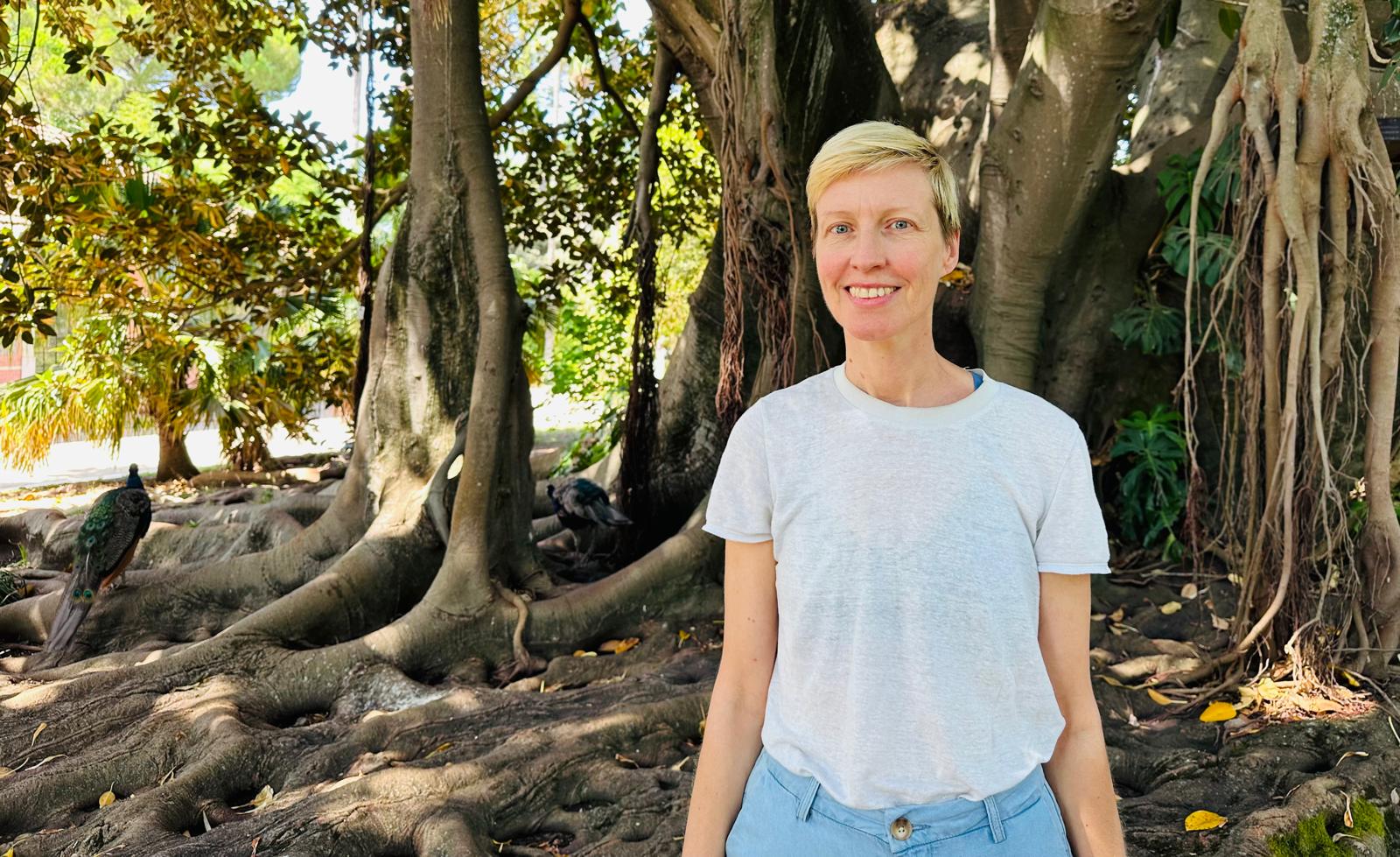
    Fien Van den Steen is a former international investigative journalist specialising in environmental issues, now working as a Sustainability Manager for tech start-ups. She applies her strengths in communication and sustainability to help amplify positive impact across companies, services, and clients, bridging the gap between global environmental policy and local practice.

    Driven by a deep commitment to systemic change, Fien has founded and contributed to several impactful initiatives, including the award-winning UniSC Enactus club and the co-founding of the Upskilling Sustainability Initiative. Her work extends into global and national policy spaces, including contributions to the UN Summit of the Future, alongside leadership and speaking roles with the United Nations Young Professionals. She also serves as an Earth Charter Commissioner for UNAA Queensland.

    As part of the People For Nature Youth Voices support team, Fien brings her expertise, energy, and systems-thinking approach to empower young people and strengthen collective action for nature.

  • Meet our ambassador: Matthew Shinkel

    Meet our ambassador: Matthew Shinkel

    Matt joined us last year as a volunteer, supporting the delivery of AlterCOP Australia and helping behind the scenes to bring the event to life. He also trained as a Climate Fresk facilitator, strengthening his ability to support climate education through collaborative and accessible learning.

    He is now part of the Support Team behind Citizen COP 2026, continuing to contribute his time, energy, and practical support to help the movement run smoothly.

    Matt brings a deep interest in understanding the causes, impacts, and solutions to the climate and biodiversity crises, and is curious about the transformational changes unfolding across our societies, economies, places, and environment in the coming decades.

    He has strong expertise in managing large multidisciplinary teams and complex planning projects, with a proven track record in strategic infrastructure master planning, program and project development, and business sustainability leadership. His approach is grounded in placing the needs and experiences of end users at the heart of infrastructure planning, supported by extensive stakeholder engagement across government (all levels), regulators, industry, contractors, and communities.

    Matt is also a compassionate leader with a strong focus on the wellbeing, development, and achievement of his team members.

    We are grateful for his steady presence, analytical strengths, and commitment to both people and systems change, which continue to strengthen the work behind Citizen COP.

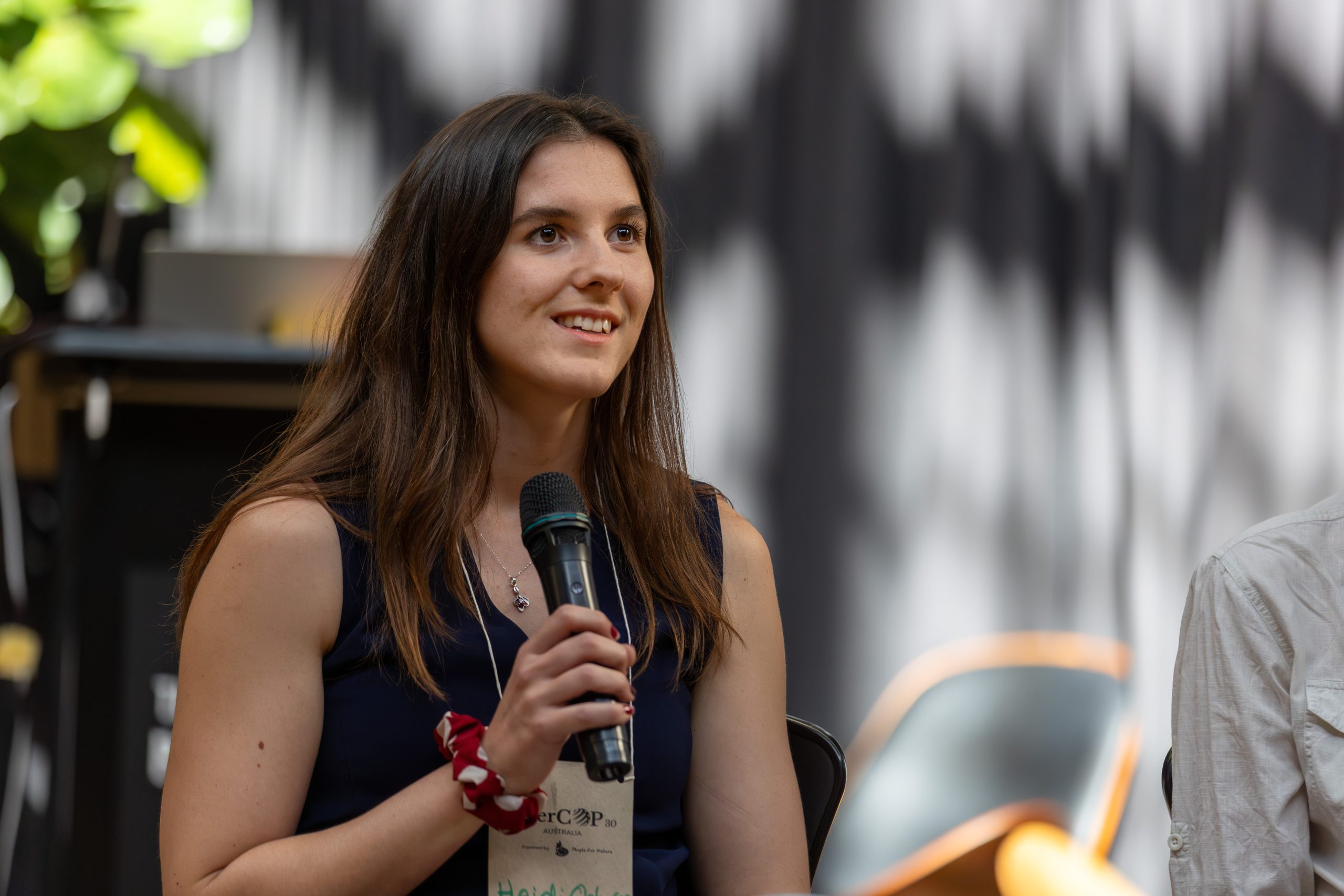
  • Meet our ambassador: Heidi Osborne

    Meet our ambassador: Heidi Osborne

    Heidi joined us through AlterCOP last year and returns as part of the Citizen COP 2026 team. She was also a speaker at last year’s event, where her insights and hands-on experience deeply resonated with our community.
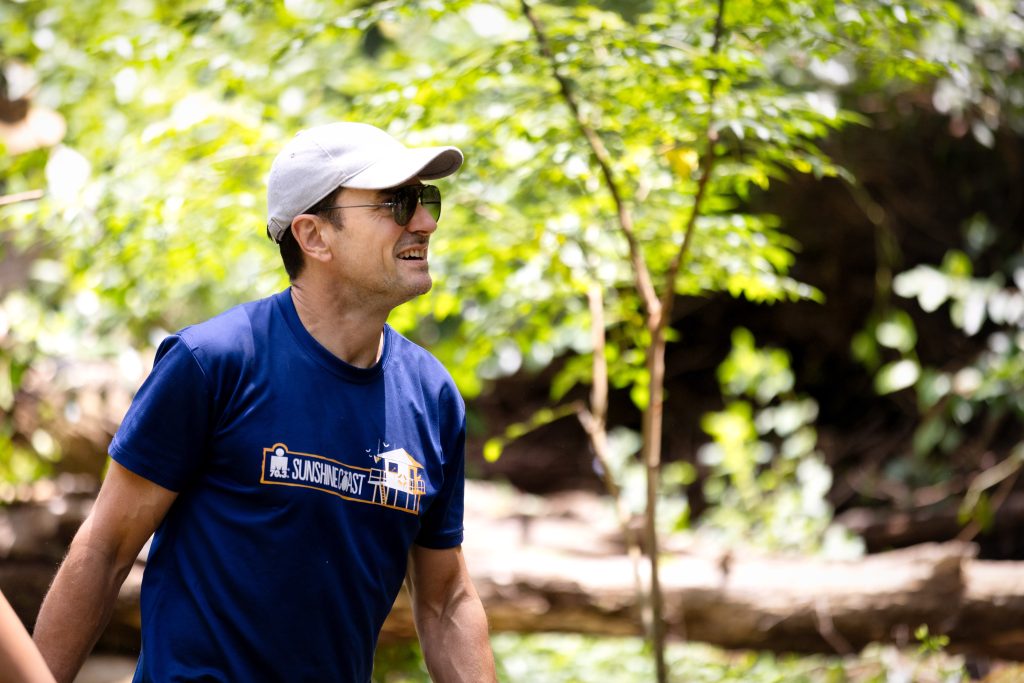
    Heidi is a civil and humanitarian engineer passionate about nature-based solutions, circular economy, and inclusive development. Her work spans Indonesia, Nepal, and Australia, with a focus on improving access to safe drinking water, reducing plastic waste and emissions, and advancing sustainable menstrual health solutions.

    Currently a water engineer at GHD, Heidi’s career has been shaped by field experience, including work in Indonesia exploring the impacts of limited access to clean water, and research in Nepal on innovative, low-impact materials for menstrual products. She has also worked with local NGOs to support the development of biodegradable menstrual pads and improve product quality on the ground.

    Heidi brings a grounded, practical perspective to systems change, and we are grateful for her continued involvement, energy, and commitment to amplifying youth voices and advancing more equitable, sustainable development.

  • Meet our ambassador: Valentine Aouad

    Meet our ambassador: Valentine Aouad

    Valentine has been instrumental in shaping our social media strategy and strengthening how we communicate impact and purpose. She was part of the core team behind AlterCOP 30 Australia and returns as part of the support team for Citizen COP 2026.

    Since joining People For Nature, she has also chosen to deepen her commitment to education and collective action by becoming a Climate Fresk facilitator.

    Founder of Green Socials, she works with purpose-driven businesses and nonprofits around the world, helping them rethink how sustainability and ethics are communicated in a way that actually connects with audiences.

    Her work challenges a key question: how do we cut through noise and hyper-consumerism without relying on doom-and-gloom messaging—and instead inspire real engagement and action?

    We’re grateful to have her insight, creativity, and strategic thinking helping shape this movement.

  • What Australia could learn from France’s Citizens’ Climate Convention

    What Australia could learn from France’s Citizens’ Climate Convention

    A groundbreaking experiment in democracy

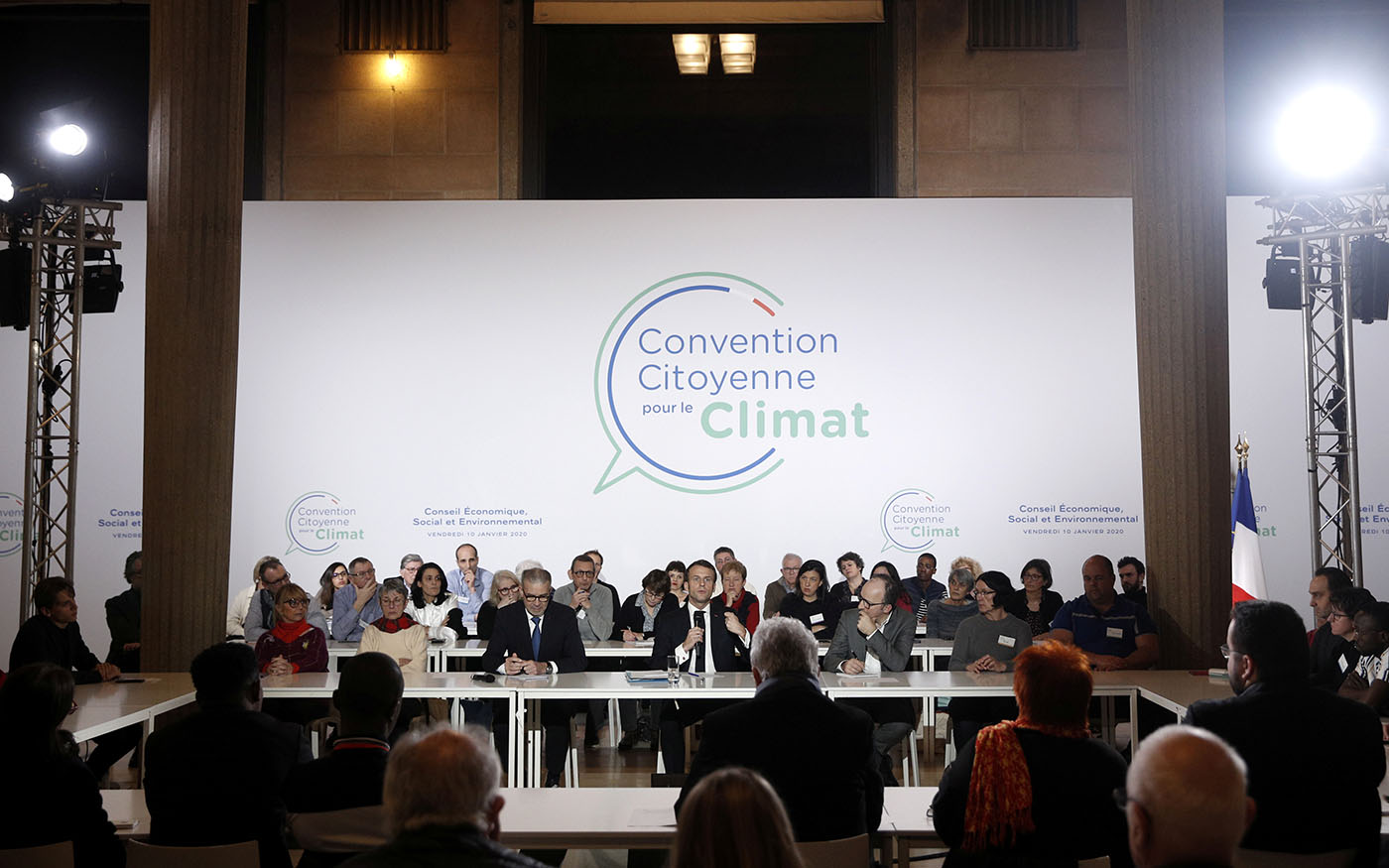
    In 2019, France took a bold step to involve everyday people directly in shaping climate policy by establishing the Citizens’ Convention on ClimateLa Convention Citoyenne pour le Climat. Rather than leaving climate decisions solely to politicians, this initiative brought together 150 randomly selected citizens from across the country to deliberate, learn, and propose real policy solutions.

    Unlike a public petition or online survey, this was a deliberative democratic process: participants spent months in structured sessions, hearing from experts with different viewpoints, interrogating evidence, and working in small thematic groups on topics like housing, transport, food and consumption.

    The aim was clear: identify a package of measures that would reduce France’s greenhouse gas emissions by at least 40% by 2030 (compared with 1990 levels), ensuring the transition was fair and socially just.

    The French president committed to take the proposals “without a filter” — meaning the government had to submit them either to a referendum, a parliamentary vote, or implement them directly. This was designed to give citizens’ recommendations real political weight.


    What happened in practice?

    Across a series of multi‑day sessions, these 150 citizens wrestled with complex policy issues. They didn’t need to be climate experts — their diversity of age, background, region and life experience was intentional. That diversity helped ensure recommendations reflected the realities and values of ordinary people.

    In the end, they produced a set of 149 proposals, covering everything from modernising housing energy use to sustainability in transport, production and consumption. While not all were adopted, many found their way into law — notably in France’s Climate and Resilience Act of 2021 — and others shaped the public debate.

    Five years on, reflections from participants reveal mixed feelings: there’s pride in meaningful engagement and understanding, but also frustration where political follow‑through fell short of expectations. Some advocates have continued their involvement in climate and civic life, while others felt disillusioned by the gap between public participation and political decision‑making.


    Why this matters for Australia

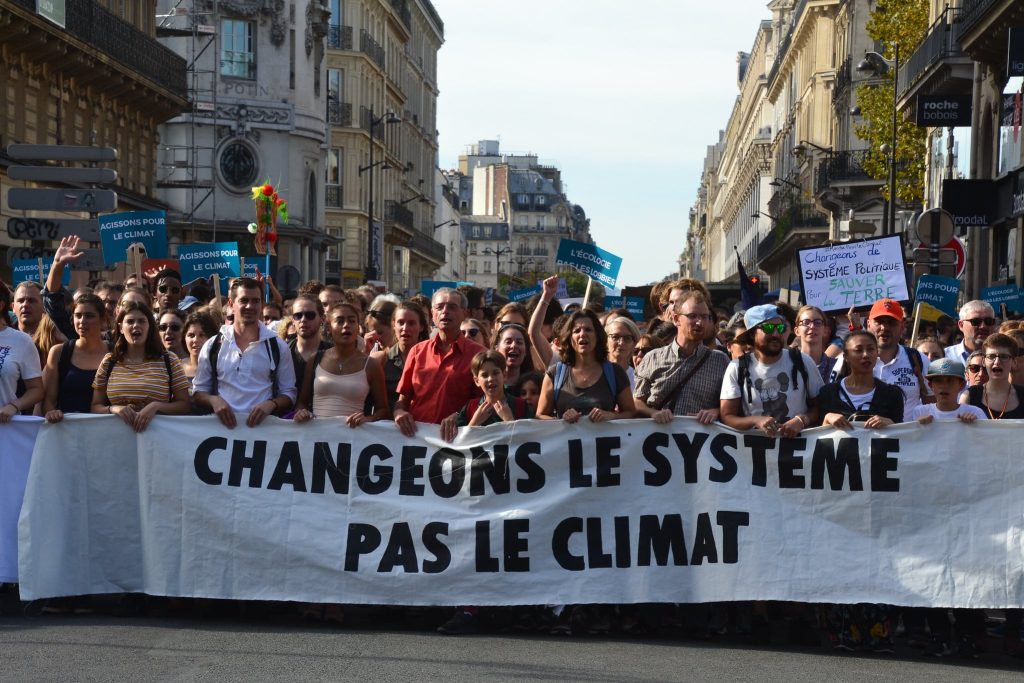
    Australia faces its own climate challenges — intense heat, drought, bushfires and rising emissions targets — yet public trust in traditional politics to deliver bold climate action isn’t always high. A citizens’ climate convention could offer a new way for Australians to co‑create solutions, grounded in lived experience rather than party platforms.

    Here’s what Australia could gain from adopting a similar model:

    ✅ Deep engagement across society
    Like France, Australia could randomly select representative citizens (ensuring voices from rural, urban, Indigenous and diverse socio‑economic backgrounds) to collaboratively tackle climate policy issues.

    ✅ Education + trust building
    Participants would gain a grounded understanding of climate science and policy trade‑offs directly from experts — helping bridge the gulf between technical complexity and everyday life.

    ✅ Politically credible recommendations
    By committing to take citizens’ proposals “without a filter” — whether through parliamentary debate, referendum or government action — Australian leaders could strengthen democratic legitimacy and public buy‑in for climate policy.

    ✅ A long‑term, participatory democratic culture
    Rather than a one‑off consultation, this process could become a regular feature of Australian democracy — helping citizens shape not only climate policy but also other long‑term challenges requiring broad public consensus.


    How it could work in Australia

    A practical Australian version might look like this:

    1. Selection: Recruit 150–200 citizens via a genuinely random and stratified process to ensure diversity across age, geography, gender, socioeconomic status and lived experience.
    2. Deliberation: Over several months, participants would meet (both in person and virtually) with independent facilitators, climate scientists, economists, First Nations thinkers, industry voices, and community leaders.
    3. Proposal development: Through structured small‑group work and plenary sessions, citizens would design practical policy options — and collaboratively assess their social and economic implications.
    4. Political response: Federal or state governments would commit in advance to respond publicly, either by introducing legislation, holding a referendum on key measures, or including them in formal policy.
    5. Public transparency: All sessions would be streamed, with documentation freely accessible so all Australians can follow the process and outcomes.

    The benefits extend beyond climate policy: such a convention could strengthen civic engagement, improve public understanding of complex issues, and build shared ownership of Australia’s climate future.


    Conclusion

    France’s Citizens’ Climate Convention wasn’t perfect — and its outcomes faced political hurdles — but it marked a powerful moment of direct citizen participation in climate policymaking. For Australia, experimenting with such a model could deepen democratic participation, build trust, and unlock community‑driven solutions to one of our greatest collective challenges.

    Sources and references:

    https://www.ecologie.gouv.fr/suivi-convention-citoyenne-climat/les-mesures-pour-le-climat

    https://www.iea.org/policies/17787-citizens-climate-convention-in-france

    https://propositions.conventioncitoyennepourleclimat.fr/

    https://www.lemonde.fr/en/environment/article/2025/06/21/five-years-later-the-hangover-of-the-french-citizens-who-took-part-in-the-convention-for-the-climate_6742563_114.html

  • Meet our ambassador: Luna Renaud

    Meet our ambassador: Luna Renaud

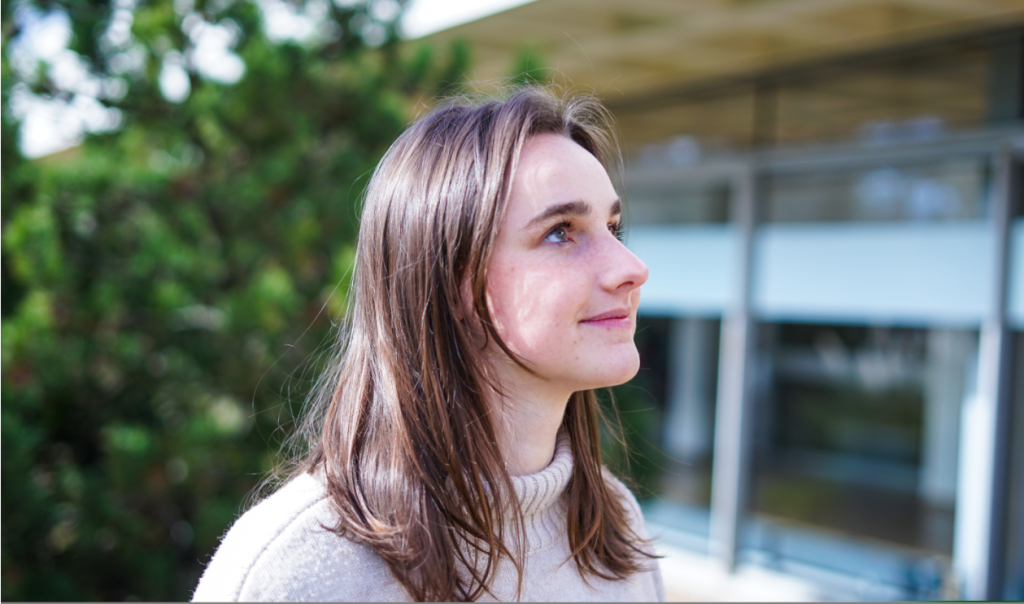
    Luna Renaud is a passionate volunteer coordinator and sustainability advocate driving people‑centred climate action across Australia.

    As an ambassador and our Volunteer Coordinator for As ambassador and a key member of the CitizenCOP — a grassroots climate movement running alongside the UN’s COP agenda — Luna brings relationships management, volunteer coordination and events delivery skills. At People For Nature, Luna helps to rally diverse contributors, from first-time volunteers to new partners, around collaborative climate initiatives that inspire action, community resilience and change. 

    Before her work in the climate sphere, Luna built a strong foundation in coordinating complex projects and stakeholder relationships through roles in entertainment and large international events, including major contributions to the Paris 2024 Olympic & Paralympic Games and Vivid Sydney.

    Her background in entertainment and retail equips her with exceptional organisational skills and a people‑first approach to project delivery in fast‑paced environments.

    Connect on LinkedIn: https://www.linkedin.com/in/luna-renaud/

  • Meet our ambassador: Sébastien  Colette

    Meet our ambassador: Sébastien  Colette

    Sébastien Colette is a seasoned technology and business leader with over 25 years’ experience helping organisations harness data, drive digital transformation and enable ESG‑aligned outcomes.

    He is the Founder and Director of S2C Professional Services, a Brisbane‑based consulting firm specialising in data‑driven decision‑making, digital innovation and sustainability advisory.

    As Ambassador for People For Nature and as a key member of the AlterCOP Australia core team, Sébastien brings strategic thinking, partnership development and community engagement.

    He supports the organisation’s mission to empower citizens to take action on climate and biodiversity challenges by advancing fundraising efforts, building partnerships, and fostering collaboration between business, civic, and grassroots communities on climate education and people‑powered sustainability initiatives.

  • Meet our ambassador: Aye Verckens 

    Meet our ambassador: Aye Verckens 

    Communications Lead

    Aye Verckens brings over 20 years of international experience in communications and marketing, having worked across Europe and Australia in B2B technology and corporate environments.

    In recent years, she has shifted her focus towards sustainability—driven by a strong belief in the power of communication to inspire change and accelerate climate action.

    As Communications Lead and Ambassador at People For Nature, Aye plays a key role in amplifying our mission to reconnect people with nature. She is passionate about making complex environmental challenges accessible and engaging, helping individuals and organisations move from awareness to meaningful action.

    Connect with Aye on LinkedIn.

  • Meet our Board: Dr Fanny de Busserolles

    Meet our Board: Dr Fanny de Busserolles

    Co-Founder & Chief Program Officer

    Fanny is a Certified Environmental Practitioner with a PhD in Animal Biology and Neuroscience.

    After more than a decade in academia researching the sensory ecology of marine animals, she transitioned into conservation and community engagement.

    Based in Brisbane, she is a passionate advocate for sustainability and wildlife, committed to raising environmental awareness and inspiring meaningful action.

    People For Nature is about giving people the tools, knowledge, and confidence to take simple yet meaningful action for nature—right where they are. By connecting these individual efforts into a broader, citizen-led network, we can transform backyards, farms, and cities into a collective force for conservation.

    I believe that when everyone does their small part, these small actions grow into something far greater—strengthening ecosystems, deepening our connection to nature, and contributing to a shared vision for Australia’s future.

    Connect with Fanny on LinkedIn.

  • Meet our Board: Audrey Barucchi

    Meet our Board: Audrey Barucchi

    Co-Founder & Chief Executive Officer

    A Certified Environmental Practitioner and purpose-driven executive with an MBA in Global Management, Audrey has extensive experience in cleantech, conservation, scientific communications, and sustainability project management.

    Based in Brisbane, she is a passionate wildlife advocate dedicated to fostering community engagement for biodiversity conservation and driving educational initiatives that inspire action. 

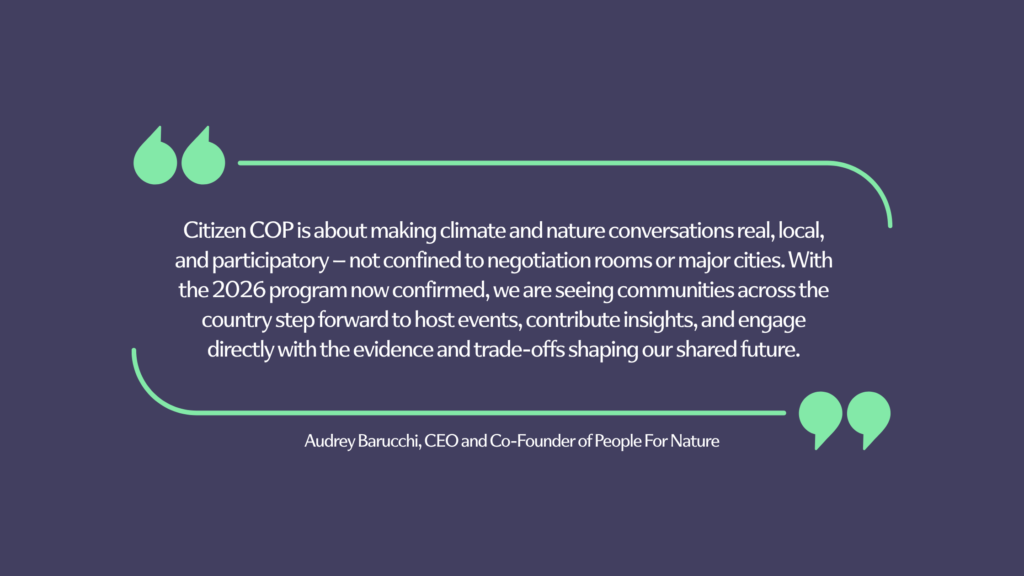
    Through my work with People For Nature, I’ve come to believe that the solutions to the climate and biodiversity crises already exist — in people, in nature, and in the collective courage of citizens who choose to act rather than wait.

    For too long, many of us believed change would come from somewhere else — through global agreements or technological breakthroughs. But hope without action is not enough.

    What gives me optimism is witnessing everyday people stepping into their power: communities coming together, sharing knowledge, and building solutions grounded in care, justice, and systems thinking.

    We are fortunate to live in a democracy, where our voices and choices matter. As I often say, criticising is easy — building alternatives takes courage. And that courage is what drives real, lasting change.

    Connect with Audrey on LinkedIn.

  • COP30: what did it really deliver for nature – and why it matters for Australia

    COP30: what did it really deliver for nature – and why it matters for Australia

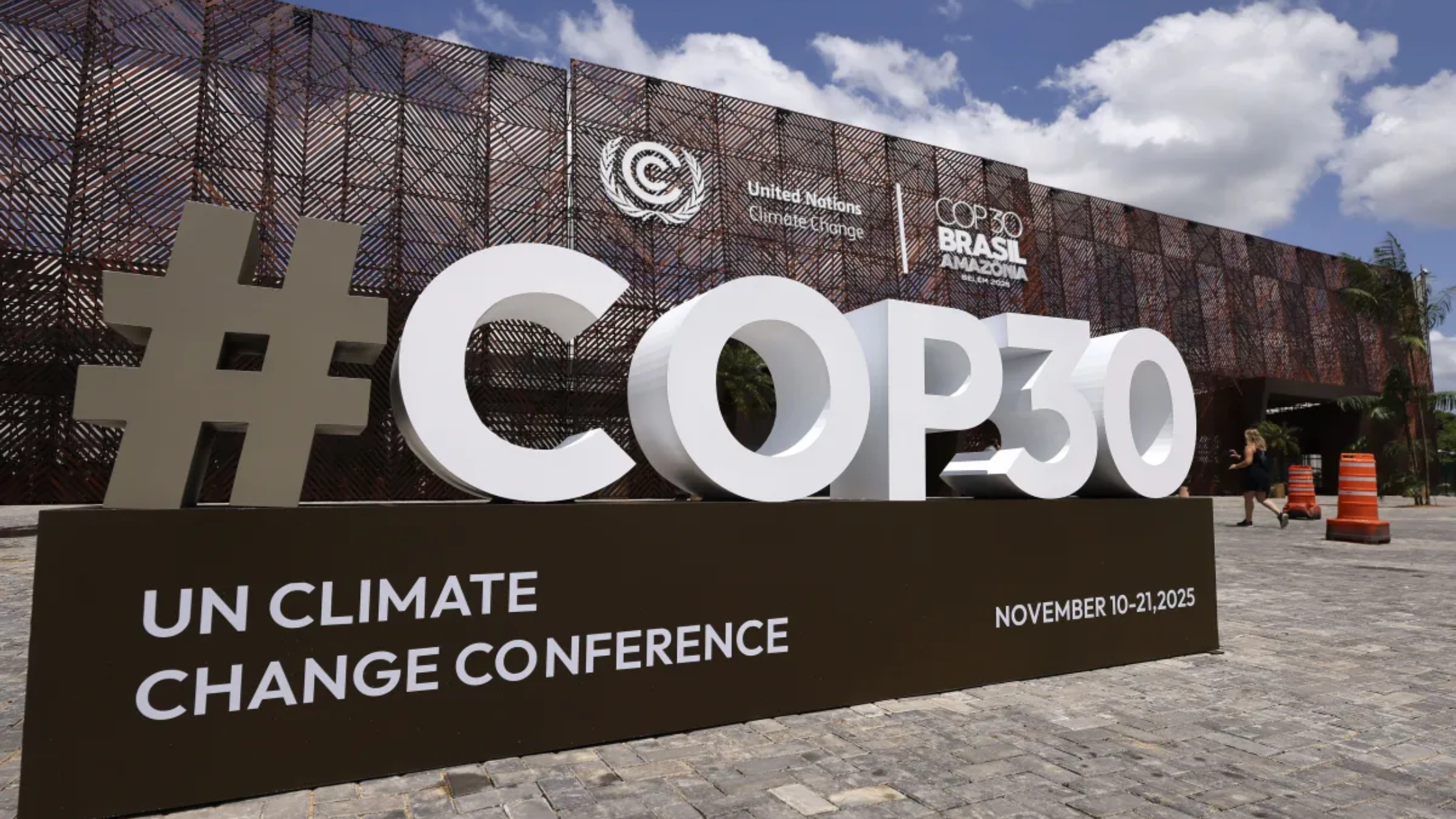
    Held in Belém, at the gateway to the Amazon, COP30 was widely framed as “the COP of nature”. Expectations were high: forests, biodiversity, food systems and Indigenous stewardship were meant to sit at the heart of climate action. The reality was more mixed.

    So what actually came out of COP30 for nature — and what does it mean for Australia?

    Nature recognised, but not prioritised

    The main outcome of COP30 was the Global mutirão (meaning “collective effort”), which highlights the need to better connect climate action with biodiversity, land and ocean protection. The language is strong: nature is clearly recognised as essential to achieving the Paris Agreement goals.

    But recognition didn’t translate into concrete commitments. Despite being hosted in the world’s most biodiverse country, no specific global action or dedicated funding for halting deforestation was agreed — a major missed opportunity given forests’ critical role in climate mitigation, adaptation and biodiversity protection.

    For Australia, a country facing accelerating land clearing, ecosystem collapse and species extinction, this gap is particularly concerning.

    Deforestation: words without a roadmap

    More than 90 countries supported the idea of a global roadmap to halt and reverse deforestation by 2030. However, consensus wasn’t reached, and the proposal was pushed outside the formal UN process.

    While Brazil signalled it would continue working on a deforestation roadmap ahead of COP31, there is still no binding global pathway. For Australia — one of the world’s deforestation hotspots — this reinforces the need for stronger domestic action, not just international rhetoric.

    Food systems and agriculture: progress delayed

    Agriculture and food systems were discussed under the Sharm el-Sheikh Joint Work on Agriculture, with growing recognition of:

    • the links between food systems and biodiversity
    • agroecology and regenerative approaches
    • the limited share of climate finance going to agriculture

    But disagreements over language meant no final decision was adopted, pushing outcomes to 2026. For Australia, where climate impacts on food security are already being felt, this delay matters.

    Growing momentum on climate–nature synergies

    One of the more positive signals from COP30 was the increasing focus on aligning climate, biodiversity and land agendas. New initiatives launched during the COP aim to better coordinate the three Rio Conventions (climate, biodiversity, desertification), improve policy coherence, and track nature-positive action and finance.

    This aligns strongly with Australia’s own commitments under the Global Biodiversity Framework and its national climate targets — but only if translated into joined-up policies and investment at home.

    Nature finance: promising ideas, familiar risks

    The launch of the Tropical Forest Forever Facility (TFFF) — a new fund designed to reward countries for protecting tropical forests — signalled growing interest in nature-positive finance. While innovative, it also raised concerns around greenwashing, equity, and whether funds will genuinely reach ecosystems and Indigenous communities.

    For Australia, this highlights a broader challenge: scaling nature finance without losing integrity, while ensuring public funding also plays a strong role.

    What COP30 means for Australia

    COP30 reinforced a clear message: nature is finally being talked about — but still not acted on at scale.

    For Australia, the implications are clear:

    • Climate and biodiversity can no longer be treated separately
    • Land clearing, ecosystem restoration and nature-based solutions must be central to climate policy
    • International leadership must be matched by credible domestic action

    With COP31 on the horizon and global attention increasingly on nature, the real test will be whether Australia turns alignment into action — for climate, for biodiversity, and for future generations.

    Conclusion

    In a year when nature was meant to finally take centre stage at the global climate talks, COP30 delivered important recognition — but fell short on concrete actions that match the scale of the interlinked climate and biodiversity crises. For Australia, the outcomes underscore the urgency of moving beyond dialogue to ambitious policy, funding and on-the-ground implementation that protects ecosystems, supports First Nations leadership, and integrates nature into our national climate response.

    That’s exactly why we organised AlterCOP30 — to ensure that all Australians, especially those whose voices are too often excluded from formal climate and biodiversity negotiations, were heard and included in these critical discussions. By bringing together citizens, community leaders, scientists and storytellers, AlterCOP30 created space for perspectives, values and solutions that reflect Australia’s unique landscapes and communities.

    We’re grateful to Ateliers Biodiversité for their detailed insights on the outcomes of COP30 — their analysis helped shape our thinking and reporting. You can read their original piece here: https://www.ateliersbiodiversite.org/post/cop30-climat-quelles-retomb%C3%A9es-pour-la-nature.

    As the global climate and biodiversity agenda continues to evolve, it’s up to all of us — at local, national and international levels — to demand that commitments translate into action. Australia’s nature depends on it.