A groundbreaking experiment in democracy
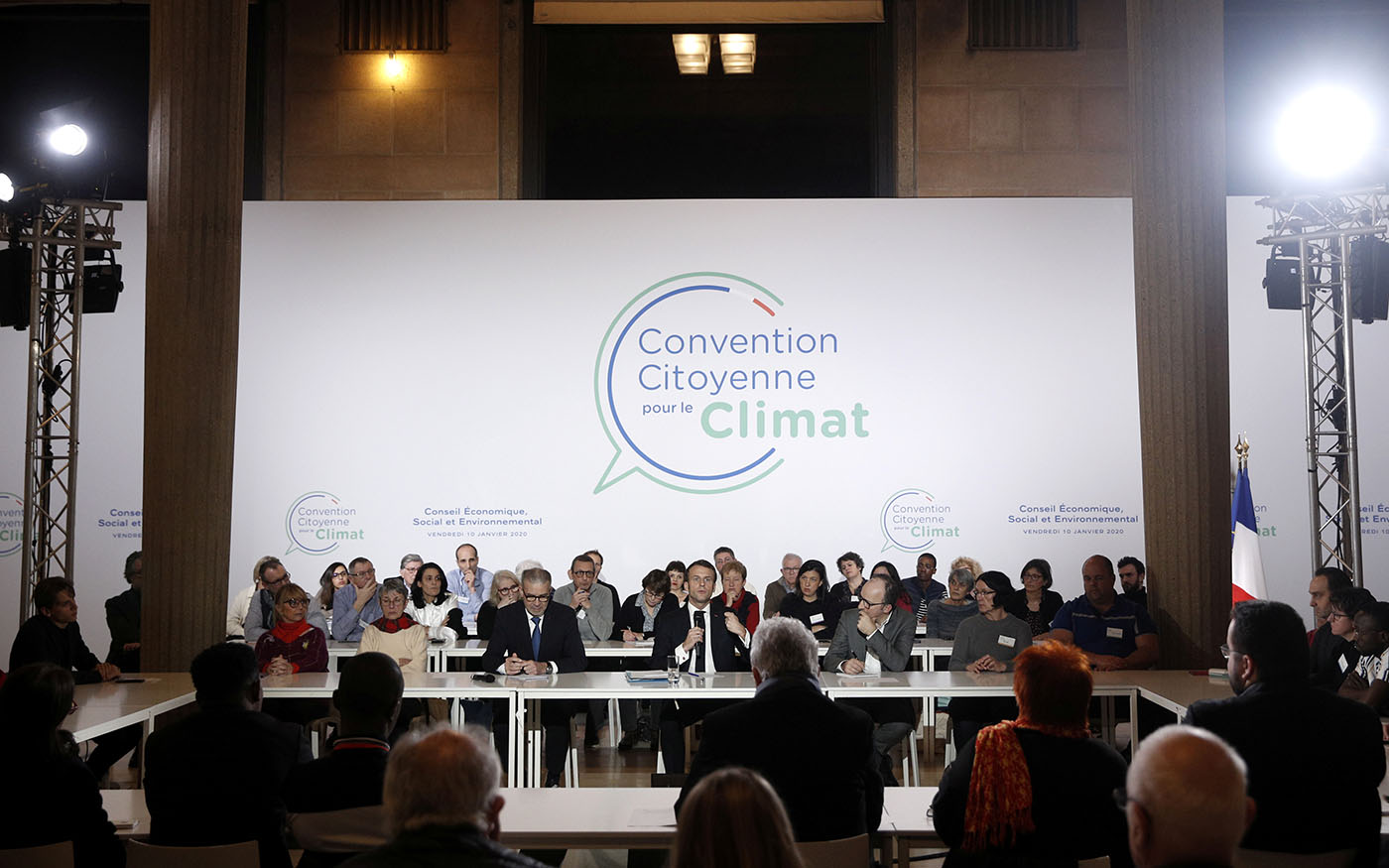
In 2019, France took a bold step to involve everyday people directly in shaping climate policy by establishing the Citizens’ Convention on Climate — La Convention Citoyenne pour le Climat. Rather than leaving climate decisions solely to politicians, this initiative brought together 150 randomly selected citizens from across the country to deliberate, learn, and propose real policy solutions.
Unlike a public petition or online survey, this was a deliberative democratic process: participants spent months in structured sessions, hearing from experts with different viewpoints, interrogating evidence, and working in small thematic groups on topics like housing, transport, food and consumption.
The aim was clear: identify a package of measures that would reduce France’s greenhouse gas emissions by at least 40% by 2030 (compared with 1990 levels), ensuring the transition was fair and socially just.
The French president committed to take the proposals “without a filter” — meaning the government had to submit them either to a referendum, a parliamentary vote, or implement them directly. This was designed to give citizens’ recommendations real political weight.
What happened in practice?
Across a series of multi‑day sessions, these 150 citizens wrestled with complex policy issues. They didn’t need to be climate experts — their diversity of age, background, region and life experience was intentional. That diversity helped ensure recommendations reflected the realities and values of ordinary people.
In the end, they produced a set of 149 proposals, covering everything from modernising housing energy use to sustainability in transport, production and consumption. While not all were adopted, many found their way into law — notably in France’s Climate and Resilience Act of 2021 — and others shaped the public debate.
Five years on, reflections from participants reveal mixed feelings: there’s pride in meaningful engagement and understanding, but also frustration where political follow‑through fell short of expectations. Some advocates have continued their involvement in climate and civic life, while others felt disillusioned by the gap between public participation and political decision‑making.
Why this matters for Australia
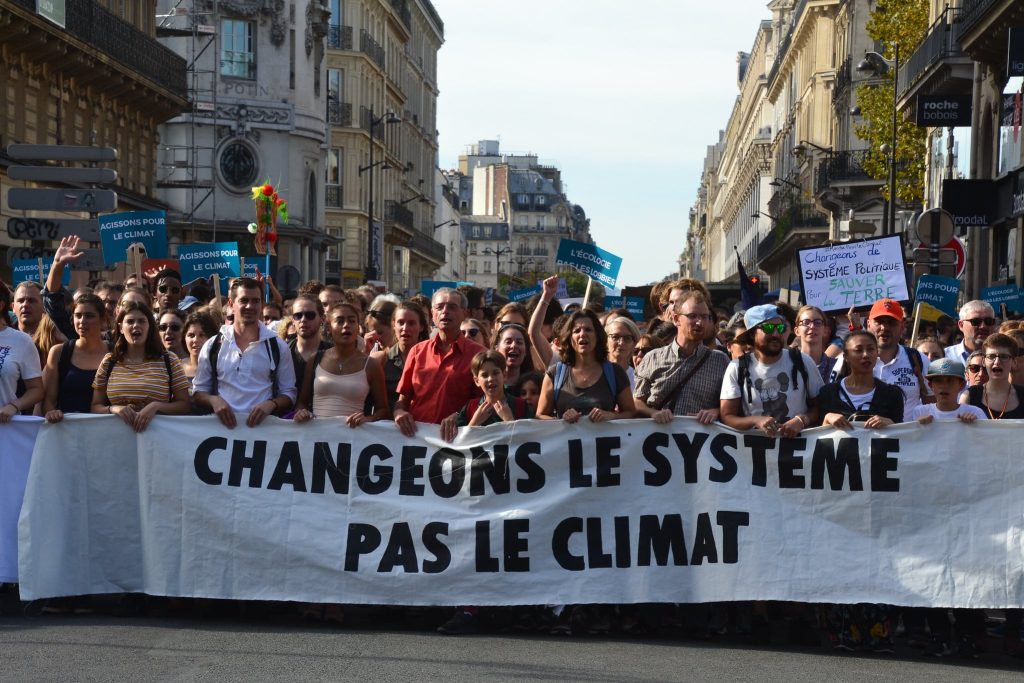
Australia faces its own climate challenges — intense heat, drought, bushfires and rising emissions targets — yet public trust in traditional politics to deliver bold climate action isn’t always high. A citizens’ climate convention could offer a new way for Australians to co‑create solutions, grounded in lived experience rather than party platforms.
Here’s what Australia could gain from adopting a similar model:
✅ Deep engagement across society
Like France, Australia could randomly select representative citizens (ensuring voices from rural, urban, Indigenous and diverse socio‑economic backgrounds) to collaboratively tackle climate policy issues.
✅ Education + trust building
Participants would gain a grounded understanding of climate science and policy trade‑offs directly from experts — helping bridge the gulf between technical complexity and everyday life.
✅ Politically credible recommendations
By committing to take citizens’ proposals “without a filter” — whether through parliamentary debate, referendum or government action — Australian leaders could strengthen democratic legitimacy and public buy‑in for climate policy.
✅ A long‑term, participatory democratic culture
Rather than a one‑off consultation, this process could become a regular feature of Australian democracy — helping citizens shape not only climate policy but also other long‑term challenges requiring broad public consensus.
How it could work in Australia
A practical Australian version might look like this:
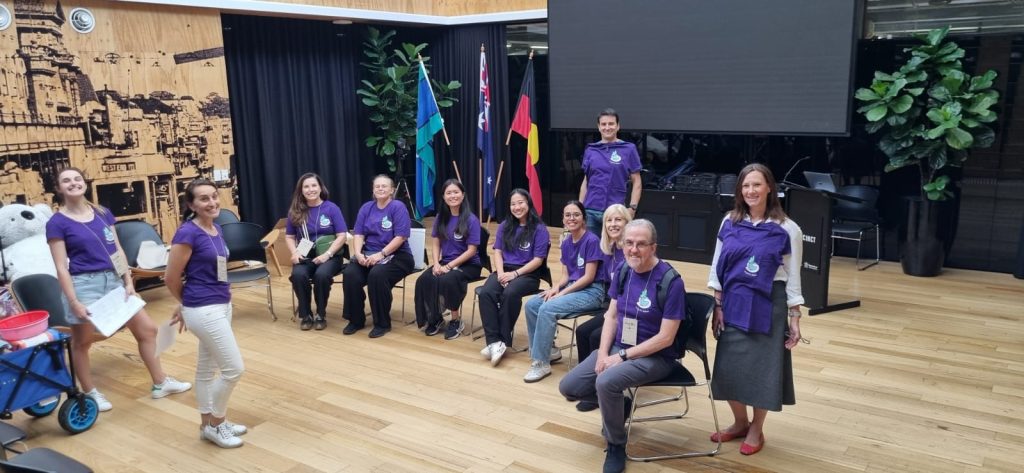
- Selection: Recruit 150–200 citizens via a genuinely random and stratified process to ensure diversity across age, geography, gender, socioeconomic status and lived experience.
- Deliberation: Over several months, participants would meet (both in person and virtually) with independent facilitators, climate scientists, economists, First Nations thinkers, industry voices, and community leaders.
- Proposal development: Through structured small‑group work and plenary sessions, citizens would design practical policy options — and collaboratively assess their social and economic implications.
- Political response: Federal or state governments would commit in advance to respond publicly, either by introducing legislation, holding a referendum on key measures, or including them in formal policy.
- Public transparency: All sessions would be streamed, with documentation freely accessible so all Australians can follow the process and outcomes.
The benefits extend beyond climate policy: such a convention could strengthen civic engagement, improve public understanding of complex issues, and build shared ownership of Australia’s climate future.
Conclusion
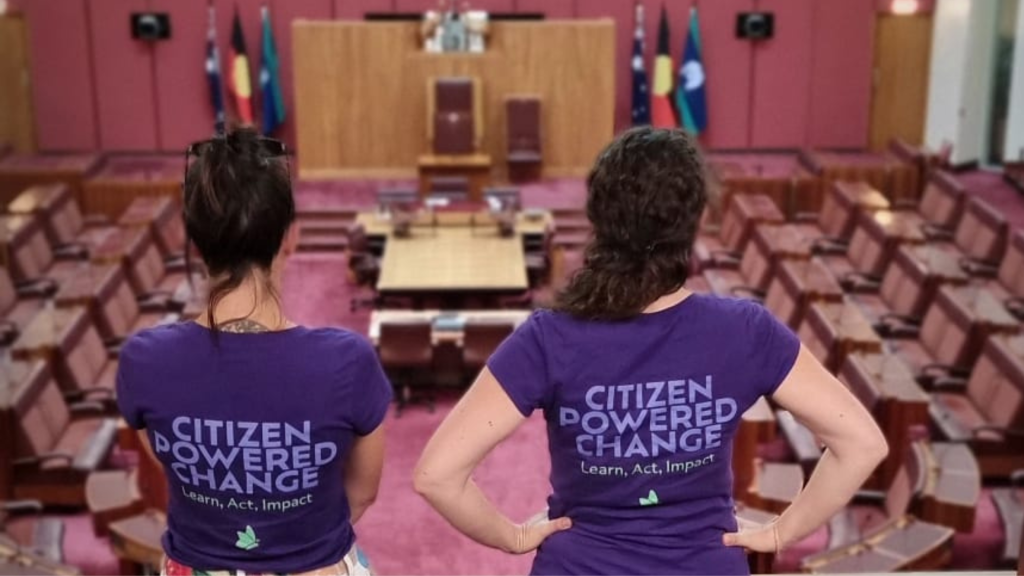
France’s Citizens’ Climate Convention wasn’t perfect — and its outcomes faced political hurdles — but it marked a powerful moment of direct citizen participation in climate policymaking. For Australia, experimenting with such a model could deepen democratic participation, build trust, and unlock community‑driven solutions to one of our greatest collective challenges.
Sources and references:
https://www.ecologie.gouv.fr/suivi-convention-citoyenne-climat/les-mesures-pour-le-climat
https://www.iea.org/policies/17787-citizens-climate-convention-in-france
Leave a Reply