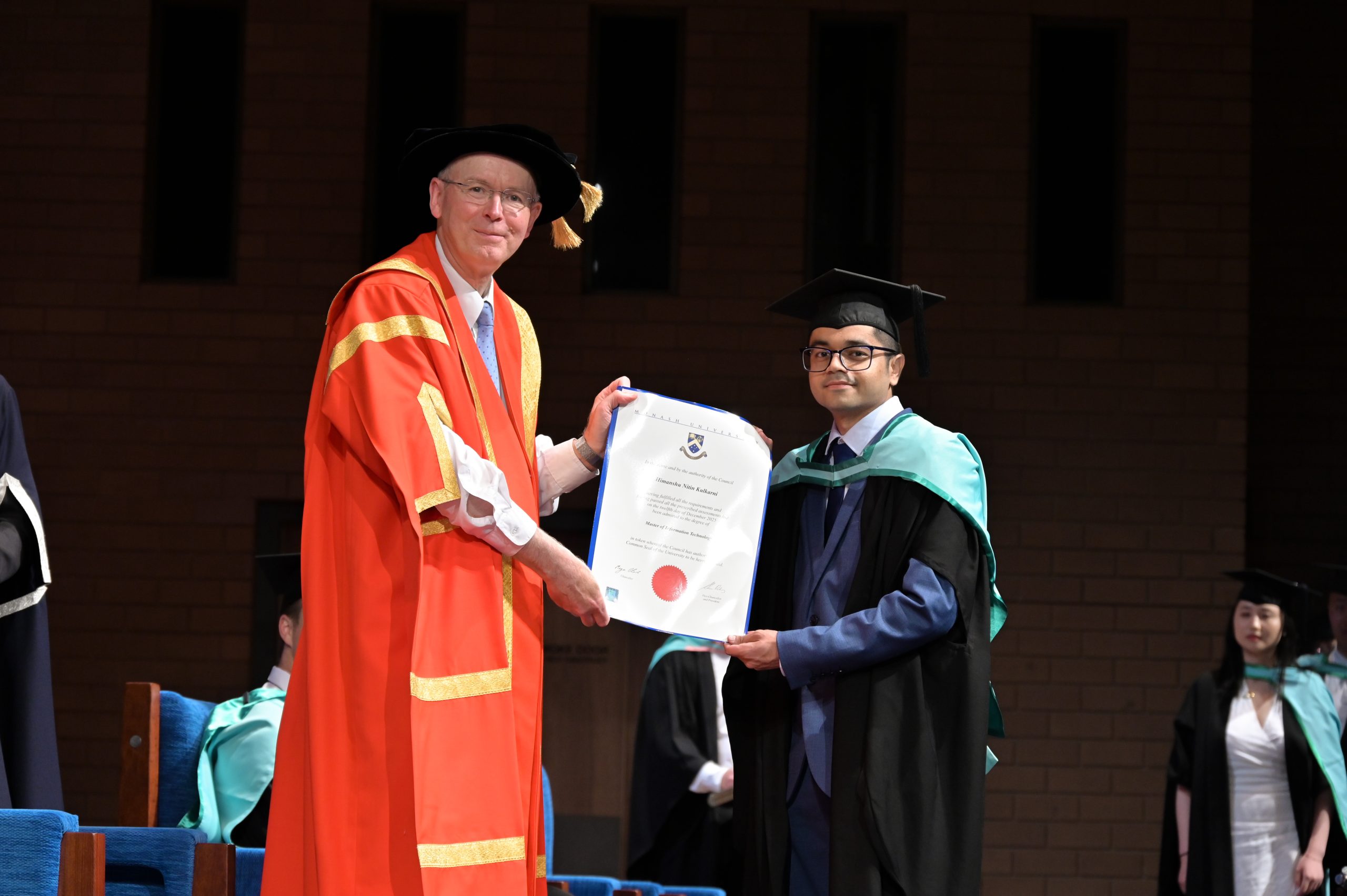
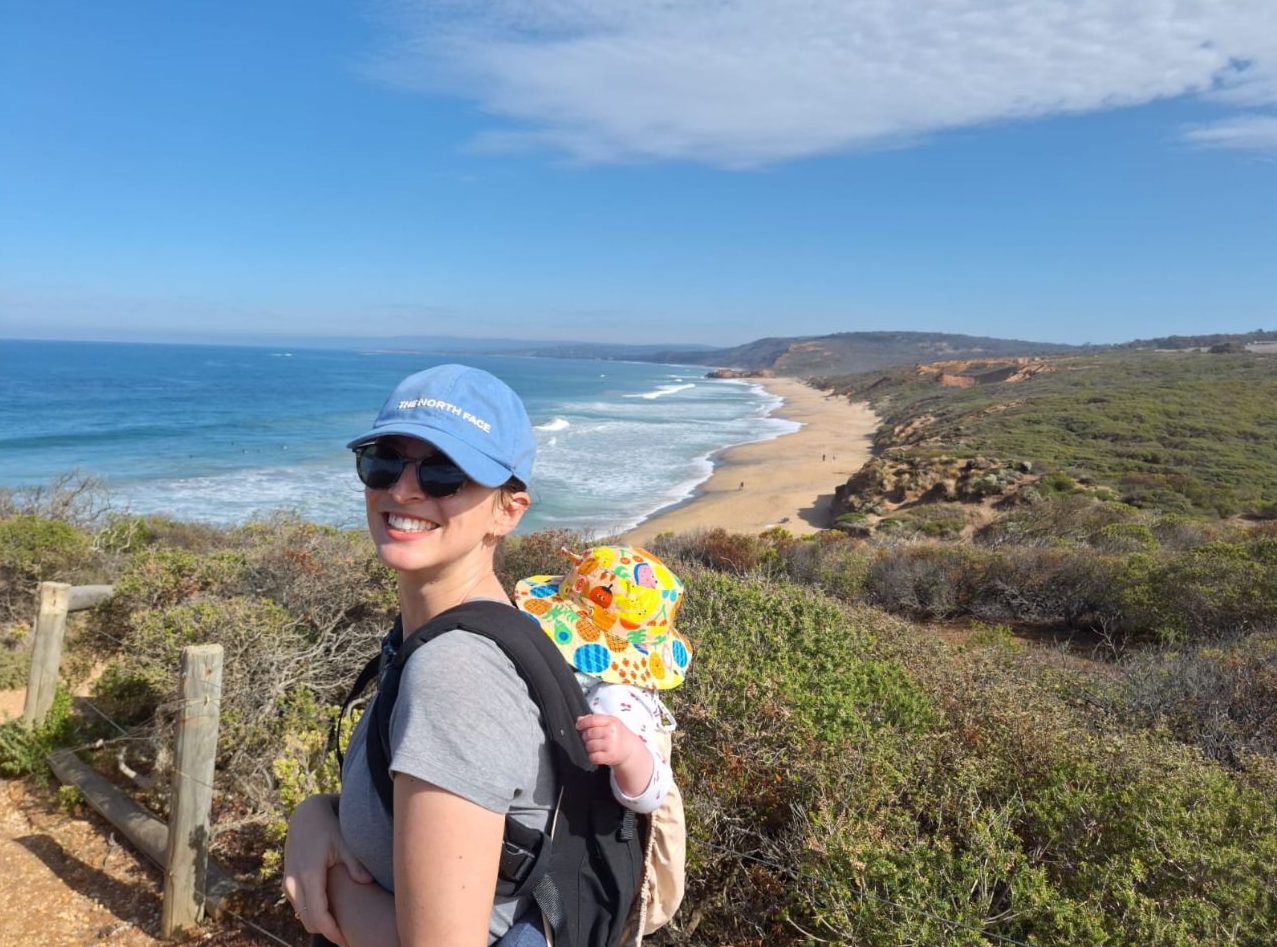
Himanshu is a recent Master’s in IT graduate from Monash University and a software engineer based in Melbourne. Outside of coding, he loves getting outdoors and exploring nature with friends, drawn to Australia’s stunning landscapes. For Himanshu, spending time in nature isn’t just recreation — it’s what makes you truly want to protect it.
He strongly believes that technology can be a powerful force for conservation. “With the right tools, we can monitor ecosystems, track wildlife, and turn data into meaningful action,” he says. By harnessing tech for good, Himanshu hopes to help build systems that not only understand the natural world but actively contribute to saving it.
Joining People For Nature was a natural step for Himanshu.
“I wanted to contribute my skills to a mission that is critical for our survival,” he explains. For him, technology and nature aren’t opposites — they can work together. With purpose-driven tech, he believes we can create a future where both thrive.
Himanshu’s passion reminds us that innovation and conservation go hand in hand, and that the next generation of environmental action will be powered by people who can think in code and in ecosystems.
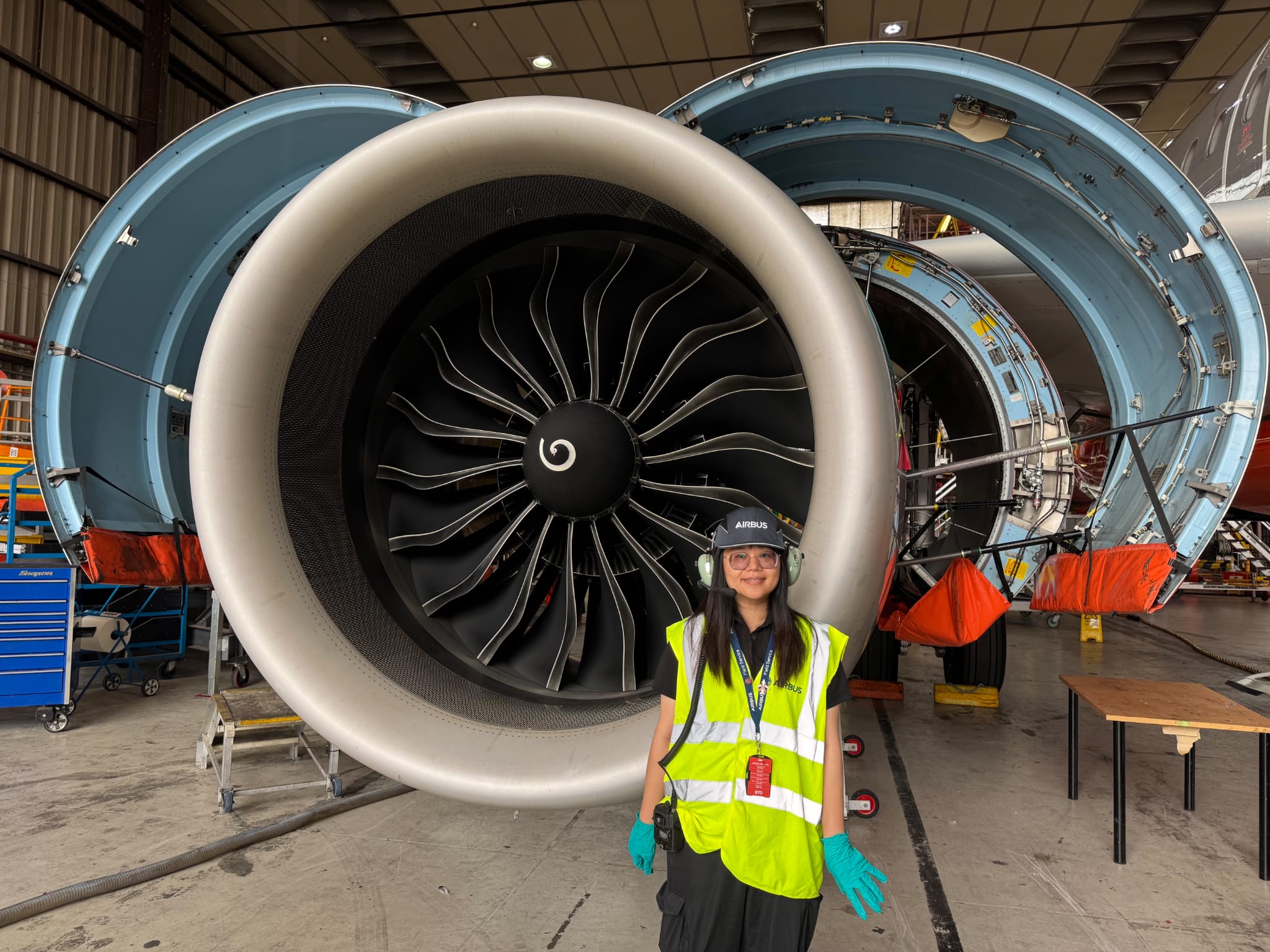
Mandy started her Climate Fresk journey at her current workplace, Airbus, in May 2024. She decided to become a facilitator herself as she felt she could do more to expand climate literacy within her company and among the general public.
As a facilitator within her company, Mandy admits it can be challenging to stay up to date with two sets of materials: one pack of Climate Fresk cards focusing on the aviation industry, and one for the general public. At the same time, she is excited about the number of people her workshops can reach.
I believe that increasing climate literacy in Australia is incredibly important. By being a part of People For Nature, I’m able to reach more people from all walks of life.
Mandy joined People For Nature as an ambassador and is excited to continue spreading climate education among everyday citizens, and within her workplace.
I’m excited to be a part of People For Nature, as we not only work on climate education but also advocate biodiversity conservation and rescue activities for our precious native wildlife.
From Awareness to Adaptation: Helping People and Organisations Prepare for a Changing Climate
For many years, climate conversations have focused primarily on mitigation — reducing emissions, transitioning energy systems, and limiting future warming. These efforts remain essential.
But as climate impacts intensify across Australia and around the world, another conversation is becoming unavoidable: how do we adapt to the changes already underway?
At People For Nature, our work has always been about transforming knowledge into action. Through Climate Fresk, we help people understand the physical science behind climate change. The next natural step is helping individuals, organisations, and governments move from understanding climate change to preparing for it.
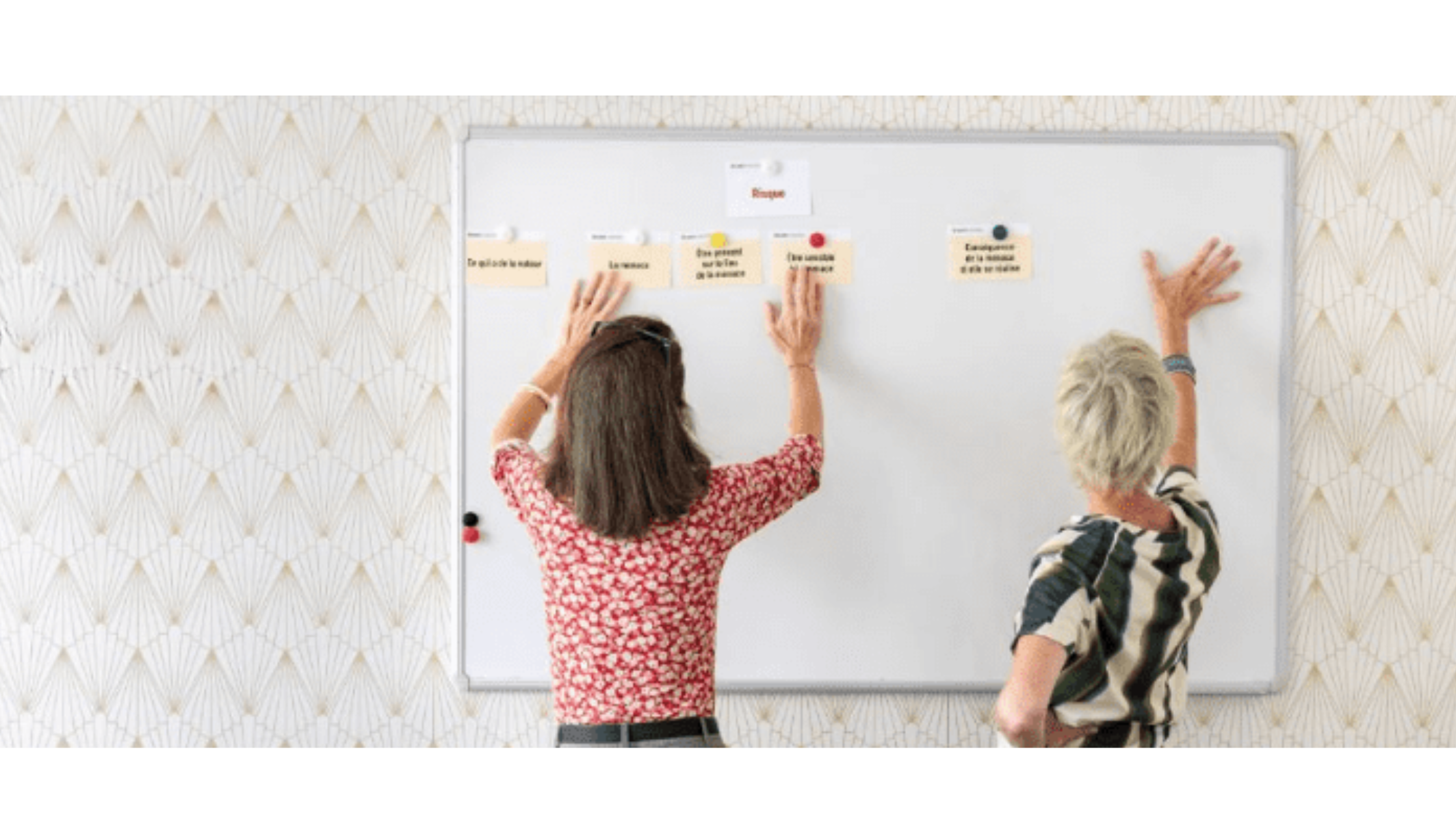
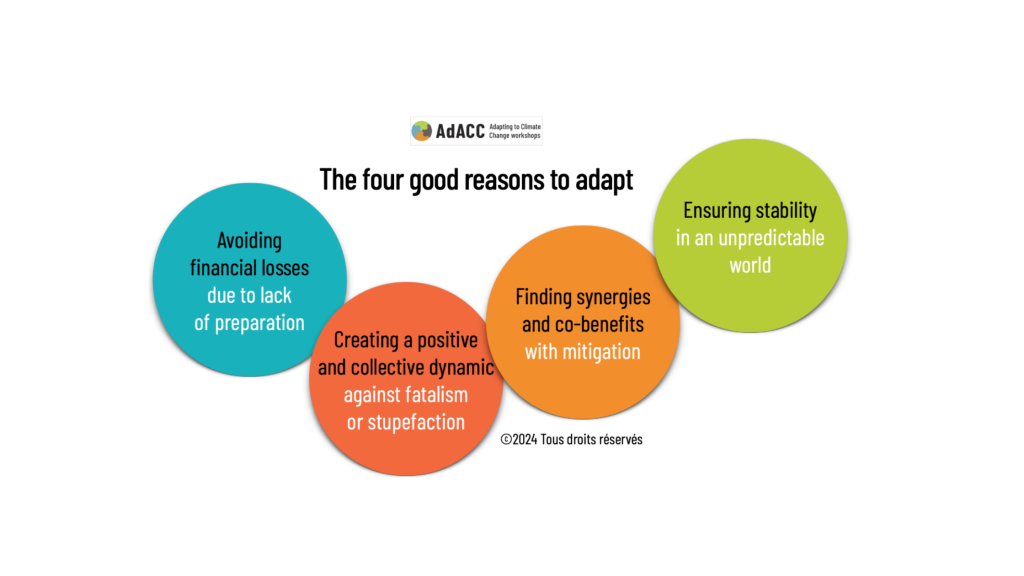
This is why we offer the Adapting to Climate Change workshop, a science-based, collaborative experience designed to build climate confidence and practical adaptation thinking.
Why Adaptation Matters Now
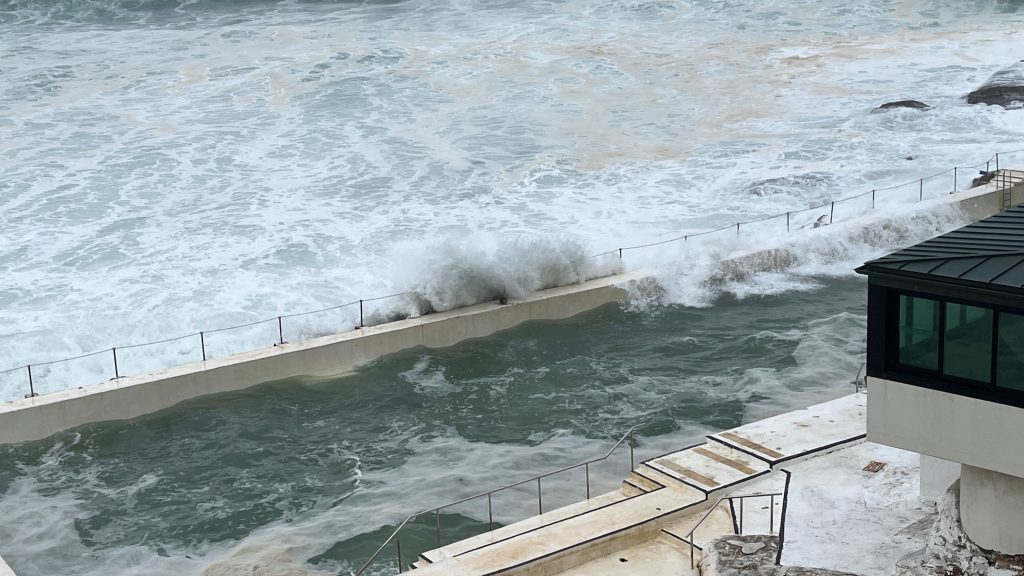
Climate change is no longer a distant risk. Across Australia we are already experiencing its effects — more intense heatwaves, floods, droughts, bushfires, and pressure on ecosystems and infrastructure.
Yet many organisations feel stuck between awareness and action. Climate risks can feel complex, uncertain, or overwhelming. Teams may understand the problem but struggle to translate it into meaningful decisions.
Adaptation provides a pathway forward.
Rather than asking only how to reduce impact, adaptation asks:
How will climate change affect our people, operations, and communities?
Where are we most vulnerable?
What actions strengthen resilience rather than create unintended consequences?
How do we adapt in ways that also support nature and society?
Adaptation is not about fear. It is about preparedness, agency, and collective intelligence.
A Workshop Designed for Clarity and Action
Originally developed in France as Les Ateliers de l’Adaptation au Changement Climatique, this workshop complements existing climate education tools by focusing on decision-making in a changing world.
The experience helps participants:
Understand the difference between mitigation and adaptation
Explore climate risks and vulnerabilities in real-world contexts
Evaluate adaptation options and avoid maladaptation
Develop a shared language across teams
Co-design practical and strategic responses relevant to their own context
The workshop is highly interactive and collaborative, creating a psychologically safe space where participants can explore uncertainty without blame or overwhelm.
This approach strongly aligns with People For Nature’s philosophy: learning happens best when people think together.
From Climate Literacy to Climate Capability
Over the past years, we have seen thousands of participants leave workshops with a deeper understanding of climate and biodiversity challenges. Increasingly, the next question we hear is:
“So what do we do now?”
Adaptation answers that question.
It moves organisations from awareness to capability. It helps teams integrate climate thinking into strategy, operations, and long-term planning. And importantly, it reconnects climate action with human experience — how we live, work, and care for places.
Adaptation is also inseparable from nature. Healthy ecosystems reduce climate risks, support water systems, cool cities, and strengthen community resilience. Nature-based solutions therefore sit at the heart of meaningful adaptation pathways.
Building Climate Confidence in Australia
Australia faces some of the most acute climate risks globally, but also holds extraordinary expertise across science, business, local communities, and First Nations knowledge systems.
What is often missing is not knowledge — but shared understanding and spaces for collective sense-making.
By bringing this workshop to Australia, People For Nature aims to contribute to building that shared capacity. Whether working with businesses, local governments, community organisations, or leadership teams, the goal is the same:
to move from climate anxiety to informed, collective action.
Because adaptation is not a technical exercise alone. It is a social process — one that requires collaboration, creativity, and courage.
Looking Ahead
Climate change will continue to shape the coming decades. The question is not whether change will happen, but how prepared we choose to be.
If you are interested in bringing the Adapting to Climate Change workshop to your organisation or community, we would love to start the conversation.
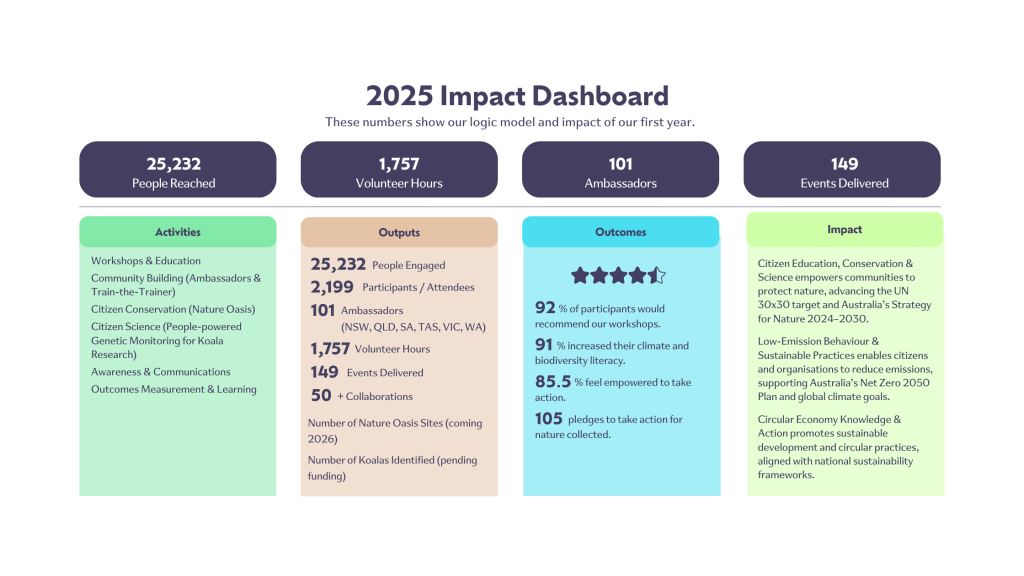
2025 was a big year for People For Nature. Together with our amazing community, we educated thousands of Australians on climate and biodiversity, ran hands-on workshops, and inspired action for nature.
From citizen science projects to corporate partnerships, our collective efforts are making a real difference — and we want to share it with you.
Dive into our 2025 Impact Report to see the stories, the numbers, and the people driving change. Let’s celebrate what’s possible when people power meets nature.
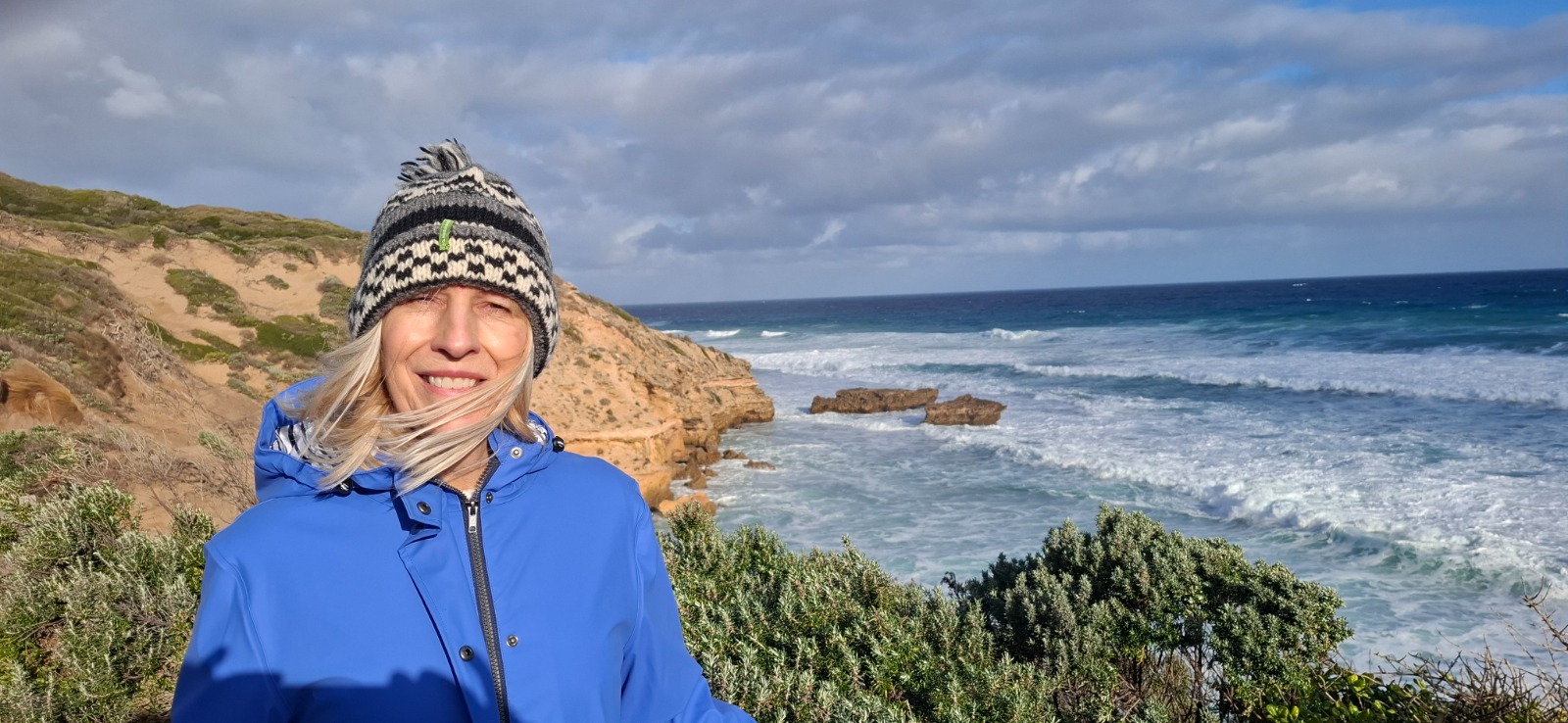
As a psychologist Gaye believes that our wellbeing is inseparable from the health of the Earth.
I want to help people reconnect with the natural world and nurture the emotional resilience and care needed to protect our planet in the face of climate change.
A Climate Fresk facilitator, Gaye played a key part in bringing the Youth program for AlterCOP 30 to life in Brisbane in November 2025.
Being part of a community helps tackle climate change by turning individual concern into collective action – sharing knowledge, changing habits together, and building the momentum needed for real, lasting impact and change.
Some people work on climate solutions in boardrooms. Others bring them to life in circles of conversation — where citizens become part of the solution.
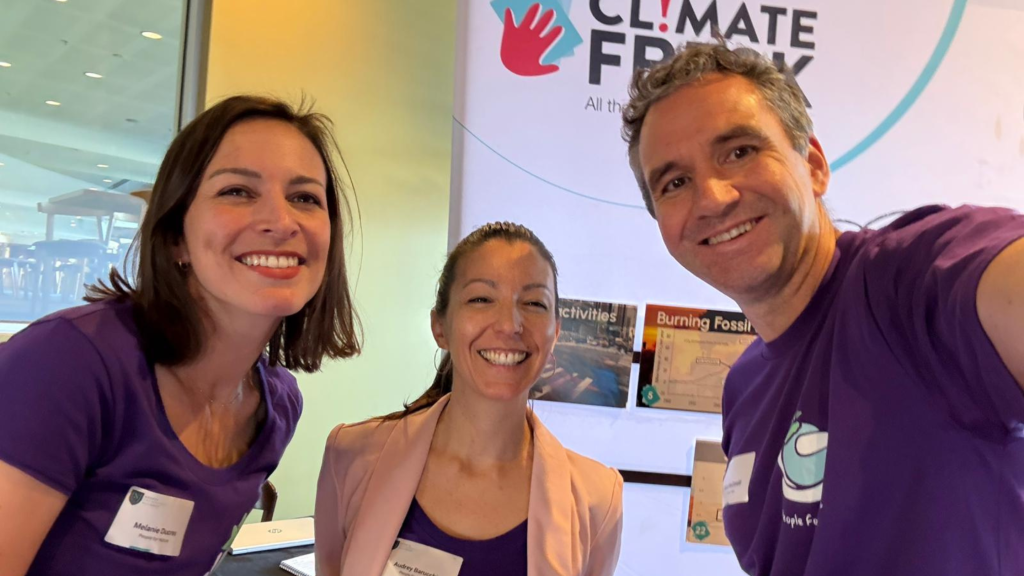
Meet Mélanie Ducros.
Originally from New Caledonia and now based in Victoria, Mélanie is deeply committed to climate action across the Pacific region. Her work is grounded in a simple but powerful belief: when people are informed and empowered, they become a driving force for change.
Mélanie is a process, energy and environmental engineer, with nine years of experience working on international development projects across West and North Africa and the Indo-Pacific. Her work has focused on the intersection of renewable energy, sustainable water access and climate adaptation — where technical solutions meet real human needs.
Today, she continues this journey through her work on energy transition with the French–Australian Indo-Pacific Centre for Energy Transition (FACET), helping shape conversations around a more sustainable future between France, Australia and the broader region.
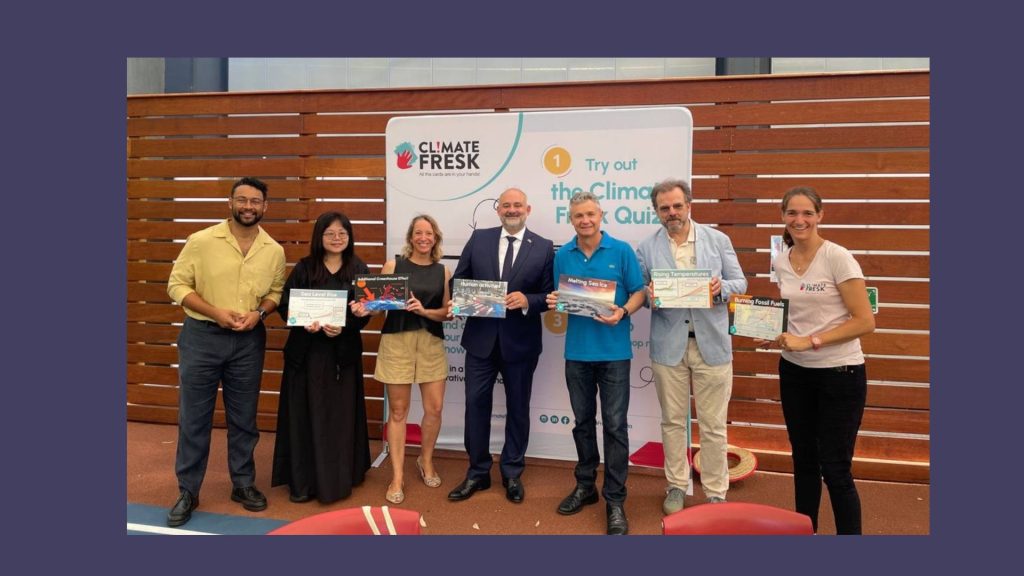
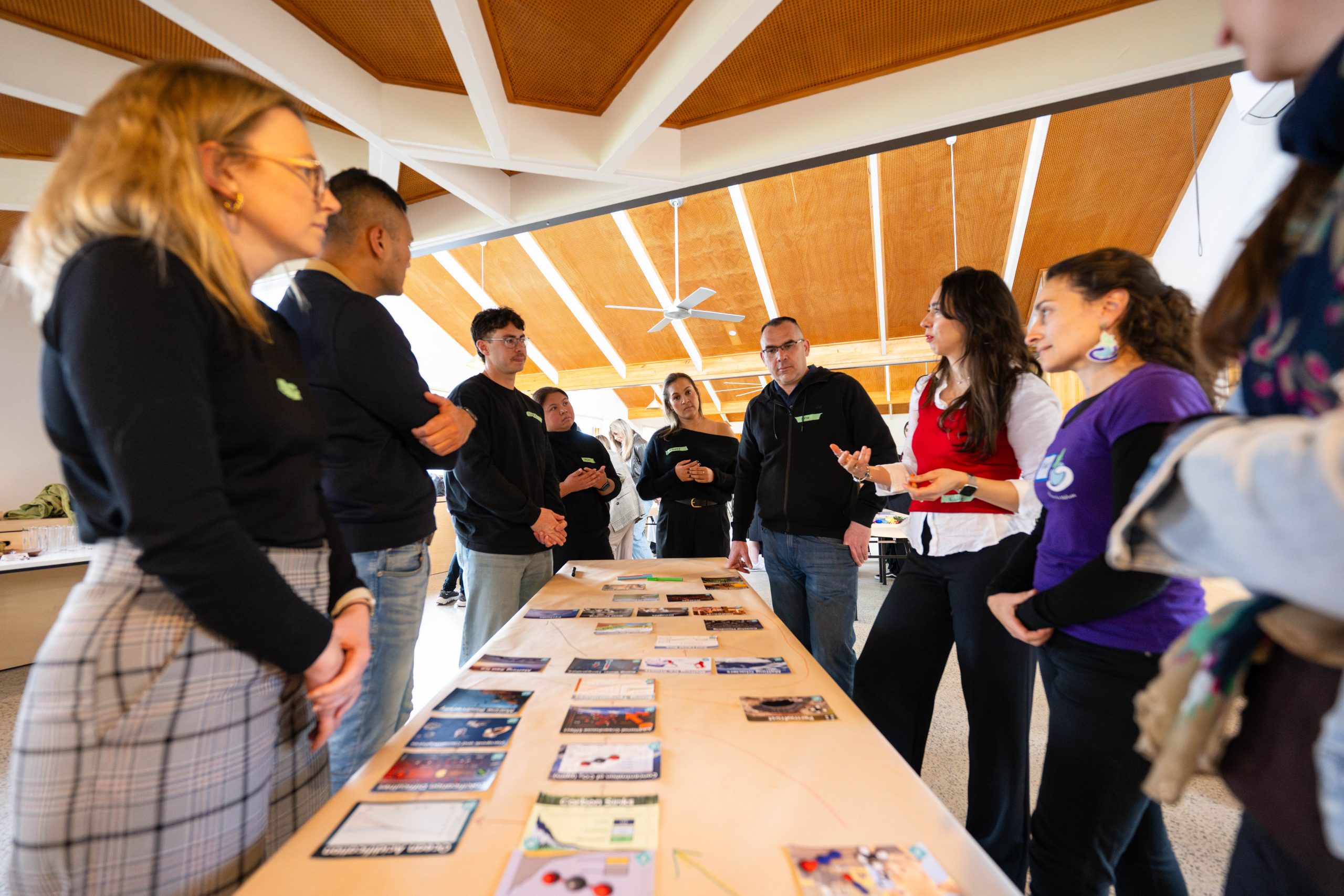
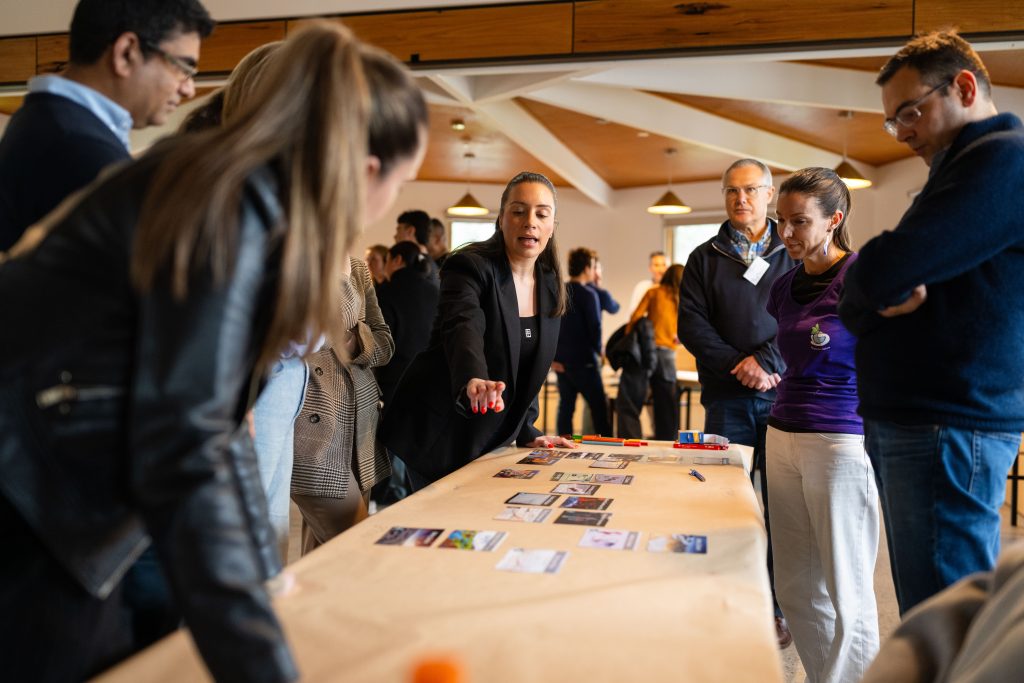
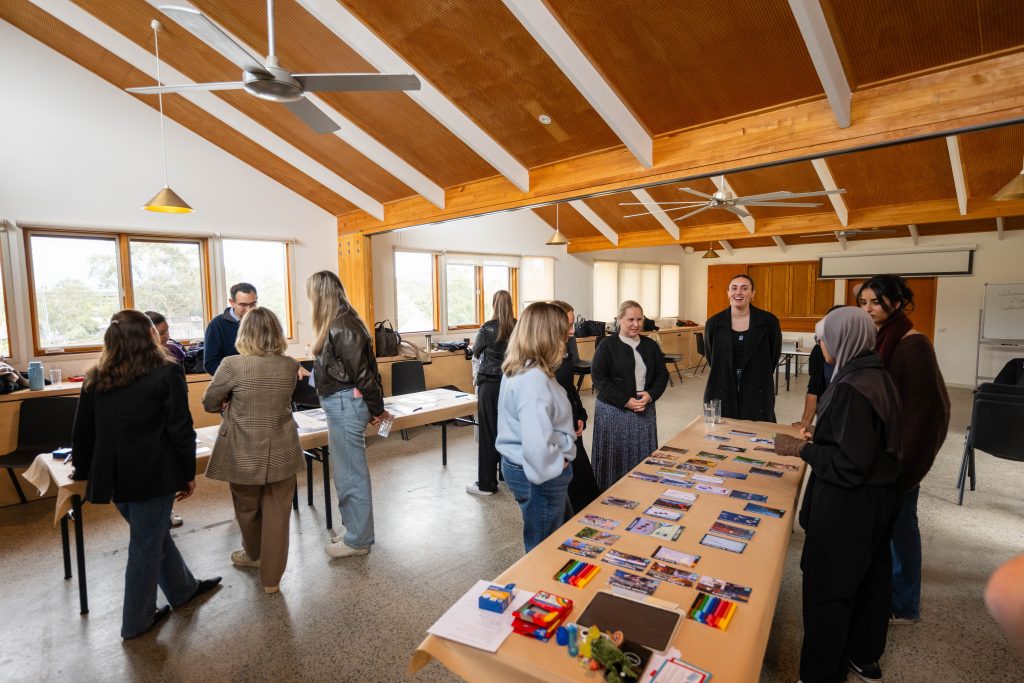
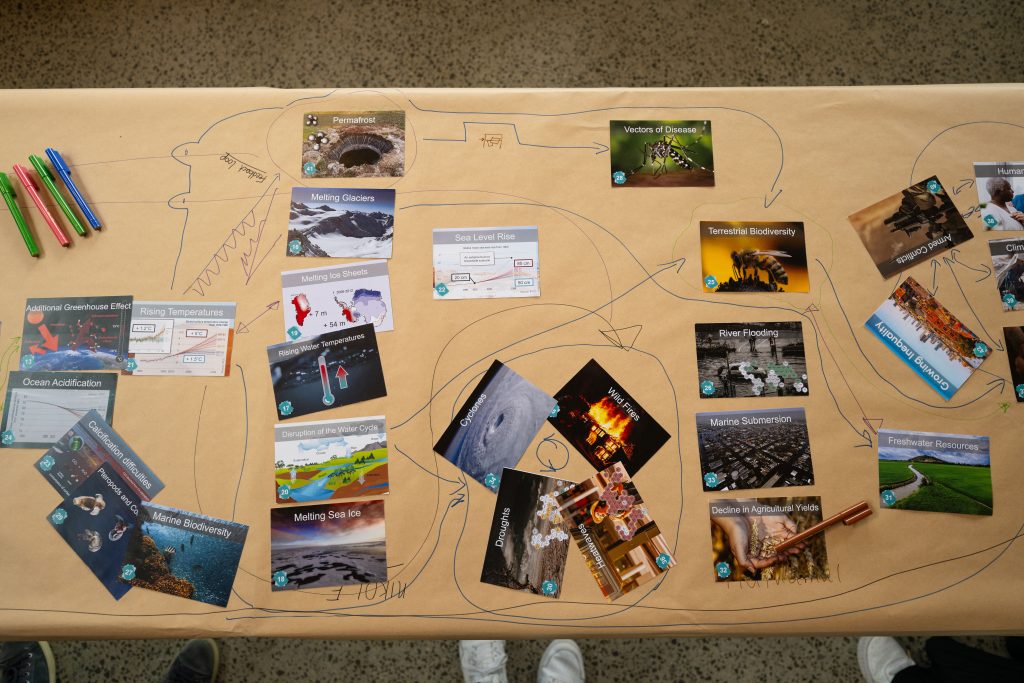
But one of her most meaningful contributions happens in a very different setting: a room full of people, markers on tables, and a Climate Fresk unfolding through shared discovery.
She shares:
“Being an ambassador for People For Nature inspires me because I am convinced that citizen-led initiatives like P4N are essential to driving real change. Facilitating Climate Fresk workshops gives me the strong feeling that I am contributing to meaningful impact. It is also incredibly enriching — I always leave each workshop inspired and energised by the conversations and insights shared by participants. As ambassadors, we receive as much as we give.”
This is what citizen-powered change looks like: not distant, not abstract — but shared, participatory, and deeply human.
And it grows every time someone steps into the conversation.
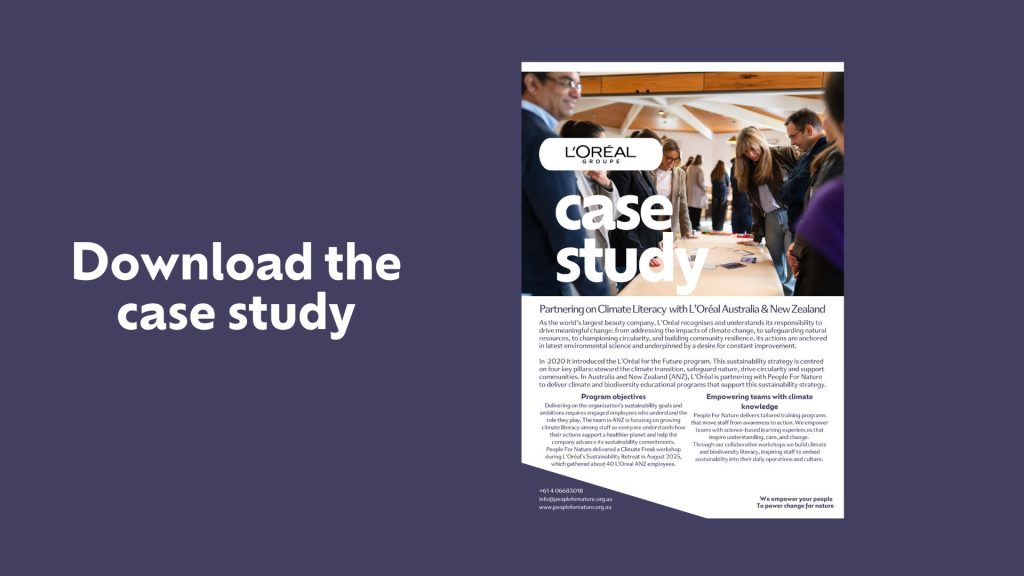
As the world’s largest beauty company, L’Oréal recognises and understands its responsibility to drive meaningful change: from addressing the impacts of climate change, to safeguarding natural resources, to championing circularity, and building community resilience, its actions are anchored in latest environmental science and underpinned by a desire for constant improvement.
In 2020 it introduced the L’Oréal for the Future program. This sustainability strategy is centred on four key pillars:
– Steward the climate transition;
– Safeguard nature;
– Drive circularity;
– Support communities.
In Australia and New Zealand (ANZ), L’Oréal is partnering with People For Nature to deliver climate and biodiversity educational programs that support this sustainability strategy.
Program objectives
Delivering on the organisation’s sustainability goals and ambitions requires engaged employees who understand the role they play.
The team in ANZ is focusing on growing climate literacy among staff so everyone understands how their actions support a healthier planet and help the company advance its sustainability commitments.
People For Nature delivered a Climate Fresk workshop during L’Oréal’s Sustainability Retreat in August 2025, which gathered about 40 ANZ employees.
Empowering teams with climate knowledge
People For Nature delivers tailored training programs that move staff from awareness to action. We empower teams with science-based learning experiences that inspire understanding, care, and change.
Through our collaborative workshops we build climate and biodiversity literacy, inspiring staff to embed sustainability into their daily operations and culture.
Interested in organising a workshop for your organisation?
We’ll empower your people to power change for nature. Contact us today to find out more.
Climate education using storytelling, creativity and imagination
At People For Nature, climate literacy is at the heart of what we do. We firmly believe that education isn’t just about understanding the problem, it’s about inspiring people to act. Because, when people understand, they care – and when they care, they act.
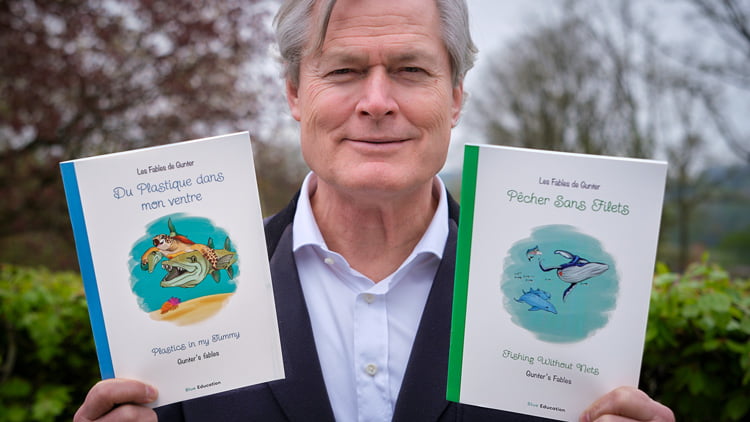
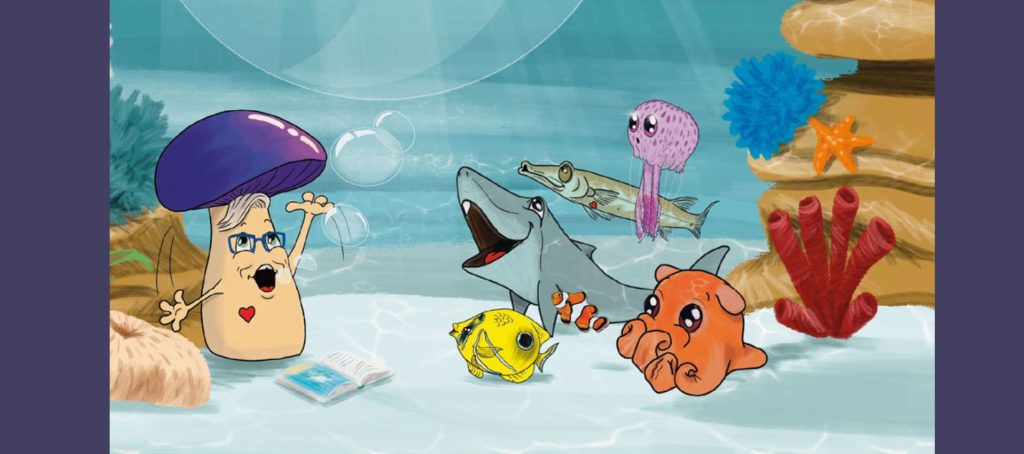
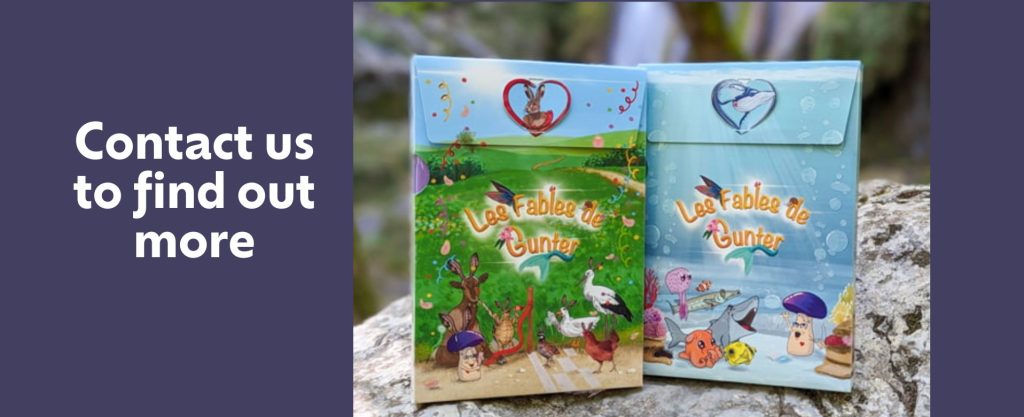
That’s why we love Gunter’s Fables, a bilingual (French and English) collection of educational stories that help children see nature not as something fragile and separate, but as a source of solutions for humanity’s biggest challenges.
Climate education needs to start with those that are already at the frontline: our youth. Teaching children and young adults about the science of climate change, its impacts, and potential solutions can inspire a new wave of climate-conscious leaders, entrepreneurs, and activists who will shape Australia’s future. Early education fosters a sense of responsibility and urgency, ensuring that the next generation is ready to tackle the challenges ahead.
Gunter’s Fables were created by Gunter Pauli, a Belgian-born climate visionary, who has dedicated his life to the radical transformation of business and society. He is the founder of the Zero Emissions Research Initiative and author of The Blue Economy, a framework adopted by the United Nations, governments, and industries worldwide.
Aimed at children aged 3 to 15, Gunter’s Fables evolve in depth and complexity as readers grow, showing how nature already holds the answers to many of our sustainability problems.
Each set of fables explores a different theme: water, health, food, energy, housing, work, and education / ethics.
Just like People For Nature’s educational workshops – Climate Fresk, Biodiversity Collage and Circular Economy collage – Gunter’s Fables are fun and interactive. They encourage curiosity, questioning and experimentation, cultivating the mindset that we can all make a difference.
Combining storytelling with science and action
What makes Gunter’s Fables so powerful as an educational tool is the way it blends storytelling with science and action. Inspired by educators like Maria Montessori, Rudolf Steiner, and Paulo Freire, the series awakens five kinds of intelligence: scientific knowledge, emotional intelligence, artistic expression, understanding of complex systems, and the ability to take action. Children aren’t just learning facts; they’re exploring, questioning, and discovering how they can make a difference.
Each fable is a guided exploration that encourages reflection, creativity, and reinforces the innate desire to contribute to the good of all. The fables turn sustainability from an abstract topic into a lived experience. Each one ends with real-world examples, helping young readers see that change is already happening and that they can be part of it.
Empowering tomorrow’s leaders
Gunter’s Fables are a great tool to equip our future leaders with the knowledge, skills, and passion to drive meaningful change.
In a world where climate headlines can feel overwhelming, Gunter’s Fables offer something rare: hope grounded in understanding. By nurturing imagination and action, these stories help raise a generation of thoughtful, empowered “planet protectors.”
Whether you are a parent, a grand parent or an educator, these books are a great tool to pass on important messages to the next generation.
Interested in finding out more or getting a copy of Gunter’s Fables?
Climate Fresk and Circular Economy Collage Facilitator, NSW
Lisa became a People for Nature Ambassador in 2025. She’s a Climate Fresk and Circular Economy Collage Facilitator based in Sydney.
Lisa draws on her background in biotechnology research and education to inspire citizen science and drive collective climate action. As a scientist, educator, and advocate, Lisa champions evidence-based innovation and community engagement to tackle environmental challenges—from ocean health to climate resilience.
I believe the true solution lies in empowering individuals through education and fostering collective responsibility for a sustainable future.
Climate Fresk & Biodiversity Collage Facilitator, Sydney
Jonathan has been a Climate Fresk facilitator since 2022 and a Biodiversity Collage facilitator since 2024.
He is driven by a strong will to prove to his children that we can be part of the solution to the climate crisis. His aim is to expand climate and biodiversity literacy as wide as possible to help create that critical mass of responsible people who will shift the system and challenge the status quo.
Being an ambassador for People For Nature offers me an amazing platform to spread awareness on the climate and biodiversity crisis whilst being supported by an incredible bunch of people. I love being part of this community. It brings me strength and perseverance to keep pushing when it sometimes feels like we are not making any progress.”