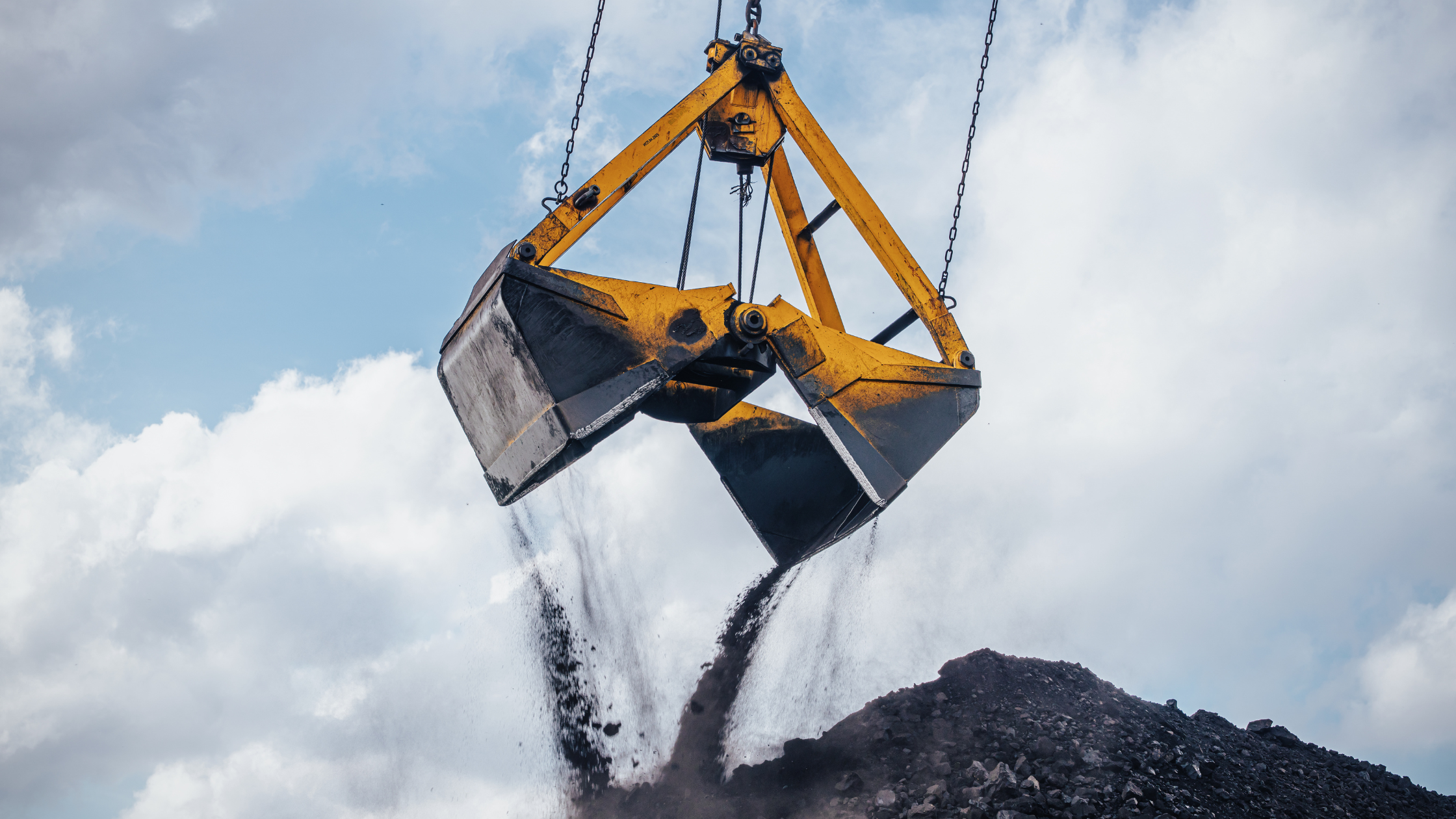
Since the advent of the Industrial Revolution, fossil fuels — coal, oil and natural gas — have underpinned our economic growth and transformed human living standards in a way nothing before could.
- Mechanisation, mass manufacturing and new industries became possible once people could tap energy far beyond what human or animal labour alone could supply. Steam engines and then internal combustion engines powered factories, transport, and infrastructure that brought unprecedented productivity and wealth.
- Fossil fuels provided the raw energy for electricity generation — lighting homes, powering machines, heating or cooling environments, enabling modern conveniences, health care, global communication, transport, trade and more.
- In macroeconomic terms, there’s a strong historical correlation between global primary energy consumption and global GDP (economic production). One recent long‑term study found that physical energy inputs (what we call “primary energy consumption”) have driven both physical capital and human capital, fueling growth across centuries.
- Although energy efficiency has improved over time — meaning we now need less energy per dollar of GDP than in the past — the overall scale of energy consumption remains huge, feeding modern complex economies.
Put simply: fossil fuels have supplied the energy surplus — the abundant, high‑density energy — that allowed economies to scale, societies to urbanise, food systems to industrialise, transport and trade to flourish, and living standards to climb globally.
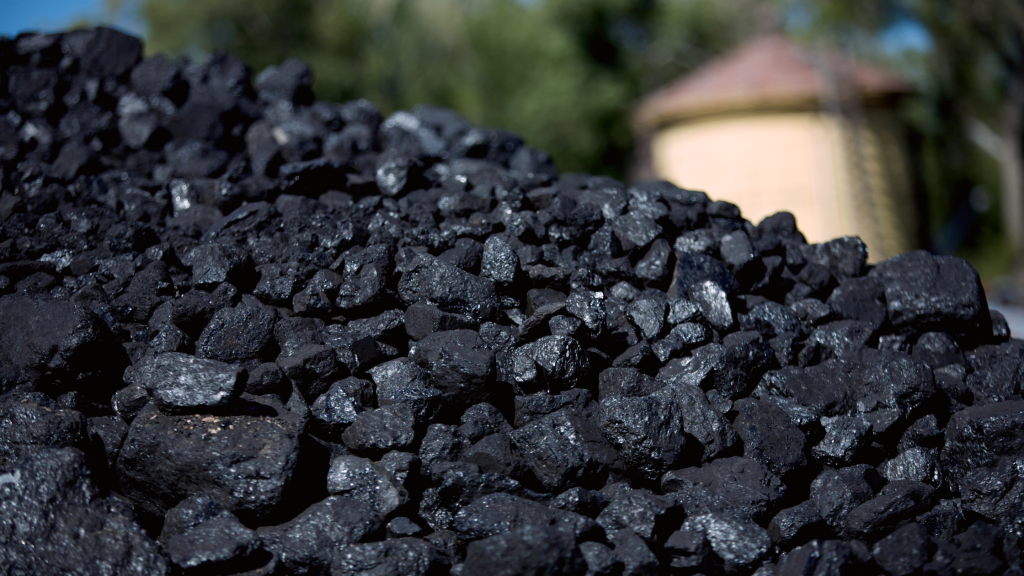
What the “surplus” meant: how fossil energy extended human possibility
Because fossil energy is dense, concentrated, and relatively easy to exploit (especially when reserves are young and accessible), it created a surplus that underpins much of what we consider “modern living.” Some of the key ways that surplus shaped society:
- Global mobility and trade — oil-powered shipping, trucking and aviation connected markets, enabled global supply chains, movement of people, goods, and ideas — foundational to globalised economies.
- Industrial agriculture and food security — fossil fuels powered machinery, synthetic fertilisers and pesticides, transport of food — enabling production and distribution of enormous volumes of food for billions.
- Urbanisation and infrastructure — energy-intensive industries built cities, housing, sanitation, electricity grids, transport networks, communications — enabling high population densities and complex societies.
- Access to goods and services — manufacturing of consumer goods, plastics, chemicals, medicines and more all leveraged energy inputs derived from fossil fuels.
- Improved health, comfort and longevity — heating or cooling, lighting, medical facilities, global trade of food and medicine, mass agriculture — all contributed to massive improvements in human welfare.
In short: fossil‑fuel surplus didn’t just push GDP numbers up. It expanded the possibility space of what societies could do — allowing humans to transition from subsistence-level existence to global industrial civilisation.

The signs of change — increasing limits on fossil energy, and what that means
But as we move into the 21st century, multiple pressures (sometimes referred to as “planetary boundaries”) — geological, economic, environmental — are signalling that the age of abundant, cheap fossil‑fuel surplus is ending, or at least must be constrained. The consequences will be significant.
Declining surplus and rising constraints
- Fossil fuels are finite. While estimates vary, experts warn that under current consumption rates, proven reserves will not last indefinitely, especially when accounting for extraction costs, environmental regulations and declining energy return on energy invested (EROEI).
- As fossil energy becomes scarcer or more costly to extract, energy prices rise — and with that, the cost base of industries that rely on cheap, abundant energy: manufacturing, transport, agriculture, logistics. This in turn can slow economic growth or even reverse output.
- The tight historical link between energy supply and GDP suggests that declining energy surplus could constrain growth. In the absence of equivalent new energy inputs, some researchers argue economic activity could slow or shift dramatically.
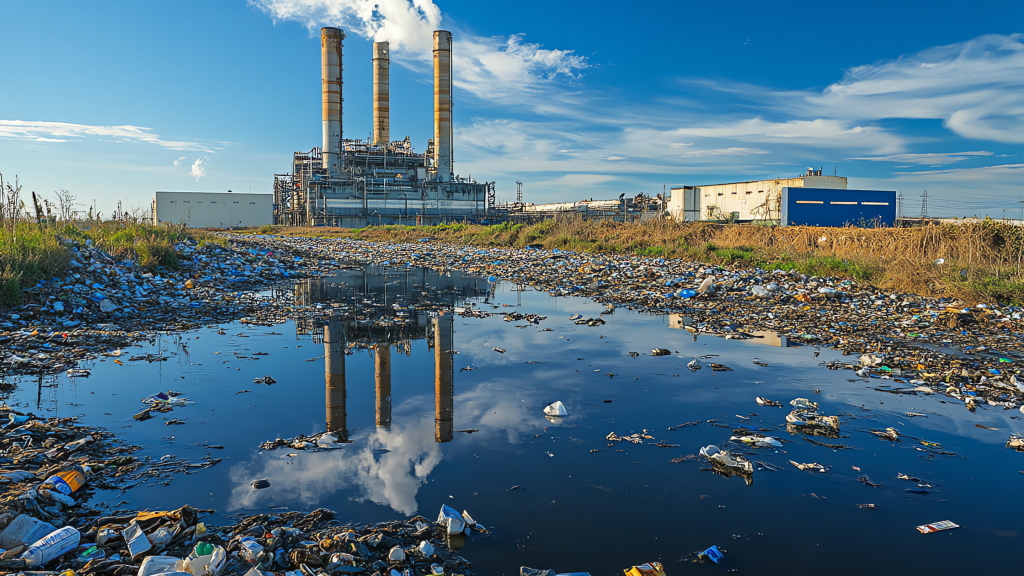
- Overconsumption of fossil fuels has also led to major environmental and public health problems — pollution, climate change, biodiversity loss — meaning the “surplus” has come with long-term costs.
What could happen as energy surplus declines
If fossil energy — or accessible, affordable fossil energy — becomes less abundant, several structural shifts become likely:
- Re-evaluation of growth paradigms: With energy supply constrained, perpetual economic growth may no longer be sustainable. Some economists argue there may be a thermodynamic cap on how large our global economy can grow — unless we decouple growth from energy consumption via efficiency gains, renewable energy, or radical system change.
- Necessity to transition to renewables and sustainable energy systems: To maintain well‑being, economies will need to invest heavily in renewable energy, energy efficiency, electrification.
- Restructure of industries reliant on cheap energy: High‑energy industries — like long‑haul transport, heavy manufacturing, conventional agriculture — may shrink or need to transform. Localisation of production, new low‑energy economic models, circular economy, and regenerative practices might become more advantageous.
- Potential reduction in consumption, slower growth, simpler lifestyles: Without surplus energy, societies may shift toward lower‑energy consumption, rethinking what “standard of living” means — more local, leaner, less resource-intensive ways of living.
- Social and political challenges: Resource scarcity, economic stress, inequality, supply disruptions could trigger instability, especially in fossil-energy dependent economies.

Conclusion — Fossil fuels gave us a head start, but we must not assume the surplus will last
Fossil energy was the diesel behind the engine of industrial civilisation — powering growth, lifting living standards, enabling the modern world. But it was always a borrowed power: ancient biological energy concentrated over millions of years.
As that surplus wanes — through depletion, rising extraction costs, environmental constraints — we can expect deep structural shifts: slower growth, higher costs, transformation of industries, and a need for new paradigms. How well humanity adapts will determine whether we regress, stagnate, or reinvent our societies around sustainability, equity, and harmony with the natural world.
For those committed to biodiversity, climate justice, and education — as you are if you have read this far — this transition is both a challenge and an impetus: an opportunity to help shape the next chapter, grounded in respect for nature’s limits and collaborative human ingenuity.

References & Sources
“Role of Fossil Fuels in a Sustainable Energy System” – United Nations, 2022. https://www.un.org/en/chronicle/article/role-fossil-fuels-sustainable-energy-system
“Fossil Fuels Contribute to Human Flourishing” – Life Powered, 2023. https://lifepowered.org/fossil-fuels-contribute-to-human-flourishing
“Explain the Importance of Fossil Fuels to Modern Society” – VAIA, Environmental Science Textbook, 2022. https://www.vaia.com/en-us/textbooks/environmental-science/environmental-science-for-a-changing-world-4-edition/chapter-9/problem-2-explain-the-importance-of-fossil-fuels-to-modern-s
“The Role of Energy in Economic Growth” – ArXiv preprint, 2020. https://arxiv.org/abs/2008.10967
“Energy Technology Perspectives 2020” – OECD, 2020. https://www.oecd.org/content/dam/oecd/en/publications/reports/2020/09/energy-technology-perspectives-2020_21abbde0/d07136f0-en.pdf
“How Fossil Fuels Shaped Our World” – Green Ambassador Challenge, 2021. https://greenambassadorchallenge.com/challenge/fossil-fuels/activity/how-fossil-fuels-shaped-our-world
“Oil Depletion” – Wikipedia, 2023. https://en.wikipedia.org/wiki/Oil_depletion
“The Sustainability of Fossil Fuel Use: Declining Surplus and Economic Implications” – MDPI Sustainability, 2022. https://www.mdpi.com/2071-1050/14/8/4792
“Australia’s Energy Crisis & America’s Energy Surplus” – University of Sydney, 2023. https://www.ussc.edu.au/australias-energy-crisis-americas-energy-surplus
“How Curbing Reliance on Fossil Fuels Will Change the World” – Wilson Center, 2021. https://www.wilsoncenter.org/article/how-curbing-reliance-fossil-fuels-will-change-world
Leave a Reply