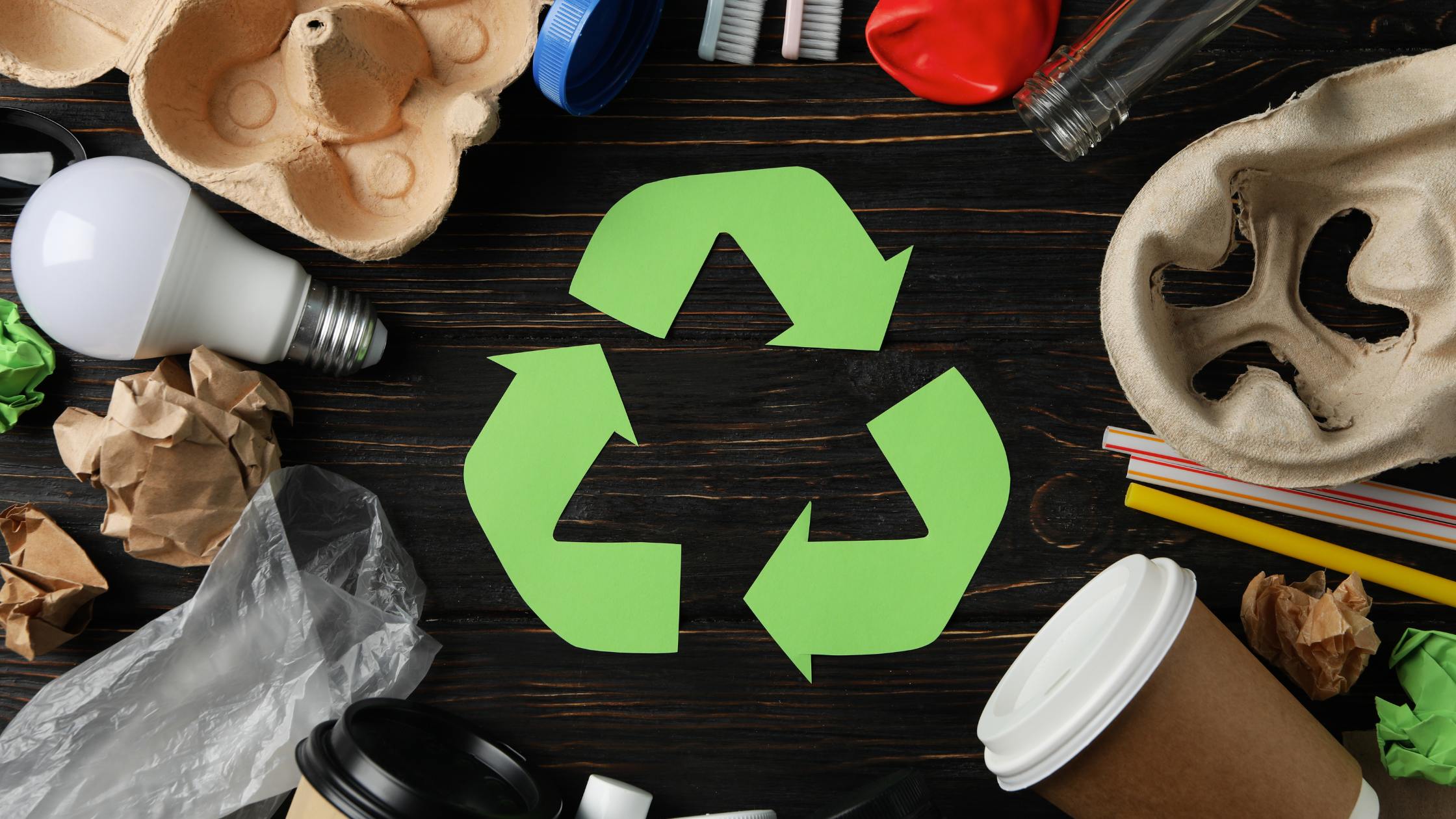
Most of us are familiar with recycling. We sort our bottles, flatten our cardboard, and hope it ends up somewhere useful. But what if recycling is only the beginning of the story?
Across Australia—and around the world—communities are starting to rethink something much bigger than what goes in our bins. They are reimagining the entire system that shapes how we design, make, use, and dispose of everything in our lives. This shift is known as the circular economy.
Unlike the traditional “take–make–waste” model, which relies on extracting resources, producing goods, and discarding them, a circular economy is designed to keep materials in use for as long as possible. Products are reused, repaired, shared, remanufactured, and ultimately regenerated—so that waste is designed out of the system altogether.
This shift is not just about recycling better—it’s about redefining value. Materials are no longer seen as disposable, but as part of a living system that should circulate, much like nature does.
A new way of learning: the Circular Economy Collage
To make this complex system accessible and engaging, an interactive workshop called the Circular Economy Collage has been developed.
Now running across Australia through People For Nature, a registered environmental charity, the workshop transforms global systems thinking into a hands-on, collaborative experience.
Participants work together using illustrated cards that represent different parts of our economy—resource extraction, manufacturing, consumption, waste, and innovation. Step by step, they build a visual map of how our current system operates, before exploring how it can be redesigned.
Rather than passively receiving information, participants actively construct understanding together. The result is often described as a moment of clarity—when the scale and interconnectedness of the system suddenly clicks.
Like its sister initiatives, Climate Fresk (which has engaged more than 2.3 million people worldwide) and Biodiversity Collage, the Circular Economy Collage is grounded in science and designed to be engaging, accessible, and action-oriented. It helps people move beyond overwhelm and into meaningful action.
Because when people understand how the system works, they begin to see where change is possible—in households, workplaces, councils, and across entire industries.
Why this matters in Australia
In an increasingly volatile and uncertain world, building resilience at the local level is becoming essential across Australia.
From supply chain disruptions and rising costs of living to population growth, housing pressures, waste challenges, and biodiversity loss, the systems we rely on are being tested. The question is no longer whether change is coming—but how prepared we are to respond.
The circular economy offers a practical and hopeful framework for navigating this reality. By keeping resources in use for longer, it reduces reliance on fragile global supply chains and strengthens local economies. It supports repair and reuse culture, empowers small businesses, reduces pressure on landfill, and reconnects people with the resources that sustain everyday life.
Importantly, it also fosters a deeper cultural shift—from accepting waste as inevitable to recognising it as a design flaw we have the power to fix.
In doing so, it helps communities become more self-reliant, adaptable, and better equipped to thrive in the face of change.
An invitation to take part
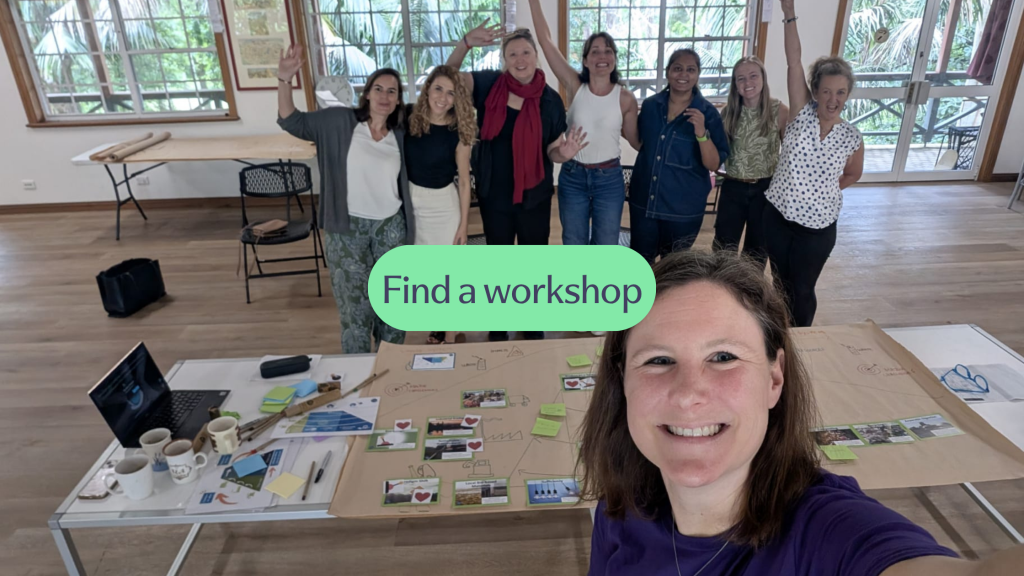
If you’re curious about how these ideas can be applied in everyday life—and how communities across Australia can be part of the solution—you’re warmly invited to take part in an upcoming workshop.
Find a Circular Economy Collage workhop near you (or online):
🎟️ https://collections.humanitix.com/people-for-nature-literacy-workshops
Leave a Reply