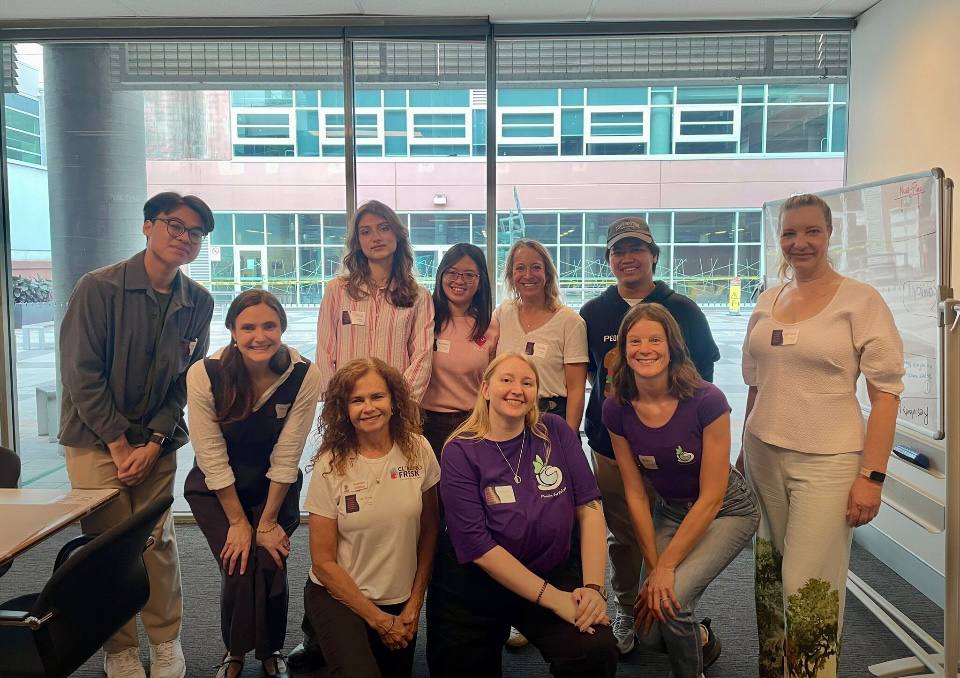
Every week, we get a similar question:
How do you go from attending a workshop to actually working in this space?
It’s a great question—and the answer is encouraging. There is a pathway. But it’s not a shortcut. It’s a progression.
1. It Starts with Awareness
For most people, the journey begins as an ally.
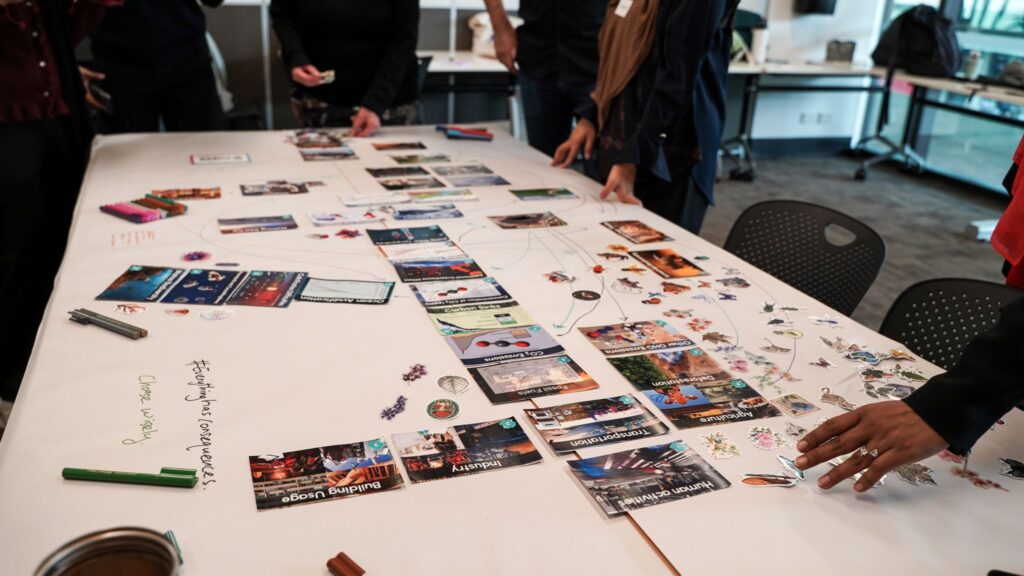
This means showing up — attending a workshop, being curious, and wanting to understand the challenges our planet is facing. Whether it’s climate change, biodiversity loss, or the circular economy, the first step is building a solid foundation of knowledge.
Workshops like Climate Fresk, Biodiversity Collage, and Circular Economy Collage are designed exactly for this:
to make complex systems accessible, engaging, and actionable.
👉 You can explore upcoming sessions here:
https://collections.humanitix.com/people-for-nature-literacy-workshops
But here’s the key: knowledge alone isn’t enough.
2. The Real Shift: Learning to Facilitate
What transforms an ally into someone who can create impact is facilitation.
Facilitation is often underestimated, but it’s the single most important skill in this journey. It’s what turns understanding into action.
A great facilitator doesn’t lecture—they:
- Guide conversations
- Hold space for different perspectives
- Help people connect the dots
- Navigate emotions like eco-anxiety or resistance
- Enable groups to move towards meaningful action
This is where real upskilling happens.
And importantly, facilitation training is accessible and based on a train-the-trainer model, making it easy for anyone motivated – even without prior knowledge of the topic – to get involved. Once you’ve attended a workshop, you will be offered the opportunity to step into this next phase and begin learning by doing.
3. From Ally to Ambassador
With practice comes confidence.
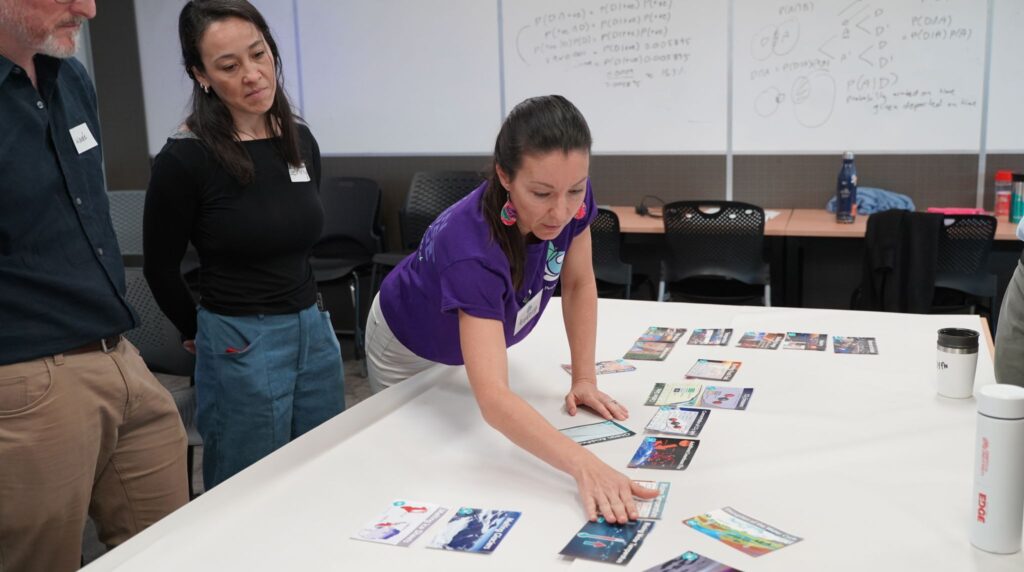
As people begin facilitating public workshops and engaging different audiences, they transition from Allies to Ambassadors.
This stage is all about:
- Gaining real-world experience
- Co-facilitating and eventually leading sessions
- Learning from peers
- Being supported through mentoring and shared resources
As an Ambassador, you’re not doing this alone. You gain access to a network of like-minded people, practical tools to run sessions, and ongoing support to build your confidence and skills.
It’s hands-on, practical, and deeply human work.
And it’s often where something shifts — where people realise: this is something I want to do more of.
4. Stepping into Professional Opportunities
To move into professional facilitation, experience matters.
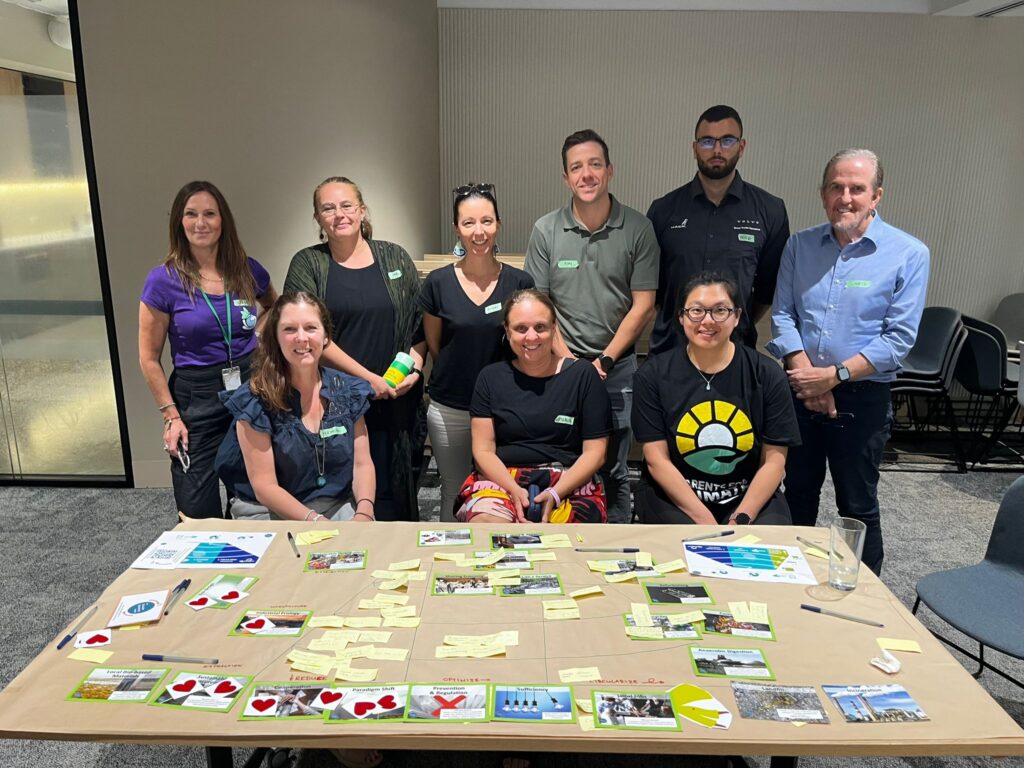
We require facilitators to run a certain number of public workshops before progressing to pro facilitation. This ensures quality, confidence, and consistency.
At this level, new opportunities open up:
- Facilitating for corporates
- Working with councils and universities
- Delivering workshops at scale
And importantly—this is where remunerated roles begin to emerge.
Some facilitators work with us on a casual basis. Others go on to build their own businesses, using the skills they’ve developed to create impact independently.
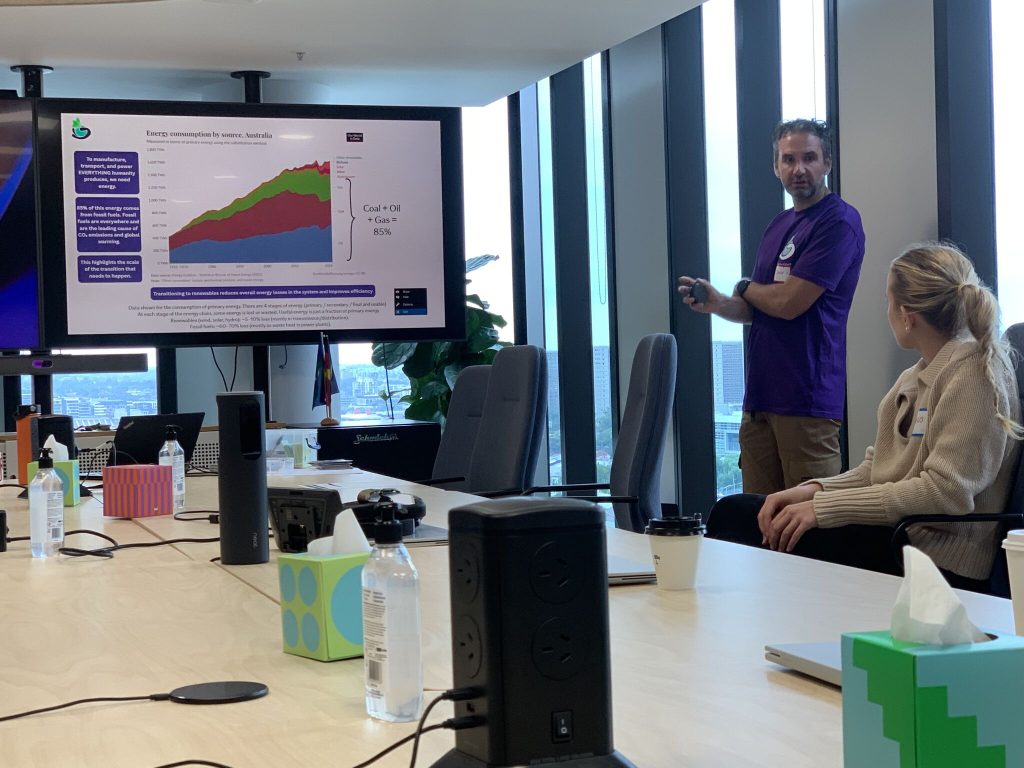
The Bottom Line
Moving from ally to professional isn’t about knowing more—it’s about becoming capable of guiding others.
Knowledge builds awareness.
Facilitation creates impact.
Practice opens opportunities.
If you’re at the start of this journey, begin by attending a Nature literacy workshop: https://collections.humanitix.com/people-for-nature-literacy-workshops
If you’ve already taken that step, consider what it would look like to move from learning… to leading. If you are ready to upskill and become a facilitator, get in touch for the next training opportunity.
Leave a Reply