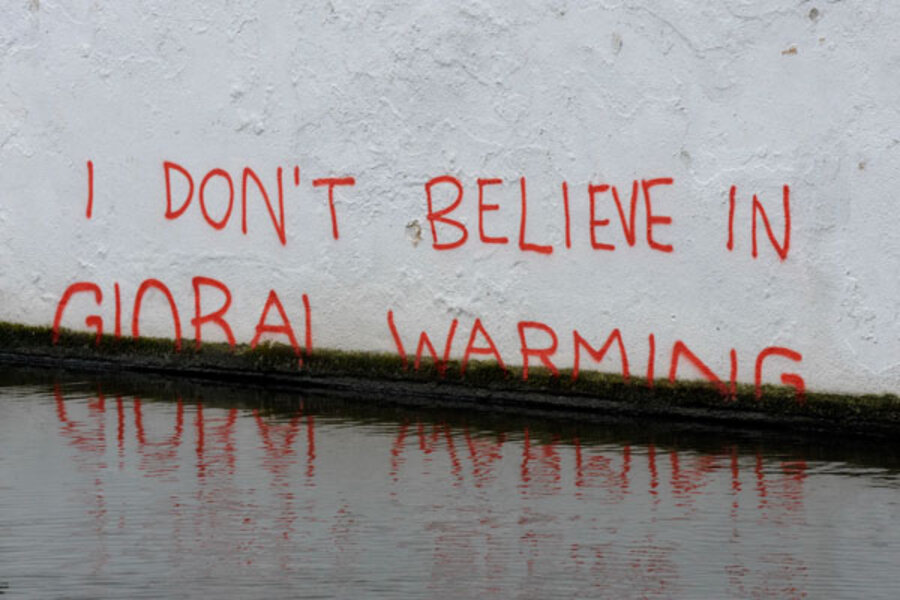
Climate change must be an inclusive conversation, rooted in facts, not opinions. To tackle this crisis, we need to keep everyone informed—scientists, policymakers, sceptics, and communities most affected—ensuring that our discussions are based on reliable, evidence-based information.
Talking amongst ourselves is reassuring, but it isn’t enough.
At People For Nature, we’re committed to fostering open conversations with everyone, anytime, and ensuring that the focus remains on facts, not misinformation. Only through this approach can we build understanding, drive action, and face the challenges of climate change together.
Here are some of the myths we often hear in discussions about climate change—and why they are simply not true.
“The IPCC is pure political propaganda”
The Intergovernmental Panel on Climate Change (IPCC) is the most trusted source of climate science today.
But why?
✅ It’s Based on Thousands of Studies
The IPCC doesn’t rely on a single opinion—it reviews thousands of peer-reviewed scientific papers from experts worldwide.
🚨 It UNDER-restimates (not OVER-estimates) Climate Risks
- The IPCC operates on scientific consensus, meaning only findings that have extremely strong evidence make it into reports. Some argue this downplays worst-case scenarios, such as rapid ice melt or extreme weather feedback loops.
- Example: The IPCC initially underestimated Arctic sea ice decline—real-world observations have often moved faster than their models predicted.
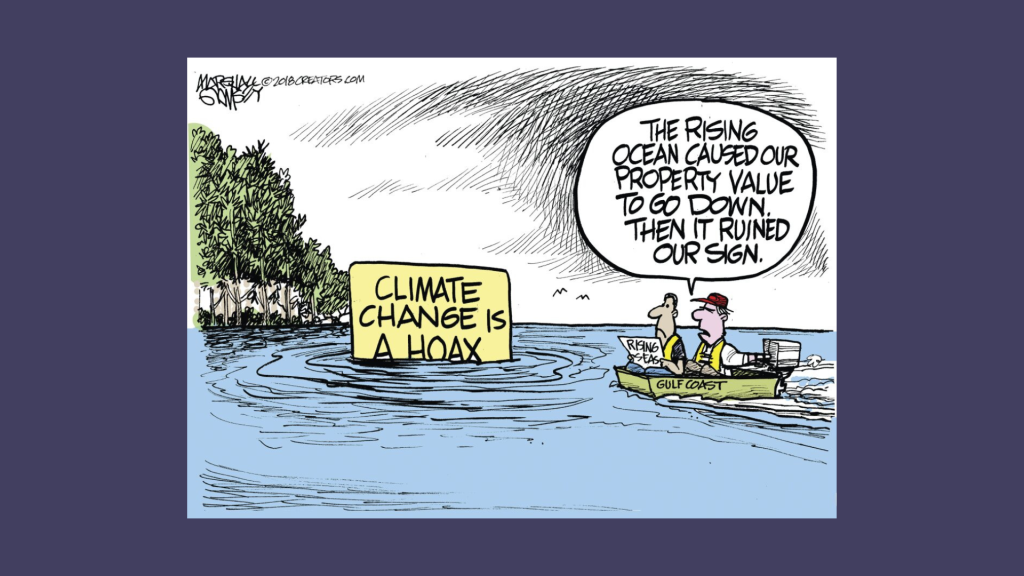
✅ It’s a Global Scientific Effort
Hundreds of climate scientists contribute, and thousands review the reports, ensuring a fair and balanced understanding of climate change.
✅ It’s Independent & Transparent
The IPCC doesn’t push policies or political agendas. Reports go through rigorous fact-checking by experts and governments before publication.
✅ It’s the Foundation of Climate Action
World leaders, businesses, and organisations like the United Nations rely on IPCC findings to make informed decisions—such as the Paris Agreement.
✅ It’s Constantly Updated
Climate science evolves, and so do IPCC reports. New findings are published every few years, ensuring we always have the latest and best information.
🔎 The key takeaway
📢 The IPCC is neither alarmist nor dismissive—it presents the science as carefully as possible.
🐌 If anything, real-world climate events often happen faster and more intensely than IPCC projections suggest.
Science is evolving, but given the scientific consensus we have, waiting for 100% certainty is not really an option.
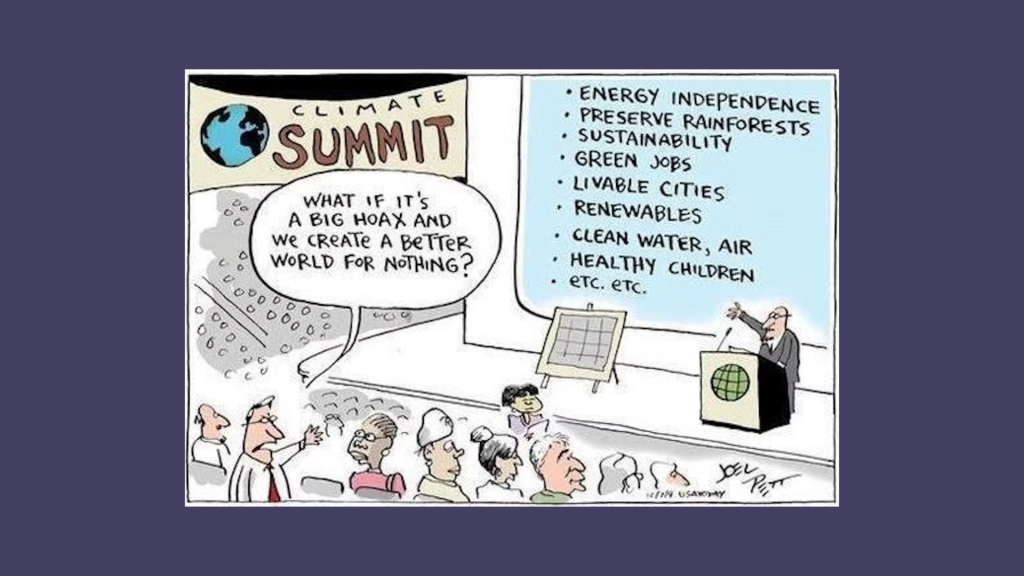
“The IPCC do not take into account the tilting of the Earth, which is causing a normal temporary warming”
Yes, the tilting of the Earth (axial tilt) does influence climate, but it is not the cause of modern climate change.
Here’s the science behind it:
1. Earth’s Tilt & Natural Climate Cycles (Milankovitch Cycles)
The Earth’s axial tilt (currently about 23.5°) affects how sunlight is distributed across the planet, contributing to natural climate variations over tens of thousands of years. This is part of the Milankovitch Cycles, which include:
✅ Axial Tilt (Obliquity): Changes every 41,000 years, affecting the severity of seasons.
✅ Orbital Shape (Eccentricity): Changes every 100,000 years, affecting how much solar energy the Earth gets.
✅ Wobble (Precession): A 26,000-year cycle that shifts the timing of seasons.
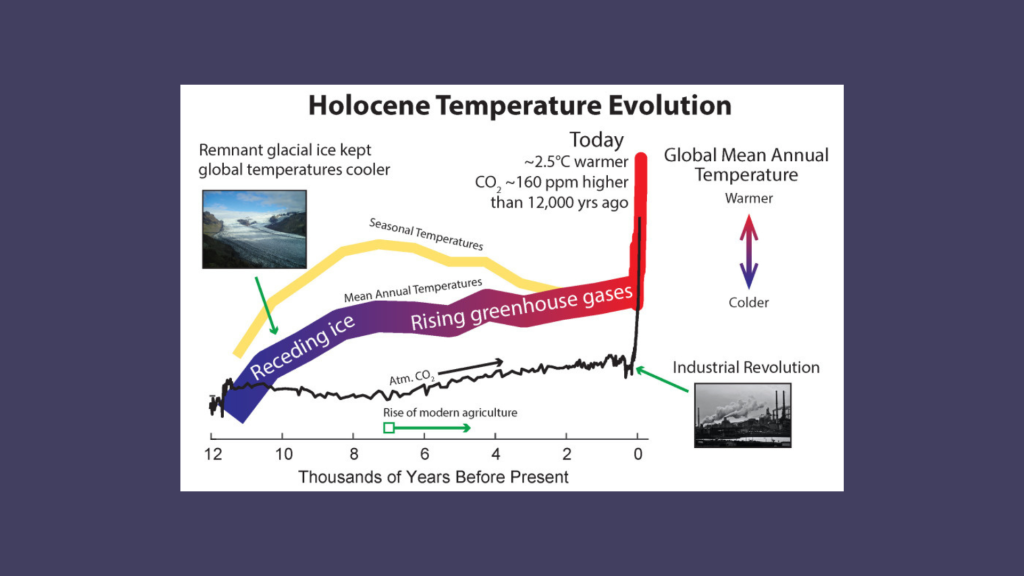
These cycles have been responsible for past ice ages and warm periods, but they happen too slowly to explain the rapid warming observed in the last century.
BUT… The current warming (since the Industrial Revolution) is happening in just decades, which is far too fast to be caused by natural cycles.
Science shows human impact
- The IPCC and NASA confirm that the warming trend over the last century is due to greenhouse gas emissions, not changes in Earth’s tilt.
- CO₂ levels are the highest in at least 800,000 years, and their increase directly correlates with human activity.
🔎 The key takeaway
-> The Tilt Matters, But Not for Modern Climate Change.
While Earth’s tilt has played a role in past climate shifts, today’s global warming is driven by human activity, mainly fossil fuel emissions. The rate of change is the key difference—what took thousands of years in the past is now happening in just a few decades.
If you’re ready to tackle climate delay discourse, join one of our Climate Literacy workshops and train to become a facilitator!
Find a workshop near your and join us: https://events.humanitix.com/host/people-for-nature
🔗 Sources and fact checking
- IPCC Official Website
- NASA
- IPCC Sixth Assessment Report (AR6)
- United Nations Framework Convention on Climate Change (UNFCCC)
- Milankovitch Cycles
- Has Global Warming Happened Before? Earth’s History With Climate Change, watch the video.
Leave a Reply