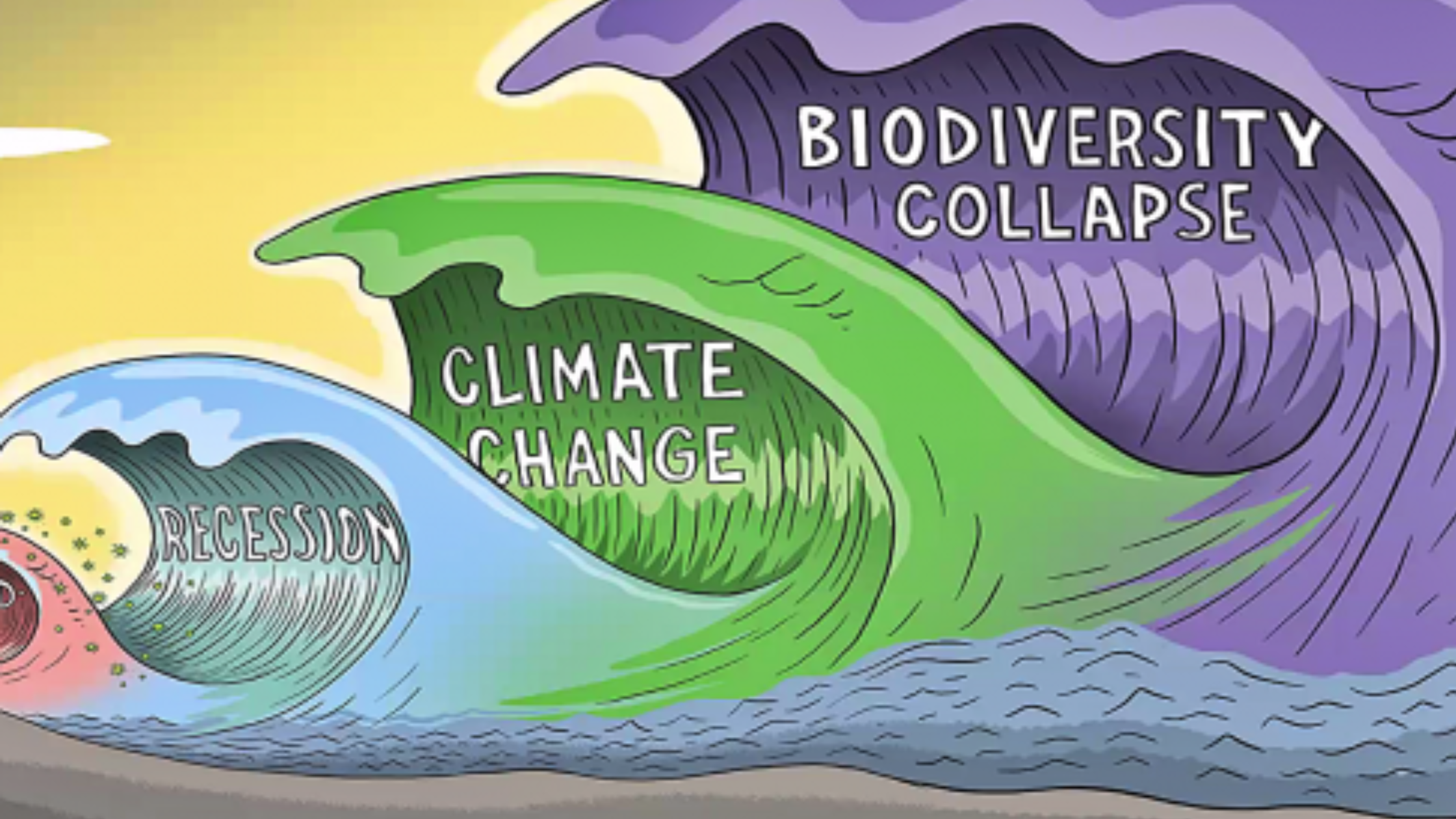
At People For Nature, we often hear a fair question:
“If you’re all about nature, why do you focus so much on climate change?”
Here’s the answer — grounded in science:
Climate is not separate from nature.
Climate is a core component of Earth’s life-support system. It influences the patterns of temperature, precipitation, and seasonal cycles that shape where species live, when they breed, and how ecosystems function (IPCC, 2023).
From ocean currents to mountain meadows, from coral reefs to eucalyptus forests — climate defines the conditions in which nature exists. When those conditions shift rapidly, entire ecosystems are put at risk.
The climate crisis is a nature crisis.
According to the 2019 IPBES Global Assessment — the most comprehensive biodiversity report ever produced — climate change is already one of the top five drivers of biodiversity loss globally (IPBES, 2019). And that threat is growing.
Let’s look at some examples here in Australia:
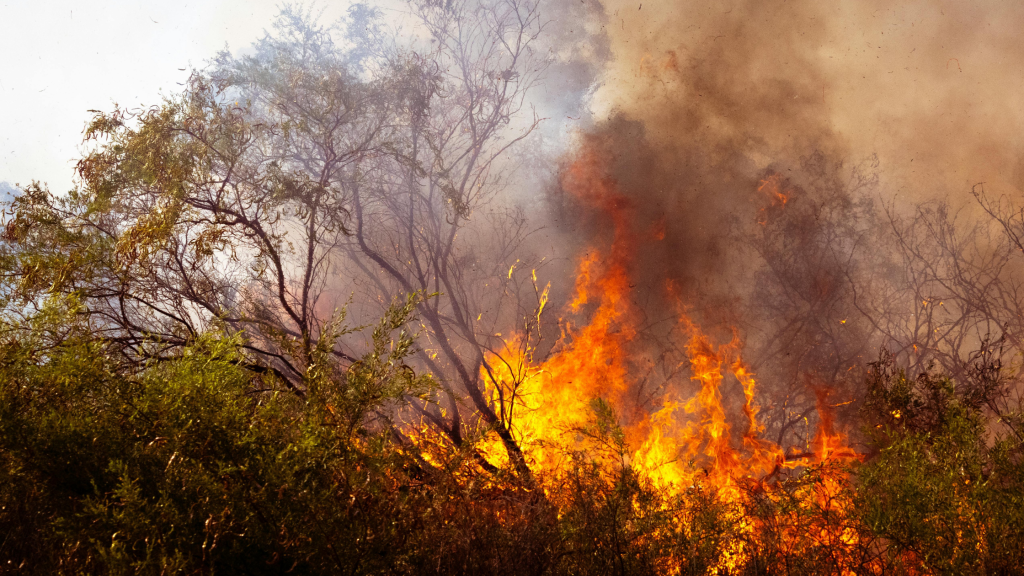
- Koalas are losing their habitat as heatwaves, drought, and bushfires reduce the quality and availability of eucalyptus leaves — their sole food source (CSIRO, 2021).
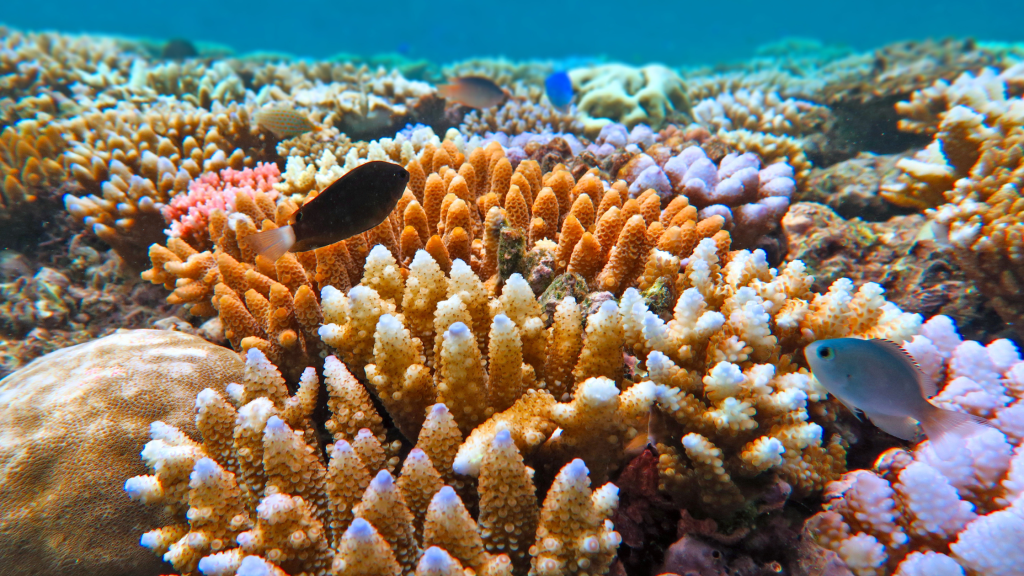
- Marine ecosystems such as the Great Barrier Reef are suffering from mass coral bleaching driven by warmer oceans and ocean acidification (AIMS, 2023).
- Rainforests are becoming more fire-prone and fragmented as the dry season lengthens, threatening biodiversity hotspots like the Gondwana forests (WWF-Australia, 2022).
These impacts are not just future projections — they are happening now.
Nature regulates climate, too.
Nature is not just a victim of climate change — it’s also a powerful part of the solution. Forests, wetlands, soils, and oceans absorb and store vast amounts of carbon dioxide, helping to stabilise the global climate (IPCC AR6 WG3, 2022).
Protecting and restoring nature is essential if we are to limit global warming. For instance:
Natural climate solutions could deliver up to 30% of the emissions reductions needed by 2030 to meet the Paris Agreement goals (Griscom et al., PNAS, 2017).
Climate and biodiversity are inseparable.
They’re not “two crises.”
They’re two sides of the same coin.
When we act to restore ecosystems, we also build climate resilience — and vice versa. That’s why the IPCC and IPBES issued a historic joint report in 2021 calling for integrated action on climate and biodiversity. Their message was clear:
“We cannot solve climate change without addressing biodiversity loss, and we cannot halt biodiversity loss without tackling climate change.” (IPBES-IPCC, 2021)
So why aren’t we People For Climate?
Because climate is nature. It’s not something separate. And because our mission goes beyond emissions — it’s about reconnecting people with the living systems that sustain us: air, water, soil, wildlife, and ecosystems.
We believe that by empowering citizens with science-based tools to understand both climate and biodiversity, we can inspire deeper action for all of nature.
Let’s stop treating these challenges as separate problems.
Let’s work with nature, not against it.
Believe in a better future? So do we.
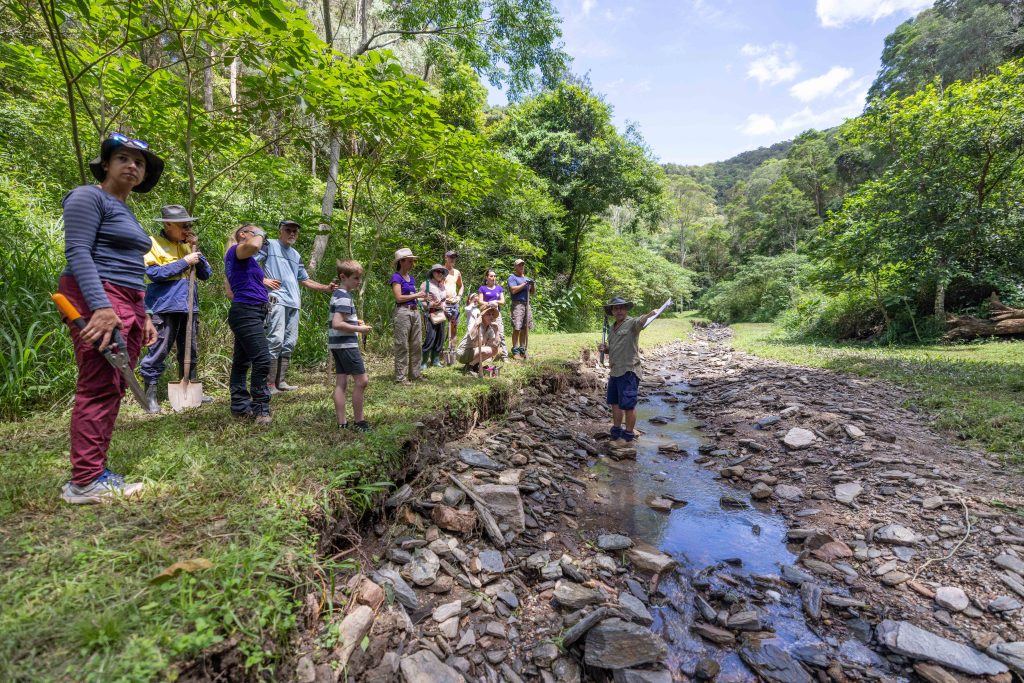
At People For Nature, our mission is bold: to educate 27,000 Australians by 2027 on climate and biodiversity, empowering them to take meaningful action for our planet.
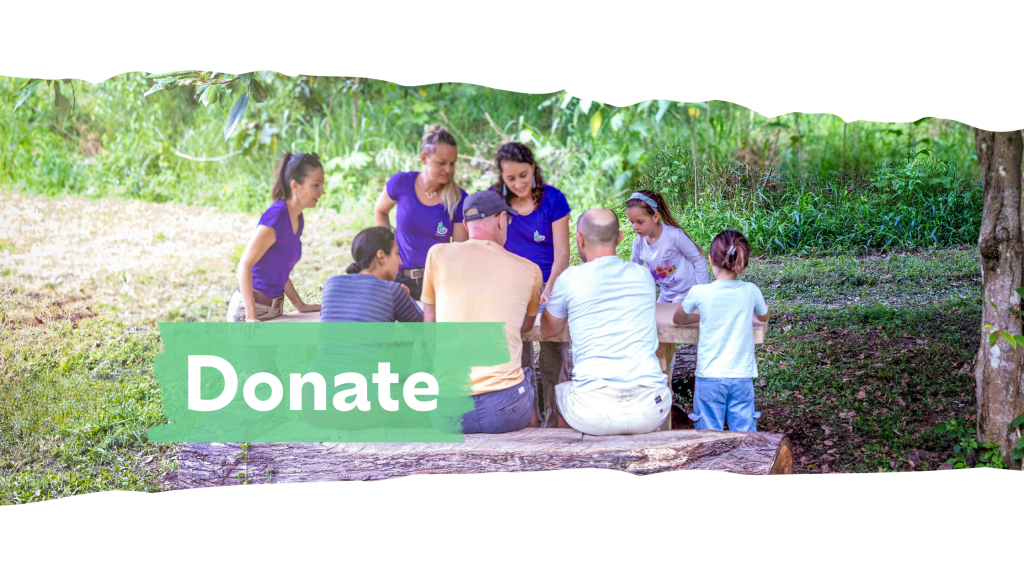
Your donation fuels citizen-powered education that turns knowledge into action—and action into lasting change.
Donate today and be part of the change.
💚 Together, we can shape a planet-boundaries literate Australia.
References:
- IPCC (2023). AR6 Synthesis Report – https://www.ipcc.ch/report/ar6/syr/
- IPBES (2019). Global Assessment Report on Biodiversity and Ecosystem Services – https://ipbes.net/global-assessment
- IPBES-IPCC (2021). Biodiversity and Climate Change Workshop Report – https://ipbes.net/events/ipbes-ipcc-co-sponsored-workshop
- Griscom et al. (2017). Natural climate solutions. PNAS, 114(44), 11645–11650. – https://doi.org/10.1073/pnas.1710465114
- AIMS (2023). Coral Bleaching Observations – https://www.aims.gov.au
- CSIRO (2021). Australia’s Threatened Species Strategy – https://www.csiro.au
- WWF-Australia (2022). Fighting Fire With Fire Report – https://www.wwf.org.au
Leave a Reply