Fanny is a Certified Environmental Practitioner with a PhD in Animal Biology and Neuroscience.
After more than a decade in academia researching the sensory ecology of marine animals, she transitioned into conservation and community engagement.
Based in Brisbane, she is a passionate advocate for sustainability and wildlife, committed to raising environmental awareness and inspiring meaningful action.
People For Nature is about giving people the tools, knowledge, and confidence to take simple yet meaningful action for nature—right where they are. By connecting these individual efforts into a broader, citizen-led network, we can transform backyards, farms, and cities into a collective force for conservation.
I believe that when everyone does their small part, these small actions grow into something far greater—strengthening ecosystems, deepening our connection to nature, and contributing to a shared vision for Australia’s future.
A Certified Environmental Practitioner and purpose-driven executive with an MBA in Global Management, Audrey has extensive experience in cleantech, conservation, scientific communications, and sustainability project management.
Based in Brisbane, she is a passionate wildlife advocate dedicated to fostering community engagement for biodiversity conservation and driving educational initiatives that inspire action.
Through my work with People For Nature, I’ve come to believe that the solutions to the climate and biodiversity crises already exist — in people, in nature, and in the collective courage of citizens who choose to act rather than wait.
For too long, many of us believed change would come from somewhere else — through global agreements or technological breakthroughs. But hope without action is not enough.
What gives me optimism is witnessing everyday people stepping into their power: communities coming together, sharing knowledge, and building solutions grounded in care, justice, and systems thinking.
We are fortunate to live in a democracy, where our voices and choices matter. As I often say, criticising is easy — building alternatives takes courage. And that courage is what drives real, lasting change.
Shiva Prasad Bebarta is an experienced global senior executive, specialised in managing complex financial services transformations.
He has successfully led many large-scale initiatives for major financial institutions across Asia, the Americas, Europe, and Australia. Shiva is currently a partner at consulting firm Deeply Digital, advising clients in the banking and superfunds sector. He brings deep expertise in strategic leadership, digital innovation, and change management and a strong passion for purpose-driven work.
His financial services expertise and extensive board experience in the NFP sector make him a valuable addition to the People for Nature board.
Kylie Flament is an award-winning social enterprise leader and sustainability expert with experience across corporate, government, and not-for-profit sectors.
She currently serves as the CEO of the Social Enterprise Council of NSW & ACT and as an Expert in Residence at iAccelerate, University of Wollongong. Her extensive board experience and commitment to sustainable, community-driven outcomes enrich People For Nature’s mission, driving ethical, impactful change while fostering strong governance and transparency.
I have often heard it said that social enterprises are “hope in action” and People for Nature is exactly that. Over our first year in operation, we have already reached more than 25,000 people who are all learning, acting and impacting the world in ways that benefit nature.
As First Nations communities all over the world know, the future of humanity is deeply tied to the future of the planet. We are one. When we hurt nature, we hurt ourselves. When nature benefits, so do we. In Australia, more and more of us are waking up to this reality and changing our personal behaviours, our communities and our organisations to put nature first.
I am thrilled to have joined People for Nature as the inaugural Chair, and to be working alongside some of the brightest minds and biggest hearts in the country. Our staff and our ambassadors inspire me every day, and inspire all of us to do better.
I look forward to what the coming years will bring as we all learn, act and impact nature for the better, together.
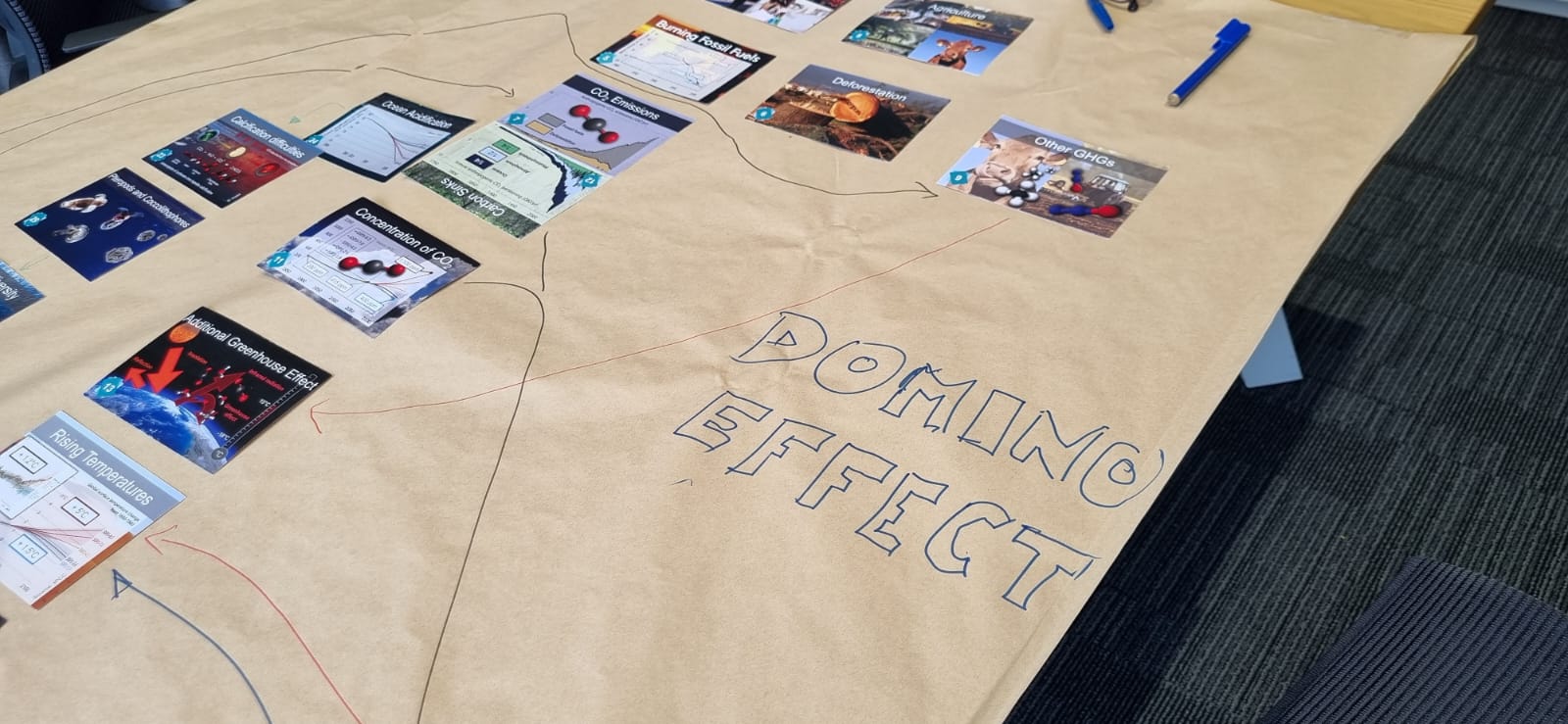
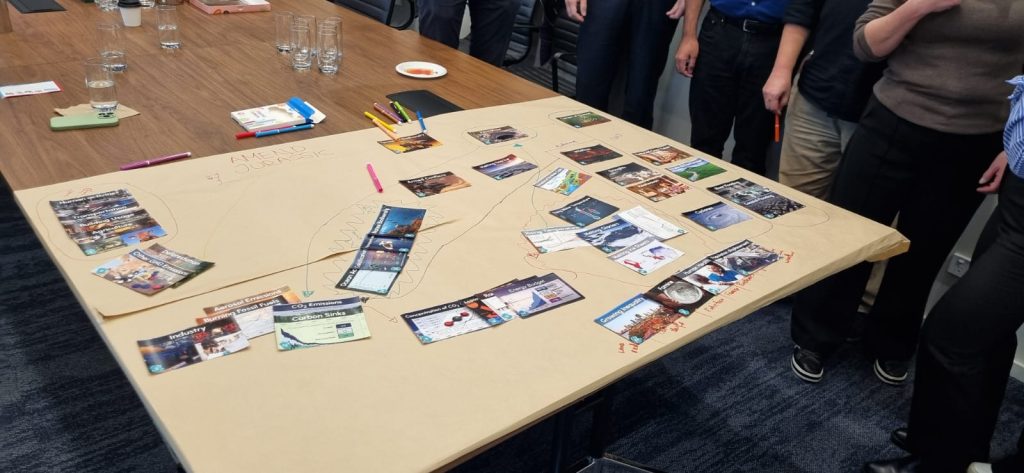
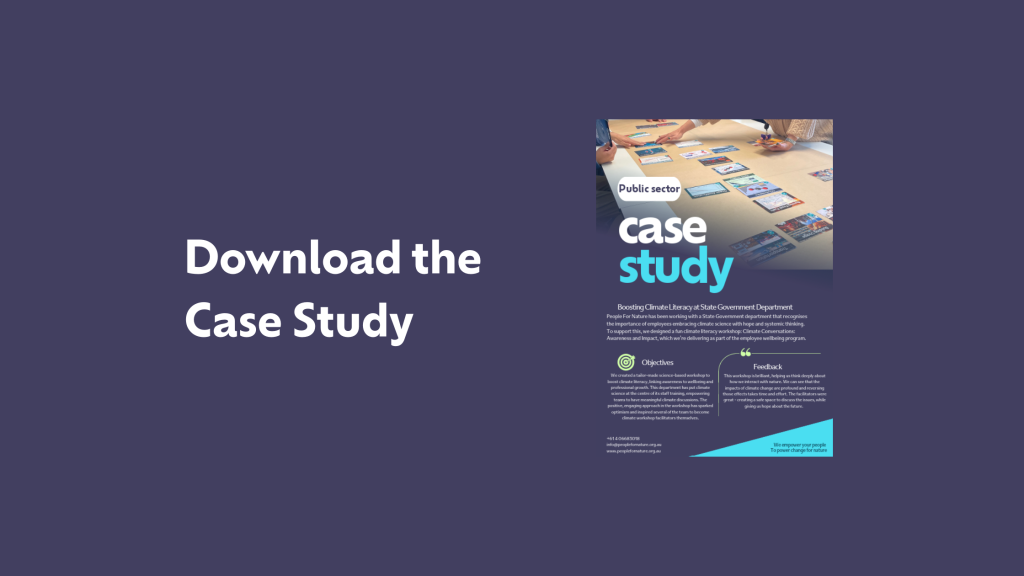
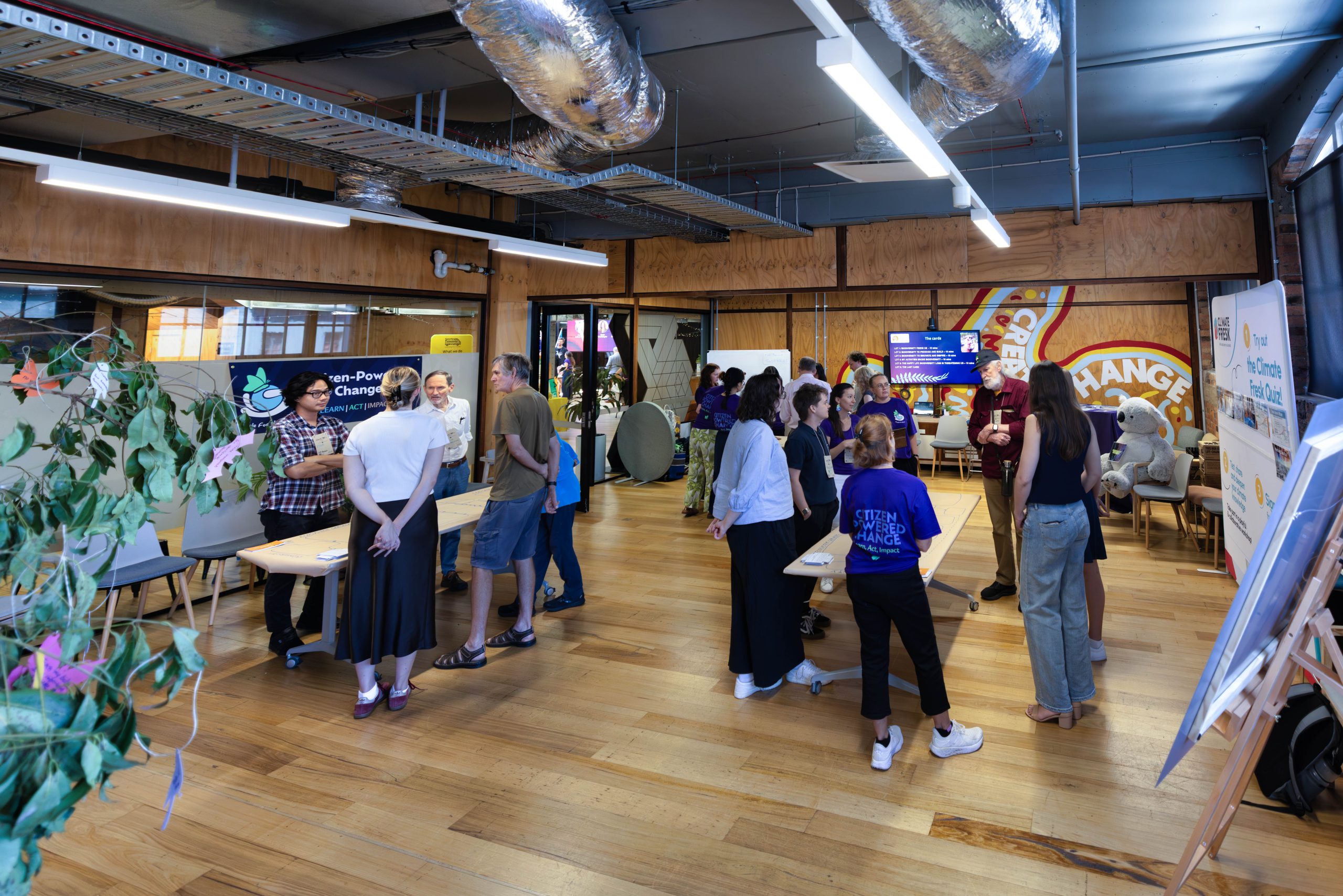
People For Nature has been working with the Treasury, a State Government department that recognises the importance of employees embracing climate science with hope and systemic thinking. To support this, we designed a fun climate literacy workshop—Climate Conversations: Awareness and Impact—delivered as part of their employee wellbeing program.
Program Objectives
We created a tailor-made science-based workshop to boost climate literacy, linking awareness to wellbeing and professional growth. This department has put climate science at the centre of its staff training, empowering teams to have meaningful climate discussions. The positive, engaging approach in the workshop has sparked optimism and inspired several of the team to become climate workshop facilitators themselves.
Why This Matters to Us
The Treasury plays a key role in shaping Australia’s economic and policy decisions, including those related to climate action. By strengthening climate literacy within the department, employees are better equipped to understand the risks and opportunities linked to climate change, and to consider long-term, systems-based impacts in their work. This matters to all Australians, as these decisions influence the resilience of our economy, the stability of our communities, and the way we transition toward a more sustainable future.
Impact & Feedback
This workshop is brilliant, helping us think deeply about how we interact with nature. We can see that the impacts of climate change are profound and reversing those effects takes time and effort. The facilitators were great – creating a safe space to discuss the issues, while giving us hope about the future.
Interested in organising a workshop for your organisation?
We’ll empower your people to power change for nature. Contact us today to find out more.
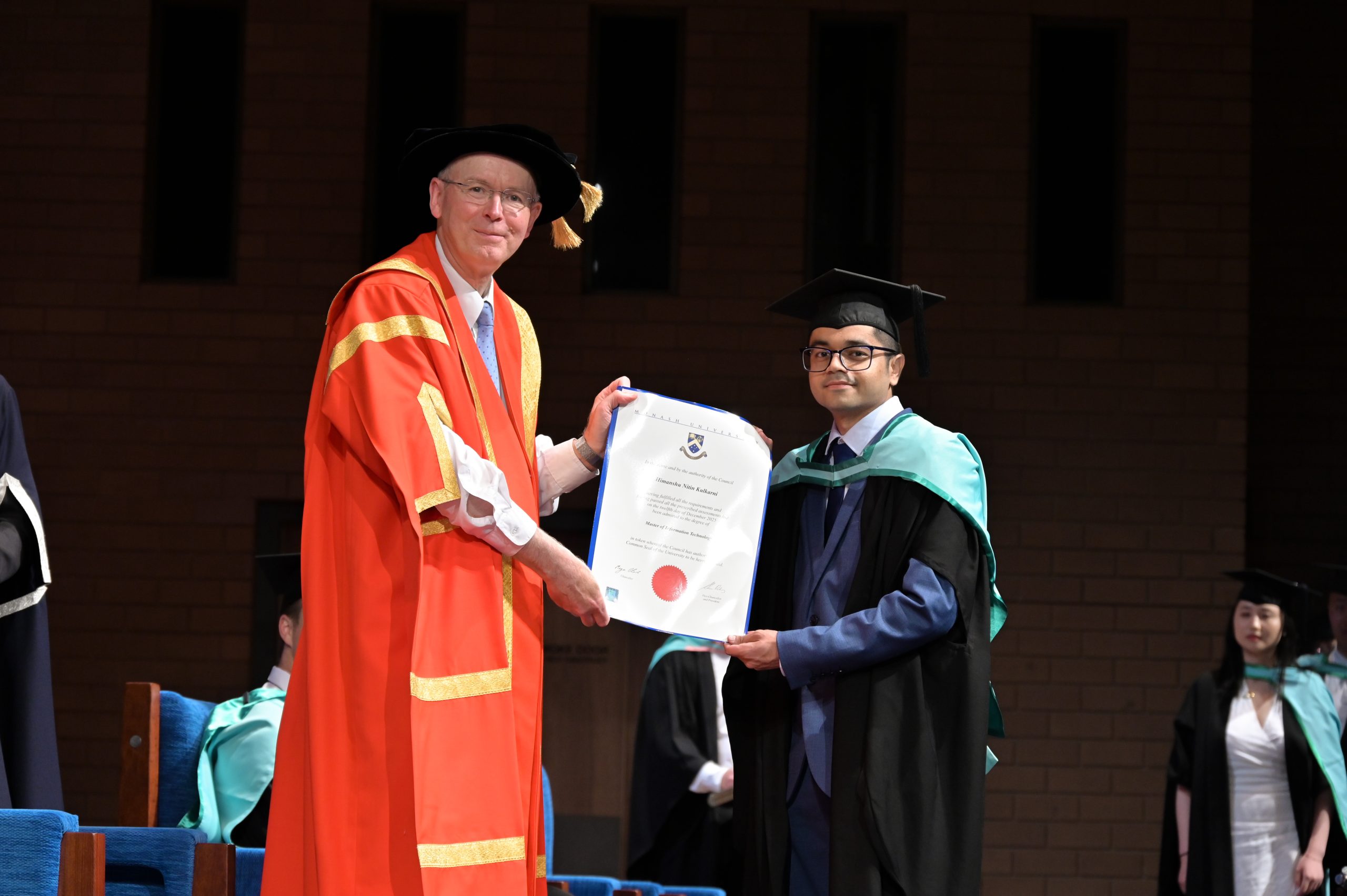
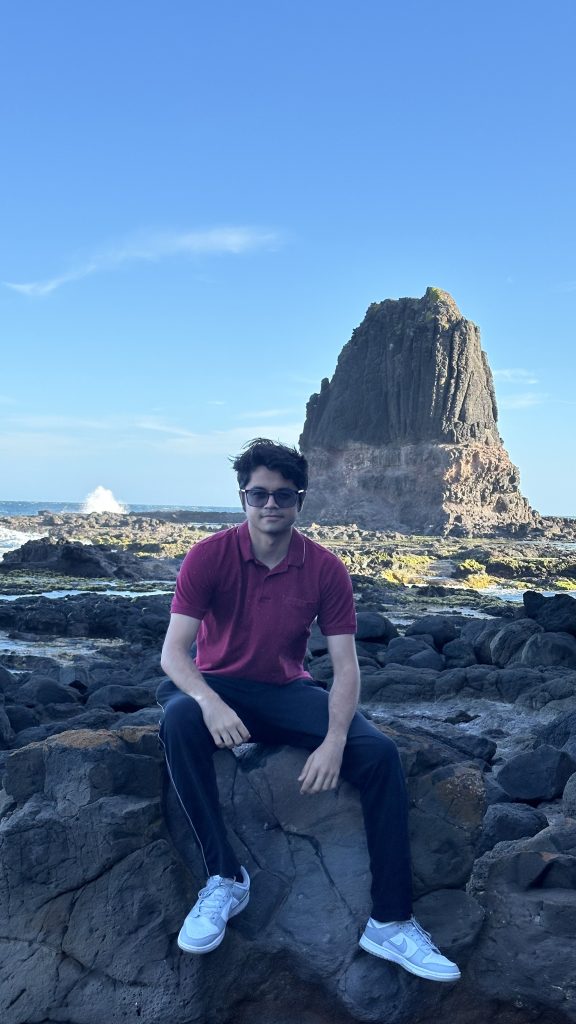
Himanshu is a recent Master’s in IT graduate from Monash University and a software engineer based in Melbourne. Outside of coding, he loves getting outdoors and exploring nature with friends, drawn to Australia’s stunning landscapes. For Himanshu, spending time in nature isn’t just recreation — it’s what makes you truly want to protect it.
He strongly believes that technology can be a powerful force for conservation. “With the right tools, we can monitor ecosystems, track wildlife, and turn data into meaningful action,” he says. By harnessing tech for good, Himanshu hopes to help build systems that not only understand the natural world but actively contribute to saving it.
Joining People For Nature was a natural step for Himanshu.
“I wanted to contribute my skills to a mission that is critical for our survival,” he explains. For him, technology and nature aren’t opposites — they can work together. With purpose-driven tech, he believes we can create a future where both thrive.
Himanshu’s passion reminds us that innovation and conservation go hand in hand, and that the next generation of environmental action will be powered by people who can think in code and in ecosystems.
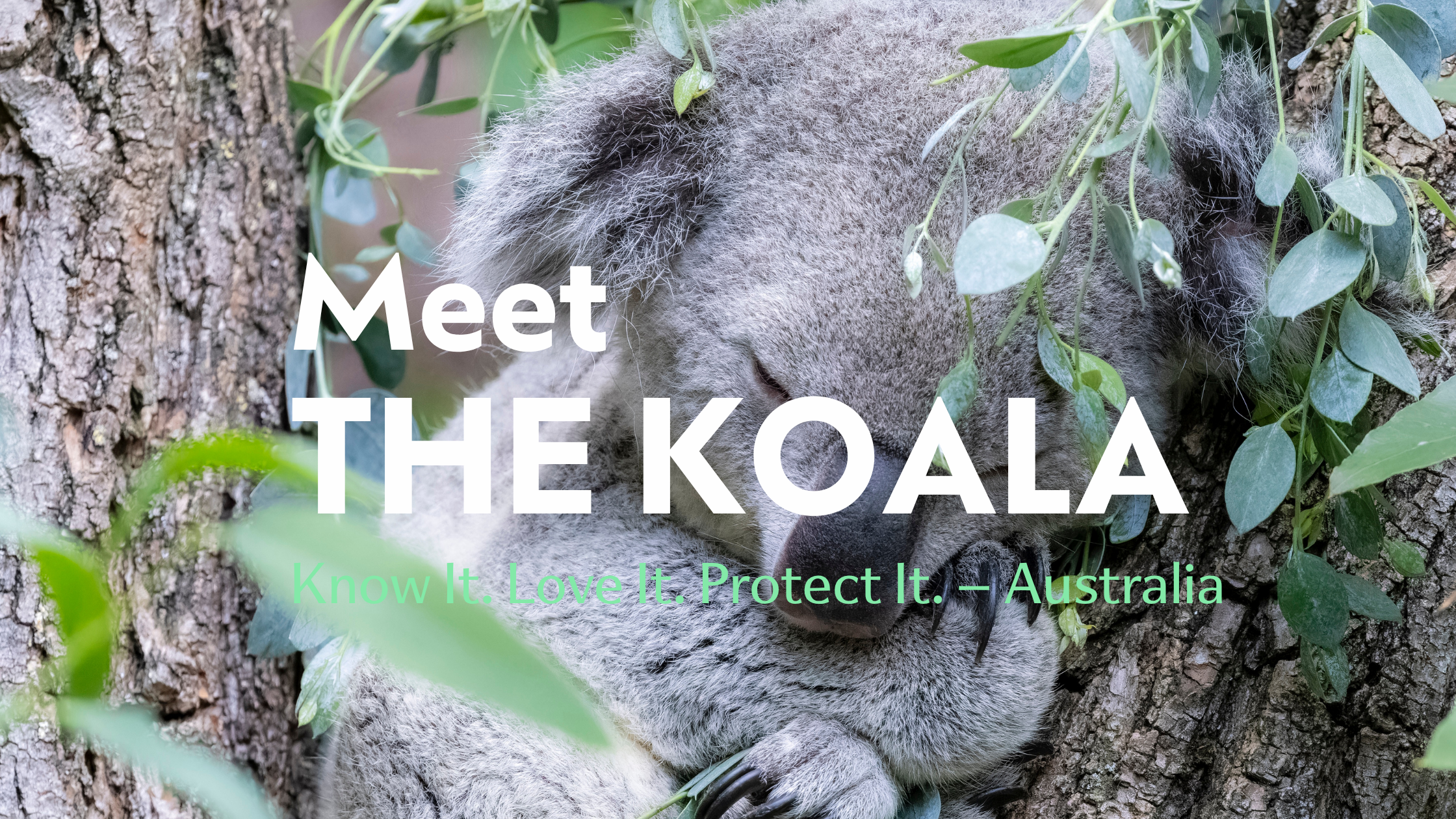
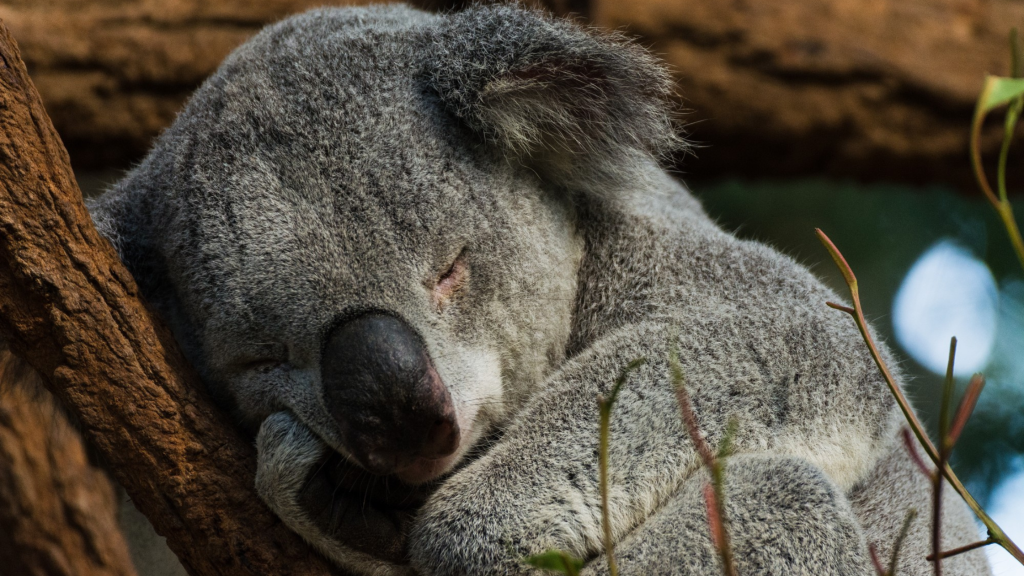
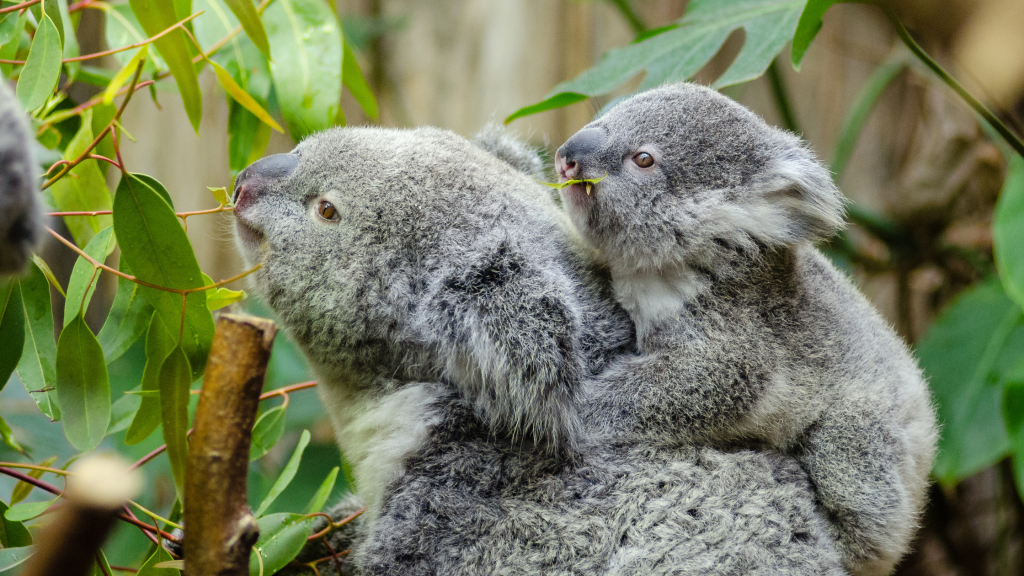
One of Australia’s most iconic animals, the Koala is a tree-dwelling marsupial known for its fluffy ears, button nose and calm demeanour.
Found in eucalyptus forests along Australia’s eastern and southern coasts, the Koala has become a global symbol of the country’s unique wildlife and the extraordinary species found nowhere else on Earth.
It is a reminder that Australia’s biodiversity is both internationally celebrated and increasingly vulnerable.
Why it matters
Koalas play an important role in Australia’s forest ecosystems.
🌿 They are closely linked to the health of eucalyptus forests, relying on these habitats for both food and shelter
🌿 Their presence can indicate the health and connectivity of native forest ecosystems
🌿 They help draw attention to the importance of protecting Australia’s biodiversity-rich landscapes
🌿 Their conservation supports the protection of countless other species that share their habitat
As an iconic umbrella species, protecting koalas also helps safeguard the broader ecosystems on which many native plants and animals depend.
Fun facts
🤓 Koalas can sleep for up to 20 hours a day to conserve energy from their low-nutrient eucalyptus diet
🤓 Their sharp claws and strong limbs make them expert tree climbers perfectly adapted to life in the canopy
🤓 Every Koala has a unique nose pattern, much like a human fingerprint
🤓 Despite their cuddly appearance, koalas are highly specialised animals with diets limited to a relatively small number of eucalyptus species
A deeper reflection
The koala challenges the assumption that familiar and beloved species are automatically secure.
Despite being one of Australia’s most recognised animals, koala populations continue to face significant pressures from habitat loss, land clearing, road mortality, bushfires and climate change.
Their decline highlights how quickly even iconic species can become vulnerable when the ecosystems they depend upon are degraded.
In a country with more than 600,000 native species, many found nowhere else on Earth, the Koala reminds us that biodiversity conservation is not just about protecting rare species, but also ensuring that our most treasured wildlife remains part of Australia’s future.
How we care for eucalyptus forests today will shape whether future generations inherit a landscape that still echoes with the presence of this national treasure.
From Wonder to Action
Learn & understand
Explore how biodiversity, climate, and land systems are deeply connected through our workshops with People For Nature.
Create your Nature Oasis
Plant native species to restore habitat and support the insects, birds and wildlife that depend on them.
Join citizen science
Record native species around you on iNaturalist and contribute to real conservation data.
(Special thanks to Simon Andrews, Ambassador for People For Nature, for helping shape this story)
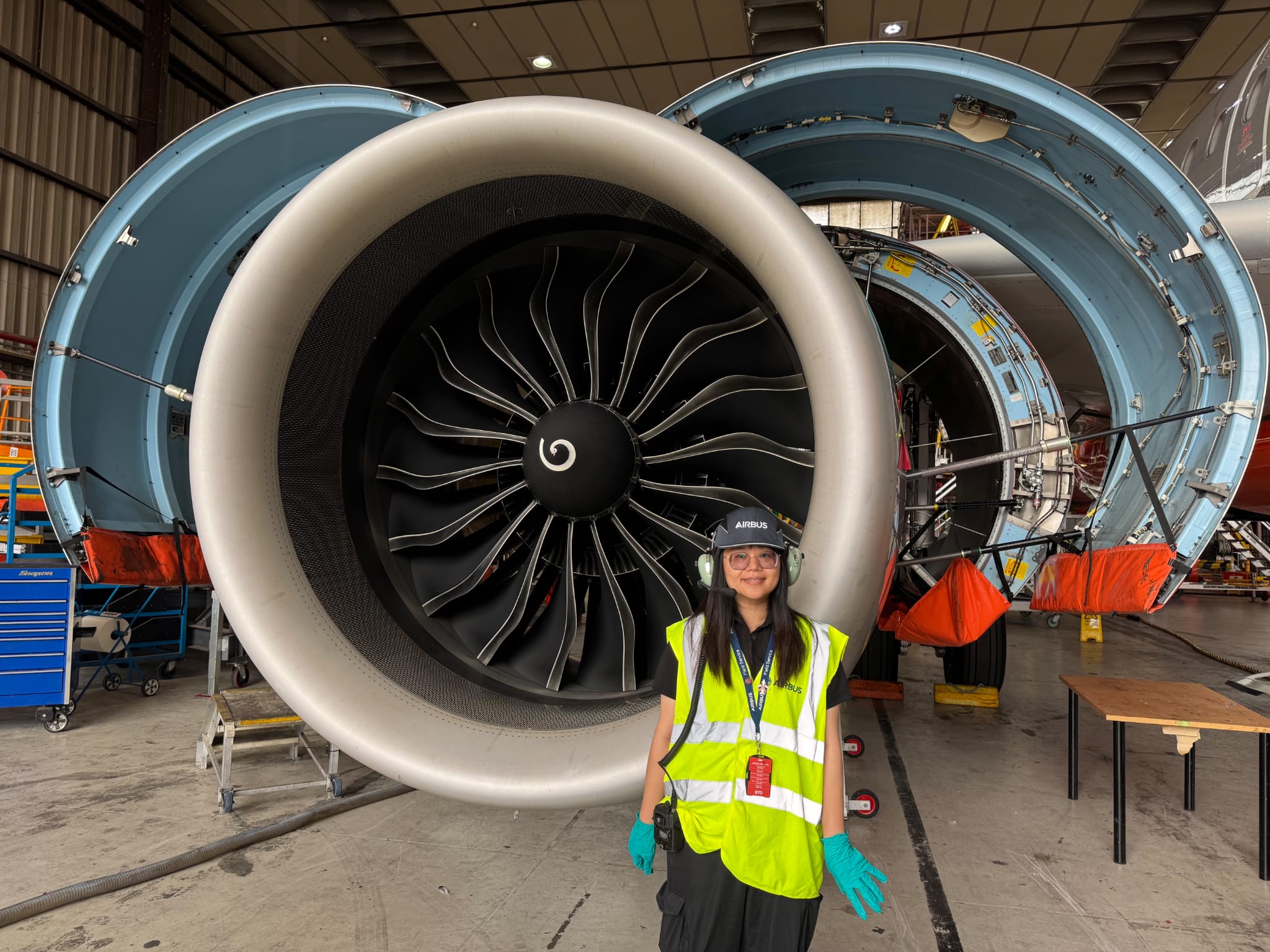
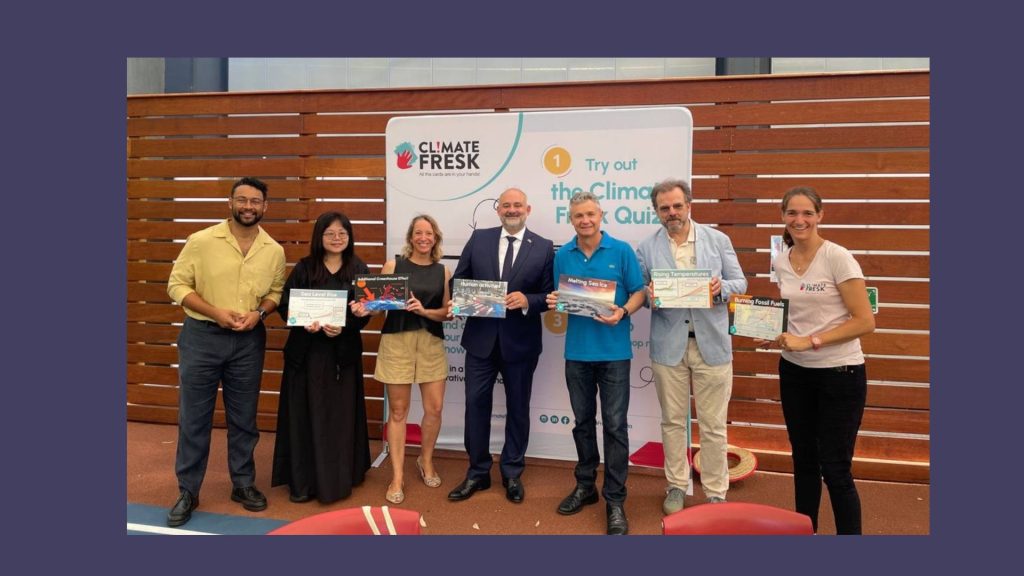
Mandy started her Climate Fresk journey at her current workplace, Airbus, in May 2024. She decided to become a facilitator herself as she felt she could do more to expand climate literacy within her company and among the general public.
As a facilitator within her company, Mandy admits it can be challenging to stay up to date with two sets of materials: one pack of Climate Fresk cards focusing on the aviation industry, and one for the general public. At the same time, she is excited about the number of people her workshops can reach.
I believe that increasing climate literacy in Australia is incredibly important. By being a part of People For Nature, I’m able to reach more people from all walks of life.
Mandy joined People For Nature as an ambassador and is excited to continue spreading climate education among everyday citizens, and within her workplace.
I’m excited to be a part of People For Nature, as we not only work on climate education but also advocate biodiversity conservation and rescue activities for our precious native wildlife.
According to Carbon Brief and UNFCCC registration data, Australia had 494 delegates registered to attend COP30 in Brazil.
Travel from Australia alone likely generated at least 1,500 tonnes of CO₂ from flights — or over 3,000 tonnes CO₂e when accounting for the full climate impact of aviation. While these global summits play a critical diplomatic role, they also highlight the opportunity to reimagine climate engagement through more local, decentralised, and low-carbon approaches.
This is why we took on the challenge of organising a Citizen COP — bringing together more than 1,400 citizens across Australia* to reflect, learn, and act on the pressing environmental challenges of our time, all while maintaining a minimal footprint. This locally led approach shows that climate engagement and collaboration can happen at scale, with significantly lower impact.
👉 No Flights | Minimal Waste | No Jargon | Real Conversations
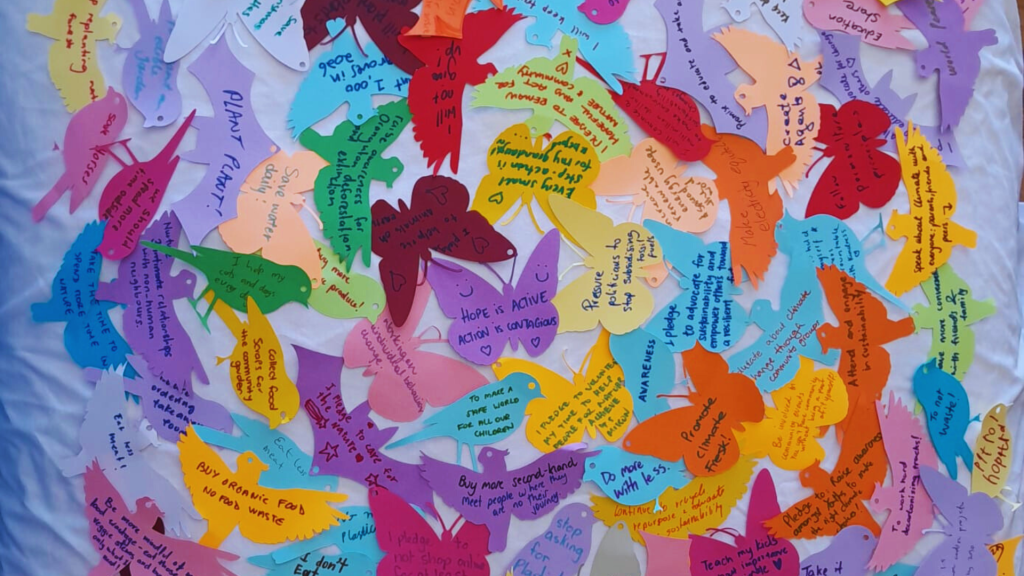
By raising awareness, forging alliances, and building collaboration across the country, participants shared not only priorities and policy ideas, but also personal reflections on hope, agency, and collective action.
Top Environmental Priorities
Three key areas stood out:
Climate & Energy:
Decarbonise electricity,
Phase out fossil fuel subsidies
Scale renewable energy
Biodiversity & Nature:
Protect ecosystems
Restore degraded landscapes
Circular Economy & Accountability
Reduce waste
Embed sustainable production
Hold businesses and governments accountable
Citizen-Informed Climate Roadmap
From discussions, participants co-created a citizen-informed roadmap to guide climate action in Australia:
1. Just Transition & Equity
Fair climate action must support coal-dependent towns and vulnerable communities.
Reskilling, economic diversification, and equitable access to green infrastructure are essential.
2. Practical Decarbonisation
Citizens value actionable solutions, toolkits, and real-life case studies.
Renewable energy must be balanced with biodiversity protection, water security, and waste reduction.
Co-benefits across environmental domains were highlighted as critical.
4. Policy & Regulatory Levers
Legislative reform (EPBC Act, Corporations Act) and market incentives are crucial.
Policies should prioritise sustainability and enable practical, citizen-led action.
5. Communication & Narrative
Storytelling and success stories inspire engagement.
Combating misinformation and sharing hopeful, practical narratives is key to sustaining momentum.
6. Sustainable Cities & Liveability
Human-scale urban planning, equitable public transport, and water-sensitive design are priorities.
Circular economy approaches can enhance urban liveability.
7. Systemic Thinking
Citizens emphasised the interconnectedness of climate, biodiversity, health, technology, and economics.
Cross-sector alliances and integrated strategies are necessary for lasting impact.
Actions Participants Plan to Take
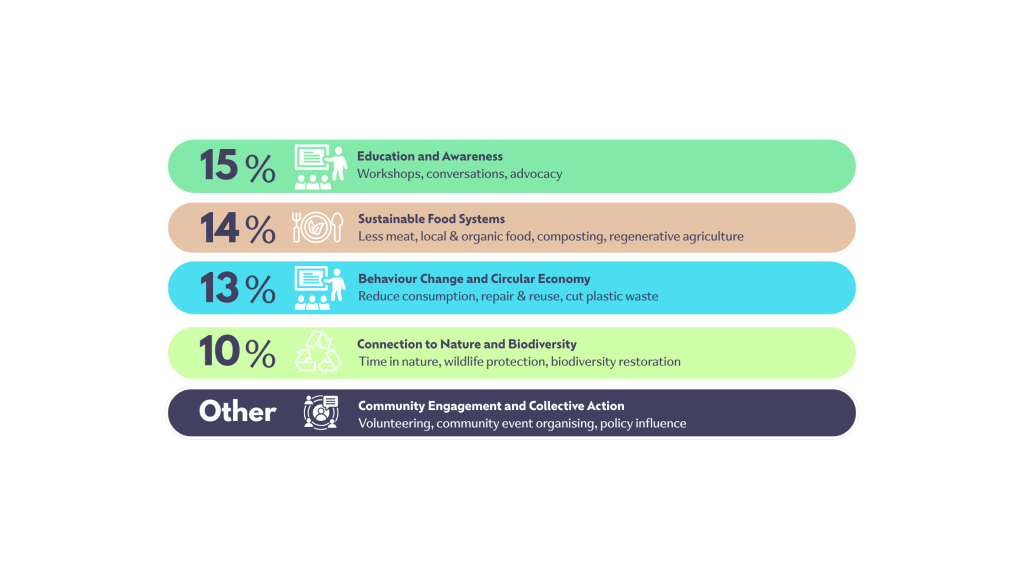
Attendees showed a real commitment to turn knowledge into action. Here are the categories of actions we saw from their pledges:
Educate and advocate for sustainability in communities and workplaces.
Reduce personal environmental footprints through everyday choices.
Join or lead local initiatives, workshops, and citizen science projects.
Advocate for sustainable practices in workplaces and policy spheres.
Voices from AlterCOP 30 Australia
“To tackle climate change, we need more than new technologies — we need new systems and new stories… Positive narratives and positive tipping points are essential to unlocking hope and action.” — Dr Leila Alem, UTS
“Being surrounded by First Nations leaders, changemakers, scientists, business innovators, and community organisers left me feeling energised and hopeful… Everyday Australians have real agency in the climate conversation.” — Janelle Court, Griffith University
“I thought I was ‘just a volunteer,’ but I realised I’m part of a broader climate movement… Being surrounded by people who practise active hope reminded me how powerful collective action truly is.” — Aiko Nagae, Student
“The Youth Climate Changemakers Summit was a powerful reminder of just how deeply young people care… They envision a future guided by Indigenous knowledge, deeply connected to community and nature, and powered by clean, renewable energy.” — Carole Defago
“People arrive curious, and they leave with a shared mental model of the climate system, a clearer sense of agency, and a foundation for meaningful change.” — Tom Foster, EcoProsper Consulting
A sincere thank you to all the people and organisations who believe in citizen-powered change. Together, you are proving that meaningful transformation starts with informed, engaged communities.
From Awareness to Adaptation: Helping People and Organisations Prepare for a Changing Climate
For many years, climate conversations have focused primarily on mitigation — reducing emissions, transitioning energy systems, and limiting future warming. These efforts remain essential.
But as climate impacts intensify across Australia and around the world, another conversation is becoming unavoidable: how do we adapt to the changes already underway?
At People For Nature, our work has always been about transforming knowledge into action. Through Climate Fresk, we help people understand the physical science behind climate change. The next natural step is helping individuals, organisations, and governments move from understanding climate change to preparing for it.
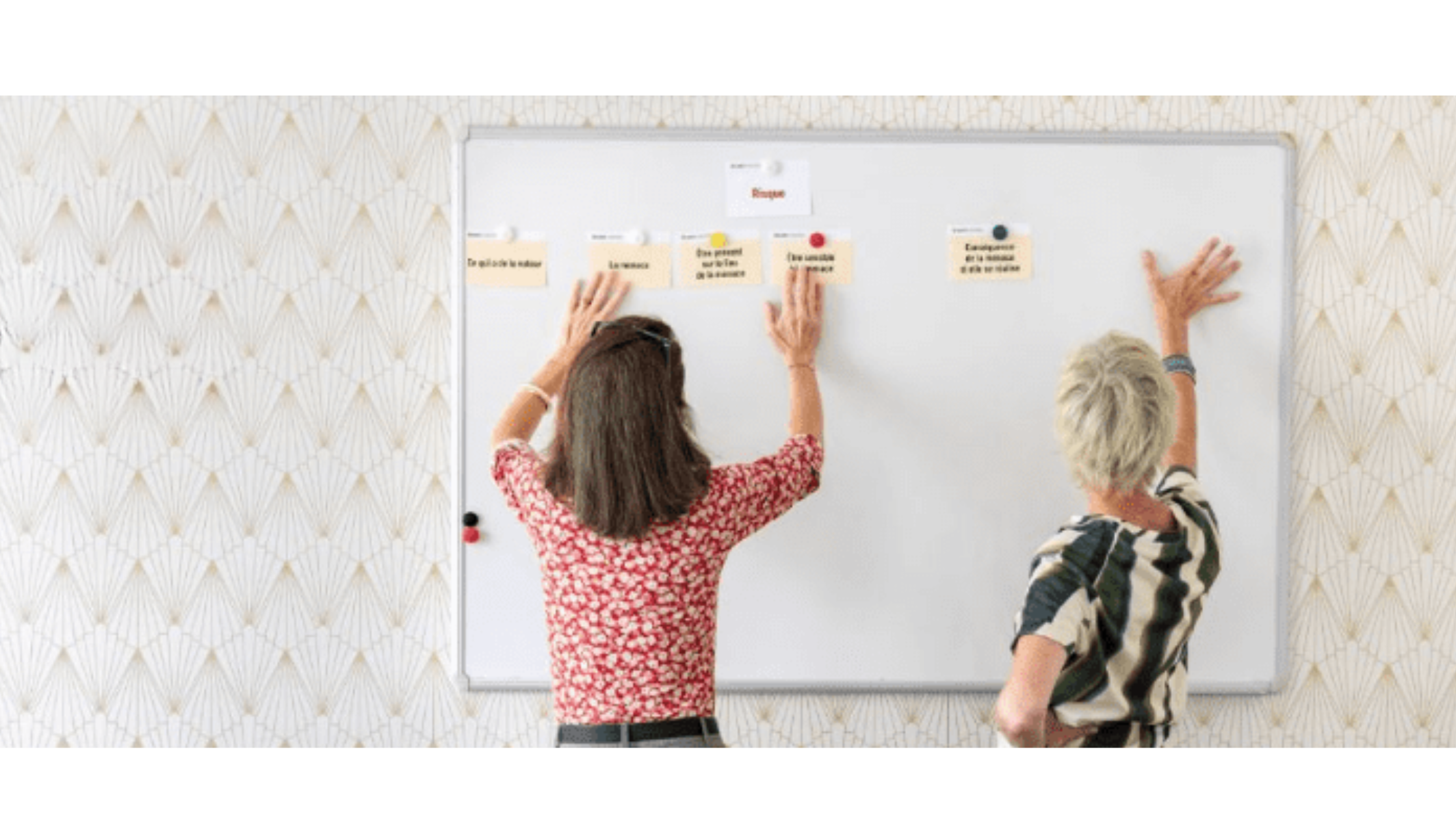
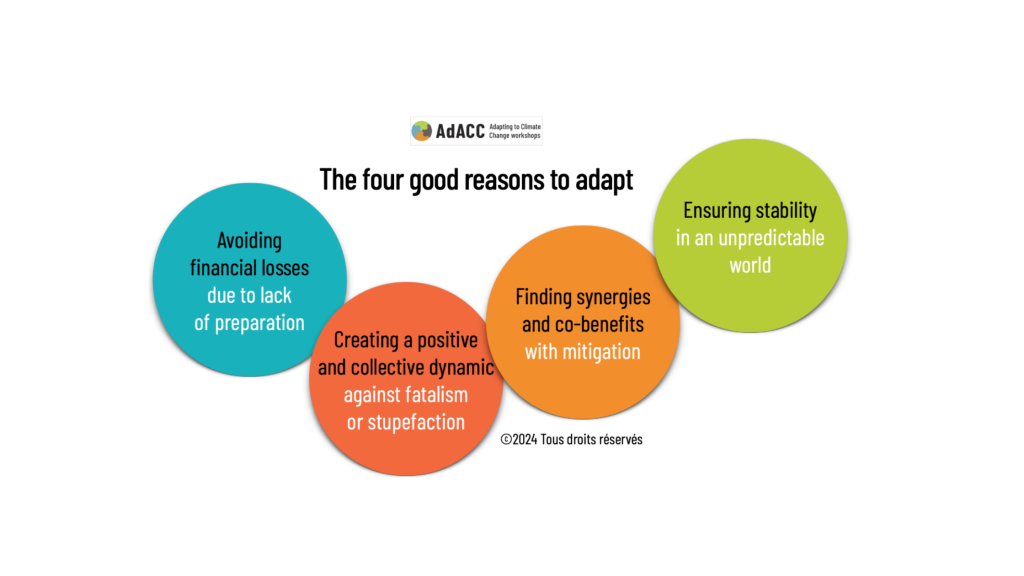
This is why we offer the Adapting to Climate Change workshop, a science-based, collaborative experience designed to build climate confidence and practical adaptation thinking.
Why Adaptation Matters Now
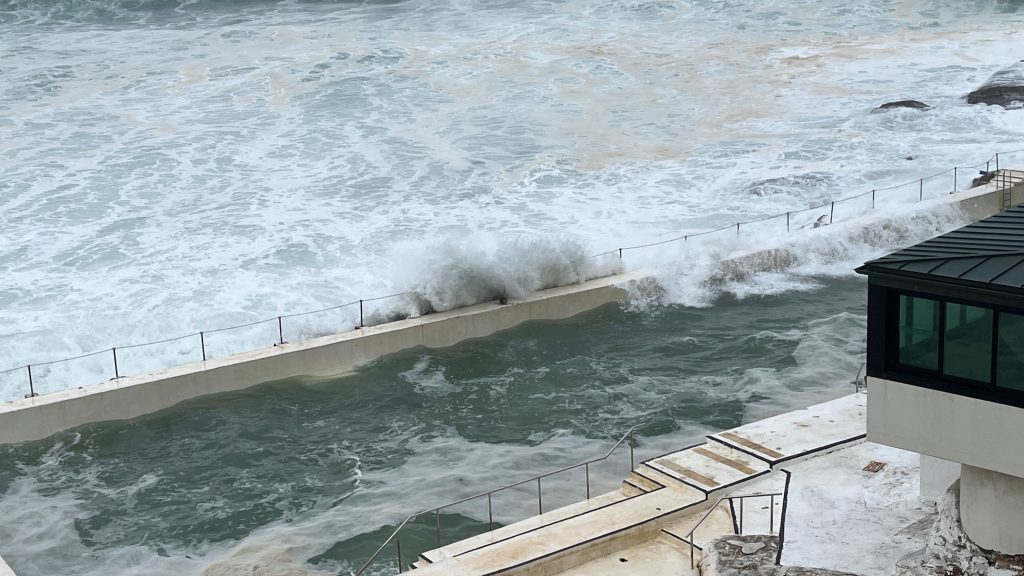
Climate change is no longer a distant risk. Across Australia we are already experiencing its effects — more intense heatwaves, floods, droughts, bushfires, and pressure on ecosystems and infrastructure.
Yet many organisations feel stuck between awareness and action. Climate risks can feel complex, uncertain, or overwhelming. Teams may understand the problem but struggle to translate it into meaningful decisions.
Adaptation provides a pathway forward.
Rather than asking only how to reduce impact, adaptation asks:
How will climate change affect our people, operations, and communities?
Where are we most vulnerable?
What actions strengthen resilience rather than create unintended consequences?
How do we adapt in ways that also support nature and society?
Adaptation is not about fear. It is about preparedness, agency, and collective intelligence.
A Workshop Designed for Clarity and Action
Originally developed in France as Les Ateliers de l’Adaptation au Changement Climatique, this workshop complements existing climate education tools by focusing on decision-making in a changing world.
The experience helps participants:
Understand the difference between mitigation and adaptation
Explore climate risks and vulnerabilities in real-world contexts
Evaluate adaptation options and avoid maladaptation
Develop a shared language across teams
Co-design practical and strategic responses relevant to their own context
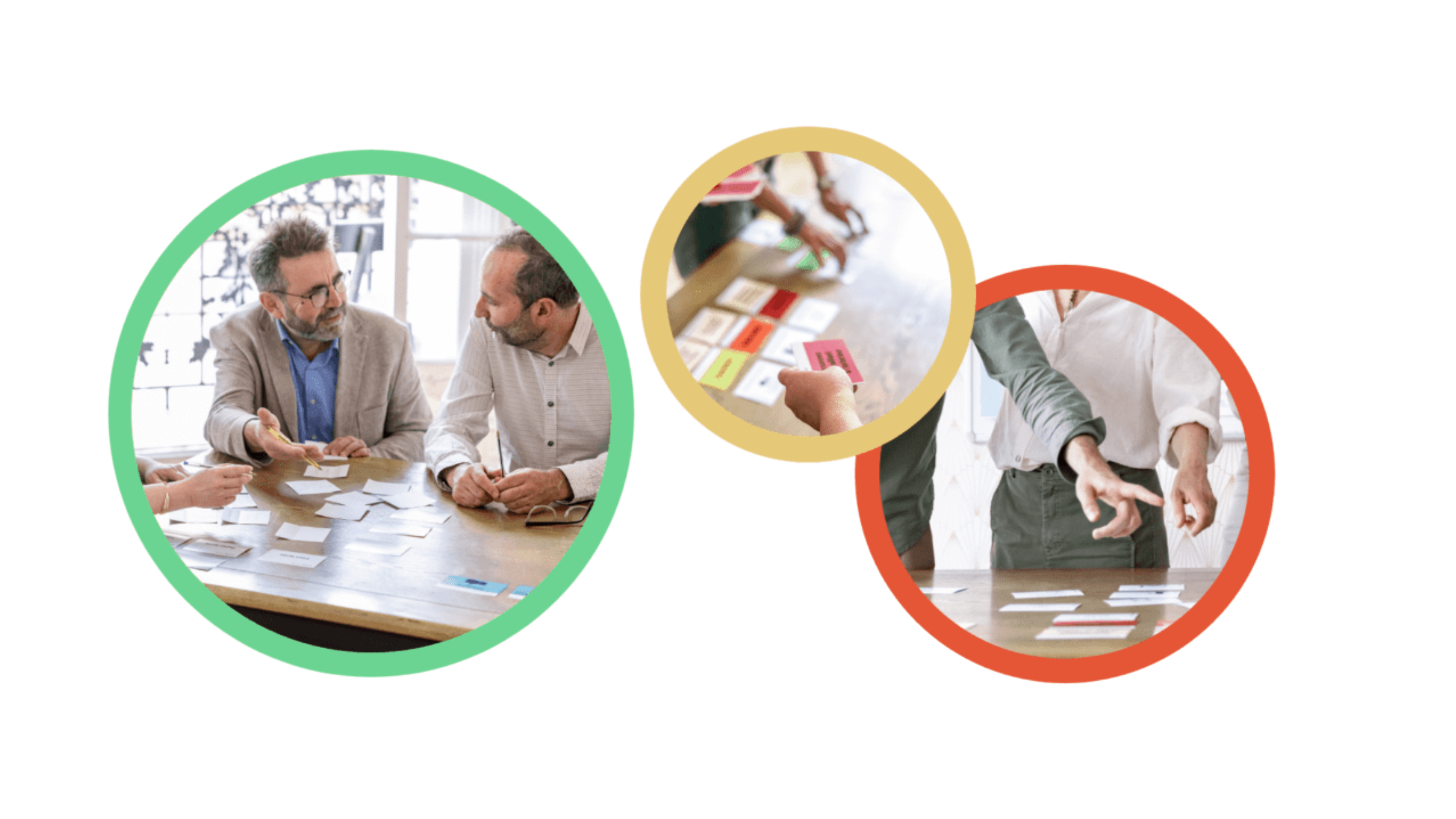
The workshop is highly interactive and collaborative, creating a psychologically safe space where participants can explore uncertainty without blame or overwhelm.
This approach strongly aligns with People For Nature’s philosophy: learning happens best when people think together.
From Climate Literacy to Climate Capability
Over the past years, we have seen thousands of participants leave workshops with a deeper understanding of climate and biodiversity challenges. Increasingly, the next question we hear is:
“So what do we do now?”
Adaptation answers that question.
It moves organisations from awareness to capability. It helps teams integrate climate thinking into strategy, operations, and long-term planning. And importantly, it reconnects climate action with human experience — how we live, work, and care for places.
Adaptation is also inseparable from nature. Healthy ecosystems reduce climate risks, support water systems, cool cities, and strengthen community resilience. Nature-based solutions therefore sit at the heart of meaningful adaptation pathways.
Building Climate Confidence in Australia
Australia faces some of the most acute climate risks globally, but also holds extraordinary expertise across science, business, local communities, and First Nations knowledge systems.
What is often missing is not knowledge — but shared understanding and spaces for collective sense-making.
By bringing this workshop to Australia, People For Nature aims to contribute to building that shared capacity. Whether working with businesses, local governments, community organisations, or leadership teams, the goal is the same:
to move from climate anxiety to informed, collective action.
Because adaptation is not a technical exercise alone. It is a social process — one that requires collaboration, creativity, and courage.
Looking Ahead
Climate change will continue to shape the coming decades. The question is not whether change will happen, but how prepared we choose to be.
If you are interested in bringing the Adapting to Climate Change workshop to your organisation or community, we would love to start the conversation.