According to Carbon Brief and UNFCCC registration data, Australia had 494 delegates registered to attend COP30 in Brazil.
Travel from Australia alone likely generated at least 1,500 tonnes of CO₂ from flights — or over 3,000 tonnes CO₂e when accounting for the full climate impact of aviation. While these global summits play a critical diplomatic role, they also highlight the opportunity to reimagine climate engagement through more local, decentralised, and low-carbon approaches.
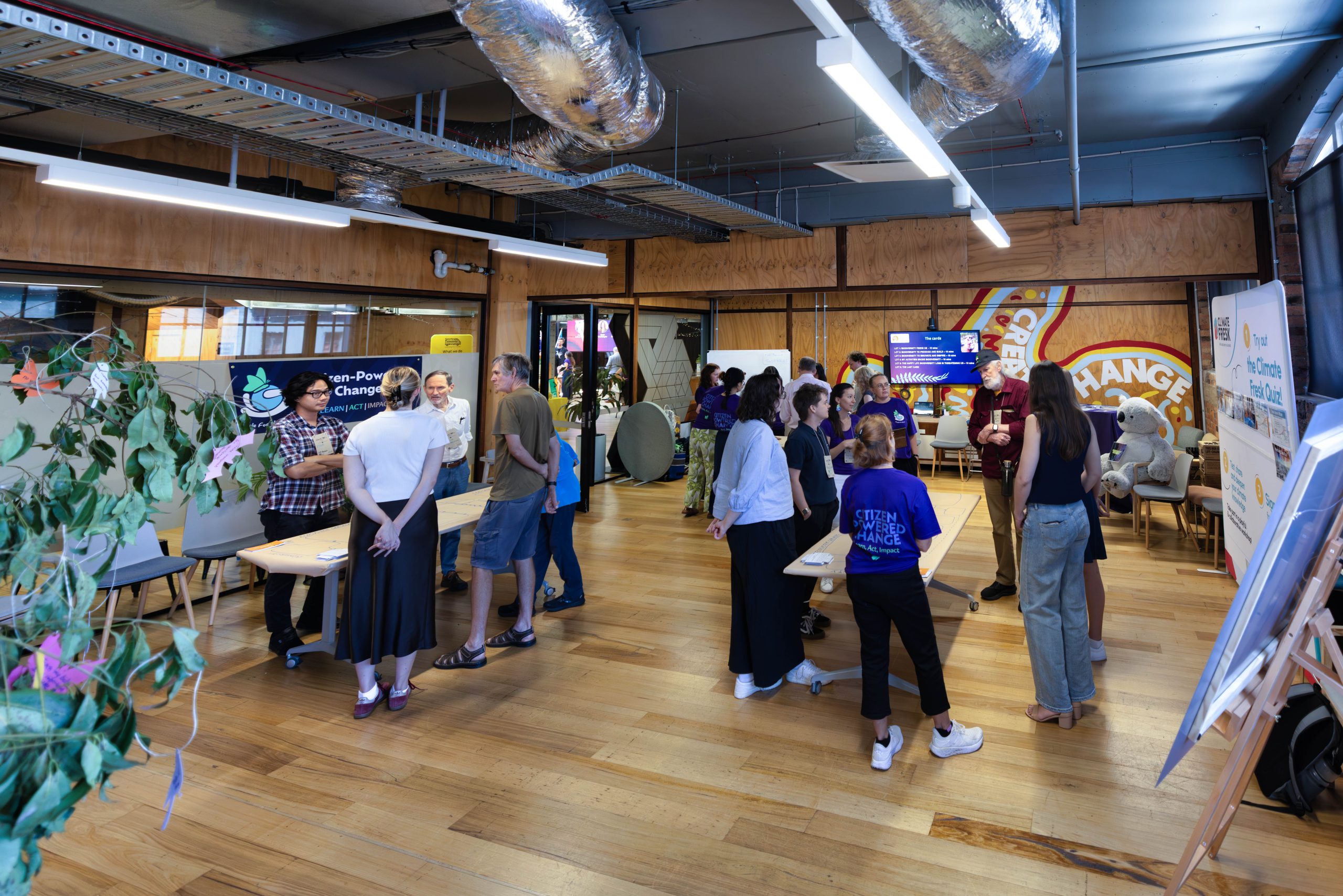
This is why we took on the challenge of organising a Citizen COP — bringing together more than 1,400 citizens across Australia* to reflect, learn, and act on the pressing environmental challenges of our time, all while maintaining a minimal footprint. This locally led approach shows that climate engagement and collaboration can happen at scale, with significantly lower impact.
👉 No Flights | Minimal Waste | No Jargon | Real Conversations
By raising awareness, forging alliances, and building collaboration across the country, participants shared not only priorities and policy ideas, but also personal reflections on hope, agency, and collective action.
Top Environmental Priorities
Three key areas stood out:
Climate & Energy:
- Decarbonise electricity,
- Phase out fossil fuel subsidies
- Scale renewable energy
Biodiversity & Nature:
- Protect ecosystems
- Restore degraded landscapes
Circular Economy & Accountability
- Reduce waste
- Embed sustainable production
- Hold businesses and governments accountable
Citizen-Informed Climate Roadmap
From discussions, participants co-created a citizen-informed roadmap to guide climate action in Australia:
1. Just Transition & Equity
- Fair climate action must support coal-dependent towns and vulnerable communities.
- Reskilling, economic diversification, and equitable access to green infrastructure are essential.
2. Practical Decarbonisation
- Citizens value actionable solutions, toolkits, and real-life case studies.
- Key focus areas: emissions reduction, sustainable transport, agriculture, and waste minimisation.
3. Integrated Environmental Outcomes
- Renewable energy must be balanced with biodiversity protection, water security, and waste reduction.
- Co-benefits across environmental domains were highlighted as critical.
4. Policy & Regulatory Levers
- Legislative reform (EPBC Act, Corporations Act) and market incentives are crucial.
- Policies should prioritise sustainability and enable practical, citizen-led action.
5. Communication & Narrative
- Storytelling and success stories inspire engagement.
- Combating misinformation and sharing hopeful, practical narratives is key to sustaining momentum.
6. Sustainable Cities & Liveability
- Human-scale urban planning, equitable public transport, and water-sensitive design are priorities.
- Circular economy approaches can enhance urban liveability.
7. Systemic Thinking
- Citizens emphasised the interconnectedness of climate, biodiversity, health, technology, and economics.
- Cross-sector alliances and integrated strategies are necessary for lasting impact.
Actions Participants Plan to Take
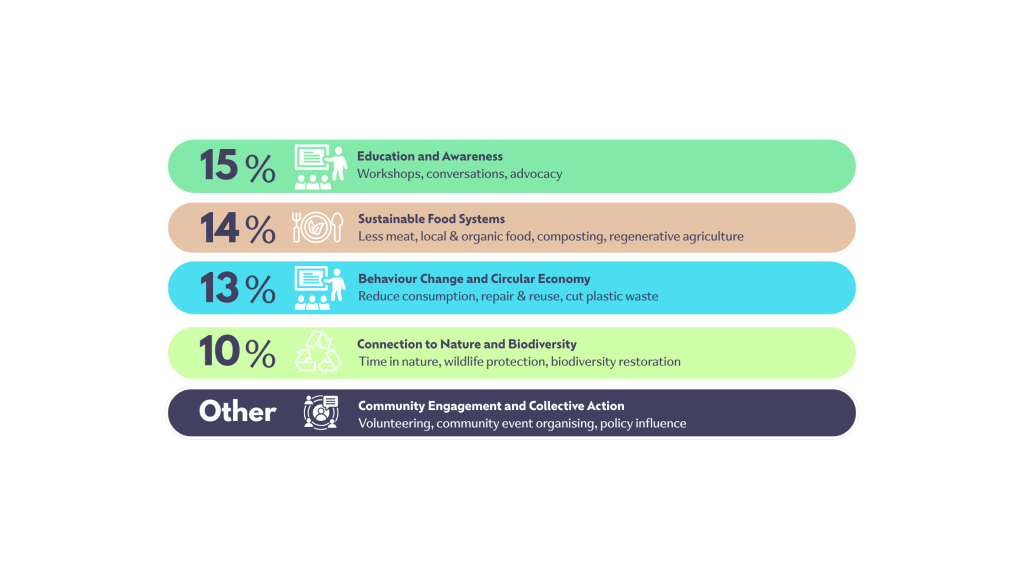
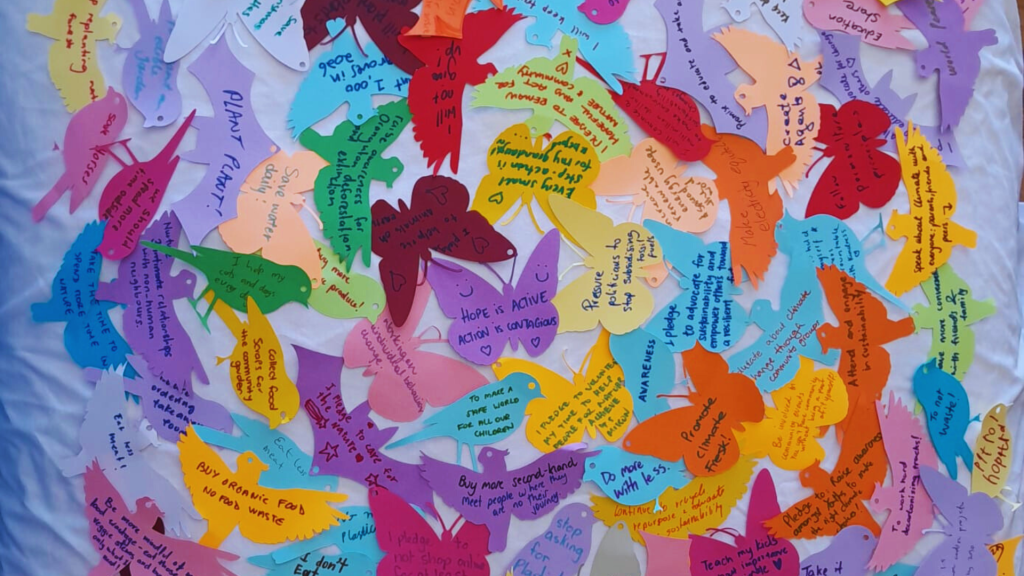
Attendees showed a real commitment to turn knowledge into action. Here are the categories of actions we saw from their pledges:
- Educate and advocate for sustainability in communities and workplaces.
- Reduce personal environmental footprints through everyday choices.
- Join or lead local initiatives, workshops, and citizen science projects.
- Advocate for sustainable practices in workplaces and policy spheres.
Voices from AlterCOP 30 Australia
“To tackle climate change, we need more than new technologies — we need new systems and new stories… Positive narratives and positive tipping points are essential to unlocking hope and action.”
— Dr Leila Alem, UTS
“Being surrounded by First Nations leaders, changemakers, scientists, business innovators, and community organisers left me feeling energised and hopeful… Everyday Australians have real agency in the climate conversation.”
— Janelle Court, Griffith University
“I thought I was ‘just a volunteer,’ but I realised I’m part of a broader climate movement… Being surrounded by people who practise active hope reminded me how powerful collective action truly is.”
— Aiko Nagae, Student
“The Youth Climate Changemakers Summit was a powerful reminder of just how deeply young people care… They envision a future guided by Indigenous knowledge, deeply connected to community and nature, and powered by clean, renewable energy.”
— Carole Defago
“People arrive curious, and they leave with a shared mental model of the climate system, a clearer sense of agency, and a foundation for meaningful change.”
— Tom Foster, EcoProsper Consulting
Leave a Reply