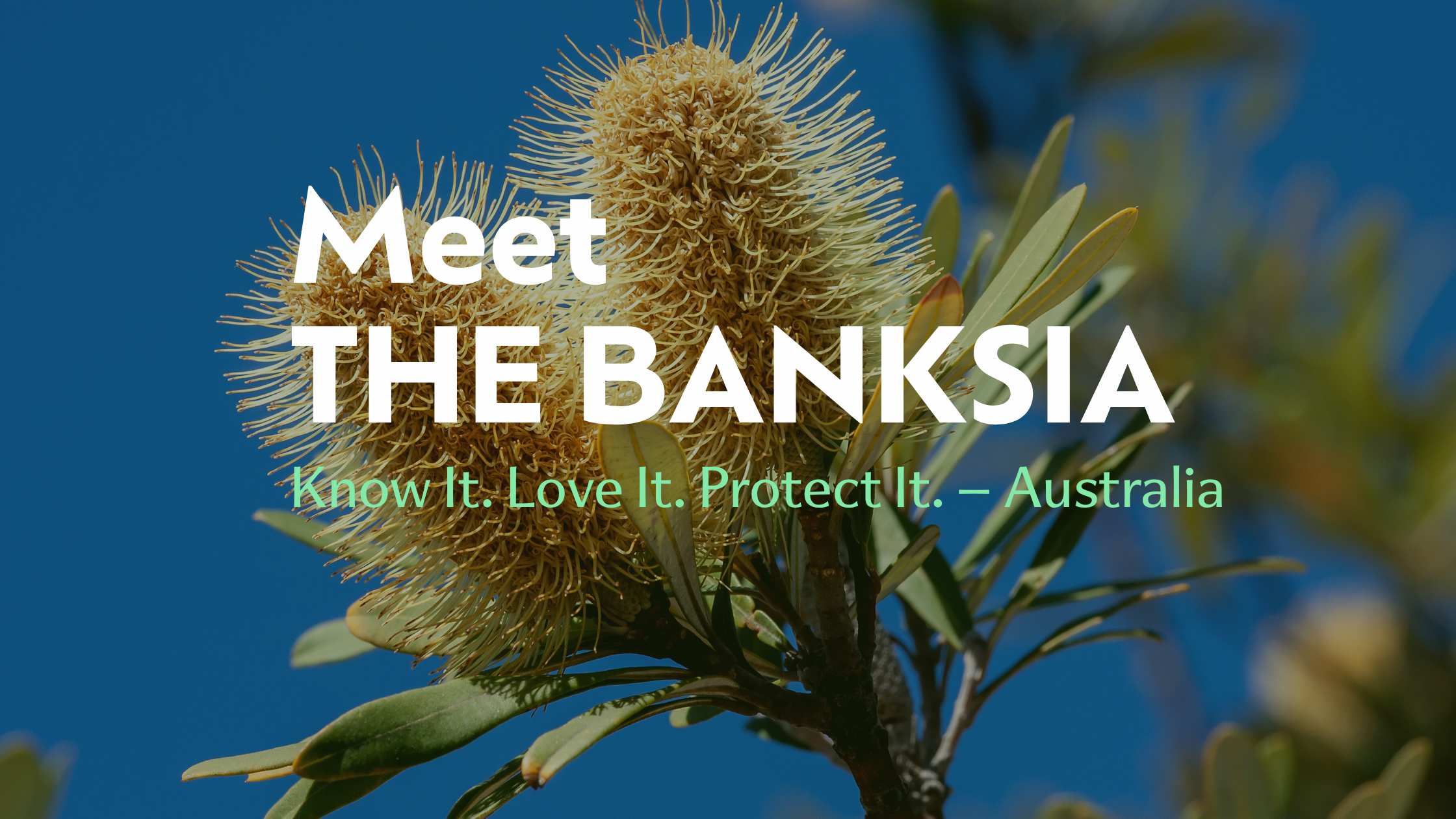
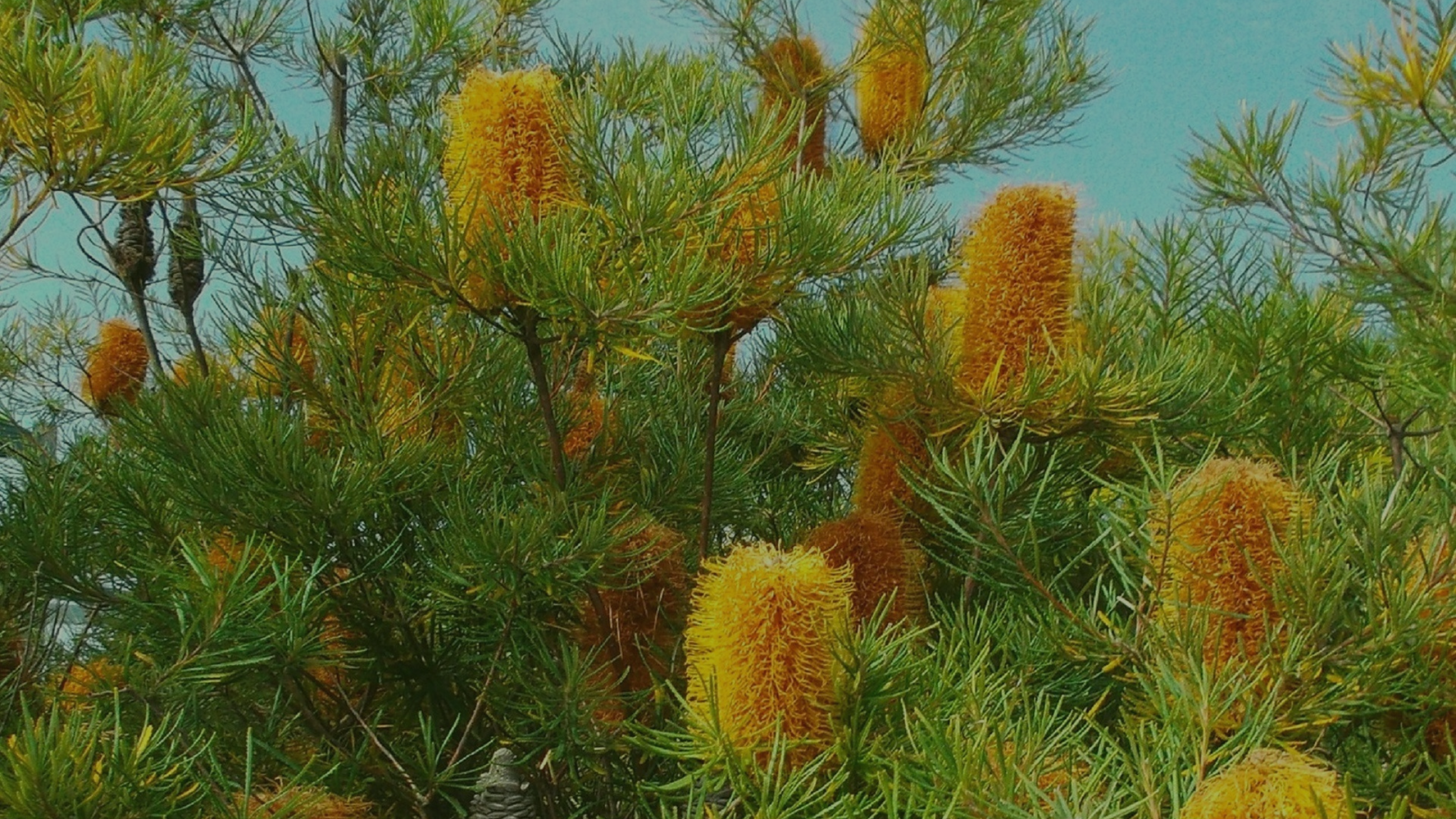
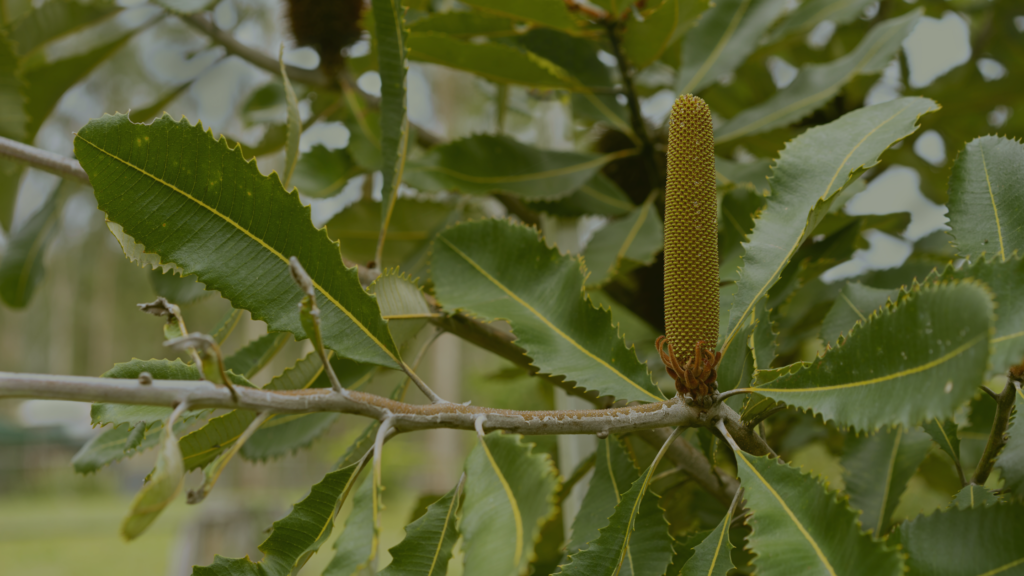
Found across much of Australia, the Banksia is one of the country’s most recognisable native plants, known for its striking flower spikes and distinctive woody cones.
With 173 species occurring across a wide range of habitats, from coastal regions and tropical areas to deserts and sub-alpine environments, the Banksia demonstrates the remarkable adaptability of Australian flora.
It is a reminder that Australia’s biodiversity is not only found in its animals, but also in the plants that support entire ecosystems.
Why it matters
Banksias play an important role in supporting wildlife and ecological health across Australia.
🌸 Their flowers provide food for birds, insects and other pollinators
🍂 Many species flower during autumn and winter when food resources can be limited
🌰 Their cones provide food for species such as cockatoos
🌿 They help support biodiversity across a wide range of Australian landscapes
Through these interactions, Banksias help sustain the complex relationships that keep ecosystems healthy and functioning.
Fun facts
🤓 There are 173 Banksia species and all but one occur naturally only in Australia
🤓 Banksias were named after Sir Joseph Banks, who collected the first specimens in 1770
🤓 Each flower spike is made up of hundreds, and sometimes thousands, of tiny flowers
🤓 Indigenous people in south-western Australia traditionally enjoyed Banksia nectar and used flower spikes to make a sweet drink
A deeper reflection
The Banksia reminds us that plants are often the overlooked foundation of biodiversity.
While animals frequently capture our attention, native plants create the habitat, food and ecological connections that support life across entire landscapes.
Many Australian plant communities now face pressures from land clearing, habitat fragmentation, invasive species and a changing climate.
In a country with over 600,000 native species, most found nowhere else on Earth, the Banksia is a reminder that protecting biodiversity begins with protecting the ecosystems that sustain it.
How we care for native plants today will shape the future of the wildlife that depends on them.
From Wonder to Action
Learn & understand
Explore how biodiversity, climate, and land systems are deeply connected through our workshops with People For Nature.
Create your Nature Oasis
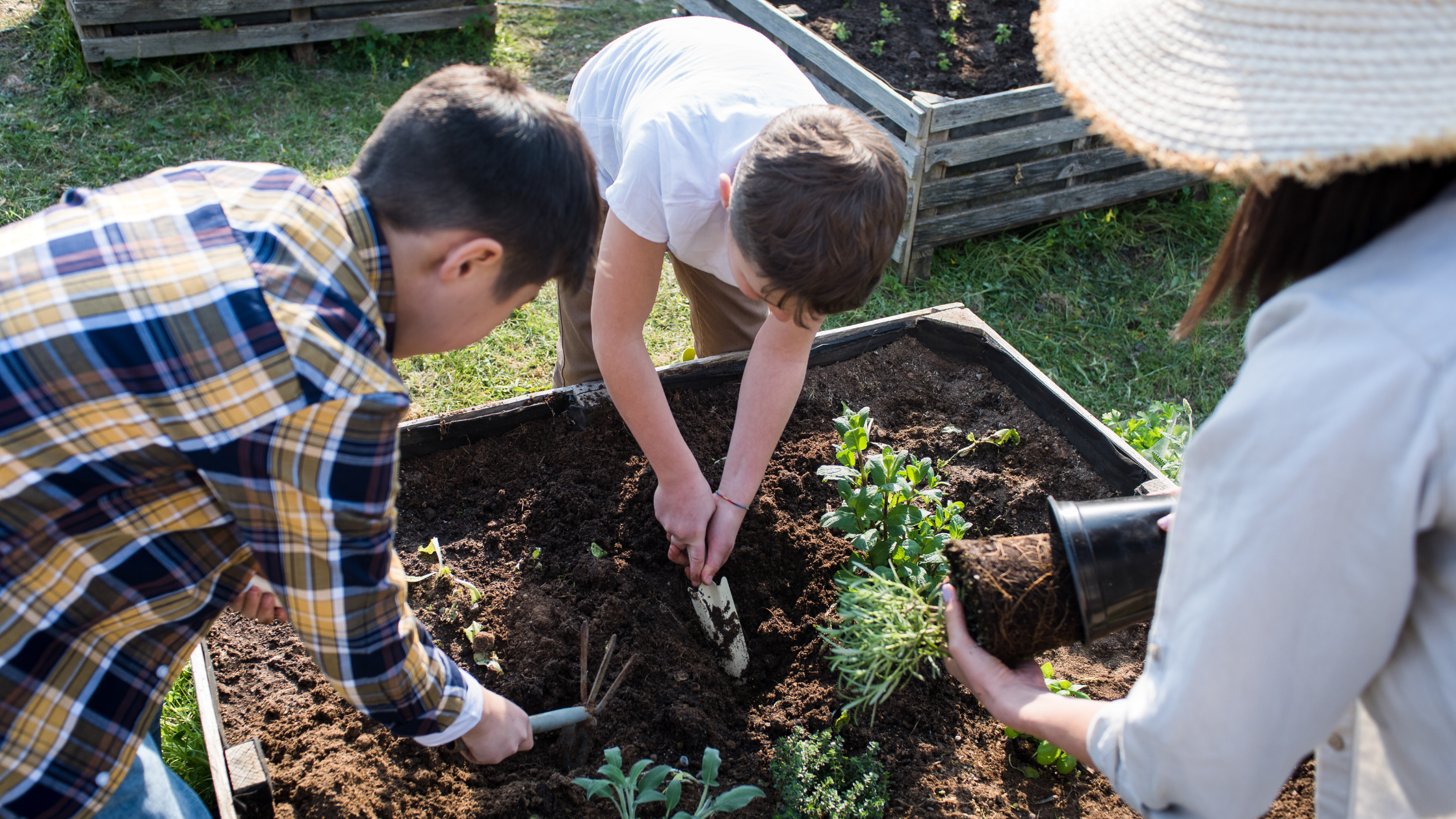
Plant native species to restore habitat and support the insects, birds, and wildlife that depend on them.
Join citizen science
Record native species around you on iNaturalist and contribute to real conservation data.
(Special thanks to Simon Andrews, Ambassador for People For Nature, for helping shape this story)
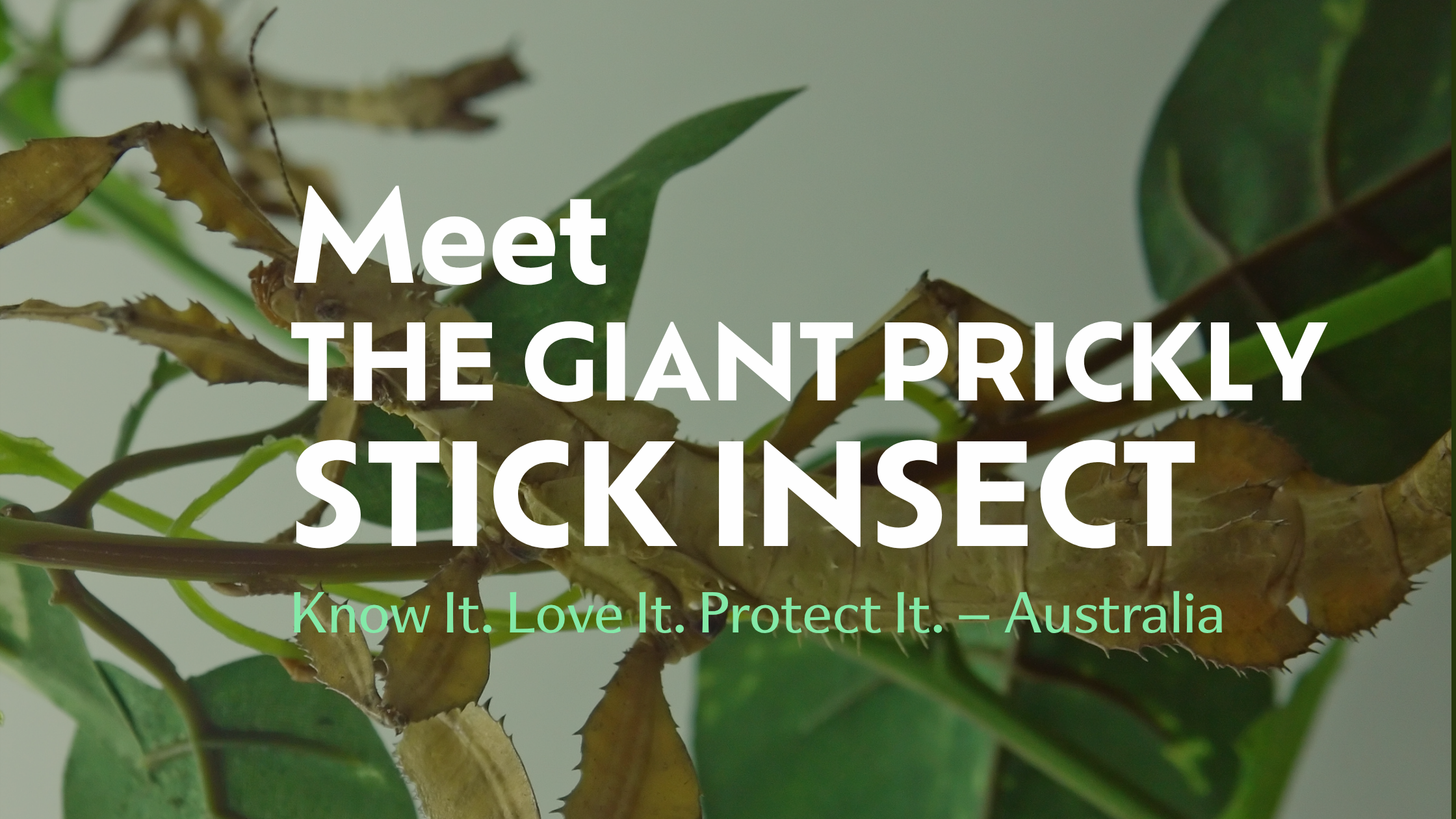
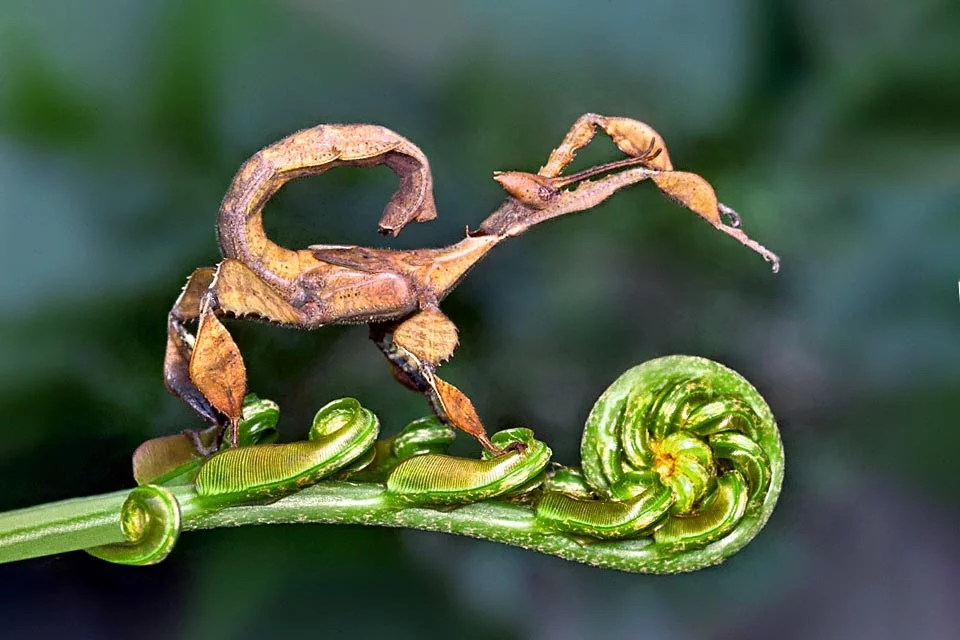
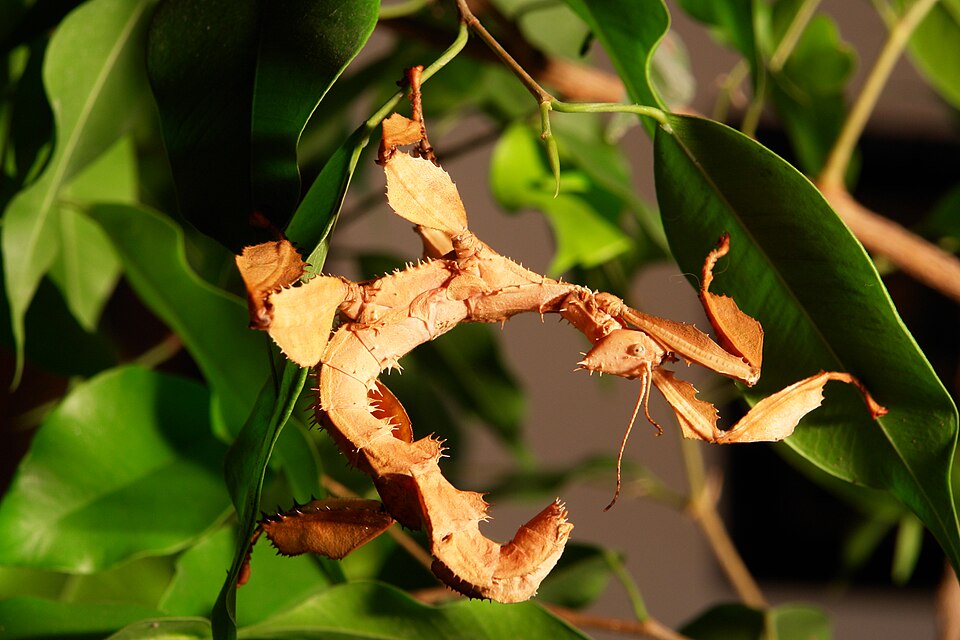
One of Australia’s largest and most striking insects, the Giant Prickly Stick Insect can grow up to 20 centimetres long and has evolved an extraordinary appearance that allows it to disappear into its surroundings.
With its spiny, branch-like body and prickly legs, this remarkable insect resembles a twig or piece of vegetation and can even sway like a branch in the wind to avoid being detected by predators.
It is a reminder that some of nature’s most impressive adaptations are hiding in plain sight.
Why it matters
The Giant Prickly Stick Insect is part of the rich diversity of insects that support healthy ecosystems.
🍃 Stick insects are important herbivores that interact with native vegetation and contribute to ecological processes
🕸️ They form part of food webs and provide prey for birds, reptiles and other animals
🌿 Their presence reflects the health and complexity of native habitats
🦗 They highlight the incredible diversity and adaptability of Australia’s invertebrate life
Although often overlooked, insects such as the Giant Prickly Stick Insect are essential components of functioning ecosystems.
Fun facts
🤓 The Giant Prickly Stick Insect can grow up to 20 centimetres long, making it one of Australia’s largest stick insects
🤓 If threatened by a predator, it can shed a leg or part of its body to distract the attacker and make its escape
🤓 Females can reproduce through parthenogenesis, meaning they can produce offspring without mating
🤓 Despite this ability, males remain important because they help maintain genetic diversity and long-term adaptability within the species
A deeper reflection
The Giant Prickly Stick Insect challenges the idea that conservation is only about protecting large or charismatic animals.
Invertebrates make up the vast majority of biodiversity and perform countless ecological roles that support the health of ecosystems, yet they are often overlooked in conservation conversations.
Like many native species, stick insects are vulnerable to habitat loss, climate change and the degradation of the environments they depend upon.
In a country with more than 600,000 native species, many found nowhere else on Earth, the Giant Prickly Stick Insect reminds us that biodiversity includes the small, hidden and easily forgotten species that quietly keep ecosystems functioning.
How we care for insects and their habitats will shape the resilience of Australia’s natural systems for generations to come.
From Wonder to Action
Learn & understand
Explore how biodiversity, climate, and land systems are deeply connected through our workshops with People For Nature.
Create your Nature Oasis
Plant native species to restore habitat and support the insects, birds, and wildlife that depend on them.
Join citizen science
Record native species around you on iNaturalist and contribute to real conservation data.
(Special thanks to Simon Andrews, Ambassador for People For Nature, for helping shape this story)
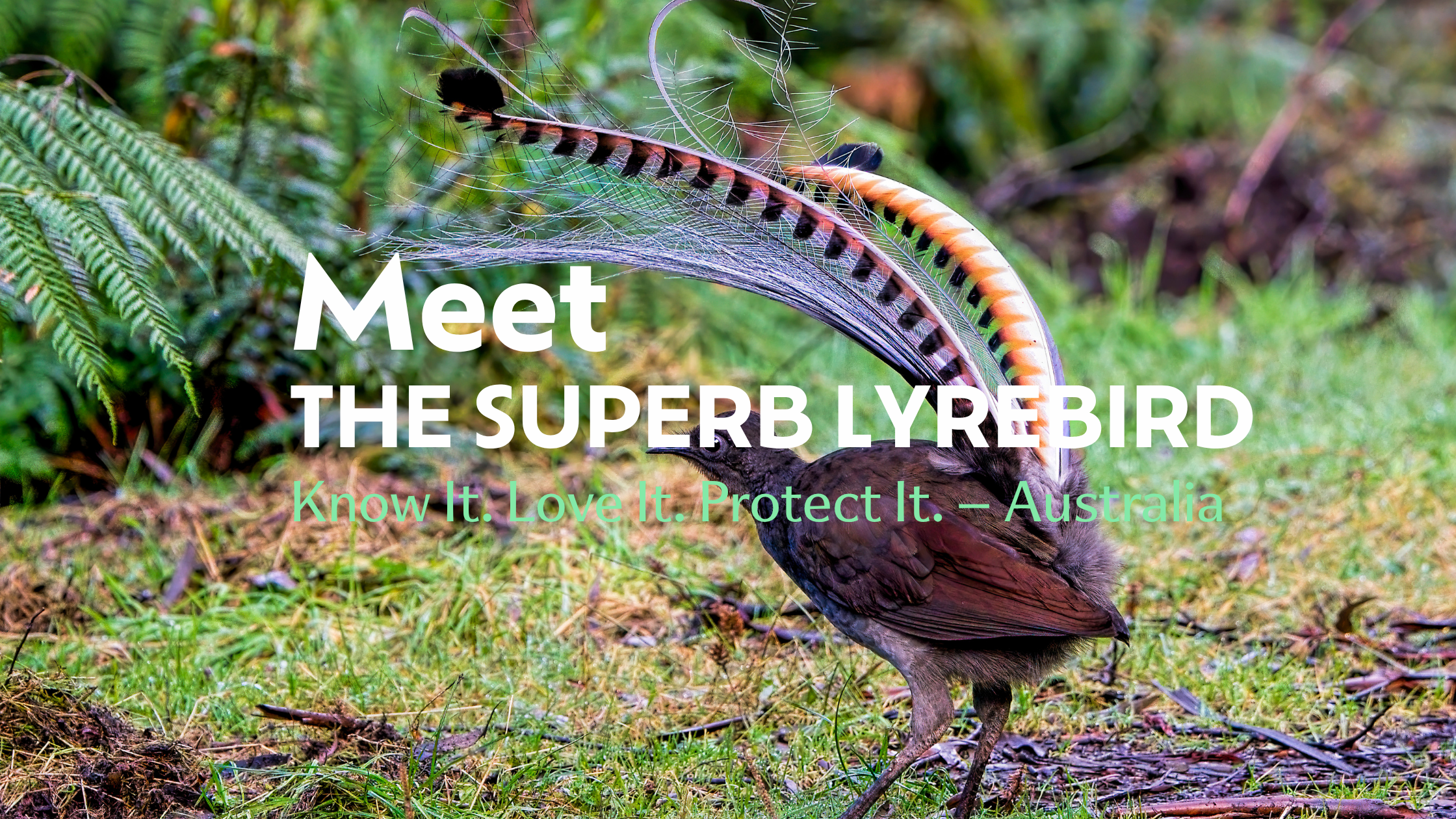
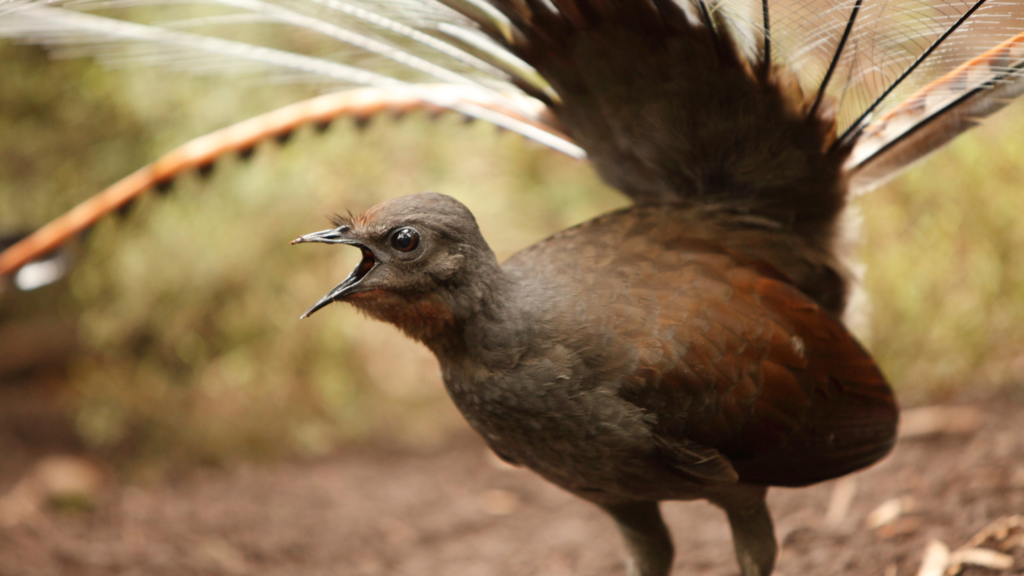
One of Australia’s most extraordinary birds, the Superb Lyrebird is renowned for its elaborate courtship displays and remarkable ability to mimic sounds from the natural world and beyond.
With its ornate tail feathers forming the shape of a lyre, the male performs spectacular dances while imitating the calls of other birds, the sounds of animals and even human-made noises such as camera shutters and chainsaws.
It is a reminder that some of Australia’s most impressive biodiversity is as much about behaviour and intelligence as it is about appearance.
Why it matters
The Superb Lyrebird plays an important role in maintaining healthy forest ecosystems.
🐾 It scratches through leaf litter and soil in search of food, helping to aerate the forest floor
🌱 Its foraging behaviour helps disperse seeds and recycle nutrients
🌳 It contributes to the health and regeneration of forest ecosystems
🕸️ It demonstrates the complex relationships between species and the environments they inhabit
Through its daily activities, the Superb Lyrebird helps shape and maintain the forests it calls home.
Fun facts
🤓 The Superb Lyrebird has one of the most complex syrinxes, or vocal organs, of any bird
🤓 It can imitate an extraordinary range of sounds, from the calls of other birds to human-made noises
🤓 Male lyrebirds perform elaborate courtship displays using their distinctive lyre-shaped tail feathers
🤓 Their vocal abilities have made them one of Australia’s most celebrated and recognisable bird species
A deeper reflection
The Superb Lyrebird challenges the way we think about animal intelligence and communication.
Its ability to learn and reproduce such a diverse range of sounds highlights the remarkable behavioural complexity that exists within Australia’s native wildlife.
Yet the species depends on healthy native forests that continue to face pressures from habitat loss, fragmentation and changing environmental conditions.
In a country with more than 600,000 native species, many found nowhere else on Earth, the Superb Lyrebird reminds us that biodiversity is not only about the species we protect, but also the ecological processes and habitats that allow them to thrive.
How we care for Australia’s native forests today will shape the future of one of our most fascinating and iconic birds.
From Wonder to Action
Learn & understand
Explore how biodiversity, climate, and land systems are deeply connected through our workshops with People For Nature.
Create your Nature Oasis
Plant native species to restore habitat and support the insects, birds, and wildlife that depend on them.
Join citizen science
Record native species around you on iNaturalist and contribute to real conservation data.
(Special thanks to Simon Andrews, Ambassador for People For Nature, for helping shape this story)
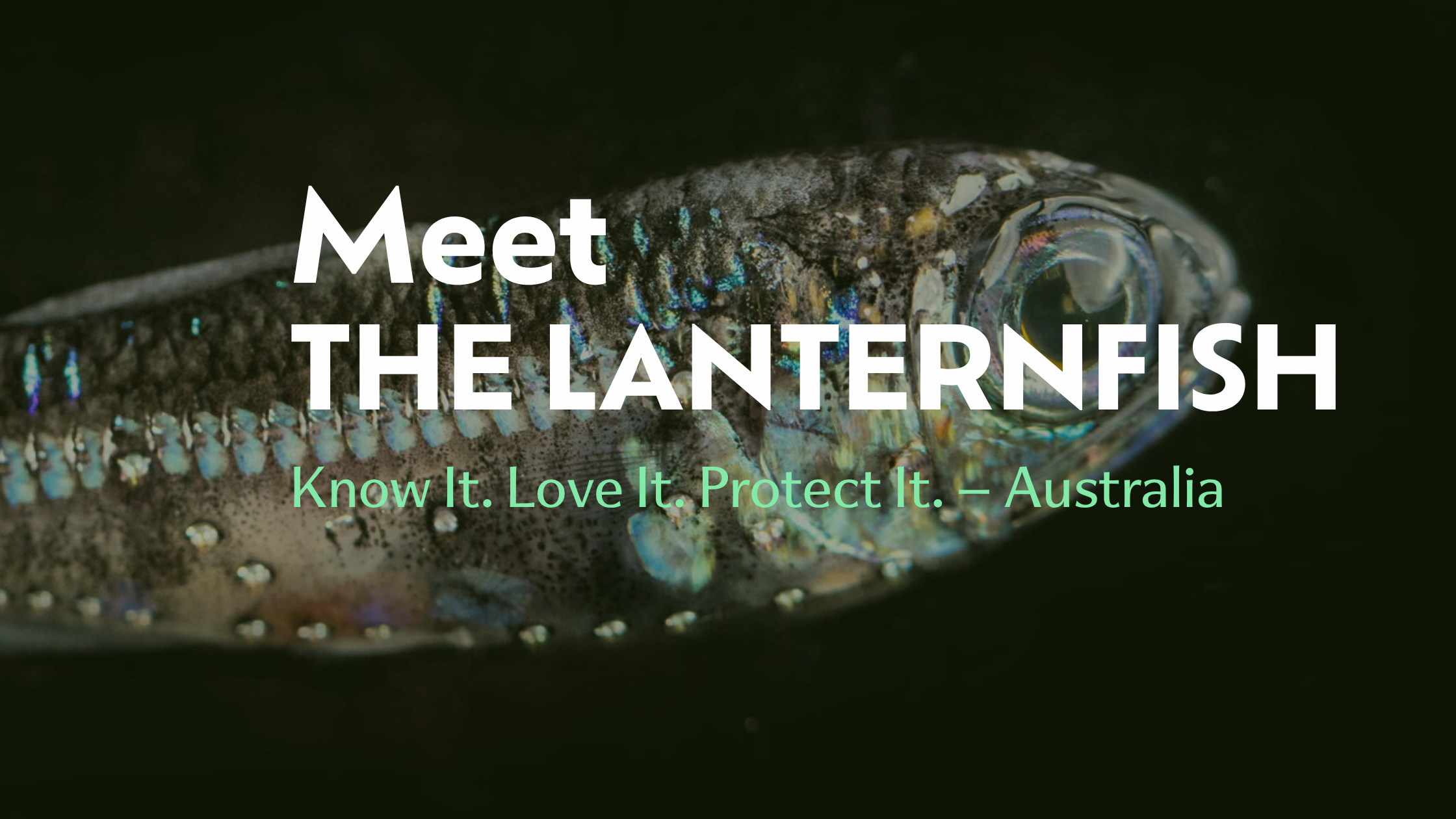
Hidden beneath the ocean’s surface is one of the most abundant groups of vertebrates on Earth, the lanternfish, a small deep-sea fish that plays an enormous role in keeping marine ecosystems healthy.
With at least 250 species worldwide, many of which occur in Australian waters, lanternfishes spend their days in the deep ocean before rising towards the surface each night to feed.
Their remarkable daily movements are part of one of the largest animal migrations on the planet.
Why it matters
Lanternfishes are essential to the health and functioning of ocean ecosystems.
🐟 They provide an important food source for larger fish, squid and seabirds
🌊 They help transfer energy between the ocean’s surface and deeper waters
🌙 Their nightly feeding migrations contribute to the movement of carbon from surface waters to the deep ocean
🕸️ They play a key role in supporting marine food webs across the globe
Despite their small size, lanternfishes are among the ocean’s most important connectors, linking different parts of the marine ecosystem through their movements and feeding habits.
Fun facts
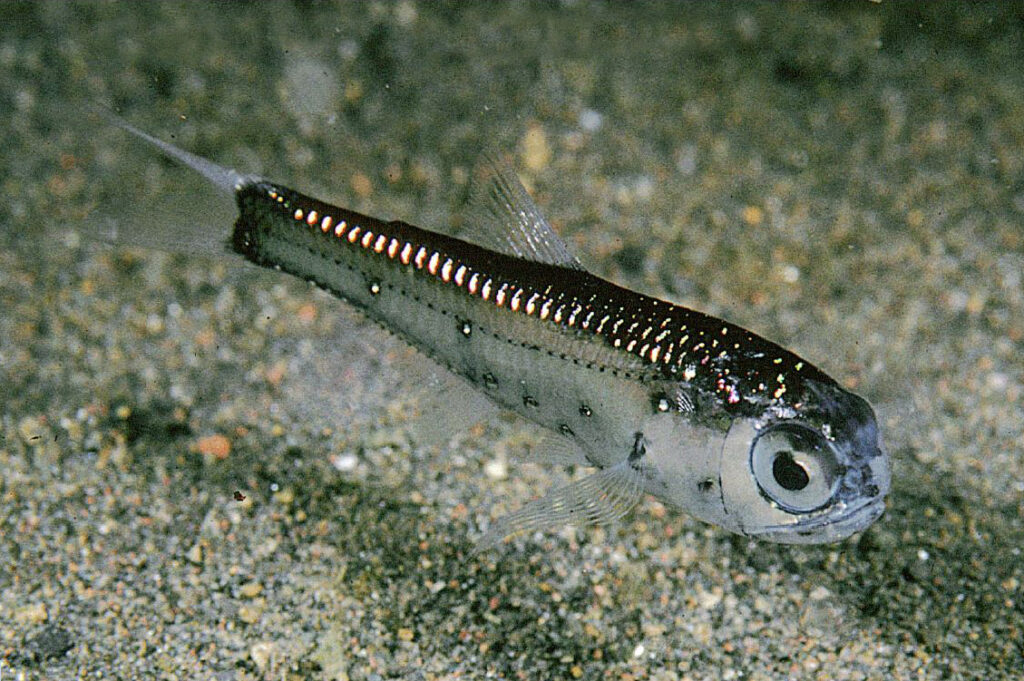
🤓 Lanternfishes get their name from light-producing organs called photophores on their bodies
🤓 Their glowing photophores help them camouflage in dark waters and communicate with one another
🤓 Although they are typically only 3 to 35 centimetres long, they are among the most abundant vertebrates on Earth
🤓 Some species travel more than 500 metres every day during their vertical migrations in search of food
A deeper reflection
The lanternfish reminds us that some of the most important species on Earth are also among the least visible.
Few people will ever see a lanternfish, yet these tiny deep-sea animals help sustain marine food webs and play an unexpected role in the global carbon cycle.
Despite their abundance, lanternfishes face growing pressures from deep-sea fishing, climate change and light pollution, which can disrupt their natural migration patterns.
In a country with more than 600,000 native species, many found nowhere else on Earth, the lanternfish is a reminder that biodiversity extends far beyond what we can easily see and that even hidden species can have global importance.
How we protect our oceans today will influence the health of marine ecosystems for generations to come.
From Wonder to Action
Learn & understand
Explore how biodiversity, climate, and land systems are deeply connected through our workshops with People For Nature.
Create your Nature Oasis
Plant native species to restore habitat and support the insects, birds, and wildlife that depend on them.
Join citizen science
Record native species around you on iNaturalist and contribute to real conservation data.
Special thanks to Simon Andrews, Ambassador for People For Nature, for helping shape this story)
In stadiums, on fields, and across oceans, sport unites people like few other forces can. It transcends borders, cultures, and generations. But beneath the roar of the crowd and the thrill of the game lies a growing realisation: sport does not exist in a vacuum. It is deeply connected to the climate and biodiversity crises – and has a unique role to play in shaping solutions.
The Challenge: Sport Is Both Impacted by and Impacts Nature
Climate change is already affecting the sports world. Heatwaves are disrupting tournaments, wildfires are cancelling matches, and rising sea levels threaten coastal venues. At the same time, the global sports industry—through travel, infrastructure, apparel, and sponsorship—has its own environmental footprint.
Biodiversity loss also poses hidden threats. From deteriorating air quality to water scarcity and increased risk of pandemics, the systems that support healthy ecosystems are the same ones athletes and fans rely on every day.
The Opportunity: Sport as a Force for Change in Australia
Sport holds a unique place in Australian culture — it unites communities, shapes identities, and inspires action. With millions of Australians involved as players, fans, and volunteers, sport provides a powerful platform to champion environmental responsibility and spark meaningful change.
But to harness this influence effectively, action must be informed, deliberate, and grounded in education.
That’s where systems thinking comes into play.
Seeing the Bigger Picture: Systems Thinking in Australian Sport
Systems thinking is about understanding the whole picture. It helps us see how climate and biodiversity are deeply connected to economics, health, infrastructure, social equity—and yes, sport.
Applying a systems lens to environmental education in Australia’s sports sector means going beyond one-off actions (like installing recycling bins at footy grounds) and tackling the root causes of environmental challenges. It prompts us to ask:
How does the supply chain for sports gear contribute to deforestation or water stress in Australia and our region?
What climate risks threaten local community clubs and grassroots sport—from floods to extreme heat?
How can we design sporting events to support biodiversity and regenerate local landscapes?
What influence can Aussie athletes have in shaping public attitudes toward climate and nature?
Education grounded in systems thinking equips sporting bodies, leaders, and fans to shift from reactive to proactive—from small changes to bold, systemic impact. from reactive to proactive—from incremental to transformative.
What This Looks Like in Practice
At People for Nature, we believe in making complex science accessible and actionable. Through facilitated workshops and collaborative learning experiences, we help sports professionals connect the dots between climate, biodiversity, and their everyday decisions.
We focus on:
Understanding interdependence – between humans, nature, and the systems that govern sport.
Empowering leadership – by building capacity in clubs, leagues, and athletes.
Fostering innovation – encouraging regenerative practices and nature-positive design.
Creating ripple effects – so that what starts on the field spreads into communities, policies, and businesses.
A Call to Action
The time to act is now. The climate and biodiversity crises are not distant threats—they are here, and they’re affecting the sports we love. But with knowledge, courage, and collaboration, sport can be a force for regeneration.
Let’s reimagine what it means to play, compete, and win—on a thriving planet.
Your donation supports citizen-powered change for nature.
By contributing to People For Nature, you’re helping us empower everyday individuals to take meaningful action for the environment. Your support enables us to deliver education, foster community-driven conservation initiatives, and inspire a movement of citizen scientists and conservationists.
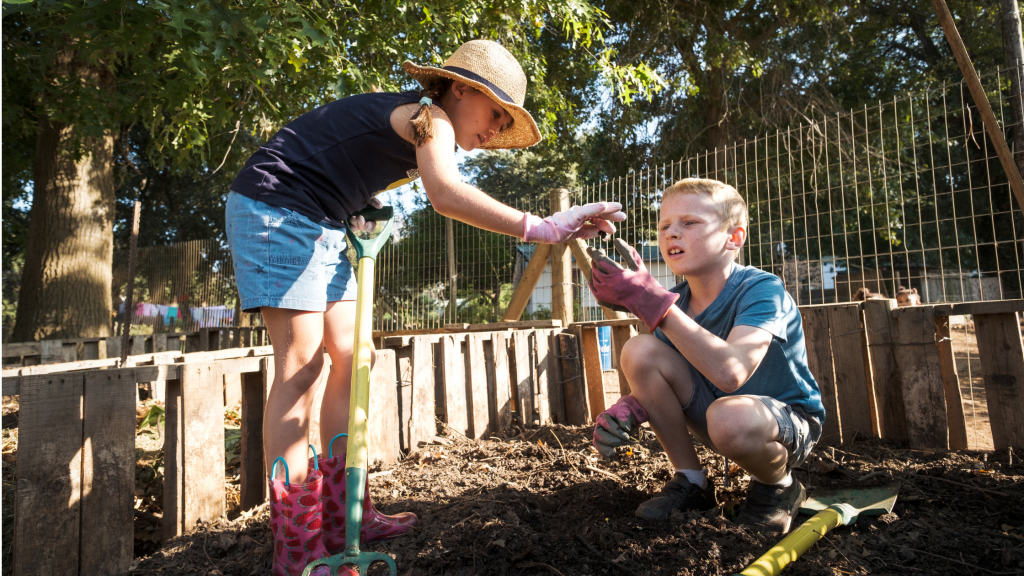
Discover playful, powerful ways to nurture eco-conscious kids using tools like Climate Fresk Kids, Nature Oasis, and everyday nature-inspired learning at home.
In a world where climate headlines and ecological tipping points can feel overwhelming, many parents and carers are asking:
“What can I do to help my child grow up with hope, empathy, and a strong sense of responsibility for our planet?”
The answer starts close to home — in our kitchens, gardens, conversations, and storytimes.
Sustainability begins with everyday choices, and teaching it doesn’t require a textbook. It’s a way of life that can be modelled, explored, and celebrated through curiosity and connection.
Why Start at Home?
Children learn not just by being told, but by doing, seeing, and feeling.
Home is where values are planted and nurtured. By weaving sustainability into your daily life — through nature play, storytelling, or small rituals — you empower your child to grow into a thoughtful, eco-conscious human who understands their place in a living, breathing system.
1. Make Big Ideas Playful: Try Climate Fresk Kids
We often underestimate just how much children can grasp — especially when we invite them in through play.
Climate Fresk Kids is a hands-on workshop that helps young people understand the basics of climate science in an engaging, age-appropriate way. Using images, stories, and systems thinking, it connects the dots between human actions and environmental consequences — without creating fear.
🌿 Find a Workshop Near You — and Become a Facilitator: https://events.humanitix.com/host/people-for-nature
Alternatively, put us in touch with your child’s school — we offer engaging climate and biodiversity workshops in schools across Australia: info@blog.peoplefornature.org.au
2. Create a Wild Welcome: Build a Nature Oasis
Not every family has access to a forest or farm — but we can all bring a little wildness into our homes.
A Nature Oasis is any space — a balcony, garden bed, windowsill, or schoolyard — designed to invite biodiversity. Think native plants, insect hotels, butterfly-friendly flowers, or a frog-friendly corner.
Children love observing change. Watching bees visit a flower they planted or hearing frogs return builds a living relationship with the natural world.
Try This at Home: Plant native species or rewild a corner of your yard. Keep a nature journal with your child — what do they notice each day?
3. Use Storytelling to Spark Reflection
Tools like Gunter’s Fables offer more than entertainment — they invite children to reflect, imagine, and act.
Rooted in Montessori and Steiner principles, these illustrated fables help children explore systems thinking, emotional intelligence, and environmental responsibility. They’re a gentle yet powerful way to introduce biodiversity, empathy, and nature’s complexity through story.
✅ Try This at Home: After reading a story, ask: “What would you do if you were the animal in the story?” or “How can we help animals like this in real life?”
4. Turn Your Child Into a Mini Scientist
Citizen science isn’t just for grown-ups. From spotting birds in the backyard to counting insects or testing water quality, many organisations welcome children’s contributions to real scientific data.
This not only supports environmental research, but gives children a sense of purpose and belonging in something bigger.
Children are natural observers. The best way to teach sustainability? Live it yourself.
Involve kids in composting or choosing local produce.
Fix things instead of throwing them away.
Talk openly about your values and choices.
Celebrate small wins together — “We saved water today!” or “We helped a bee!”
Sustainability becomes less about sacrifice and more about joy, care, and connection.
More Than Just “Green Habits”
Teaching sustainability at home isn’t about being perfect. It’s about planting seeds of care — for people, places, and possibilities.
Whether you’re using tools like Climate Fresk Kids, building a Nature Oasis, reading eco-fables, or simply walking barefoot in the grass together — you’re shaping a future where children don’t just understand nature, but feel part of it.
Because when children fall in love with the Earth, they’re more likely to protect it.
Together, let’s raise a generation of nature-connected changemakers — one home at a time.
At People For Nature, we believe that a healthy environment is at the core of a healthy society. When it comes to biodiversity—the incredible variety of life on Earth—its importance to human health cannot be overstated. From the air we breathe to the food we eat, biodiversity plays a central role in supporting our well-being. As we work towards reconnecting people to nature, it’s vital to highlight how closely our health is tied to the nature.
1. Ecosystem Services: The Unsung Heroes of Human Health
Biodiversity sustains the ecosystems that provide us with critical services. Healthy ecosystems—whether it’s a forest, wetland, or coastal ecosystem—are responsible for many processes that directly affect our health. These ecosystem services include:
Pollination: Biodiversity supports the bees, birds, and insects that pollinate our crops. Without these pollinators, many of the foods we rely on would become scarce. According to the United Nations, around 75% of flowering plants worldwide depend on animal pollination, which directly impacts food production (UNEP, 2020).
Water Purification: Wetlands and forests naturally filter and regulate water, providing us with clean and safe drinking water. The World Health Organization (WHO) recognises the importance of ecosystems in ensuring safe water supplies, reducing the risks of waterborne diseases (WHO, 2017).
Climate Regulation: Forests, oceans, and wetlands absorb carbon dioxide, helping regulate our climate. At the same time, they mitigate the effects of extreme weather events and improve air quality. According to the Intergovernmental Panel on Climate Change (IPCC), ecosystems are crucial in achieving climate change mitigation targets (IPCC, 2021).
2. Biodiversity and Medicine: Nature’s Pharmacy
At People For Nature, we recognise that nature’s rich biodiversity provides us with medicines that save lives. Many of the treatments we rely on today are derived from plants, animals, and microorganisms. For example:
Cancer Treatments: The rosy periwinkle, found in Madagascar, produces compounds used in life-saving cancer drugs, such as vincristine and vinblastine, used to treat leukemia and Hodgkin’s lymphoma (NCI, 2020).
Antibiotics and Pain Relief: The opium poppy provides essential pain-relieving compounds, while penicillin, derived from mold, revolutionised medicine. As the World Health Organisation has reported, many life-saving drugs are derived from nature and are crucial in fighting infections and diseases (WHO, 2019).
Through our work, People For Nature encourages communities to recognise the immense value of preserving biodiversity—not just for environmental reasons, but for our ongoing access to these vital health resources.
3. Mental Health and Well-being: The Healing Power of Nature
At People For Nature, we also highlight the profound impact that biodiversity has on our mental health. Numerous studies show that spending time in biodiverse natural spaces improves mental wellbeing, reduces stress, and enhances emotional health.
Stress Reduction: Natural environments, particularly those rich in biodiversity, help reduce cortisol levels (the stress hormone) and lower blood pressure. Studies have shown that exposure to nature can improve mental health, with a landmark study by the University of Queensland showing that nature can significantly reduce stress (University of Queensland, 2019).
Improved Cognitive Function: Nature-rich environments can boost concentration, creativity, and cognitive performance. A study conducted by the University of Illinois found that spending time in natural environments improved cognitive function and attention (Berman et al., 2008).
Emotional Wellbeing: Nature has been shown to improve overall life satisfaction and reduce symptoms of anxiety and depression. According to a study published in the International Journal of Environmental Research and Public Health, exposure to green spaces is linked to improved mental well-being (Thompson et al., 2012).
By understanding the therapeutic power of nature, People For Nature is working to reconnect individuals to the environment, creating opportunities for healing and personal growth.
4. Biodiversity and Disease Regulation: A Natural Defense
Biodiversity plays a crucial role in regulating diseases, preventing the spread of harmful pathogens, and protecting us from outbreaks. As ecosystems become degraded, however, the balance is disrupted, and the risk of disease increases. By protecting biodiversity, we reduce these risks.
Natural Disease Regulation: Healthy ecosystems help keep populations of disease-carrying species in check, preventing the spread of illnesses like malaria and Lyme disease. A study published in Nature Communications showed that biodiversity loss can increase the spread of zoonotic diseases (Hernandez et al., 2020).
Preventing Antibiotic Resistance: The loss of biodiversity also threatens the development of new antibiotics. The loss of microbial diversity in ecosystems means fewer new antibiotics can be discovered. The United Nations has warned that antibiotic resistance could lead to 10 million deaths annually by 2050 if biodiversity loss is not addressed (UNEP, 2019).
At People For Nature, we support efforts to restore habitats and maintain biodiversity, ensuring these natural defense systems remain intact.
5. The Climate Change-Biodiversity-Health Nexus
As climate change accelerates, biodiversity loss and human health challenges are becoming increasingly intertwined. Extreme weather events, changing disease patterns, and food security issues all threaten human health. But healthy ecosystems can help mitigate these effects.
Heatwaves and Respiratory Issues: Biodiverse ecosystems, such as forests, help cool our environment and filter air pollutants. According to the U.S. Environmental Protection Agency (EPA), green spaces reduce urban heat island effects, which are critical in preventing heat-related illnesses (EPA, 2020).
Food Security: As climate change disrupts agricultural systems, biodiversity ensures the resilience of our food sources. A report by the Food and Agriculture Organization (FAO) highlights the role of biodiversity in ensuring sustainable and resilient food systems (FAO, 2019).
Conclusion
At People For Nature, we believe that biodiversity is not just about protecting plants and animals; it’s about protecting ourselves. The health of our planet and the health of our people are inseparable. From the medicines that save lives to the ecosystems that provide clean water and regulate disease, biodiversity is essential to human health and well-being.
By empowering people to take action, we can protect the biodiversity that supports our health. Whether through advocating for biodiversity conservation, creating a nature oasis, or supporting koala research through citizen science, we can all play a role in safeguarding both the natural world and our future health.
Join us at People For Nature in this vital mission. Together, we can make a difference for nature and our health, ensuring a more resilient, sustainable, and healthy future for all.
References:
United Nations Environment Programme (UNEP). (2020). “Pollination and Food Security.” UNEP Report
World Health Organization (WHO). (2017). “Water, Sanitation and Hygiene.” WHO Website
Intergovernmental Panel on Climate Change (IPCC). (2021). “Climate Change 2021: The Physical Science Basis.” IPCC Report
National Cancer Institute (NCI). (2020). “Vincristine.” NCI Website
World Health Organization (WHO). (2019). “Medicinal Plants.” WHO Website
University of Queensland. (2019). “How Nature Reduces Stress.” UQ Study
Berman, M. G., Jonides, J., & Kaplan, S. (2008). “The Cognitive Benefits of Interacting with Nature.” Psychological Science. Journal Article
Thompson, C. W., et al. (2012). “The Benefits of Green Space in Urban Areas.” International Journal of Environmental Research and Public Health. Journal Article
Hernandez, R. M., et al. (2020). “The Effects of Biodiversity Loss on Disease Transmission.” Nature Communications. Journal Article
United Nations Environment Programme (UNEP). (2019). “The Role of Biodiversity in Fighting Antimicrobial Resistance.” UNEP Report
U.S. Environmental Protection Agency (EPA). (2020). “Green Infrastructure and Heat Island Reduction.” EPA Website
Food and Agriculture Organization (FAO). (2019). “The Role of Biodiversity in Food Security.” FAO Report
Are you passionate about climate and sustainability but feel there are gaps in your knowledge? Do you want to better understand biodiversity and its role in shaping a thriving planet? Would greater scientific insight help you engage customers, suppliers, and colleagues on ecological issues? Has your organisation declared a climate and ecological emergency but needs clarity on next steps? Or are you just beginning your journey and looking for the bigger picture?
Understanding biodiversity is crucial—yet the science can feel overwhelming. That’s where the Biodiversity Collage comes in. This interactive, collaborative workshop breaks down complex ecological concepts into an engaging, accessible experience.
What is the Biodiversity Collage?
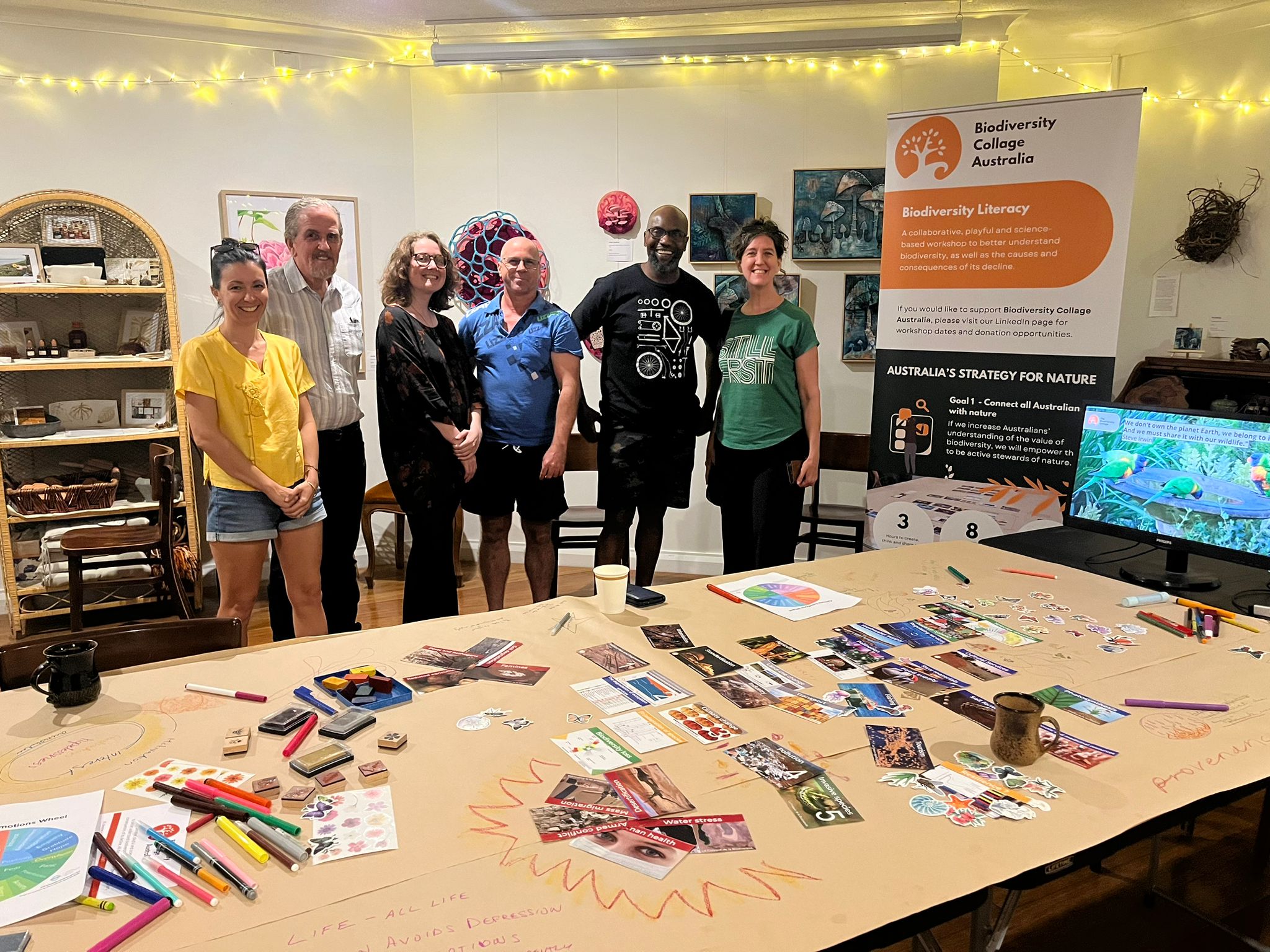
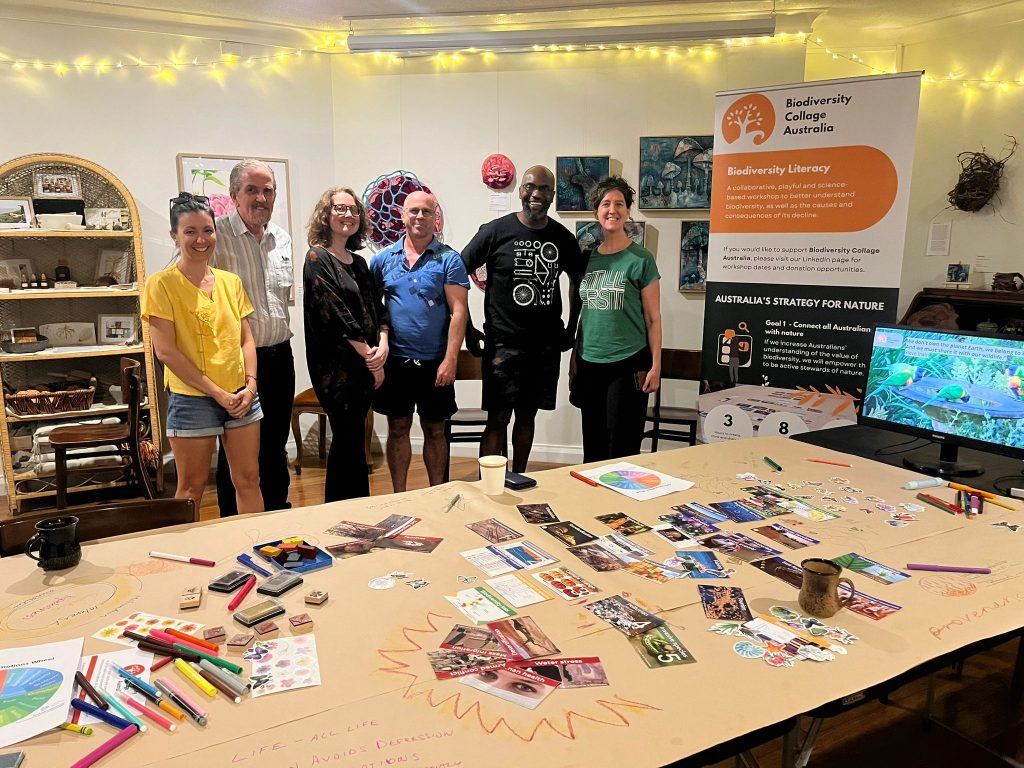
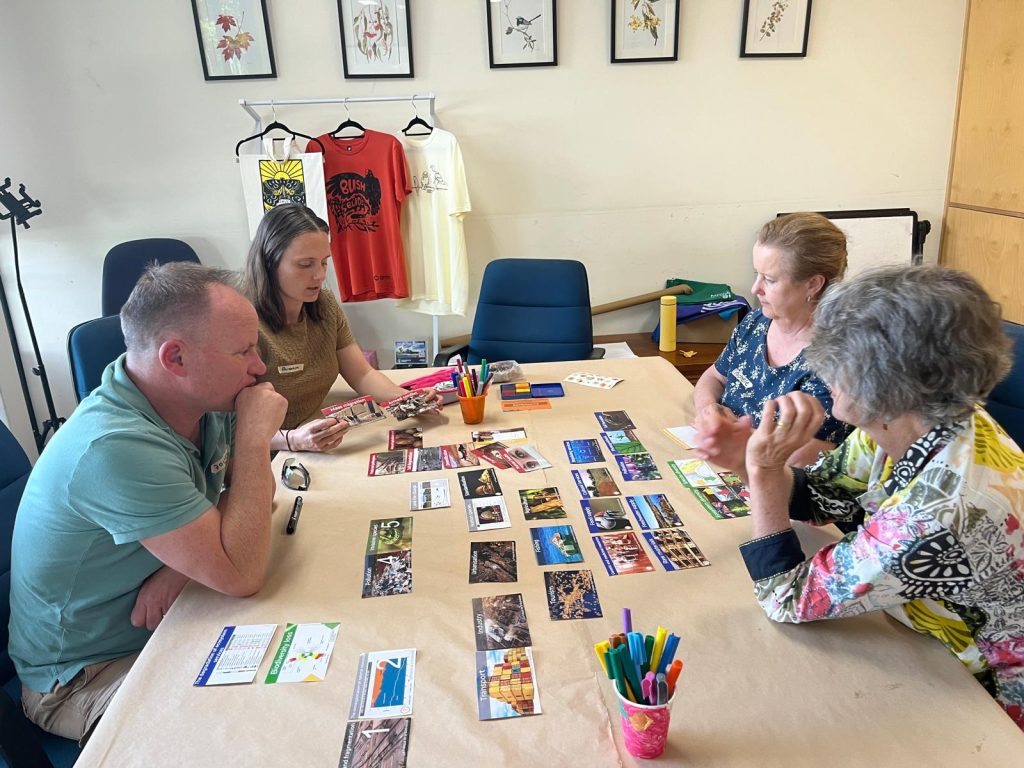
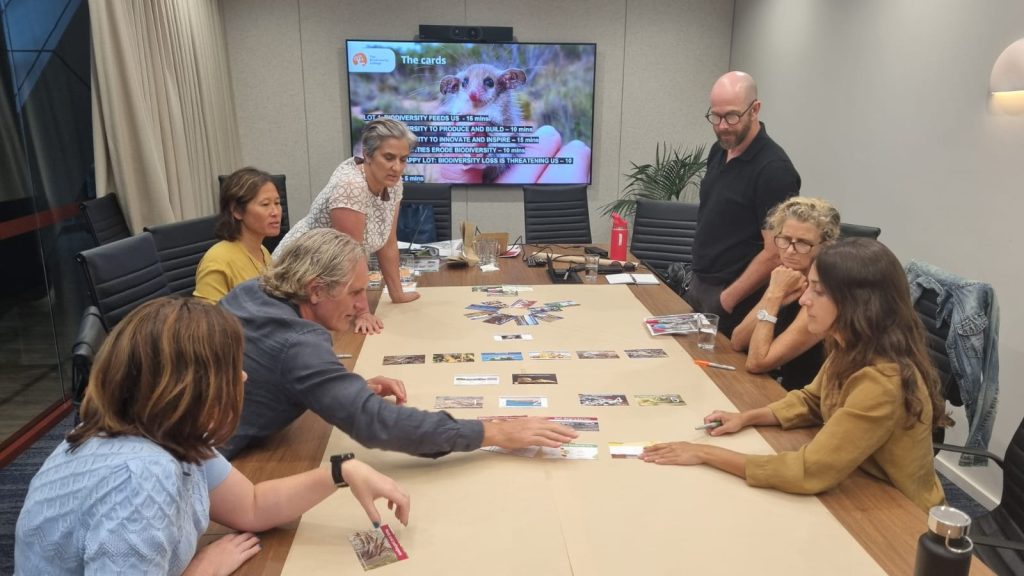
A hands-on, 3-hour workshop designed to deepen understanding of biodiversity and its connection to human activities. Based on the latest IPBES reports, it explores how ecosystems function, why biodiversity matters, and the threats it faces. Inspired by the success of the Climate Fresk, this session turns critical science into an interactive learning experience.
How Does the Workshop Work?
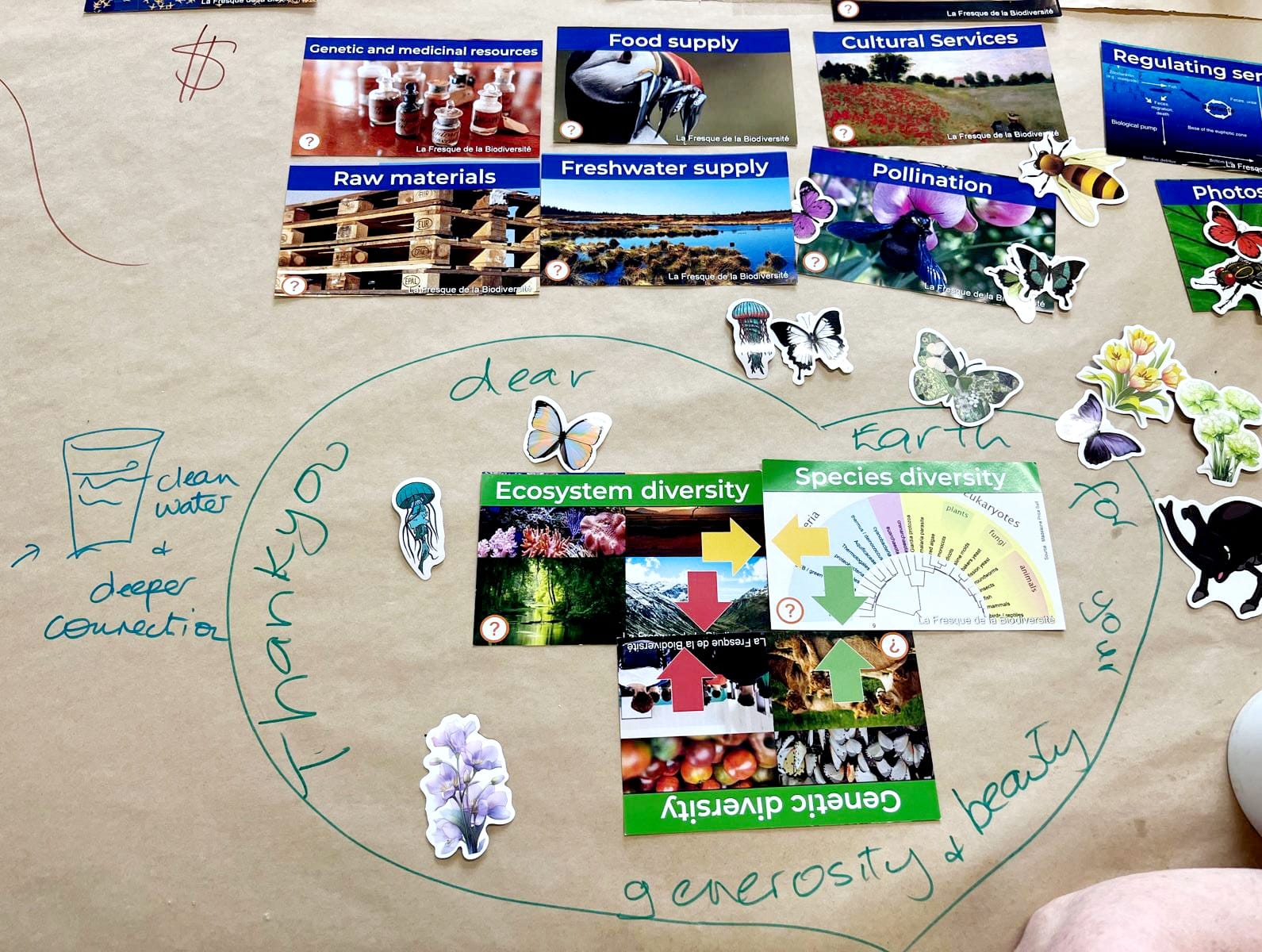
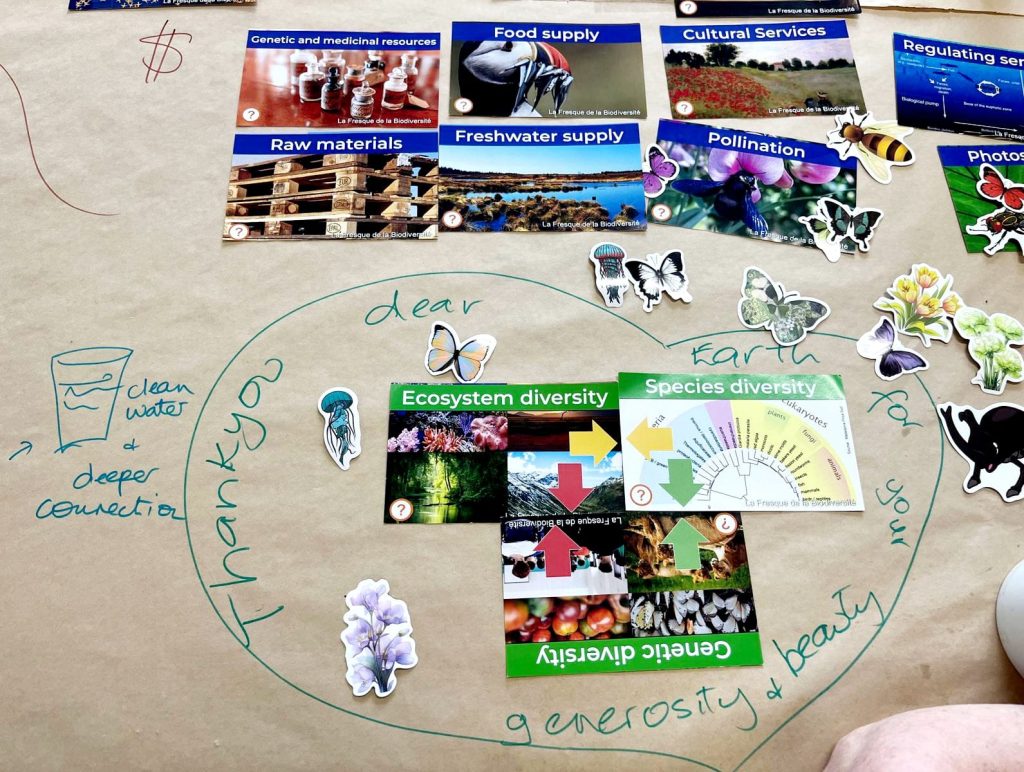
By transforming UN scientific reports into a game, participants actively piece together the biodiversity puzzle using 39 carefully curated cards. Through five rounds of engaging discussions, teamwork, and creativity, you’ll:
Connect the dots between ecosystem functions, human reliance on biodiversity, and the challenges we face.
Get creative by designing and naming your Biodiversity Collage to visualise your insights.
Take action by reflecting on key learnings and building a tailored action plan for your organisation or community.
What You’ll Gain
By the end of the session, you will have:
A clear, science-based understanding of biodiversity and ecosystems
A grasp of the value balanced ecosystems provide to humans
Insight into what degrades biodiversity—and how we can stop it
Practical ideas to restore biodiversity in your organisation or community
A digital summary of your group’s work, plus ongoing learning resources
Why Bring This Workshop to Your Organisation?
🌳 Build a shared understanding of biodiversity’s value
❗ Identify the key drivers of ecosystem degradation
☀️ Explore practical solutions your team can implement
Ready to Get Started?
Join a workshop, or bring the Biodiversity Collage to your workplace, team, or community.
Book a call with us to learn more, or send an email to discuss your needs. We also offer taster sessions — perfect for trialing the workshop before rolling it out more widely.
Australia’s landscapes are some of the most unique on the planet, from the rainforests of the east to the expansive deserts of the interior. But the very biodiversity that makes this country so special is under serious threat.
Australia is in the midst of the sixth mass extinction event, with species disappearing at a rate unseen in millions of years. The causes are many — habitat loss, invasive species, climate change— but the effect is clear: we are losing the foundation of life as we know it. The question is, what are we going to do about it?
At People For Nature, we are committed to spreading biodiversity literacy across the nation, not just to raise awareness, but to fundamentally shift how Australians understand and approach conservation. This shift is critical. We need to change the narrative around biodiversity, embracing a more inclusive, holistic approach to conservation.
We are currently in the midst of the sixth mass extinction, a crisis that is accelerating at an alarming rate. Over the last century, species around the world have been disappearing faster than ever before. Australia is one of the most biodiverse countries on the planet, yet it also has one of the highest rates of extinction. From the extinction of the Christmas Island rat to the decline of the koala, many of our iconic species are in grave danger.
The concept of the sixth mass extinction can be alarming, but it also serves as a call to action. We cannot ignore the reality that our ecosystems are under siege. Understanding this crisis is the first step to addressing it.
Through education, we can equip Australians with the knowledge they need to respond effectively. That’s why spreading biodiversity literacy is not just a priority—it’s urgent.
Rethinking Biodiversity: A More Inclusive Approach
Biodiversity conservation has traditionally been viewed through a narrow lens, often focusing on specific species or habitats.
While these efforts are important, we need a broader, more inclusive approach to conservation—one that acknowledges the interconnectivity of all life and the cultural, social, and economic dimensions of biodiversity.
Biodiversity is not just about saving animals or plants—it’s about understanding the entire system and the role each part plays in supporting the health of our planet. This means that conservation must involve people from all walks of life.
Education: The Key to Empowerment
Education is the cornerstone of any effective conservation strategy. But it’s not just about passing on facts—it’s about inspiring a shift in mindset. People need to understand that they are not separate from nature but are deeply connected to it.
By fostering a deeper appreciation for the natural world and how it supports human well-being, we can inspire individuals to take action and make a real difference.
At People For Nature, we provide a variety of educational tools that aim to make biodiversity accessible and engaging. Through interactive workshops, citizen science projects, and immersive learning experiences, we help Australians connect with the ecosystems that sustain them. We want people to leave our programs not just with knowledge but with a sense of responsibility—to feel empowered to take action in their own communities and advocate for stronger environmental policies.
Australia’s biodiversity crisis cannot be solved by experts alone—it requires the collective effort of individuals, businesses, and governments working together.
By spreading biodiversity literacy across all levels of society, we can create a nation of informed, passionate advocates for nature.
When communities understand the importance of biodiversity, they will take steps to protect it. Whether it’s planting native species, reducing waste, or supporting local conservation projects, every action counts.
Conserving Australia’s Unique Species and Ecosystems
Educating Australians about the threats to our native species is key to their survival.
This is why we have partnered with The Biodiversity Collage, an initiative founded in France in 2018, to transform complex biodiversity science into an engaging, interactive learning experience that empowers people to understand, care, and take action for our planet.
Biodiversity Collage is an interactive and educational workshop designed to help participants understand the critical importance of biodiversity, the threats it faces, and the actions needed to protect it.
Based on the reports of the IPBES, this innovative tool simplifies complex scientific concepts, breaking them down into an engaging, collaborative learning experience. Through collective intelligence, participants explore the interconnectedness of ecosystems, species, and human activities, gaining a deeper appreciation for the natural world and the urgent need for conservation.
Biodiversity Collage is suitable for all audiences and aims to inspire individuals and communities to take meaningful action for biodiversity.
The Power of Collective Action
In the face of the sixth mass extinction, collective action is more important than ever. Education plays a critical role in mobilising individuals, communities, and governments to take urgent, decisive action. At People For Nature, we are committed to building a movement of Australians who understand the importance of biodiversity and are ready to act.
But we can’t do it alone. We need everyone to get involved. Whether you’re a teacher, a business owner, a policymaker, or a concerned citizen, there’s a role for you in protecting our planet’s biodiversity. Through education and collaboration, we can create a stronger, more resilient Australia—one that not only understands biodiversity but actively works to preserve it for future generations.
To tackle this crisis, we need to radically rethink our approach to conservation, embracing a more inclusive, holistic understanding of biodiversity that involves all Australians.
At People For Nature, we are committed to spreading biodiversity literacy across the nation, empowering individuals, communities, and businesses to take meaningful action in protecting our natural heritage. Through education, engagement, and collective action, we can help ensure that Australia’s unique wildlife and ecosystems survive and thrive for generations to come.
Want to find out more or organise a Biodiversity Collage in your company, school or event — we have trained facilitators in 5 states! – get in touch!