At People For Nature, our story is deeply rooted in the connection between France and Australia — not just geographically, but through ideas, innovation, and shared responsibility for the living world.
Our co-founders bring French origins and influences that have shaped the way we approach environmental education today. It is from this background that we were first introduced to powerful participatory learning tools such as Biodiversity Collage and Climate Fresk — methods that translate complex scientific knowledge into accessible, engaging, and collective experiences. These tools are now helping communities across Australia build climate and biodiversity literacy in a way that is fun, social, and empowering.
But France’s contribution to global environmental thinking goes far beyond cultural stereotypes. Yes, it is the country of fine cuisine, art, and yes… champagne and iconic design. But it is also a nation that helped shape modern democracy through the First Revolution, and a key player in global climate diplomacy through the adoption of the Paris Agreement — a landmark commitment to collective climate action.
As we bring these tools and ideas into Australia, we do so with a sense of shared purpose. Australia is a uniquely multicultural nation, and we believe these cross-cultural exchanges are essential to building the kind of ecological awareness and action our time demands.
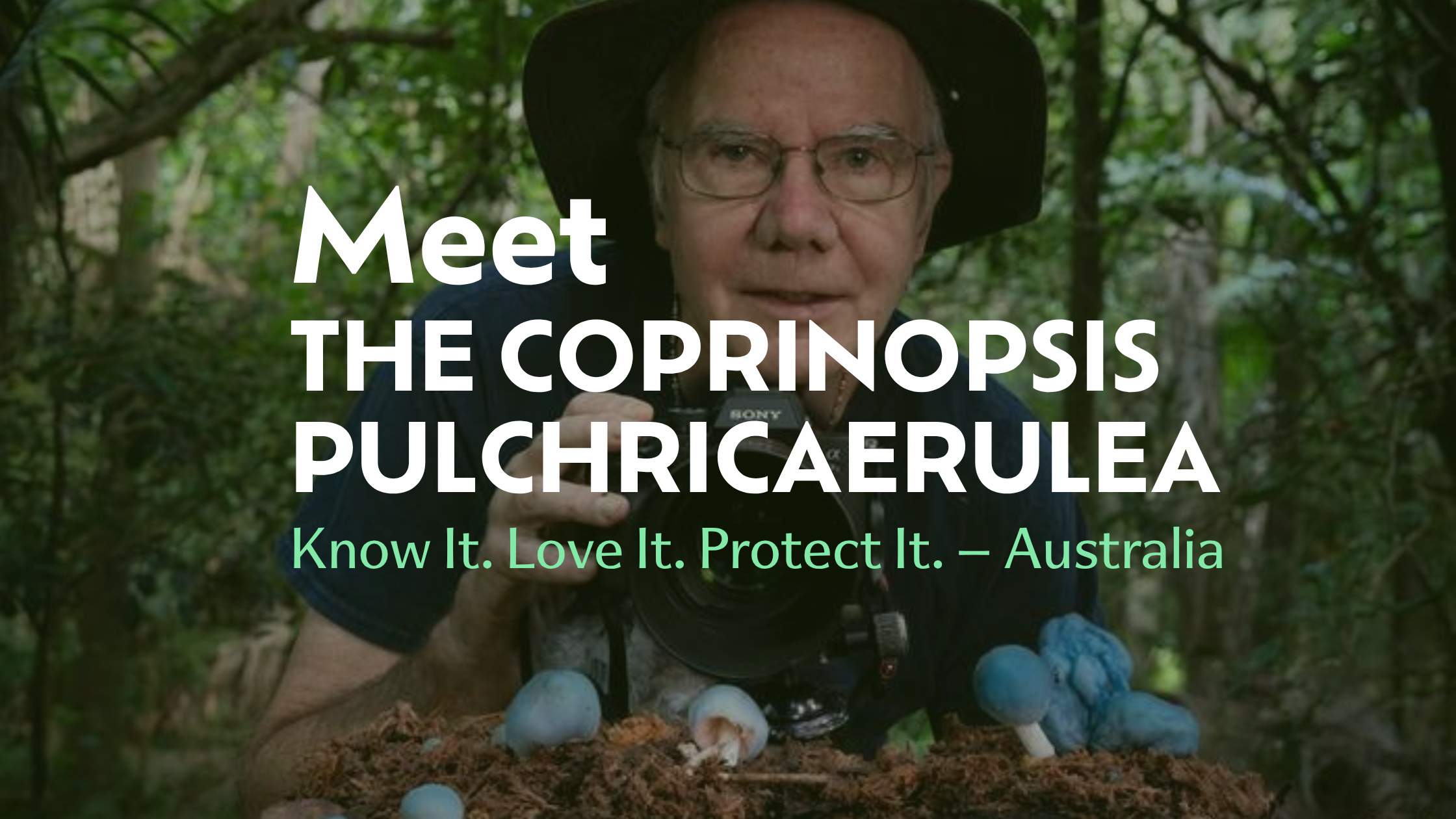
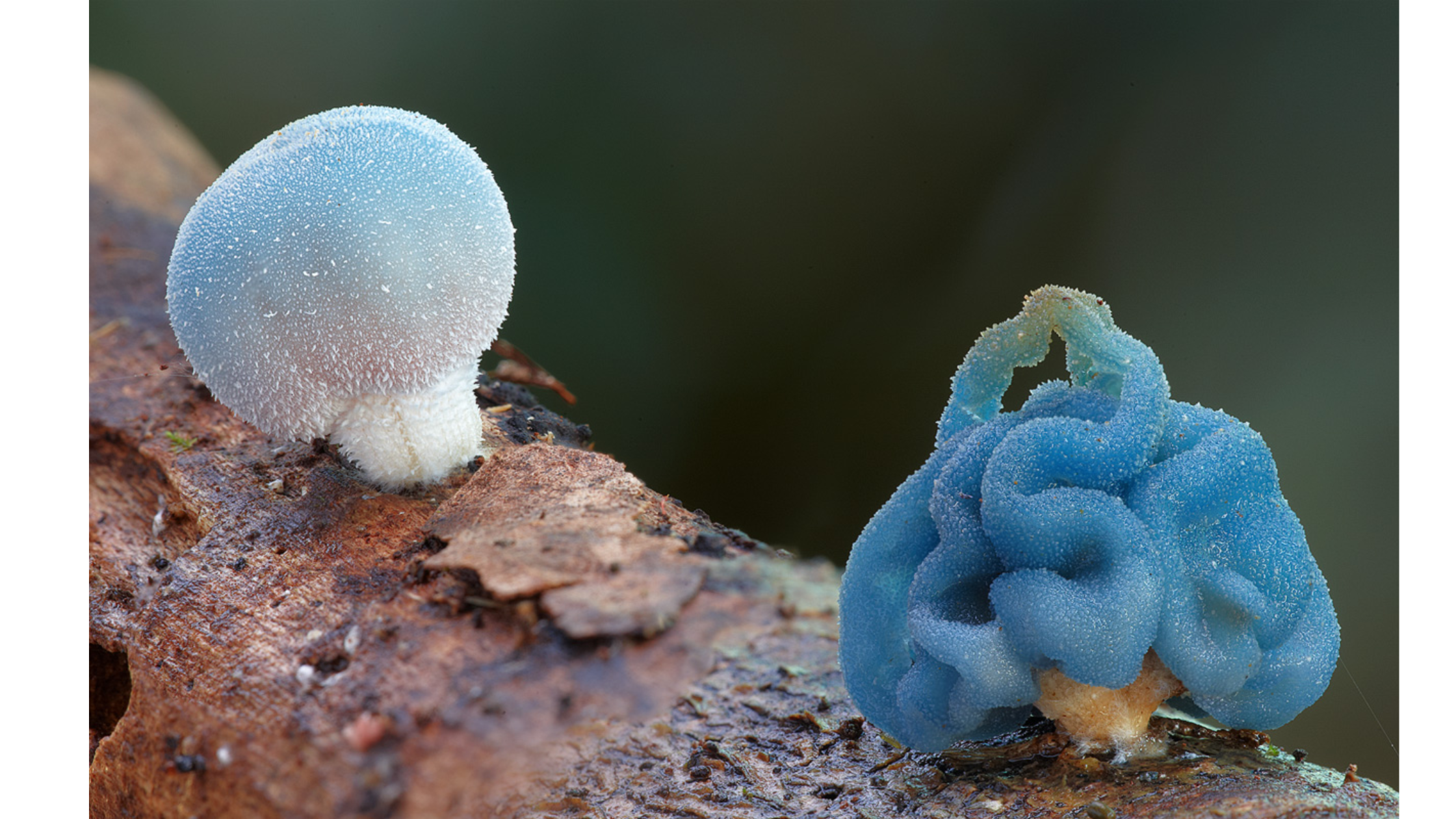
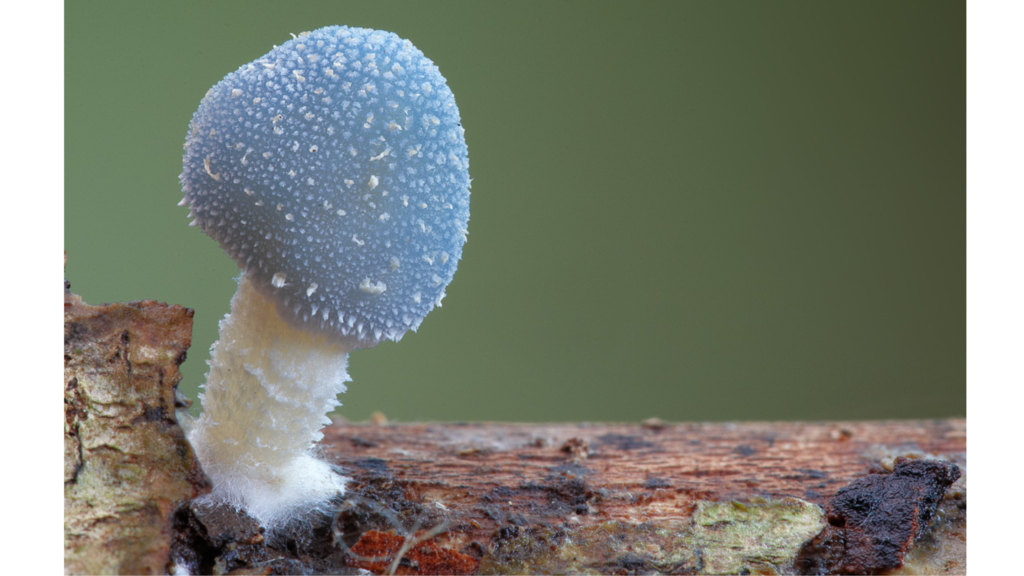
Hidden among decaying leaf litter in the rainforests of northern New South Wales is one of Australia’s most remarkable fungi, a tiny blue mushroom so unusual that it was only recognised by science in 2012.
Discovered by nature photographer Stephen Axford, Coprinopsis pulchricaerulea quickly captured attention for its vivid blue colouring and became a reminder of how much of Australia’s biodiversity remains undocumented.
It is proof that even today, entirely new species are waiting to be discovered.
Why it matters
Fungi play an essential role in keeping ecosystems healthy and functioning.
🪱 They break down dead plant material and recycle nutrients back into the soil
♻️ They support forest health by contributing to nutrient cycling and dcomposition
🕸️ They help sustain the complex relationships that underpin biodiversity
👀 They remind us that many of the most important species in nature are often overlooked
Although small and rarely seen, fungi such as Coprinopsis pulchricaerulea are part of the hidden processes that keep ecosystems alive.
Fun facts
🤓 Coprinopsis pulchricaerulea is a small blue mushroom found only rarely in Australia.
🤓 Unlike many related fungi, it produces pale spores rather than the dark spores common within its genus
🤓 Its fruiting bodies enclose spores in a truffle-like structure rarely seen in related species
🤓 Its fruiting bodies are extremely short-lived and can sometimes dissolve into liquid as they age, much like the Wicked Witch of the West in The Wizard of Oz
Coprinopsis pulchricaerulea. Photo by Steve Axford at Tara Ridge, Booyong, New South Wales. CC BY-SA 3.0.
A deeper reflection
The discovery of Coprinopsis pulchricaerulea challenges the assumption that we already know most of the species that share our planet.
Scientists estimate there may be as many as 250,000 fungal species in Australia, yet fewer than 12,000 have been formally described.
This means the overwhelming majority of Australia’s fungi remain unnamed and largely unexplored.
In a country with more than 600,000 native species, many found nowhere else on Earth, discoveries such as Coprinopsis pulchricaerulea remind us that biodiversity is not just something from the past, but something we are still uncovering today.
How we protect forests, rainforests and other natural habitats will determine whether many of these hidden species are ever known at all.
From Wonder to Action
Learn & understand
Explore how biodiversity, climate, and land systems are deeply connected through our workshops with People For Nature.
Create your Nature Oasis
Plant native species to restore habitat and support the insects, birds, and wildlife that depend on them.
Join citizen science
Record native species around you on iNaturalist and contribute to real conservation data.
(Special thanks to Simon Andrews, Ambassador for People For Nature, for helping shape this story)
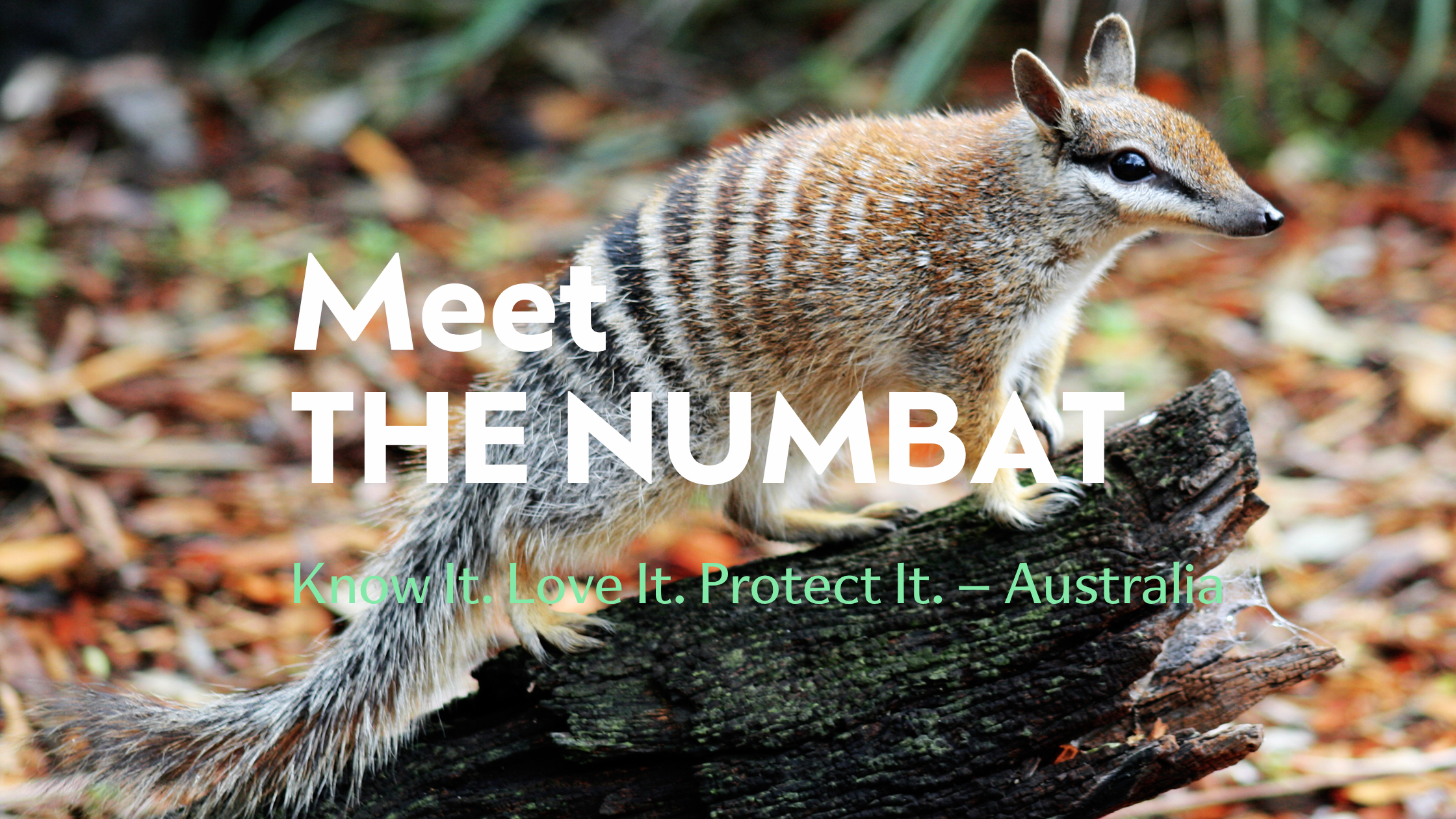
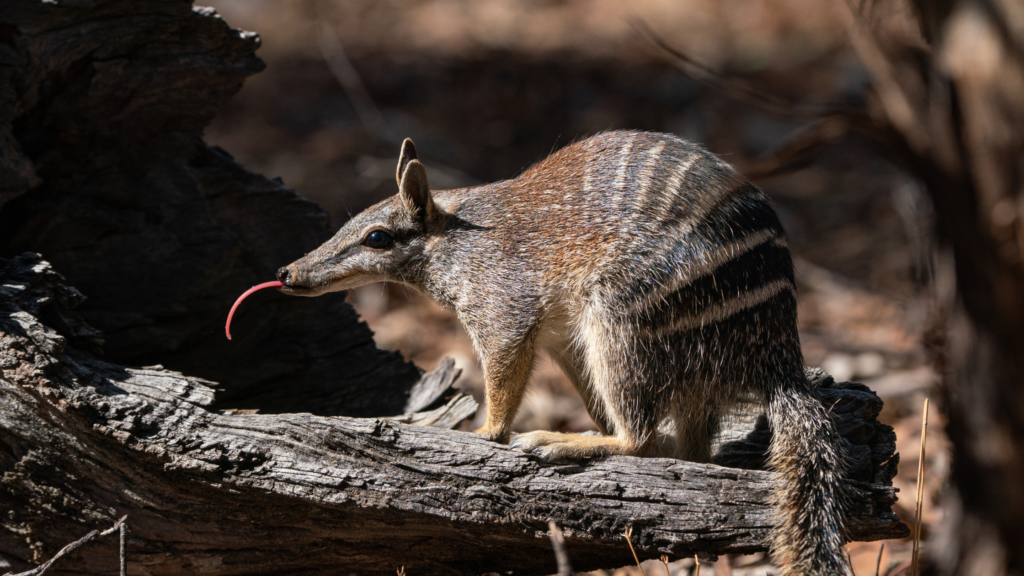
One of Australia’s most distinctive marsupials, the Numbat is a small, striped mammal that has become a symbol of resilience and conservation success.
Found in pockets of native woodland and forest, this remarkable species is perfectly adapted to life as a termite specialist, using its long, sticky tongue and sharp claws to hunt its favourite food.
It is a reminder that some of Australia’s most extraordinary wildlife can also be among its most vulnerable.
Why it matters
The Numbat plays an important role in Australia’s ecosystems.
🪱 It helps regulate termite populations by feeding almost exclusively on termites
🌳 It forms part of the complex food webs that support healthy woodland ecosystems
🌏 Its presence highlights the importance of protecting native habitats and ecological connections
🌿 Its recovery efforts have become a symbol of broader conservation initiatives across Australia
Although small in size, the Numbat demonstrates how every species contributes to the balance and health of natural systems.
Fun facts
🤓 Numbats have a diet that consists almost entirely of termites
🤓 They can consume up to 20,000 termites in a single day
🤓 They are largely solitary animals and spend much of their time sheltering in hollow logs and burrows
🤓 Their long, sticky tongue is specially adapted to extracting termites from their nests
A deeper reflection
The Numbat challenges the assumption that Australia’s iconic wildlife is secure.
Once widespread across southern Australia, the species has experienced significant declines due to habitat loss, land clearing and predation by introduced species.
Its story highlights both the fragility of native ecosystems and the importance of targeted conservation efforts.
In a country with more than 600,000 native species, many found nowhere else on Earth, the Numbat reminds us that protecting biodiversity requires safeguarding the habitats and ecological relationships that allow species to survive.
How we manage our landscapes, support conservation programs and share space with wildlife will shape the future of this remarkable marsupial and the ecosystems it calls home.
From Wonder to Action
Learn & understand
Explore how biodiversity, climate, and land systems are deeply connected through our workshops with People For Nature.
Create your Nature Oasis
Plant native species to restore habitat and support the insects, birds, and wildlife that depend on them.
(Special thanks to Simon Andrews, Ambassador for People For Nature, for helping shape this story)
Biodiversity isn’t just a “nice-to-have” — it’s the foundation of our economy. From agriculture and tourism to supply chains and product innovation, healthy ecosystems underpin every business activity. Yet understanding the state of the world’s ecosystems can feel overwhelming. That’s where the IPBES reports come in — and why they are essential for Australian businesses.
What is IPBES?
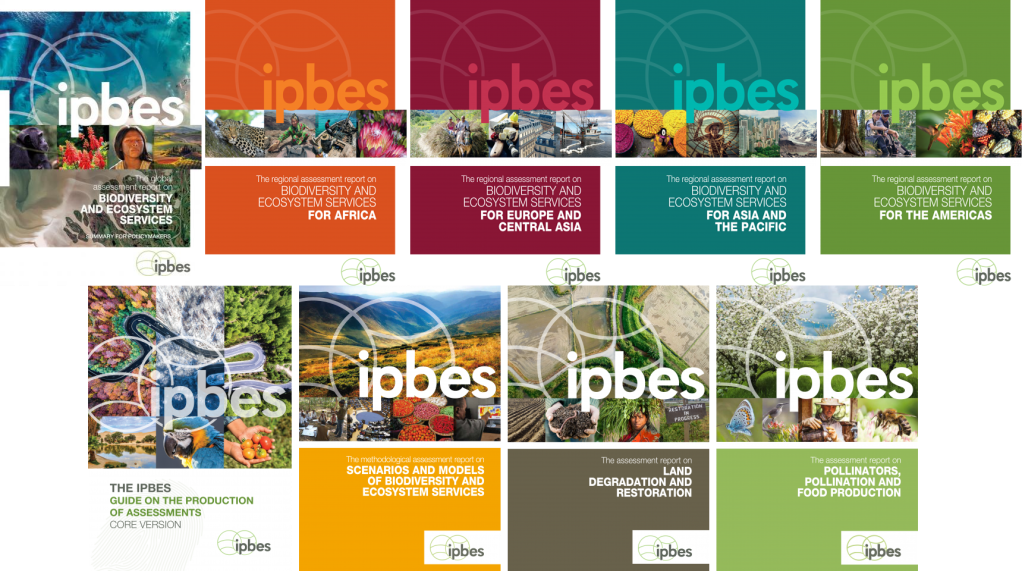
The Intergovernmental Science-Policy Platform on Biodiversity and Ecosystem Services (IPBES) is often called the “IPCC for nature.” Its mission is to provide scientifically rigorous assessments of the state of global biodiversity and the ecosystem services it provides — the benefits humans rely on, from clean water and fertile soil to pollination and climate regulation.
IPBES reports identify the drivers of biodiversity loss, the consequences for society and the economy, and the urgent actions needed to safeguard nature. They translate complex science into actionable insights for governments, NGOs, and businesses.
Why IPBES Matters in Australia
Australia is home to some of the world’s most unique and fragile ecosystems. Its biodiversity is deeply tied to the economy:
Agriculture depends on healthy soils, pollinators, and water systems
Tourism relies on vibrant natural landscapes
Urban and resource development must account for ecosystem resilience
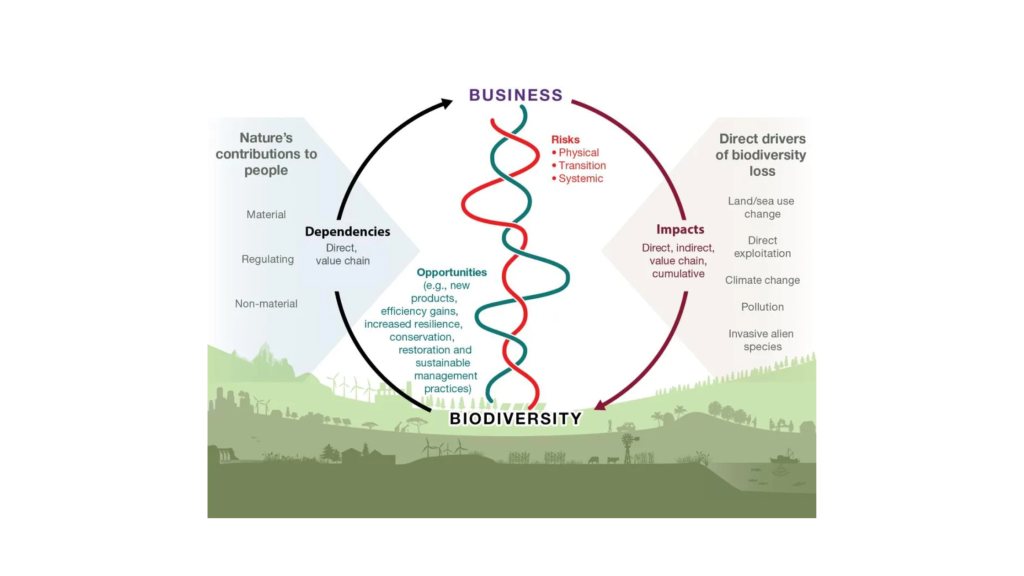
The IPBES reports highlight that biodiversity loss is not just an environmental problem — it’s an economic risk.
Ecosystem degradation threatens productivity, disrupts supply chains, and increases business exposure to regulatory and reputational risk. For Australian companies, this makes understanding and acting on biodiversity critical.
Why Businesses Must Pay Attention
Biodiversity underpins every product and service. A business that ignores the state of ecosystems is exposing itself to hidden risks:
Supply chain disruption from resource scarcity or species loss
Increased operational costs due to degraded ecosystems
Reduced resilience to climate impacts
Reputational damage as stakeholders demand responsible practices
The IPBES reports give businesses the evidence and guidance to identify these risks, make informed decisions, and invest in solutions that safeguard both nature and the bottom line.
Making Complex Science Digestible
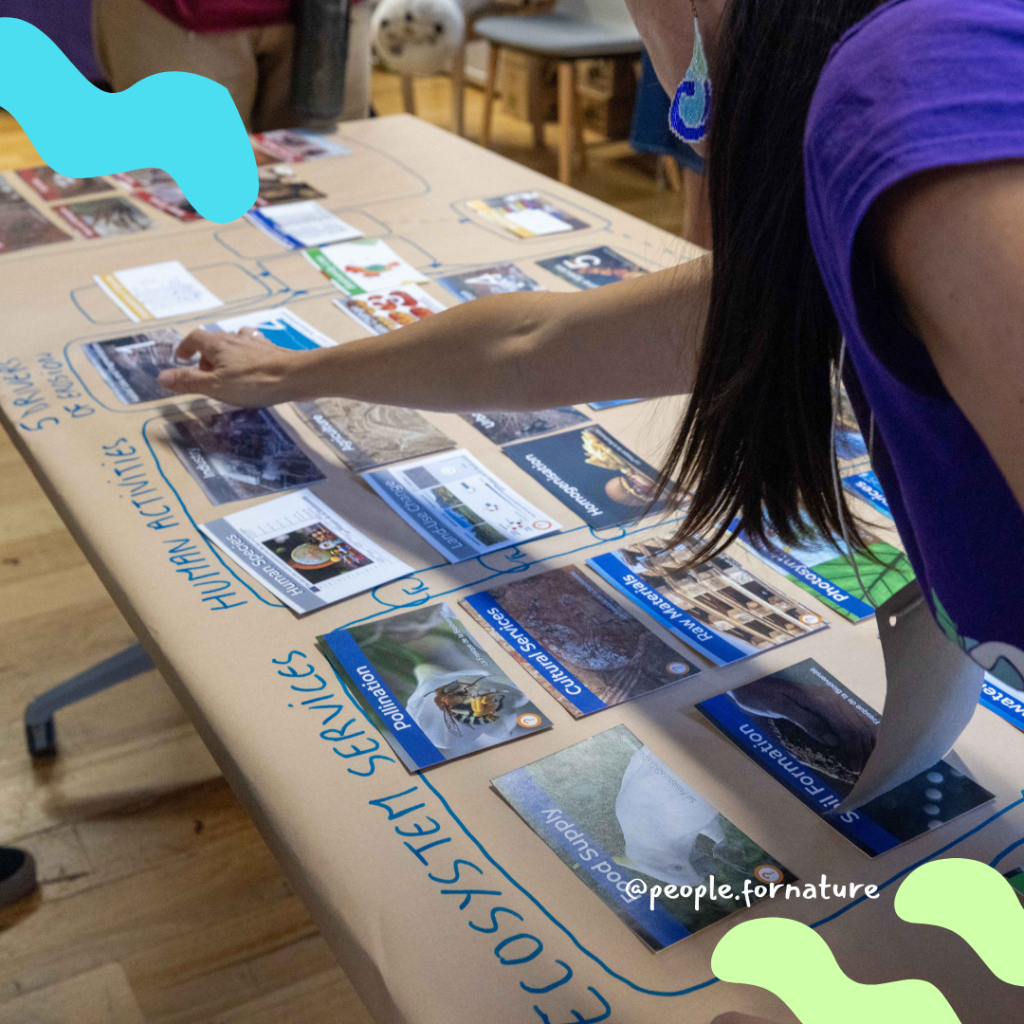
The challenge is that IPBES reports are dense and technical. That’s why tools like Biodiversity Collage (Fresque de la Biodiversité) are so valuable. Through interactive workshops, businesses can:
Understand the key findings of IPBES in a fun, visual way
Explore how their operations impact biodiversity
Identify practical solutions that reduce risk and improve resilience
Build team awareness and culture around sustainability
In short, Biodiversity Collage transforms complex science into actionable insights, helping teams make nature-informed decisions while fostering collaboration and engagement.
For Australian businesses, biodiversity is not optional — it’s a strategic asset. The IPBES reports provide the knowledge needed to understand the risks and opportunities. Tools like Biodiversity Collage make this science accessible, engaging, and actionable, empowering businesses to protect ecosystems, strengthen resilience, and future-proof their operations.
Investing in biodiversity knowledge isn’t just good for nature — it’s essential for the sustainability and success of business in Australia and beyond.
If you’re a business leader who wants to understand how biodiversity impacts your operations — and discover practical ways to build resilience while engaging your team — we’d love to have a conversation. Get in touch with us at People For Nature to explore how Biodiversity Collage can make these insights actionable for your organisation, turning complex science into real-world impact.
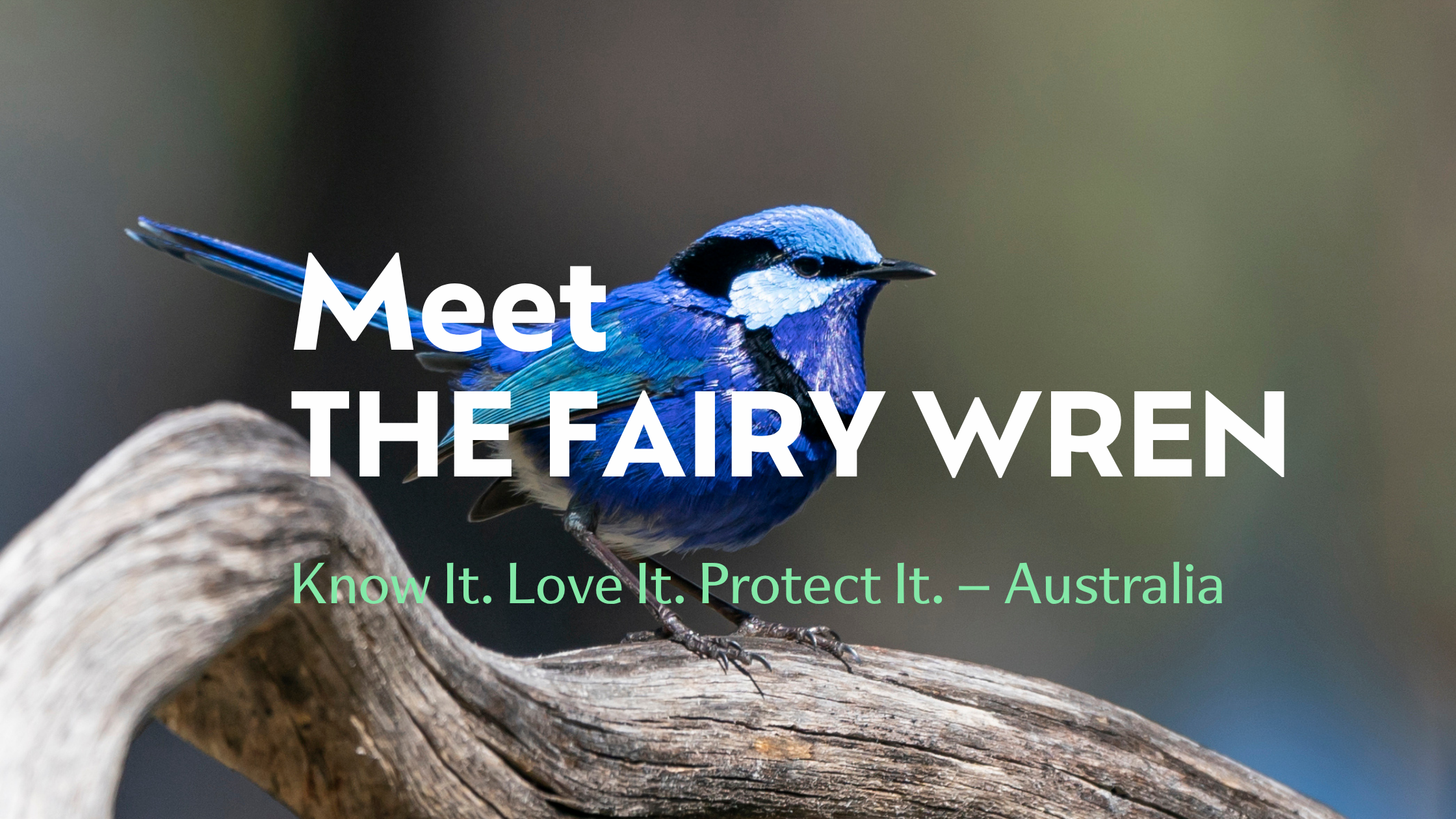
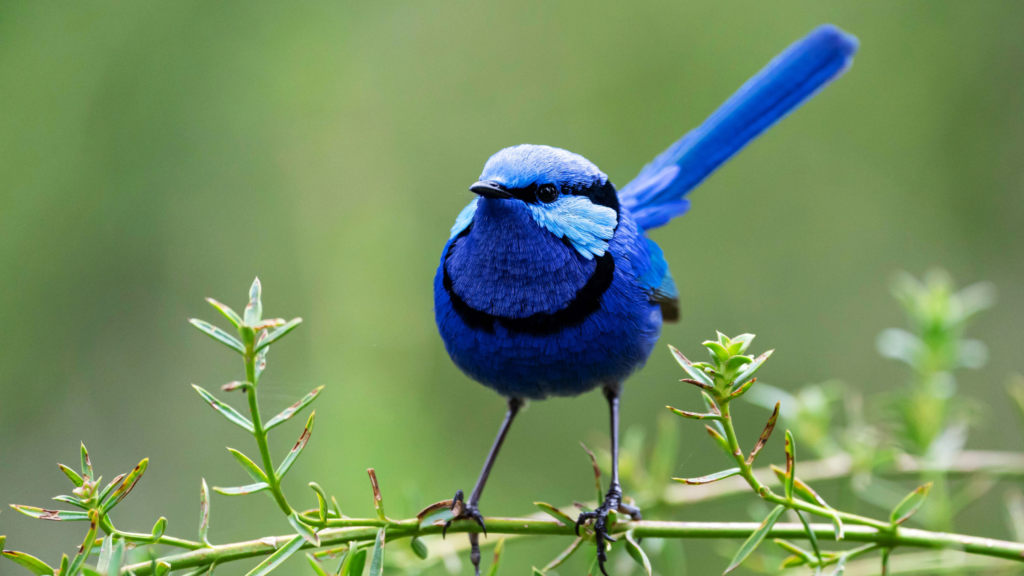
Small in size but bursting with colour and personality, the Fairy Wren is one of Australia’s most beloved native birds, known for its brilliant blue feathers and energetic behaviour.
Found across open forests and scrublands, these tiny birds are a familiar sight as they hop through dense vegetation in search of insects and shelter.
They are a reminder that some of Australia’s most captivating wildlife can be found in our own backyards.
Why it matters
Fairy Wrens play an important role in Australia’s ecosystems.
🪲 They feed on insects and other small invertebrates, helping maintain ecological balance
🌿 They rely on dense native vegetation, highlighting the importance of healthy understorey habitats
🕊️ They contribute to the rich diversity of birdlife that makes Australia’s landscapes so unique
🌏 Their presence can indicate the health and connectivity of native habitats
Although small, Fairy Wrens are an important part of the intricate web of life that supports healthy ecosystems.
Fun facts
🤓 Male Fairy Wrens develop striking bright blue plumage during the breeding season
🤓 They live in cooperative social groups and are often seen foraging together
🤓 Their songs are surprisingly complex and play an important role in communication
🤓 Despite their delicate appearance, Fairy Wrens are active and highly adaptable birds
The Fairy Wren reminds us that biodiversity is often found in the small and familiar species we encounter every day.
A deeper reflection
These birds depend on dense native vegetation for protection from predators and access to food, making them particularly sensitive to changes in habitat quality.
As urban development, habitat fragmentation and introduced predators continue to alter Australia’s landscapes, creating and protecting suitable habitat becomes increasingly important.
In a country with more than 600,000 native species, many found nowhere else on Earth, the Fairy Wren is a reminder that conserving biodiversity begins with caring for the everyday places where nature persists.
How we manage our gardens, parks and native vegetation can have a meaningful impact on the future of these delightful birds.
From Wonder to Action
Learn & understand
Explore how biodiversity, climate, and land systems are deeply connected through our workshops with People For Nature.
Create your Nature Oasis
Plant native species to restore habitat and support the insects, birds, and wildlife that depend on them.
Join citizen science
Record native species around you on iNaturalist and contribute to real conservation data.
(Special thanks to Simon Andrews, Ambassador for People For Nature, for helping shape this story)
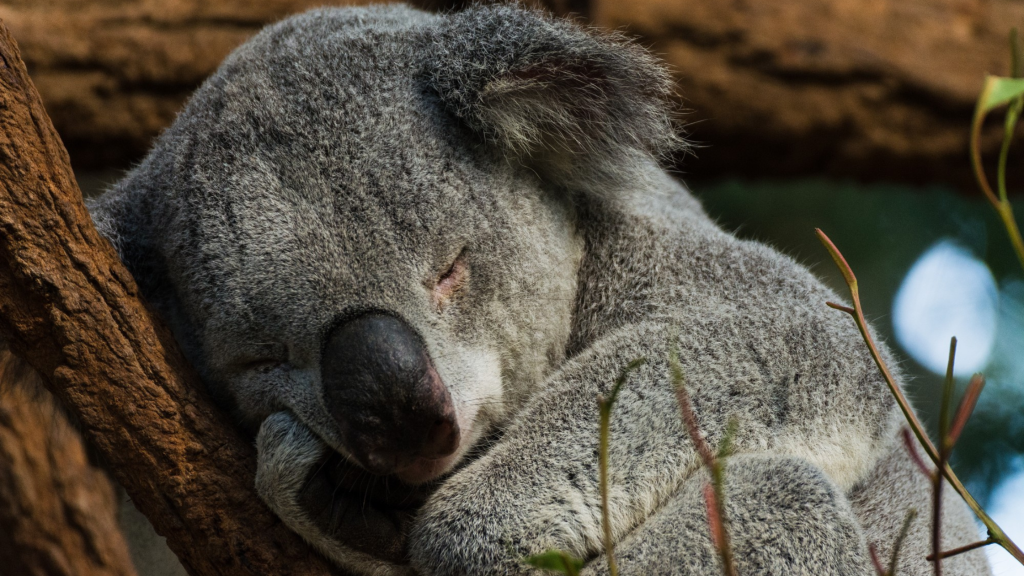
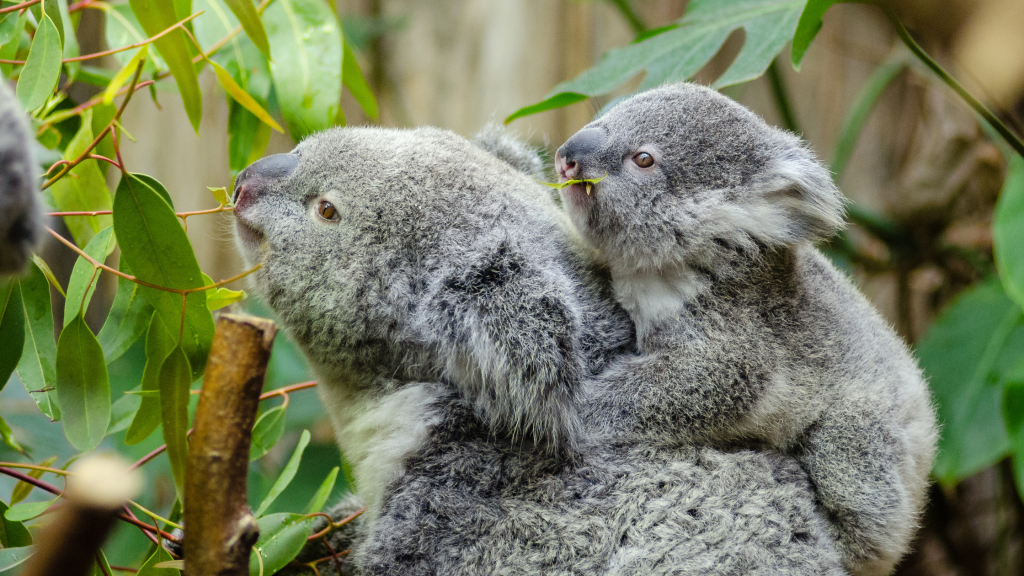
One of Australia’s most iconic animals, the Koala is a tree-dwelling marsupial known for its fluffy ears, button nose and calm demeanour.
Found in eucalyptus forests along Australia’s eastern and southern coasts, the Koala has become a global symbol of the country’s unique wildlife and the extraordinary species found nowhere else on Earth.
It is a reminder that Australia’s biodiversity is both internationally celebrated and increasingly vulnerable.
Why it matters
Koalas play an important role in Australia’s forest ecosystems.
🌿 They are closely linked to the health of eucalyptus forests, relying on these habitats for both food and shelter
🌿 Their presence can indicate the health and connectivity of native forest ecosystems
🌿 They help draw attention to the importance of protecting Australia’s biodiversity-rich landscapes
🌿 Their conservation supports the protection of countless other species that share their habitat
As an iconic umbrella species, protecting koalas also helps safeguard the broader ecosystems on which many native plants and animals depend.
Fun facts
🤓 Koalas can sleep for up to 20 hours a day to conserve energy from their low-nutrient eucalyptus diet
🤓 Their sharp claws and strong limbs make them expert tree climbers perfectly adapted to life in the canopy
🤓 Every Koala has a unique nose pattern, much like a human fingerprint
🤓 Despite their cuddly appearance, koalas are highly specialised animals with diets limited to a relatively small number of eucalyptus species
A deeper reflection
The koala challenges the assumption that familiar and beloved species are automatically secure.
Despite being one of Australia’s most recognised animals, koala populations continue to face significant pressures from habitat loss, land clearing, road mortality, bushfires and climate change.
Their decline highlights how quickly even iconic species can become vulnerable when the ecosystems they depend upon are degraded.
In a country with more than 600,000 native species, many found nowhere else on Earth, the Koala reminds us that biodiversity conservation is not just about protecting rare species, but also ensuring that our most treasured wildlife remains part of Australia’s future.
How we care for eucalyptus forests today will shape whether future generations inherit a landscape that still echoes with the presence of this national treasure.
From Wonder to Action
Learn & understand
Explore how biodiversity, climate, and land systems are deeply connected through our workshops with People For Nature.
Create your Nature Oasis
Plant native species to restore habitat and support the insects, birds and wildlife that depend on them.
Join citizen science
Record native species around you on iNaturalist and contribute to real conservation data.
(Special thanks to Simon Andrews, Ambassador for People For Nature, for helping shape this story)
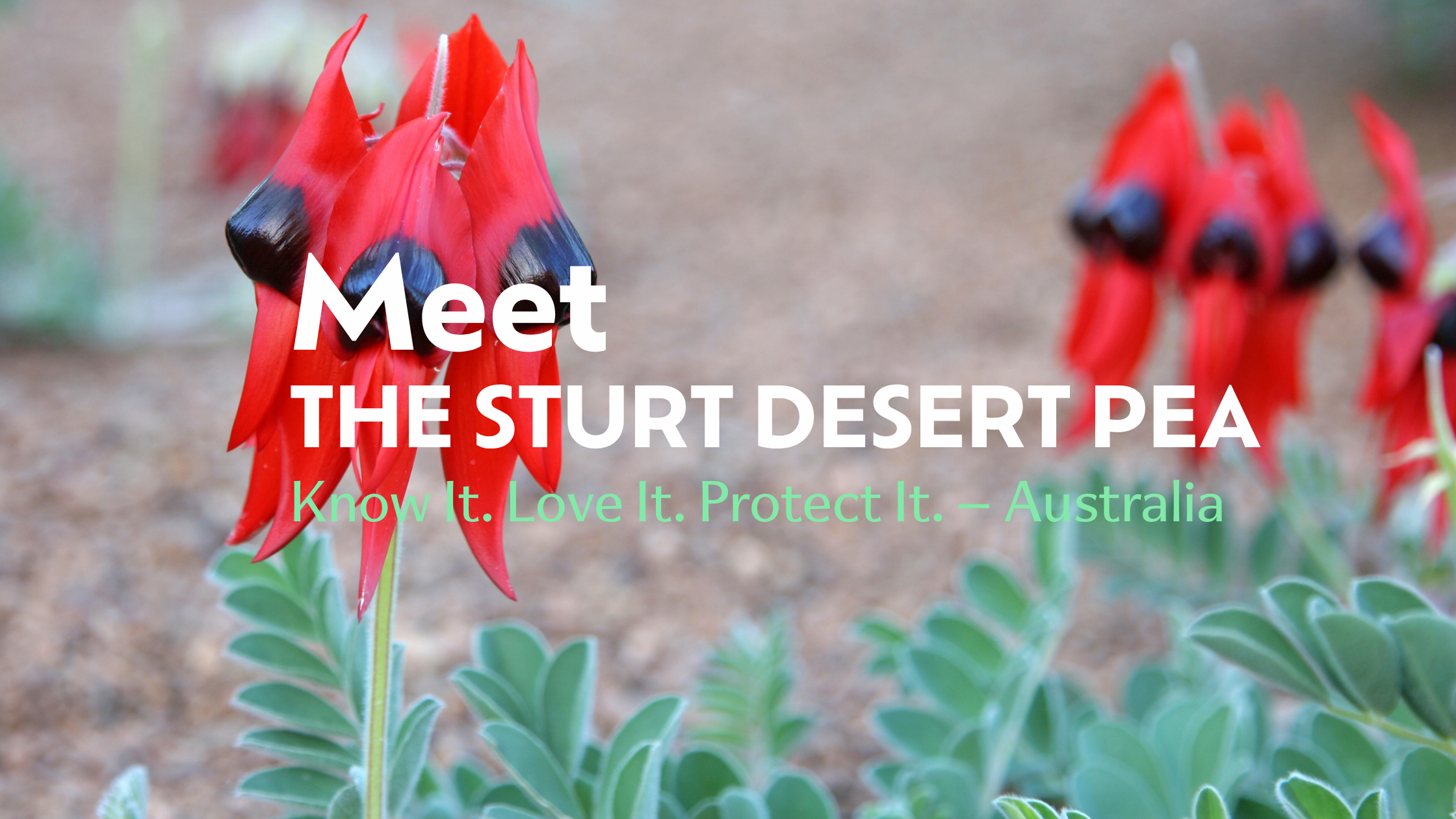
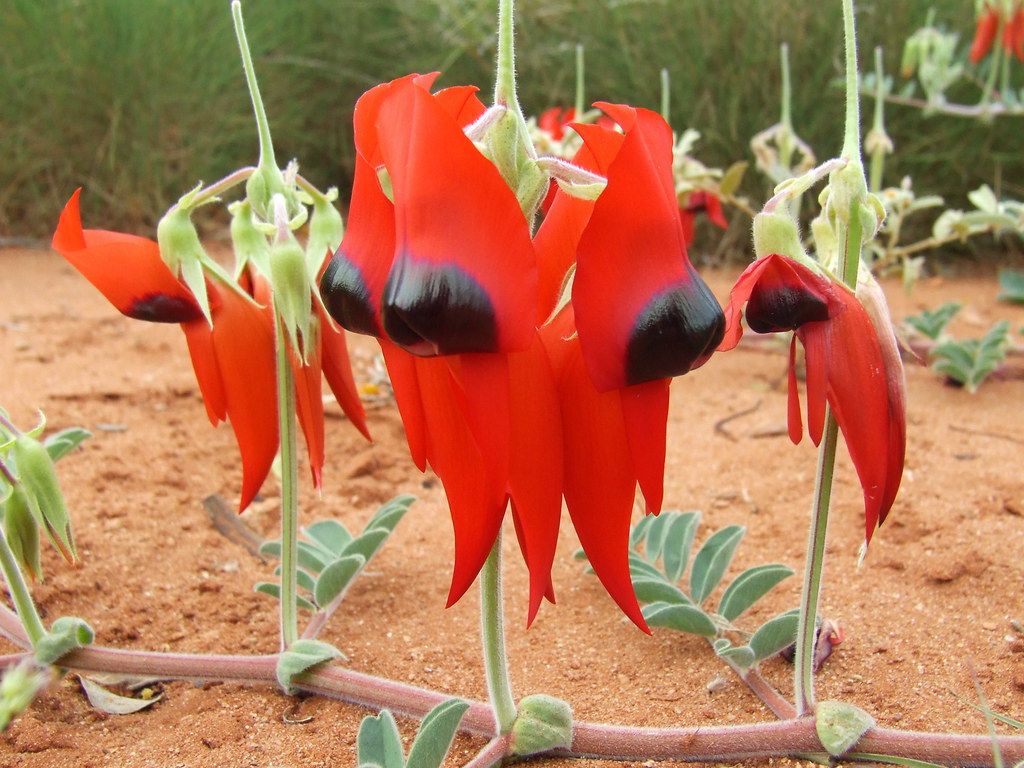
One of Australia’s most striking native flowers, the Sturt’s Desert Pea is instantly recognisable for its vibrant red petals and distinctive black centres that stand out against the arid landscapes it calls home.
Found in some of the country’s harshest environments, this iconic wildflower has evolved remarkable adaptations that allow it to survive and flourish where many other plants cannot.
It is a powerful symbol of resilience and the extraordinary diversity of life that has adapted to Australia’s unique conditions.
Why it matters
The Sturt’s Desert Pea is an important part of Australia’s arid ecosystems.
🦗 It provides food and resources for native insects and other wildlife
🌱 Its deep roots help it survive prolonged dry periods and contribute to the resilience of desert plant communities
🕸️ It forms part of the complex web of species that support healthy arid landscapes
🦎 It highlights the remarkable adaptations that have evolved in response to Australia’s challenging environments
Although deserts can appear harsh and lifeless, species such as the Sturt’s Desert Pea reveal them to be dynamic ecosystems rich in biodiversity.
Fun facts
🤓 Sturt’s Desert Pea is the floral emblem of South Australia and symbolises resilience and survival in tough conditions
🤓 Its long roots allow it to access deep water reserves and bloom even during drought
🤓 The flower was named after nineteenth-century explorer Charles Sturt, who noted its beauty during his travels
🤓 Its vivid red and black flowers have made it one of Australia’s most iconic and celebrated native plants
A deeper reflection
The Sturt’s Desert Pea challenges the perception that Australia’s deserts are barren landscapes with little ecological value.
Arid regions support an extraordinary range of specialised plants and animals that have evolved to survive under some of the most demanding conditions on Earth.
Yet these ecosystems face growing pressures from habitat degradation, invasive species and a changing climate.
In a country with more than 600,000 native species, many found nowhere else on Earth, the Sturt’s Desert Pea reminds us that biodiversity extends far beyond rainforests and coastlines and thrives even in the driest corners of the continent.
How we care for Australia’s arid landscapes today will determine the future of many remarkable species that depend on them.
From Wonder to Action
Learn & understand
Explore how biodiversity, climate, and land systems are deeply connected through our workshops with People For Nature.
Create your Nature Oasis
Plant native species to restore habitat and support the insects, birds, and wildlife that depend on them.
Join citizen science
Record native species around you on iNaturalist and contribute to real conservation data.
(Special thanks to Simon Andrews, Ambassador for People For Nature, for helping shape this story)
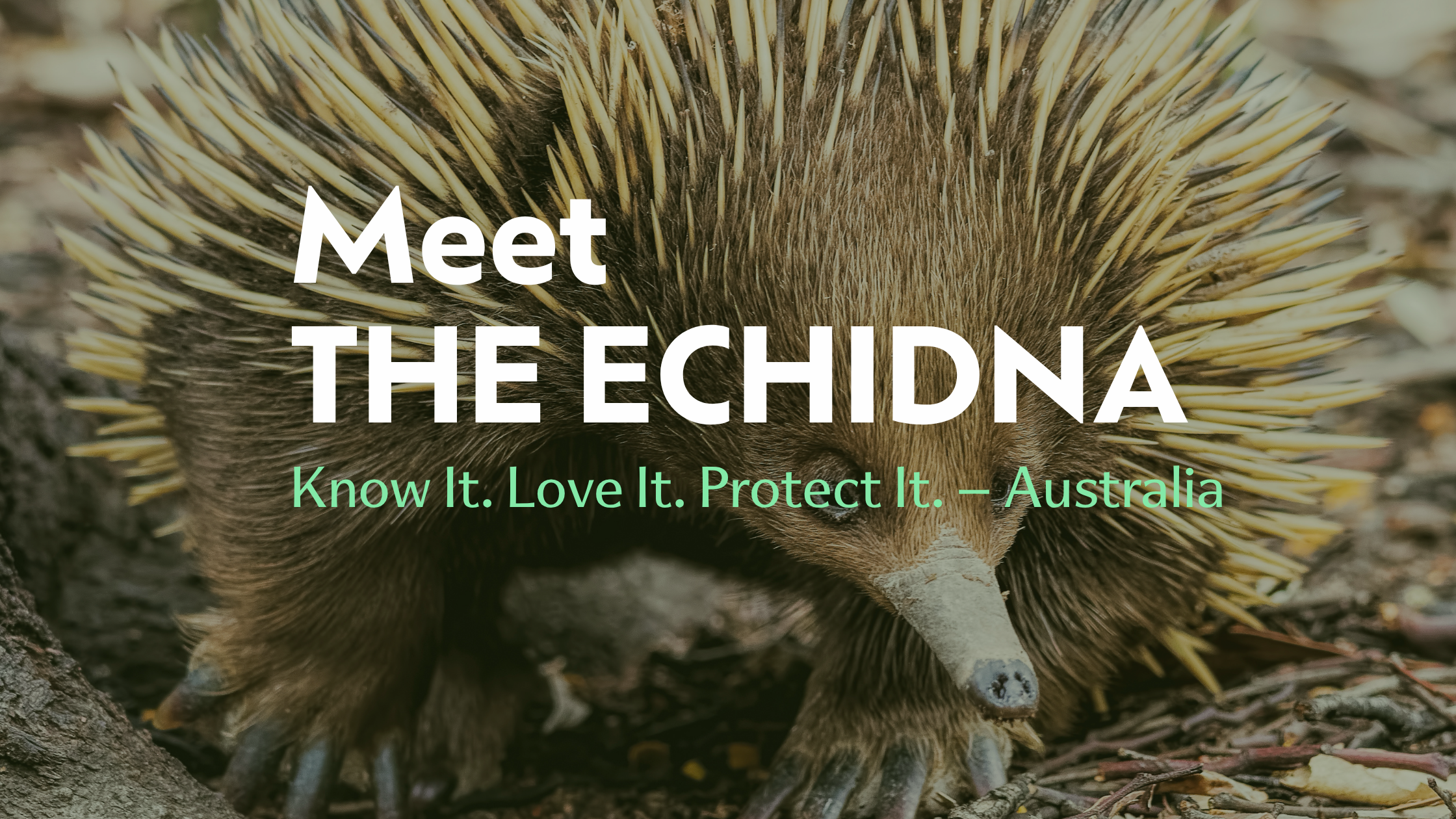
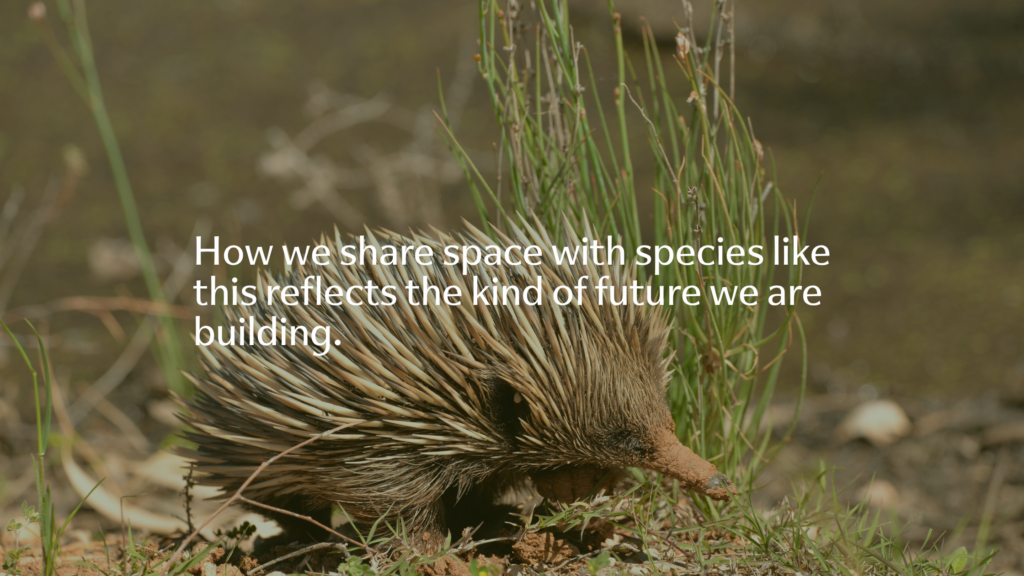
A living link to Australia’s ancient past, the echidna is one of the world’s most extraordinary mammals and one of only two egg-laying mammals on Earth, alongside the platypus.
Often overlooked as it quietly moves through forests, grasslands and even suburban backyards, this spiny species belongs to one of the oldest surviving mammal lineages on the planet: the monotremes.
It is a reminder that Australia is not just home to unique wildlife, it is home to deep evolutionary history still alive today.
Why it matters
The echidna plays an important ecological role far beyond what its quiet presence suggests.
🐜 It feeds on ants and termites hidden beneath soil and logs
🕳️ Its constant digging aerates soil and improves structure
🍂 It helps cycle organic matter back into the earth
🌱 Its activity supports seed burial and carbon storage in soils
In doing so, the echidna contributes to the health of entire ecosystems, from soil fertility to vegetation growth and carbon dynamics.
It is a small animal with a large ecological footprint.
Fun facts
🤓 Echidnas lay eggs, one of the rarest reproductive strategies among mammals
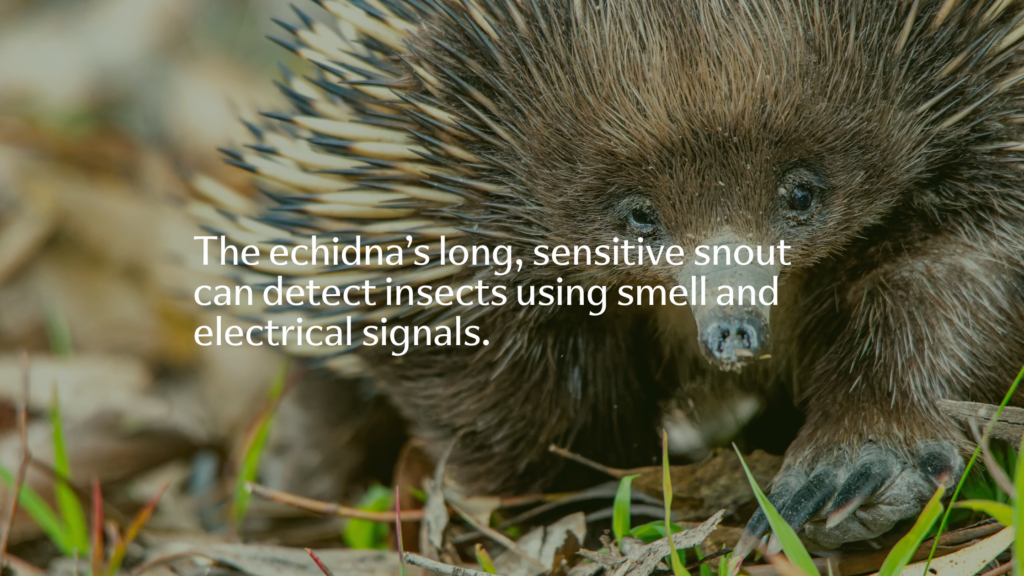
🤓 Their long, sensitive snout can detect insects using smell and electrical signals
🤓 During mating season, males may follow a female in a line known as an “echidna train”
🤓 They have survived largely unchanged for millions of years
A deeper reflection
The echidna challenges how we think about “primitive” and “advanced” in nature.
Despite its ancient lineage, it is highly adapted to modern Australian landscapes, surviving fires, droughts, and fragmented habitats.
But like many native species, it now faces pressure from:
😢 land clearing and habitat loss
😢 domestic dogs and road mortality
😢 changing fire regimes and climate stress
In a country with over 600,000 native species, most found nowhere else on Earth, the echidna is a quiet reminder that biodiversity is not just something we observe, it is something we are actively shaping.
How we share space with species like this reflects the kind of future we are building.
From Wonder to Action
Learn & understand Explore how biodiversity, climate, and land systems are deeply connected through our workshops with People For Nature.
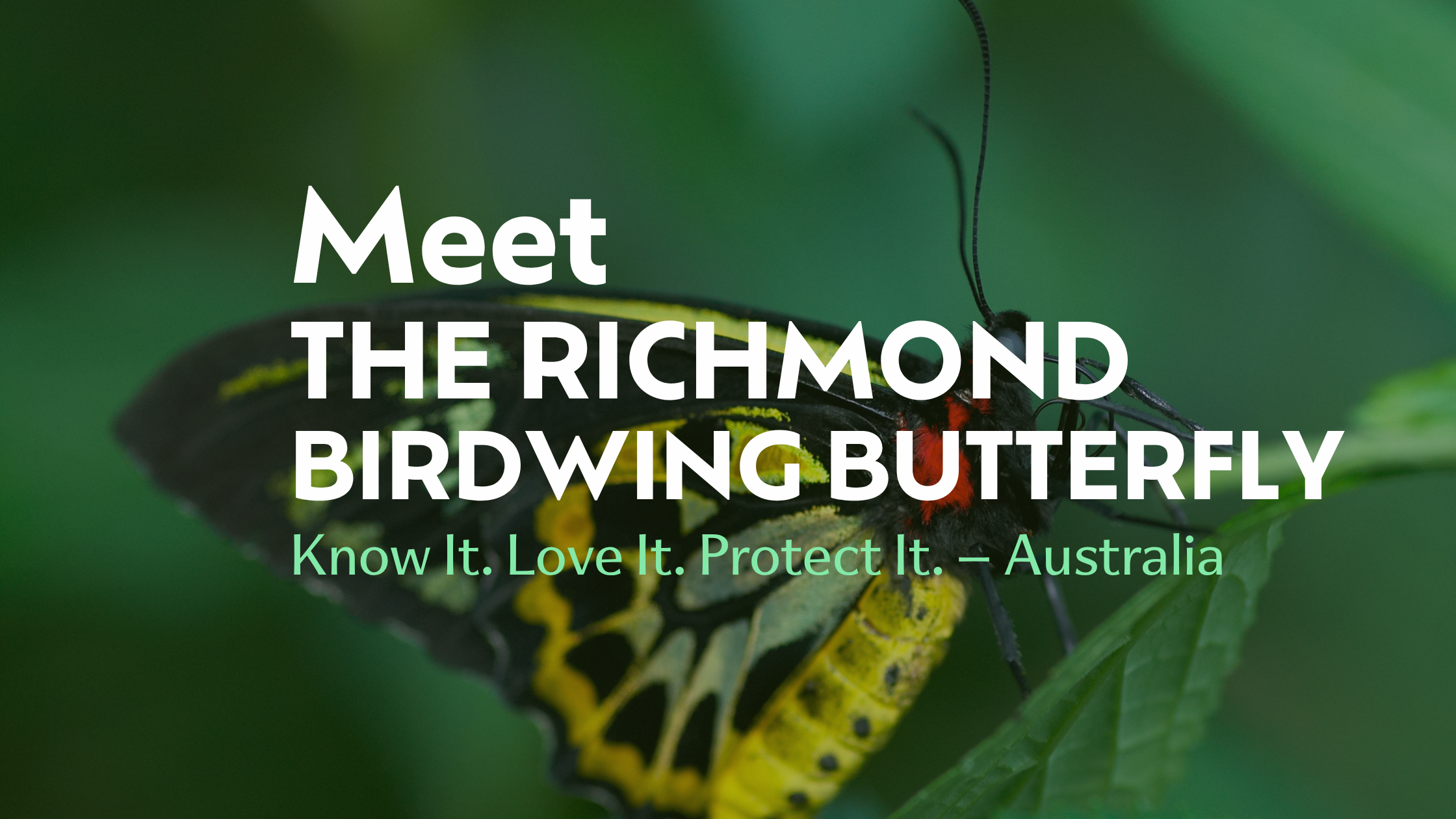
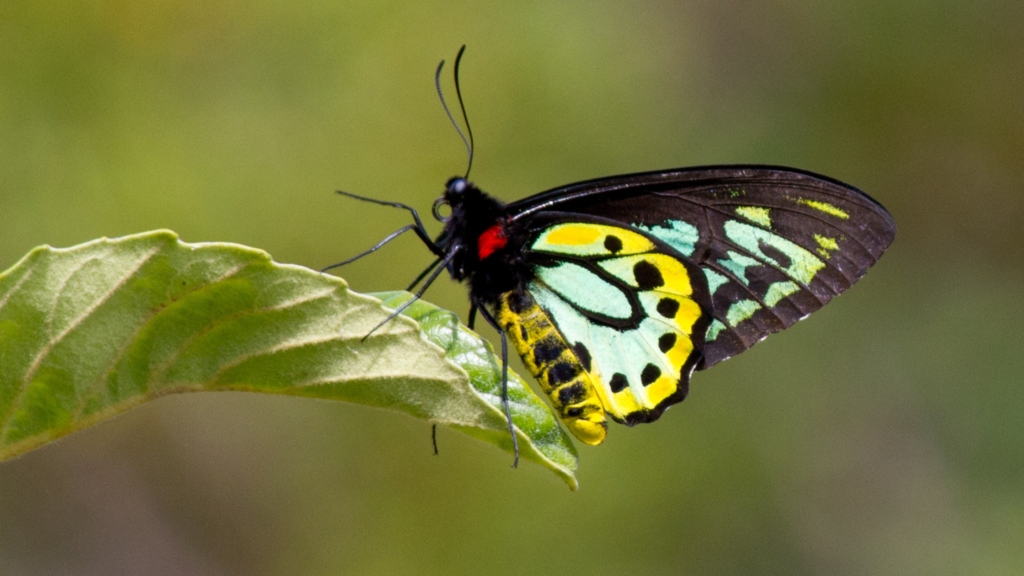
One of Australia’s most spectacular insects, the Richmond Birdwing Butterfly is among the country’s largest butterflies and is found only in the rainforests of Queensland and northern New South Wales.
With its striking colours and impressive size, this beautiful species has become a symbol of the unique biodiversity that makes Australia’s rainforests so special.
It is also a reminder that even some of our most iconic species can be vulnerable to environmental change.
Why it matters
The Richmond Birdwing Butterfly plays an important role in the health of rainforest ecosystems.
🦋 Adult butterflies feed on nectar from a wide variety of native and introduced flowering plants
🌼 They contribute to pollination and support the reproduction of many plant species
🌳 Their lifecycle is closely linked to the health of rainforest habitats
🌏 Their recovery is seen as symbolic of broader efforts to protect Australia’s unique biodiversity
As both pollinators and indicators of ecosystem health, Richmond Birdwing Butterflies highlight the importance of conserving interconnected natural systems.
Fun facts
🤓 The Richmond Birdwing Butterfly has a close relationship with the native Birdwing Vine (Pararistolochia praevenosa), which is the sole food source for its larvae
🤓 The Birdwing Vine contains aristolochic acid, making the caterpillars toxic to vertebrate predators
🤓 Despite this defence, the caterpillars can still fall prey to other invertebrates, including other larvae
🤓 Adult butterflies prefer feeding on white and red flowers, including native frangipani, lilly pillies and hibiscus
A deeper reflection
The Richmond Birdwing Butterfly reminds us that no species exists in isolation.
Its survival depends entirely on the presence of a single native vine, demonstrating how deeply interconnected biodiversity can be.
Yet habitat destruction, climate change and the introduction of non-native plants have significantly restricted the butterfly’s range and placed increasing pressure on its future.
In a country with more than 600,000 native species, many found nowhere else on Earth, the Richmond Birdwing Butterfly is a powerful example of why conservation is about protecting relationships between species as much as protecting individual plants and animals.
How we care for rainforests and native habitats today will determine whether future generations can continue to witness one of Australia’s most beautiful butterflies.
From Wonder to Action
Learn & understand
Explore how biodiversity, climate, and land systems are deeply connected through our workshops with People For Nature.
Create your Nature Oasis
Plant native species to restore habitat and support the insects, birds, and wildlife that depend on them.
Join citizen science
Record native species around you on iNaturalist and contribute to real conservation data.
(Special thanks to Simon Andrews, Ambassador for People For Nature, for helping shape this story)
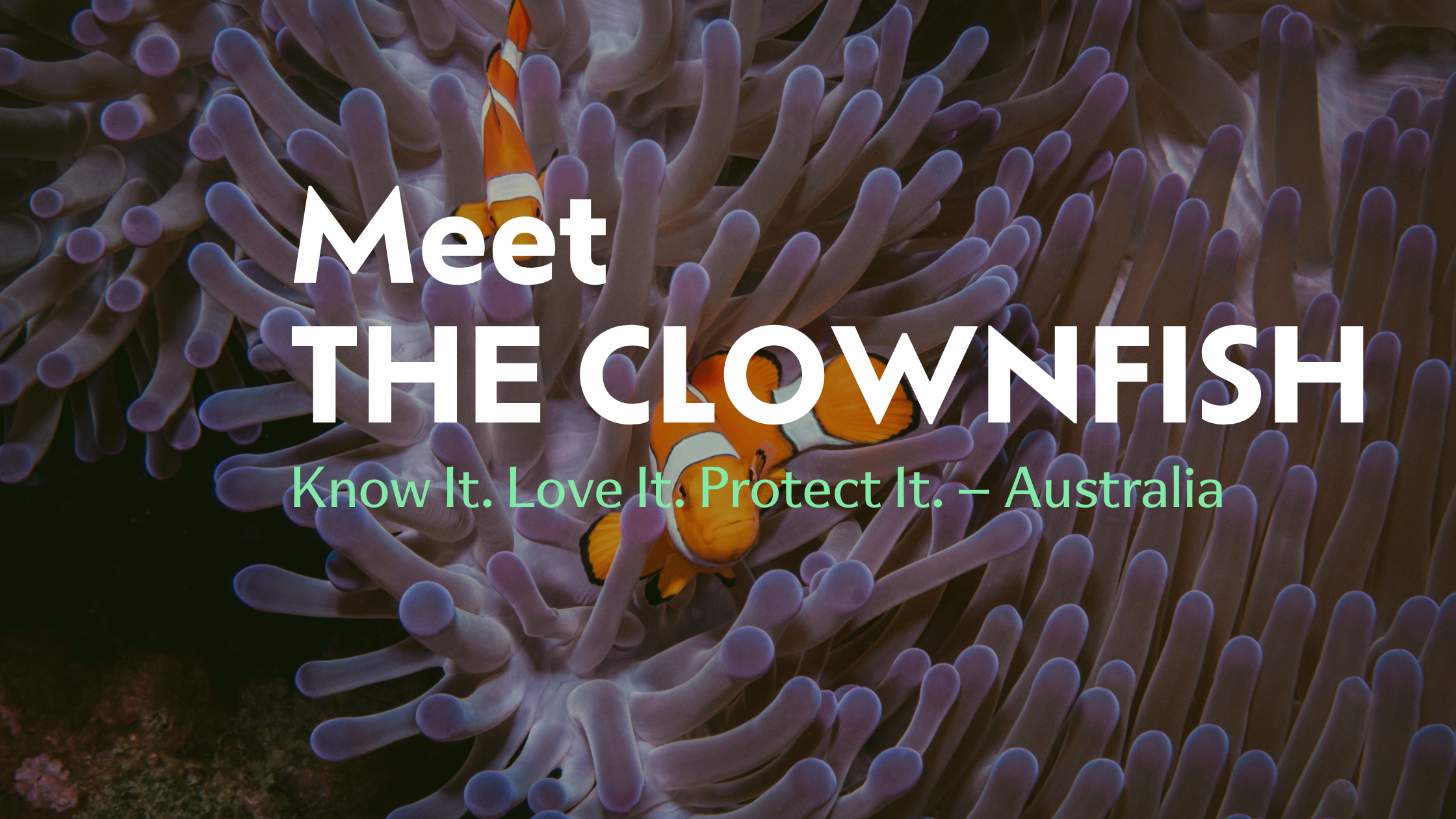
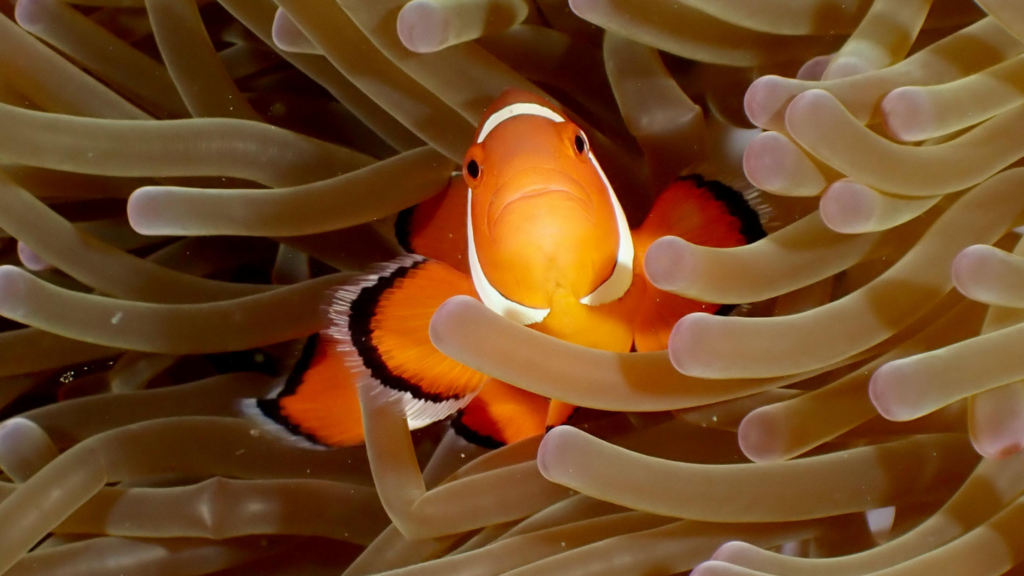
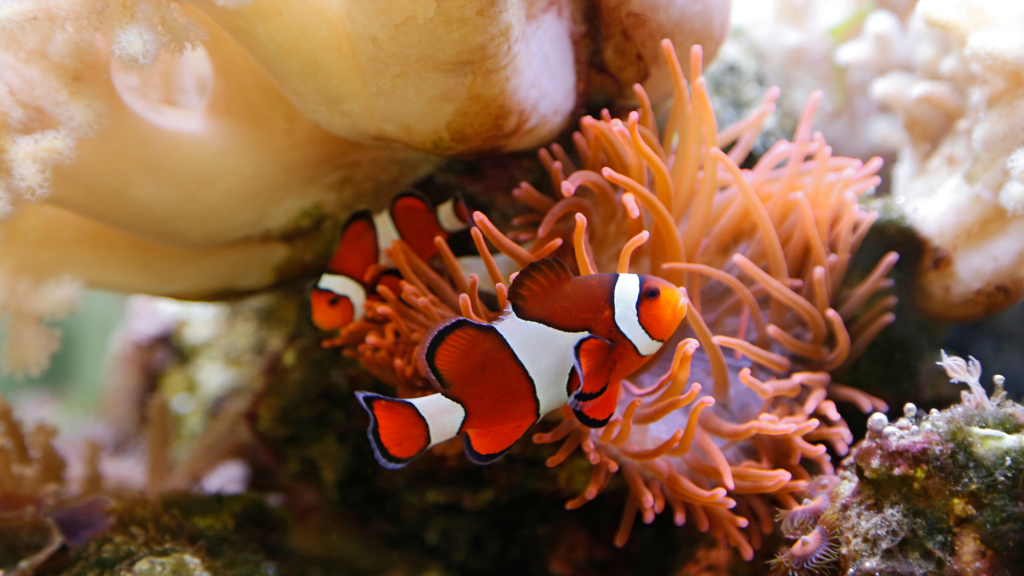
Made famous by the animated film Finding Nemo, the Clownfish is one of the world’s most recognisable marine species and a fascinating example of the remarkable life found on Australia’s Great Barrier Reef.
Also known as the Eastern Clown Anemonefish, Amphiprion percula is a small, brightly coloured fish that lives among coral reefs and shallow lagoons, where it forms a unique partnership with sea anemones.
It is a reminder that some of nature’s most extraordinary relationships can be found beneath the ocean’s surface.
Why it matters
The Clownfish plays an important role in the health and functioning of coral reef ecosystems.
🐠 It forms a mutualistic relationship with sea anemones, with both species benefiting from the partnership
🧼 It helps provide nutrients to its host anemone and keeps it clean
🪸 It is part of the intricate web of relationships that support the biodiversity of coral reefs
🌊 It highlights the importance of healthy reef systems that sustain thousands of marine species
Through its relationship with sea anemones, the Clownfish demonstrates how interconnected life in the ocean truly is.
Fun facts
🤓 Clownfish can live safely among the venomous tentacles of sea anemones because they have a protective coating on their bodies
🤓 They live in groups organised around a dominant female
🤓 All Clownfish are born male
🤓 If the dominant female dies, the dominant male can change sex and take her place within the group
A deeper reflection
The Clownfish challenges the idea that survival in nature is always based on competition.
Its partnership with sea anemones shows that cooperation and interdependence are also powerful forces that shape the natural world.
Yet the future of this remarkable species is closely tied to the health of coral reefs, which are increasingly under pressure from coral bleaching, habitat loss and rising sea temperatures.
In a country with more than 600,000 native species, many found nowhere else on Earth, the Clownfish is a reminder that protecting biodiversity means protecting the relationships that sustain entire ecosystems.
How we respond to the challenges facing our oceans will shape the future of one of Australia’s most colourful and charismatic marine species.
From Wonder to Action
Learn & understand
Explore how biodiversity, climate, and land systems are deeply connected through our workshops with People For Nature.
Create your Nature Oasis
Plant native species to restore habitat and support the insects, birds, and wildlife that depend on them.
Join citizen science
Record native species around you on iNaturalist and contribute to real conservation data.
(Special thanks to Simon Andrews, Ambassador for People For Nature, for helping shape this story)
References:
Australian Museum. Clown Anemonefish (Amphiprion percula).