Category: Kids

  • Shaping Our Future Youth Summit – Newcastle

    Shaping Our Future Youth Summit – Newcastle

    University of Newcastle | 12 June 2026

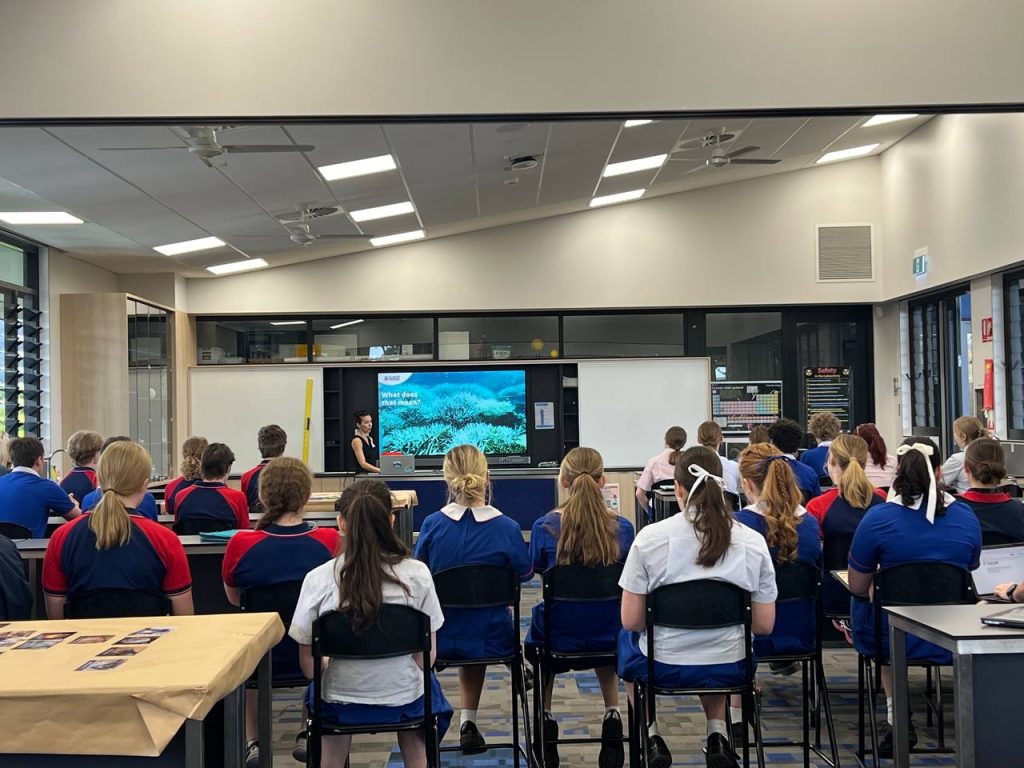
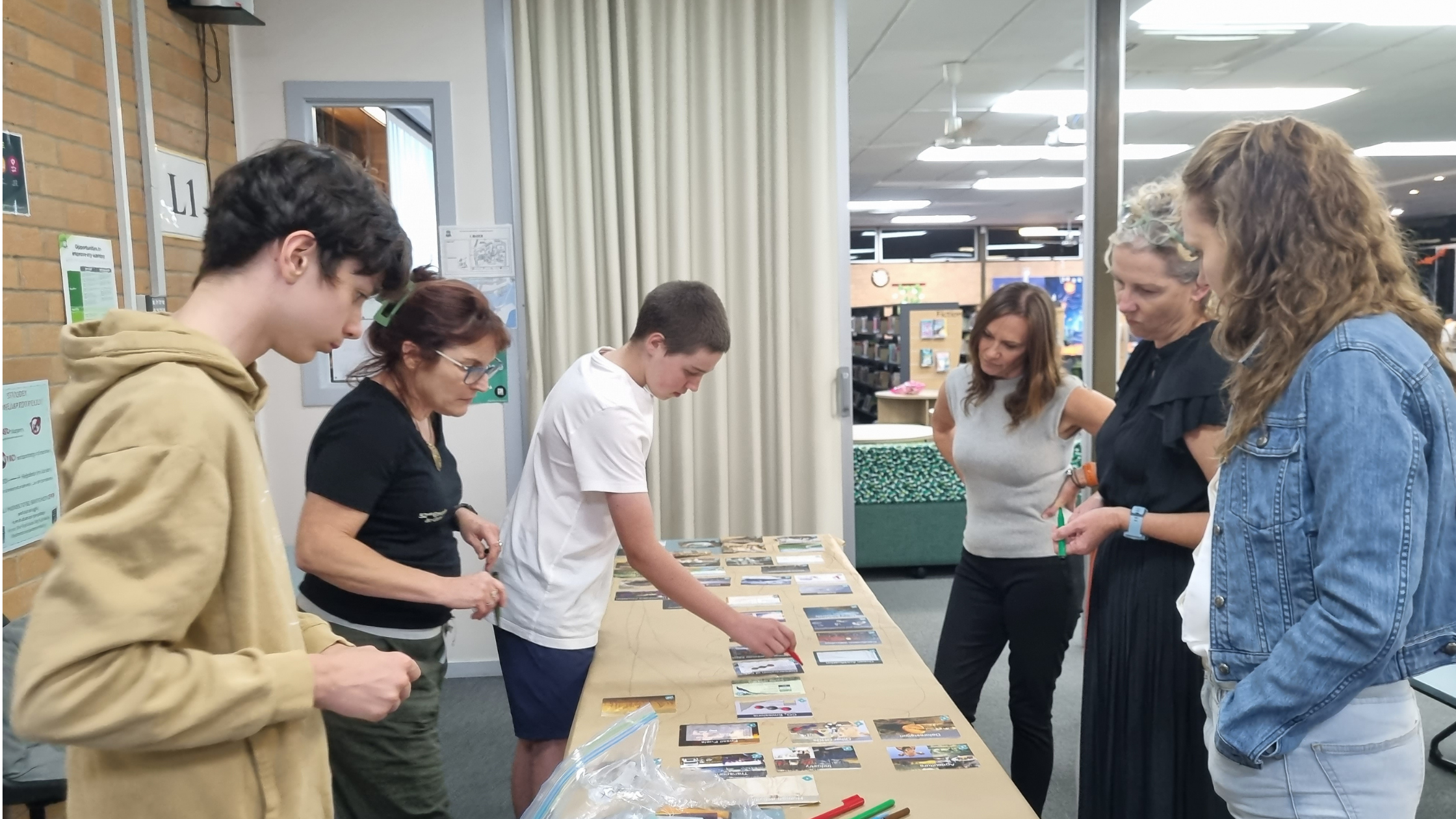
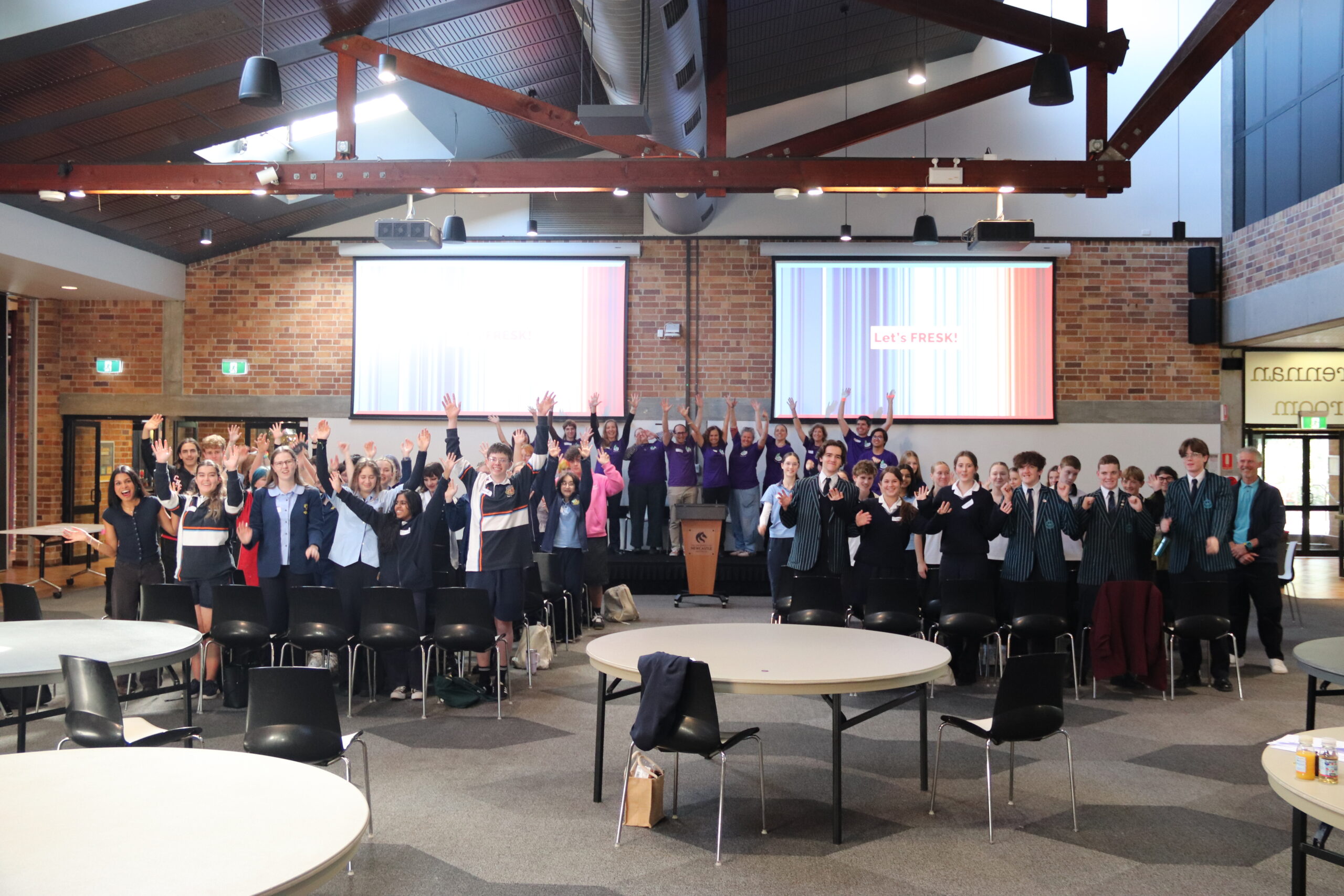
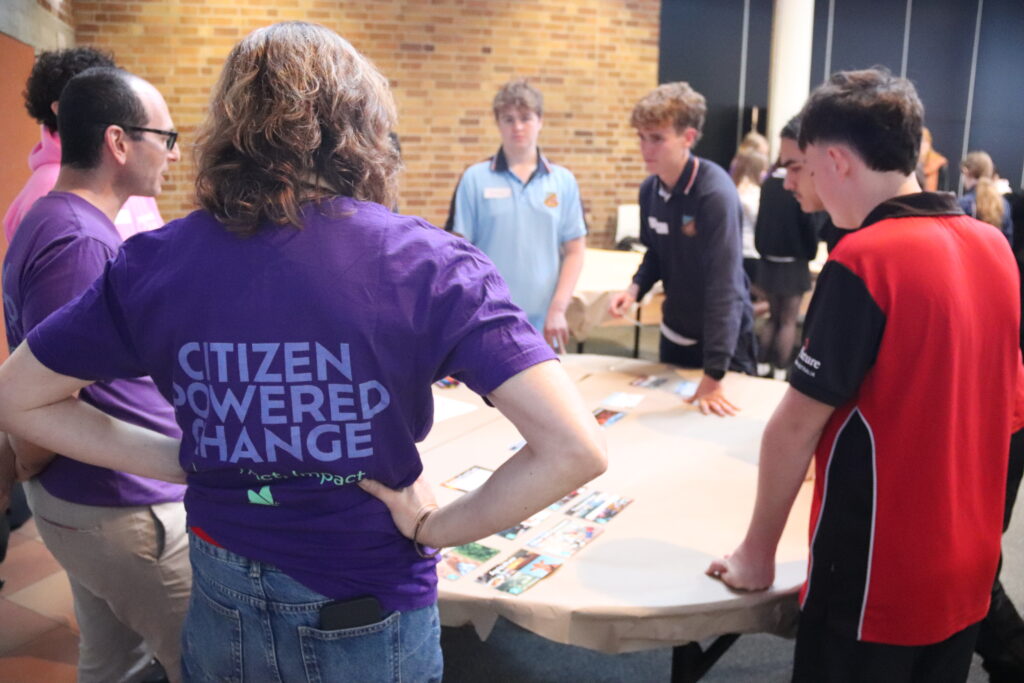
    On 12 June 2026, the University of Newcastle hosted the inaugural Shaping Our Future Youth Summit, bringing together 48 students from Years 9–12 across six Newcastle region high schools.

    Designed to empower young people to better understand the climate crisis, strengthen emotional resilience, and explore pathways for action, the Summit offered a deeply interactive and hopeful day of learning, reflection, and collaboration.

    A day of learning, connection, and action

    The Summit was built around five interconnected experiences:

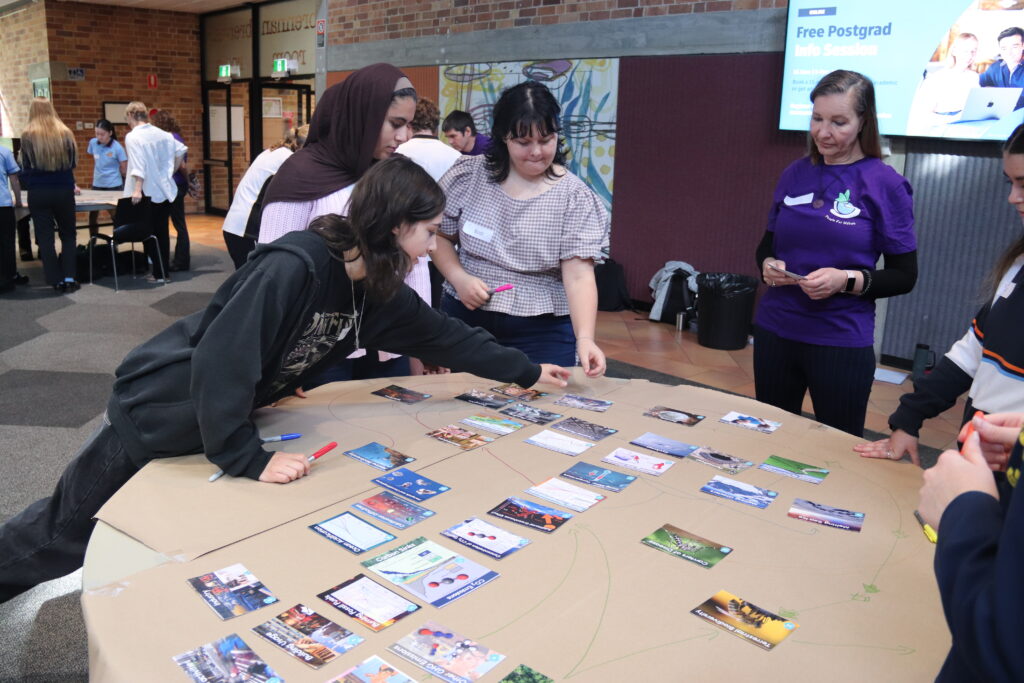
    • Climate Fresk Workshop, facilitated by 11 trained facilitators
    • Ecomind Workshop, focused on climate emotions and eco-anxiety
    • Solutions & Actions Session, exploring youth-led responses to the climate crisis
    • Keynote speakers, Dr Brodie Beales and Ms Devni Edirisinghe
    • Future Studies Expo, showcasing seven University of Newcastle faculties and sustainability-related study pathways

    Students from different schools worked together throughout the day, building new connections, sharing perspectives, and engaging in collaborative discussions on some of the most pressing challenges of our time.
    Transformative learning through systems thinking

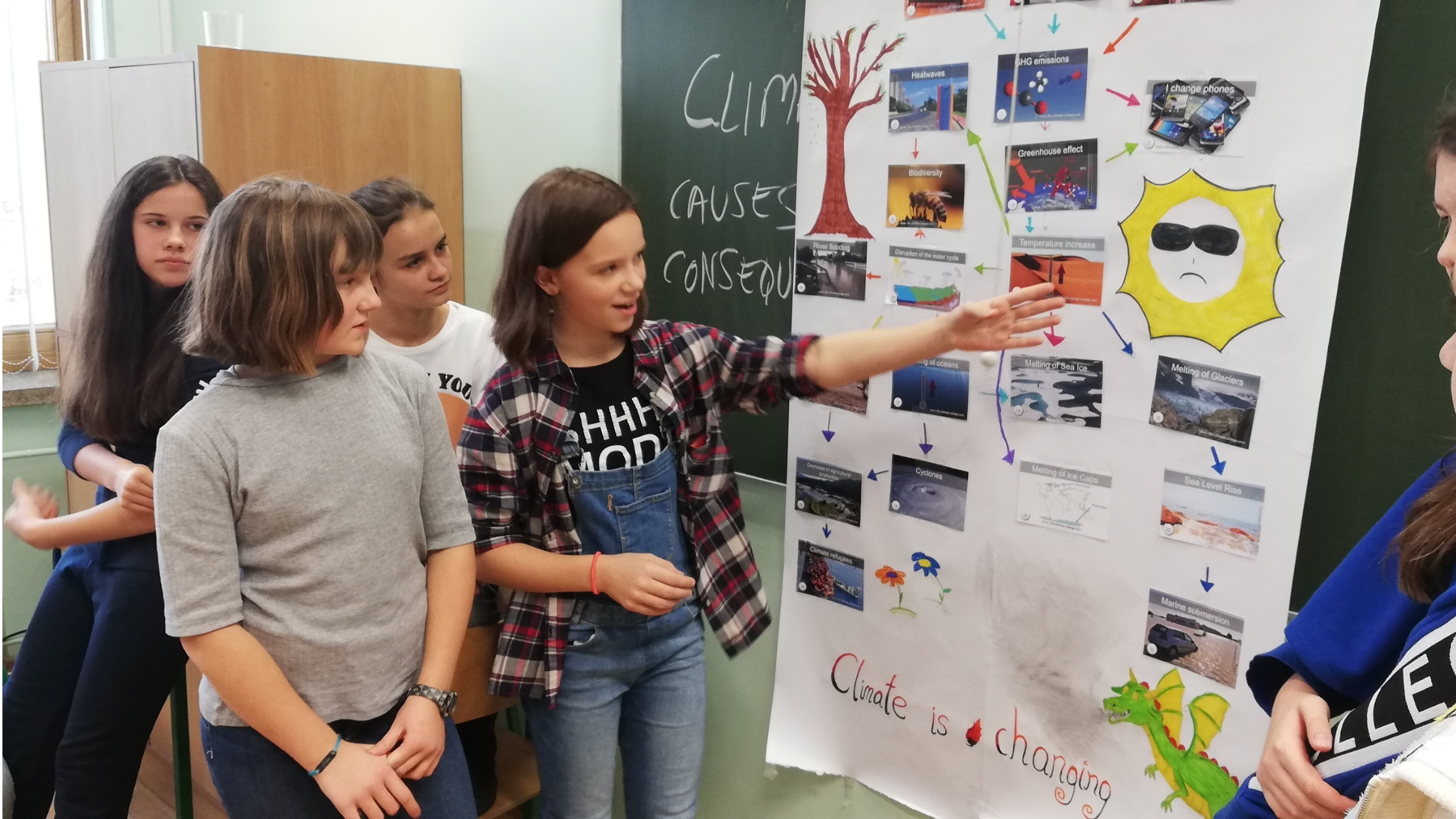
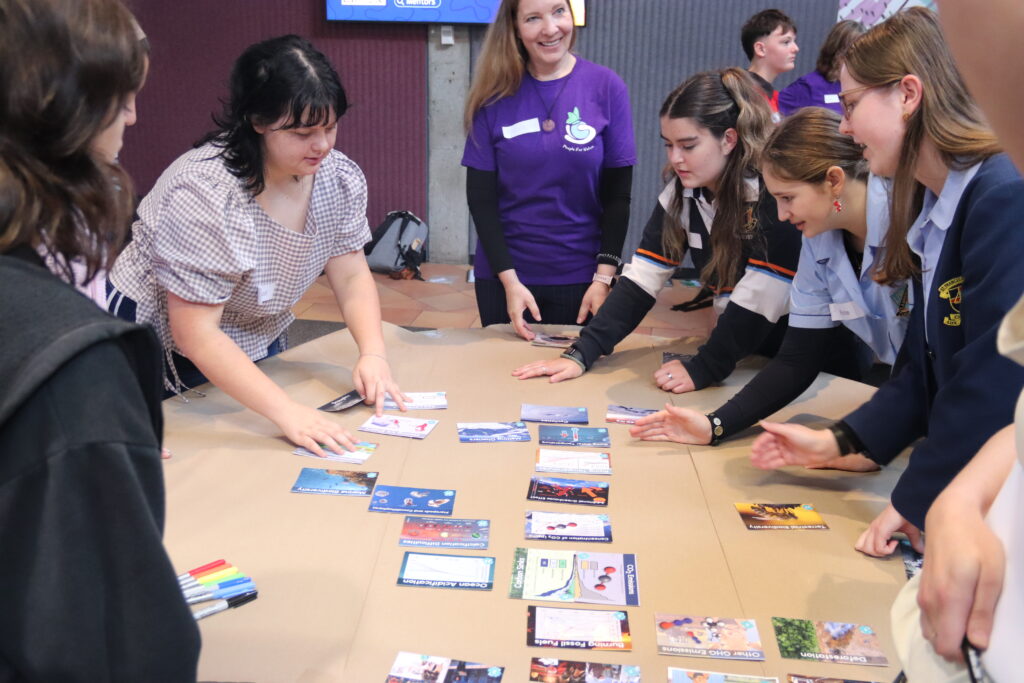
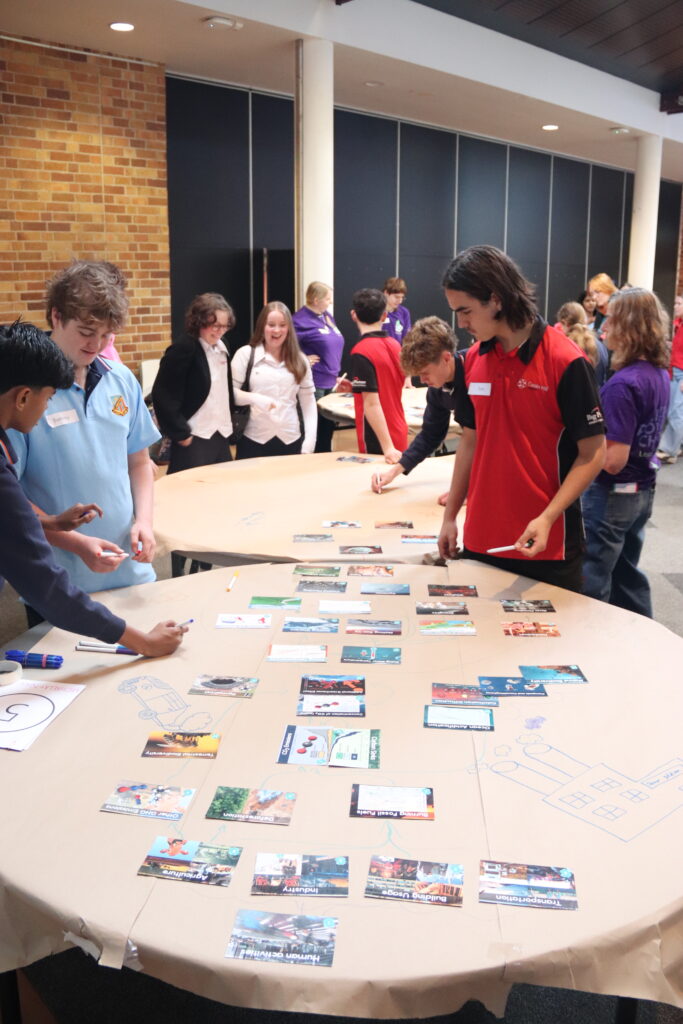
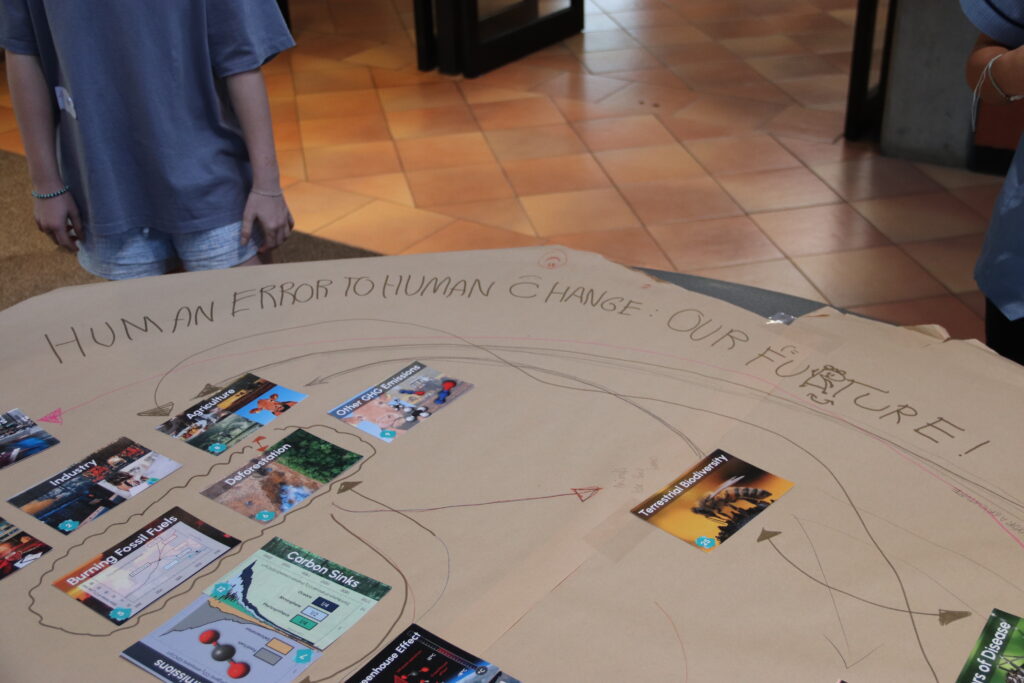
    The Climate Fresk workshop emerged as one of the most impactful components of the Summit. Students explored the interconnected nature of climate change and gained a systems-level understanding of how human activity, environmental impacts, and solutions are deeply linked.

    Post-event evaluation showed:

    • 100% of students reported a deeper understanding of the climate crisis
    • 100% of teachers confirmed improved student understanding
    • Consistently high engagement, curiosity, and critical thinking throughout the workshop

    As one student reflected:

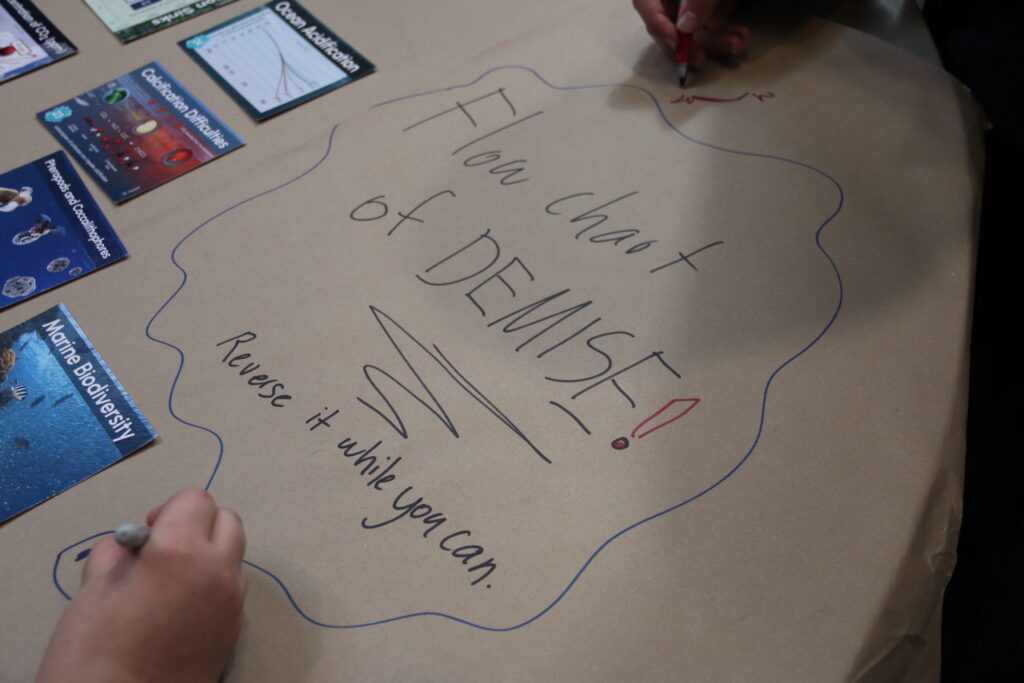
    “Doing the Fresk and connecting all the problems made me realise how everything is connected and helped me gain a larger understanding of the climate problems and solutions.”
    Climate emotions, resilience, and hope

    The Ecomind workshop provided students with tools to better understand and manage emotions linked to climate change, including anxiety, overwhelm, and uncertainty.

    Key findings included:

    • 88% of students reported improved understanding of eco-anxiety and climate emotions
    • Teachers observed strengthened awareness of emotional wellbeing in 66% of students

    One student shared:

    “I’ve been feeling a lot of climate apathy due to the vastness of the issue. The conference helped me feel hopeful about the future for the first time in ages.”

    These insights highlight the importance of pairing climate education with emotional literacy and wellbeing support.
    High engagement and strong student satisfaction

    Across the day, engagement remained exceptionally high. Students particularly valued:

    • Collaborative learning with peers from other schools
    • The Climate Fresk workshop
    • Group discussions exploring solutions and actions
    • Exposure to future study and career pathways in sustainability

    Both students and teachers awarded the Summit a 5/5 satisfaction rating, reflecting the quality of the experience and the strength of the program design.
    Facilitator insights

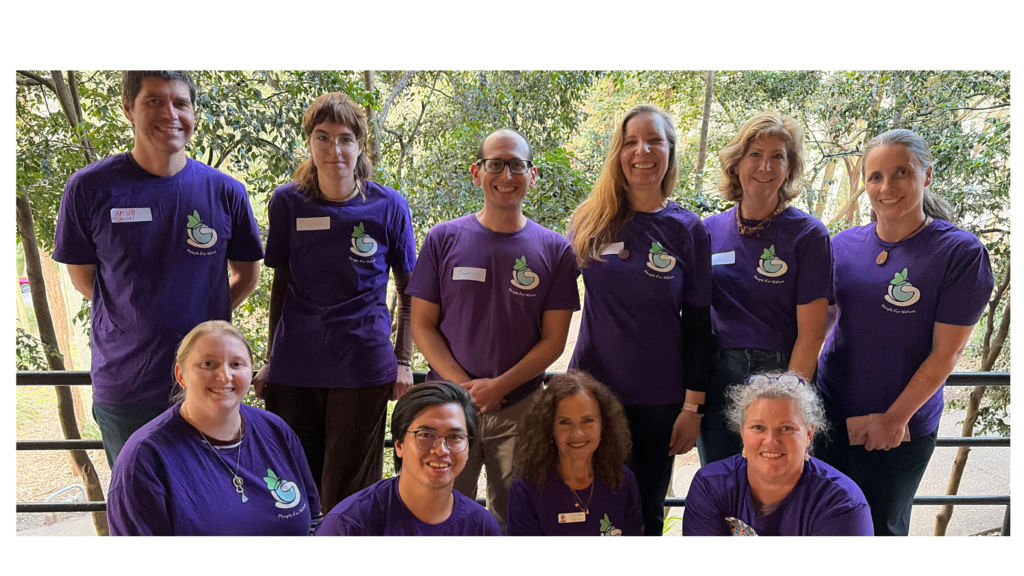
    The Summit was supported by 11 Climate Fresk facilitators, who observed:

    • Strong collaboration and engagement across student groups
    • High-quality systems thinking discussions
    • Creative and practical solutions emerging from students
    • A strong sense of hope and agency

    Importantly, 100% of facilitators expressed interest in supporting future Youth Summits.
    A strong foundation for the future

    While feedback was overwhelmingly positive, participants also shared thoughtful suggestions to further strengthen future editions, including:

    • Increased youth leadership opportunities
    • More time for collaborative solution-building
    • Expanded representation of disciplines in future studies pathways
    • Stronger integration between climate emotions and climate action
    With thanks

    This event was made possible through the generous support of the City of Newcastle, whose funding helped bring the vision to life. We extend our sincere gratitude to Heather Stevens and the Environment & Sustainability team for their trust, flexibility, and commitment.

    We also acknowledge the University of Newcastle for hosting the Summit and providing an inspiring setting for learning and connection. Special thanks to Tarin Cromarty for her outstanding support, energy, and dedication throughout the planning and delivery of the event.

    Conclusion

    The Shaping Our Future Youth Summit demonstrated the power of bringing young people together to explore climate science, process emotions, and co-create solutions.

    When given the space to understand complex systems, reflect on their emotions, and engage with real-world pathways, young people respond with clarity, creativity, and hope.

    This inaugural Summit has laid a strong foundation for future programs that integrate climate literacy, wellbeing, and action — empowering the next generation to shape a more sustainable future.
  • Bringing climate to life in the classroom: aligning Climate Fresk with Year 9 geography

    Bringing climate to life in the classroom: aligning Climate Fresk with Year 9 geography

    Climate education is no longer optional — it’s essential. But how do we move beyond abstract concepts and help students truly understand the climate crisis in a meaningful, engaging way?

    This is where Climate Fresk comes in.

    Why Climate Fresk?

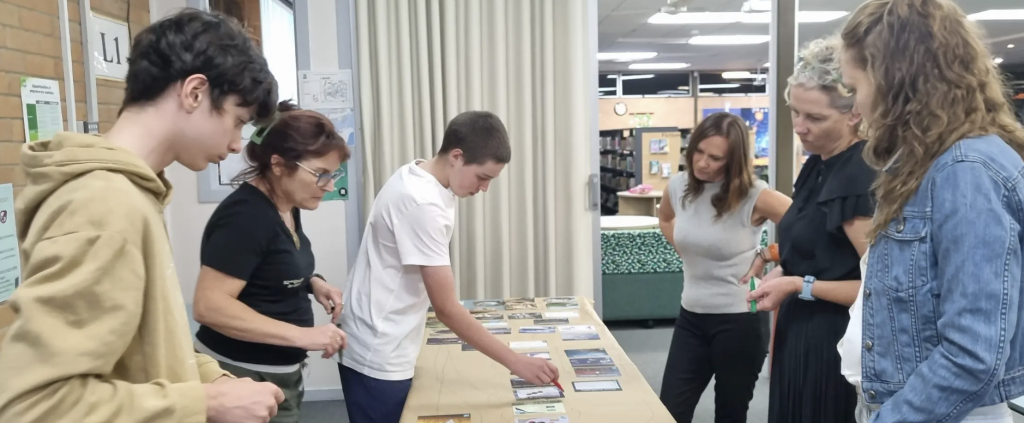
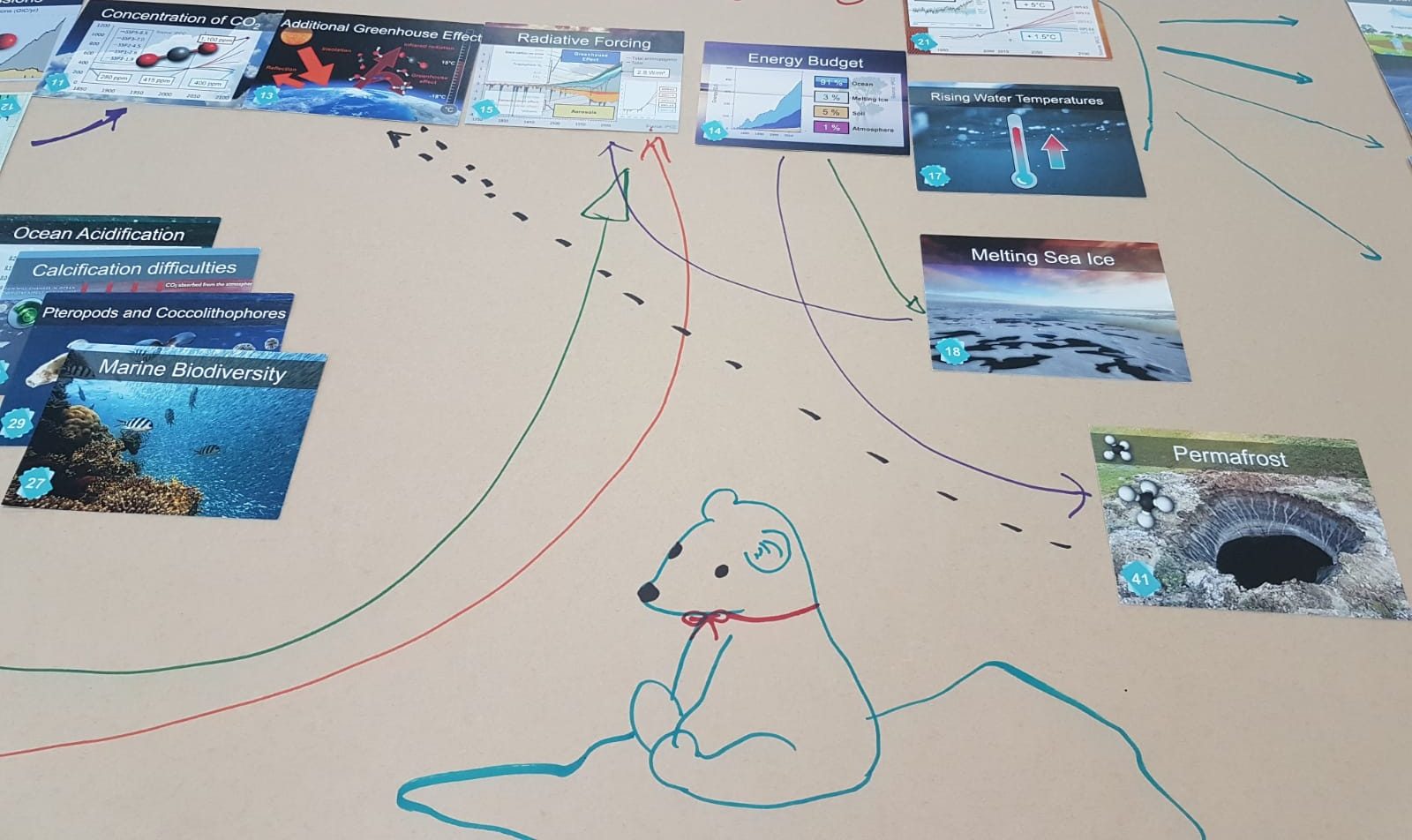
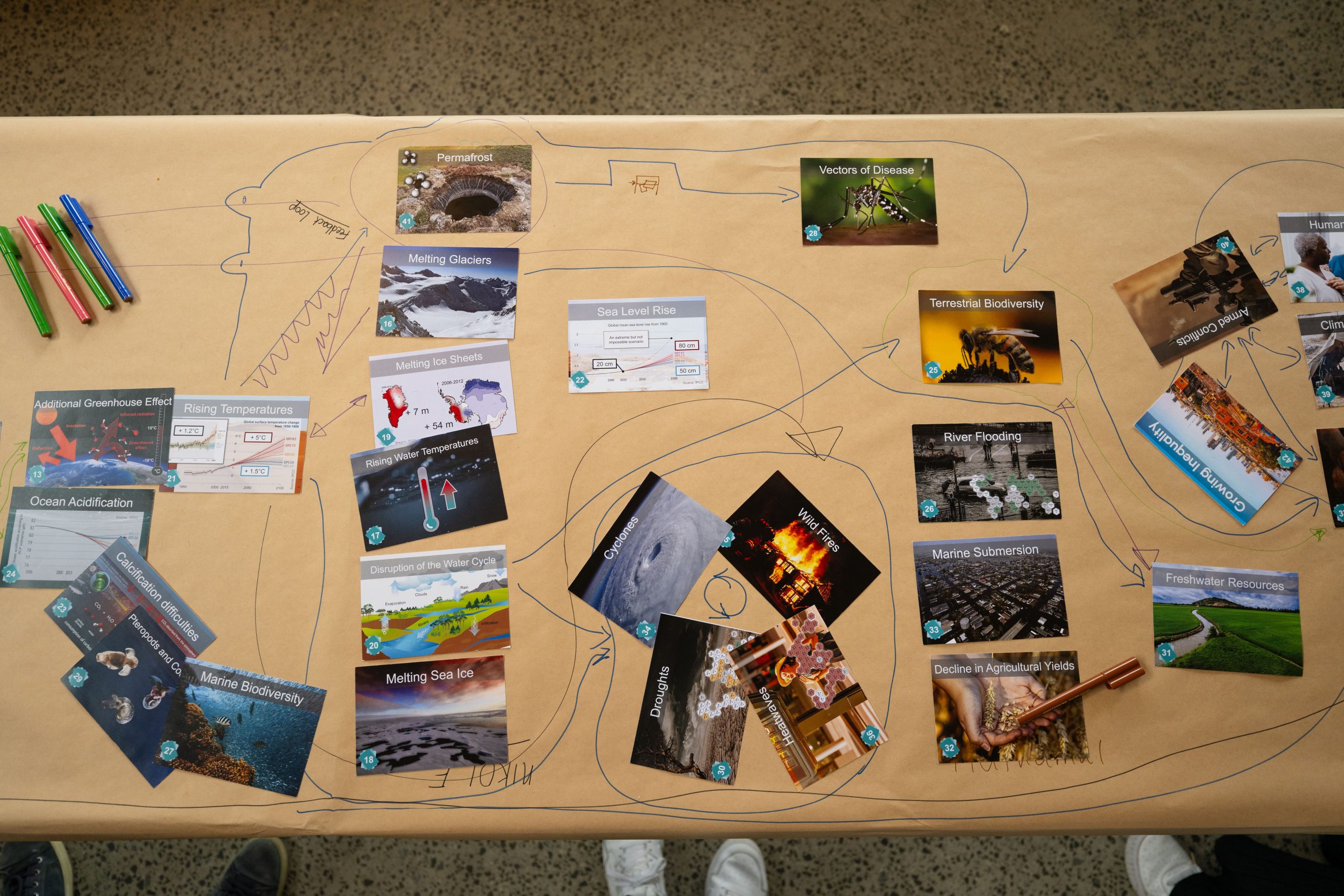
    Based on the science of the IPCC, Climate Fresk is an interactive, card-based workshop that helps participants map out the causes and consequences of climate change.

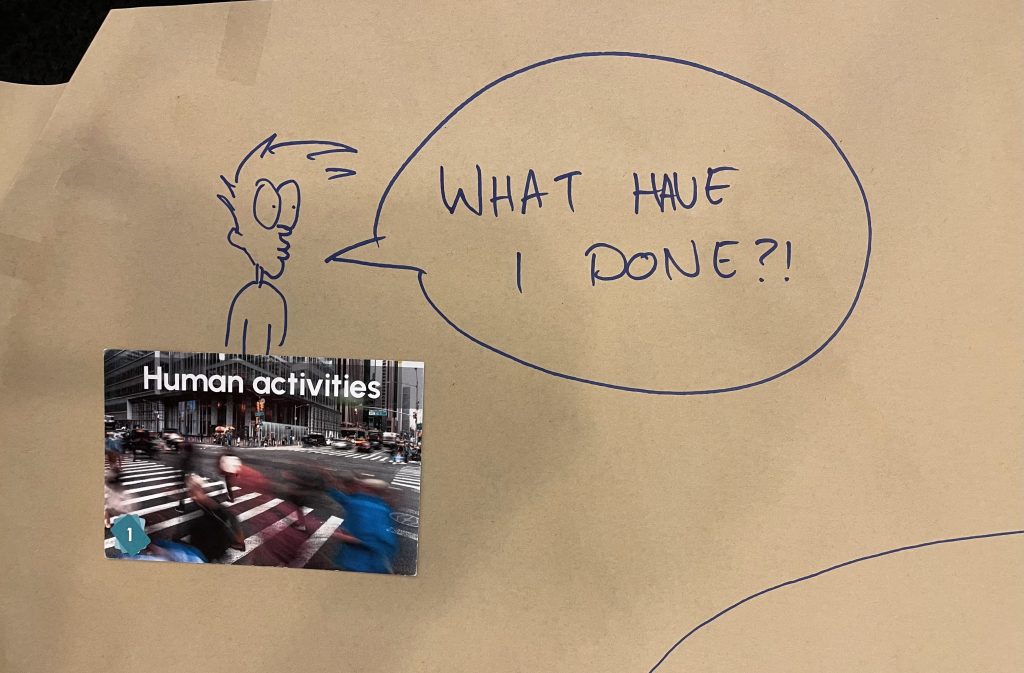
    Rather than passively receiving information, students work collaboratively to build a visual system of interconnected factors — from greenhouse gas emissions to global impacts.

    The result?
    A powerful shift from fragmented knowledge to systems thinking.

    A Natural Fit for the Classroom

    Climate Fresk aligns strongly with the Australian Year 9 Geography curriculum, offering an engaging, inquiry-based learning experience that complements existing teaching frameworks.

    It supports key curriculum areas such as:

    🌱 Biomes and Food Security

    Students explore how climate change affects ecosystems, agriculture, and food systems — deepening their understanding of environmental and human interdependence.

    🌍 Geographies of Interconnection

    Through the workshop, students uncover global links such as:

    • Emissions and supply chains
    • Unequal climate impacts across regions
    • The complexity of managing global challenges

    This directly supports curriculum outcomes related to global systems and their impacts.

    Inquiry-Based Learning in Action

    Climate Fresk is built around inquiry — a core pillar of modern Geography education.

    Students are encouraged to ask questions, test connections, and build their own understanding of climate systems. This approach fosters:

    • Critical thinking
    • Collaboration
    • Curiosity
    • Systems-level understanding

    Rather than being told what to think, students discover it for themselves.

    Building Real-World Skills

    Beyond content knowledge, Climate Fresk supports the development of essential geographical skills, including:

    • Interpreting complex systems
    • Identifying cause-and-effect relationships
    • Analysing global patterns and impacts
    • Communicating insights collaboratively

    These are skills that extend far beyond the classroom.

    From Awareness to Action

    One of the most powerful aspects of Climate Fresk is that it doesn’t stop at understanding.

    The workshop concludes with a focus on solutions — empowering students to think about what can be done at individual, community, and global levels.

    This aligns with achievement standards and general capabilities by helping students:

    • Reflect on their role in the world
    • Engage with real-world challenges
    • Develop a sense of agency

    A Transformational Teaching Tool

    Climate Fresk stands out because it:

    • Turns abstract climate science into a clear, visual system
    • Encourages student-led discovery rather than passive learning
    • Connects local actions to global consequences
    • Inspires action, not just awareness

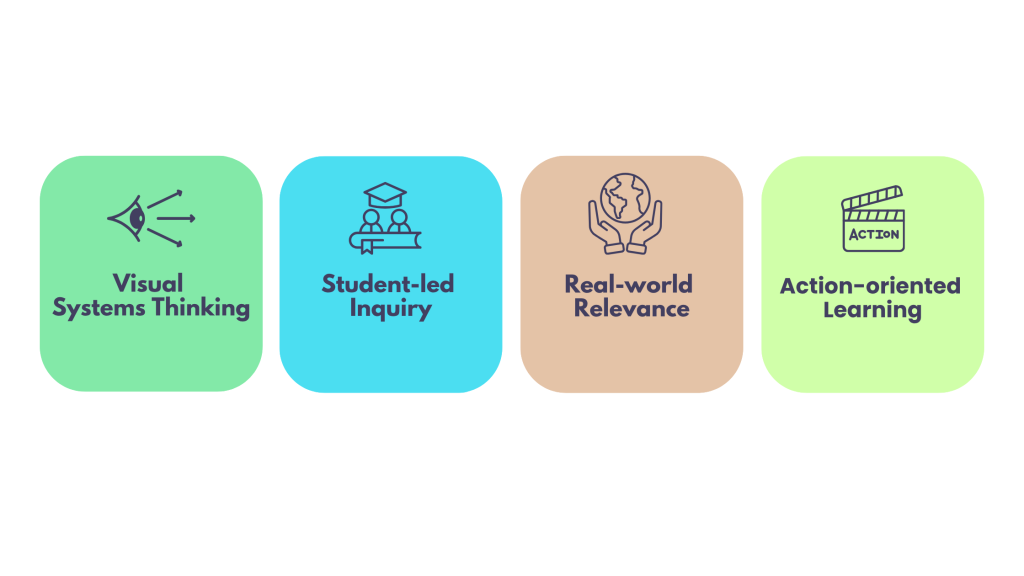
    In doing so, it reflects best-practice Geography pedagogy:
    inquiry-driven, relevant, and action-oriented learning.

    Looking Ahead

    As educators look for ways to make climate education more impactful, tools like Climate Fresk offer a powerful solution.

    By combining scientific rigour with interactive learning, it helps students not only understand the world — but feel empowered to shape it.


  • Introducing Gunter’s Fables

    Introducing Gunter’s Fables

    Climate education using storytelling, creativity and imagination

    At People For Nature, climate literacy is at the heart of what we do. We firmly believe that education isn’t just about understanding the problem, it’s about inspiring people to act. Because, when people understand, they care – and when they care, they act.

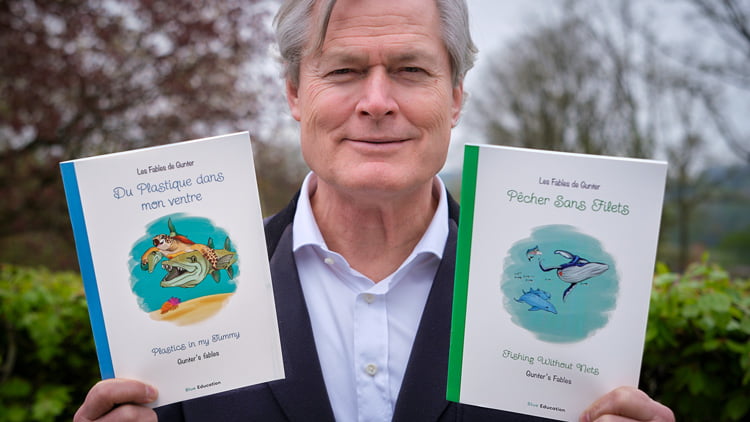
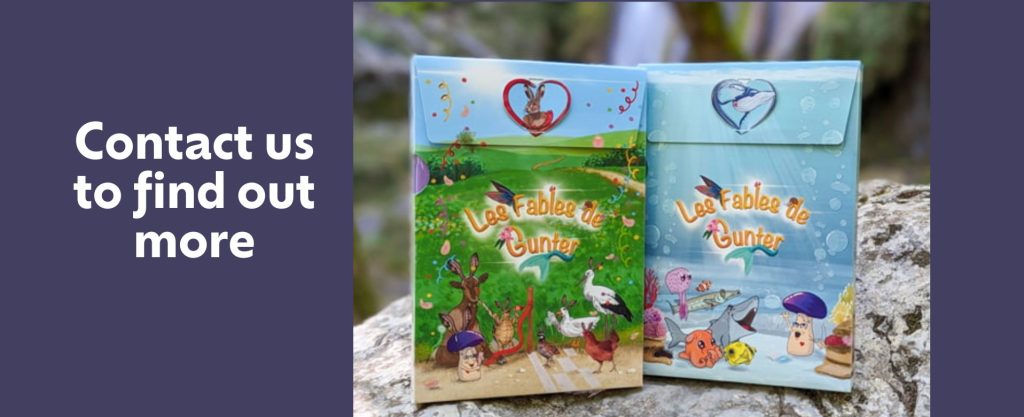
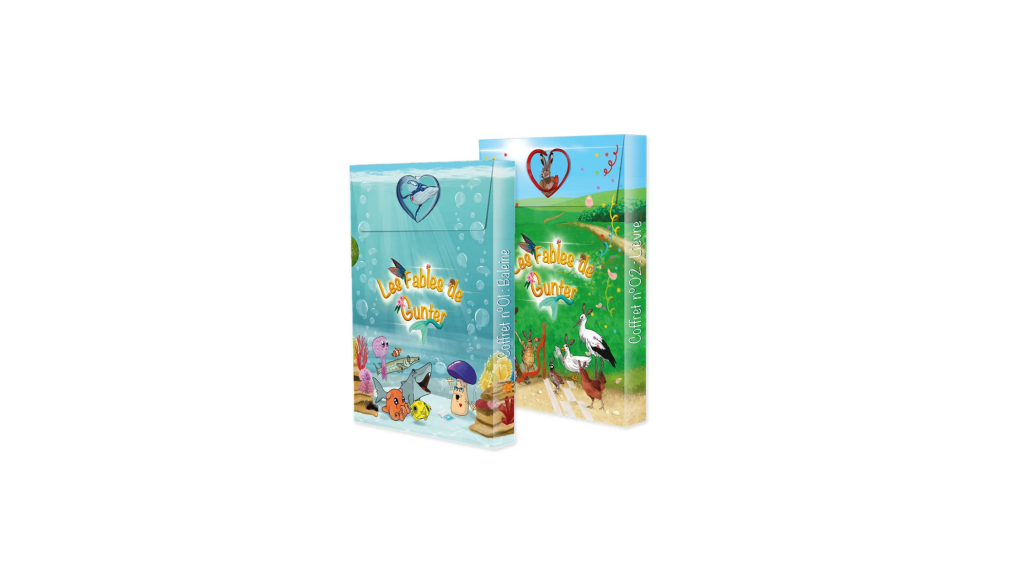
    That’s why we love Gunter’s Fables, a bilingual (French and English) collection of educational stories that help children see nature not as something fragile and separate, but as a source of solutions for humanity’s biggest challenges. 

    Climate education needs to start with those that are already at the frontline: our youth. Teaching children and young adults about the science of climate change, its impacts, and potential solutions can inspire a new wave of climate-conscious leaders, entrepreneurs, and activists who will shape Australia’s future. Early education fosters a sense of responsibility and urgency, ensuring that the next generation is ready to tackle the challenges ahead.

    Download the presentation to learn more.

    A collection of 365 fables

    Gunter’s Fables were created by Gunter Pauli, a Belgian-born climate visionary, who has dedicated his life to the radical transformation of business and society. He is the founder of the Zero Emissions Research Initiative and author of The Blue Economy, a framework adopted by the United Nations, governments, and industries worldwide. 

    Aimed at children aged 3 to 15, Gunter’s Fables evolve in depth and complexity as readers grow, showing how nature already holds the answers to many of our sustainability problems. 

    Each set of fables explores a different theme: water, health, food, energy, housing, work, and education / ethics.

    Just like People For Nature’s educational workshops – Climate Fresk, Biodiversity Collage and Circular Economy collageGunter’s Fables are fun and interactive. They encourage curiosity, questioning and experimentation, cultivating the mindset that we can all make a difference.

    Combining storytelling with science and action

    What makes Gunter’s Fables so powerful as an educational tool is the way it blends storytelling with science and action. Inspired by educators like Maria Montessori, Rudolf Steiner, and Paulo Freire, the series awakens five kinds of intelligence: scientific knowledge, emotional intelligence, artistic expression, understanding of complex systems, and the ability to take action. Children aren’t just learning facts; they’re exploring, questioning, and discovering how they can make a difference.

    Each fable is a guided exploration that encourages reflection, creativity, and reinforces the innate desire to contribute to the good of all. The fables turn sustainability from an abstract topic into a lived experience. Each one ends with real-world examples, helping young readers see that change is already happening and that they can be part of it.

    Empowering tomorrow’s leaders

    Gunter’s Fables are a great tool to equip our future leaders with the knowledge, skills, and passion to drive meaningful change.

    In a world where climate headlines can feel overwhelming, Gunter’s Fables offer something rare: hope grounded in understanding. By nurturing imagination and action, these stories help raise a generation of thoughtful, empowered “planet protectors.”

    Whether you are a parent, a grand parent or an educator, these books are a great tool to pass on important messages to the next generation.

    Interested in finding out more or getting a copy of Gunter’s Fables?

    Contact us today.

  • Bringing climate knowledge to schools

    Bringing climate knowledge to schools

    The need for climate education

    Australia is already experiencing the impacts of climate change in ways that affect our communities, ecosystems, and economy. 

    Despite the urgency, one of the biggest challenges we face is the lack of understanding and awareness of the causes, consequences, and solutions for climate change.

    Additionally, in the age of social media, false claims and misleading information about climate change can spread rapidly, undermining public understanding and delaying climate action.

    That’s why, at People For Nature, our focus is on educating all Australians – young and old – with the knowledge to make informed decisions and advocate for policies that protect our environment.

    By using trusted sources and scientific data, we can combat the spread of misinformation and equip individuals with the facts they need to make informed decisions.

    Our goal is to educate 27,000 Australians by 2027 — to tackle climate and biodiversity challenges and drive real change for a sustainable future.

    Youth Climate Education 

    Young people are already experiencing the effects of a changing climate.

    That’s why it’s crucial to integrate climate education into schools and universities. Early education fosters a sense of responsibility and urgency, ensuring that the next generation is ready to tackle the challenges ahead.

    Teaching children and young adults about the science of climate change, its impacts, and potential solutions can inspire a new wave of climate-conscious leaders, entrepreneurs, and activists who will shape Australia’s future. 
    When delivered well, climate education fosters hope, builds emotional resilience, and empowers action.

    Our work with schools

    We deliver workshops tailored specifically to younger audiences. Our Climate Fresk for Kids is a fun, interactive, and age-appropriate version of the internationally acclaimed Climate Fresk workshop.

    This playful, science-based workshop is designed to introduce students aged 10 and up to the basics of climate change. Using colourful illustrations and a card game format, students explore:

    🧐 What causes climate change

    🌎 Its effects on people and the planet

    🙌 How we can take action

    This kid-friendly Climate Fresk has been developed by teachers and climate experts to make complex science engaging and accessible for younger learners, without overwhelming them.

    Read more:

    📚 Brisbane High School Leads the Charge on Climate-Smart Learning

    🌿 Climate Science Made Simple: Climate Fresk for Kids

    Our work with universities

    We’re working with forward-thinking Australian universities to deliver workshops that:

    ✅ Build climate and biodiversity understanding across faculties and disciplines

    ✅ Embed literacy into curricula and campus-wide initiatives

    ✅ Engage academic and operational teams in meaningful action toward net zero

    From science and engineering to law, business, and the arts — climate and biodiversity touch every field. Now is the time to empower every department.

    🌿 These are some of the universities are leading the way: The University of Newcastle, Griffith University, UNSW, and UTS.

    Community education helps drive broader change

    Education isn’t just about understanding the problem – it’s about inspiring people to act. When people understand, they care – and when they care, they act.

    Our interactive and fun workshops aim to help people learn about climate change, biodiversity, sustainability and what they can do to make a positive difference. 

    Climate literacy empowers Australians to participate in climate-related discussions, vote for climate-conscious leaders, and engage in citizen science initiatives that can drive local conservation efforts.

    📅 Find us at a community event near you 🌳

    Want to organise a workshop for your community? Get in touch!


    Believe in a better future? So do we.

    At People For Nature, our mission is bold: to educate 27,000 Australians by 2027 on climate and biodiversity, empowering them to take meaningful action for our planet.

    Your donation fuels citizen-powered education that turns knowledge into action—and action into lasting change.
    Donate today and be part of the change.

    💚 Together, we can shape a planet-boundaries literate Australia.

  • Climate action for families in Australia

    Climate action for families in Australia

    Australia’s landscapes are breathtaking — from ancient rainforests and coral reefs to sunburnt deserts and alpine peaks. But our climate is changing fast, and families across the country are feeling the effects: hotter summers, unpredictable weather, more bushfires, and biodiversity loss.

    Here’s how Australian families can take meaningful climate action — together.

    1. Start Conversations at Home

    Climate action begins with awareness. Talk about climate change with your children in age-appropriate ways. Nature documentaries, books like The Lorax, or visiting local parks and wildlife sanctuaries can spark curiosity and concern.

    💬 Ask questions like: What do you love most about nature? What do you want to protect?

    2. Eat more mindfully

    Food is one of the biggest contributors to greenhouse gas emissions. Simple swaps can have a big impact:
    🥦 Add more plant-based meals to your week
    🛒 Choose locally grown, seasonal produce
    🍴 Avoid food waste by planning meals and using leftovers creatively

    3. Reduce, Reuse, Repair

    Australia’s waste per capita is among the highest in the world. Teaching children to be conscious consumers builds lifelong habits.
    🧸 Organise a toy swap with friends
    🛠️ Fix broken household items together
    👕 Buy second-hand or opt for quality over quantity

    4. Green Your Travel

    Transport is a major emissions source in Australia. Even small changes help:
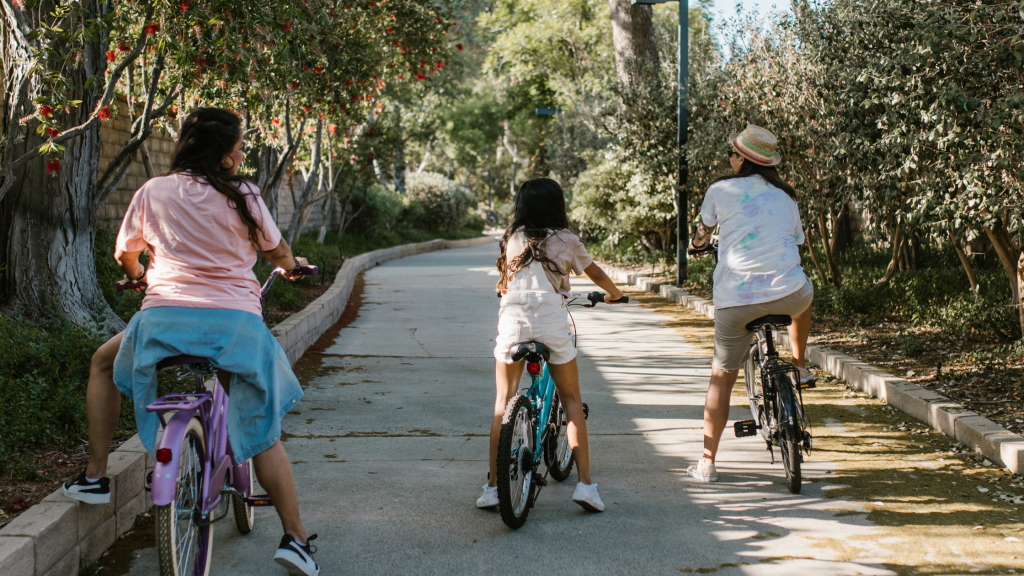
    🚲 Walk, ride bikes, or take public transport when possible
    🚗 Carpool with other school families
    ✈️ Try to avoid flying, consider closer destinations for holidays and more creative ways to get to your destination (a train trip with kids can be such an adventure!)

    5. Get Into Nature — and Protect It

    Spending time outdoors fosters a love for the environment. It also improves wellbeing and resilience.
    🌱 Join a local bushcare group or conservation event
    🦋 Start a Native Oasis in your backyard to support pollinators
    📸 Participate in citizen science projects like FrogID or the Aussie Backyard Bird Count

    6. Join a Local Action Group

    You don’t have to do it alone. Connect with other parents who care about the future by joining a local group through Parents for Climate.
    👣 Whether it’s attending a school climate event, advocating for better policies, or simply meeting other families on the same journey, community brings strength — and joy — to climate action.

    7. Support Climate Education

    Knowledge empowers action. Encourage schools to integrate climate and sustainability topics.
    📚 Join a local a local Climate Fresk For Kids workshops
    🎨 Creative nature-based learning through art, storytelling, and games

    8. Use Your Voice — Together

    Teach kids the power of civic action. Write to your local MP, attend community events, or join school campaigns for better recycling or tree planting.

    🗳️ Vote for leaders who prioritise climate
    📢 Support organisations that protect nature and educate communities

    Why Family Climate Action Matters

    Children today will inherit the decisions we make — or fail to make. Taking action as a family shows that caring for the Earth is a shared responsibility, and that every choice counts.

    It doesn’t have to be perfect. Just start where you are, with what you have.

    Because when families lead, communities follow. And when communities act, systems can change.


    Believe in a better future? So do we.

    At People For Nature, our mission is bold: to educate 27,000 Australians by 2027 on climate and biodiversity, empowering them to take meaningful action for our planet.

    Your donation fuels citizen-powered education that turns knowledge into action—and action into lasting change.
    Donate today and be part of the change.

    💚 Together, we can shape a planet-boundaries literate Australia.


    Sources & References

  • Teaching sustainability at home: simple everyday actions that matter

    Teaching sustainability at home: simple everyday actions that matter

    Discover playful, powerful ways to nurture eco-conscious kids using tools like Climate Fresk Kids, Nature Oasis, and everyday nature-inspired learning at home.

    In a world where climate headlines and ecological tipping points can feel overwhelming, many parents and carers are asking:

    “What can I do to help my child grow up with hope, empathy, and a strong sense of responsibility for our planet?”

    The answer starts close to home — in our kitchens, gardens, conversations, and storytimes.

    Sustainability begins with everyday choices, and teaching it doesn’t require a textbook. It’s a way of life that can be modelled, explored, and celebrated through curiosity and connection.

    Why Start at Home?

    Children learn not just by being told, but by doing, seeing, and feeling.

    Home is where values are planted and nurtured. By weaving sustainability into your daily life — through nature play, storytelling, or small rituals — you empower your child to grow into a thoughtful, eco-conscious human who understands their place in a living, breathing system.

    1. Make Big Ideas Playful: Try Climate Fresk Kids

    We often underestimate just how much children can grasp — especially when we invite them in through play.

    Climate Fresk Kids is a hands-on workshop that helps young people understand the basics of climate science in an engaging, age-appropriate way. Using images, stories, and systems thinking, it connects the dots between human actions and environmental consequences — without creating fear.

    🌿 Find a Workshop Near You — and Become a Facilitator: https://events.humanitix.com/host/people-for-nature

    Alternatively, put us in touch with your child’s school — we offer engaging climate and biodiversity workshops in schools across Australia: info@blog.peoplefornature.org.au

    2. Create a Wild Welcome: Build a Nature Oasis

    Not every family has access to a forest or farm — but we can all bring a little wildness into our homes.

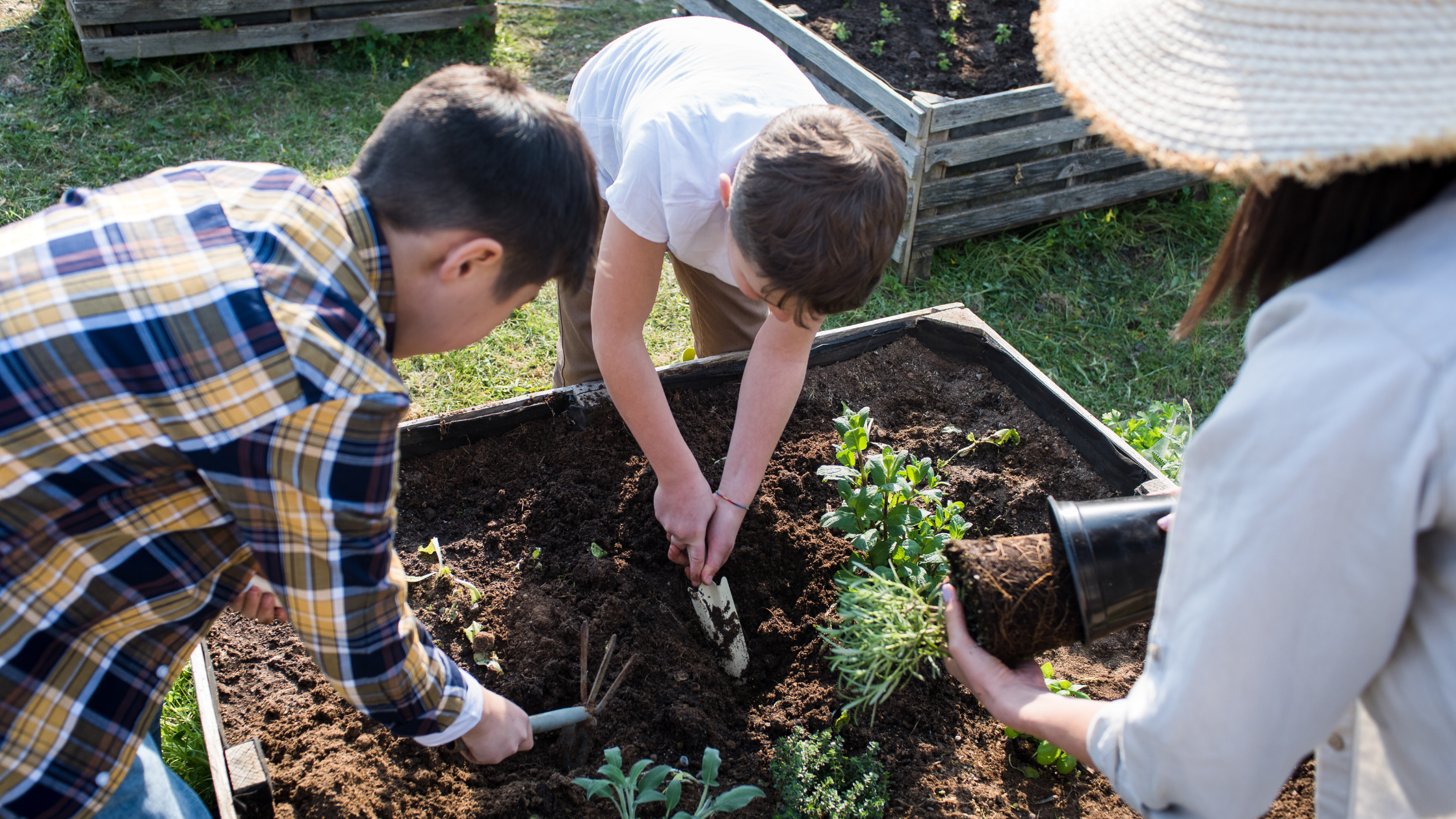
    A Nature Oasis is any space — a balcony, garden bed, windowsill, or schoolyard — designed to invite biodiversity. Think native plants, insect hotels, butterfly-friendly flowers, or a frog-friendly corner.

    Children love observing change. Watching bees visit a flower they planted or hearing frogs return builds a living relationship with the natural world.

    Try This at Home: Plant native species or rewild a corner of your yard. Keep a nature journal with your child — what do they notice each day?

    3. Use Storytelling to Spark Reflection

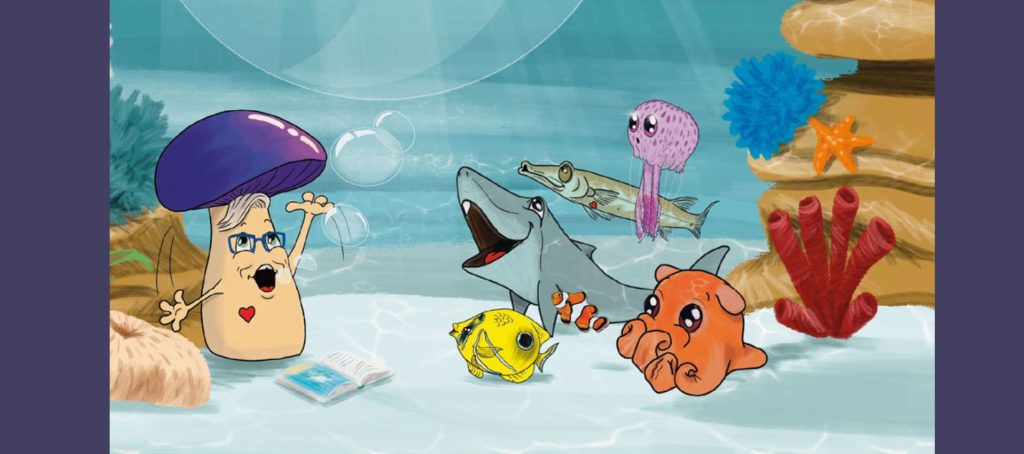
    Tools like Gunter’s Fables offer more than entertainment — they invite children to reflect, imagine, and act.

    Rooted in Montessori and Steiner principles, these illustrated fables help children explore systems thinking, emotional intelligence, and environmental responsibility. They’re a gentle yet powerful way to introduce biodiversity, empathy, and nature’s complexity through story.

    Try This at Home: After reading a story, ask: “What would you do if you were the animal in the story?” or “How can we help animals like this in real life?”

    4. Turn Your Child Into a Mini Scientist

    Citizen science isn’t just for grown-ups. From spotting birds in the backyard to counting insects or testing water quality, many organisations welcome children’s contributions to real scientific data.

    This not only supports environmental research, but gives children a sense of purpose and belonging in something bigger.

    Try This at Home: Join a local BioBlitz, frog ID project, or backyard bird count. Check out NatureMapr, iNaturalist, or local citizen science groups in Australia.

    5. Lead by Living It

    Children are natural observers. The best way to teach sustainability? Live it yourself.

    • Involve kids in composting or choosing local produce.
    • Fix things instead of throwing them away.
    • Talk openly about your values and choices.
    • Celebrate small wins together — “We saved water today!” or “We helped a bee!”

    Sustainability becomes less about sacrifice and more about joy, care, and connection.

    More Than Just “Green Habits”

    Teaching sustainability at home isn’t about being perfect. It’s about planting seeds of care — for people, places, and possibilities.

    Whether you’re using tools like Climate Fresk Kids, building a Nature Oasis, reading eco-fables, or simply walking barefoot in the grass together — you’re shaping a future where children don’t just understand nature, but feel part of it.

    Because when children fall in love with the Earth, they’re more likely to protect it.

    Together, let’s raise a generation of nature-connected changemakers — one home at a time.

  • Climate science made simple: Climate Fresk for kids

    Climate science made simple: Climate Fresk for kids

    At People For Nature, we’re passionate about empowering the next generation with the knowledge and tools to understand our changing world. That’s why we offer Climate Fresk for Kids—a fun, interactive, and age-appropriate version of the internationally acclaimed Climate Fresk workshop.

    What is Climate Fresk for Kids?

    Climate Fresk for Kids is a playful, science-based workshop designed to introduce students aged 10 and up to the basics of climate change. Using colourful illustrations and a card game format, students explore:

    • What causes climate change
    • Its effects on people and the planet
    • How we can take action

    This kid-friendly version has been developed by teachers and climate experts to make complex science engaging and accessible for younger learners—without overwhelming them.

    Why Bring It to Your School?

    Today’s students are tomorrow’s leaders. Climate Fresk for Kids helps them build:

    • Science literacy based on the latest IPCC findings
    • Critical thinking and systems awareness
    • A sense of hope, agency, and teamwork

    It’s a perfect fit for curriculum topics in Science, Geography, and Sustainability and offers a unique way to enrich learning through group discussion and creativity.

    How It Works

    📚 Age group: Best for ages 10–14 (Years 5–9)

    Duration: 2 hours

    👥 Format: In-person

    🎓 Facilitators: Trained educators experienced in working with children

    🎨 Approach: Hands-on, visual, and collaborative

    What’s Included?

    Each workshop includes:

    • All materials (cards, worksheets, facilitator guidance)
    • Customisation to your classroom or event goals
    • A wrap-up session to help students reflect and imagine solutions

    Book a Workshop

    📍 Available across Sydney, Brisbane, Melbourne, Perth

    📆 We work with your preferred dates and school calendar

    To enquire or book, just get in touch and tell us:

    • Your location and year level
    • Preferred dates and times
    • Any specific topics or goals you’d like us to include

    📧 info@blog.peoplefornature.org.au

    Believe in a better future? So do we.

    At People For Nature, our mission is bold: to educate 27,000 Australians by 2027 on climate and biodiversity, empowering them to take meaningful action for our planet.

    Your donation fuels citizen-powered education that turns knowledge into action—and action into lasting change.
    Donate today and be part of the change.

    💚 Together, we can shape a planet-boundaries literate Australia.

  • Empowering Students Through Climate-Smart Learning

    Empowering Students Through Climate-Smart Learning

    At People For Nature, we believe that climate literacy is foundational to empowering the next generation to understand and act on environmental challenges. Teaching young people the science of climate change — and the skills to think critically about it — builds confident, informed future leaders who can contribute meaningfully to their communities and the planet.

    We were delighted to work with students at a Brisbane high school who recently led the charge on climate-smart learning by participating in a Climate Fresk workshop — an interactive, science-based experience designed to make climate change concepts accessible, engaging and relevant to young learners.

    🎓 What Happened at the School

    A group of Year 10 students took part in the Climate Fresk experience, which uses a collaborative card-based process to help learners understand the causes, consequences and connections within the climate system. Through teamwork and guided discussion, students visualise the links between human activities, environmental change, and potential solutions.

    Students also explored how to take practical action — not just learn the theory. This kind of hands-on, facilitated climate education supports critical thinking, communication skills, and collective problem-solving, all of which are key competencies for 21st-century learning.

    Junior Science and Circular Economy Coordinator, Damian, advocated for the workshop because he saw the link to the school’s scientific curriculum but also for the potential Climate Fresk offers in thinking critically about climate issues and their societal impacts.

    They say it takes a village to raise a child. In a school sense, I see this as everyone doing their part. So sustainability action at our school includes helping everyone make the right decision when it comes to choosing the right bin or turning off lights and A/C at the end of a lesson. If students are more willing to step up in those everyday actions, I will be over the moon.

    🌍 Growing Student Leadership

    Importantly, the school is embedding this approach into its curriculum by offering some students the opportunity to train as Climate Fresk facilitators. Once trained, these student facilitators will lead workshops for their peers in Years 10 and 11, making climate education a sustainable and student-led part of the learning experience.

    This initiative:
    👉 Boosts scientific understanding
    👉 Builds leadership through facilitation practice
    👉 Empowers young people to teach others
    👉 Strengthens student engagement in school sustainability culture

    “I was so impressed with the session and the wonderful facilitators giving their time, expertise and passion. I was in awe of the whole experience.” Comments a Science Teacher.

    📍 Why It Matters for Your School

    Schools that integrate climate and systems thinking into teaching provide students with real world context and meaningful opportunities to contribute to solutions — not just learn about problems.

    Climate education:

    • 💜 Supports curriculum areas such as Science, Geography and Humanities
    • 💜 Builds critical thinking and systems literacy
    • 💜 Encourages student agency and leadership
    • 💜 Equips learners with tools to participate in school and community sustainability initiatives

    🛠 Want to Bring Climate Literacy to Your Classroom?

    People For Nature delivers age-appropriate climate education programs designed for schools, including collaborative Climate Fresk workshops and tailored learning experiences. These are facilitated by trained educators and ambassadors who specialise in making complex science accessible and engaging.

    If your school is considering climate education, sustainability projects or leadership opportunities for students, we’d love to partner with you — because when young people understand the system, they can help transform it.

    💌 Contact us to explore workshop options, dates and bespoke programs for your school community:

    info@blog.peoplefornature.org.au

    High school students often have a natural curiosity and passion for learning. Engaging with them on climate science can be incredibly rewarding, and lead to exciting discussions and new ideas for us facilitators, the school, and the wider community.