Australia’s landscapes are breathtaking — from ancient rainforests and coral reefs to sunburnt deserts and alpine peaks. But our climate is changing fast, and families across the country are feeling the effects: hotter summers, unpredictable weather, more bushfires, and biodiversity loss.
Here’s how Australian families can take meaningful climate action — together.
1. Start Conversations at Home
Climate action begins with awareness. Talk about climate change with your children in age-appropriate ways. Nature documentaries, books like The Lorax, or visiting local parks and wildlife sanctuaries can spark curiosity and concern.
💬 Ask questions like: What do you love most about nature? What do you want to protect?
2. Eat more mindfully
Food is one of the biggest contributors to greenhouse gas emissions. Simple swaps can have a big impact:
🥦 Add more plant-based meals to your week
🛒 Choose locally grown, seasonal produce
🍴 Avoid food waste by planning meals and using leftovers creatively
3. Reduce, Reuse, Repair
Australia’s waste per capita is among the highest in the world. Teaching children to be conscious consumers builds lifelong habits.
🧸 Organise a toy swap with friends
🛠️ Fix broken household items together
👕 Buy second-hand or opt for quality over quantity
4. Green Your Travel
Transport is a major emissions source in Australia. Even small changes help:
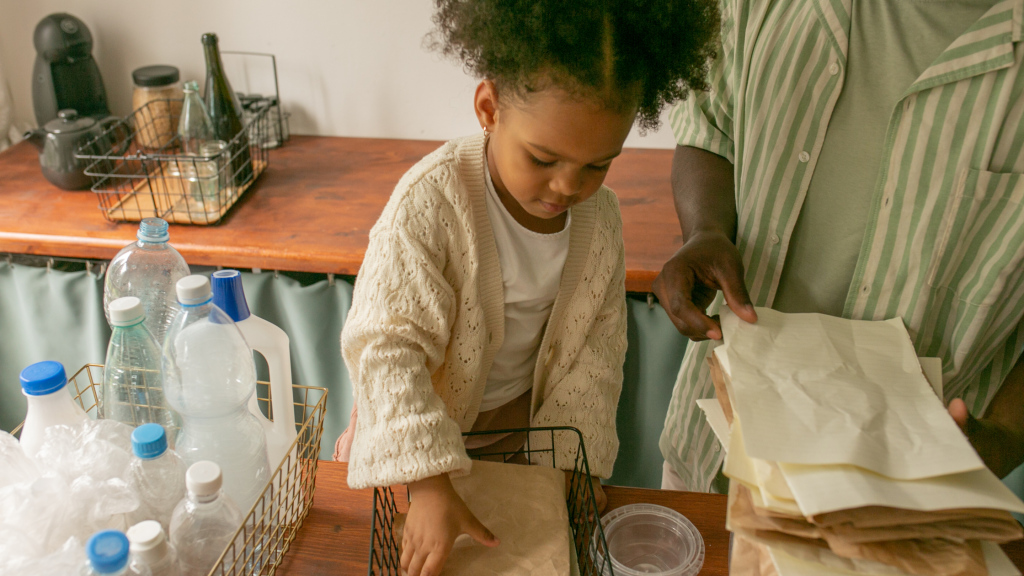
🚲 Walk, ride bikes, or take public transport when possible
🚗 Carpool with other school families
✈️ Try to avoid flying, consider closer destinations for holidays and more creative ways to get to your destination (a train trip with kids can be such an adventure!)
5. Get Into Nature — and Protect It
Spending time outdoors fosters a love for the environment. It also improves wellbeing and resilience.
🌱 Join a local bushcare group or conservation event
🦋 Start a Native Oasis in your backyard to support pollinators
📸 Participate in citizen science projects like FrogID or the Aussie Backyard Bird Count
6. Join a Local Action Group
You don’t have to do it alone. Connect with other parents who care about the future by joining a local group through Parents for Climate.
👣 Whether it’s attending a school climate event, advocating for better policies, or simply meeting other families on the same journey, community brings strength — and joy — to climate action.
7. Support Climate Education
Knowledge empowers action. Encourage schools to integrate climate and sustainability topics.
📚 Join a local a local Climate Fresk For Kids workshops
🎨 Creative nature-based learning through art, storytelling, and games
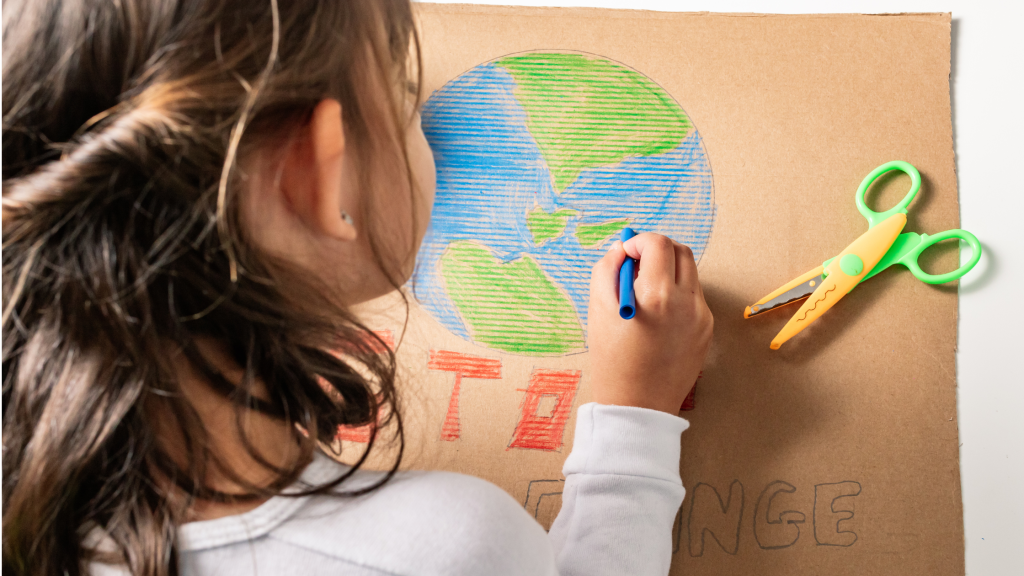
8. Use Your Voice — Together
Teach kids the power of civic action. Write to your local MP, attend community events, or join school campaigns for better recycling or tree planting.
🗳️ Vote for leaders who prioritise climate
📢 Support organisations that protect nature and educate communities
Why Family Climate Action Matters
Children today will inherit the decisions we make — or fail to make. Taking action as a family shows that caring for the Earth is a shared responsibility, and that every choice counts.
It doesn’t have to be perfect. Just start where you are, with what you have.
Because when families lead, communities follow. And when communities act, systems can change.

Believe in a better future? So do we.
At People For Nature, our mission is bold: to educate 27,000 Australians by 2027 on climate and biodiversity, empowering them to take meaningful action for our planet.
Your donation fuels citizen-powered education that turns knowledge into action—and action into lasting change.
Donate today and be part of the change.

💚 Together, we can shape a planet-boundaries literate Australia.
Sources & References
- Climate Fresk workshops: https://events.humanitix.com/host/people-for-nature
- Parents for Climate: parentsforclimate.org
- Australian Museum’s FrogID: frogid.net.au
- BirdLife Australia – Aussie Backyard Bird Count: aussiebirdcount.org.au
- Beyond Blue: Nature and mental wellbeing
- Parks Victoria: Benefits of connecting with nature
- Climate Council: Clean Transport Scorecard 2022
- Australian Government Department of Climate Change, Energy, the Environment and Water (DCCEEW): National Waste Report 2022
- UN Environment Programme: Food Waste and Climate Change
- Climate Council: Dietary Choices and Climate
- CSIRO & BoM: State of the Climate 2022
Leave a Reply