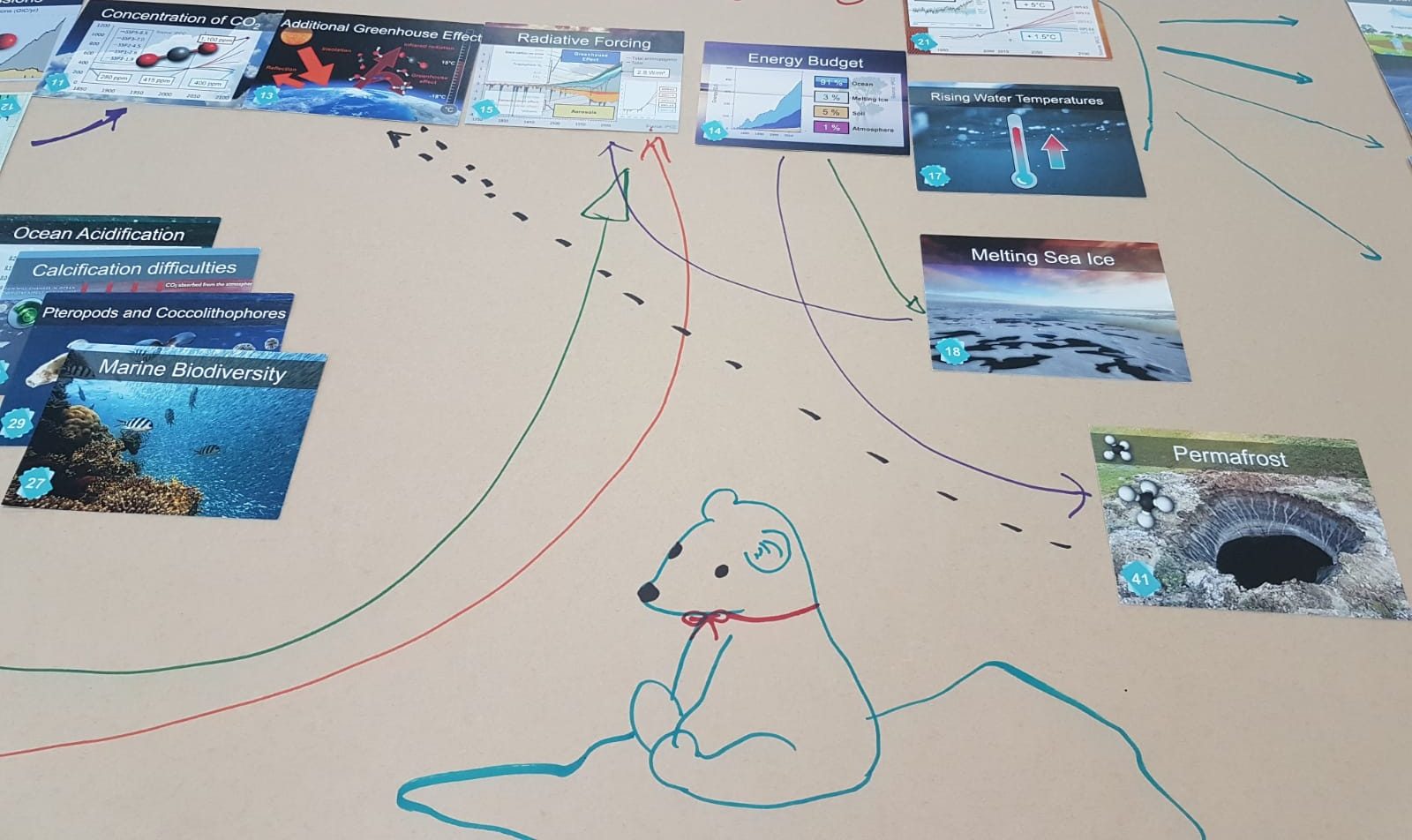
At People For Nature, we believe that climate literacy is foundational to empowering the next generation to understand and act on environmental challenges. Teaching young people the science of climate change — and the skills to think critically about it — builds confident, informed future leaders who can contribute meaningfully to their communities and the planet.
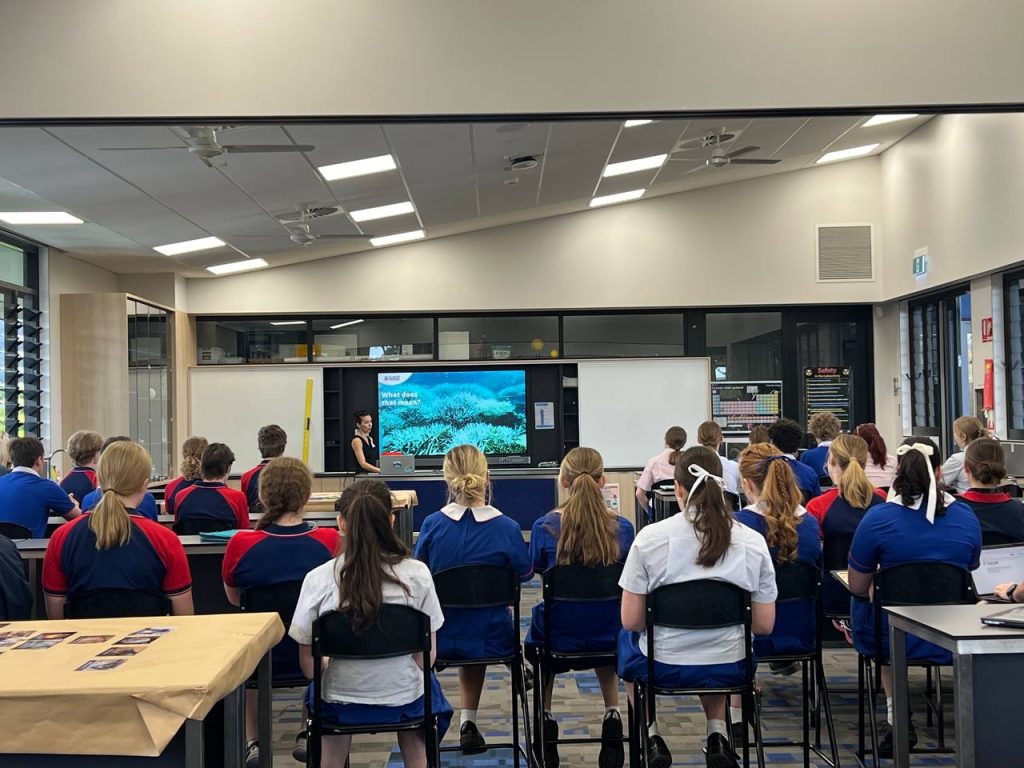
We were delighted to work with students at a Brisbane high school who recently led the charge on climate-smart learning by participating in a Climate Fresk workshop — an interactive, science-based experience designed to make climate change concepts accessible, engaging and relevant to young learners.
🎓 What Happened at the School
A group of Year 10 students took part in the Climate Fresk experience, which uses a collaborative card-based process to help learners understand the causes, consequences and connections within the climate system. Through teamwork and guided discussion, students visualise the links between human activities, environmental change, and potential solutions.
Students also explored how to take practical action — not just learn the theory. This kind of hands-on, facilitated climate education supports critical thinking, communication skills, and collective problem-solving, all of which are key competencies for 21st-century learning.

Junior Science and Circular Economy Coordinator, Damian, advocated for the workshop because he saw the link to the school’s scientific curriculum but also for the potential Climate Fresk offers in thinking critically about climate issues and their societal impacts.
They say it takes a village to raise a child. In a school sense, I see this as everyone doing their part. So sustainability action at our school includes helping everyone make the right decision when it comes to choosing the right bin or turning off lights and A/C at the end of a lesson. If students are more willing to step up in those everyday actions, I will be over the moon.
🌍 Growing Student Leadership
Importantly, the school is embedding this approach into its curriculum by offering some students the opportunity to train as Climate Fresk facilitators. Once trained, these student facilitators will lead workshops for their peers in Years 10 and 11, making climate education a sustainable and student-led part of the learning experience.
This initiative:
👉 Boosts scientific understanding
👉 Builds leadership through facilitation practice
👉 Empowers young people to teach others
👉 Strengthens student engagement in school sustainability culture
“I was so impressed with the session and the wonderful facilitators giving their time, expertise and passion. I was in awe of the whole experience.” Comments a Science Teacher.
📍 Why It Matters for Your School
Schools that integrate climate and systems thinking into teaching provide students with real world context and meaningful opportunities to contribute to solutions — not just learn about problems.
Climate education:
- 💜 Supports curriculum areas such as Science, Geography and Humanities
- 💜 Builds critical thinking and systems literacy
- 💜 Encourages student agency and leadership
- 💜 Equips learners with tools to participate in school and community sustainability initiatives
🛠 Want to Bring Climate Literacy to Your Classroom?
People For Nature delivers age-appropriate climate education programs designed for schools, including collaborative Climate Fresk workshops and tailored learning experiences. These are facilitated by trained educators and ambassadors who specialise in making complex science accessible and engaging.
If your school is considering climate education, sustainability projects or leadership opportunities for students, we’d love to partner with you — because when young people understand the system, they can help transform it.
💌 Contact us to explore workshop options, dates and bespoke programs for your school community:
info@blog.peoplefornature.org.au
High school students often have a natural curiosity and passion for learning. Engaging with them on climate science can be incredibly rewarding, and lead to exciting discussions and new ideas for us facilitators, the school, and the wider community.
Leave a Reply