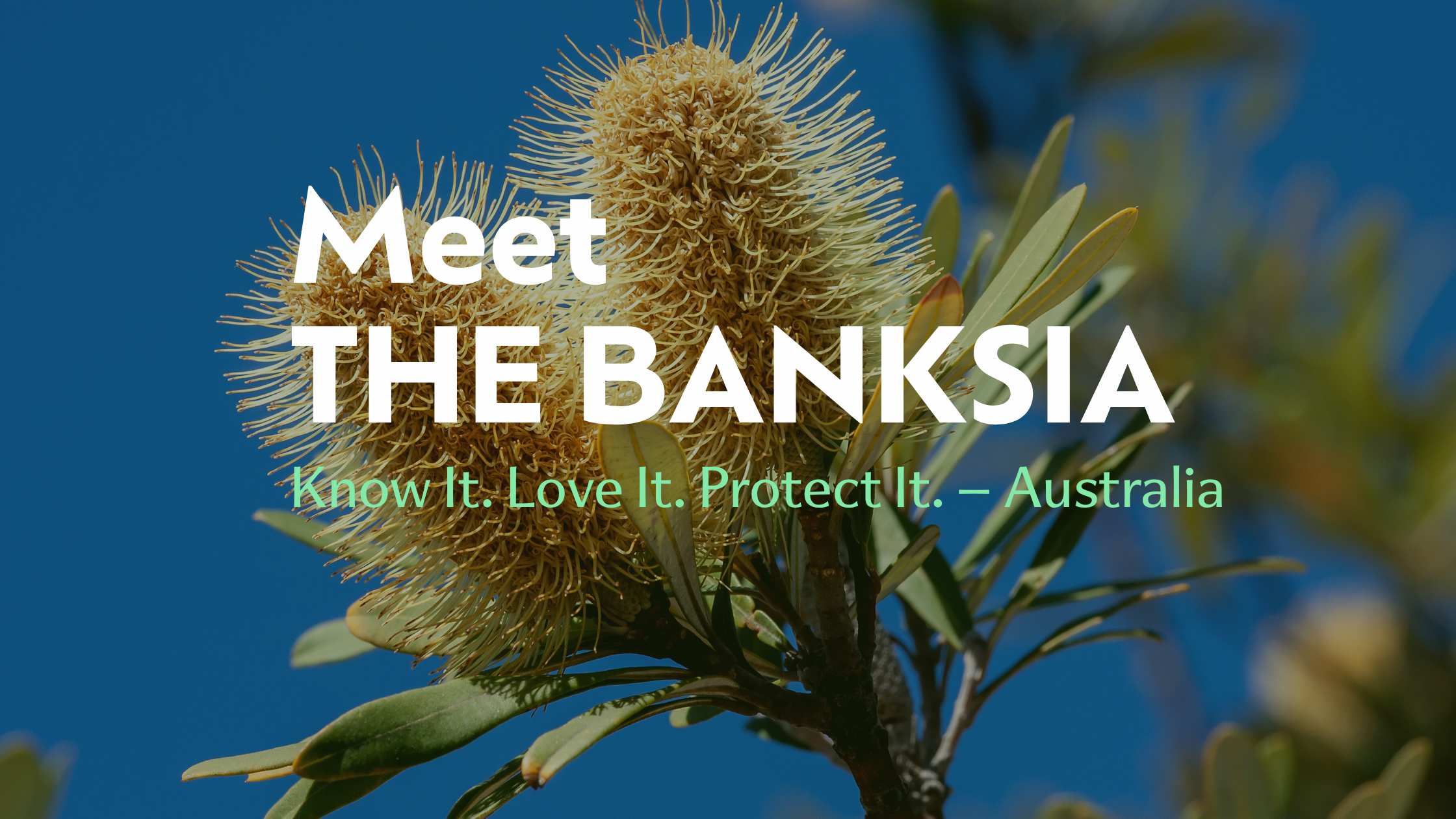
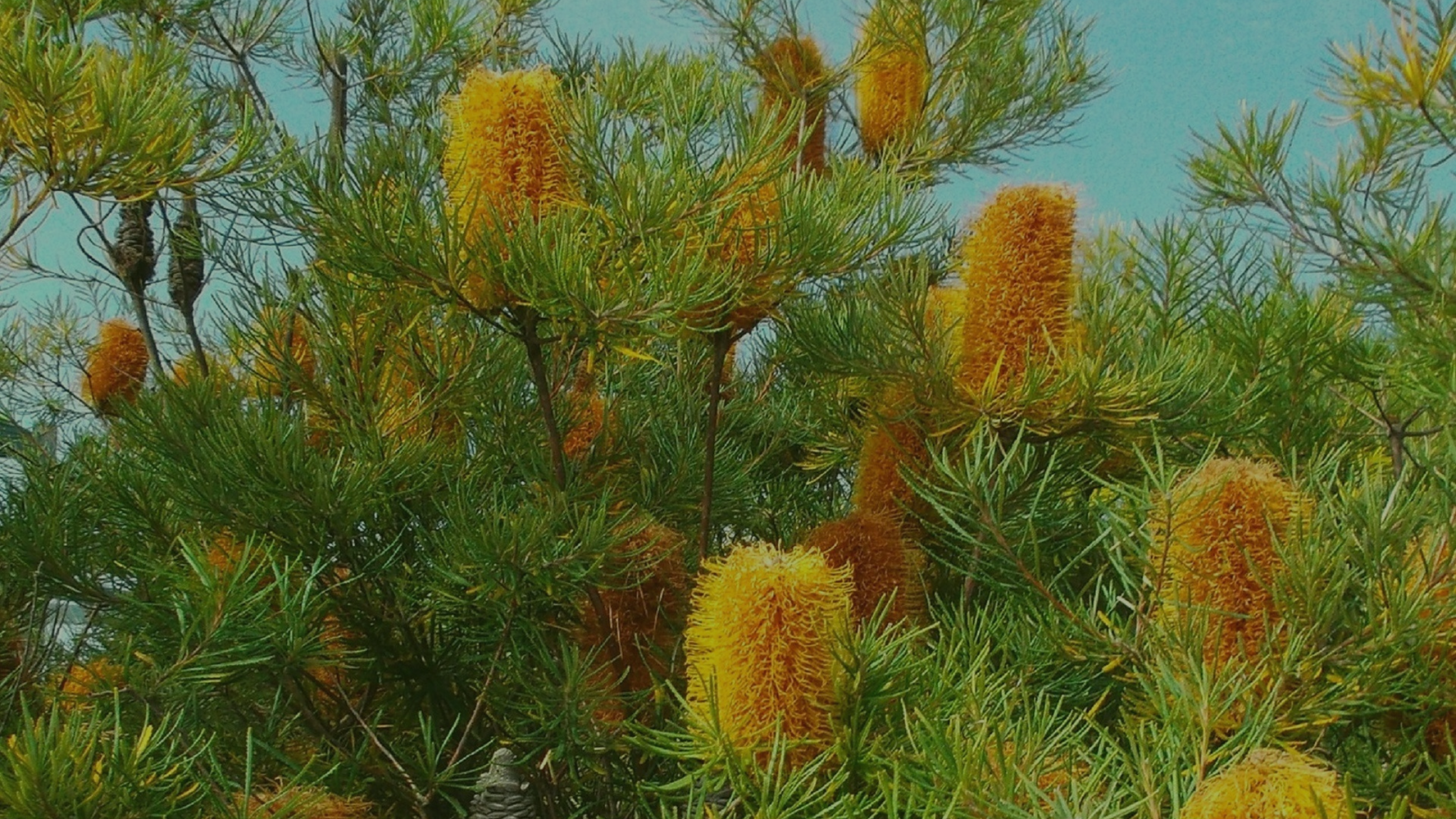
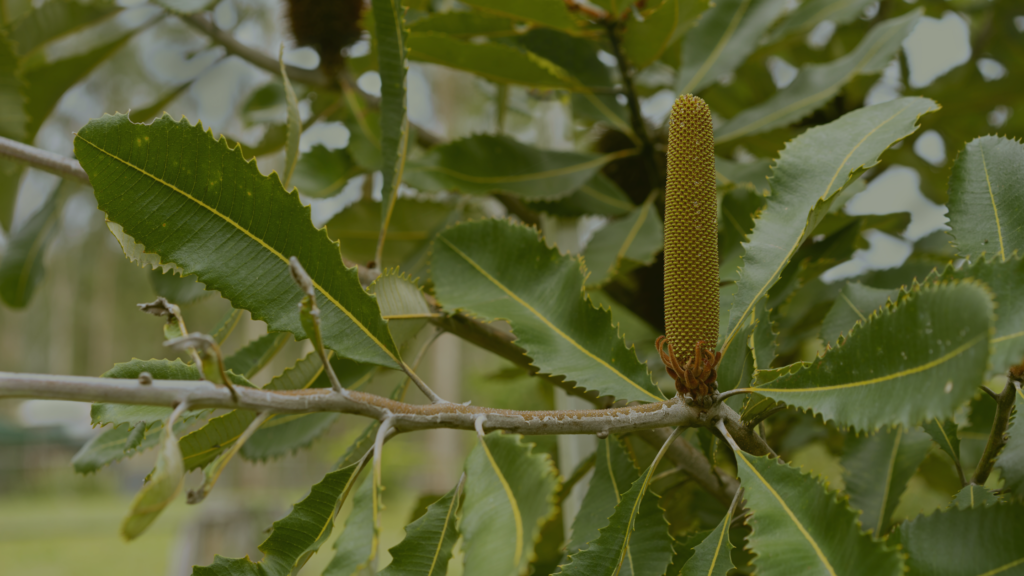
Found across much of Australia, the Banksia is one of the country’s most recognisable native plants, known for its striking flower spikes and distinctive woody cones.
With 173 species occurring across a wide range of habitats, from coastal regions and tropical areas to deserts and sub-alpine environments, the Banksia demonstrates the remarkable adaptability of Australian flora.
It is a reminder that Australia’s biodiversity is not only found in its animals, but also in the plants that support entire ecosystems.
Why it matters
Banksias play an important role in supporting wildlife and ecological health across Australia.
🌸 Their flowers provide food for birds, insects and other pollinators
🍂 Many species flower during autumn and winter when food resources can be limited
🌰 Their cones provide food for species such as cockatoos
🌿 They help support biodiversity across a wide range of Australian landscapes
Through these interactions, Banksias help sustain the complex relationships that keep ecosystems healthy and functioning.
Fun facts
🤓 There are 173 Banksia species and all but one occur naturally only in Australia
🤓 Banksias were named after Sir Joseph Banks, who collected the first specimens in 1770
🤓 Each flower spike is made up of hundreds, and sometimes thousands, of tiny flowers
🤓 Indigenous people in south-western Australia traditionally enjoyed Banksia nectar and used flower spikes to make a sweet drink
A deeper reflection
The Banksia reminds us that plants are often the overlooked foundation of biodiversity.
While animals frequently capture our attention, native plants create the habitat, food and ecological connections that support life across entire landscapes.
Many Australian plant communities now face pressures from land clearing, habitat fragmentation, invasive species and a changing climate.
In a country with over 600,000 native species, most found nowhere else on Earth, the Banksia is a reminder that protecting biodiversity begins with protecting the ecosystems that sustain it.
How we care for native plants today will shape the future of the wildlife that depends on them.
From Wonder to Action
Learn & understand
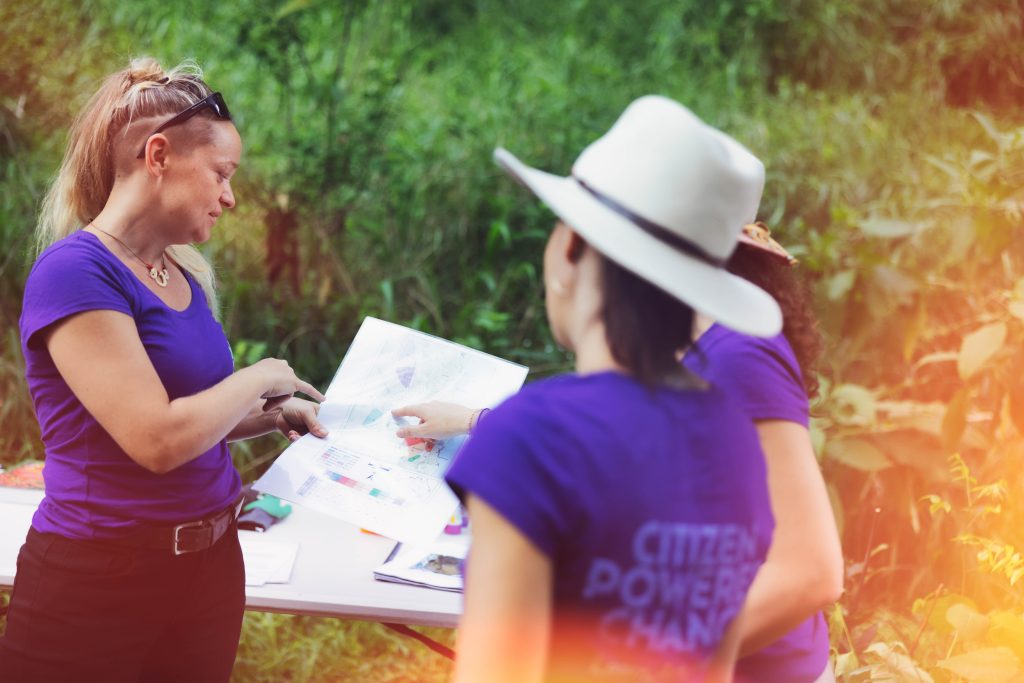
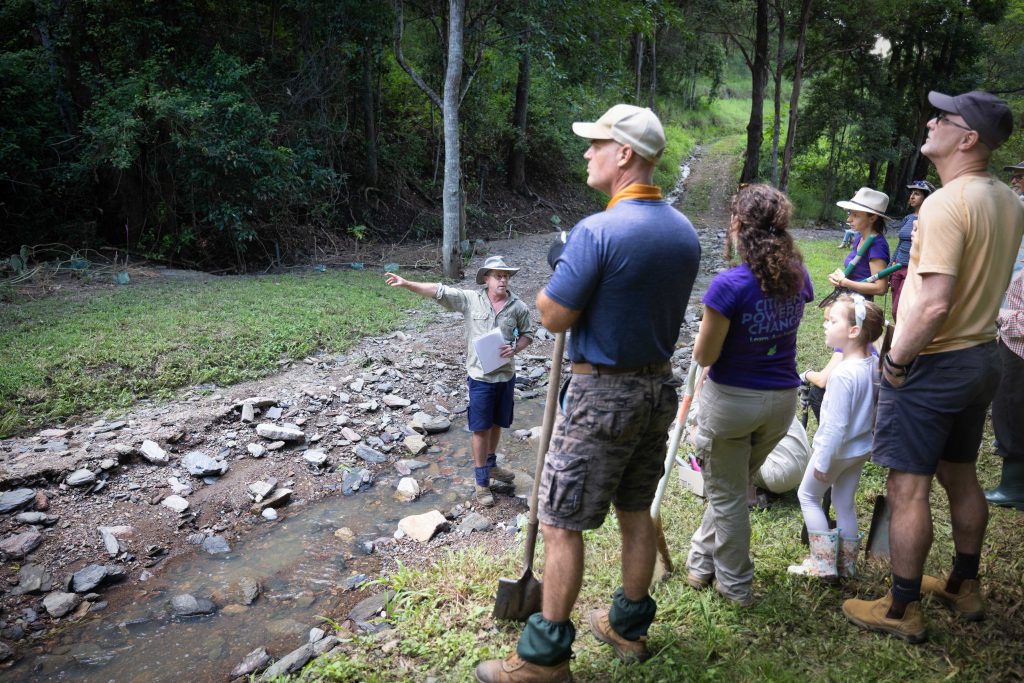
Explore how biodiversity, climate, and land systems are deeply connected through our workshops with People For Nature.
Create your Nature Oasis
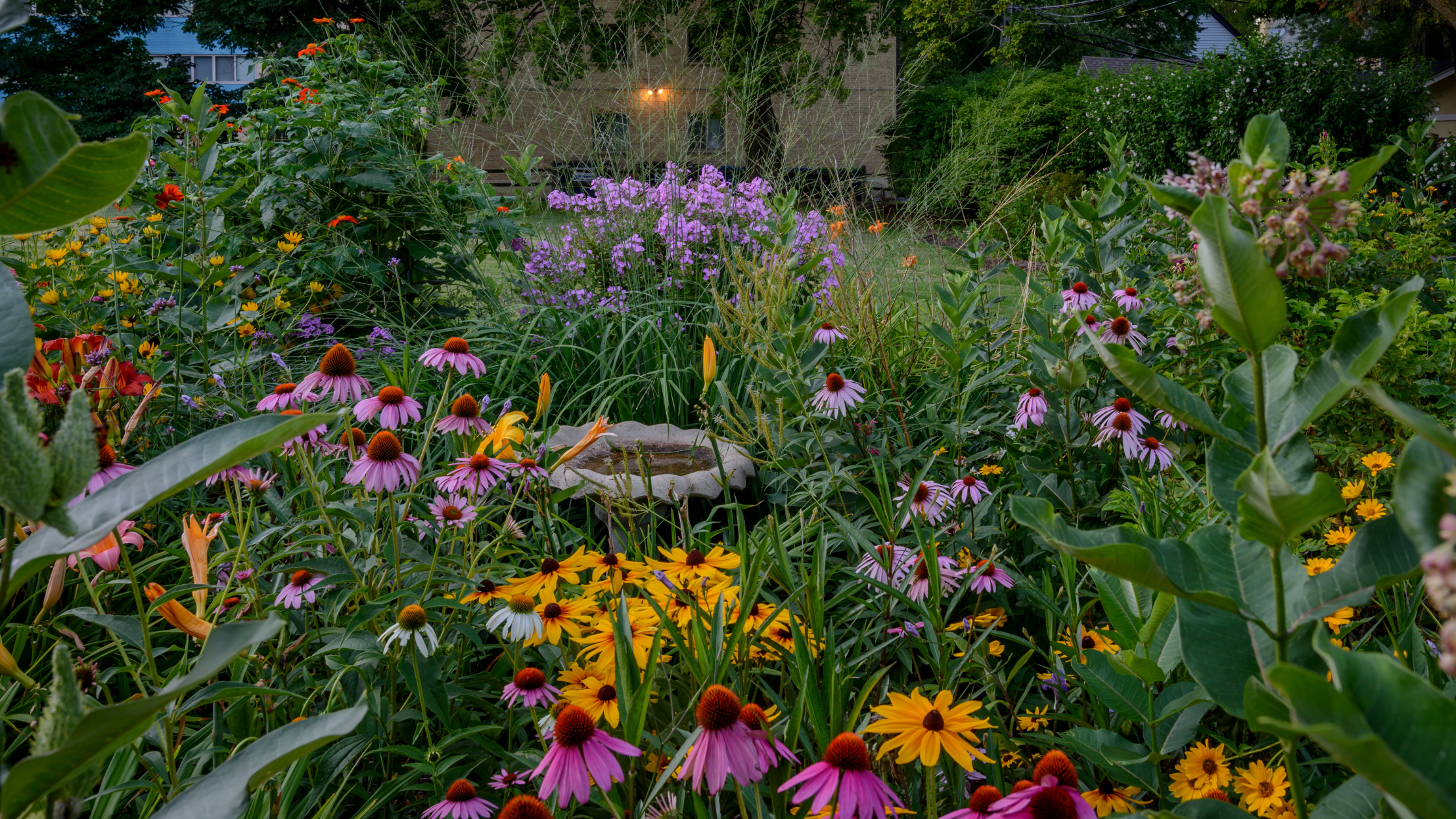
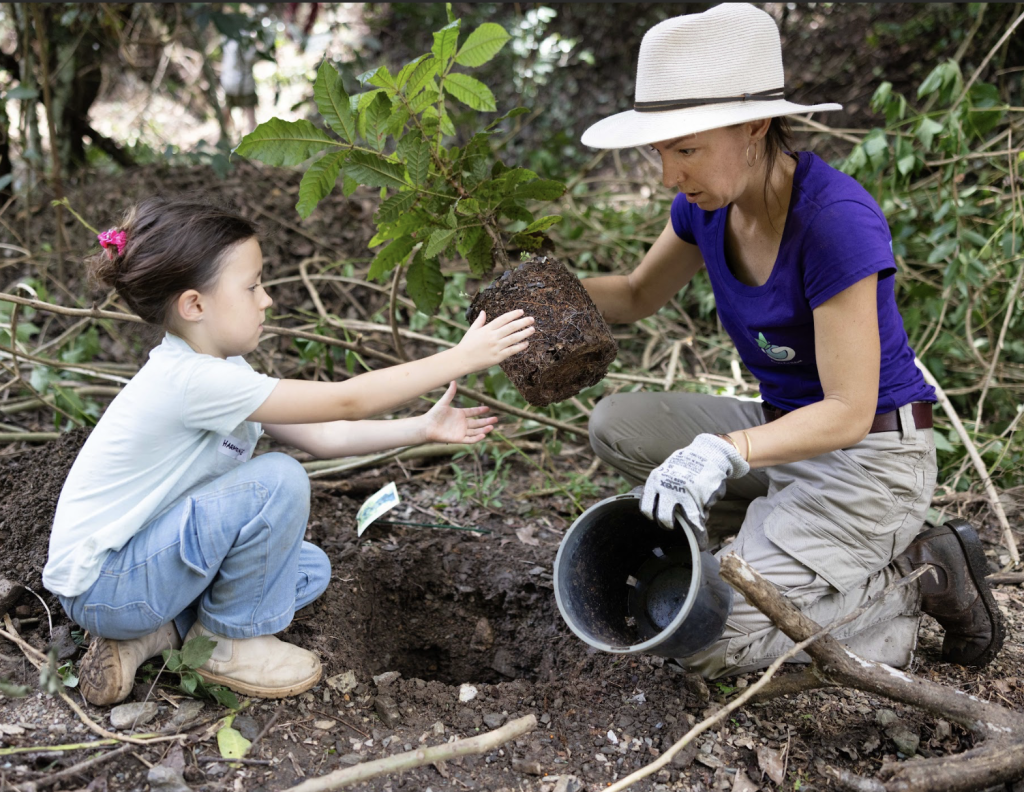
Plant native species to restore habitat and support the insects, birds, and wildlife that depend on them.
Join citizen science
Record native species around you on iNaturalist and contribute to real conservation data.
(Special thanks to Simon Andrews, Ambassador for People For Nature, for helping shape this story)
References:
Australian National Botanic Gardens. Banksia.
https://www.anbg.gov.au/gnp/interns-2002/banksia.html
Department of Biodiversity, Conservation and Attractions, Western Australian Government. Banksia Atlas.
https://www.dbca.wa.gov.au/science-research/flora-conservation-research/banksia-atlas