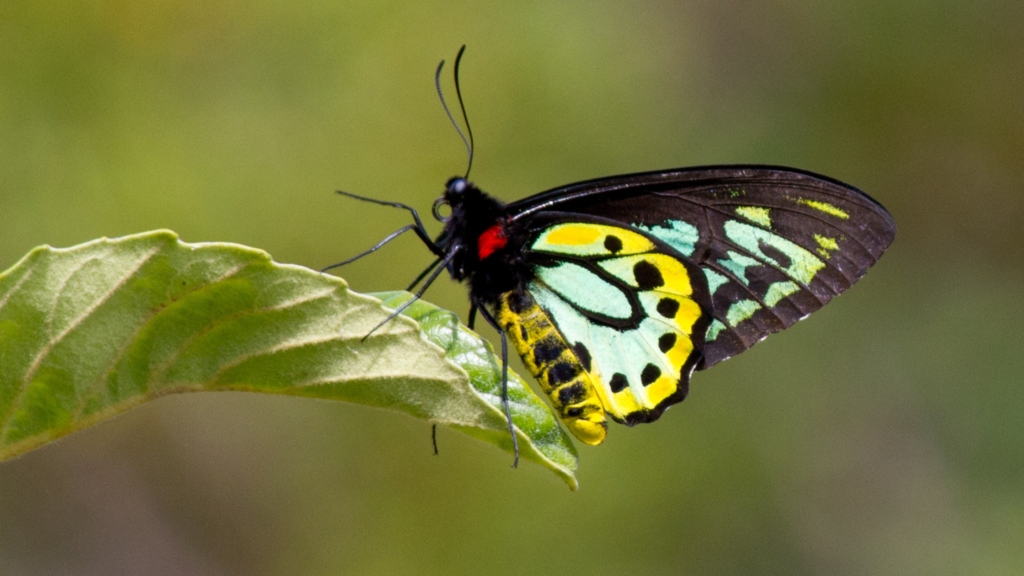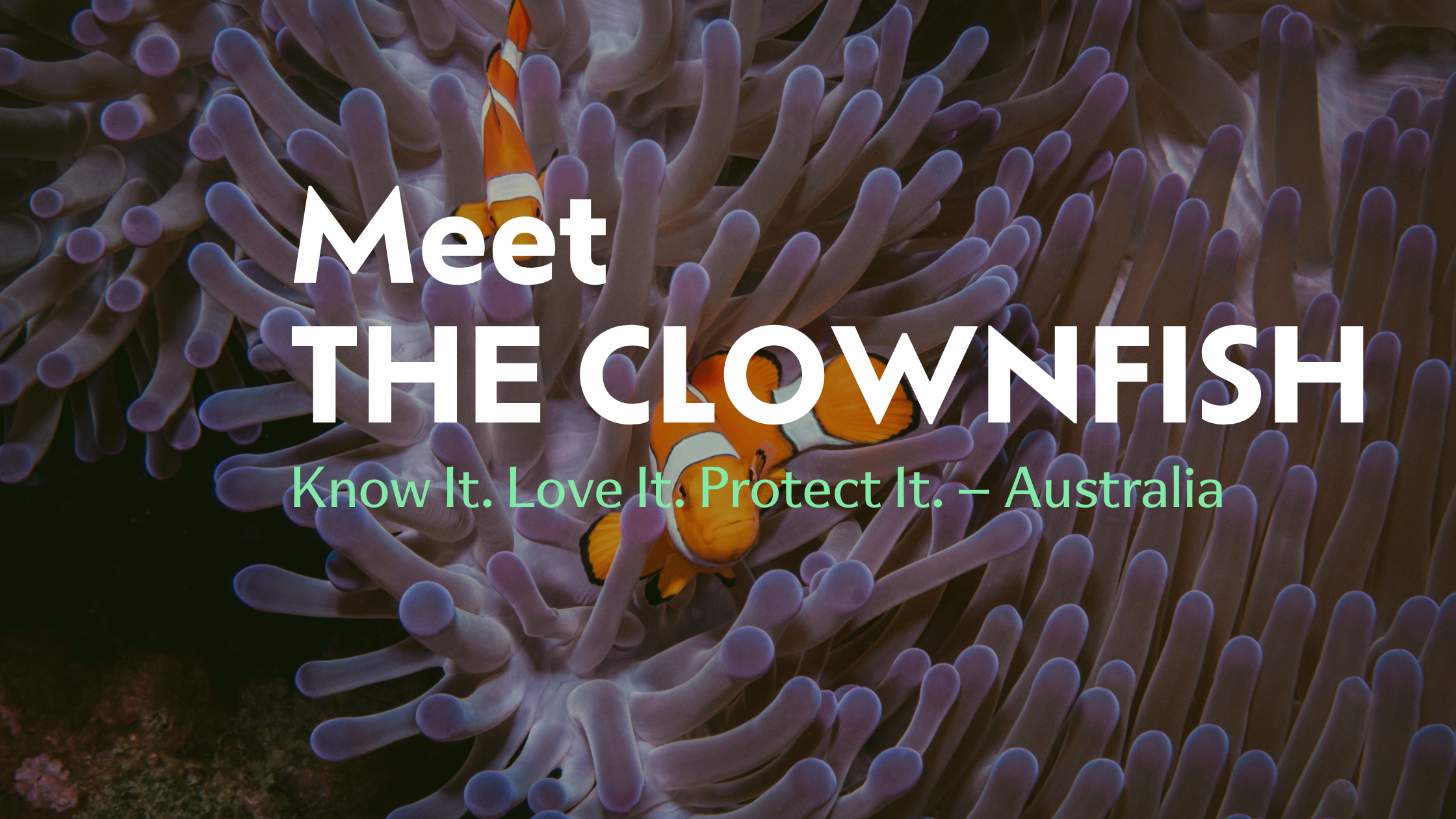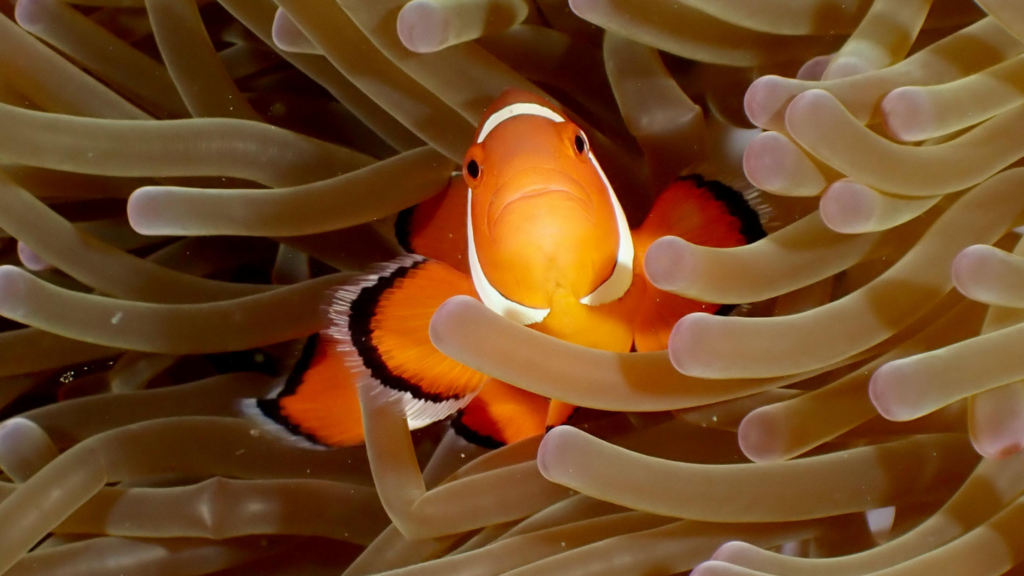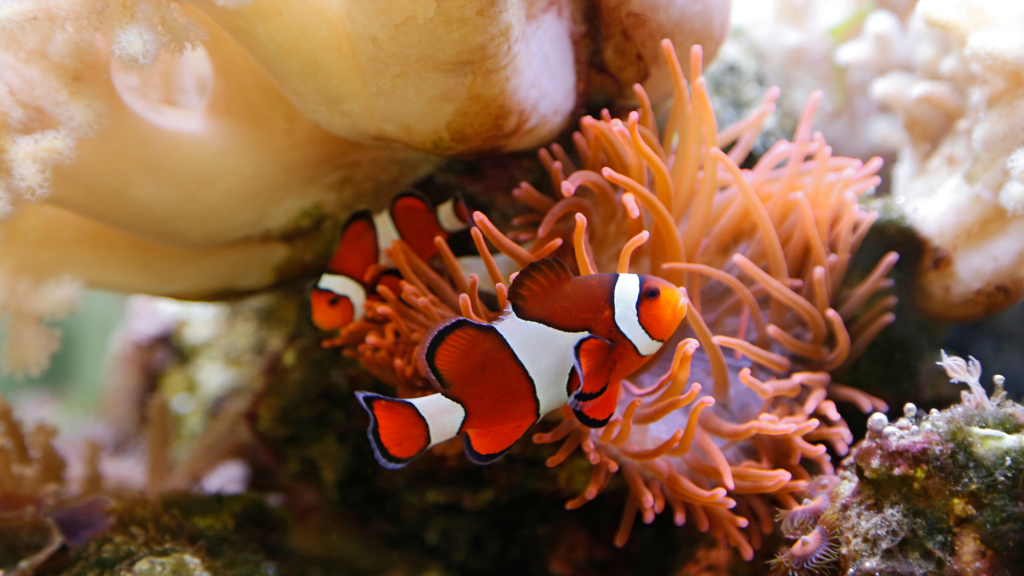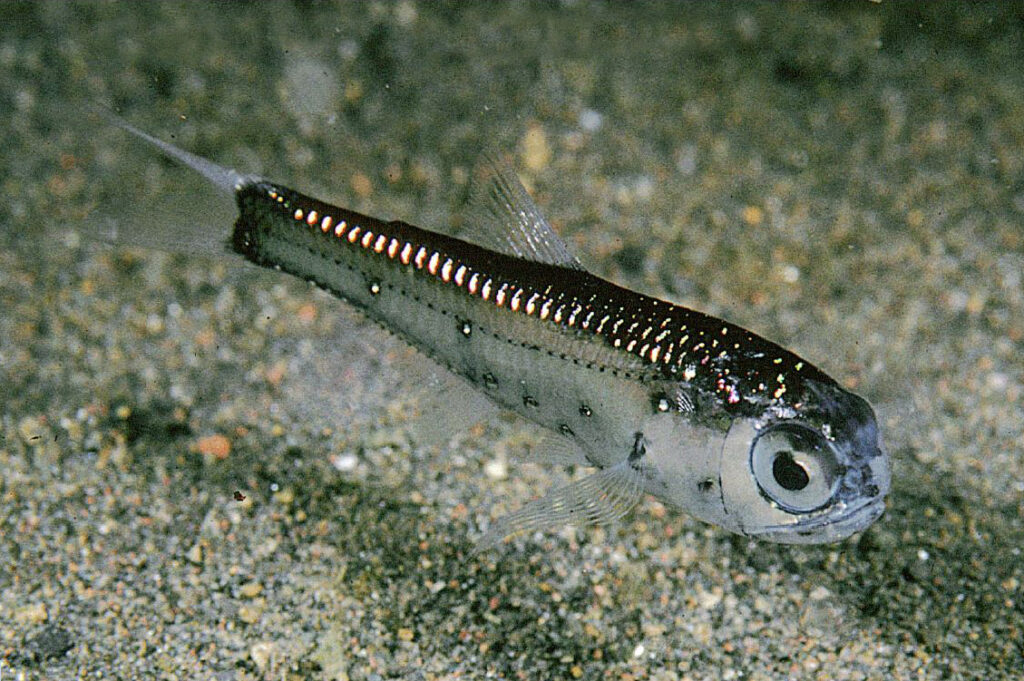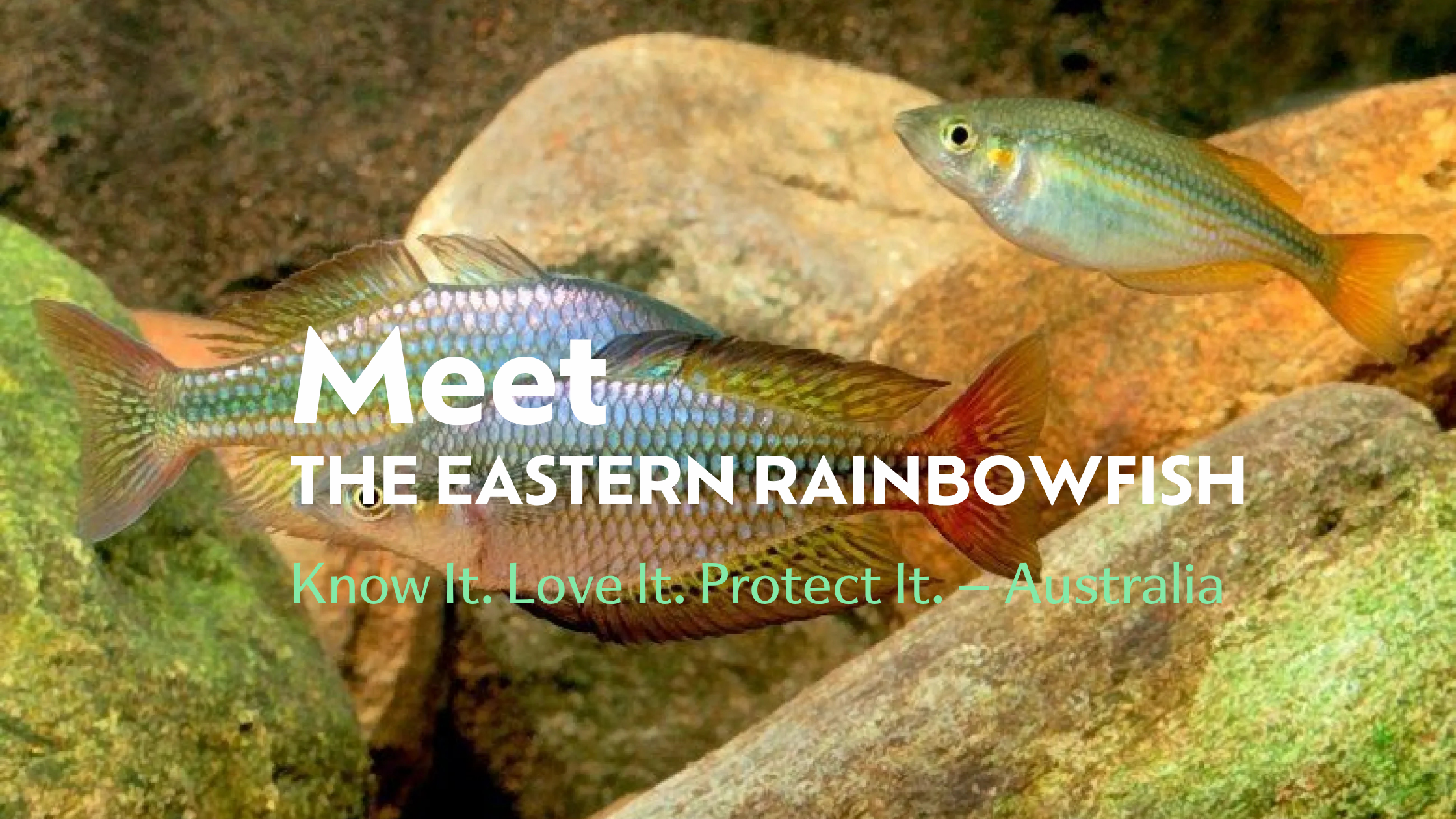
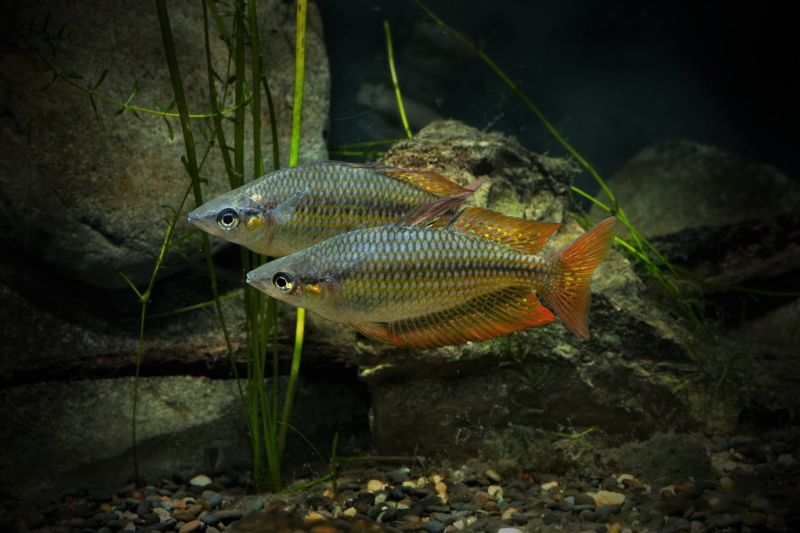
With shimmering shades of blue, gold, green and red, the Eastern Rainbowfish is one of Australia’s most colourful freshwater species and a striking example of the biodiversity found beneath the surface of our waterways.
Found in rivers, creeks, streams and wetlands across northern and eastern Australia, these vibrant fish thrive in clean, flowing water and are often considered indicators of healthy freshwater ecosystems.
They are a reminder that some of Australia’s most spectacular wildlife can be found in places we often overlook.
Why it matters
The Eastern Rainbowfish plays an important role in maintaining healthy freshwater ecosystems.
🐜 It helps control insect populations by feeding on aquatic invertebrates
🐟 It forms part of the food web that supports a wide range of freshwater species
💧 Its presence can indicate good water quality and healthy aquatic habitats
🌳 It contributes to the biodiversity that keeps waterways functioning and resilient
As a native freshwater fish, the Eastern Rainbowfish highlights the importance of protecting Australia’s rivers, creeks and wetlands.
Fun facts
🤓 Male Eastern Rainbowfish become even more colourful during the breeding season to attract females
🤓 Their scales can reflect brilliant shades of blue, gold, green and red
🤓 They are social fish that live in schools
🤓 The species is endemic to Australia and occurs naturally nowhere else in the world
A deeper reflection
The Eastern Rainbowfish reminds us that healthy ecosystems depend on clean and connected waterways.
Freshwater habitats support an extraordinary diversity of life, yet they are among the most vulnerable ecosystems to pollution, habitat degradation and invasive species.
Even small changes to water quality can have significant impacts on the species that rely on these environments.
In a country with more than 600,000 native species, many found nowhere else on Earth, the Eastern Rainbowfish highlights the importance of conserving the freshwater ecosystems that sustain countless plants and animals.
Protecting our rivers, creeks and wetlands helps ensure these colourful native fish continue to thrive for generations to come.
From Wonder to Action
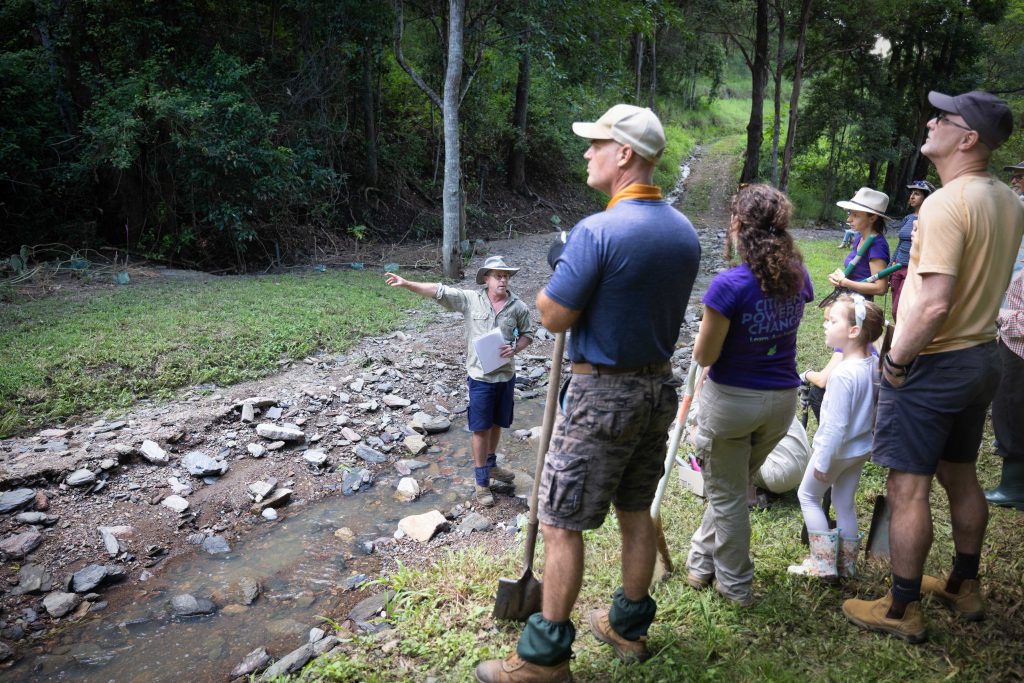
Learn & understand
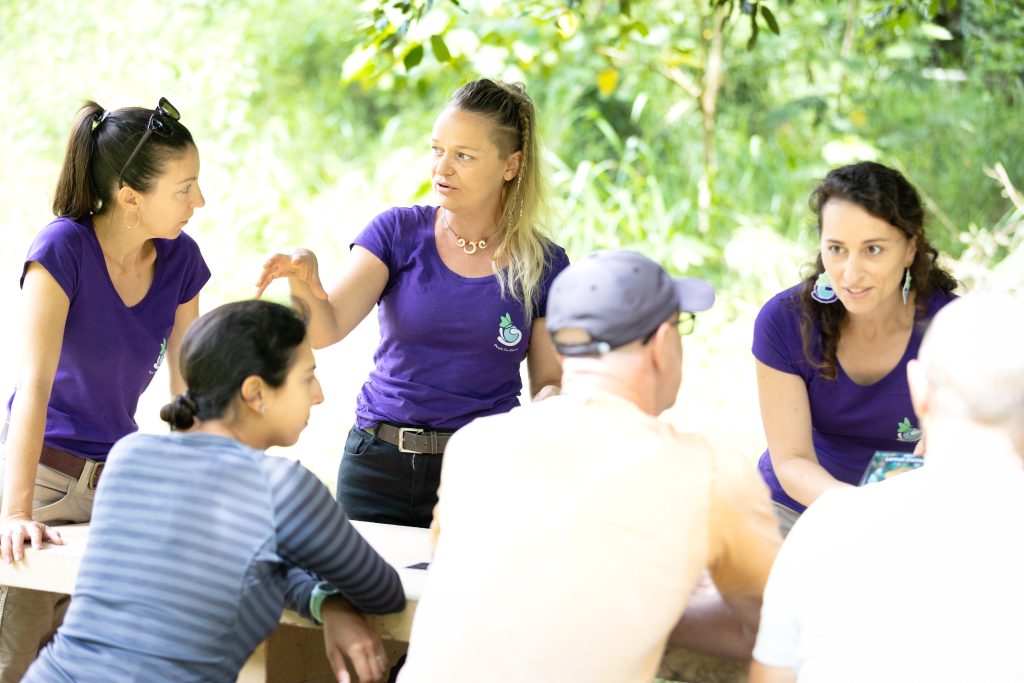
Explore how biodiversity, climate, and land systems are deeply connected through our workshops with People For Nature.
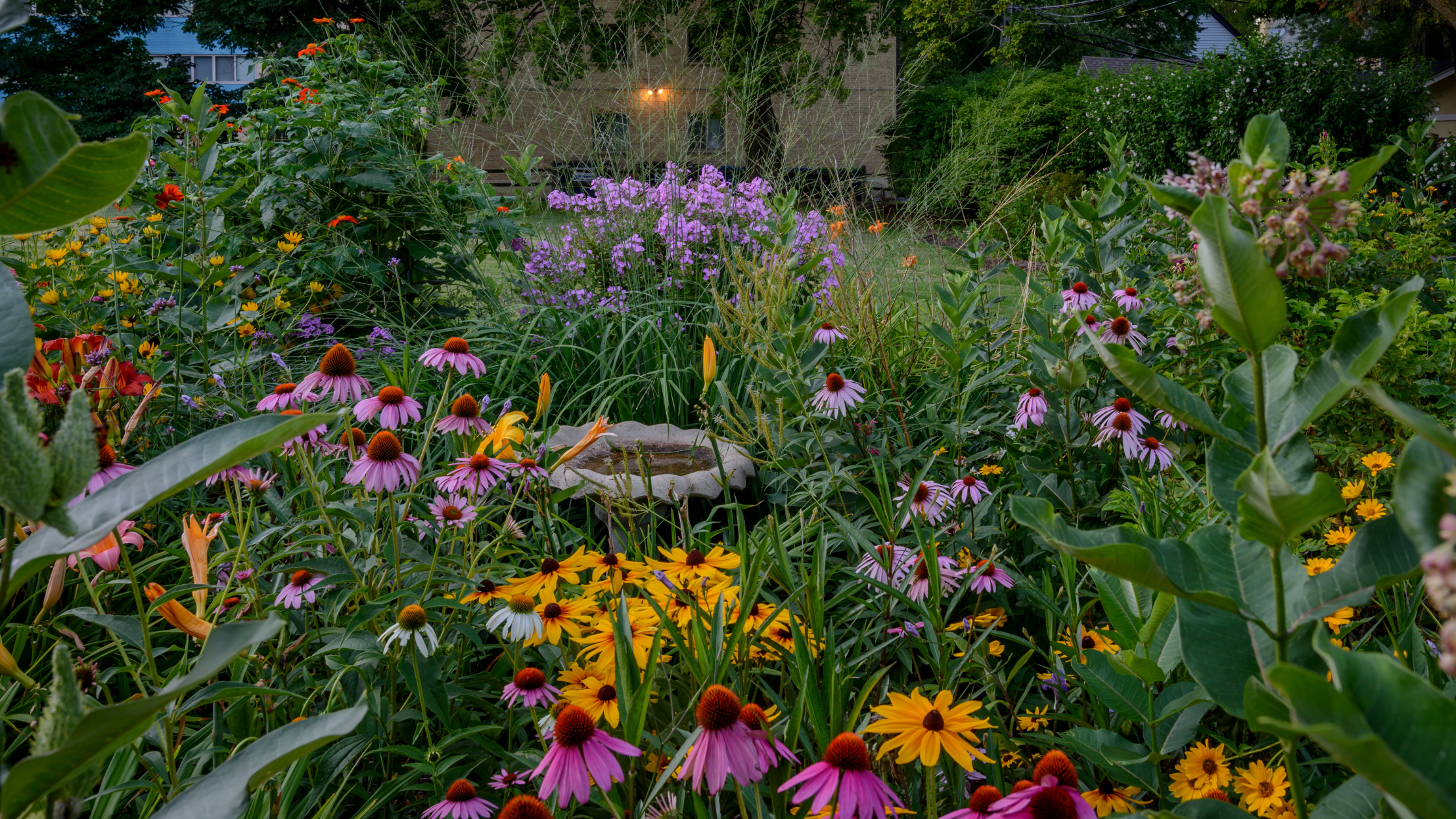
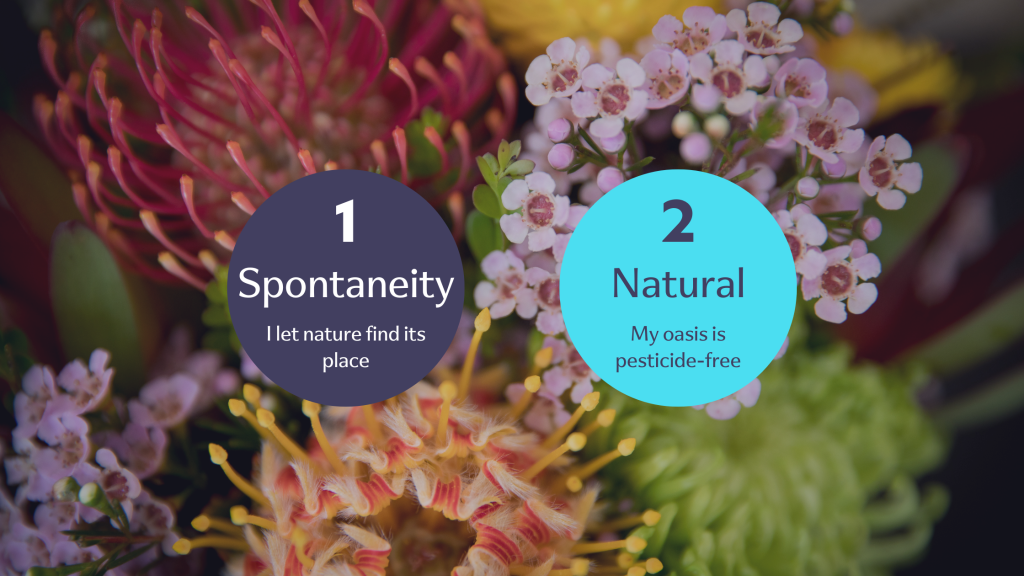
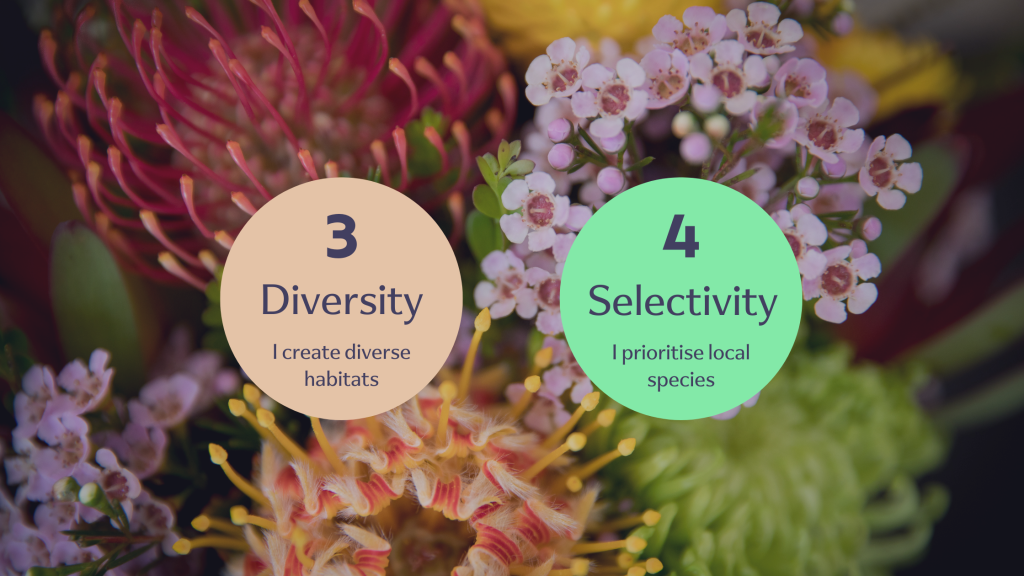
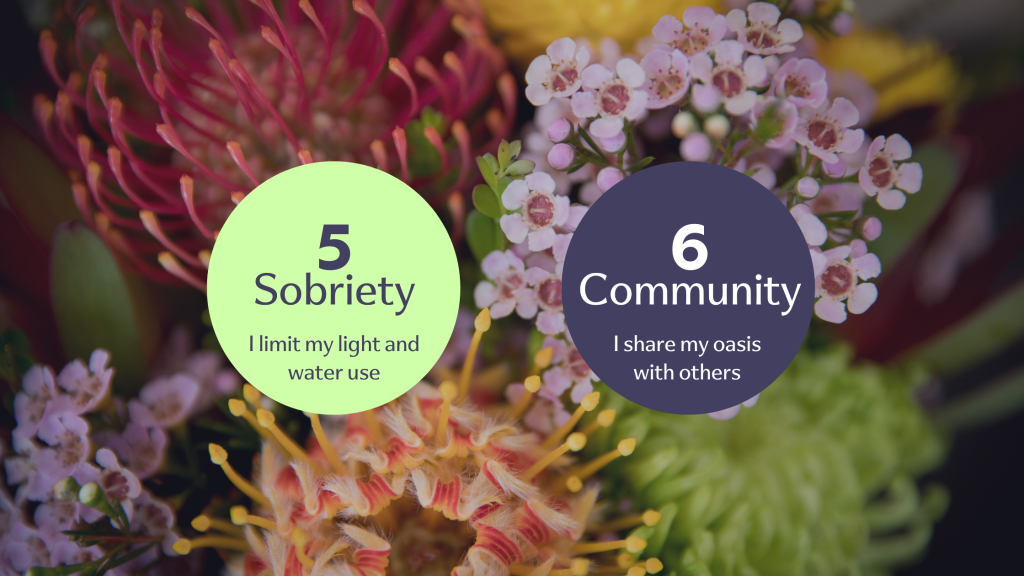
Create your Nature Oasis
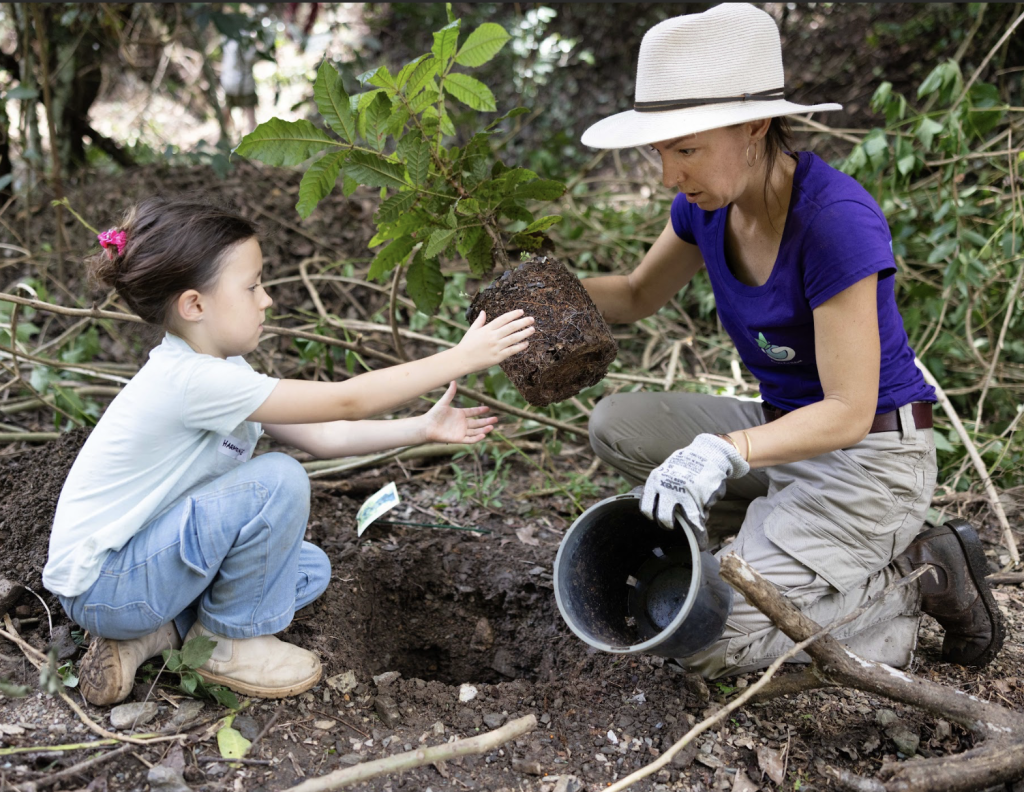
Plant native species to restore habitat and support the insects, birds, and wildlife that depend on them.
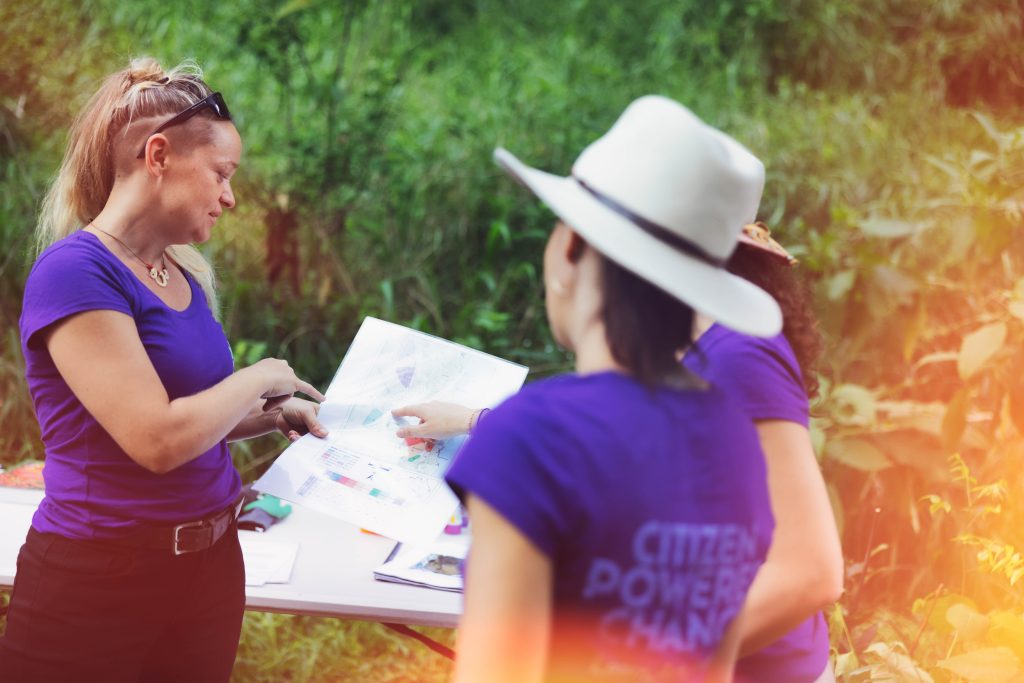
Join citizen science
Record native species around you on iNaturalist and contribute to real conservation data.
(Special thanks to Simon Andrews, Ambassador for People For Nature, for helping shape this story)
References
Australian Museum. Eastern Rainbowfish (Melanotaenia splendida splendida).https://australian.museum/learn/animals/fishes/eastern-rainbowfish/
Photo credit: Keith Martin and ‘Clohesy River, Kuranda’ – Foto © Gunther Schmida.