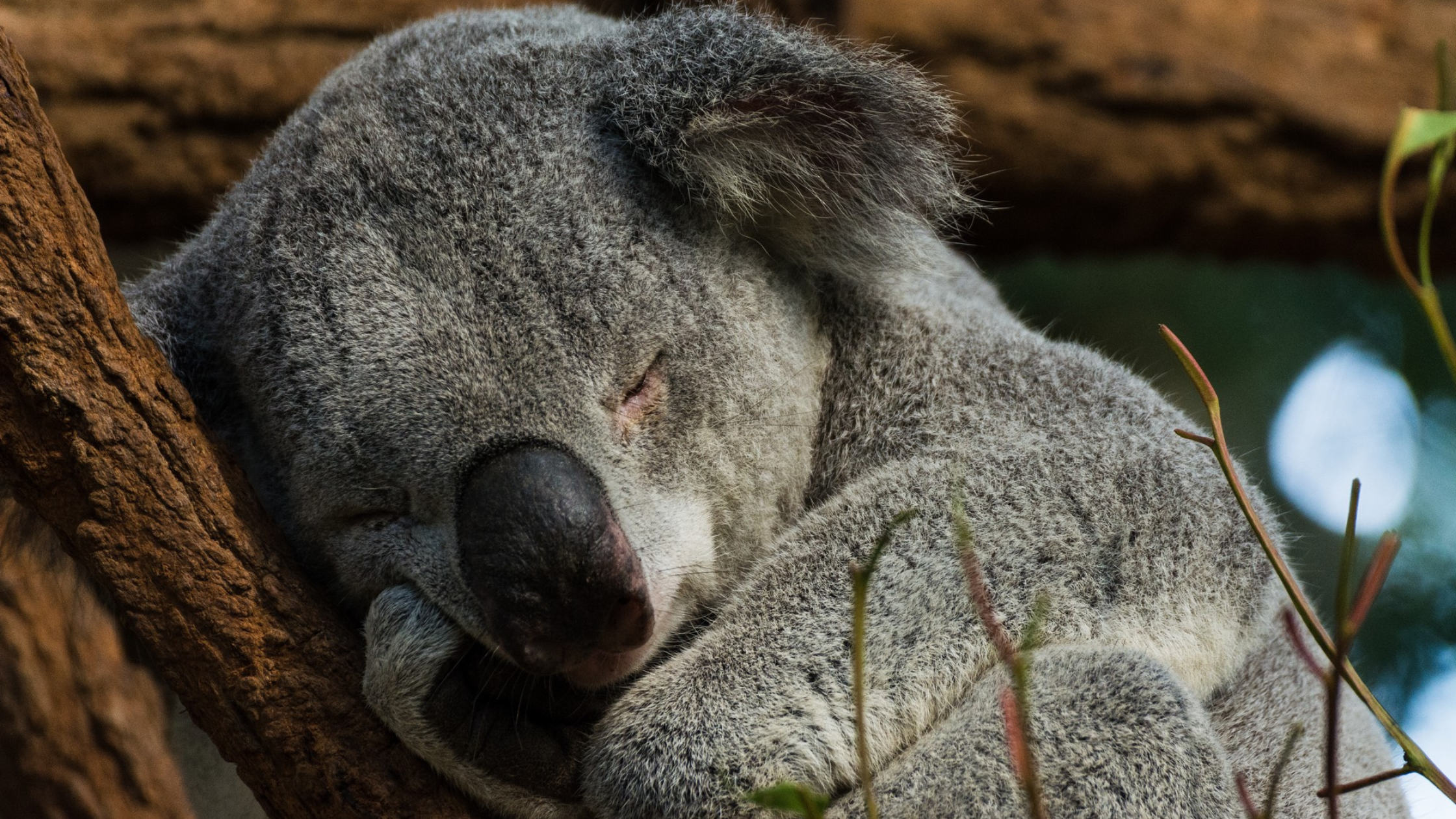
Scaling up collective Koala conservation research
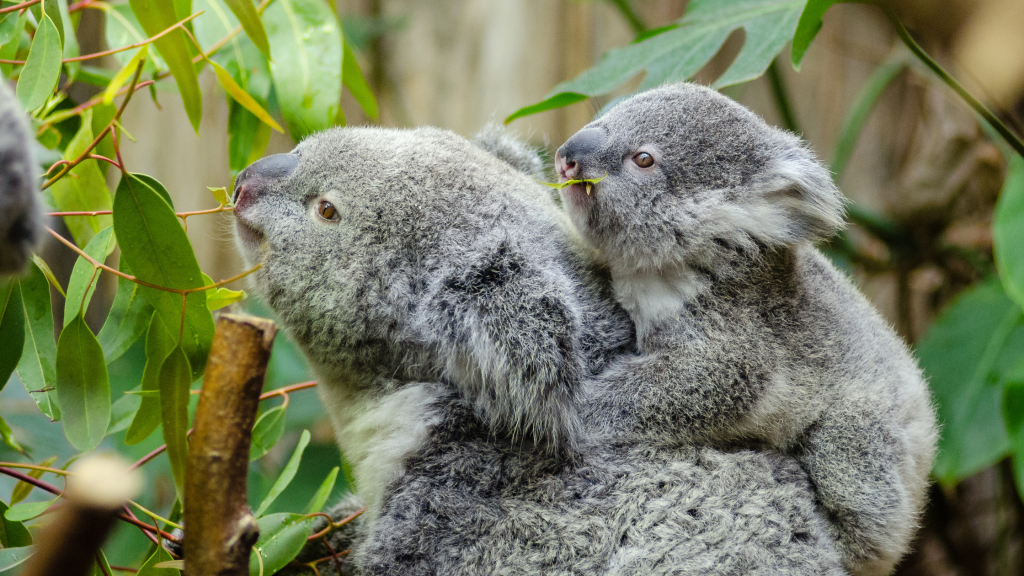
Let’s talk Koalas. Yes, those cuddly leaf-munchers that make Australia famous — and sadly, are quietly disappearing from the wild. But what if we told you the key to saving them isn’t locked up in a lab or buried in a government report… but lying on the forest floor?
That’s right. Poop.
More precisely, Koala poop — or “scat,” if we’re being scientific.
💡 From Droppings to Data
Understanding how Koala populations are structured — which group is still connected to which one, where they can still interact (that’s what a genetic corridor is), and how healthy they are — is absolutely critical to protecting them.
But here’s the catch: traditional methods like trapping and tagging are expensive, slow, and let’s be honest, very stressful for the Koalas themselves.
Enter: the poop scoop revolution.
Over the last decade, Olivia Woosnam worked closely with Dr Wedrowicz and her team to perfect a method first devised by Dr Wedrowicz in the early 2010s.
This optimised method provides a clever, rapid, cheap, and non-invasive way to study Koalas using only their scat. That’s right — no poking, no prodding, just good old DNA extracted from the droppings they leave behind.
Even though Koalas are often hard to spot in the wild, thankfully they are prolific poopers!
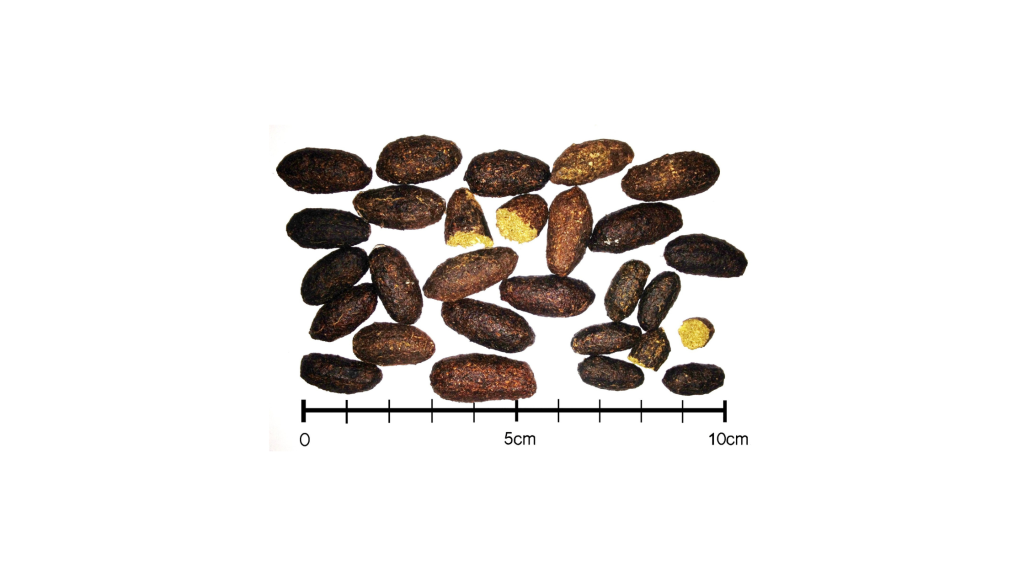
They produce around 150 pellets a day that can remain viable for many weeks, leaving a large trail of DNA behind them wherever they go. This powerful approach allowed to build the largest Koala genetic database in the country, stretching from Victoria to Queensland.
And the best part? Anyone can contribute.
🧬 Science Meets Citizen Power
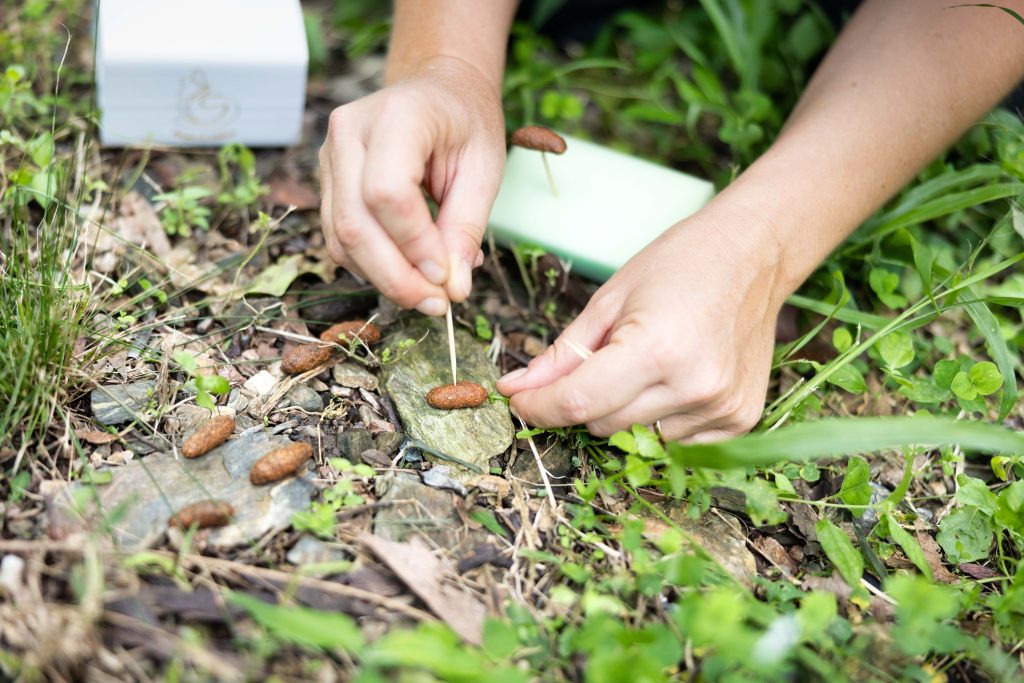
Thanks to this game-changing model, we now have access to a treasure trove of wild Koala DNA — that can now be collected by anyone, without disturbing a single marsupial. With community members, bushwalkers, nature lovers, and local legends banding together with a increasing number of scientists to support them, the data just keeps growing.
Backed by multiple Federal Government projects, this approach is not only scientifically robust, it’s statistically powerful, rapid, and incredibly cost-effective.
In other words: it works, it’s fast, and it won’t cost the Earth (pun intended).
🌏 What’s Next?
At People For Nature, we’re calling on fellow conservationists, councils, and everyday Aussies to get behind a bold plan: roll this model out across all of Eastern Australia.
The goal?
Identify and scientifically describe every Koala population that is still hanging in there today — so we can ‘put them on the map’ and advocate for their conservation before it’s too late.
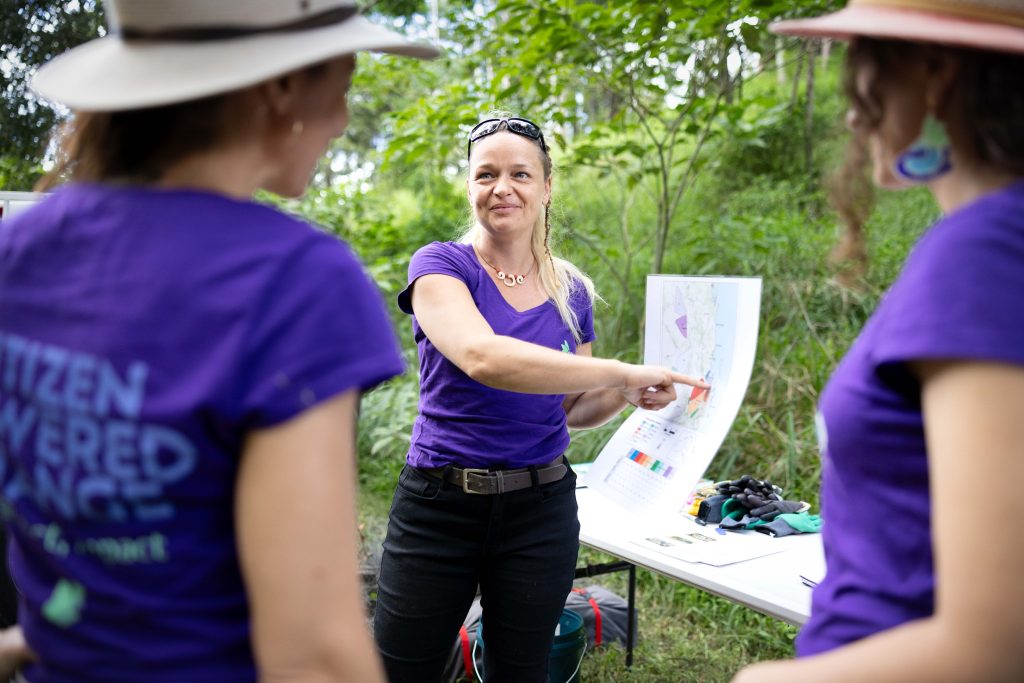
By empowering communities to lead local monitoring efforts, we can adapt conservation strategies in real time. It’s practical, scalable, and actually fun.
(There’s something oddly thrilling about finding poop with purpose.)
And for those who may be grossed out by the idea of scat: luckily enough Koala pop is ‘dry’ to the touch! No, you won’t get poop all over your hands. If you do, then that’s actually a tell-tale sign that this ain’t Koala scat.
🐨 Why It Matters
Koalas are in serious trouble — especially across Eastern Australia where populations are plummeting. Time is running out to protect what’s left. But with this community-driven, eDNA-based model, we have a real shot at turning things around.
So the next time you’re out on a hike and spot what looks like an olive pit underfoot — pause. It might just be the beginning of the next big Koala breakthrough.
Want to help?
Your donation will support our community-driven koala genetic monitoring program. By empowering people power, we collect vital data to protect koalas and their habitats. Every dollar is used efficiently to maximise conservation impact.

Every contribution counts
👉 https://empowering-people-to-save-the-koala.raiselysite.com
Leave a Reply