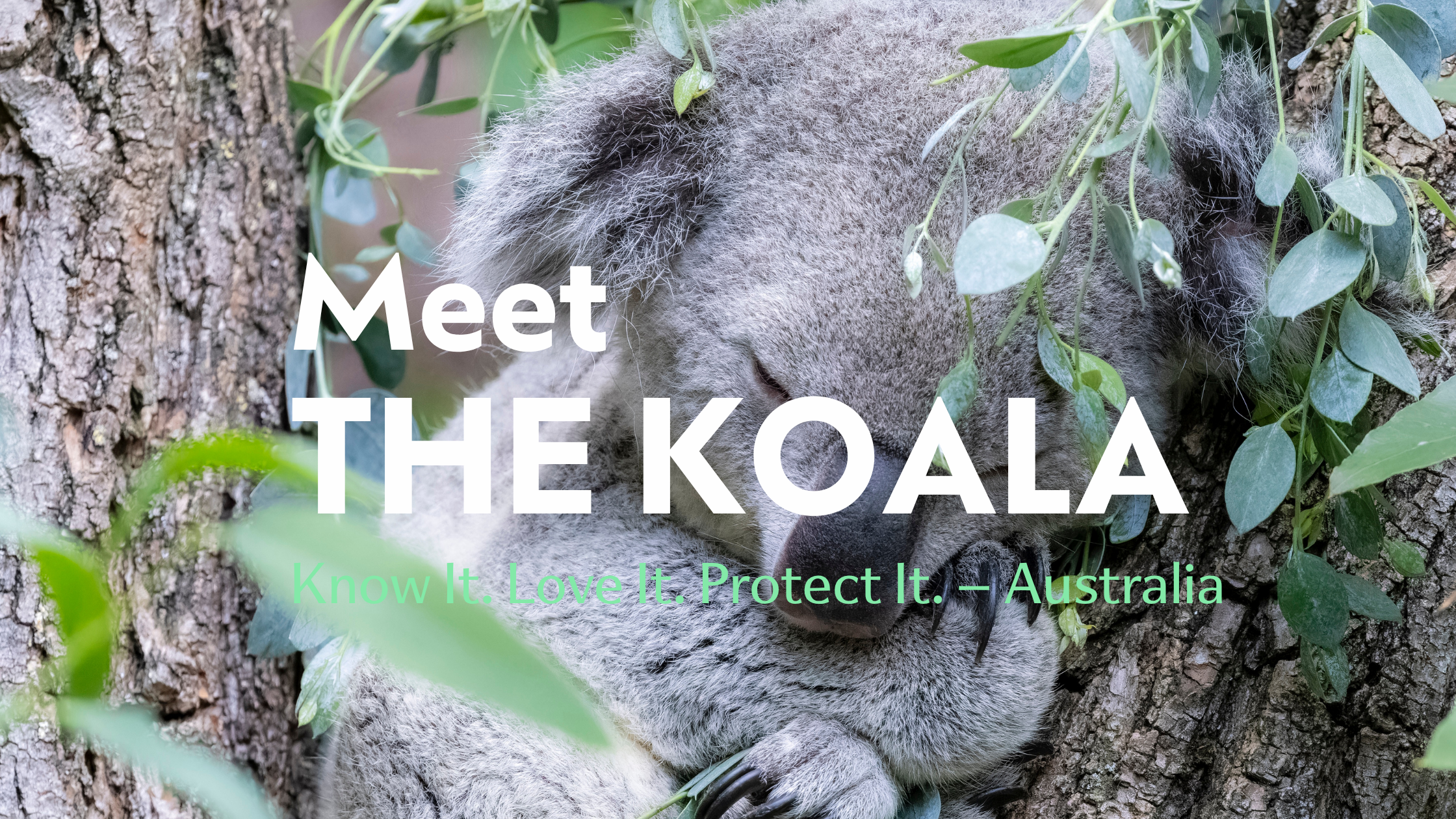
One of Australia’s most iconic animals, the Koala is a tree-dwelling marsupial known for its fluffy ears, button nose and calm demeanour.
Found in eucalyptus forests along Australia’s eastern and southern coasts, the Koala has become a global symbol of the country’s unique wildlife and the extraordinary species found nowhere else on Earth.
It is a reminder that Australia’s biodiversity is both internationally celebrated and increasingly vulnerable.
Why it matters
Koalas play an important role in Australia’s forest ecosystems.
🌿 They are closely linked to the health of eucalyptus forests, relying on these habitats for both food and shelter
🌿 Their presence can indicate the health and connectivity of native forest ecosystems
🌿 They help draw attention to the importance of protecting Australia’s biodiversity-rich landscapes
🌿 Their conservation supports the protection of countless other species that share their habitat
As an iconic umbrella species, protecting koalas also helps safeguard the broader ecosystems on which many native plants and animals depend.
Fun facts
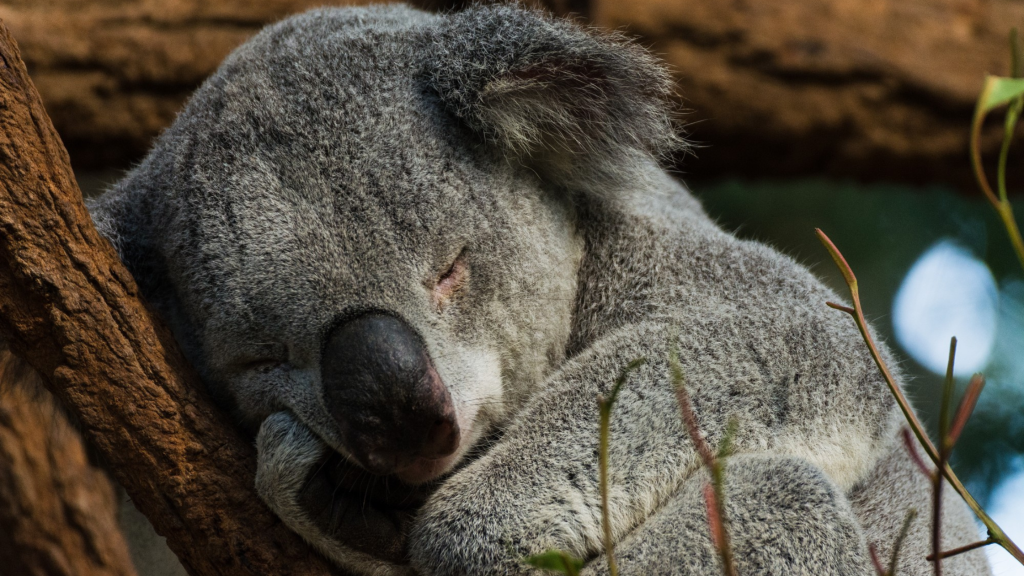
🤓 Koalas can sleep for up to 20 hours a day to conserve energy from their low-nutrient eucalyptus diet
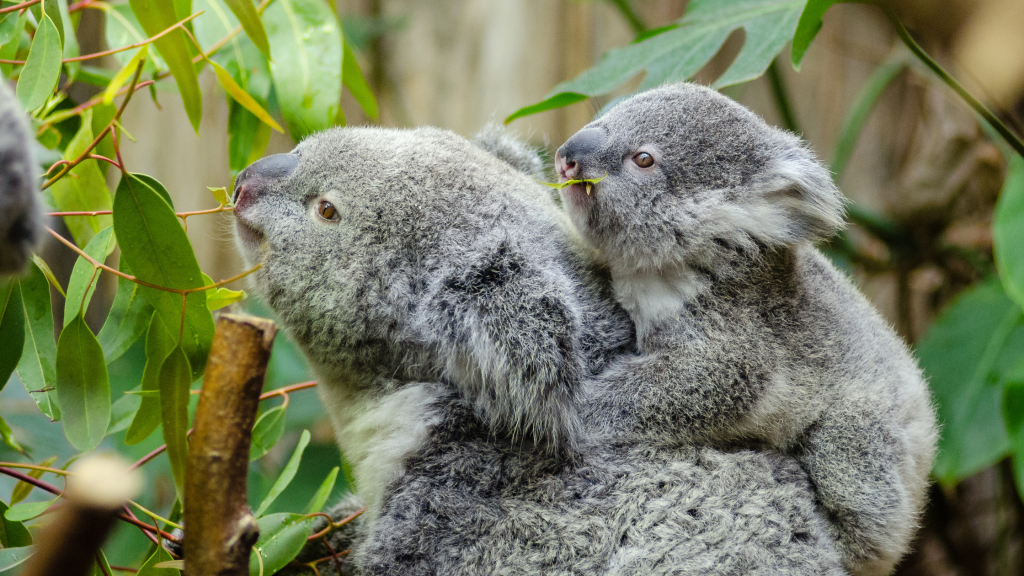
🤓 Their sharp claws and strong limbs make them expert tree climbers perfectly adapted to life in the canopy
🤓 Every Koala has a unique nose pattern, much like a human fingerprint
🤓 Despite their cuddly appearance, koalas are highly specialised animals with diets limited to a relatively small number of eucalyptus species
A deeper reflection
The koala challenges the assumption that familiar and beloved species are automatically secure.
Despite being one of Australia’s most recognised animals, koala populations continue to face significant pressures from habitat loss, land clearing, road mortality, bushfires and climate change.
Their decline highlights how quickly even iconic species can become vulnerable when the ecosystems they depend upon are degraded.
In a country with more than 600,000 native species, many found nowhere else on Earth, the Koala reminds us that biodiversity conservation is not just about protecting rare species, but also ensuring that our most treasured wildlife remains part of Australia’s future.
How we care for eucalyptus forests today will shape whether future generations inherit a landscape that still echoes with the presence of this national treasure.
From Wonder to Action
Learn & understand
Explore how biodiversity, climate, and land systems are deeply connected through our workshops with People For Nature.
Create your Nature Oasis
Plant native species to restore habitat and support the insects, birds and wildlife that depend on them.
Join citizen science
Record native species around you on iNaturalist and contribute to real conservation data.
(Special thanks to Simon Andrews, Ambassador for People For Nature, for helping shape this story)
References:
Leave a Reply