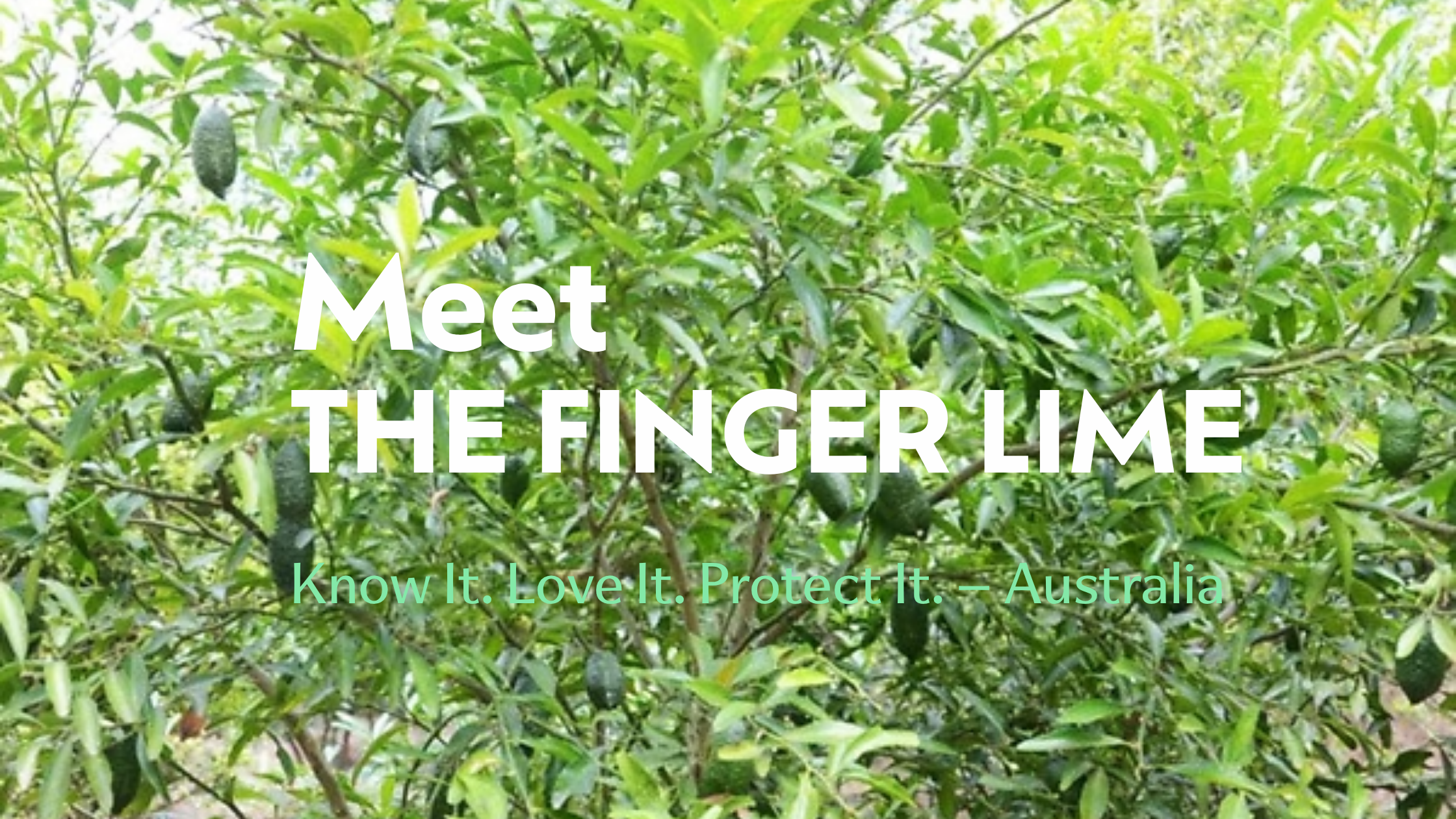
Often called the “caviar of the bush”, the Finger Lime is one of Australia’s most unique native foods, prized for its vibrant citrus flavour and distinctive pearl-like juice vesicles.
Native to the rainforests of Queensland and New South Wales, this remarkable plant has been used by Aboriginal Australians for food and medicine for generations and is now celebrated by chefs around the world.
It is a powerful example of the rich biodiversity and cultural knowledge found within Australia’s native landscapes.
Why it matters
The Finger Lime contributes to both ecological and cultural diversity.
🐜 It provides food and habitat for a range of native insects and animals
🌲 It forms part of Australia’s unique rainforest ecosystems
🍋🟩 It represents an important native bushfood with deep cultural significance
🌱 It highlights the value of conserving native plants and traditional ecological knowledge
As interest in sustainable and locally sourced foods grows, native species such as the Finger Lime demonstrate the potential of Australia’s unique flora.
Fun facts
🤓 Finger Limes are often called “caviar of the bush” because their tiny juice pearls resemble caviar
🤓 They have been used by Aboriginal Australians for food and medicine for thousands of years
🤓 The fruit is rich in vitamin C, folate and antioxidants
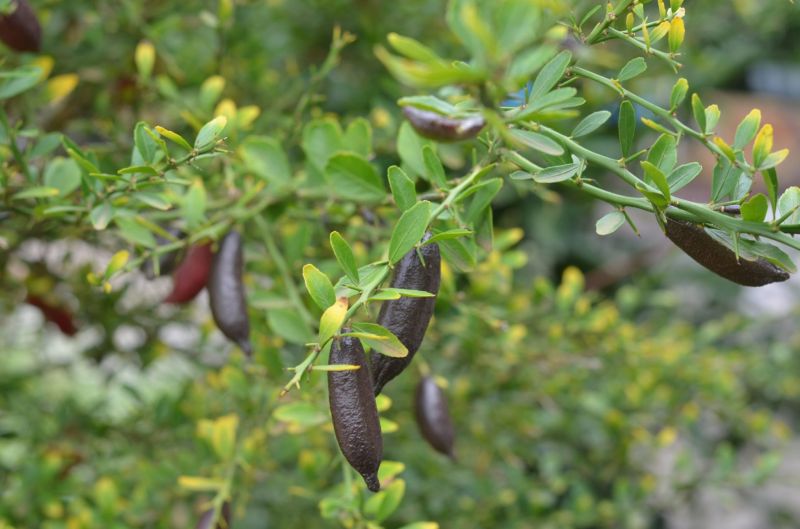
🤓 Finger Limes occur in a range of colours, from green and yellow through to pink and red
A deeper reflection
The Finger Lime reminds us that biodiversity is not only something to admire, but also something that can nourish and sustain communities.
Native bushfoods connect people to place, culture and ecosystems, offering valuable insights into sustainable food systems that have evolved over thousands of years.
Yet many native plant communities continue to face pressures from habitat loss, invasive species and environmental change.
In a country with more than 600,000 native species, many found nowhere else on Earth, the Finger Lime highlights the importance of protecting both biodiversity and the cultural knowledge associated with it.
Supporting native species and Indigenous-led conservation helps ensure these connections endure for future generations.
From Wonder to Action
Learn & understand
Explore how biodiversity, climate, and land systems are deeply connected through our workshops with People For Nature.
Create your Nature Oasis
Plant native species to restore habitat and support the insects, birds, and wildlife that depend on them.
Join citizen science
Record native species around you on iNaturalist and contribute to real conservation data.

(Special thanks to Simon Andrews, Ambassador for People For Nature, for helping shape this story)
References
Australian Native Food & Botanicals. Finger Lime (Citrus australasica). https://anfab.org.au/main.asp?_=Finger+Lime
Australian National Botanic Gardens. Citrus australasica. https://www.anbg.gov.au/gnp/gnp1/citrus-australasica.html
Photo credit: Suburban Tomato and The Tree Center.
Leave a Reply