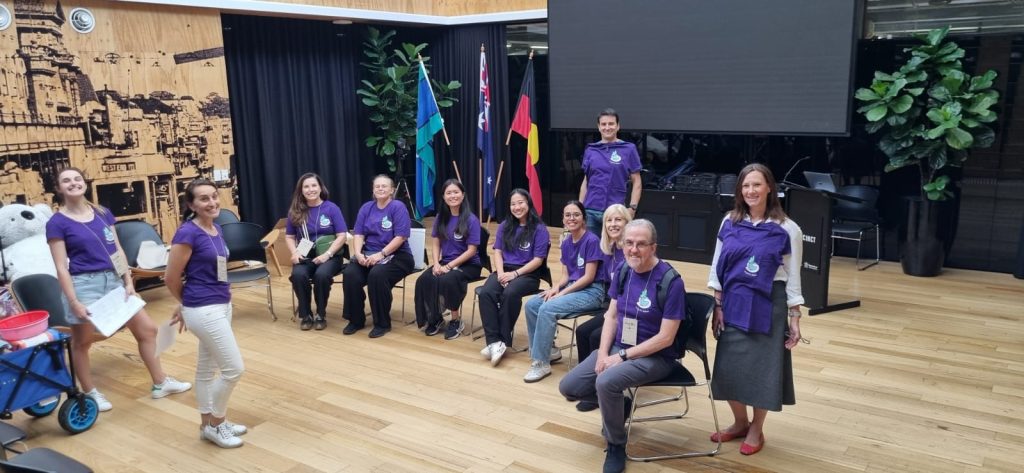
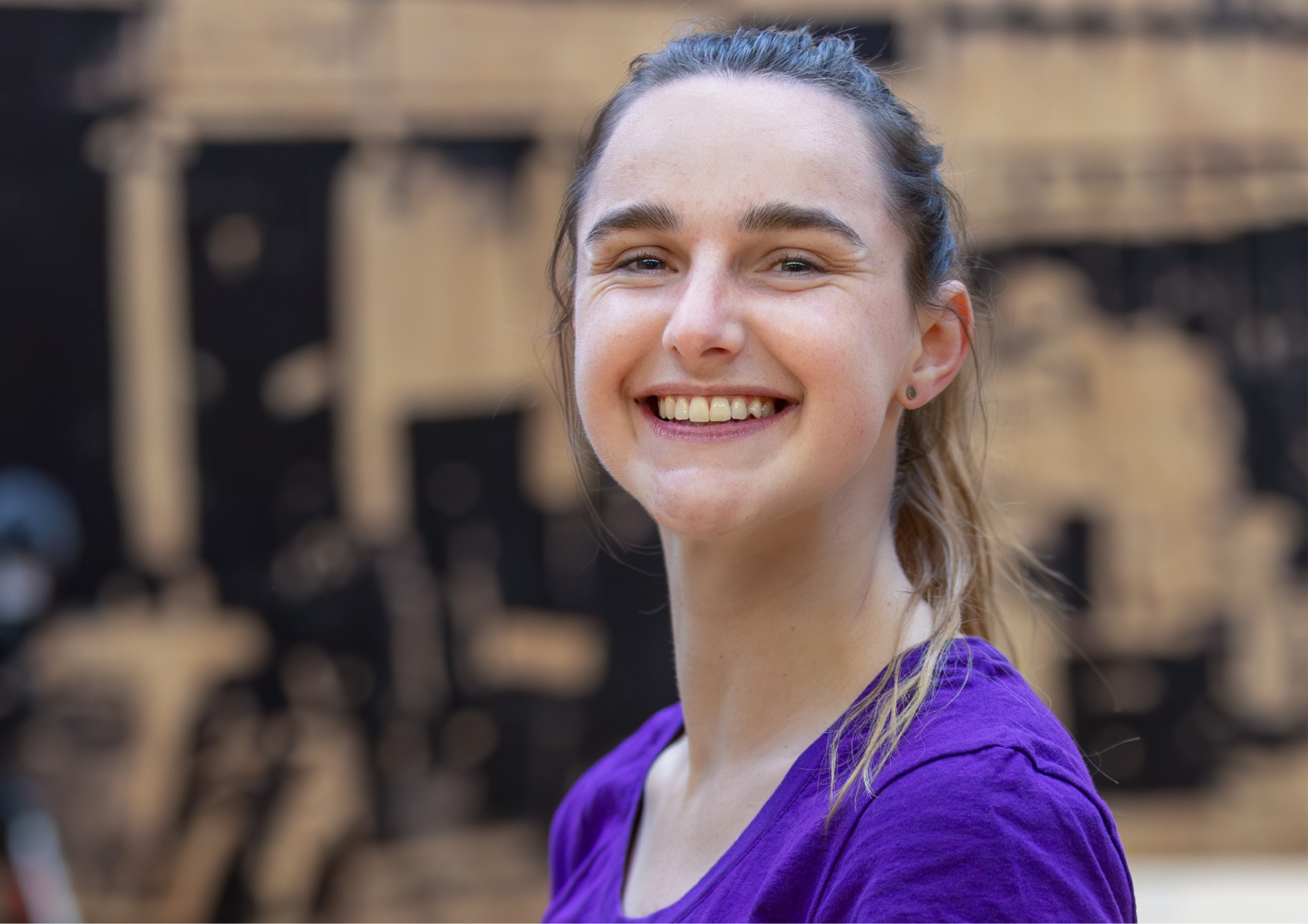
Valentine has been instrumental in shaping our social media strategy and strengthening how we communicate impact and purpose. She was part of the core team behind AlterCOP 30 Australia and returns as part of the support team for Citizen COP 2026.
Since joining People For Nature, she has also chosen to deepen her commitment to education and collective action by becoming a Climate Fresk facilitator.
Founder of Green Socials, she works with purpose-driven businesses and nonprofits around the world, helping them rethink how sustainability and ethics are communicated in a way that actually connects with audiences.
Her work challenges a key question: how do we cut through noise and hyper-consumerism without relying on doom-and-gloom messaging—and instead inspire real engagement and action?
We’re grateful to have her insight, creativity, and strategic thinking helping shape this movement.
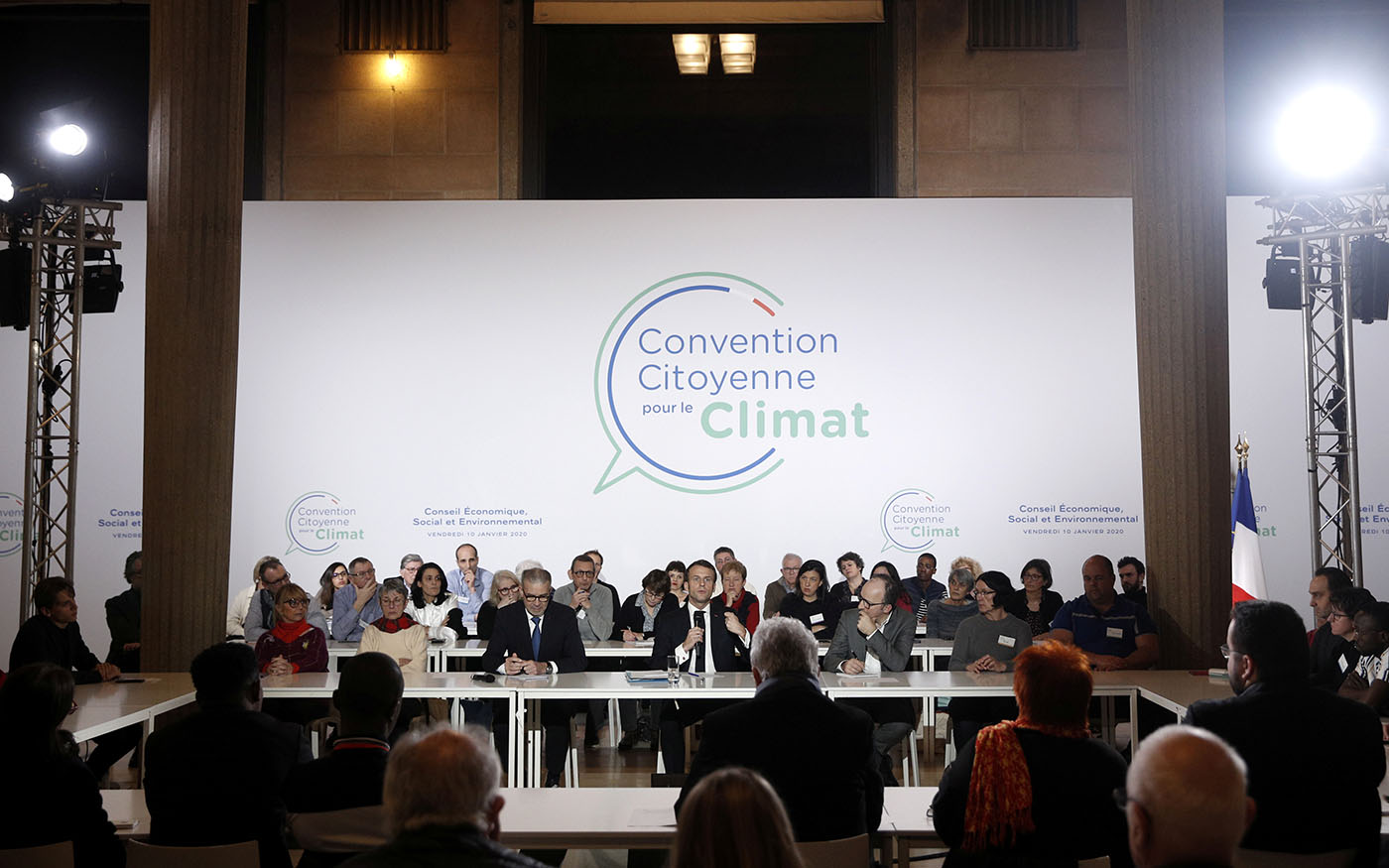
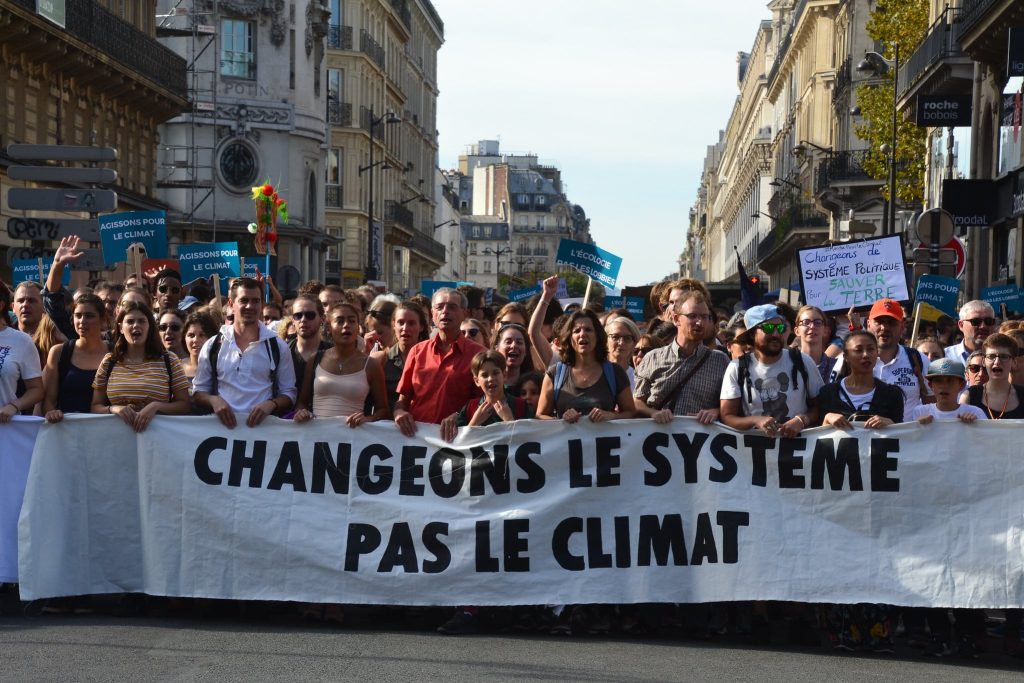
In 2019, France took a bold step to involve everyday people directly in shaping climate policy by establishing the Citizens’ Convention on Climate — La Convention Citoyenne pour le Climat. Rather than leaving climate decisions solely to politicians, this initiative brought together 150 randomly selected citizens from across the country to deliberate, learn, and propose real policy solutions.
Unlike a public petition or online survey, this was a deliberative democratic process: participants spent months in structured sessions, hearing from experts with different viewpoints, interrogating evidence, and working in small thematic groups on topics like housing, transport, food and consumption.
The aim was clear: identify a package of measures that would reduce France’s greenhouse gas emissions by at least 40% by 2030 (compared with 1990 levels), ensuring the transition was fair and socially just.
The French president committed to take the proposals “without a filter” — meaning the government had to submit them either to a referendum, a parliamentary vote, or implement them directly. This was designed to give citizens’ recommendations real political weight.
What happened in practice?
Across a series of multi‑day sessions, these 150 citizens wrestled with complex policy issues. They didn’t need to be climate experts — their diversity of age, background, region and life experience was intentional. That diversity helped ensure recommendations reflected the realities and values of ordinary people.
In the end, they produced a set of 149 proposals, covering everything from modernising housing energy use to sustainability in transport, production and consumption. While not all were adopted, many found their way into law — notably in France’s Climate and Resilience Act of 2021 — and others shaped the public debate.
Five years on, reflections from participants reveal mixed feelings: there’s pride in meaningful engagement and understanding, but also frustration where political follow‑through fell short of expectations. Some advocates have continued their involvement in climate and civic life, while others felt disillusioned by the gap between public participation and political decision‑making.
Why this matters for Australia
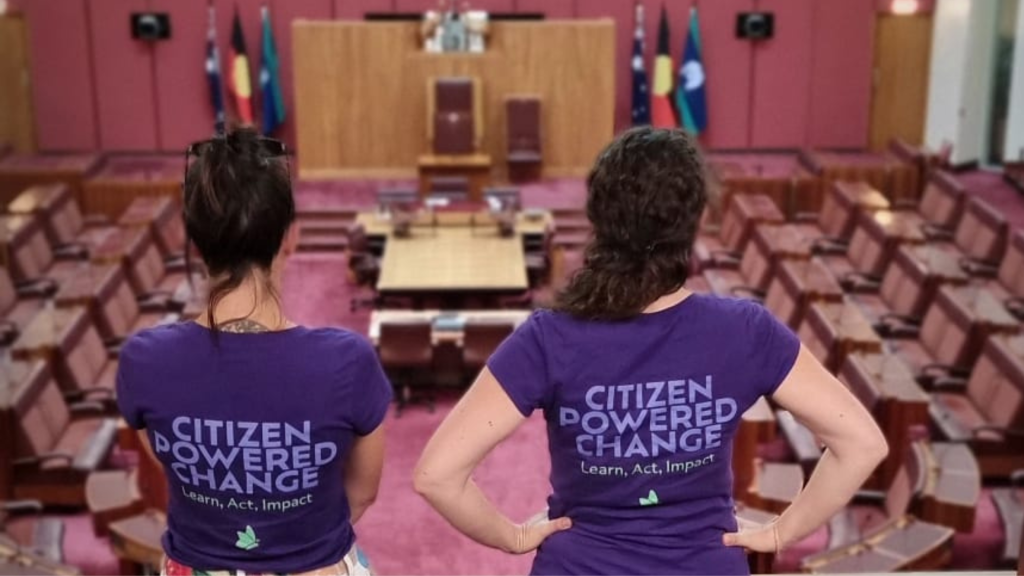
Australia faces its own climate challenges — intense heat, drought, bushfires and rising emissions targets — yet public trust in traditional politics to deliver bold climate action isn’t always high. A citizens’ climate convention could offer a new way for Australians to co‑create solutions, grounded in lived experience rather than party platforms.
Here’s what Australia could gain from adopting a similar model:
✅ Deep engagement across society Like France, Australia could randomly select representative citizens (ensuring voices from rural, urban, Indigenous and diverse socio‑economic backgrounds) to collaboratively tackle climate policy issues.
✅ Education + trust building Participants would gain a grounded understanding of climate science and policy trade‑offs directly from experts — helping bridge the gulf between technical complexity and everyday life.
✅ Politically credible recommendations By committing to take citizens’ proposals “without a filter” — whether through parliamentary debate, referendum or government action — Australian leaders could strengthen democratic legitimacy and public buy‑in for climate policy.
✅ A long‑term, participatory democratic culture Rather than a one‑off consultation, this process could become a regular feature of Australian democracy — helping citizens shape not only climate policy but also other long‑term challenges requiring broad public consensus.
How it could work in Australia
A practical Australian version might look like this:
Selection: Recruit 150–200 citizens via a genuinely random and stratified process to ensure diversity across age, geography, gender, socioeconomic status and lived experience.
Deliberation: Over several months, participants would meet (both in person and virtually) with independent facilitators, climate scientists, economists, First Nations thinkers, industry voices, and community leaders.
Proposal development: Through structured small‑group work and plenary sessions, citizens would design practical policy options — and collaboratively assess their social and economic implications.
Political response: Federal or state governments would commit in advance to respond publicly, either by introducing legislation, holding a referendum on key measures, or including them in formal policy.
Public transparency: All sessions would be streamed, with documentation freely accessible so all Australians can follow the process and outcomes.
The benefits extend beyond climate policy: such a convention could strengthen civic engagement, improve public understanding of complex issues, and build shared ownership of Australia’s climate future.
Conclusion
France’s Citizens’ Climate Convention wasn’t perfect — and its outcomes faced political hurdles — but it marked a powerful moment of direct citizen participation in climate policymaking. For Australia, experimenting with such a model could deepen democratic participation, build trust, and unlock community‑driven solutions to one of our greatest collective challenges.
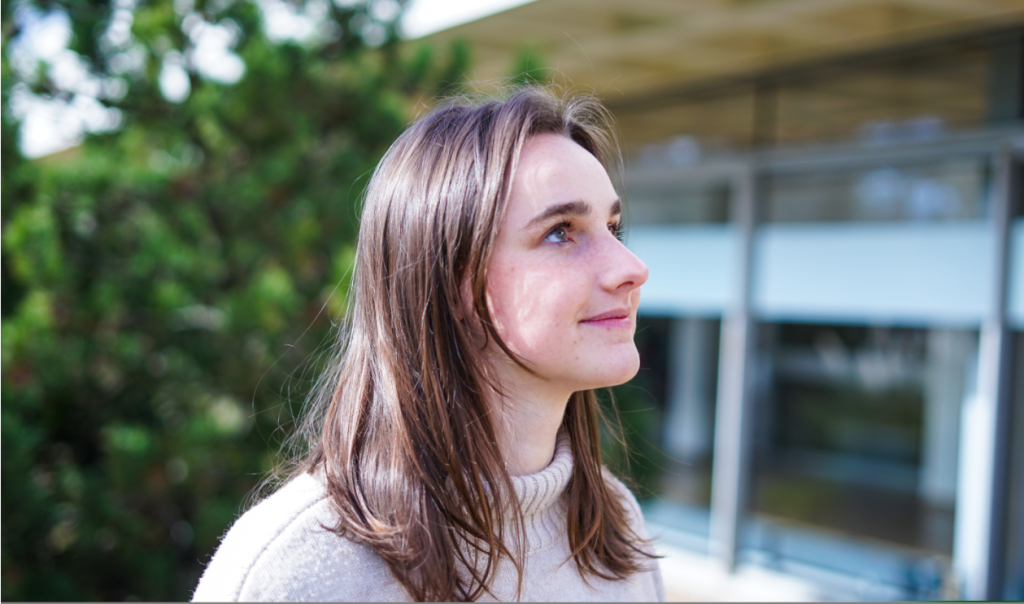
Luna Renaud is a passionate volunteer coordinator and sustainability advocate driving people‑centred climate action across Australia.
As an ambassador and our Volunteer Coordinator for As ambassador and a key member of the CitizenCOP — a grassroots climate movement running alongside the UN’s COP agenda — Luna brings relationships management, volunteer coordination and events delivery skills. At People For Nature, Luna helps to rally diverse contributors, from first-time volunteers to new partners, around collaborative climate initiatives that inspire action, community resilience and change.
Before her work in the climate sphere, Luna built a strong foundation in coordinating complex projects and stakeholder relationships through roles in entertainment and large international events, including major contributions to the Paris 2024 Olympic & Paralympic Games and Vivid Sydney.
Her background in entertainment and retail equips her with exceptional organisational skills and a people‑first approach to project delivery in fast‑paced environments.
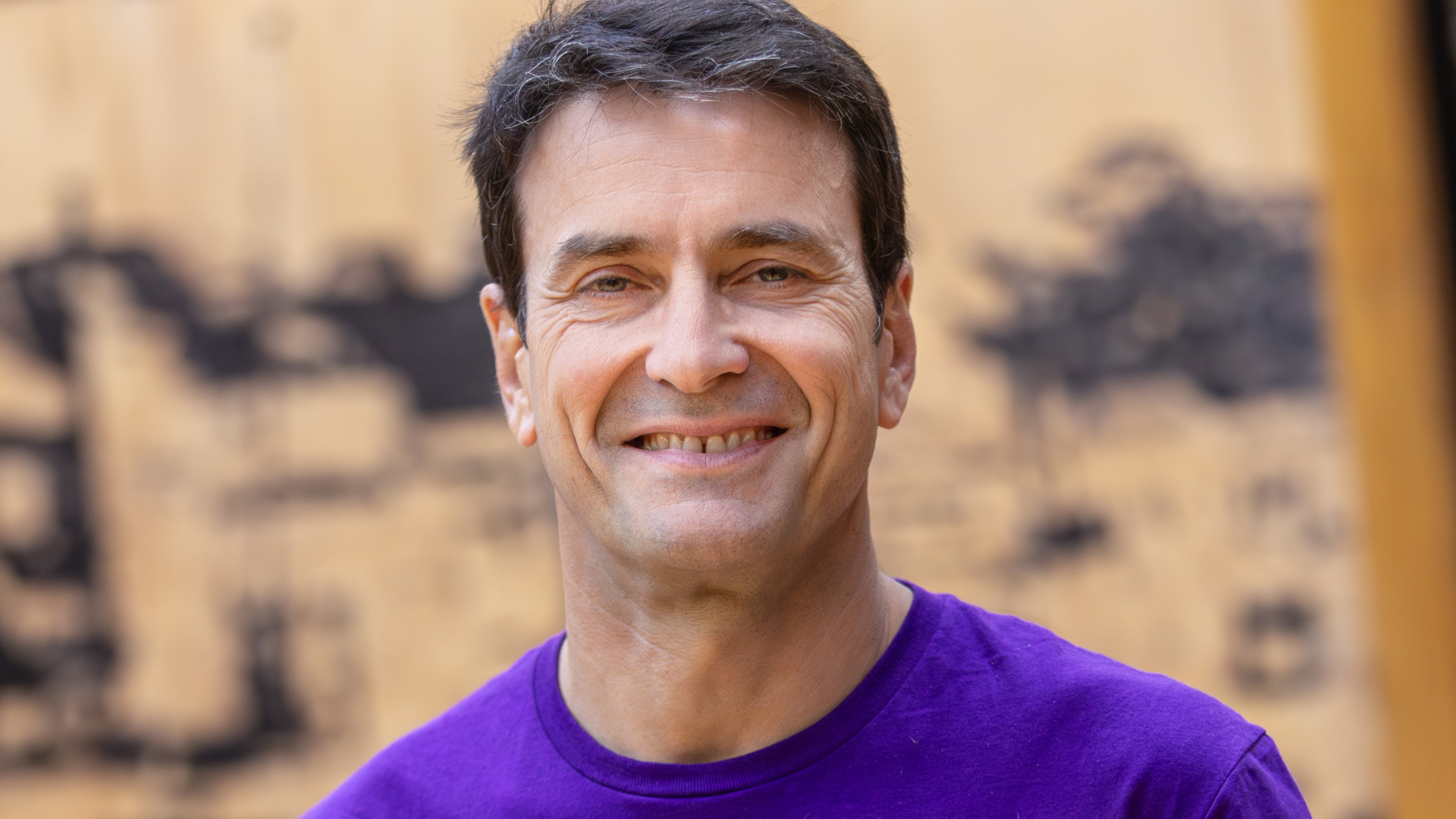
Sébastien Colette is a seasoned technology and business leader with over 25 years’ experience helping organisations harness data, drive digital transformation and enable ESG‑aligned outcomes.
He is the Founder and Director of S2C Professional Services, a Brisbane‑based consulting firm specialising in data‑driven decision‑making, digital innovation and sustainability advisory.
As Ambassador for People For Nature and as a key member of the AlterCOP Australia core team, Sébastien brings strategic thinking, partnership development and community engagement.
He supports the organisation’s mission to empower citizens to take action on climate and biodiversity challenges by advancing fundraising efforts, building partnerships, and fostering collaboration between business, civic, and grassroots communities on climate education and people‑powered sustainability initiatives.
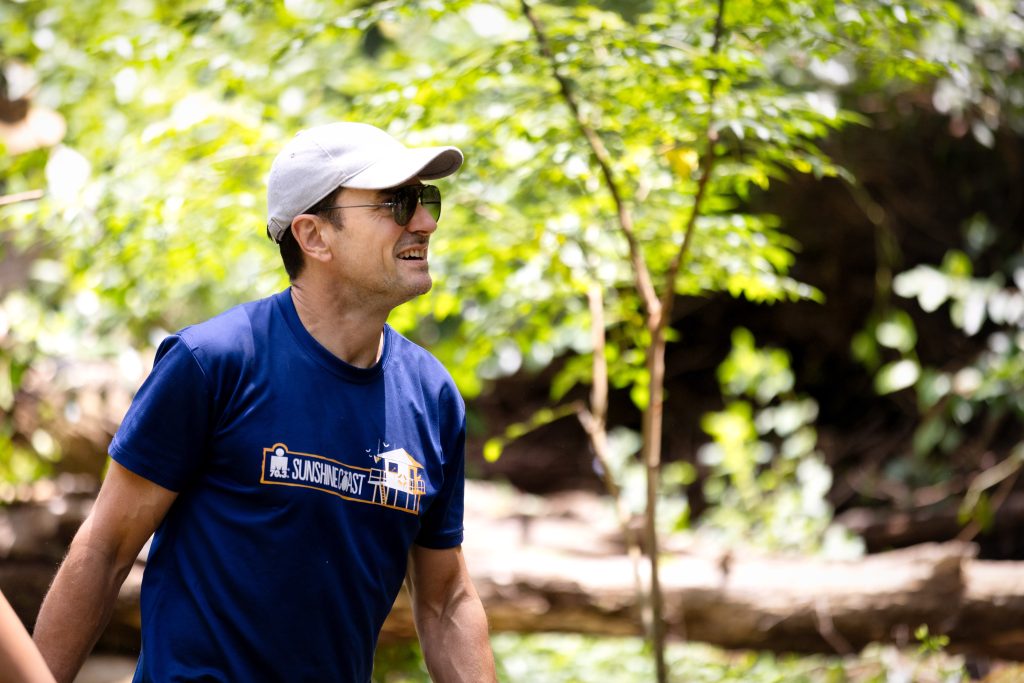
Aye Verckens brings over 20 years of international experience in communications and marketing, having worked across Europe and Australia in B2B technology and corporate environments.
In recent years, she has shifted her focus towards sustainability—driven by a strong belief in the power of communication to inspire change and accelerate climate action.
As Communications Lead and Ambassador at People For Nature, Aye plays a key role in amplifying our mission to reconnect people with nature. She is passionate about making complex environmental challenges accessible and engaging, helping individuals and organisations move from awareness to meaningful action.
According to Carbon Brief and UNFCCC registration data, Australia had 494 delegates registered to attend COP30 in Brazil.
Travel from Australia alone likely generated at least 1,500 tonnes of CO₂ from flights — or over 3,000 tonnes CO₂e when accounting for the full climate impact of aviation. While these global summits play a critical diplomatic role, they also highlight the opportunity to reimagine climate engagement through more local, decentralised, and low-carbon approaches.
This is why we took on the challenge of organising a Citizen COP — bringing together more than 1,400 citizens across Australia* to reflect, learn, and act on the pressing environmental challenges of our time, all while maintaining a minimal footprint. This locally led approach shows that climate engagement and collaboration can happen at scale, with significantly lower impact.
👉 No Flights | Minimal Waste | No Jargon | Real Conversations
By raising awareness, forging alliances, and building collaboration across the country, participants shared not only priorities and policy ideas, but also personal reflections on hope, agency, and collective action.
Top Environmental Priorities
Three key areas stood out:
Climate & Energy:
Decarbonise electricity,
Phase out fossil fuel subsidies
Scale renewable energy
Biodiversity & Nature:
Protect ecosystems
Restore degraded landscapes
Circular Economy & Accountability
Reduce waste
Embed sustainable production
Hold businesses and governments accountable
Citizen-Informed Climate Roadmap
From discussions, participants co-created a citizen-informed roadmap to guide climate action in Australia:
1. Just Transition & Equity
Fair climate action must support coal-dependent towns and vulnerable communities.
Reskilling, economic diversification, and equitable access to green infrastructure are essential.
2. Practical Decarbonisation
Citizens value actionable solutions, toolkits, and real-life case studies.
Renewable energy must be balanced with biodiversity protection, water security, and waste reduction.
Co-benefits across environmental domains were highlighted as critical.
4. Policy & Regulatory Levers
Legislative reform (EPBC Act, Corporations Act) and market incentives are crucial.
Policies should prioritise sustainability and enable practical, citizen-led action.
5. Communication & Narrative
Storytelling and success stories inspire engagement.
Combating misinformation and sharing hopeful, practical narratives is key to sustaining momentum.
6. Sustainable Cities & Liveability
Human-scale urban planning, equitable public transport, and water-sensitive design are priorities.
Circular economy approaches can enhance urban liveability.
7. Systemic Thinking
Citizens emphasised the interconnectedness of climate, biodiversity, health, technology, and economics.
Cross-sector alliances and integrated strategies are necessary for lasting impact.
Actions Participants Plan to Take
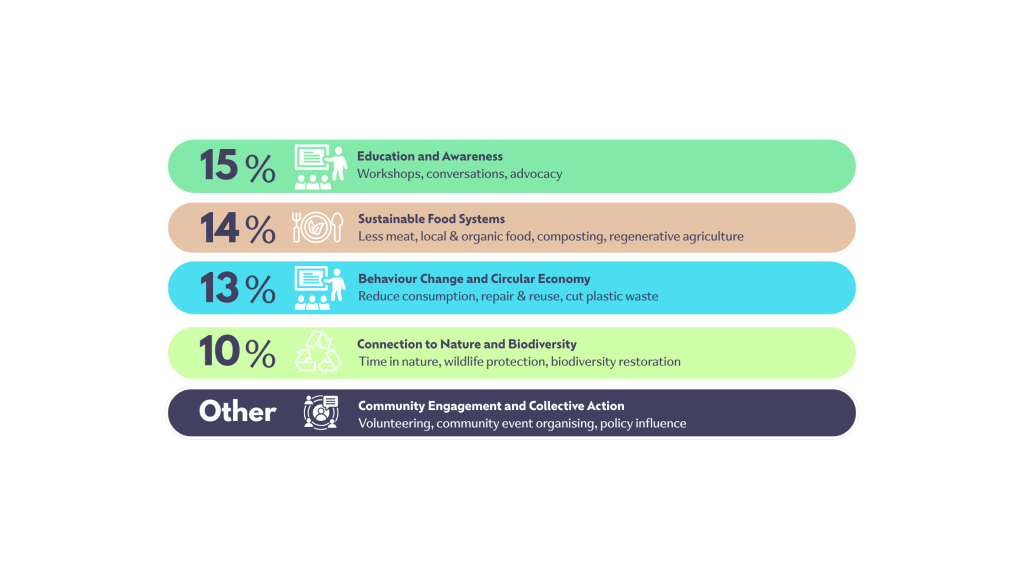
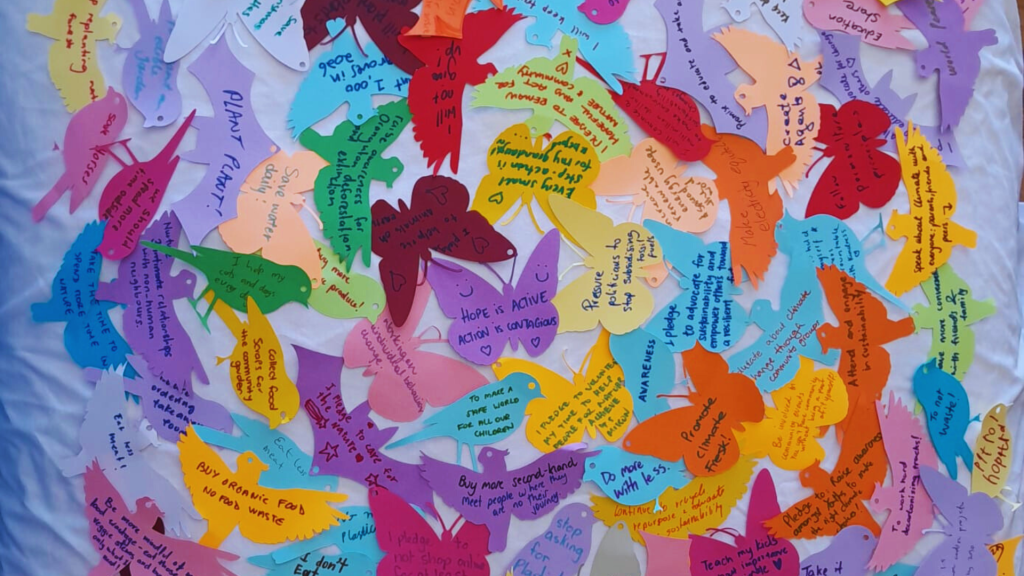
Attendees showed a real commitment to turn knowledge into action. Here are the categories of actions we saw from their pledges:
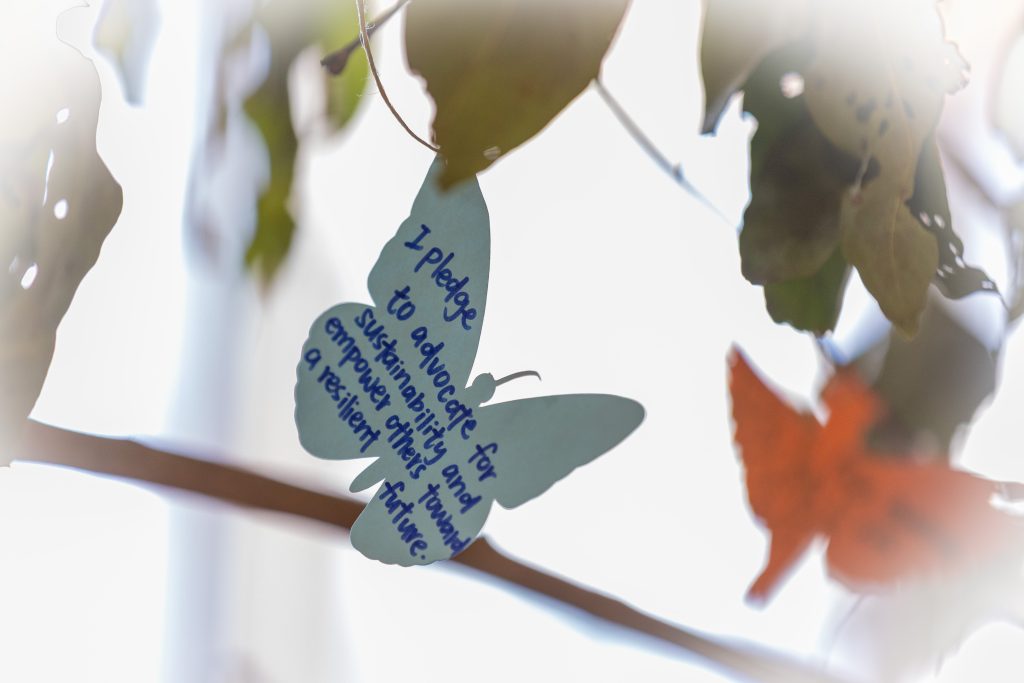
Educate and advocate for sustainability in communities and workplaces.
Reduce personal environmental footprints through everyday choices.
Join or lead local initiatives, workshops, and citizen science projects.
Advocate for sustainable practices in workplaces and policy spheres.
Voices from AlterCOP 30 Australia
“To tackle climate change, we need more than new technologies — we need new systems and new stories… Positive narratives and positive tipping points are essential to unlocking hope and action.” — Dr Leila Alem, UTS
“Being surrounded by First Nations leaders, changemakers, scientists, business innovators, and community organisers left me feeling energised and hopeful… Everyday Australians have real agency in the climate conversation.” — Janelle Court, Griffith University
“I thought I was ‘just a volunteer,’ but I realised I’m part of a broader climate movement… Being surrounded by people who practise active hope reminded me how powerful collective action truly is.” — Aiko Nagae, Student
“The Youth Climate Changemakers Summit was a powerful reminder of just how deeply young people care… They envision a future guided by Indigenous knowledge, deeply connected to community and nature, and powered by clean, renewable energy.” — Carole Defago
“People arrive curious, and they leave with a shared mental model of the climate system, a clearer sense of agency, and a foundation for meaningful change.” — Tom Foster, EcoProsper Consulting
A sincere thank you to all the people and organisations who believe in citizen-powered change. Together, you are proving that meaningful transformation starts with informed, engaged communities.
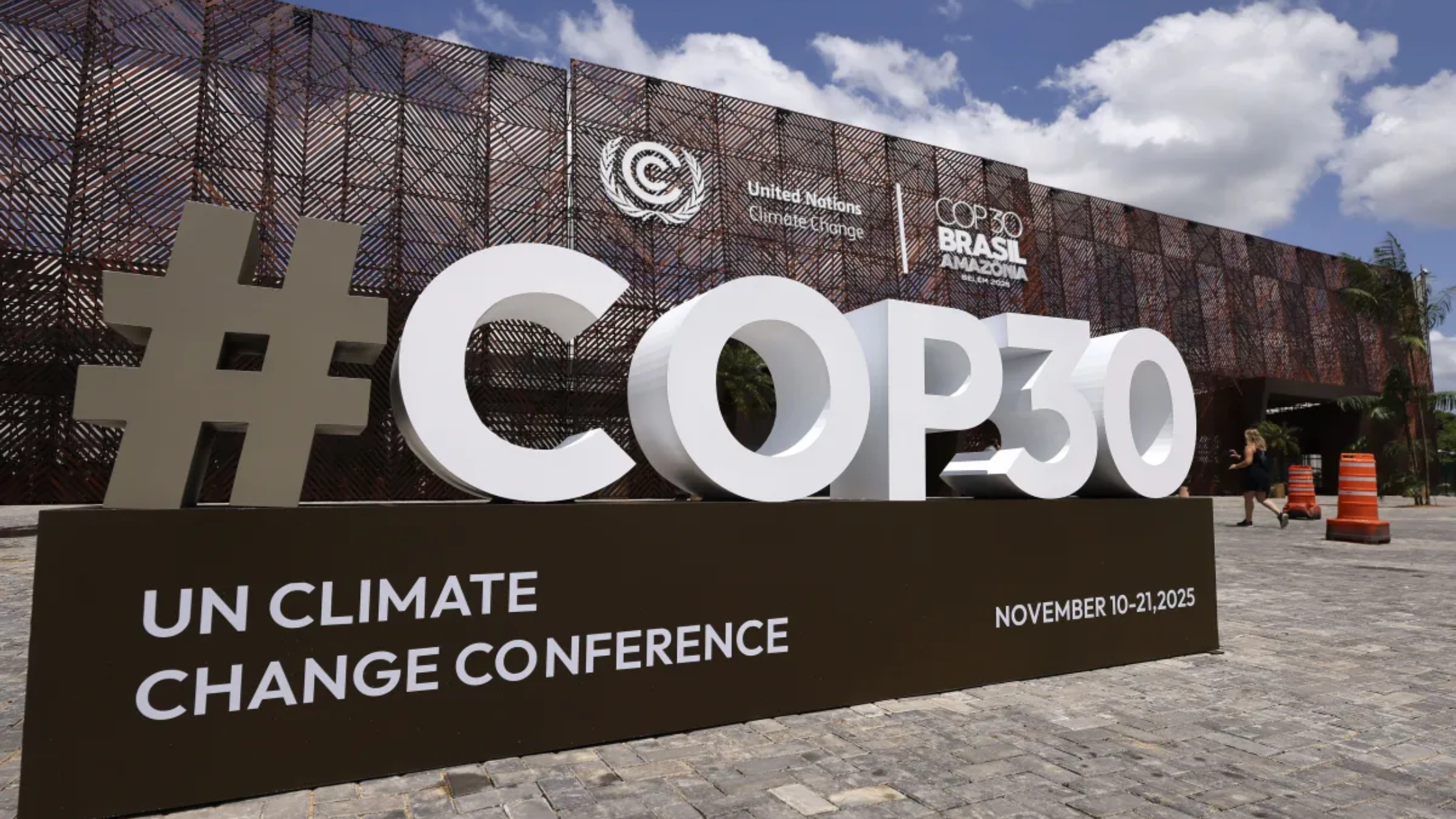
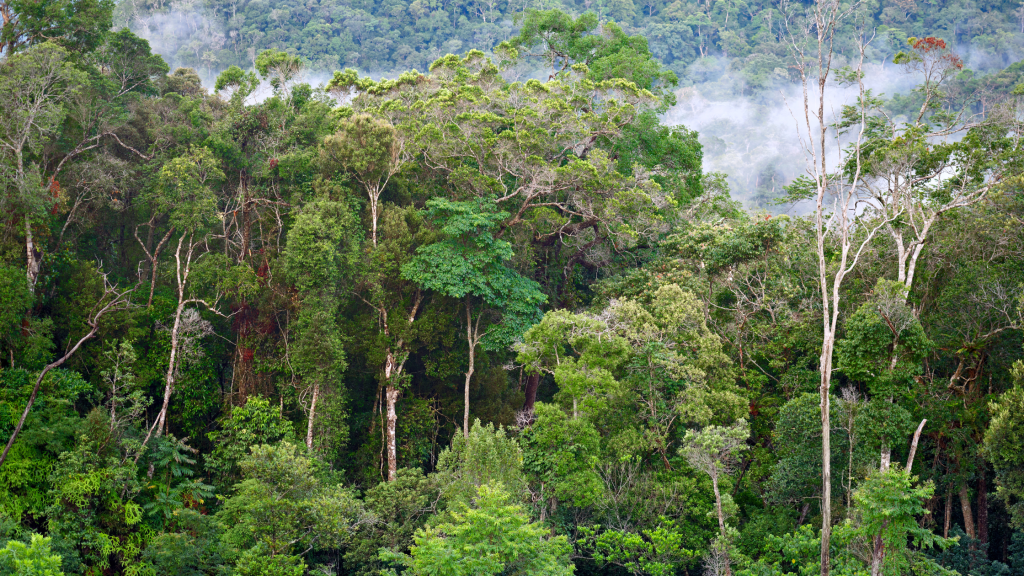
Held in Belém, at the gateway to the Amazon, COP30 was widely framed as “the COP of nature”. Expectations were high: forests, biodiversity, food systems and Indigenous stewardship were meant to sit at the heart of climate action. The reality was more mixed.
So what actually came out of COP30 for nature — and what does it mean for Australia?
Nature recognised, but not prioritised
The main outcome of COP30 was the Global mutirão (meaning “collective effort”), which highlights the need to better connect climate action with biodiversity, land and ocean protection. The language is strong: nature is clearly recognised as essential to achieving the Paris Agreement goals.
But recognition didn’t translate into concrete commitments. Despite being hosted in the world’s most biodiverse country, no specific global action or dedicated funding for halting deforestation was agreed — a major missed opportunity given forests’ critical role in climate mitigation, adaptation and biodiversity protection.
For Australia, a country facing accelerating land clearing, ecosystem collapse and species extinction, this gap is particularly concerning.
Deforestation: words without a roadmap
More than 90 countries supported the idea of a global roadmap to halt and reverse deforestation by 2030. However, consensus wasn’t reached, and the proposal was pushed outside the formal UN process.
While Brazil signalled it would continue working on a deforestation roadmap ahead of COP31, there is still no binding global pathway. For Australia — one of the world’s deforestation hotspots — this reinforces the need for stronger domestic action, not just international rhetoric.
Food systems and agriculture: progress delayed
Agriculture and food systems were discussed under the Sharm el-Sheikh Joint Work on Agriculture, with growing recognition of:
the links between food systems and biodiversity
agroecology and regenerative approaches
the limited share of climate finance going to agriculture
But disagreements over language meant no final decision was adopted, pushing outcomes to 2026. For Australia, where climate impacts on food security are already being felt, this delay matters.
Growing momentum on climate–nature synergies
One of the more positive signals from COP30 was the increasing focus on aligning climate, biodiversity and land agendas. New initiatives launched during the COP aim to better coordinate the three Rio Conventions (climate, biodiversity, desertification), improve policy coherence, and track nature-positive action and finance.
This aligns strongly with Australia’s own commitments under the Global Biodiversity Framework and its national climate targets — but only if translated into joined-up policies and investment at home.
Nature finance: promising ideas, familiar risks
The launch of the Tropical Forest Forever Facility (TFFF) — a new fund designed to reward countries for protecting tropical forests — signalled growing interest in nature-positive finance. While innovative, it also raised concerns around greenwashing, equity, and whether funds will genuinely reach ecosystems and Indigenous communities.
For Australia, this highlights a broader challenge: scaling nature finance without losing integrity, while ensuring public funding also plays a strong role.
What COP30 means for Australia
COP30 reinforced a clear message: nature is finally being talked about — but still not acted on at scale.
For Australia, the implications are clear:
Climate and biodiversity can no longer be treated separately
Land clearing, ecosystem restoration and nature-based solutions must be central to climate policy
International leadership must be matched by credible domestic action
With COP31 on the horizon and global attention increasingly on nature, the real test will be whether Australia turns alignment into action — for climate, for biodiversity, and for future generations.
Conclusion
In a year when nature was meant to finally take centre stage at the global climate talks, COP30 delivered important recognition — but fell short on concrete actions that match the scale of the interlinked climate and biodiversity crises. For Australia, the outcomes underscore the urgency of moving beyond dialogue to ambitious policy, funding and on-the-ground implementation that protects ecosystems, supports First Nations leadership, and integrates nature into our national climate response.
That’s exactly why we organised AlterCOP30 — to ensure that all Australians, especially those whose voices are too often excluded from formal climate and biodiversity negotiations, were heard and included in these critical discussions. By bringing together citizens, community leaders, scientists and storytellers, AlterCOP30 created space for perspectives, values and solutions that reflect Australia’s unique landscapes and communities.
As the global climate and biodiversity agenda continues to evolve, it’s up to all of us — at local, national and international levels — to demand that commitments translate into action. Australia’s nature depends on it.
As we reflect on 2025, we are pleased to acknowledge and celebrate our partnership with Mott MacDonald — an organisation working at the forefront of sustainable infrastructure, engineering, and systems transformation.
Mott MacDonald is an employee-owned engineering and management consultancy with over 20,000 people in more than 50 countries. These teams design, deliver, and maintain infrastructure that connects communities, supports sustainable economic growth, and builds environmental resilience.
Mott MacDonald aims to make a positive difference by delivering sustainable outcomes through its activities and to continuously improve its performance. The teams are committed to collaborating with broader communities to establish actions and make business decisions that consider the climate, environmental, and social aspects of their work.
Their support of AlterCOP 30 Australia – the Australian AlterCOP Chapter brought to Australia by People For Nature in 2025 – reflects this commitment to positive change across buildings and infrastructure, and to engaging with initiatives that bring people closer to climate and nature solutions.
We designed an independent, values-driven gathering running alongside the official United Nations Climate Conference (COP30). Our aim was simple — to create a free and inclusive space where voices often absent from formal negotiations — youth, First Nations leaders, local communities, scientists, artists, and grassroots changemakers — could come together to engage meaningfully with climate and nature action, while actively reducing the environmental footprint of participation itself.
While Australia sent 494 official delegates to COP30, we engaged more than 1,400 people nationwide, extending the spirit of the COP “green zone” through citizen-led events and conversations across the country.
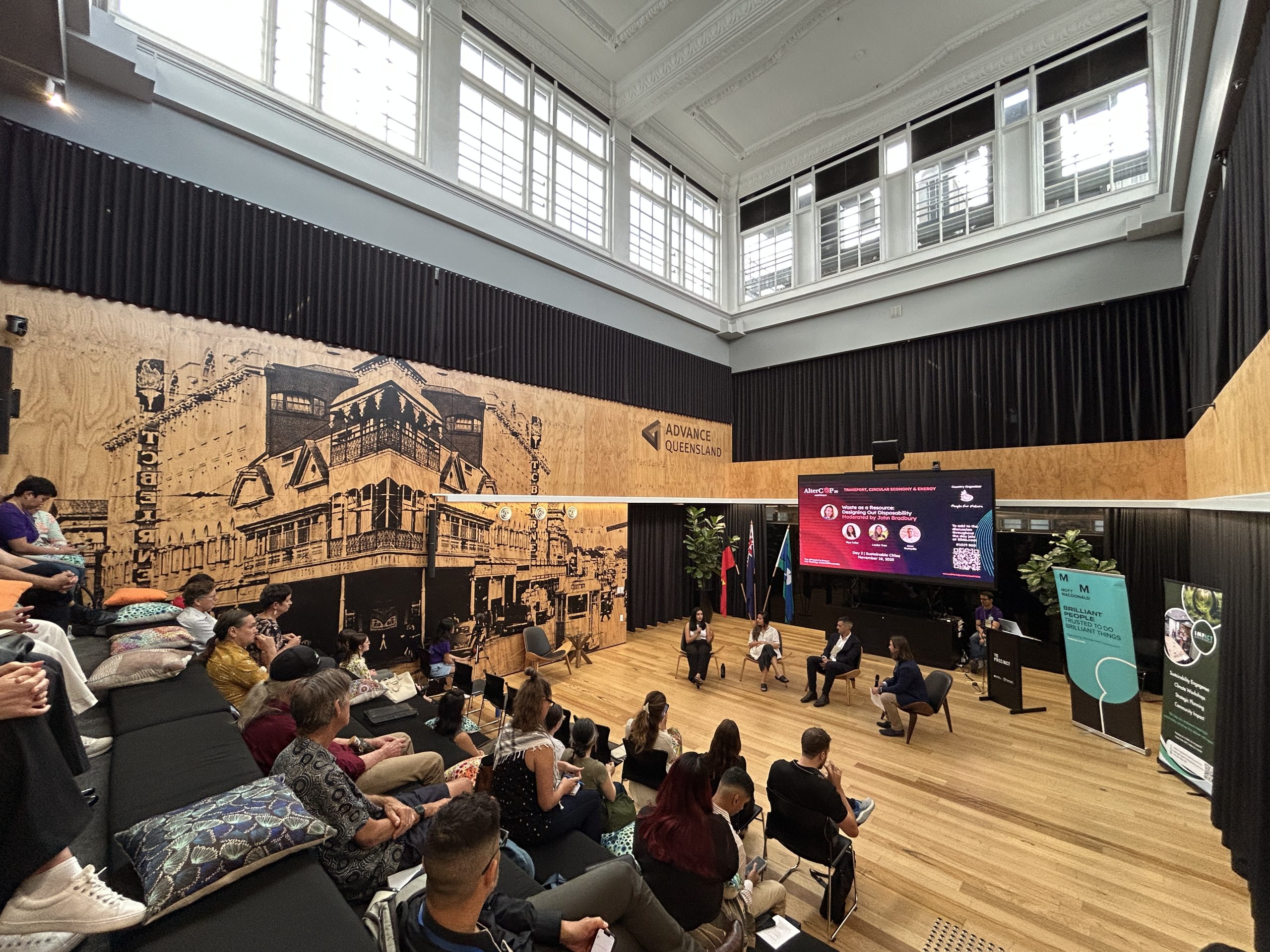
As Riya Tailor, Senior Sciences Engineer and BMS Coordinator – QLD & SAN, at Mott MacDonald shared:
“AlterCOP 30 Australia closely aligned with Mott MacDonald’s commitment to positive change in buildings and infrastructure. Engaging with People For Nature allowed our colleagues, both speakers and attendees, to feel inspired to drive environmental change in their work and personal lives. The event provided valuable insights that will inform future decisions, strengthen our role in creating sustainable places, and inspire ongoing action across the communities and projects we support.”
Alongside this partnership, People For Nature focused on citizen engagement, biodiversity literacy, and participatory learning experiences — helping translate complex climate information into accessible formats that inspire understanding and action.
Together, this collaboration helped strengthen the foundations for what has now evolved into Citizen COP Australia — a decentralised, people-powered movement running alongside global COPs in 2026, designed to make climate and biodiversity action more locally grounded, inclusive, and participatory.
We are deeply grateful to Mott MacDonald for their engagement in 2025. Their commitment to sustainable infrastructure and systems thinking plays an important role in shaping resilient futures, and we look forward to continuing to build connections between engineering, community, and citizen action.
Volunteer-powered, free & inclusive grassroots climate conference showcased local innovations and action
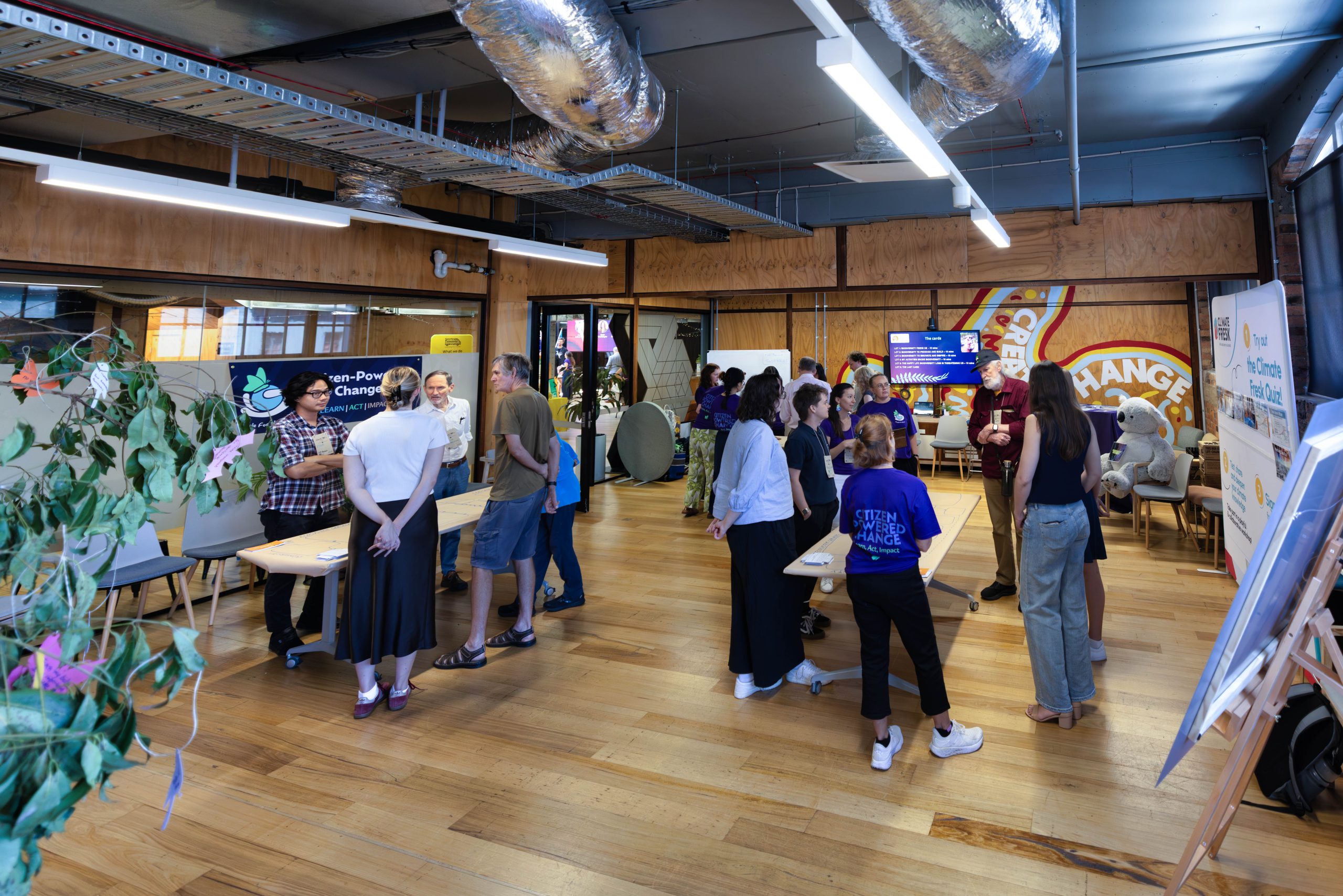
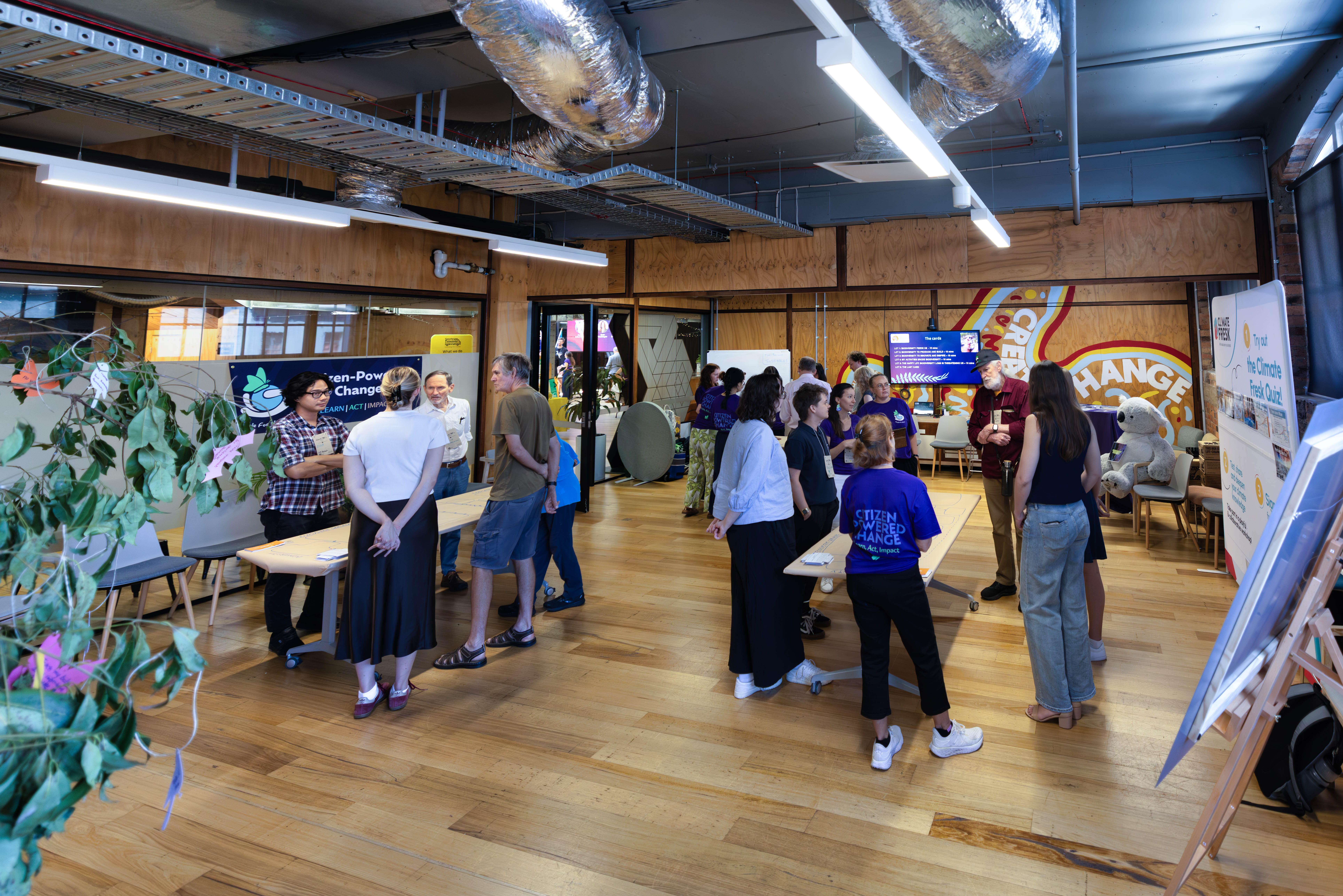
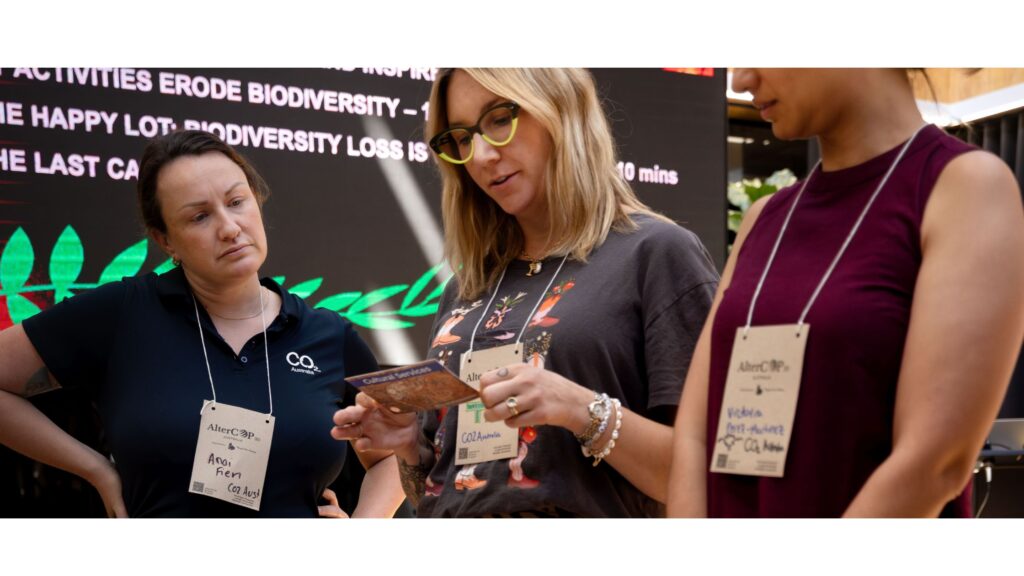
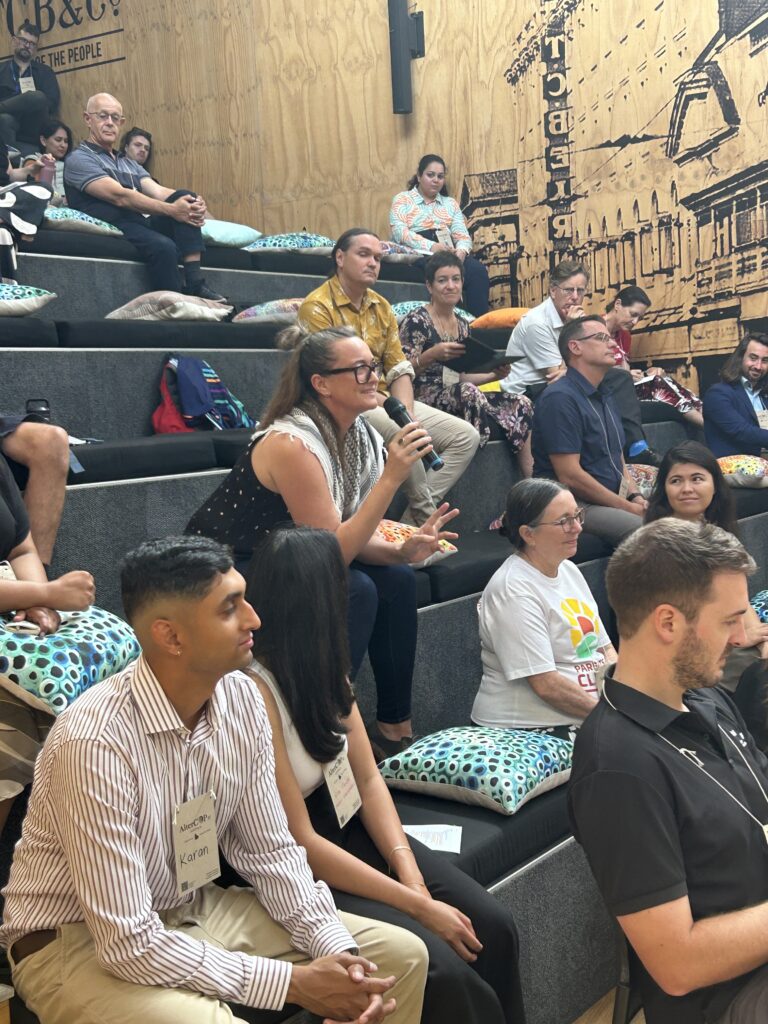
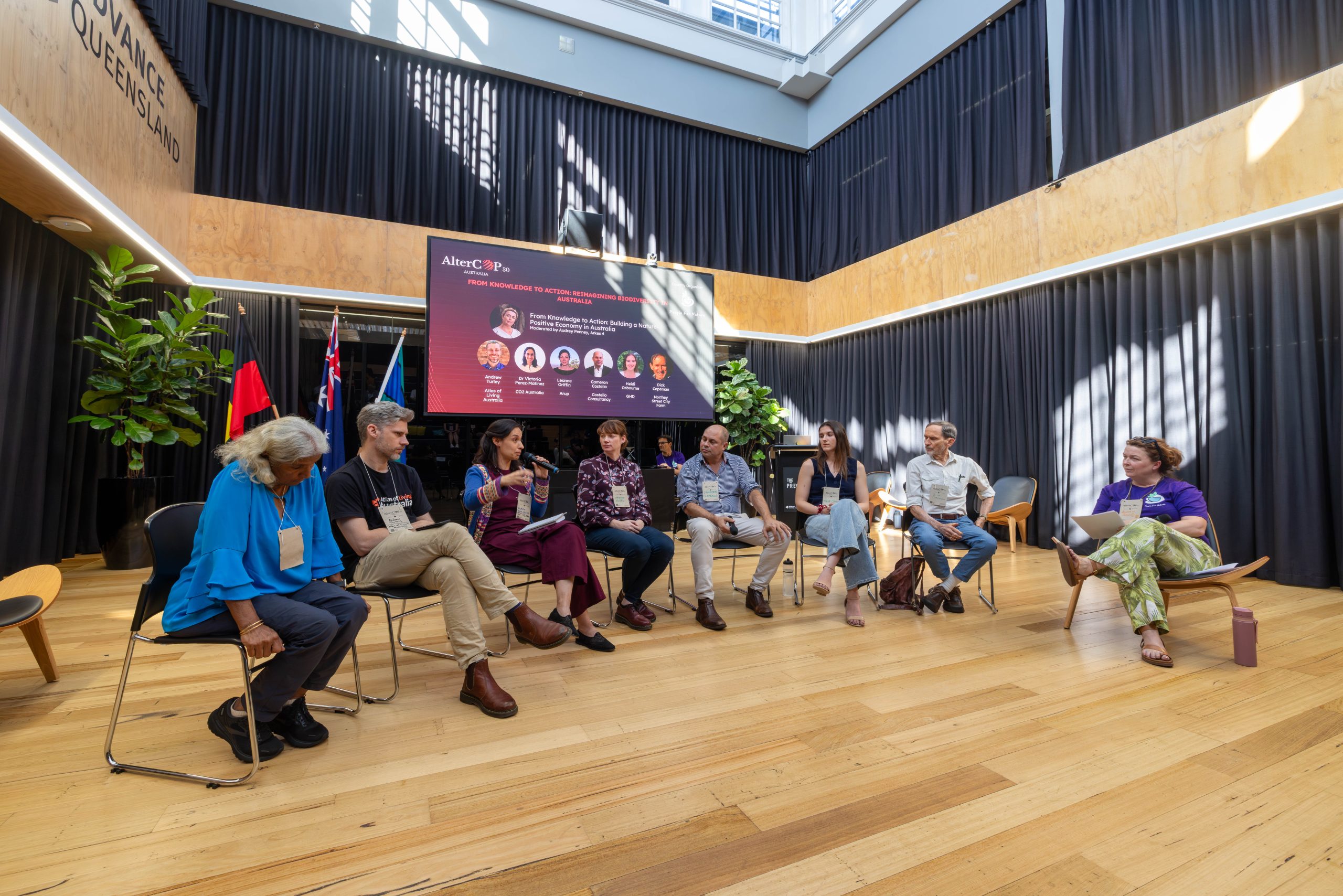
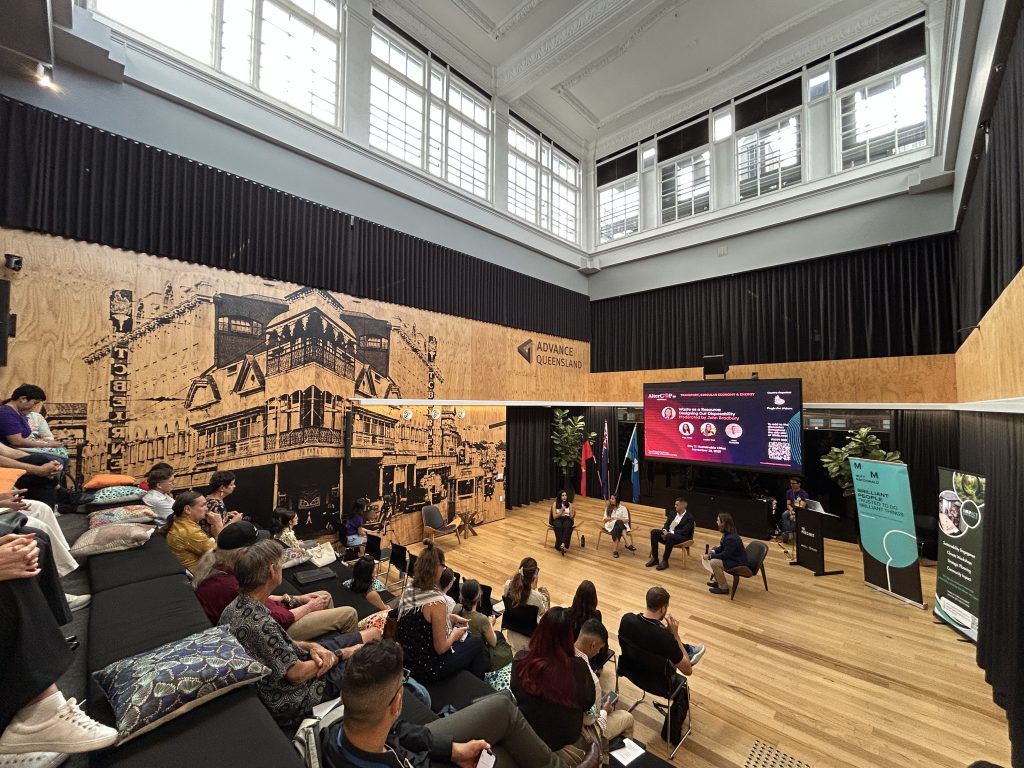
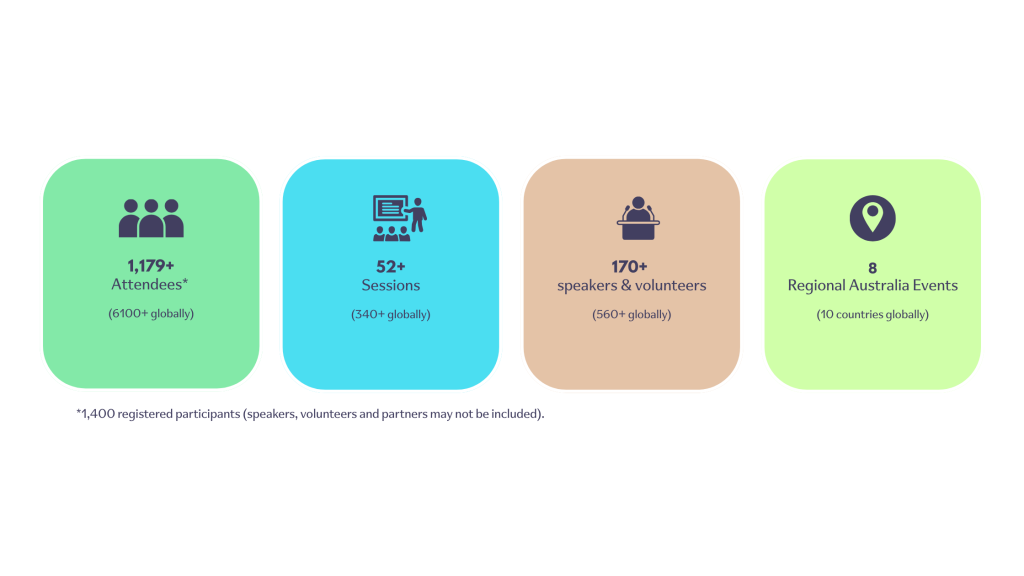
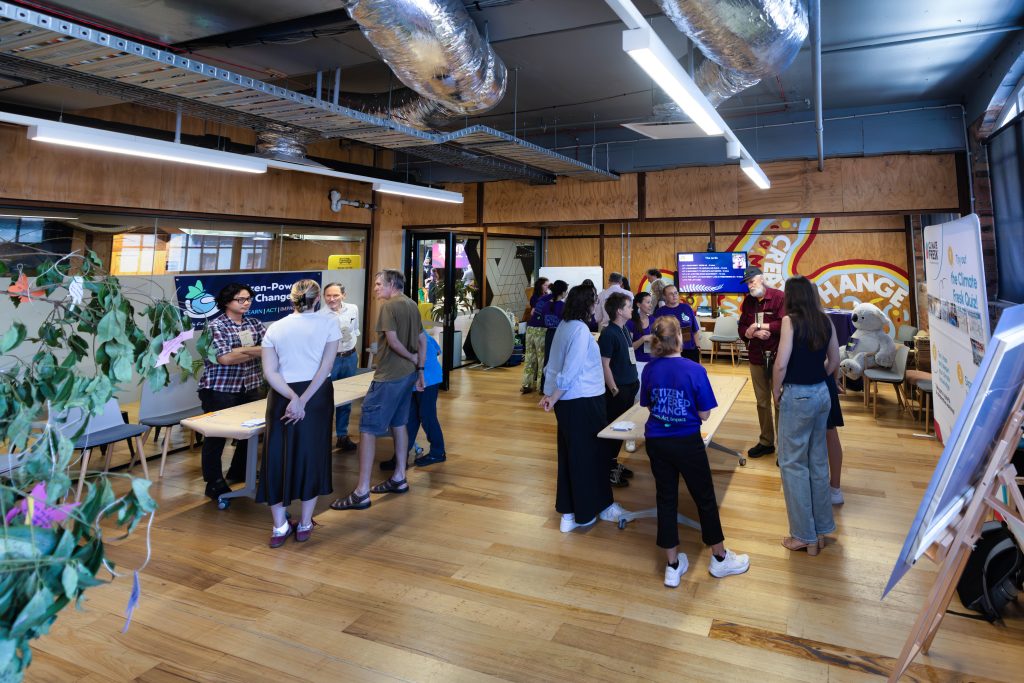
Brisbane, 26 November 2025 – AlterCOP 30 Australia has concluded after four powerful days of community-led climate action, bringing together more than 1,400 registered participants across 42 events nationwide.
Running in parallel to the UN COP30 summit in Brazil, AlterCOP 30 Australia offered a platform for inclusive, locally grounded conversations on climate change, biodiversity, sustainable cities, health, and community resilience, fostering hope, connection and tangible pathways to action.
AlterCOP 30 Australia key highlights include:
42 events in Brisbane, Sydney, Melbourne & beyond
1,400+ registered participants
100+ speakers nationally (85 in Brisbane alone for the main event)
A core team of 15 volunteers driving the program and organisation
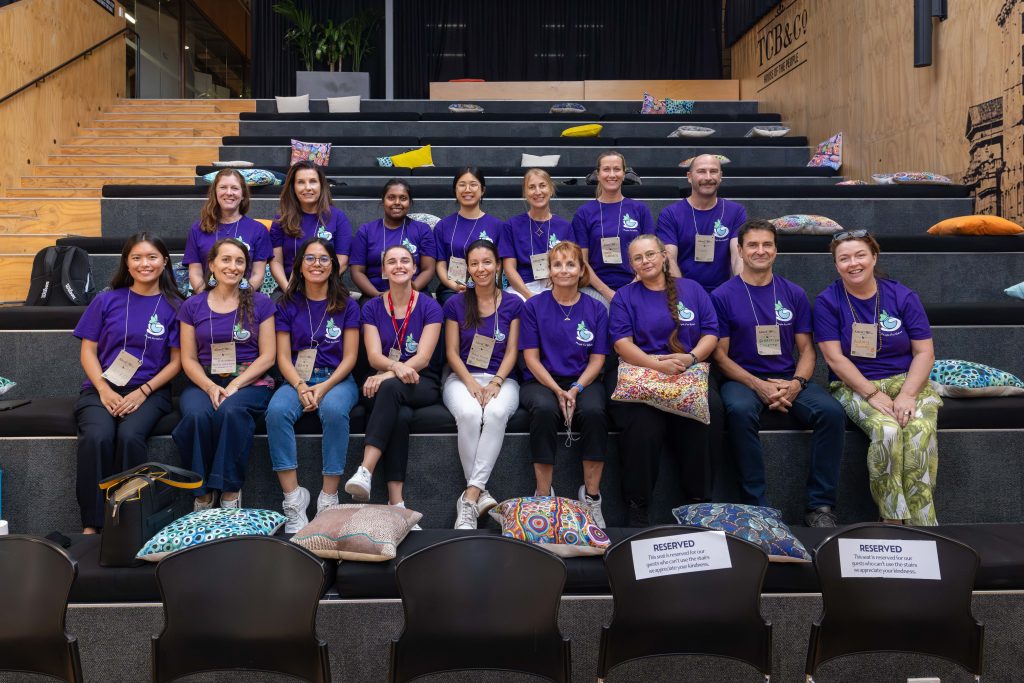
33 on-site volunteers in Brisbane, and 37+ more supporting events across the country
49 organisations backing the movement, contributing to a vibrant ecosystem of climate action.
Audrey Barucchi, CEO and Co-Founder of Australian charitable social enterprise, People For Nature, commented “AlterCOP 30 Australia has shown what’s possible when citizens are empowered to lead.
“This wasn’t just a climate conference, it was a nationwide movement demonstrating that climate action is happening now, led by everyday people who care deeply about the future of our planet.
“The energy we witnessed in Brisbane and across our satellite events was extraordinary. From packed workshops to meaningful conversations and new collaborations, AlterCOP 30 Australia has strengthened Australia’s grassroots climate ecosystem and proven that people-powered solutions are essential to driving real change.
“We know there were close to 500 Australian delegates at COP30 in Brazil, carryinga considerable logistical and carbon-footprint burden. On the flipside, our citizen-powered events brought together 1,400 people locally with near to no budget and a minimal environmental footprint. As a local extension of the Green Zone (without the heavy footprint), we enabled everyday Australians to engage with climate dialogue and innovation without having to travel across the world.”
The AlterCOP movement continues to grow
AlterCOP was co-founded in 2024 by The Matcha Initiative and The Transmutation Principle in Singapore, as an accessible alternative to the United Nations COP, making climate action discussions available to communities, professionals, and youth. This year, the summit expanded to 12 new countries, including Australia, highlighting the enthusiasm around the region for inclusive, locally grounded climate dialogue.
Anne Langourieux and Thibaut Meurgue-Guyard, co-founders of AlterCOP, commented: “It’s amazing and exciting to see AlterCOP grow. It proves that a global, community-led movement for climate action is not just possible, it’s thriving. We’re committed to our mission of making climate dialogue accessible to regional communities without air travel while raising awareness of the official COP summit. We look forward to growing the movement to be even bigger next year.”
Audrey Barucchi concluded, “People For Nature is proud to have helped activate a community-powered space that builds engagement, showcases real solutions, and connects Australians to the global climate conversation.
“Australia may have lost the opportunity to host COP31, but this hasn’t diminished our ambition. Instead, we’re planning to grow AlterCOP next year. Our vision is to include more cities, more local communities, and deeper citizen-led climate engagement across Australia.”
What makes AlterCOP different
AlterCOP stands on a set of non-negotiable values:
🫂 Inclusive: ensuring First Nations perspectives and Youth voices were present on every panel.
🙌 Citizen-powered: designed, led, and delivered entirely by volunteers.
🌱 Sustainable by design: no flights, no waste, and only vegetarian catering
🆓 Free and independent: open to all, without corporate influence or paywalls.
🎥 A local extension of the Green Zone: including live interviews and videos with delegates who are on the ground at COPs to share insights on the proceedings.
💡 Positive and solutions-focused: grounded in science, driven by active hope, and inspired by community action.
While we may have lost COP31, we want to take a moment to recognise our peers — the organisations and individuals who worked tirelessly to pursue a positive outcome for hosting it on Australian soil.
At the same time… what an extraordinary first AlterCOP in Australia.
Powered by volunteers, grounded in community, and radiating active hope for Australia’s climate and nature movement, AlterCOP showed what happens when citizens lead with purpose and imagination.
According to Carbon Brief, Australia sent 494 delegates to Brazil this year. Meanwhile, across Australia, we brought together more than 1,400 people in discussions aligned with the COP30 agenda — raising awareness, forging alliances, and building collaboration, all while keeping a minimal footprint.
We even worked alongside our Pavilion with live interventions from Belém, demonstrating an inclusive and impactful model to expand the COP green zones while truly walking the talk.
And this is just Year 1. We’re so excited to see this movement grow — alongside the incredible organisations and wonderful humans who are part of it.
We want to thank the thriving ecosystems of collaboration and the growing chorus of citizen voices who champion our message: Cultivating Hope, Driving Impact.
We can’t wait to grow this momentum even further next year.
🏙 A main 4-day gathering in Brisbane, with major satellite events in Sydney and Melbourne, and additional events in Huon Valley (TAS), Bright (VIC), Wollongong, Newcastle, and Narara (NSW)
🤝 33 on-site volunteers in Brisbane, and 37+ more supporting events across the country 💡 A core team of 15 volunteers driving the entire program across Brisbane and the satellite cities
🌏 A Giant Climate Fresk reaching at least 200 participants across 8 locations in Australia and New Zealand — supported by 25+ facilitators
🎤 85 speakers in Brisbane alone, and well over 100 nationally 🏛️ 49 organisations backing this movement — 15 partners and an ecosystem of 34 collaborations
How We Shaped This Year’s Program
Our work was structured around five core working groups: 🌡 Climate
🌿 Biodiversity
🏙 Sustainable Cities
🧠 Health
🧒 Youth
Through strong collaborations with organisations and communities across the country, these working groups didn’t just shape the main Brisbane program — they also enabled satellite events nationwide, all running in parallel with the same overarching agenda.
Each local hub explored the same themes through its own community lens, grounding the discussions in local realities, challenges, and opportunities. This meant that whether people gathered in Sydney, Melbourne, Huon Valley, Bright, Wollongong, Newcastle, or Narara, they contributed to a unified national conversation while elevating the unique stories and solutions of their region.
These groups didn’t just curate sessions — they embedded the values that make AlterCOP what it is: collaborative, community-led, and rooted in both science and lived experience.
Please take a few minutes to complete ourAlterCOP 30 Australia feedback survey.Your reflections and testimonials are invaluable. This survey isn’t just about improving our future events — it also serves as a citizen pulse, capturing the voices and perspectives of Australians. Your input will be included in our Insights Report to help reflect what matters most to our communities.
What Makes AlterCOP Different?
AlterCOP stands on a set of non-negotiable values:
✨ Inclusive — ensuring First Nations perspectives and Youth voices were present on every panel.
✨ Citizen-powered — designed, led, and delivered entirely by volunteers.
✨ Walk the talk — no flights, no waste, and only vegetarian catering in our first year.
✨ Free and independent — open to all, without corporate influence or paywalls.
✨ Positive and solutions-focused — grounded in science, driven by active hope, and inspired by community action.
A big thank you to the organisations who believed in AlterCOP from day one — especially our partners who supported us with the simple, practical logistics that make an event like this actually work. Your trust and collaboration truly mattered.
This movement is only just beginning. And together, we’ll keep building it. Thank you for being with us on the journey.
Donate and Help us Stay Independent
This initiative is proudly citizen-powered, collaborative, and inclusive. It came together thanks to the dedication of an extraordinary group of volunteers, working with almost no budget but a shared commitment to climate and nature action. As we look ahead, we’re excited to grow this momentum even further — and for that, we need your support. By contributing to People For Nature, you help us continue expanding this movement while remaining independent and accessible to all. People For Nature is a registered charity with DGR status, and donations are tax deductible.