Category: Climate Fresk

  • Climate: part of Nature, not apart from it

    Climate: part of Nature, not apart from it

    At People For Nature, we often hear a fair question:

    “If you’re all about nature, why do you focus so much on climate change?”

    Here’s the answer — grounded in science:

    Climate is not separate from nature.

    Climate is a core component of Earth’s life-support system. It influences the patterns of temperature, precipitation, and seasonal cycles that shape where species live, when they breed, and how ecosystems function (IPCC, 2023).

    From ocean currents to mountain meadows, from coral reefs to eucalyptus forests — climate defines the conditions in which nature exists. When those conditions shift rapidly, entire ecosystems are put at risk.
    The climate crisis is a nature crisis.

    According to the 2019 IPBES Global Assessment — the most comprehensive biodiversity report ever produced — climate change is already one of the top five drivers of biodiversity loss globally (IPBES, 2019). And that threat is growing.

    Let’s look at some examples here in Australia:

    • Koalas are losing their habitat as heatwaves, drought, and bushfires reduce the quality and availability of eucalyptus leaves — their sole food source (CSIRO, 2021).
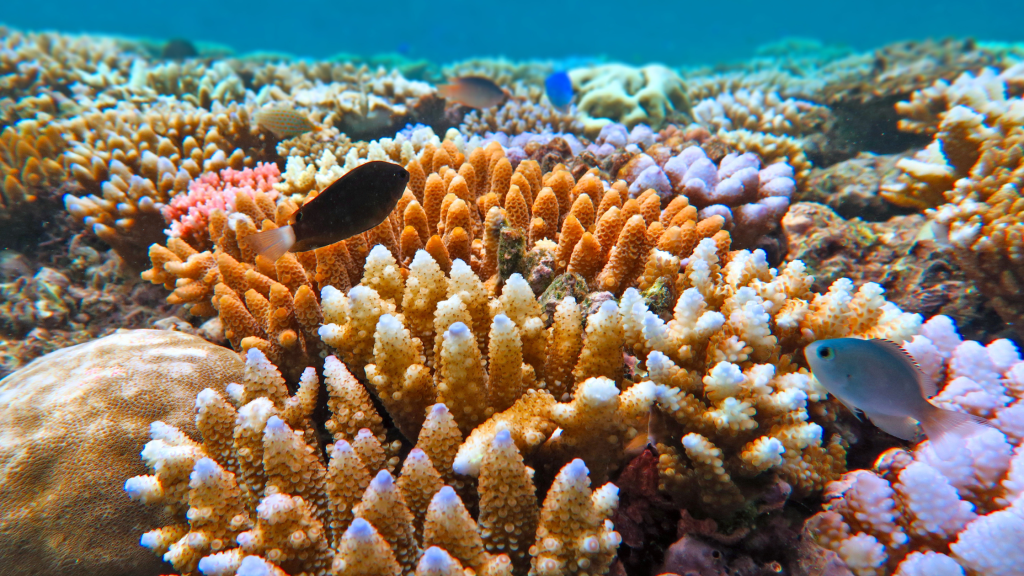
    • Marine ecosystems such as the Great Barrier Reef are suffering from mass coral bleaching driven by warmer oceans and ocean acidification (AIMS, 2023).
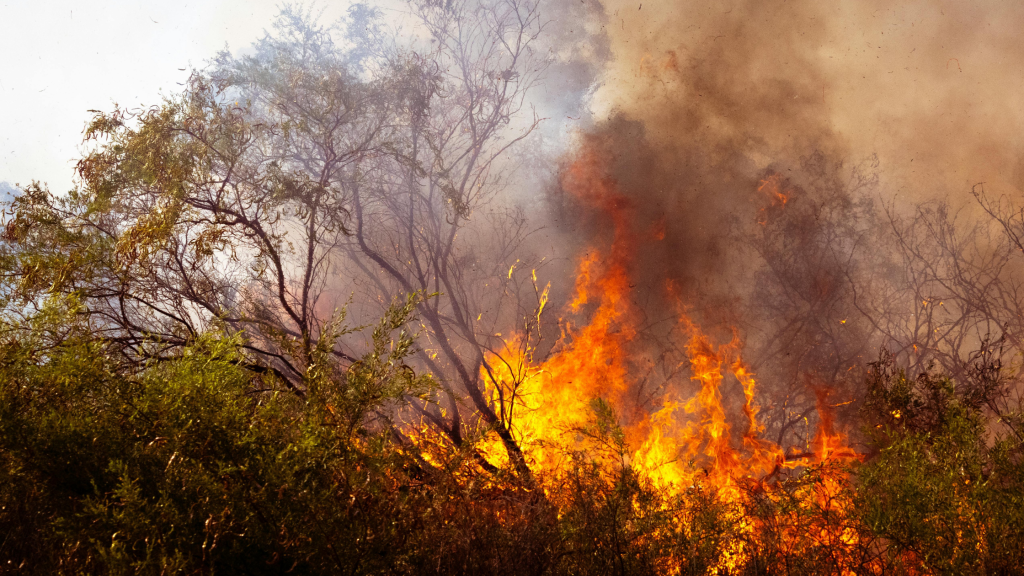
    • Rainforests are becoming more fire-prone and fragmented as the dry season lengthens, threatening biodiversity hotspots like the Gondwana forests (WWF-Australia, 2022).

    These impacts are not just future projections — they are happening now.
    Nature regulates climate, too.

    Nature is not just a victim of climate change — it’s also a powerful part of the solution. Forests, wetlands, soils, and oceans absorb and store vast amounts of carbon dioxide, helping to stabilise the global climate (IPCC AR6 WG3, 2022).

    Protecting and restoring nature is essential if we are to limit global warming. For instance:

    Natural climate solutions could deliver up to 30% of the emissions reductions needed by 2030 to meet the Paris Agreement goals (Griscom et al., PNAS, 2017).

    Climate and biodiversity are inseparable.

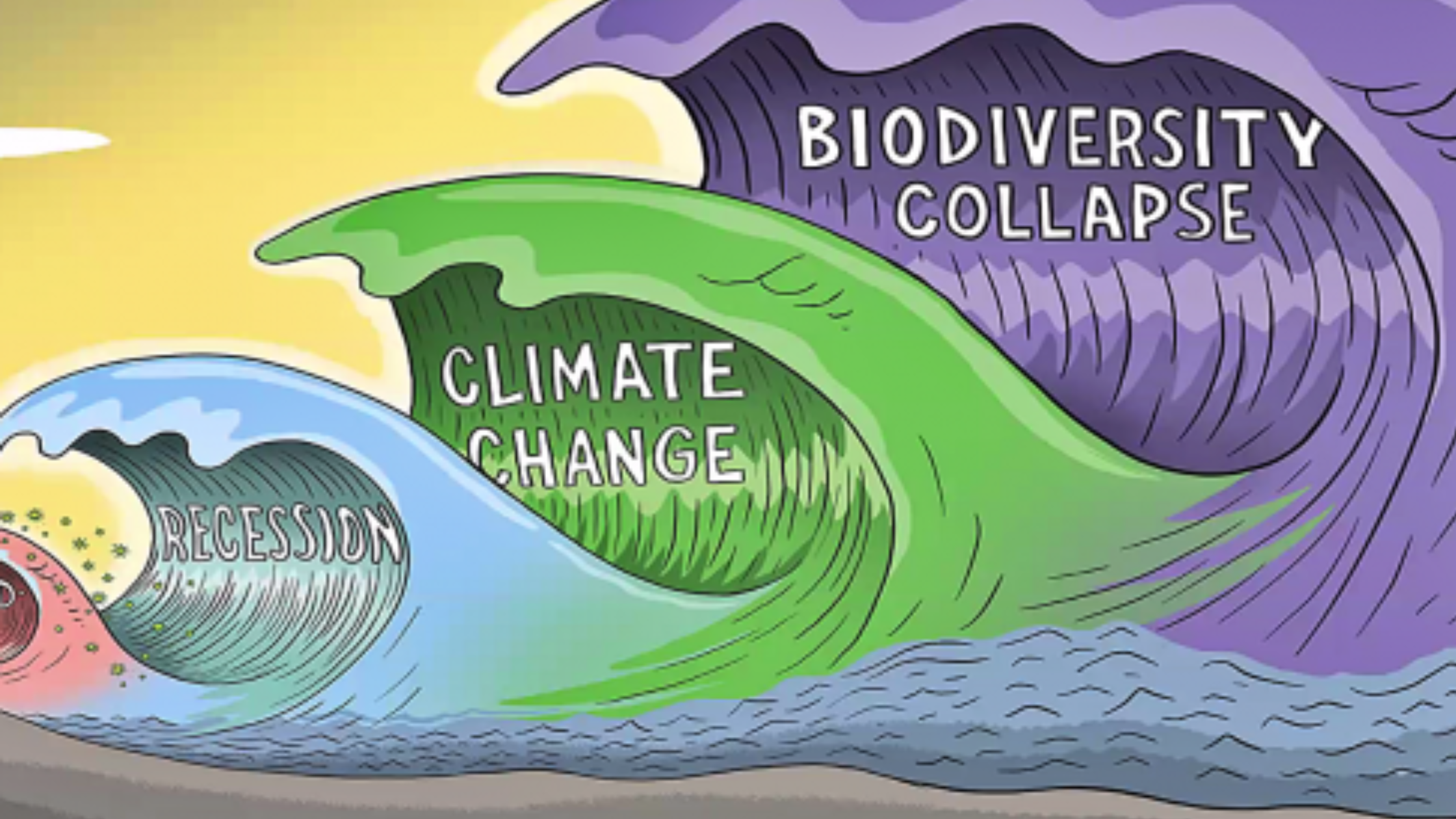
    They’re not “two crises.”
    They’re two sides of the same coin.

    When we act to restore ecosystems, we also build climate resilience — and vice versa. That’s why the IPCC and IPBES issued a historic joint report in 2021 calling for integrated action on climate and biodiversity. Their message was clear:

    “We cannot solve climate change without addressing biodiversity loss, and we cannot halt biodiversity loss without tackling climate change.” (IPBES-IPCC, 2021)

    So why aren’t we People For Climate?

    Because climate is nature. It’s not something separate. And because our mission goes beyond emissions — it’s about reconnecting people with the living systems that sustain us: air, water, soil, wildlife, and ecosystems.

    We believe that by empowering citizens with science-based tools to understand both climate and biodiversity, we can inspire deeper action for all of nature.

    Let’s stop treating these challenges as separate problems.
    Let’s work with nature, not against it.

    Believe in a better future? So do we.

    At People For Nature, our mission is bold: to educate 27,000 Australians by 2027 on climate and biodiversity, empowering them to take meaningful action for our planet.

    Your donation fuels citizen-powered education that turns knowledge into action—and action into lasting change.
    Donate today and be part of the change.
    💚 Together, we can shape a planet-boundaries literate Australia.


    References:

  • Climate action for families in Australia

    Climate action for families in Australia

    Australia’s landscapes are breathtaking — from ancient rainforests and coral reefs to sunburnt deserts and alpine peaks. But our climate is changing fast, and families across the country are feeling the effects: hotter summers, unpredictable weather, more bushfires, and biodiversity loss.

    Here’s how Australian families can take meaningful climate action — together.

    1. Start Conversations at Home

    Climate action begins with awareness. Talk about climate change with your children in age-appropriate ways. Nature documentaries, books like The Lorax, or visiting local parks and wildlife sanctuaries can spark curiosity and concern.

    💬 Ask questions like: What do you love most about nature? What do you want to protect?

    2. Eat more mindfully

    Food is one of the biggest contributors to greenhouse gas emissions. Simple swaps can have a big impact:
    🥦 Add more plant-based meals to your week
    🛒 Choose locally grown, seasonal produce
    🍴 Avoid food waste by planning meals and using leftovers creatively

    3. Reduce, Reuse, Repair

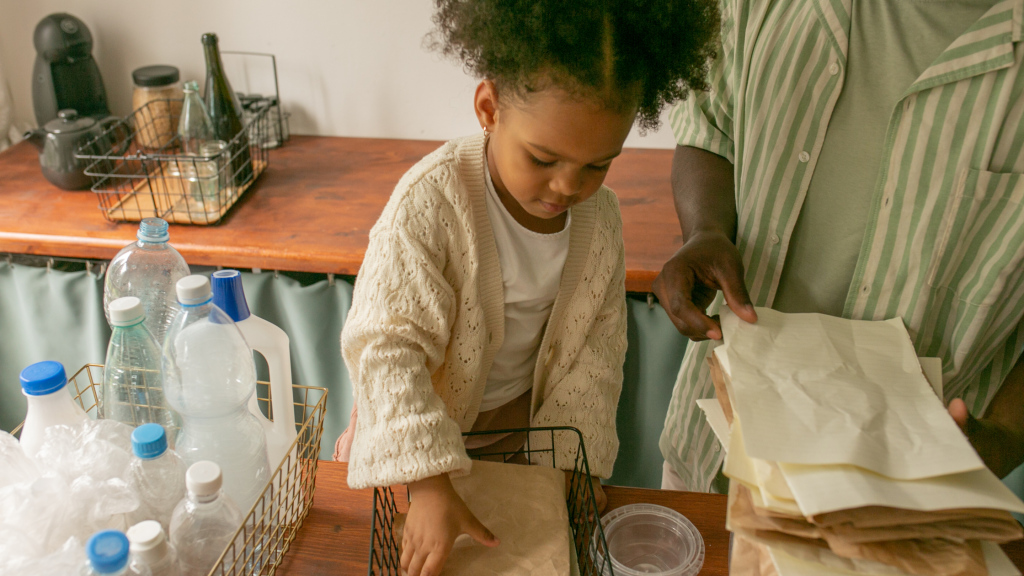
    Australia’s waste per capita is among the highest in the world. Teaching children to be conscious consumers builds lifelong habits.
    🧸 Organise a toy swap with friends
    🛠️ Fix broken household items together
    👕 Buy second-hand or opt for quality over quantity

    4. Green Your Travel

    Transport is a major emissions source in Australia. Even small changes help:
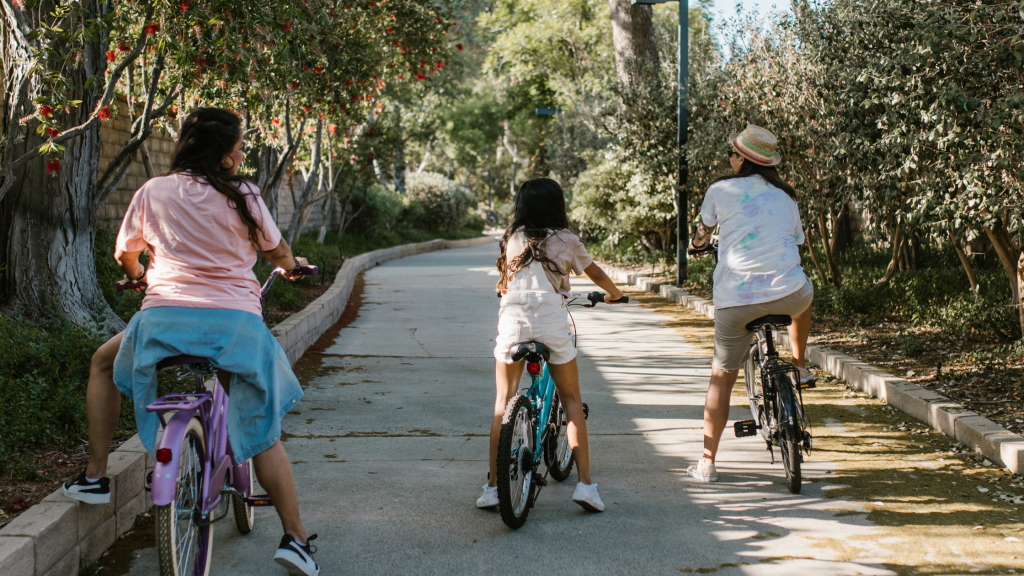
    🚲 Walk, ride bikes, or take public transport when possible
    🚗 Carpool with other school families
    ✈️ Try to avoid flying, consider closer destinations for holidays and more creative ways to get to your destination (a train trip with kids can be such an adventure!)

    5. Get Into Nature — and Protect It

    Spending time outdoors fosters a love for the environment. It also improves wellbeing and resilience.
    🌱 Join a local bushcare group or conservation event
    🦋 Start a Native Oasis in your backyard to support pollinators
    📸 Participate in citizen science projects like FrogID or the Aussie Backyard Bird Count

    6. Join a Local Action Group

    You don’t have to do it alone. Connect with other parents who care about the future by joining a local group through Parents for Climate.
    👣 Whether it’s attending a school climate event, advocating for better policies, or simply meeting other families on the same journey, community brings strength — and joy — to climate action.

    7. Support Climate Education

    Knowledge empowers action. Encourage schools to integrate climate and sustainability topics.
    📚 Join a local a local Climate Fresk For Kids workshops
    🎨 Creative nature-based learning through art, storytelling, and games

    8. Use Your Voice — Together

    Teach kids the power of civic action. Write to your local MP, attend community events, or join school campaigns for better recycling or tree planting.

    🗳️ Vote for leaders who prioritise climate
    📢 Support organisations that protect nature and educate communities

    Why Family Climate Action Matters

    Children today will inherit the decisions we make — or fail to make. Taking action as a family shows that caring for the Earth is a shared responsibility, and that every choice counts.

    It doesn’t have to be perfect. Just start where you are, with what you have.

    Because when families lead, communities follow. And when communities act, systems can change.


    Believe in a better future? So do we.

    At People For Nature, our mission is bold: to educate 27,000 Australians by 2027 on climate and biodiversity, empowering them to take meaningful action for our planet.

    Your donation fuels citizen-powered education that turns knowledge into action—and action into lasting change.
    Donate today and be part of the change.

    💚 Together, we can shape a planet-boundaries literate Australia.


    Sources & References

  • The role of climate and biodiversity education in the future of sport

    The role of climate and biodiversity education in the future of sport

    Through a Systems Thinking Lens

    In stadiums, on fields, and across oceans, sport unites people like few other forces can. It transcends borders, cultures, and generations. But beneath the roar of the crowd and the thrill of the game lies a growing realisation: sport does not exist in a vacuum. It is deeply connected to the climate and biodiversity crises – and has a unique role to play in shaping solutions.

    The Challenge: Sport Is Both Impacted by and Impacts Nature

    Climate change is already affecting the sports world. Heatwaves are disrupting tournaments, wildfires are cancelling matches, and rising sea levels threaten coastal venues. At the same time, the global sports industry—through travel, infrastructure, apparel, and sponsorship—has its own environmental footprint.

    Biodiversity loss also poses hidden threats. From deteriorating air quality to water scarcity and increased risk of pandemics, the systems that support healthy ecosystems are the same ones athletes and fans rely on every day.

    The Opportunity: Sport as a Force for Change in Australia

    Sport holds a unique place in Australian culture — it unites communities, shapes identities, and inspires action. With millions of Australians involved as players, fans, and volunteers, sport provides a powerful platform to champion environmental responsibility and spark meaningful change.

    But to harness this influence effectively, action must be informed, deliberate, and grounded in education.

    That’s where systems thinking comes into play.


    Seeing the Bigger Picture: Systems Thinking in Australian Sport

    Systems thinking is about understanding the whole picture. It helps us see how climate and biodiversity are deeply connected to economics, health, infrastructure, social equity—and yes, sport.

    Applying a systems lens to environmental education in Australia’s sports sector means going beyond one-off actions (like installing recycling bins at footy grounds) and tackling the root causes of environmental challenges. It prompts us to ask:

    • How does the supply chain for sports gear contribute to deforestation or water stress in Australia and our region?
    • What climate risks threaten local community clubs and grassroots sport—from floods to extreme heat?
    • How can we design sporting events to support biodiversity and regenerate local landscapes?
    • What influence can Aussie athletes have in shaping public attitudes toward climate and nature?

    Education grounded in systems thinking equips sporting bodies, leaders, and fans to shift from reactive to proactive—from small changes to bold, systemic impact. from reactive to proactive—from incremental to transformative.


    What This Looks Like in Practice

    At People for Nature, we believe in making complex science accessible and actionable. Through facilitated workshops and collaborative learning experiences, we help sports professionals connect the dots between climate, biodiversity, and their everyday decisions.

    We focus on:

    • Understanding interdependence – between humans, nature, and the systems that govern sport.
    • Empowering leadership – by building capacity in clubs, leagues, and athletes.
    • Fostering innovation – encouraging regenerative practices and nature-positive design.
    • Creating ripple effects – so that what starts on the field spreads into communities, policies, and businesses.

    A Call to Action

    The time to act is now. The climate and biodiversity crises are not distant threats—they are here, and they’re affecting the sports we love. But with knowledge, courage, and collaboration, sport can be a force for regeneration.

    Let’s reimagine what it means to play, compete, and win—on a thriving planet.

    Your donation supports citizen-powered change for nature.

    By contributing to People For Nature, you’re helping us empower everyday individuals to take meaningful action for the environment. Your support enables us to deliver education, foster community-driven conservation initiatives, and inspire a movement of citizen scientists and conservationists.

  • Teaching sustainability at home: simple everyday actions that matter

    Teaching sustainability at home: simple everyday actions that matter

    Discover playful, powerful ways to nurture eco-conscious kids using tools like Climate Fresk Kids, Nature Oasis, and everyday nature-inspired learning at home.

    In a world where climate headlines and ecological tipping points can feel overwhelming, many parents and carers are asking:

    “What can I do to help my child grow up with hope, empathy, and a strong sense of responsibility for our planet?”

    The answer starts close to home — in our kitchens, gardens, conversations, and storytimes.

    Sustainability begins with everyday choices, and teaching it doesn’t require a textbook. It’s a way of life that can be modelled, explored, and celebrated through curiosity and connection.

    Why Start at Home?

    Children learn not just by being told, but by doing, seeing, and feeling.

    Home is where values are planted and nurtured. By weaving sustainability into your daily life — through nature play, storytelling, or small rituals — you empower your child to grow into a thoughtful, eco-conscious human who understands their place in a living, breathing system.

    1. Make Big Ideas Playful: Try Climate Fresk Kids

    We often underestimate just how much children can grasp — especially when we invite them in through play.

    Climate Fresk Kids is a hands-on workshop that helps young people understand the basics of climate science in an engaging, age-appropriate way. Using images, stories, and systems thinking, it connects the dots between human actions and environmental consequences — without creating fear.

    🌿 Find a Workshop Near You — and Become a Facilitator: https://events.humanitix.com/host/people-for-nature

    Alternatively, put us in touch with your child’s school — we offer engaging climate and biodiversity workshops in schools across Australia: info@blog.peoplefornature.org.au
    2. Create a Wild Welcome: Build a Nature Oasis

    Not every family has access to a forest or farm — but we can all bring a little wildness into our homes.

    A Nature Oasis is any space — a balcony, garden bed, windowsill, or schoolyard — designed to invite biodiversity. Think native plants, insect hotels, butterfly-friendly flowers, or a frog-friendly corner.

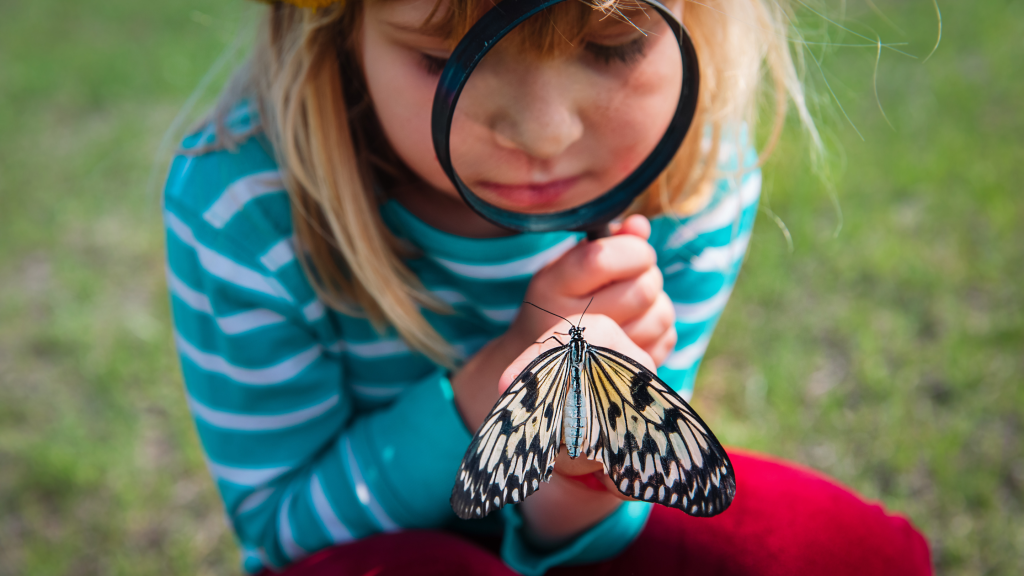
    Children love observing change. Watching bees visit a flower they planted or hearing frogs return builds a living relationship with the natural world.

    Try This at Home: Plant native species or rewild a corner of your yard. Keep a nature journal with your child — what do they notice each day?

    3. Use Storytelling to Spark Reflection

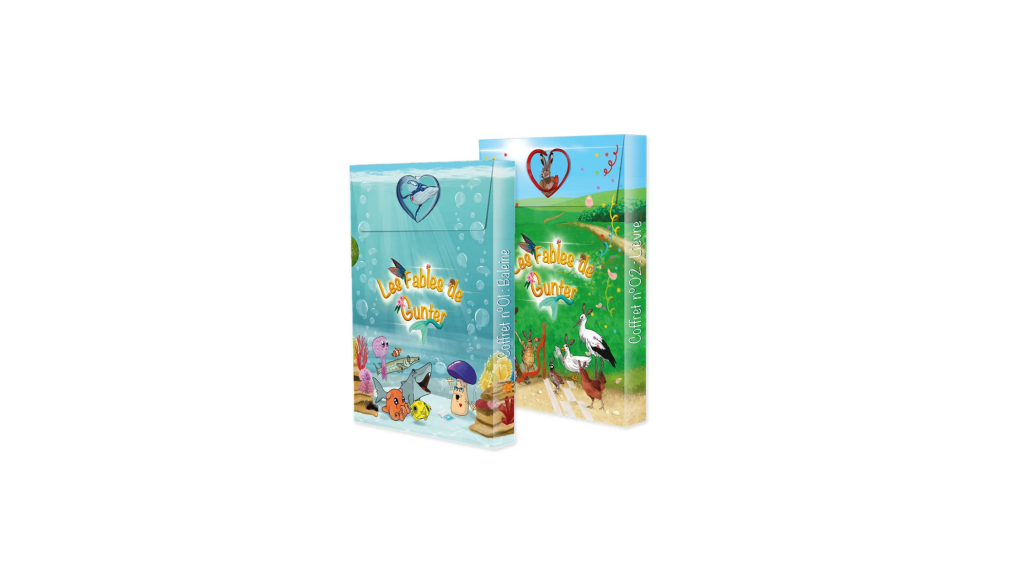
    Tools like Gunter’s Fables offer more than entertainment — they invite children to reflect, imagine, and act.

    Rooted in Montessori and Steiner principles, these illustrated fables help children explore systems thinking, emotional intelligence, and environmental responsibility. They’re a gentle yet powerful way to introduce biodiversity, empathy, and nature’s complexity through story.

    Try This at Home: After reading a story, ask: “What would you do if you were the animal in the story?” or “How can we help animals like this in real life?”

    4. Turn Your Child Into a Mini Scientist

    Citizen science isn’t just for grown-ups. From spotting birds in the backyard to counting insects or testing water quality, many organisations welcome children’s contributions to real scientific data.

    This not only supports environmental research, but gives children a sense of purpose and belonging in something bigger.

    Try This at Home: Join a local BioBlitz, frog ID project, or backyard bird count. Check out NatureMapr, iNaturalist, or local citizen science groups in Australia.

    5. Lead by Living It

    Children are natural observers. The best way to teach sustainability? Live it yourself.

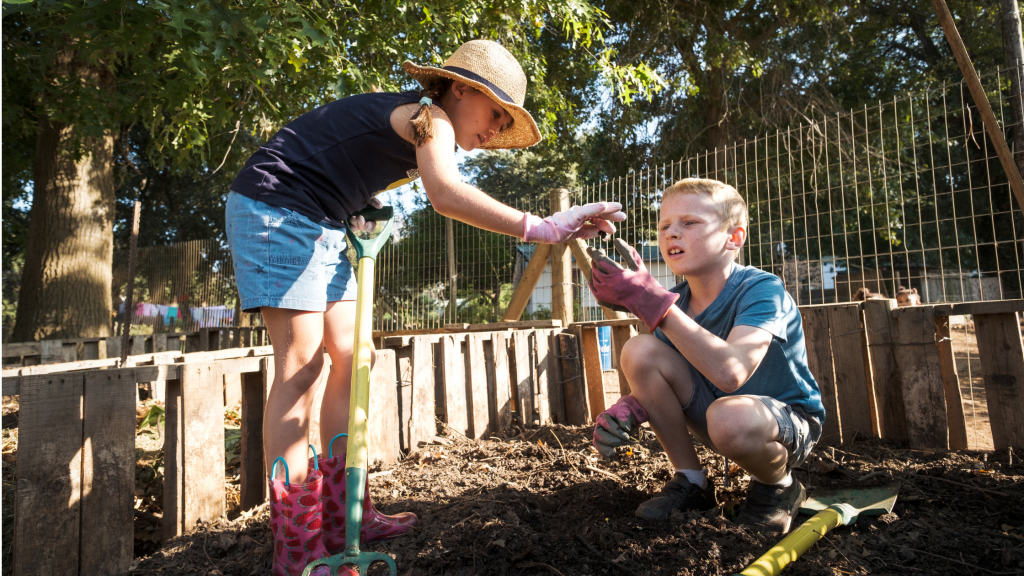
    • Involve kids in composting or choosing local produce.
    • Fix things instead of throwing them away.
    • Talk openly about your values and choices.
    • Celebrate small wins together — “We saved water today!” or “We helped a bee!”

    Sustainability becomes less about sacrifice and more about joy, care, and connection.

    More Than Just “Green Habits”

    Teaching sustainability at home isn’t about being perfect. It’s about planting seeds of care — for people, places, and possibilities.

    Whether you’re using tools like Climate Fresk Kids, building a Nature Oasis, reading eco-fables, or simply walking barefoot in the grass together — you’re shaping a future where children don’t just understand nature, but feel part of it.

    Because when children fall in love with the Earth, they’re more likely to protect it.

    Together, let’s raise a generation of nature-connected changemakers — one home at a time.

  • Climate science made simple: Climate Fresk for kids

    Climate science made simple: Climate Fresk for kids

    At People For Nature, we’re passionate about empowering the next generation with the knowledge and tools to understand our changing world. That’s why we offer Climate Fresk for Kids—a fun, interactive, and age-appropriate version of the internationally acclaimed Climate Fresk workshop.

    What is Climate Fresk for Kids?

    Climate Fresk for Kids is a playful, science-based workshop designed to introduce students aged 10 and up to the basics of climate change. Using colourful illustrations and a card game format, students explore:

    • What causes climate change
    • Its effects on people and the planet
    • How we can take action

    This kid-friendly version has been developed by teachers and climate experts to make complex science engaging and accessible for younger learners—without overwhelming them.

    Why Bring It to Your School?

    Today’s students are tomorrow’s leaders. Climate Fresk for Kids helps them build:

    • Science literacy based on the latest IPCC findings
    • Critical thinking and systems awareness
    • A sense of hope, agency, and teamwork

    It’s a perfect fit for curriculum topics in Science, Geography, and Sustainability and offers a unique way to enrich learning through group discussion and creativity.

    How It Works

    📚 Age group: Best for ages 10–14 (Years 5–9)

    Duration: 2 hours

    👥 Format: In-person

    🎓 Facilitators: Trained educators experienced in working with children

    🎨 Approach: Hands-on, visual, and collaborative

    What’s Included?

    Each workshop includes:

    • All materials (cards, worksheets, facilitator guidance)
    • Customisation to your classroom or event goals
    • A wrap-up session to help students reflect and imagine solutions

    Book a Workshop

    📍 Available across Sydney, Brisbane, Melbourne, Perth

    📆 We work with your preferred dates and school calendar

    To enquire or book, just get in touch and tell us:

    • Your location and year level
    • Preferred dates and times
    • Any specific topics or goals you’d like us to include

    📧 info@blog.peoplefornature.org.au
    Believe in a better future? So do we.

    At People For Nature, our mission is bold: to educate 27,000 Australians by 2027 on climate and biodiversity, empowering them to take meaningful action for our planet.

    Your donation fuels citizen-powered education that turns knowledge into action—and action into lasting change.
    Donate today and be part of the change.

    💚 Together, we can shape a planet-boundaries literate Australia.

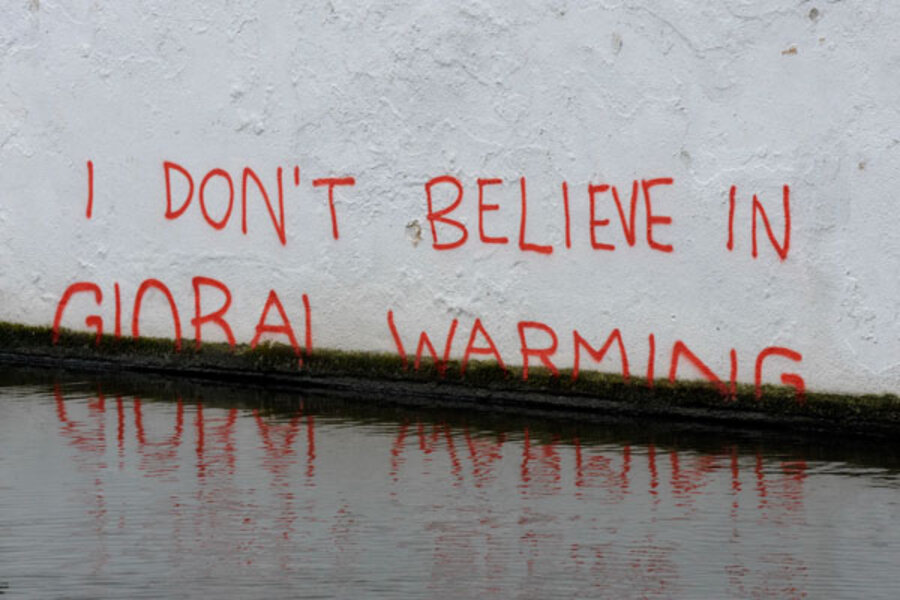
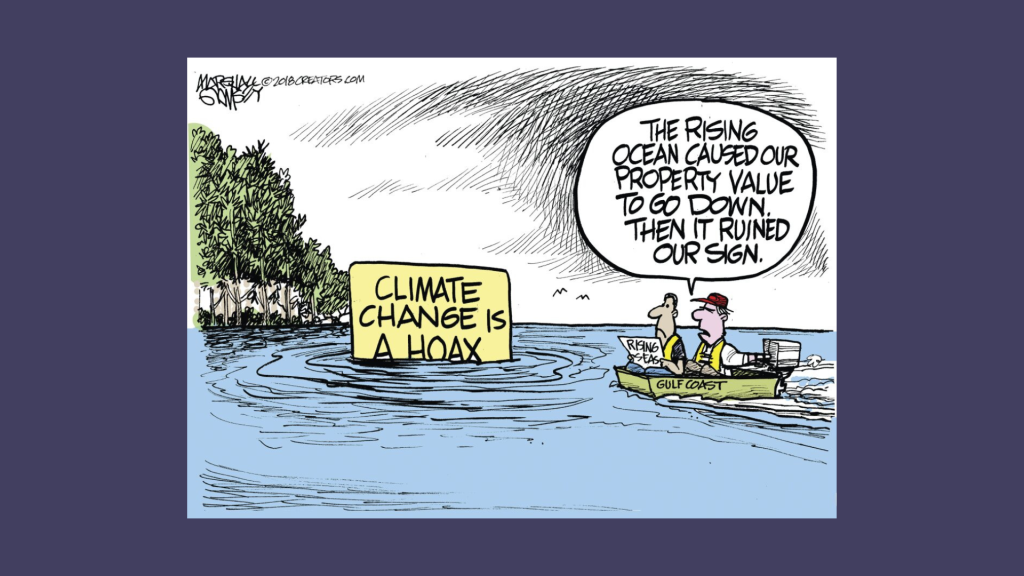
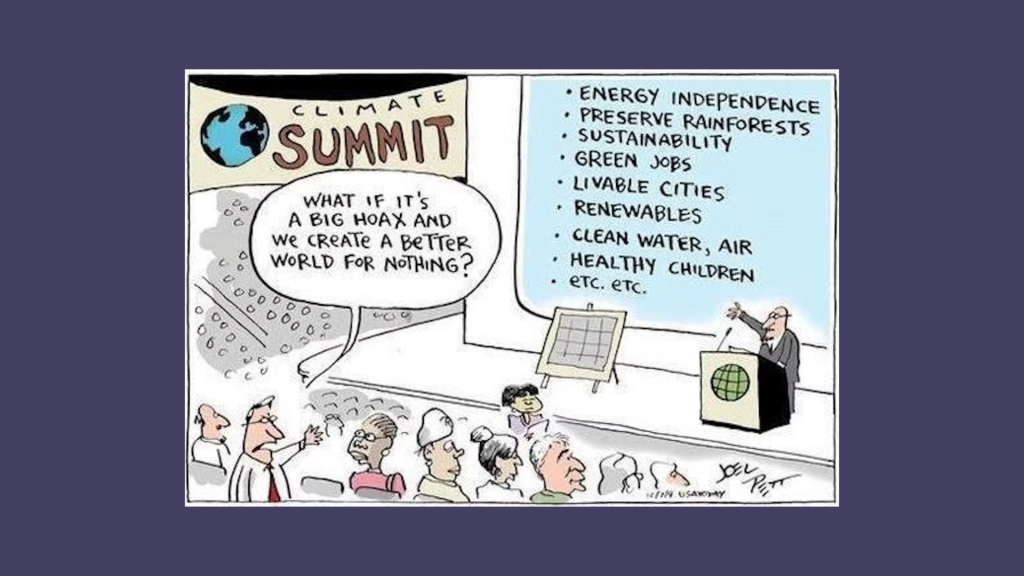
  • Climate change myths and facts: what we hear in Australia

    Climate change myths and facts: what we hear in Australia

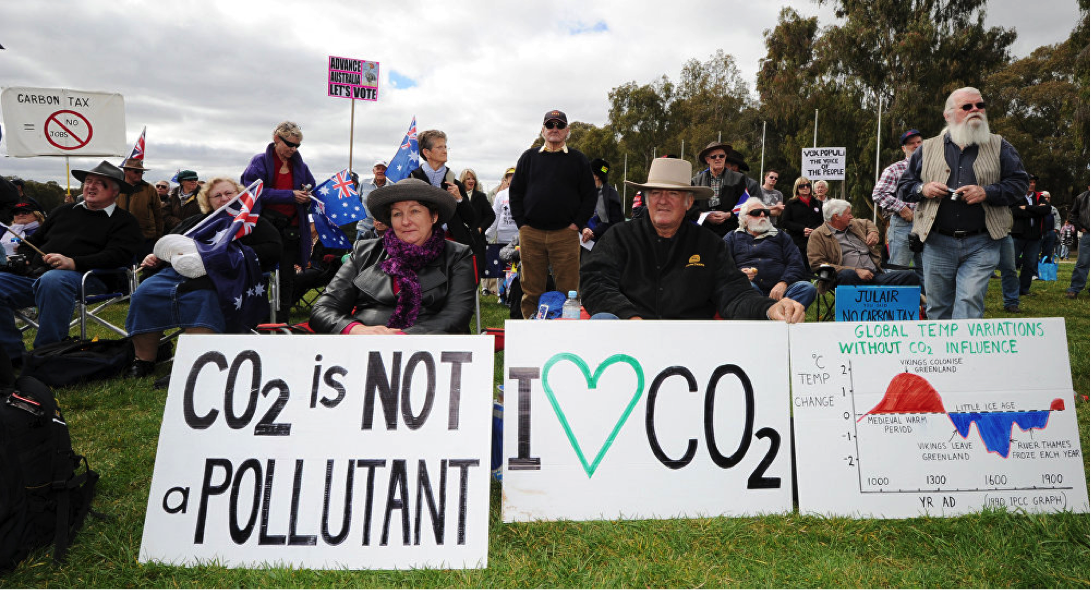
    Climate change must be an inclusive conversation, rooted in facts, not opinions. To tackle this crisis, we need to keep everyone informed—scientists, policymakers, sceptics, and communities most affected—ensuring that our discussions are based on reliable, evidence-based information.

    Talking amongst ourselves is reassuring, but it isn’t enough.

    At People For Nature, we’re committed to fostering open conversations with everyone, anytime, and ensuring that the focus remains on facts, not misinformation. Only through this approach can we build understanding, drive action, and face the challenges of climate change together.

    Here are some of the myths we often hear in discussions about climate change—and why they are simply not true.

    “The IPCC is pure political propaganda”

    The Intergovernmental Panel on Climate Change (IPCC) is the most trusted source of climate science today.

    But why?

    It’s Based on Thousands of Studies
    The IPCC doesn’t rely on a single opinion—it reviews thousands of peer-reviewed scientific papers from experts worldwide.

    🚨 It UNDER-restimates (not OVER-estimates) Climate Risks

    • The IPCC operates on scientific consensus, meaning only findings that have extremely strong evidence make it into reports. Some argue this downplays worst-case scenarios, such as rapid ice melt or extreme weather feedback loops.
    • Example: The IPCC initially underestimated Arctic sea ice decline—real-world observations have often moved faster than their models predicted.

    It’s a Global Scientific Effort
    Hundreds of climate scientists contribute, and thousands review the reports, ensuring a fair and balanced understanding of climate change.

    It’s Independent & Transparent
    The IPCC doesn’t push policies or political agendas. Reports go through rigorous fact-checking by experts and governments before publication.

    It’s the Foundation of Climate Action
    World leaders, businesses, and organisations like the United Nations rely on IPCC findings to make informed decisions—such as the Paris Agreement.

    It’s Constantly Updated
    Climate science evolves, and so do IPCC reports. New findings are published every few years, ensuring we always have the latest and best information.

    🔎 The key takeaway

    📢 The IPCC is neither alarmist nor dismissive—it presents the science as carefully as possible.

    🐌 If anything, real-world climate events often happen faster and more intensely than IPCC projections suggest.

    Science is evolving, but given the scientific consensus we have, waiting for 100% certainty is not really an option.


    “The IPCC do not take into account the tilting of the Earth, which is causing a normal temporary warming”

    Yes, the tilting of the Earth (axial tilt) does influence climate, but it is not the cause of modern climate change.

    Here’s the science behind it:

    1. Earth’s Tilt & Natural Climate Cycles (Milankovitch Cycles)

    The Earth’s axial tilt (currently about 23.5°) affects how sunlight is distributed across the planet, contributing to natural climate variations over tens of thousands of years. This is part of the Milankovitch Cycles, which include:
    Axial Tilt (Obliquity): Changes every 41,000 years, affecting the severity of seasons.
    Orbital Shape (Eccentricity): Changes every 100,000 years, affecting how much solar energy the Earth gets.
    Wobble (Precession): A 26,000-year cycle that shifts the timing of seasons.

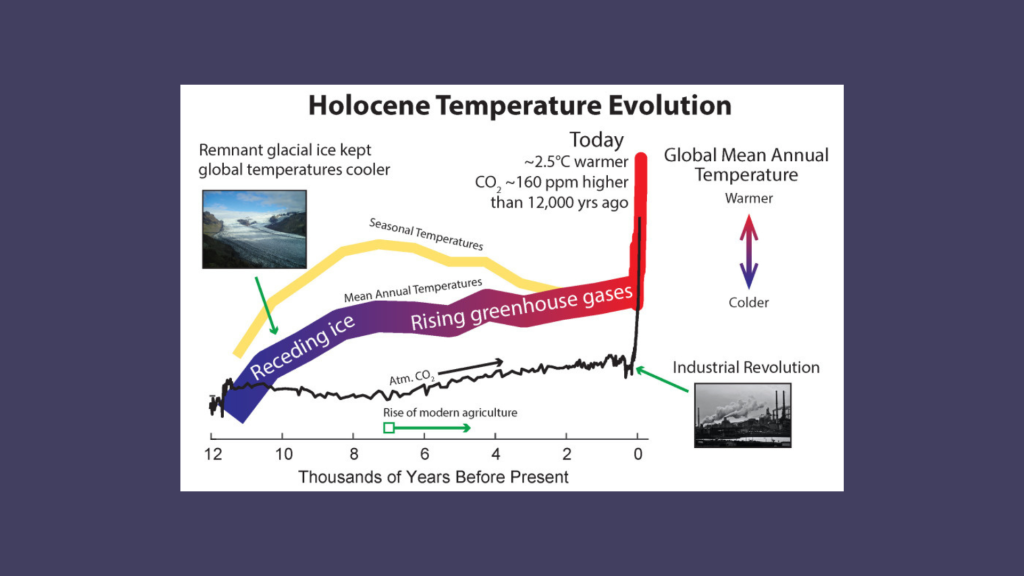
    These cycles have been responsible for past ice ages and warm periods, but they happen too slowly to explain the rapid warming observed in the last century.

    BUT… The current warming (since the Industrial Revolution) is happening in just decades, which is far too fast to be caused by natural cycles.

    Science shows human impact

    • The IPCC and NASA confirm that the warming trend over the last century is due to greenhouse gas emissions, not changes in Earth’s tilt.
    • CO₂ levels are the highest in at least 800,000 years, and their increase directly correlates with human activity.

    🔎 The key takeaway

    -> The Tilt Matters, But Not for Modern Climate Change.

    While Earth’s tilt has played a role in past climate shifts, today’s global warming is driven by human activity, mainly fossil fuel emissions. The rate of change is the key difference—what took thousands of years in the past is now happening in just a few decades.


    If you’re ready to tackle climate delay discourse, join one of our Climate Literacy workshops and train to become a facilitator!

    Find a workshop near your and join us: https://events.humanitix.com/host/people-for-nature


    🔗 Sources and fact checking

  • Why Climate Literacy Should Be a Strategic Priority for Business

    Why Climate Literacy Should Be a Strategic Priority for Business

    In an era of rapid environmental change, the businesses that thrive are the ones that understand their role within ecological systems — not just their bottom line. Climate change isn’t only an environmental challenge; it’s a strategic risk, a market signal and a driver of new opportunities. Yet many organisations still struggle with deep understanding and clear internal alignment on climate science and response strategies.

    At People For Nature, we’ve seen firsthand how science-based, participatory education changes the game — not just for awareness, but for organisational resilience, innovation and competitiveness.

    📈 Climate Fresk: From Awareness to Action

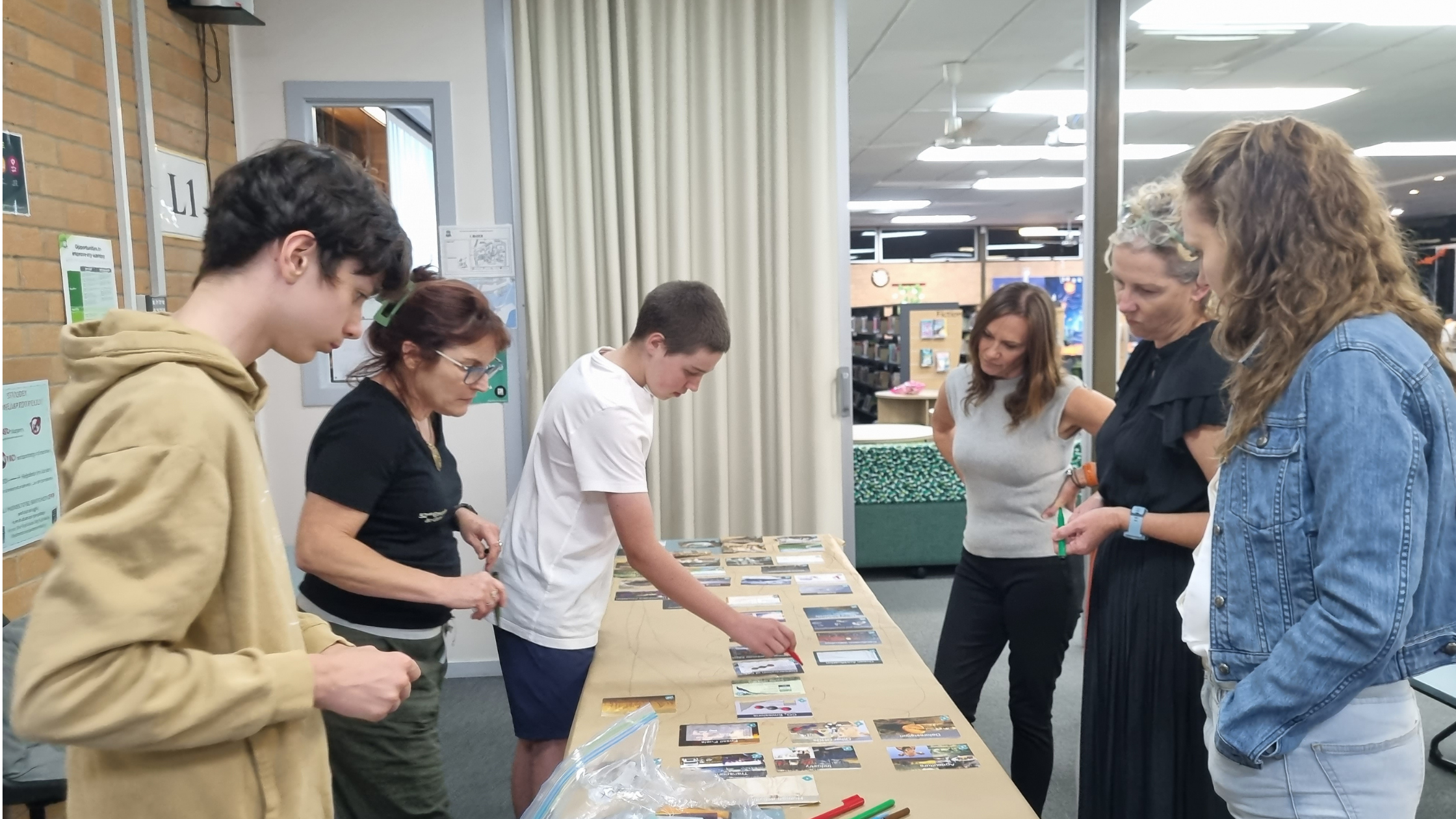
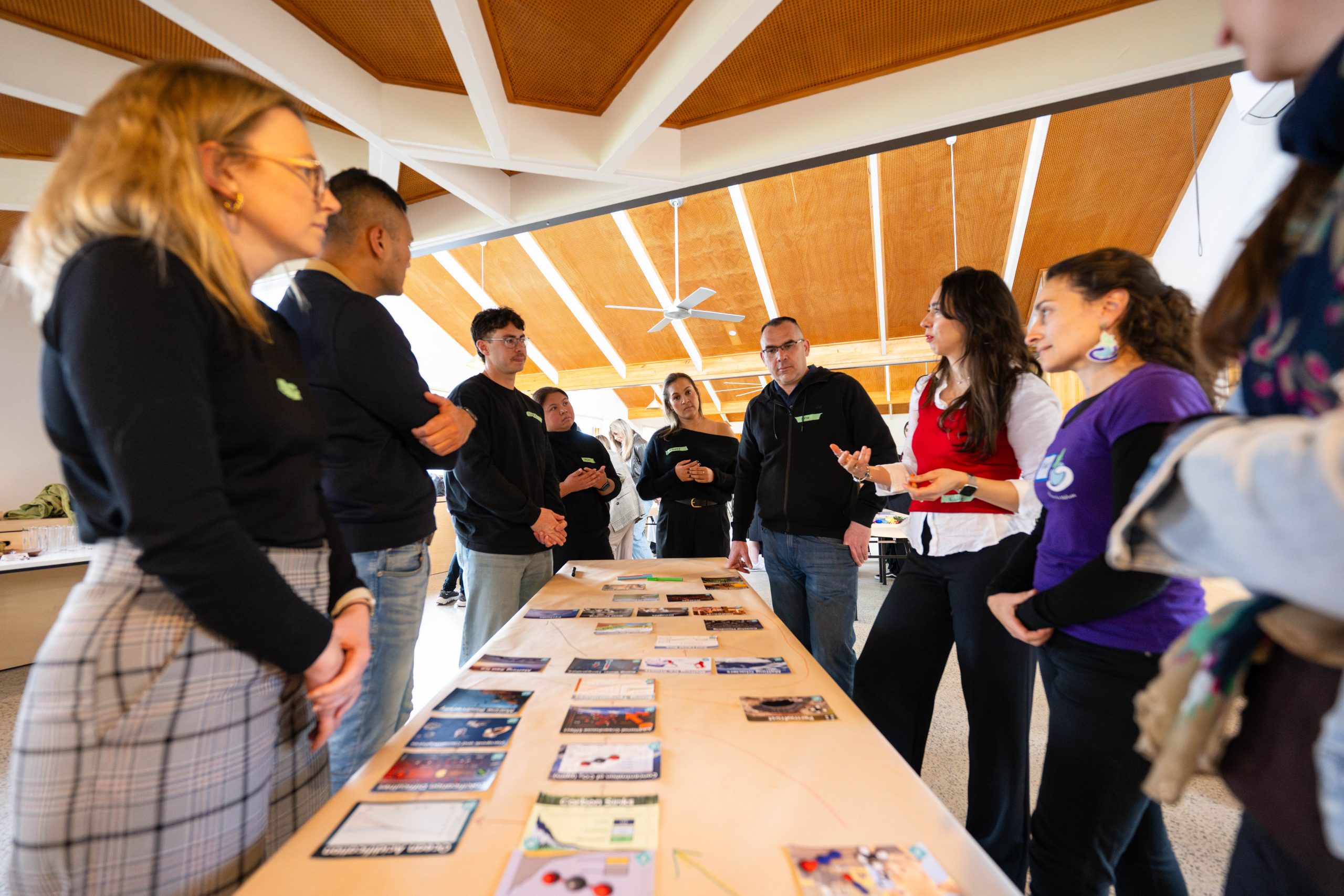
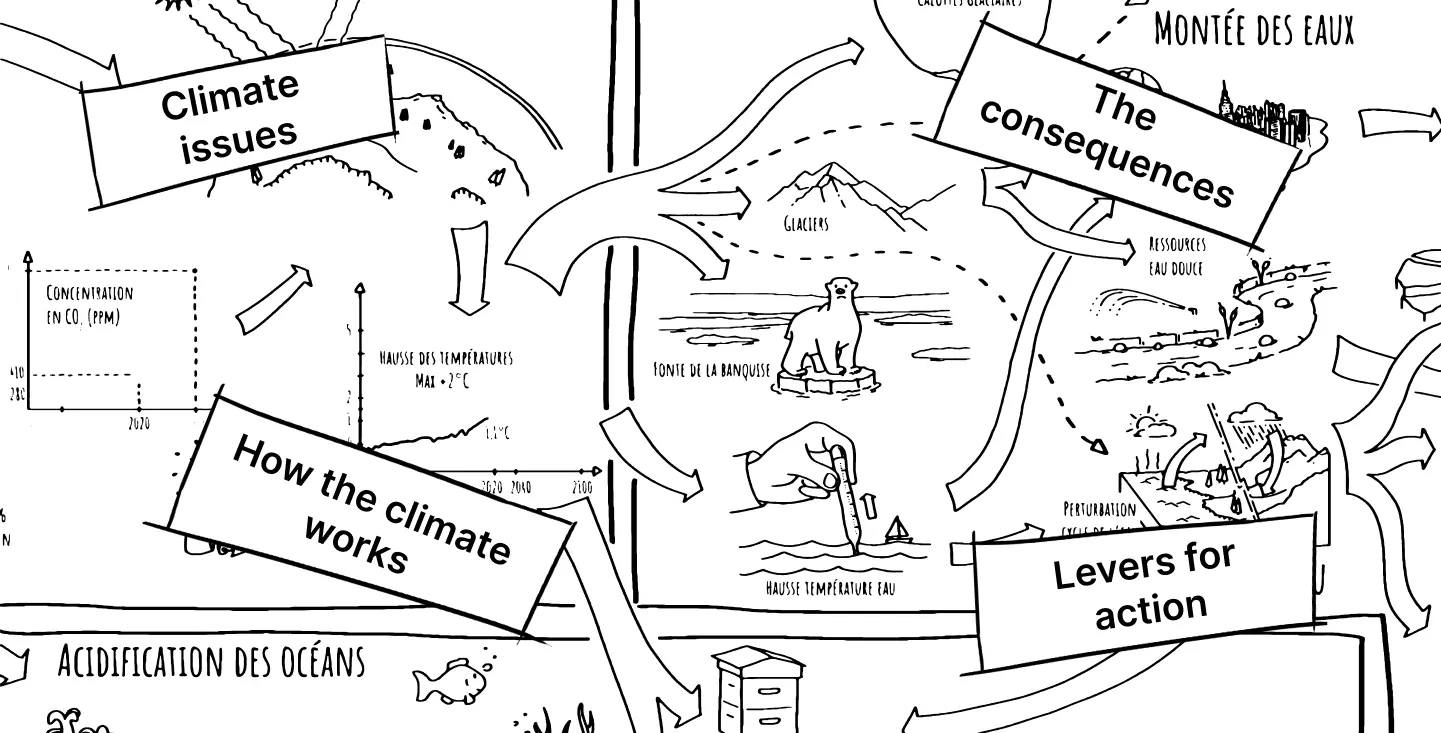
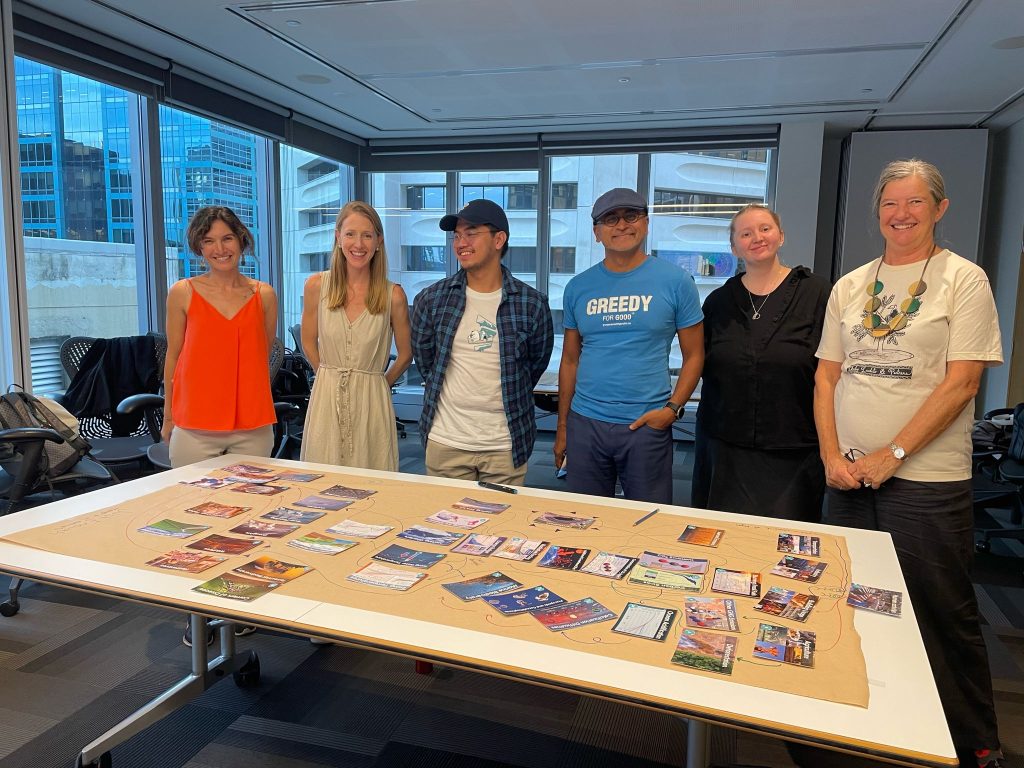
    The Climate Fresk workshop is a globally recognised, collaborative learning experience that turns complex climate science into an accessible, engaging and action-oriented session. Participants work together to map the causes and effects of climate change, uncovering systems connections and deeper insights in just a few hours.

    For teams and leaders, this isn’t a lecture — it’s a shared learning journey that builds collective understanding, emotional engagement and strategic clarity.

    🤝 Strategic Benefits for Your Organisation

    1. Build Internal Climate Expertise

    Climate Fresk deepens your team’s understanding of the science and implications of climate change. This equips your people to make informed decisions that align with sustainability goals, risk management and long-term planning.

    2. Enhance Organisational Resilience
    Understanding climate risks strengthens your ability to anticipate and respond to regulatory, market and supply chain shifts — supporting sustainability and continuity under uncertainty.

    3. Boost Employee Engagement & Culture
    Workshops like Climate Fresk demonstrate your commitment to meaningful action — and give staff a platform to learn, reflect and contribute. This builds morale, retention and a values-based corporate culture that attracts talent.

    4. Add Value for Clients & Partners
    Equipping teams with climate literacy enables you to partner more effectively with clients on sustainability strategy, ESG commitments, risk assessments and solution-driven innovation.
    5. Unlock Innovation & Competitive Advantage
    When teams understand the systemic drivers of climate change, they are better positioned to spot opportunities for new products, services, and business models that align with emerging market and regulatory expectations.

    🔗 Integrating Climate Literacy into Corporate Strategy

    Climate literacy isn’t just a “nice-to-have”. It increasingly influences:

    • 💜 Investor confidence and ESG reporting
    • 💜 Supply chain resilience and risk mitigation
    • 💜 Brand reputation and customer trust
    • 💜 Workforce capability and leadership development

    By investing in structured climate education such as Climate Fresk, organisations signal leadership in climate action and strengthen their position in a rapidly evolving global economy.

    📞 How People For Nature Can Support You

    People For Nature partners with organisations to deliver tailored Climate Fresk workshops — in-house or virtually — designed to suit your team’s context, goals and learning needs. We help companies move past fragmented knowledge towards a shared systems understanding that drives strategic action.

    If your organisation is looking to enhance resilience, build climate competence and demonstrate real leadership in sustainability, let’s start the conversation.

    👉 Reach out to explore workshop formats, dates and customised pathways for your team.

    💜 Together, we can turn climate literacy into competitive advantage — and action into impact.

  • Understanding climate change in a record time: Climate Pitch!

    Understanding climate change in a record time: Climate Pitch!

    We’re excited to announce that People For Nature has successfully trained a group of passionate ambassadors on Climate Pitch!

    This new initiative equips our ambassadors with effective communication tools to engage and inspire others about the urgent need for climate action in 60 minutes!

    The Climate Pitch has been designed to enable as many people as possible to :

    • … Quickly and simply understand the key messages related to climate change
    • … Respond positively
    • … By motivating to engage on a personal, professional and collective level.

    An interactive experience open to all, designed to give people the impetus to take action and strengthen their commitment.

    Interactive & accessible content to motivate

    • Based on the IPCC report
    • Understanding orders of magnitude
    • Reconnecting with our role

    What participants say…

    How does it work?

    The participants are guided through visuals and explanations and continuously engaged through a Quiz format incl. different types of questions/exercises. Split in 3 phases :

    1. Intro & Warm-up

    2. Guided Tour & Quiz

    3. Debrief & Solutions

    What you need

    😊 Your good mood and best self 😉

    🖥️ a computer/laptop / tablet – following the conference on mobile is not recommended as our conference is based on visual storytelling

    🛜a good WIFI connection

    📱Your mobile phone to participate to the quiz!

    Leveraging Science-Based Communication to Combat Climate Skepticism

    Climate change skepticism varies significantly across different countries and regions. In Australia, skepticism is notably higher compared to many other industrialised nations. Interestingly, this skepticism is positively correlated with our per capita carbon dioxide emissions – ie. the higher we emit, the more skeptical we are...

    Let’s work together to revert that trend, spread science-based climate literacy, and empower people to take informed action for a sustainable future.

    If you’re interested in attending a public pitch, visit our Humanitix page: https://events.humanitix.com/host/people-for-nature

    If you want to organise a Pitch session for your organisation or event, get in touch with us directly to schedule a session tailored to your needs.


    References

  • Challenging the narratives of climate delay and how to dismantle them

    Challenging the narratives of climate delay and how to dismantle them

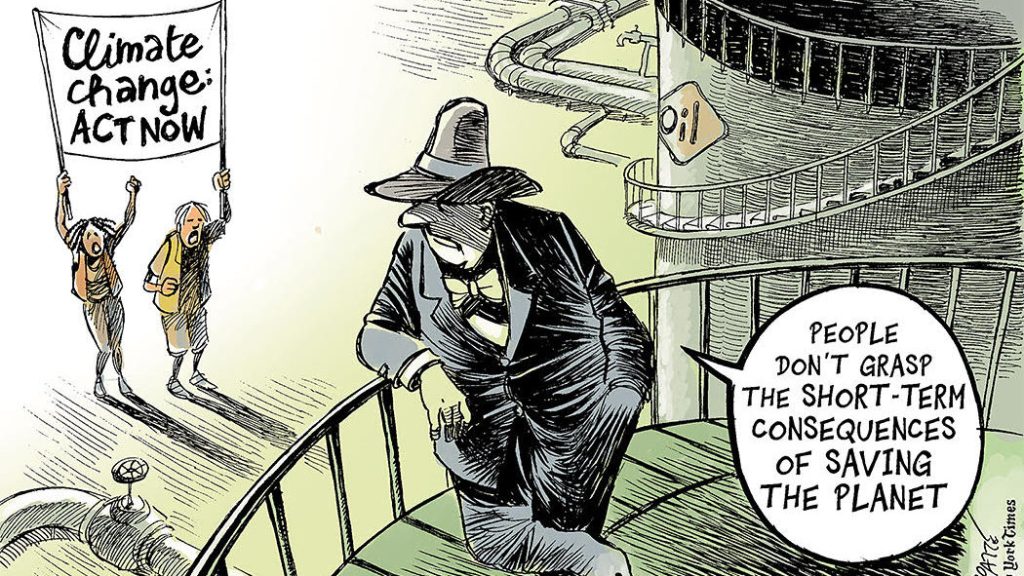
    Climate change is frequently described with terms like “urgent crisis” or “code red for humanity”. Yet alongside the science are narratives that slow us down — stories that normalise delay, confusion, or distraction. These narratives shape how communities, organisations, and leaders interpret their agency in responding to climate risks.

    At People For Nature, we recognise that how we talk about climate matters. Words do not just communicate; they frame possibility, constrain thinking, and either enable or inhibit action. Our work builds not only scientific literacy but also critical literacy — the ability to discern narratives that enable action from those that hinder it.

    🧠 Key Narratives That Enable Delay

    Several common narratives consistently undermine climate action:

    📌 1. “Solar Farms Create a Vortex That Changes the Weather”

    This claim positions large-scale renewable energy as potentially problematic, suggesting that clean solutions themselves could harm ecosystems or the climate. While renewable energy projects have environmental considerations, overemphasising hypothetical risks distracts from the urgent need to decarbonise and scale solutions.

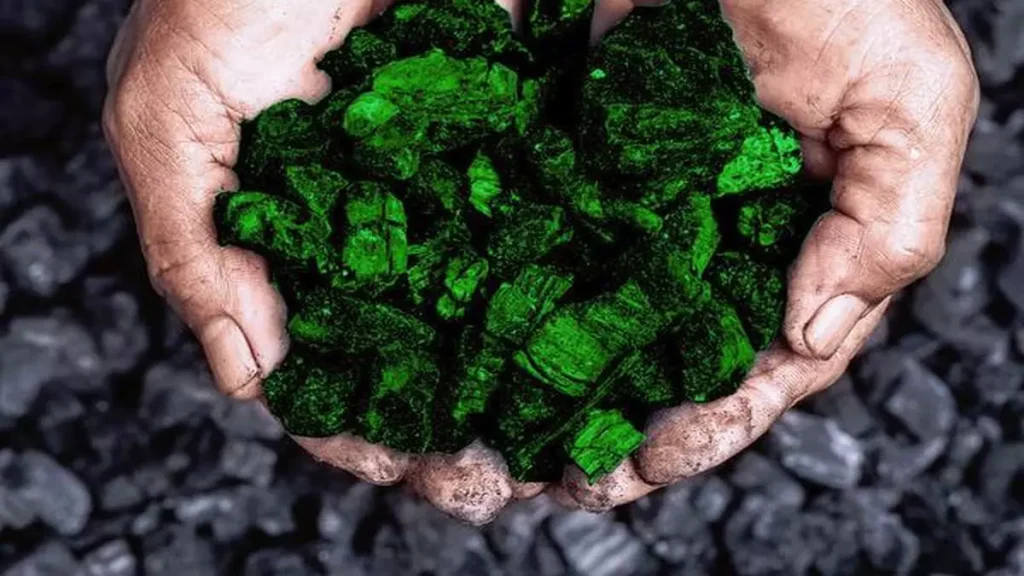
    📌 2. “Climate Change Will Be Tackled Now That We Have Found Green Coal”

    This is a classic technological distraction. The promise of a ‘silver-bullet’ solution like green coal fosters complacency, implying that systemic behaviour and energy transitions are unnecessary. It delays collective action and reinforces a passive mindset.

    📌 3. “The Science Is Settled”

    While scientific consensus is real, over-simplifying it can discourage continuous learning and nuanced decision-making in organisations and communities.

    📌 4. “It’s Someone Else’s Responsibility”

    Shifts accountability away from individuals, teams, or organisations and slows proactive engagement.

    📌 5. “We Don’t Have Enough Time”

    Urgency is real, but framing time as scarce without pathways to action can trigger paralysis rather than agency.

    🌱 Why Addressing Narratives Matters

    Narratives are not abstract. They influence:

    • Perception of risk
    • Sense of personal and collective agency
    • Motivation to engage
    • Willingness to collaborate across sectors
    • Readiness to adopt change at scale

    Without tools to examine and reframe limiting narratives, climate literacy remains incomplete. Facts alone do not drive transformation.

    🔄 Dismantling Delay Through Systems Literacy

    People For Nature’s approach combines science and systems thinking:

    💜 Situating Science Within Systems
    Understanding climate requires seeing how environmental, social, and economic systems interact — not memorising isolated facts.

    💜 Naming and Reframing Limiting Narratives
    We help learners identify unhelpful stories — like “green coal will fix everything” — and replace them with evidence-based frames that emphasise shared agency and actionable solutions.

    💜 Co-creating Pathways to Action
    Education is most effective when paired with practical strategies. Participants explore what they can do within their organisations, communities, and personal spheres.

    💜 Building Collective Competence
    Complex problems require coordinated responses. Shared understanding and narrative literacy equip teams and communities to act strategically.

    📌 Reframing the Narrative — Examples

    Instead of:

    • “Solar farms might harm the weather” → “Renewable energy can be designed responsibly; scaling solutions is critical to climate mitigation.”
    • “Green coal will fix climate change” → “Systemic transitions and behavioural change are essential alongside innovation.”
    • “Someone else will fix it” → “Everyone has a role to play — individually and collectively.”

    These reframes shift mindset from passive concern to active engagement, grounded in science.

    🚀 Why This Matters for Organisations

    For corporate partners, educators, and leaders, narrative literacy complements technical and strategic skills. It enables:

    • 💜 Better internal alignment around sustainability goals
    • 💜 More effective stakeholder communication
    • 💜 Greater resilience in planning and risk assessment
    • 💜 Staff confidence in climate-related decision-making
    • 💜 Cultural shifts toward proactive contribution rather than reactive response

    💜 Call to Action

    Changing narratives does not mean ignoring reality. It means approaching climate challenges with clarity, agency, and strategic perspective. People For Nature supports organisations, schools, and communities to develop climate literacy and narrative awareness — so knowledge becomes power, not paralysis.

    👉 Contact People For Nature to explore workshops and partnership opportunities for your team.


    References

  • Empowering hospitality for a sustainable future

    Empowering hospitality for a sustainable future

    The hospitality industry is at a turning point. As climate change intensifies, businesses must adapt—not only to reduce their environmental impact but to stay ahead in an increasingly eco-conscious market. The good news? The path to sustainability doesn’t have to be overwhelming. With the right knowledge and tools, your team can drive meaningful change from within.

    At People For Nature, we specialise in helping businesses navigate this transformation. Through engaging, science-based workshops, we empower teams to understand the challenges, take action, and lead the industry towards a sustainable future.

    Reward Hospitality Leads the Way

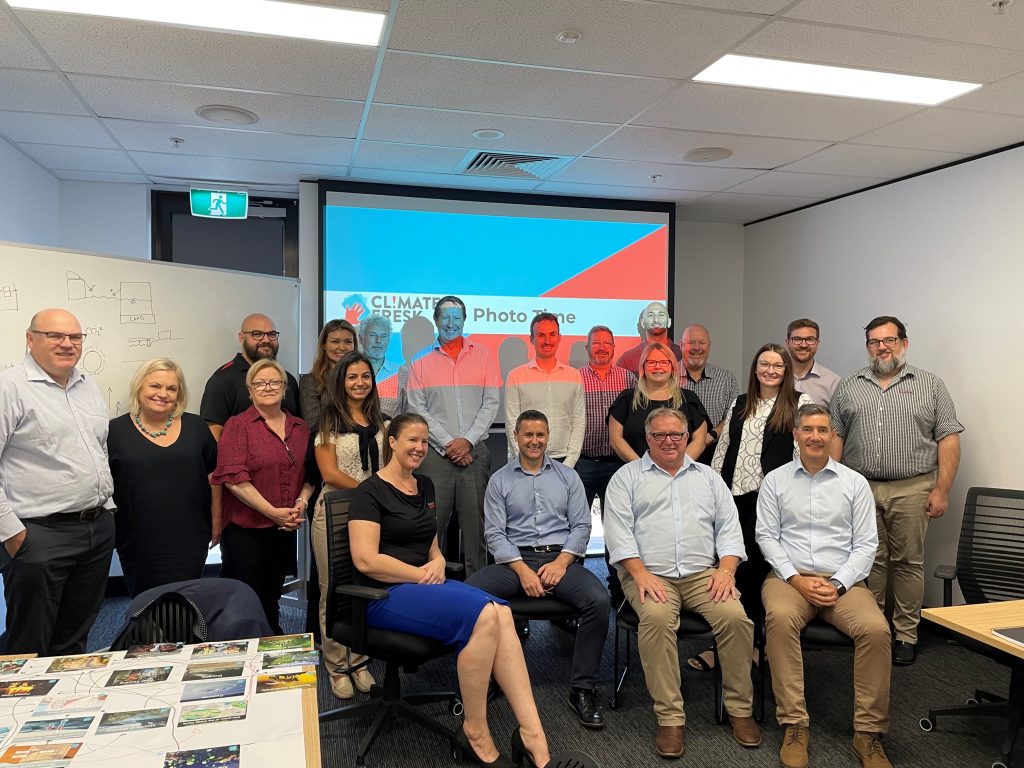
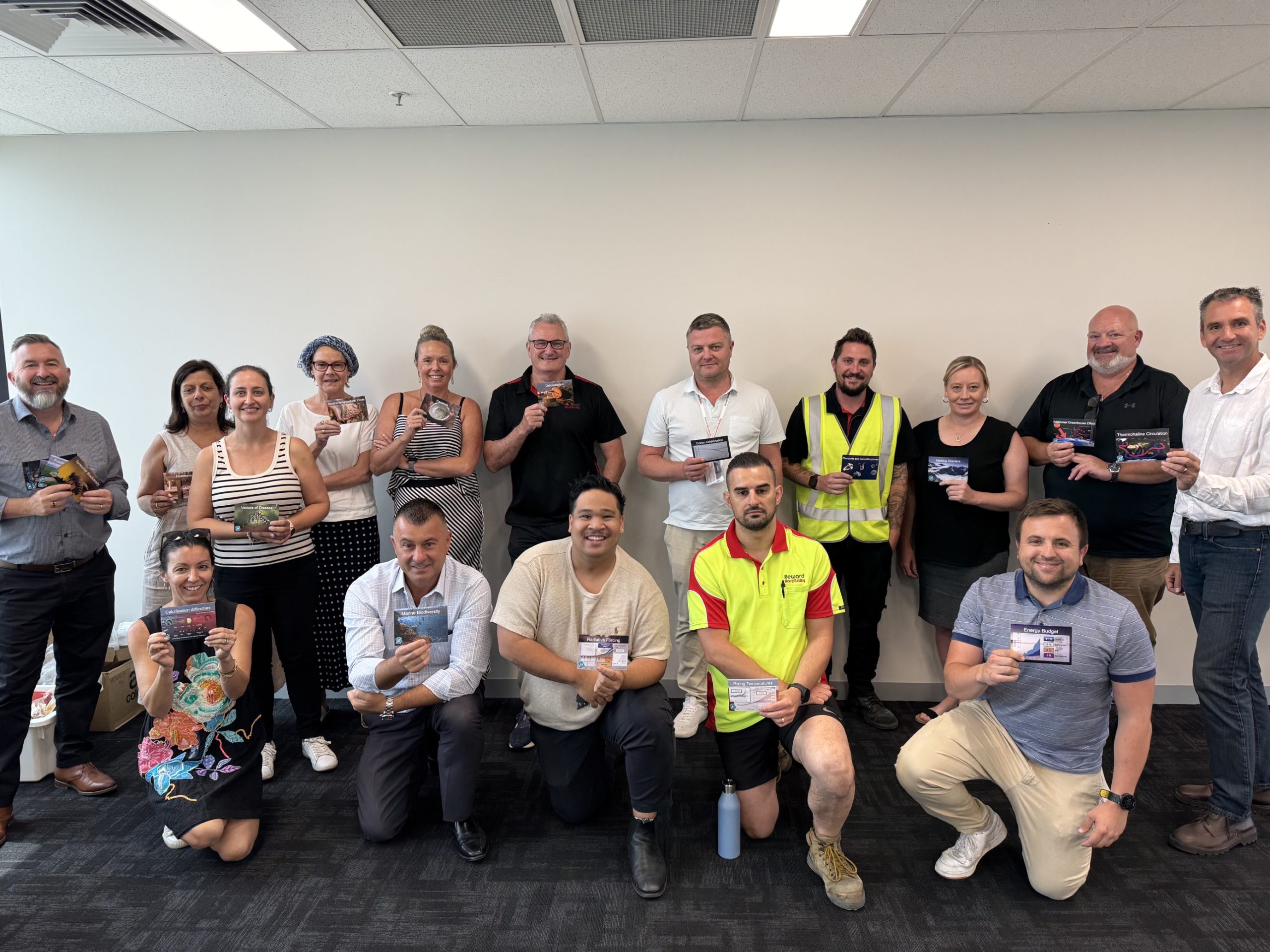
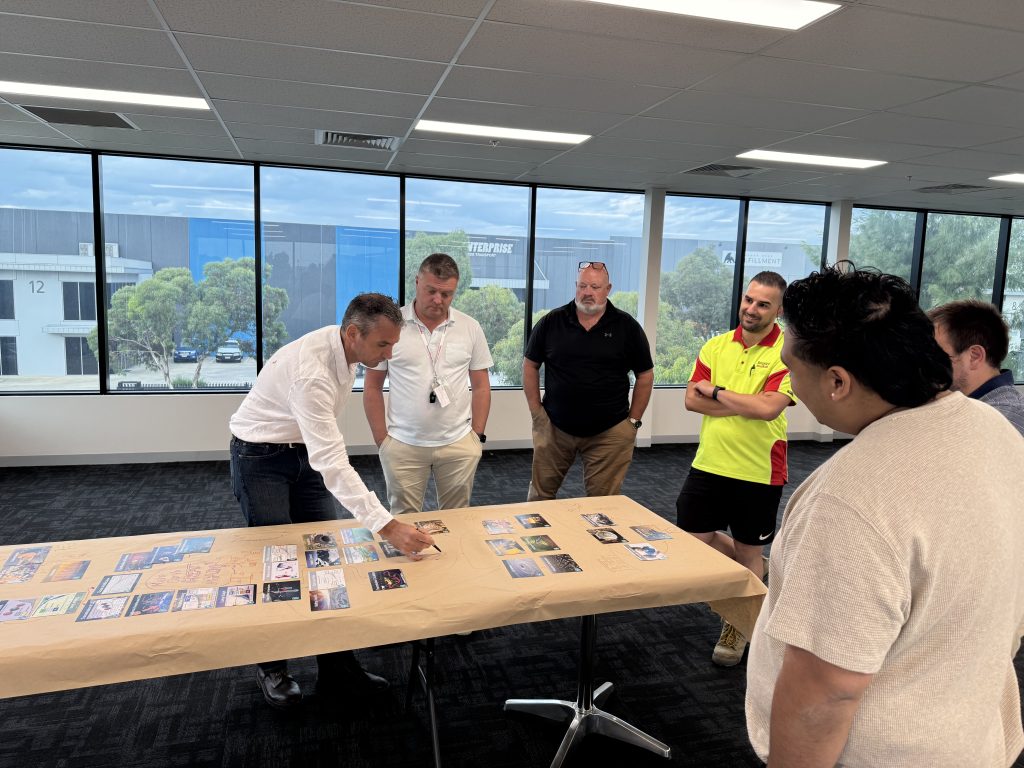
    Recently, we partnered with Reward Hospitality, a member of the ECF Group, to deliver a Climate Fresk workshop to around 80 staff across three states. This interactive experience helped their team connect the dots between climate science and business impact, leading to inspired discussions and real-world solutions.

    🌏 What is Climate Fresk?

    Created in 2015, this globally recognised workshop has already reached over 2 million people in 47 languages. It uses a hands-on approach with 42 knowledge cards, allowing participants to visually map out cause-and-effect relationships in climate change.

    At first, it might seem like just a handful of cards,” explains our CEO, Audrey Barucchi. “But as discussions unfold, the bigger picture comes to life. The result is a powerful moment of clarity, where participants see how their actions directly impact the environment.

    From Awareness to Action

    The workshop didn’t stop at education—it sparked real momentum. Teams engaged in:

    ✔️ Reflection – Understanding the broader implications of climate change on their industry and communities.
    ✔️ Brainstorming – Identifying practical steps for reducing carbon footprints, integrating sustainability into operations, and influencing clients.

    The response? A wave of creative, actionable ideas—from increasing renewable energy use to embedding sustainability in daily tasks.

    Your Business Can Be Next!

    Sustainability isn’t just a responsibility — it’s an opportunity. Forward-thinking businesses are already taking the lead, strengthening their brands, reducing costs, and future-proofing their operations.

    If you want to equip your team with the knowledge and confidence to make a difference, we’re here to help!

    📩 Let’s start the conversation.

    Contact us today to organise a Climate Fresk, Biodiversity Collage or Circular Economy Collage workshop for your team.

    Together, we can transform the hospitality industry, one action at a time.