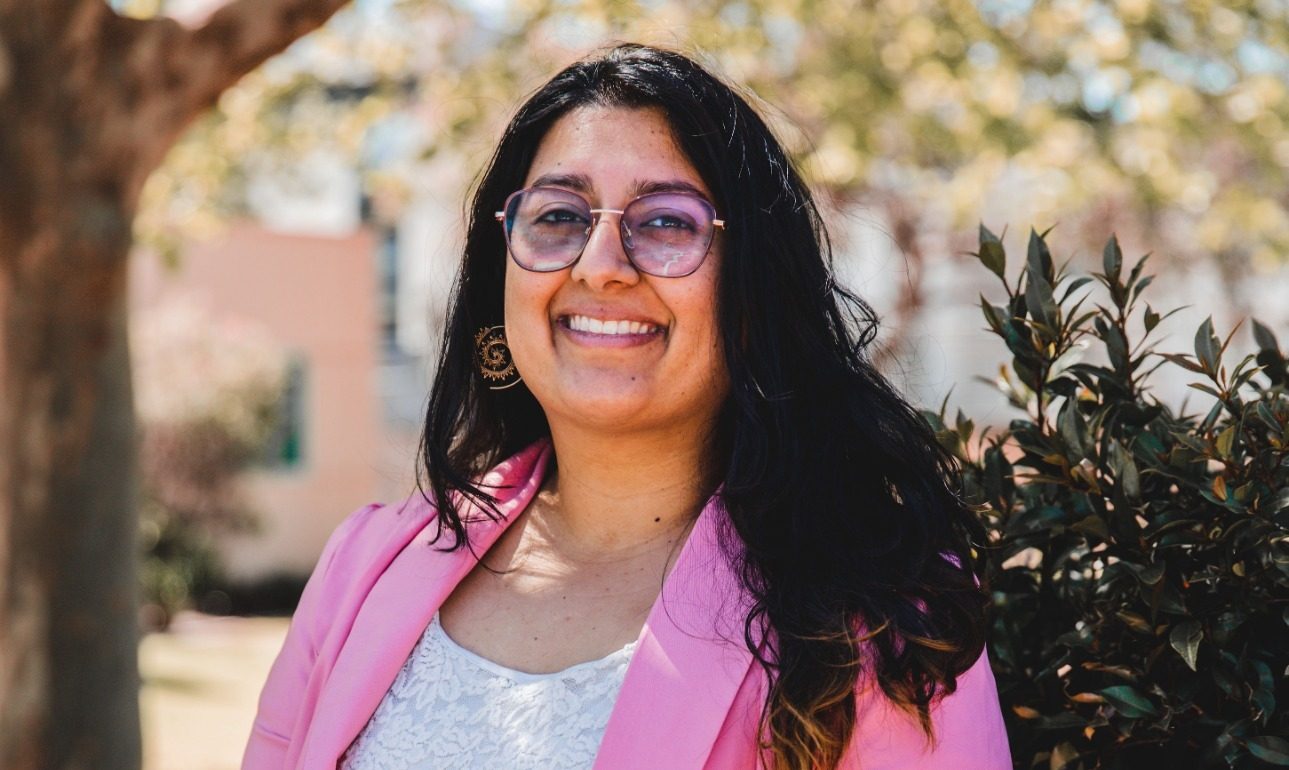
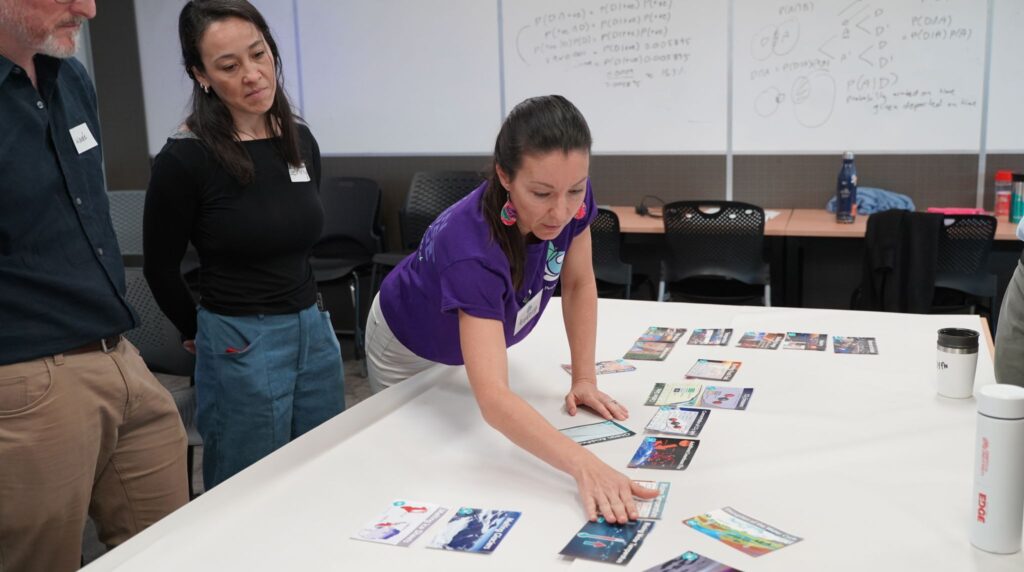
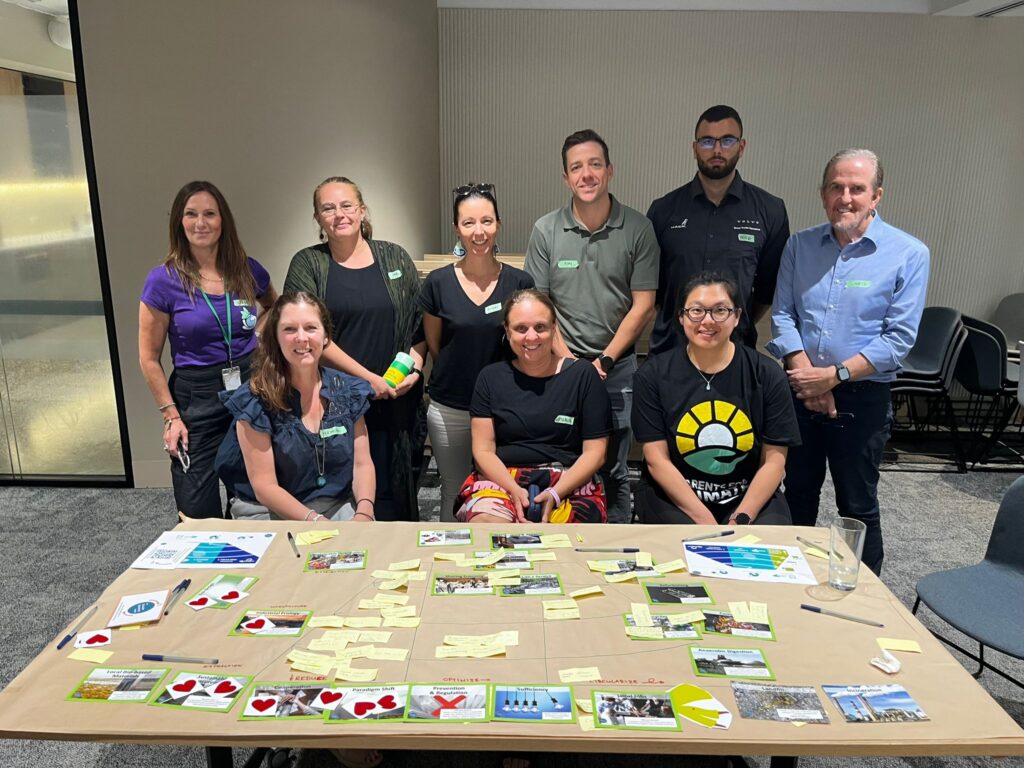
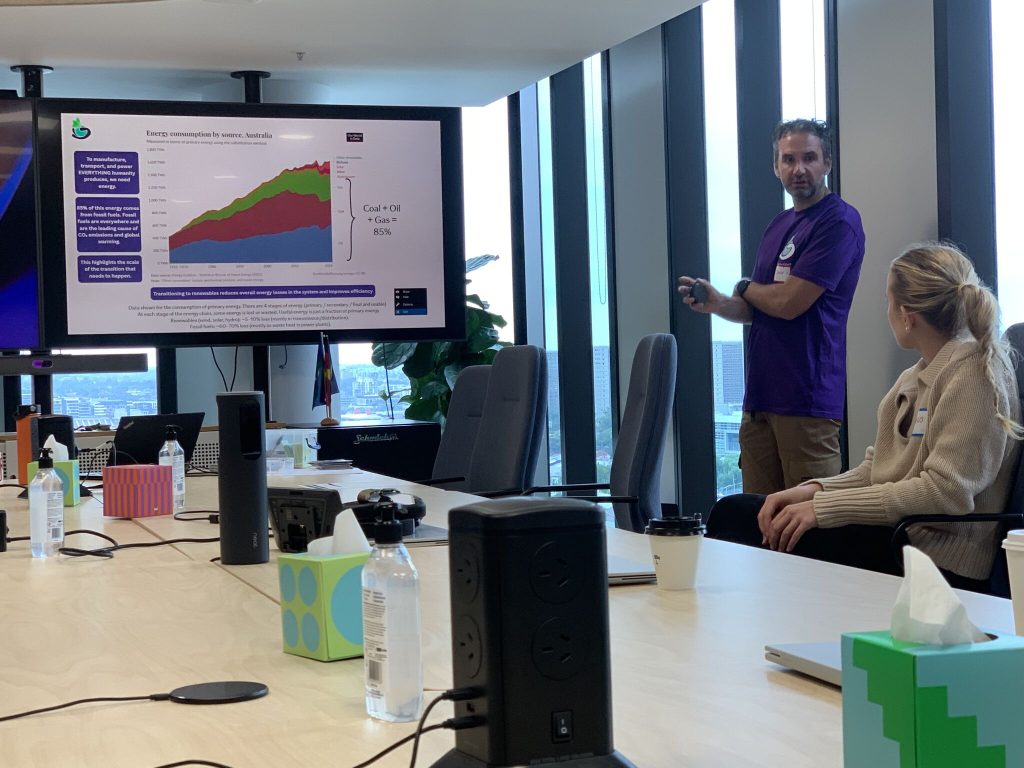
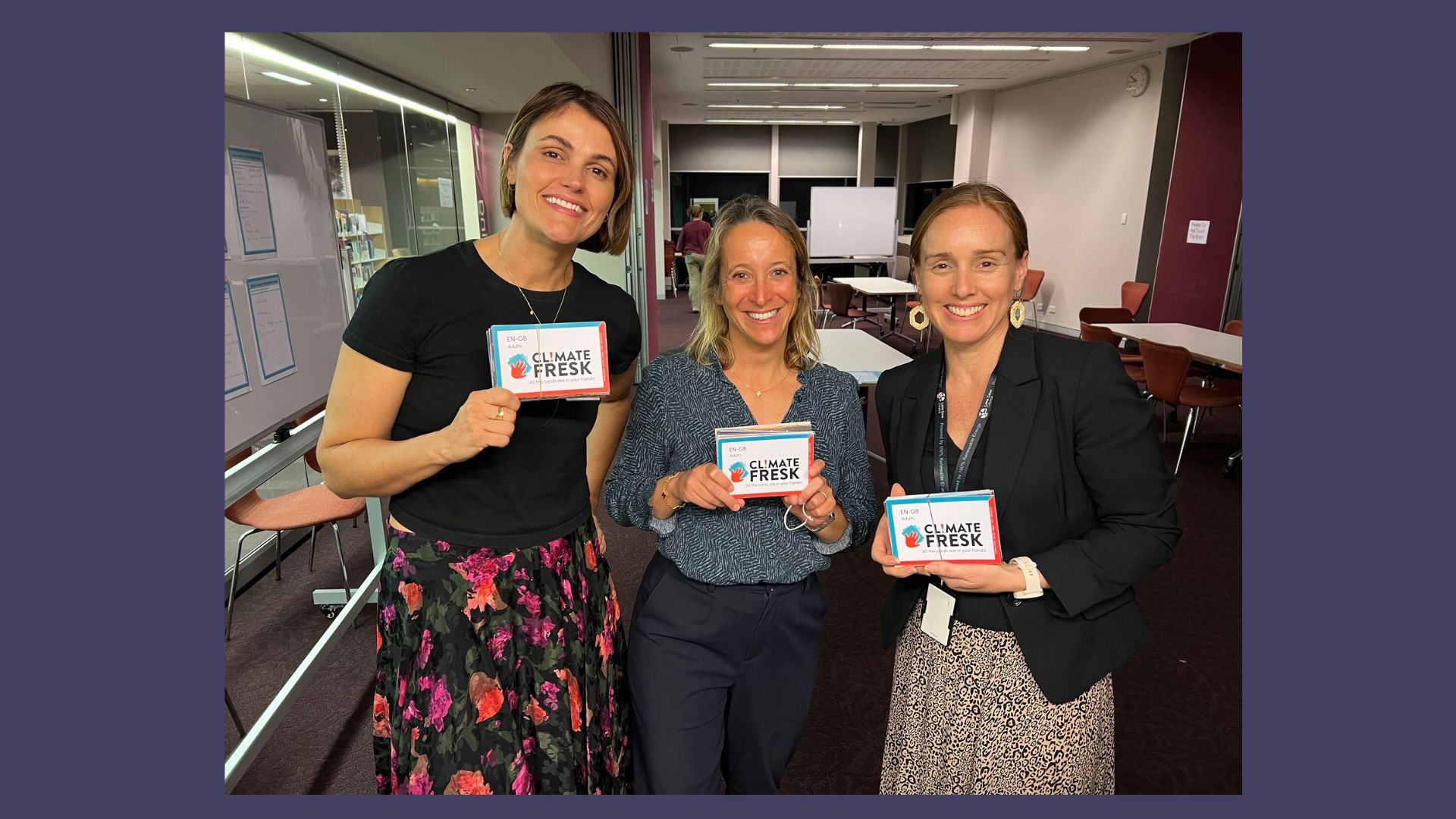
Aish became a Fresker in 2022. After meeting Laure Legros at a hackathon, she was encouraged to attend a Fresk event in Perth. She went with a friend, and it turned out to be a life-changing experience for both of them.
Aish’s motivation comes from her fascination with science communication, recognising how often we fear what we don’t understand. The Fresk process allowed her to be part of a story that breaks down complex science into something accessible and relatable.
One of Aish’s most inspiring experiences was facilitating a multi-group Fresk with the French-Australian Chamber of Commerce. The event brought together multiple groups, facilitators, and organisations, and the discussions were transformative.
Several participants shared that their understanding of climate science had changed, and they felt inspired to make significant changes in their lives. They appreciated the clarity the Fresk process provided, which made the complex subject matter easier to trust.
When it’s tough to inspire action, Aish reflects on the belief that perfection is the enemy of progress. She believes that even reaching a small portion of the audience is worth it, knowing that every step forward contributes to the larger cause.
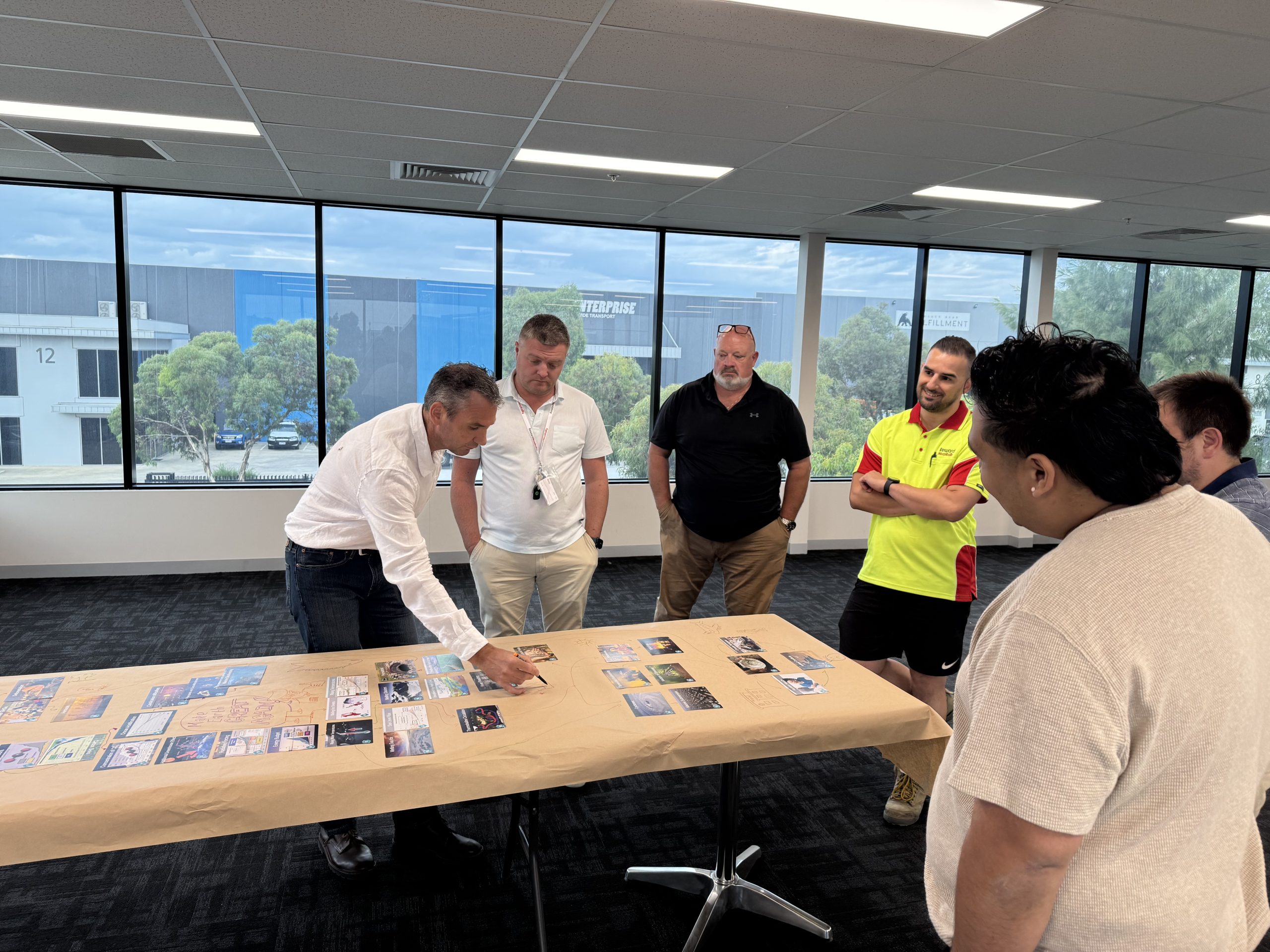
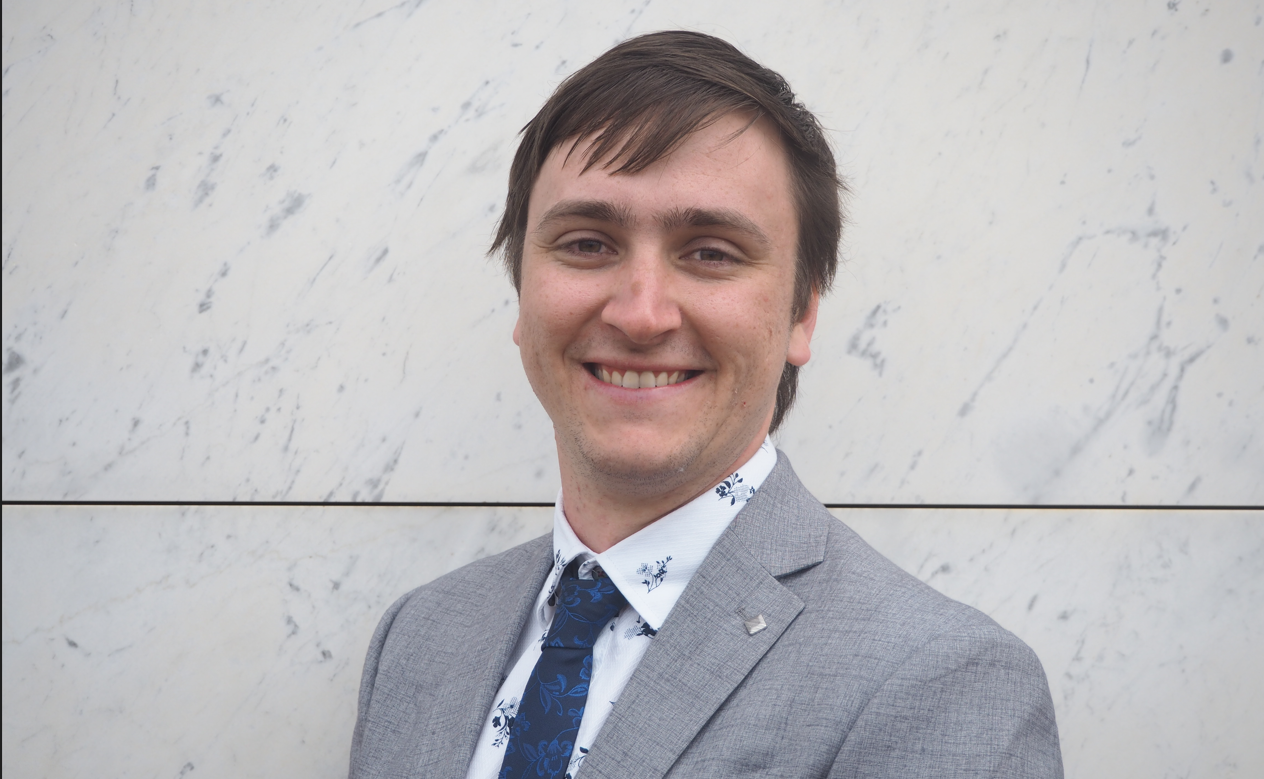
Carmelo became a Fresker in April 2023, driven by a desire to engage his students in climate change education.
One of his proudest achievements was facilitating the largest Climate Fresk, held in Australia with more than 120 IGS staff participating in the workshop facilitated by students.
You can read the IGS Climate Freskcase study here.
Today, he also runs Biodiversity Collage workshop; it’s exciting to see him share his knowledge of biodiversity with schools.
When it’s tough to inspire action, Carmelo reflects on the world his students will inherit, striving to ensure he does his part to make it better.
We feel blessed to have Carmelo as part of the team because students are the seeds of the future we want to cultivate.
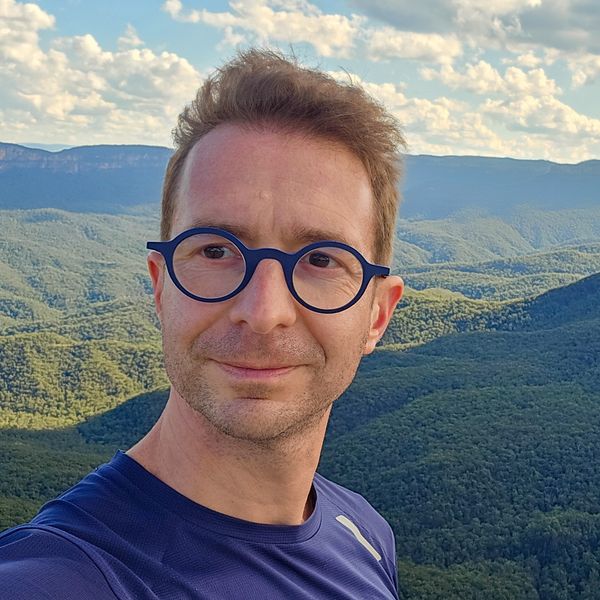
Bruce became a Fresker in October 2022 after attending a workshop at his office, led by Laure Legros, the Climate Fresk Country Lead at that time.
After a conversation with her, Bruce knew this was a journey he wanted to continue.
Although he was already aware of the climate issues we face, he was deeply moved by the effectiveness of the Fresk delivery and saw how it impacted other participants. It inspired him to contribute in a meaningful way.
One of his proudest moments was when his workshop inspired two of his students, Tim and Erica, to become facilitators themselves. Soon, he’ll be helping them deliver their first workshop, continuing the cycle of empowerment and education.
What keeps Bruce motivated, especially when it’s tough to inspire action, is the thought of future generations who will inherit the world we shape today.
While the challenges ahead are significant, he believes that every small positive impact counts, and we owe it to those yet to be born to do what we can now.
“There are a lot of people – a lot of generations – that have not yet been born. There is little doubt that the world that they face is going to be worse by almost every measure than the one that we live in. But it is not a binary outcome. It will not be a matter of success or failure. Any small impact we can make is positive. And we owe it to those who have no voice because they have not yet been born to do what we can.“
Inspire change. Empower others. Lead with purpose.
Are you a trained facilitator of Climate Fresk or Biodiversity Collage — or an expert in conservation or sustainability?
Are you passionate about nature, climate, and creating real impact in your community? Join our growing movement of changemakers across Australia as a People For Nature Ambassador.
🌱 What is the Ambassador Program?
Our Ambassador Program is at the heart of a national effort to reconnect people with nature through education, action, and citizen-powered change. Ambassadors are trained and supported to run engaging, science-based workshops on climate change, biodiversity, and nature-based solutions — empowering others to understand and act on the most pressing environmental challenges of our time.
From school classrooms to boardrooms, Ambassadors help build awareness and momentum, one meaningful conversation at a time.
🌏 Why Join?
As an Ambassador, you’ll:
Facilitate meaningful conversations on climate and biodiversity
Use proven tools like Climate Fresk and the Biodiversity Collage to inspire action
Join a supportive network of passionate, like-minded leaders
Share your expertise in conservation, sustainability, or environmental education
Help shape a future where people and nature thrive together
Whether you’re a teacher, student, scientist, community leader, parent, or professional — if you care about the planet and want to make a difference, you belong here.
💬 What Our Ambassadors Do
Facilitate interactive workshops using tools like Climate Fresk and Biodiversity Collage
Share knowledge and spark conversations in schools, communities, and workplaces
Help grow a national movement of citizen conservationists and scientists
Act as local champions for nature-based education and action
💚 Ready to Take the First Step?
We believe in people power — and it starts with you. If you’re ready to host a workshop, become an Ambassador, or simply learn more, we’d love to hear from you.
👉 Get in touch and let’s grow something beautiful together.
Over the past 18 months, 120+ people across 5 states in Australia have joined People For Nature through our Ambassador program.
That number matters — not because it is large, but because of what it represents.
People willing to step into a new model of change.
People choosing action over observation.
People For Nature has always been built on a simple belief: our strength is our people.
And that means you!
Why we exist
We left our careers and stable incomes because we believe there is another way to create change.
Not through more complexity.
Not through waiting for top-down solutions alone.
But by informing, empowering, and reconnecting citizens — and transforming scientific facts into accessible, meaningful knowledge.
When people understand, they act.
When people feel connected, they participate.
And when people participate, systems begin to shift.
A citizen-powered shift
We named this organisation People For Nature for a reason.
Across climate change, biodiversity loss, and the extractive linear economy, we no longer believe technology or top-down decision-making alone will be enough.
We need something more fundamental: a citizen-powered shift.
And yes — perhaps our French roots make us stubbornly optimistic — but we also believe it is necessary.
What becomes possible when we scale participation
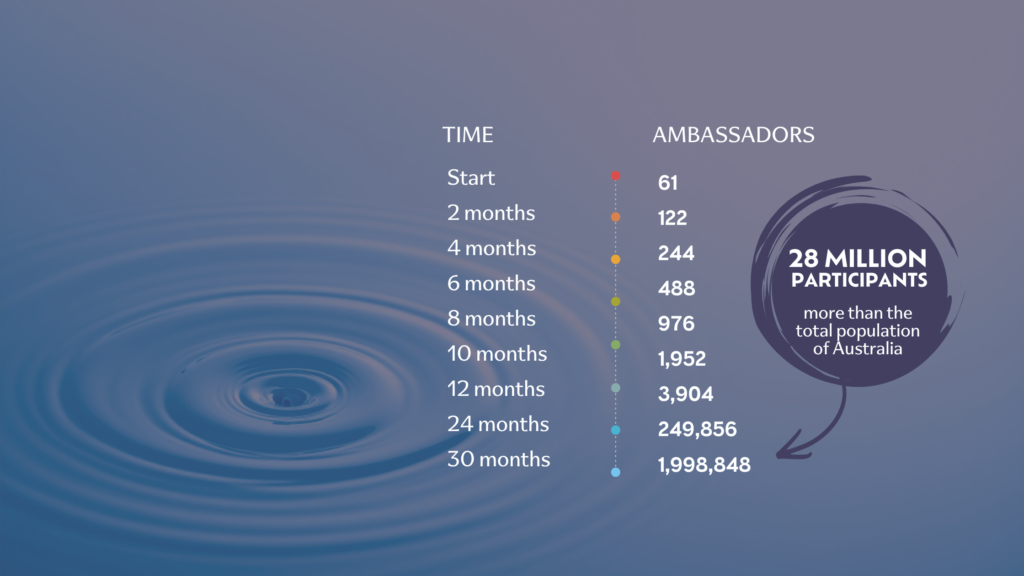
With the support of a few of you, we explored what happens if we apply our Theory of Change at scale.
We made a conservative assumption: that only 50% of ambassadors are currently in a position to be active.
From there, we modelled two simple scenarios:
Scenario 1
If each active ambassador facilitates just one workshop every 8 weeks, with 7 participants — and each workshop produces one new facilitator who continues the cycle — then within less than 2.5 years, we could theoretically reach the entire Australian population.
Scenario 2
If the same delivery rate applies, but only one new facilitator emerges every 16 weeks, the same outcome would take under 3.5 years.
These are not predictions.
They are illustrations of what becomes possible when participation compounds.
The real shift happens in the room
One workshop every two months is well within reach for most of us.
But more importantly, these sessions are not only about participants.
They change us too.
Every workshop creates space for something rare: real conversation about climate, biodiversity, and systems change — grounded in shared understanding rather than overwhelm.
People leave inspired.
And so do we.
As Robert Swan, Antarctic explorer and environmental advocate, once said:
“The greatest threat to our planet is the belief that someone else will save it.”
At People For Nature, we believe the opposite is also true:
The greatest opportunity lies in what happens when we decide to act — together.
Every week, we get a similar question: How do you go from attending a workshop to actually working in this space?
It’s a great question—and the answer is encouraging. There is a pathway. But it’s not a shortcut. It’s a progression.
1. It Starts with Awareness
For most people, the journey begins as an ally.
This means showing up — attending a workshop, being curious, and wanting to understand the challenges our planet is facing. Whether it’s climate change, biodiversity loss, or the circular economy, the first step is building a solid foundation of knowledge.
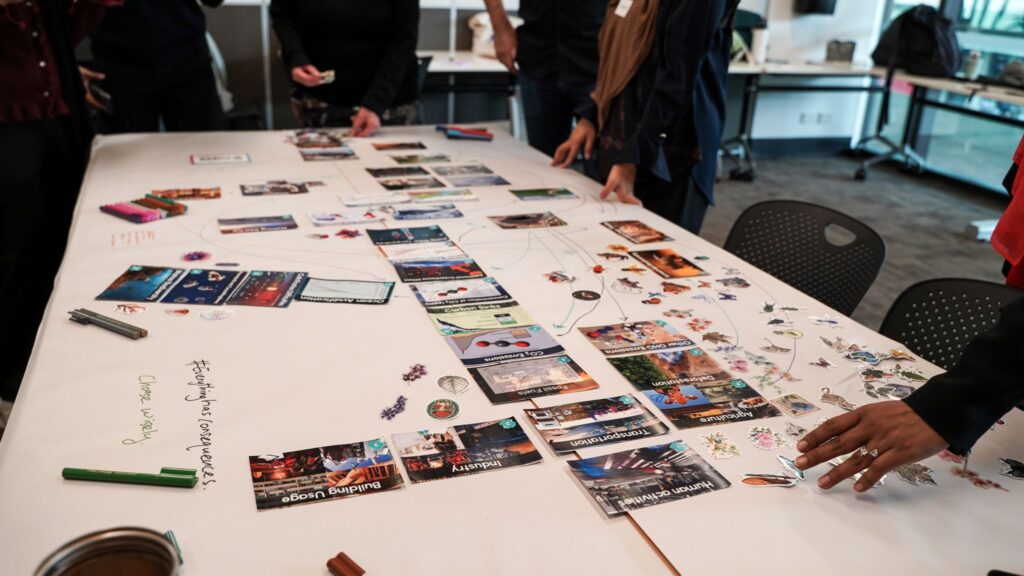
Workshops like Climate Fresk, Biodiversity Collage, and Circular Economy Collage are designed exactly for this: to make complex systems accessible, engaging, and actionable.
What transforms an ally into someone who can create impact is facilitation.
Facilitation is often underestimated, but it’s the single most important skill in this journey. It’s what turns understanding into action.
A great facilitator doesn’t lecture—they:
Guide conversations
Hold space for different perspectives
Help people connect the dots
Navigate emotions like eco-anxiety or resistance
Enable groups to move towards meaningful action
This is where real upskilling happens.
And importantly, facilitation training is accessible and based on a train-the-trainer model, making it easy for anyone motivated – even without prior knowledge of the topic – to get involved. Once you’ve attended a workshop, you will be offered the opportunity to step into this next phase and begin learning by doing.
3. From Ally to Ambassador
With practice comes confidence.
As people begin facilitating public workshops and engaging different audiences, they transition from Allies to Ambassadors.
This stage is all about:
Gaining real-world experience
Co-facilitating and eventually leading sessions
Learning from peers
Being supported through mentoring and shared resources
As an Ambassador, you’re not doing this alone. You gain access to a network of like-minded people, practical tools to run sessions, and ongoing support to build your confidence and skills.
It’s hands-on, practical, and deeply human work.
And it’s often where something shifts — where people realise: this is something I want to do more of.
4. Stepping into Professional Opportunities
To move into professional facilitation, experience matters.
We require facilitators to run a certain number of public workshops before progressing to pro facilitation. This ensures quality, confidence, and consistency.
At this level, new opportunities open up:
Facilitating for corporates
Working with councils and universities
Delivering workshops at scale
And importantly—this is where remunerated roles begin to emerge.
Some facilitators work with us on a casual basis. Others go on to build their own businesses, using the skills they’ve developed to create impact independently.
The Bottom Line
Moving from ally to professional isn’t about knowing more—it’s about becoming capable of guiding others.
Knowledge builds awareness. Facilitation creates impact. Practice opens opportunities.
If you’ve already taken that step, consider what it would look like to move from learning… to leading. If you are ready to upskill and become a facilitator, get in touch for the next training opportunity.
Daniel joins the Citizen COP team to help lead Government Engagement and Impact Reporting.
Based in Brisbane, he brings a strong background in technology, innovation, and stakeholder engagement, with experience spanning AI, product development, and cross-sector collaboration.
Passionate about translating complex ideas into real-world impact, Daniel is focused on strengthening connections between policy, community, and innovation to help maximise the reach and effectiveness of Citizen COP.
After attending AlterCOP 30 Australia, Angus joins us as an ambassador for Citizen COP 2026, bringing a grounded systems perspective on the energy transition and climate resilience.
A graduate engineer working in the renewable energy sector, Angus focuses on climate adaptation and resilience across energy systems. His experience spans Australia and the broader Indo-Pacific, where he has worked alongside intergovernmental organisations, communities, policymakers, and industry to better understand how energy transitions can be both equitable and resilient in a changing climate.
He is passionate about designing systems that not only support decarbonisation, but also strengthen communities and deliver lasting benefits for future generations. Angus is driven by the belief that the clean energy transition must be shaped through collaboration, and embedded with sustainability in both principle and practice.
He continues to explore how technology, policy, and community engagement can come together to build climate-resilient, human-centred energy futures.
Stéphane became a Fresker in March 2024, with his first workshop held at International Grammar School in April.
Motivated by curiosity and a desire to put his professional skills to use, Stéphane transitioned to ClimateTech after a 10-year career in Customer Success, where he honed his ability to convince organizations and people to change.
One of his proudest moments was launching the concept of Fresk at the pub. In search of a venue to host a workshop with friends and contacts, he remembered that public houses are community hubs, where the atmosphere of food and drinks fosters connection and conversation.
What keeps Stéphane inspired is the “light bulb” moment he witnesses in every workshop – that powerful instant when someone fully grasps the scope and consequences of climate change. Being the catalyst for that realization is what keeps him going.
“There is not a single workshop without a light bulb moment for one or several attendees. That special moment when someone “gets” the full picture of climate change and the consequences. Being the trigger of that moment keeps me going!”
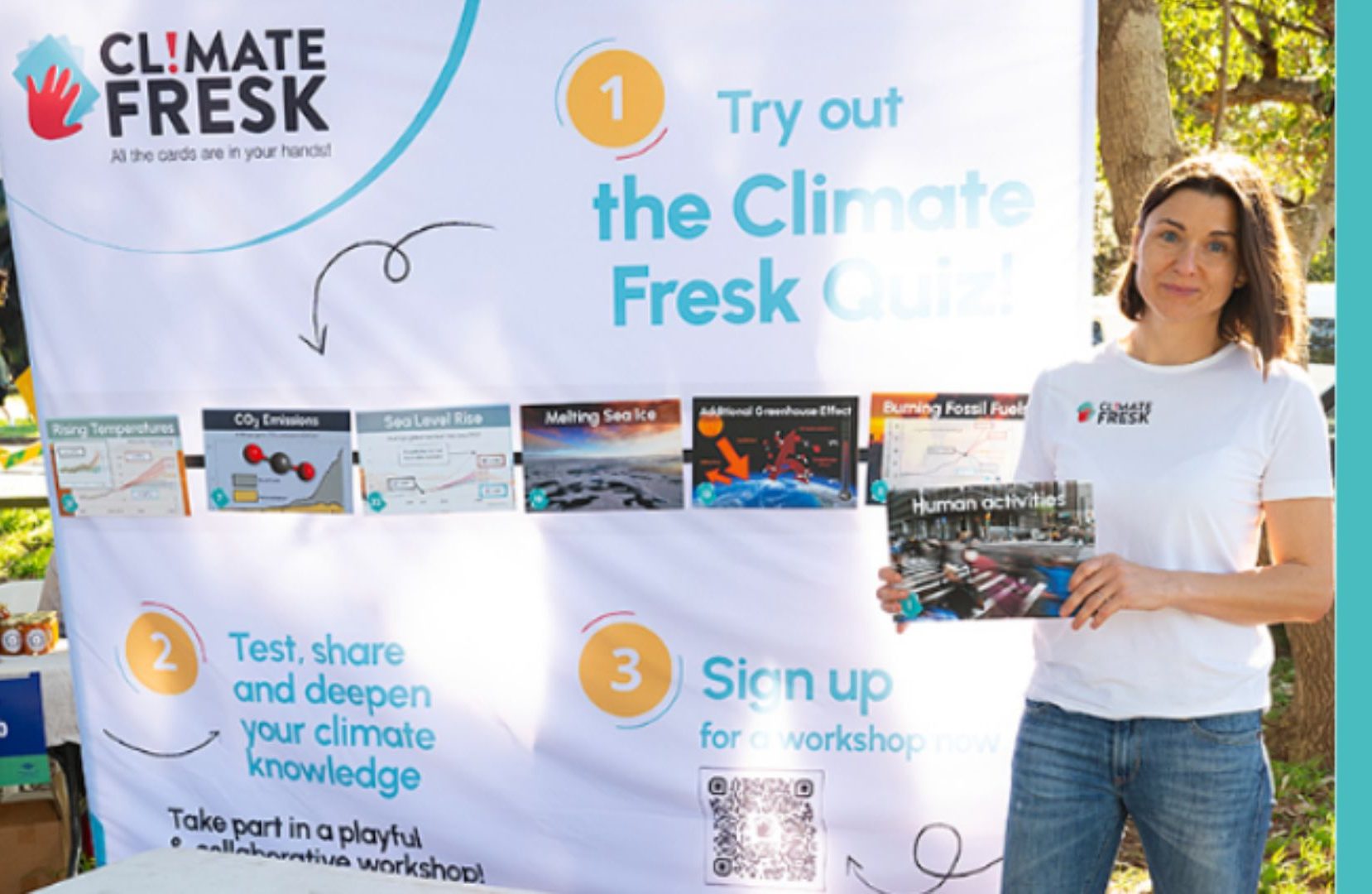
Ewa became a Fresker in June 2022 through the WorkForClimate Academy, where the Climate Fresk workshop played a pivotal role in her training. She is also a Biodiversity Collage facilitator. She has co-facilitated many workshops, reaching hundreds of participants.
Her motivation to get involved came after the birth of her son, when she realised the challenges future generations would face due to climate change. Unsure where to begin, she connected with Laure, the Climate Fresk Country Coordinator at the time, who recommended the Academy. This led her to become a Climate Fresk facilitator.
Ewa is passionate about raising awareness in Australia and volunteers at local markets while also contributing to the creation of communication tools for Climate Fresk Australia’s social media. With a background in marketing communications, she enjoys using her skills to further the mission.
“Being part of this community is a reminder that our collective voice is stronger. I also prefer to focus on what I can do rather than being discouraged by the inaction of others.”