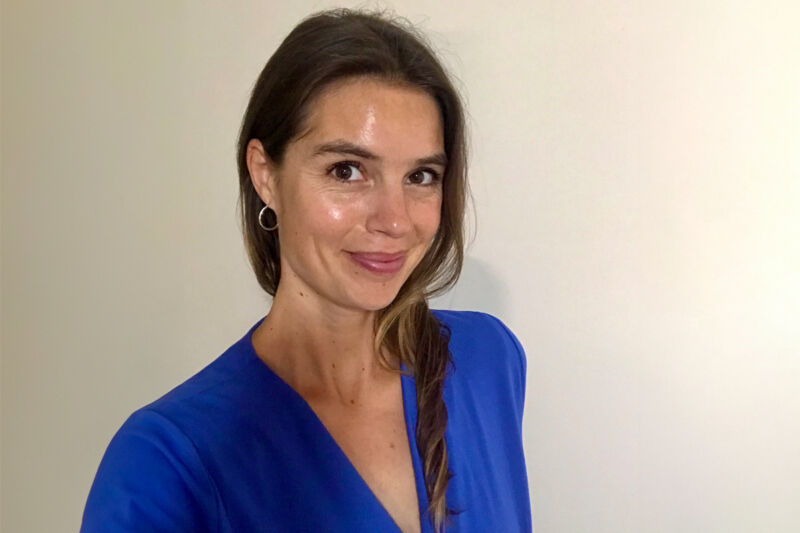
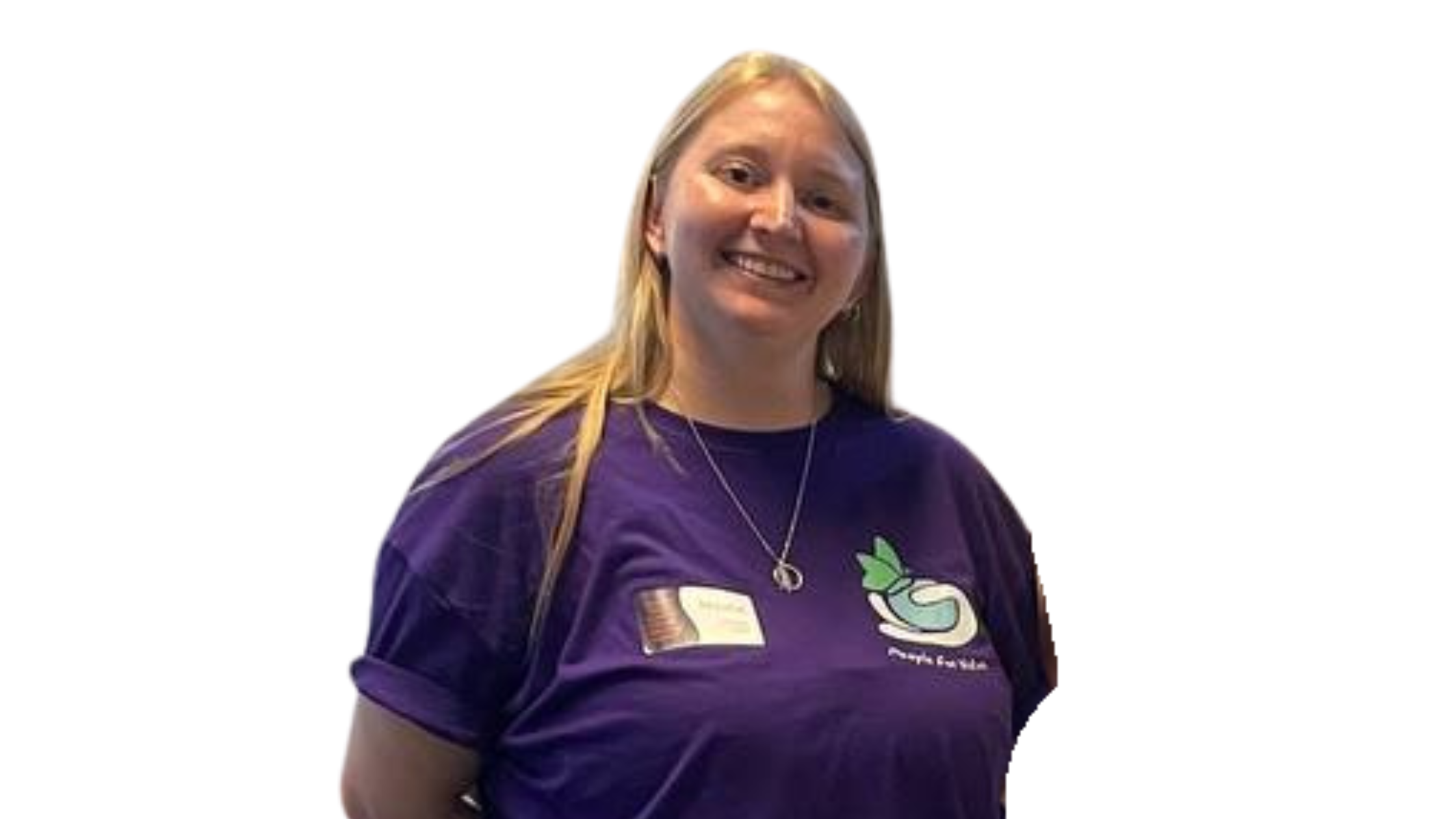
Fien Van den Steen is a former international investigative journalist specialising in environmental issues, now working as a Sustainability Manager for tech start-ups. She applies her strengths in communication and sustainability to help amplify positive impact across companies, services, and clients, bridging the gap between global environmental policy and local practice.
Driven by a deep commitment to systemic change, Fien has founded and contributed to several impactful initiatives, including the award-winning UniSC Enactus club and the co-founding of the Upskilling Sustainability Initiative. Her work extends into global and national policy spaces, including contributions to the UN Summit of the Future, alongside leadership and speaking roles with the United Nations Young Professionals. She also serves as an Earth Charter Commissioner for UNAA Queensland.
As part of the People For Nature Youth Voices support team, Fien brings her expertise, energy, and systems-thinking approach to empower young people and strengthen collective action for nature.
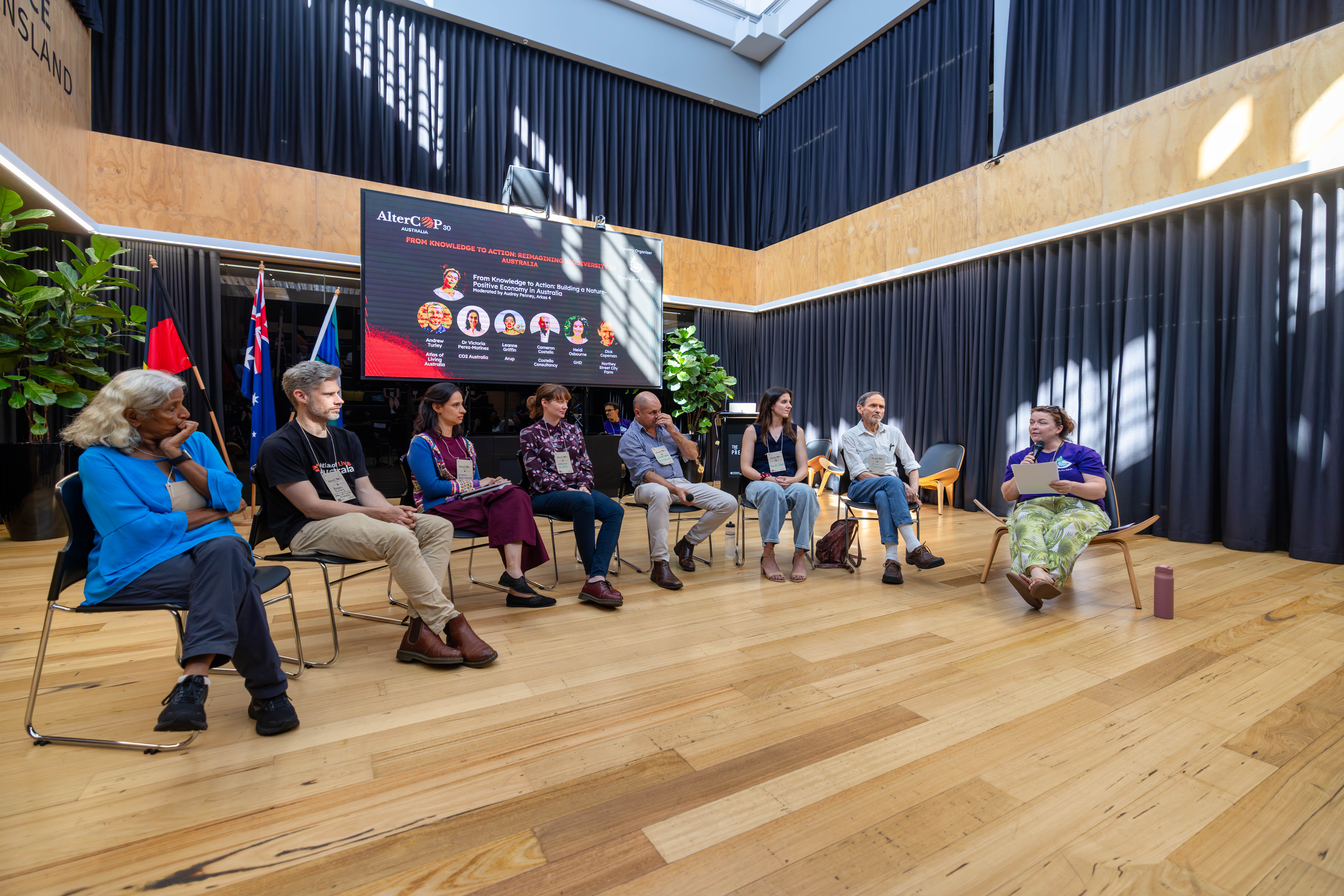
As we reflect on 2025, we are proud to acknowledge and celebrate our partnership with the Queensland Decarbonisation Hub — a collaboration that strengthened the connection between research, industry, policy, and citizen-led climate action.
The Queensland Decarbonisation Hub unites industry, research, and policy to drive the state’s transition to a low-carbon economy. By leveraging evidence-based research from Queensland universities, the Hub supports industries, communities, and government in identifying practical decarbonisation pathways and shaping policies and technology solutions.
Their support of AlterCOP 30 Australia – the Australian AlterCOP Chapter brought to Australia by People For Nature in 2025 – reflects a shared commitment to accelerating climate action across Queensland — grounded in collaboration, knowledge-sharing, and real-world implementation.
We imagined an independent, values-driven gathering running alongside the official United Nations Climate Conference (COP30). Our aim was simple — to create a free and inclusive space where voices often absent from formal negotiations — youth, First Nations leaders, local communities, scientists, artists, and grassroots changemakers — could come together to engage meaningfully with climate and nature action, while actively reducing the environmental footprint of participation itself.
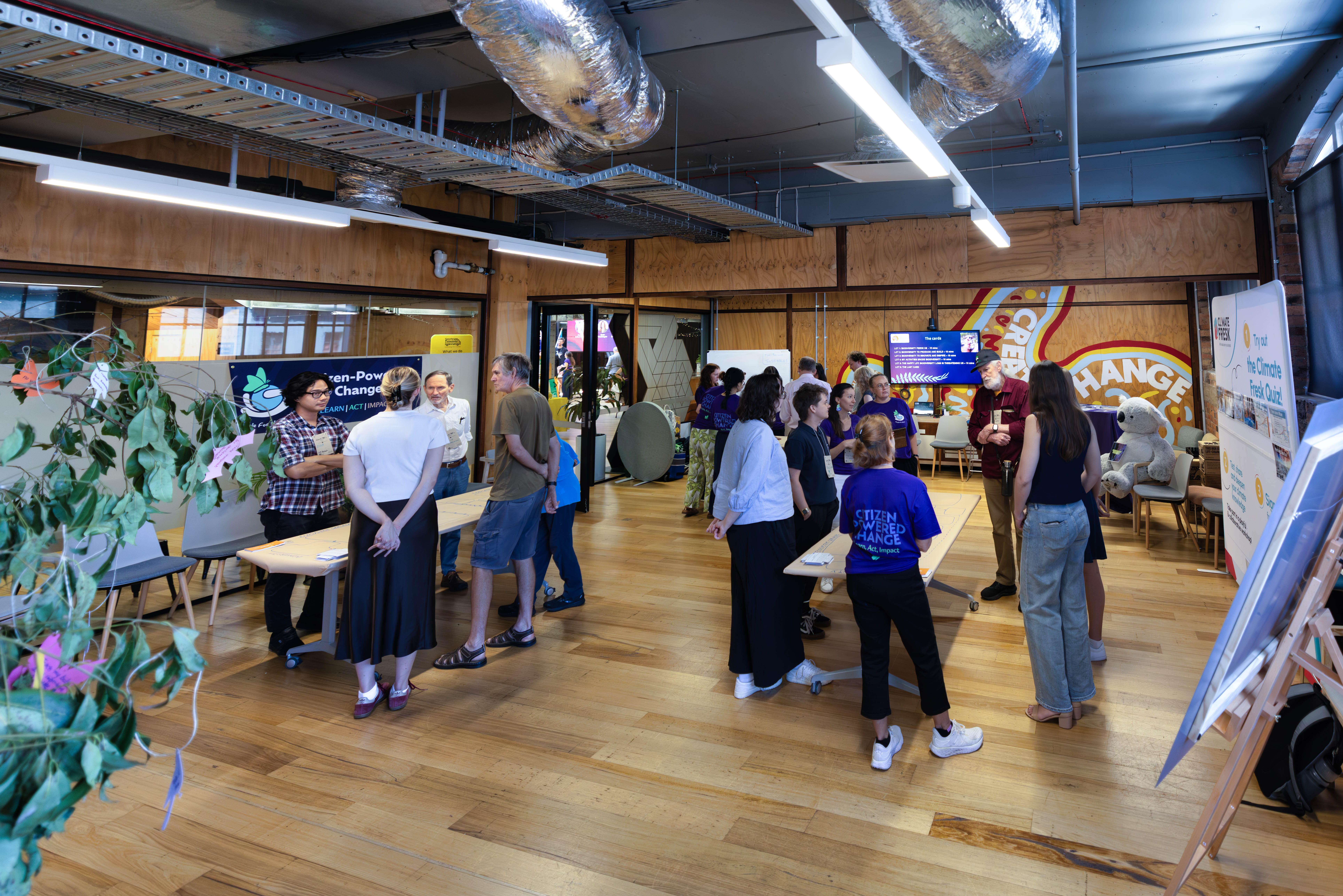
While Australia sent 494 official delegates to COP30, we engaged more than 1,400 people nationwide, extending the spirit of the COP “green zone” through citizen-led events and conversations across the country.
The success of this first experiment helped demonstrate the importance of bridging structured, evidence-based climate work with citizen engagement — ensuring that knowledge does not remain siloed, but becomes part of a shared societal response.
As Dr Liz Young, QLD Decarbonisation Hub shared:
“Last night’s AlterCOP 30 Australia at the Precinct was truly extraordinary, filled with courage, leadership, and a deep generosity of spirit. People For Nature showcased remarkable leadership, shaping an evening marked by respect, curiosity, and connection. The evening’s message was clear: Listen deeply, connect with Country, share knowledge, and act with hope.”
Alongside this partnership, People For Nature focused on citizen engagement, biodiversity literacy, and participatory learning experiences — helping translate complex climate information into accessible formats that inspire understanding and action.
Together, this collaboration helped strengthen the foundation for what has now evolved into Citizen COP Australia — a decentralised, people-powered movement running alongside global COPs in 2026, designed to make climate and biodiversity action more locally grounded, inclusive, and participatory.
We are deeply grateful to the Queensland Decarbonisation Hub for their support in 2025. Their commitment to bridging research and action plays a vital role in shaping Queensland’s transition, and we look forward to continuing to build connections between science, policy, and community.
As we reflect on 2025, we want to acknowledge and celebrate the valuable support of CO2 Australia in the early development and delivery of AlterCOP 30 Australia – the Australian AlterCOP Chapter brought to Australia by People For Nature in 2025
We designed an independent, values-driven gathering running alongside the official United Nations Climate Conference (COP30). Our aim was simple — to create a free and inclusive space where voices often absent from formal negotiations — youth, First Nations leaders, local communities, scientists, artists, and grassroots changemakers — could come together to engage meaningfully with climate and nature action, while actively reducing the environmental footprint of participation itself.
While Australia sent 494 official delegates to COP30, we engaged more than 1,400 people nationwide, extending the spirit of the COP “green zone” through citizen-led events and conversations across the country.
The success of this first experiment, and the lessons it generated, revealed something larger was emerging — not simply an alternative event, but the foundation of a broader civic infrastructure capable of connecting citizen engagement, collective intelligence, and institutional processes in a constructive and ongoing way.
People For Nature decided to evolve into creating its own initiative Citizen COP in 2026, a decentralised, people-powered movement running alongside the global COPs in 2026.
We are inviting citizens, schools, businesses, artists, and local groups across the country to host their own aligned events during the COP period. Rather than one central event, it becomes a nationwide network of local conversations, workshops, and actions — making global negotiations visible and relevant at the community level.
At its heart lies a simple belief: lasting environmental change happens when people feel informed, empowered, and connected — both to the challenges we face and to the solutions we can create together.
CO2 Australia provides practical, science-based solutions at the intersection of business and the environment. With over 20 years’ experience in carbon and biodiversity projects, they help organisations and landholders create real environmental and economic value. Their expertise spans carbon and biodiversity offsets, ecological assessments, spatial analysis, and land management, alongside training programs that build capability across industry and government.
CO2 Australia supported AlterCOP 30 Australia because they believe sustainability and productivity go hand in hand — creating lasting value for people, land, and the planet.
As Chris Wilson, Chief Consulting and Strategy Officer at CO2 Australia shared:
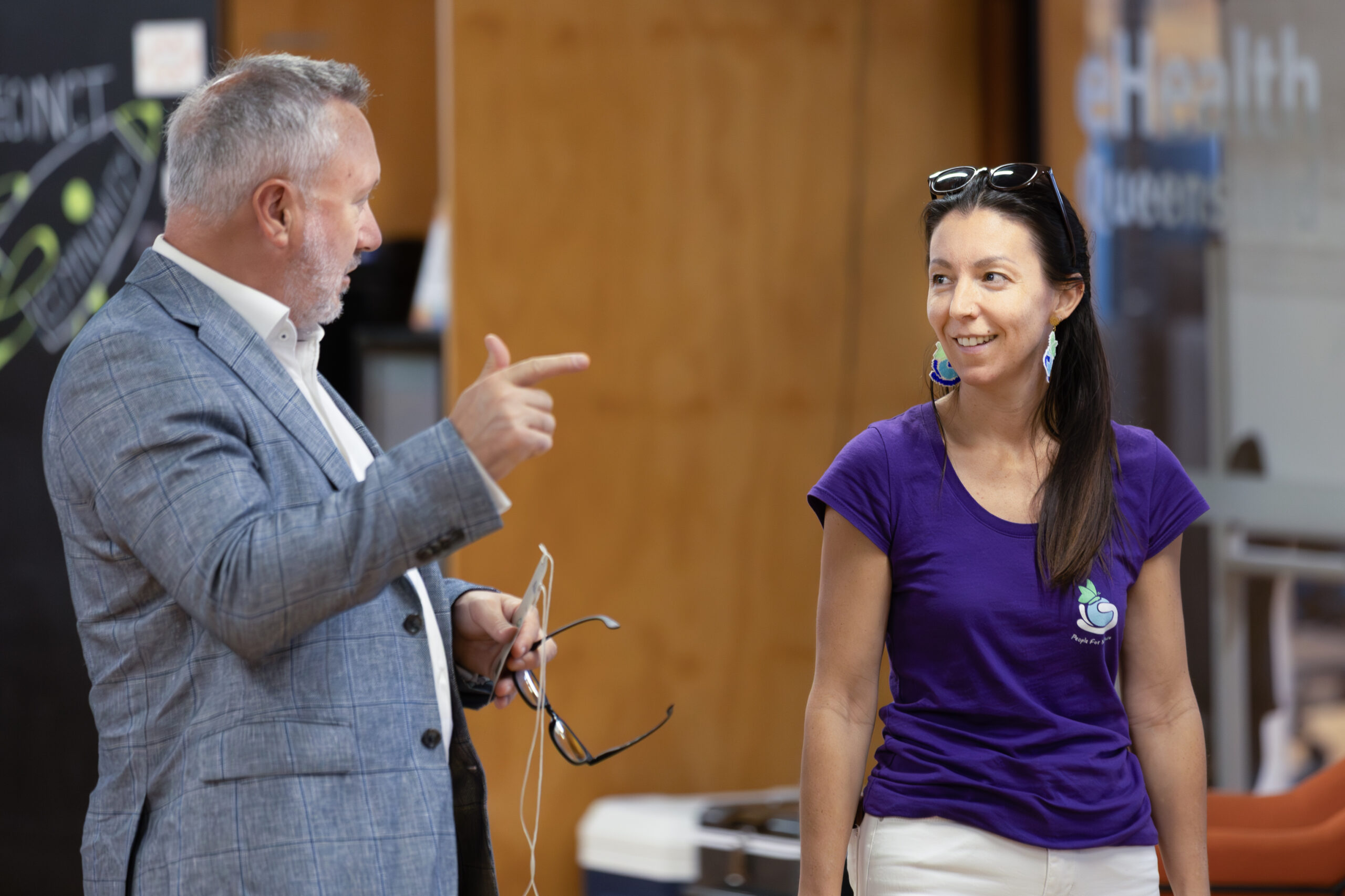
“Events like AlterCOP 30 Australia are vitally important as we look to bridge the gap between those ‘talking’ at the global level, and those who are ‘doing’ locally. At CO2 Australia, we pride ourselves on execution and People for Nature clearly share the same philosophy. Connecting communities, creating shared understanding and then collaborating in service of our planet were clear themes throughout the AlterCOP 30 event.”
Alongside this, People For Nature focused on citizen engagement, biodiversity literacy, and participatory learning experiences — helping translate complex climate information into accessible formats that inspire understanding and action.
We are deeply grateful for CO2 Australia’s support during this formative phase. Partnerships like these are essential in building movements that are credible, inclusive, and capable of driving real change.
As Citizen COP Australia evolves, we carry forward the lessons, relationships, and momentum built in 2025 — and remain committed to expanding this citizen-led approach to climate and biodiversity action.
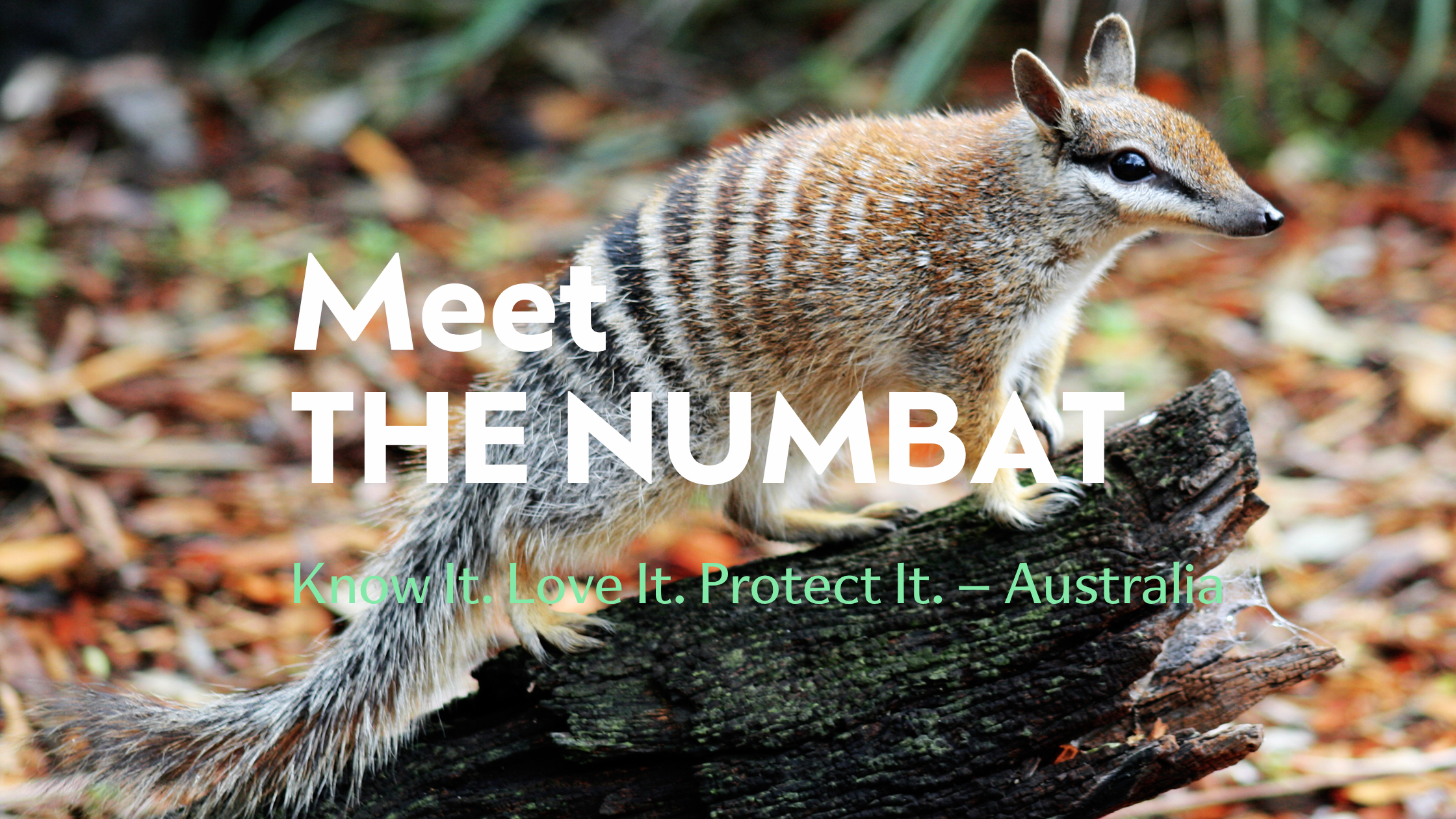
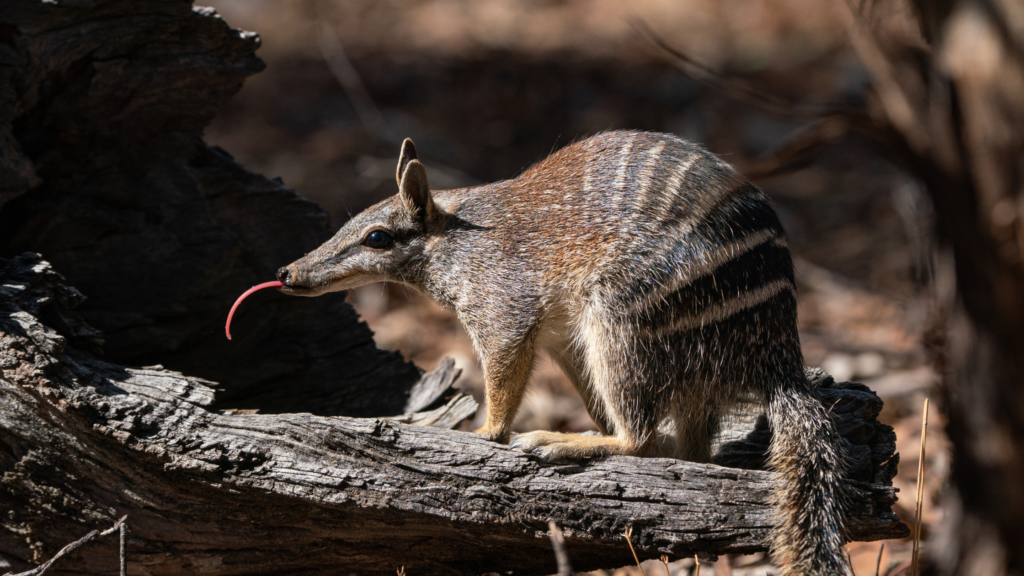
One of Australia’s most distinctive marsupials, the Numbat is a small, striped mammal that has become a symbol of resilience and conservation success.
Found in pockets of native woodland and forest, this remarkable species is perfectly adapted to life as a termite specialist, using its long, sticky tongue and sharp claws to hunt its favourite food.
It is a reminder that some of Australia’s most extraordinary wildlife can also be among its most vulnerable.
Why it matters
The Numbat plays an important role in Australia’s ecosystems.
🪱 It helps regulate termite populations by feeding almost exclusively on termites
🌳 It forms part of the complex food webs that support healthy woodland ecosystems
🌏 Its presence highlights the importance of protecting native habitats and ecological connections
🌿 Its recovery efforts have become a symbol of broader conservation initiatives across Australia
Although small in size, the Numbat demonstrates how every species contributes to the balance and health of natural systems.
Fun facts
🤓 Numbats have a diet that consists almost entirely of termites
🤓 They can consume up to 20,000 termites in a single day
🤓 They are largely solitary animals and spend much of their time sheltering in hollow logs and burrows
🤓 Their long, sticky tongue is specially adapted to extracting termites from their nests
A deeper reflection
The Numbat challenges the assumption that Australia’s iconic wildlife is secure.
Once widespread across southern Australia, the species has experienced significant declines due to habitat loss, land clearing and predation by introduced species.
Its story highlights both the fragility of native ecosystems and the importance of targeted conservation efforts.
In a country with more than 600,000 native species, many found nowhere else on Earth, the Numbat reminds us that protecting biodiversity requires safeguarding the habitats and ecological relationships that allow species to survive.
How we manage our landscapes, support conservation programs and share space with wildlife will shape the future of this remarkable marsupial and the ecosystems it calls home.
From Wonder to Action
Learn & understand
Explore how biodiversity, climate, and land systems are deeply connected through our workshops with People For Nature.
Create your Nature Oasis
Plant native species to restore habitat and support the insects, birds, and wildlife that depend on them.
(Special thanks to Simon Andrews, Ambassador for People For Nature, for helping shape this story)
Masha Kondrasheva is a sustainability practitioner and casual academic at the University of Newcastle, with a Master’s in Disaster Resilience and Sustainable Development. Her work sits at the intersection of disasters, waste and climate – she’s genuinely drawn to the “messy”, multidisciplinary space where these challenges overlap.
As a People For Nature Ambassador, Climate Fresk and Circular Economy Collage facilitator, Masha’s approach is pretty straightforward: meet people where they are. Whether that’s a community group or a university classroom, she’s interested in activities that are accessible, grounded, and genuinely useful. Masha is committed to creating space for people to engage with complex environmental topics, bringing the same curiosity and practicality to everything she does.
Matt joined us last year as a volunteer, supporting the delivery of AlterCOP Australia and helping behind the scenes to bring the event to life. He also trained as a Climate Fresk facilitator, strengthening his ability to support climate education through collaborative and accessible learning.
He is now part of the Support Team behind Citizen COP 2026, continuing to contribute his time, energy, and practical support to help the movement run smoothly.
Matt brings a deep interest in understanding the causes, impacts, and solutions to the climate and biodiversity crises, and is curious about the transformational changes unfolding across our societies, economies, places, and environment in the coming decades.
He has strong expertise in managing large multidisciplinary teams and complex planning projects, with a proven track record in strategic infrastructure master planning, program and project development, and business sustainability leadership. His approach is grounded in placing the needs and experiences of end users at the heart of infrastructure planning, supported by extensive stakeholder engagement across government (all levels), regulators, industry, contractors, and communities.
Matt is also a compassionate leader with a strong focus on the wellbeing, development, and achievement of his team members.
We are grateful for his steady presence, analytical strengths, and commitment to both people and systems change, which continue to strengthen the work behind Citizen COP.
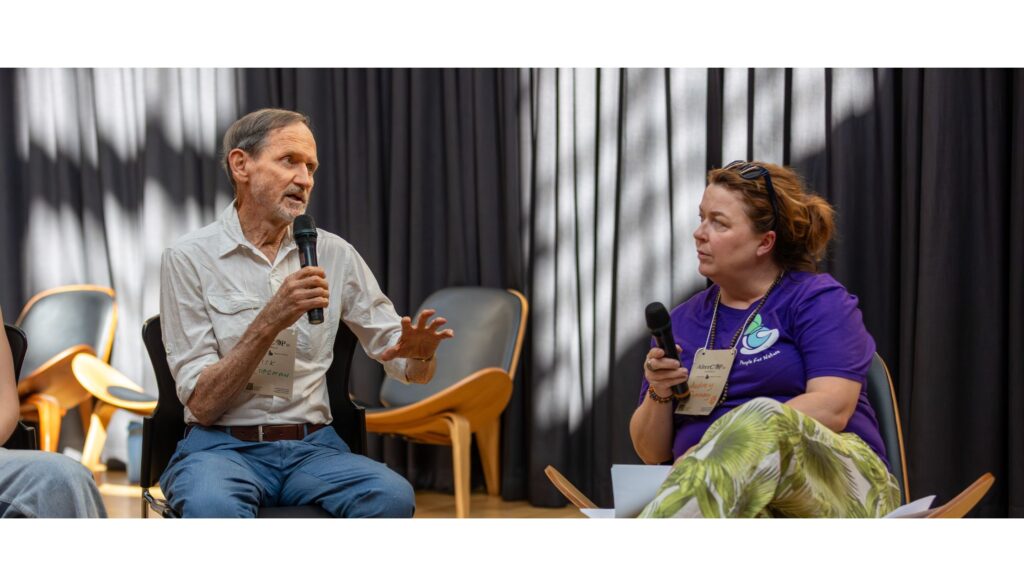
Audrey joined us at AlterCOP last year as Chair of our biodiversity panel, where she guided a rich and thoughtful discussion across science, policy, business, and community perspectives. She is also a Biodiversity Collage facilitator, bringing systems thinking and participatory learning into the spaces she works in.
A Social Ecologist with over 30 years’ experience, Audrey works across education, business, policy, and community sectors to contextualise sustainability in real-world settings. Her expertise spans sustainability strategy, ESG and corporate social responsibility, systemic thinking, and industry engagement, with a strong focus on translating complex principles into meaningful, practical outcomes—particularly within the built environment.
We are grateful for her contribution and the depth, clarity, and systems lens she brought to our biodiversity conversation.
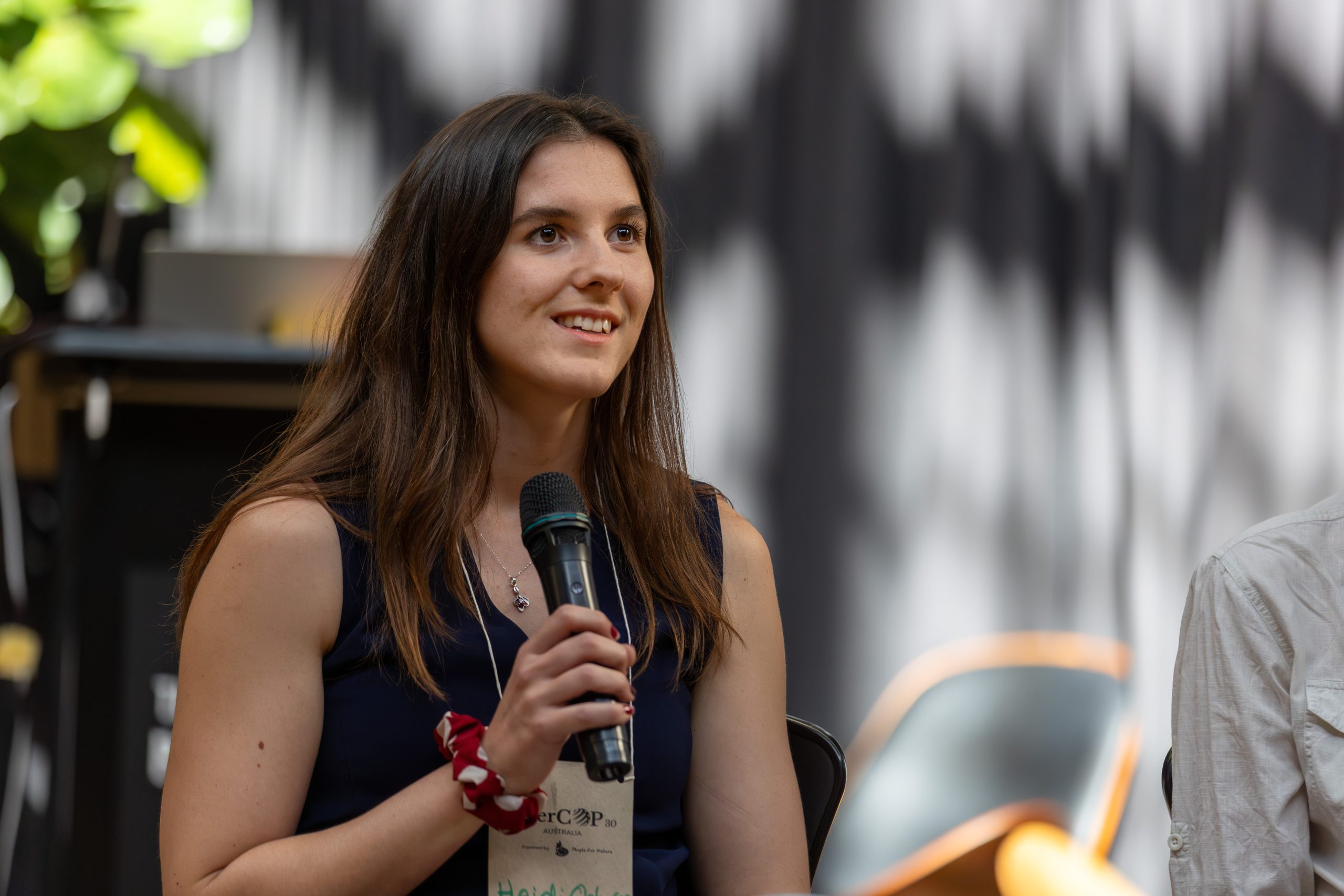
Heidi joined us through AlterCOP last year and returns as part of the Citizen COP 2026 team. She was also a speaker at last year’s event, where her insights and hands-on experience deeply resonated with our community.
Heidi is a civil and humanitarian engineer passionate about nature-based solutions, circular economy, and inclusive development. Her work spans Indonesia, Nepal, and Australia, with a focus on improving access to safe drinking water, reducing plastic waste and emissions, and advancing sustainable menstrual health solutions.
Currently a water engineer at GHD, Heidi’s career has been shaped by field experience, including work in Indonesia exploring the impacts of limited access to clean water, and research in Nepal on innovative, low-impact materials for menstrual products. She has also worked with local NGOs to support the development of biodegradable menstrual pads and improve product quality on the ground.
Heidi brings a grounded, practical perspective to systems change, and we are grateful for her continued involvement, energy, and commitment to amplifying youth voices and advancing more equitable, sustainable development.
Valentine has been instrumental in shaping our social media strategy and strengthening how we communicate impact and purpose. She was part of the core team behind AlterCOP 30 Australia and returns as part of the support team for Citizen COP 2026.
Since joining People For Nature, she has also chosen to deepen her commitment to education and collective action by becoming a Climate Fresk facilitator.
Founder of Green Socials, she works with purpose-driven businesses and nonprofits around the world, helping them rethink how sustainability and ethics are communicated in a way that actually connects with audiences.
Her work challenges a key question: how do we cut through noise and hyper-consumerism without relying on doom-and-gloom messaging—and instead inspire real engagement and action?
We’re grateful to have her insight, creativity, and strategic thinking helping shape this movement.
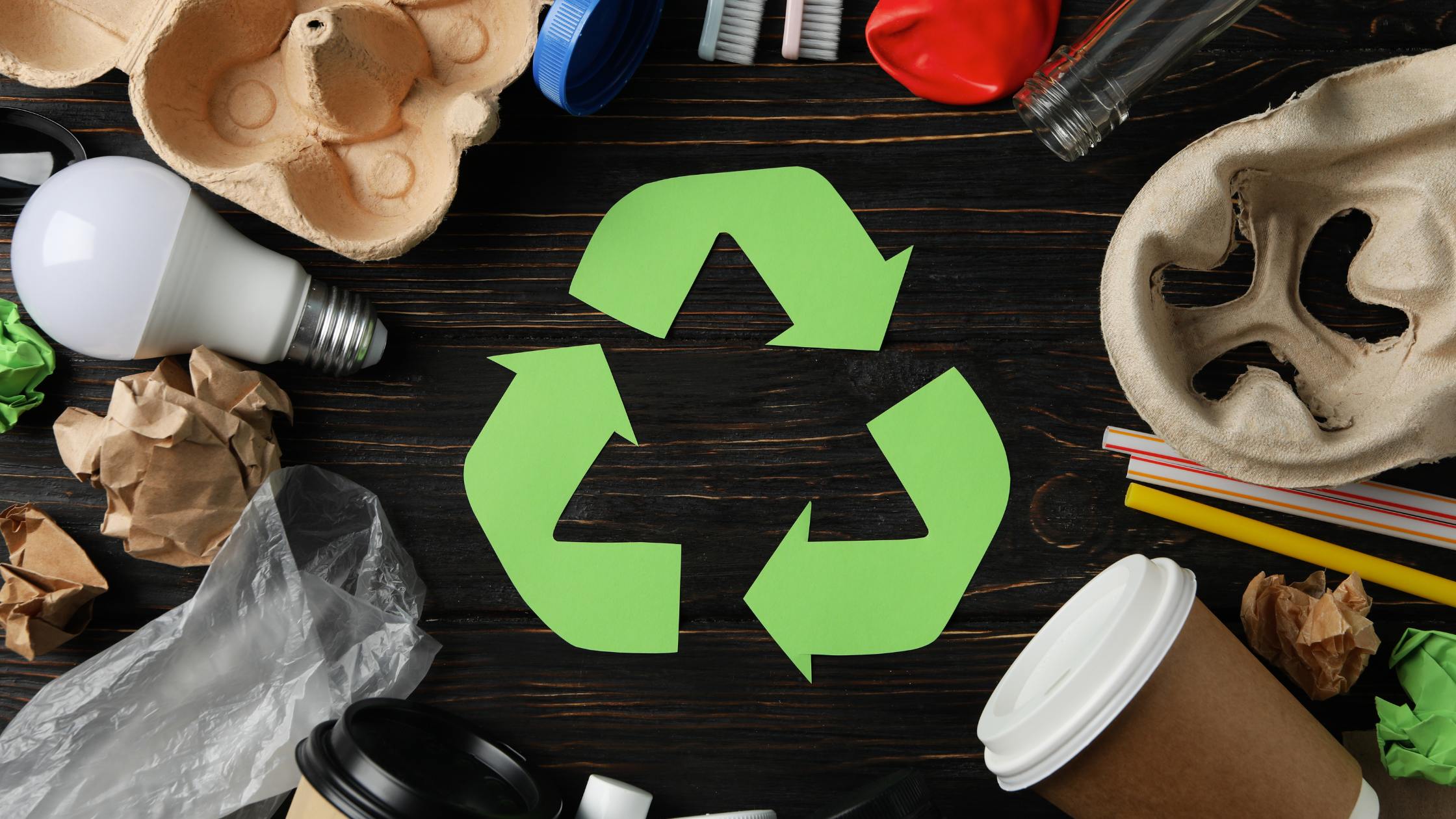
Most of us are familiar with recycling. We sort our bottles, flatten our cardboard, and hope it ends up somewhere useful. But what if recycling is only the beginning of the story?
Across Australia—and around the world—communities are starting to rethink something much bigger than what goes in our bins. They are reimagining the entire system that shapes how we design, make, use, and dispose of everything in our lives. This shift is known as the circular economy.
Unlike the traditional “take–make–waste” model, which relies on extracting resources, producing goods, and discarding them, a circular economy is designed to keep materials in use for as long as possible. Products are reused, repaired, shared, remanufactured, and ultimately regenerated—so that waste is designed out of the system altogether.
This shift is not just about recycling better—it’s about redefining value. Materials are no longer seen as disposable, but as part of a living system that should circulate, much like nature does.
A new way of learning: the Circular Economy Collage
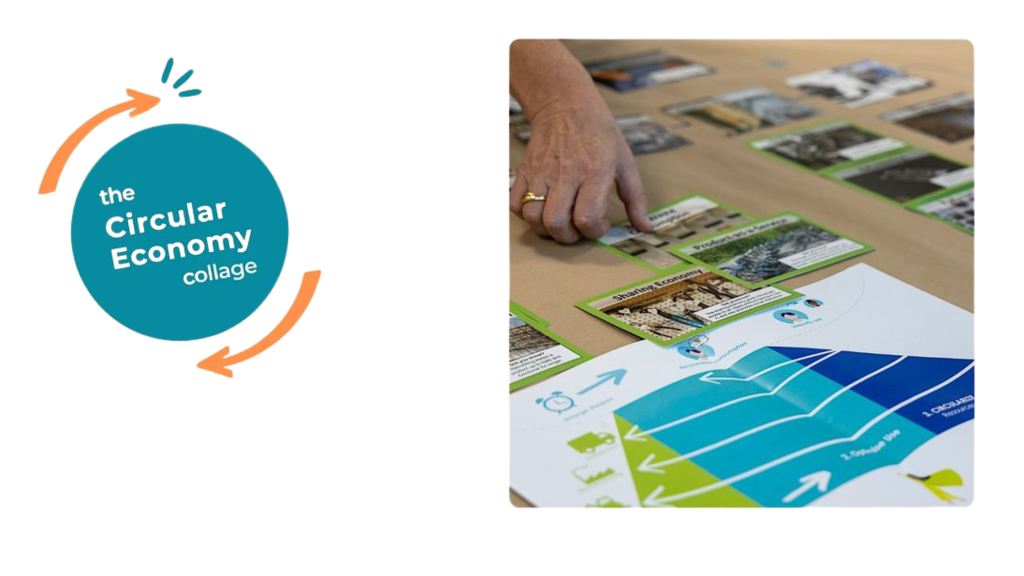
To make this complex system accessible and engaging, an interactive workshop called the Circular Economy Collage has been developed.
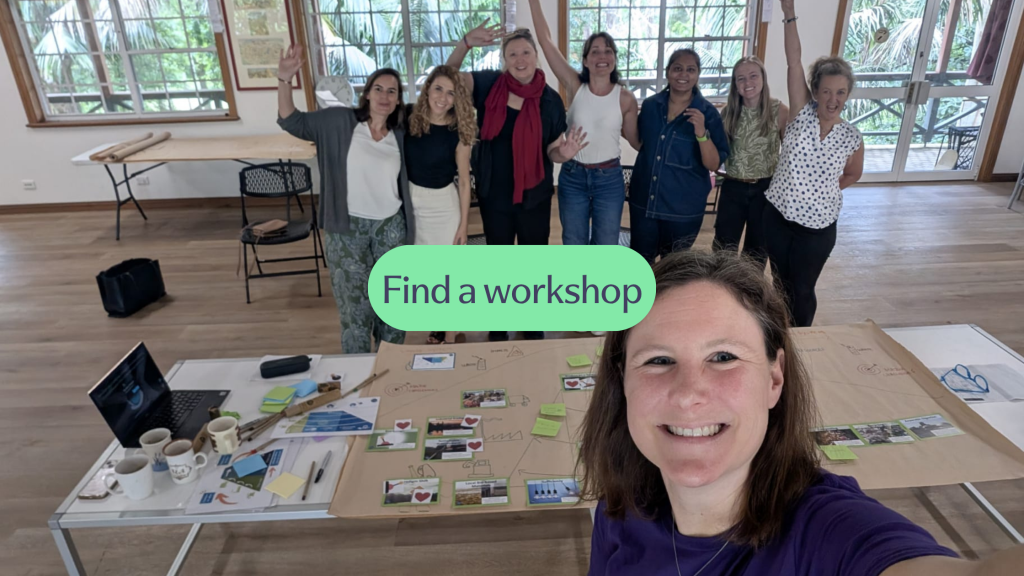
Now running across Australia through People For Nature, a registered environmental charity, the workshop transforms global systems thinking into a hands-on, collaborative experience.
Participants work together using illustrated cards that represent different parts of our economy—resource extraction, manufacturing, consumption, waste, and innovation. Step by step, they build a visual map of how our current system operates, before exploring how it can be redesigned.
Rather than passively receiving information, participants actively construct understanding together. The result is often described as a moment of clarity—when the scale and interconnectedness of the system suddenly clicks.
Like its sister initiatives, Climate Fresk (which has engaged more than 2.3 million people worldwide) and Biodiversity Collage, the Circular Economy Collage is grounded in science and designed to be engaging, accessible, and action-oriented. It helps people move beyond overwhelm and into meaningful action.
Because when people understand how the system works, they begin to see where change is possible—in households, workplaces, councils, and across entire industries.
Why this matters in Australia
In an increasingly volatile and uncertain world, building resilience at the local level is becoming essential across Australia.
From supply chain disruptions and rising costs of living to population growth, housing pressures, waste challenges, and biodiversity loss, the systems we rely on are being tested. The question is no longer whether change is coming—but how prepared we are to respond.
The circular economy offers a practical and hopeful framework for navigating this reality. By keeping resources in use for longer, it reduces reliance on fragile global supply chains and strengthens local economies. It supports repair and reuse culture, empowers small businesses, reduces pressure on landfill, and reconnects people with the resources that sustain everyday life.
Importantly, it also fosters a deeper cultural shift—from accepting waste as inevitable to recognising it as a design flaw we have the power to fix.
In doing so, it helps communities become more self-reliant, adaptable, and better equipped to thrive in the face of change.
An invitation to take part
If you’re curious about how these ideas can be applied in everyday life—and how communities across Australia can be part of the solution—you’re warmly invited to take part in an upcoming workshop.