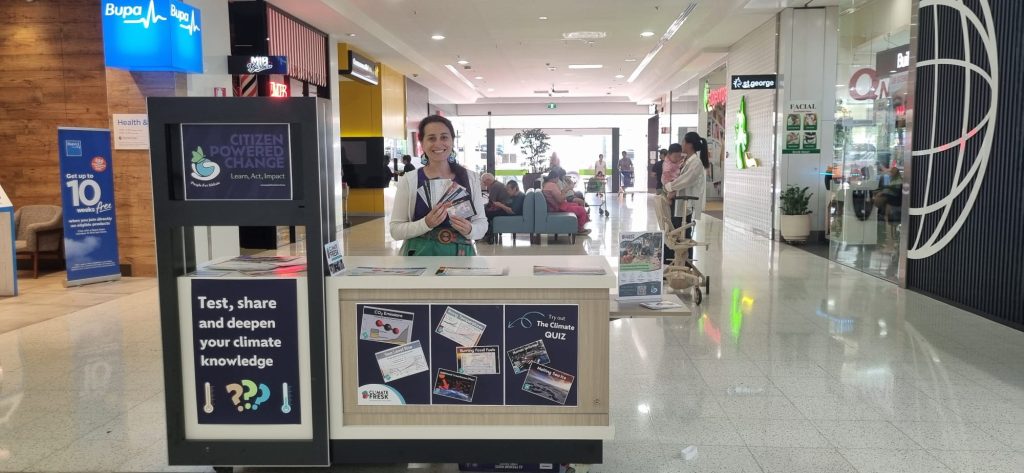
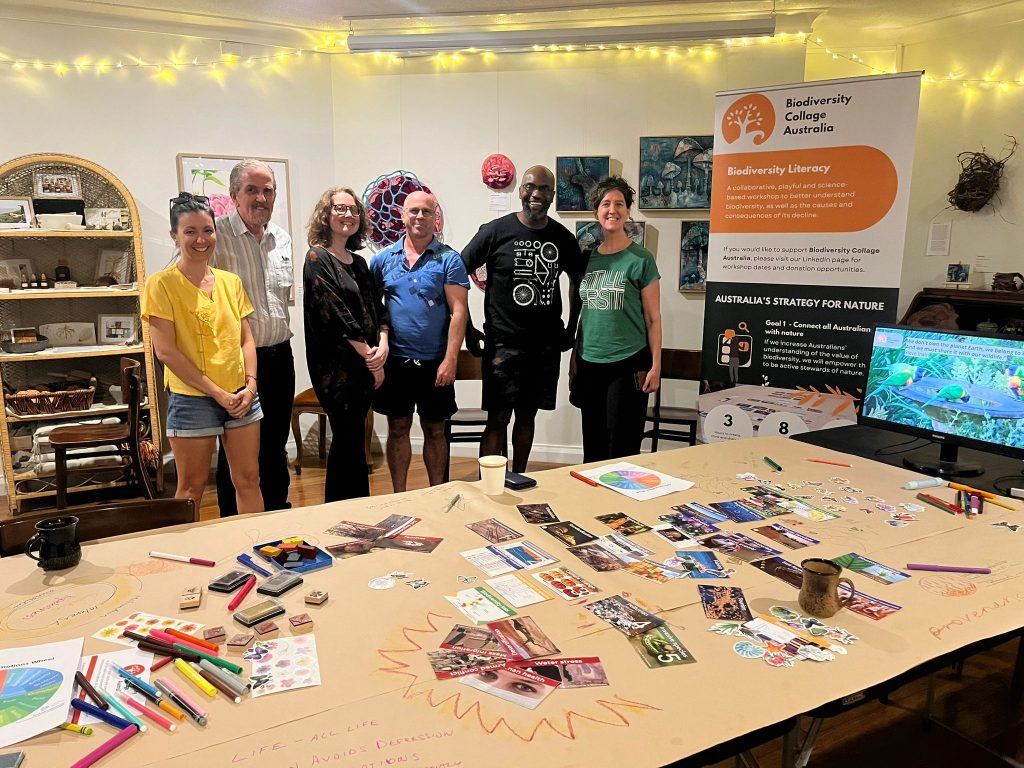
We’re excited to announce that People For Nature has successfully trained a group of passionate ambassadors on Climate Pitch!
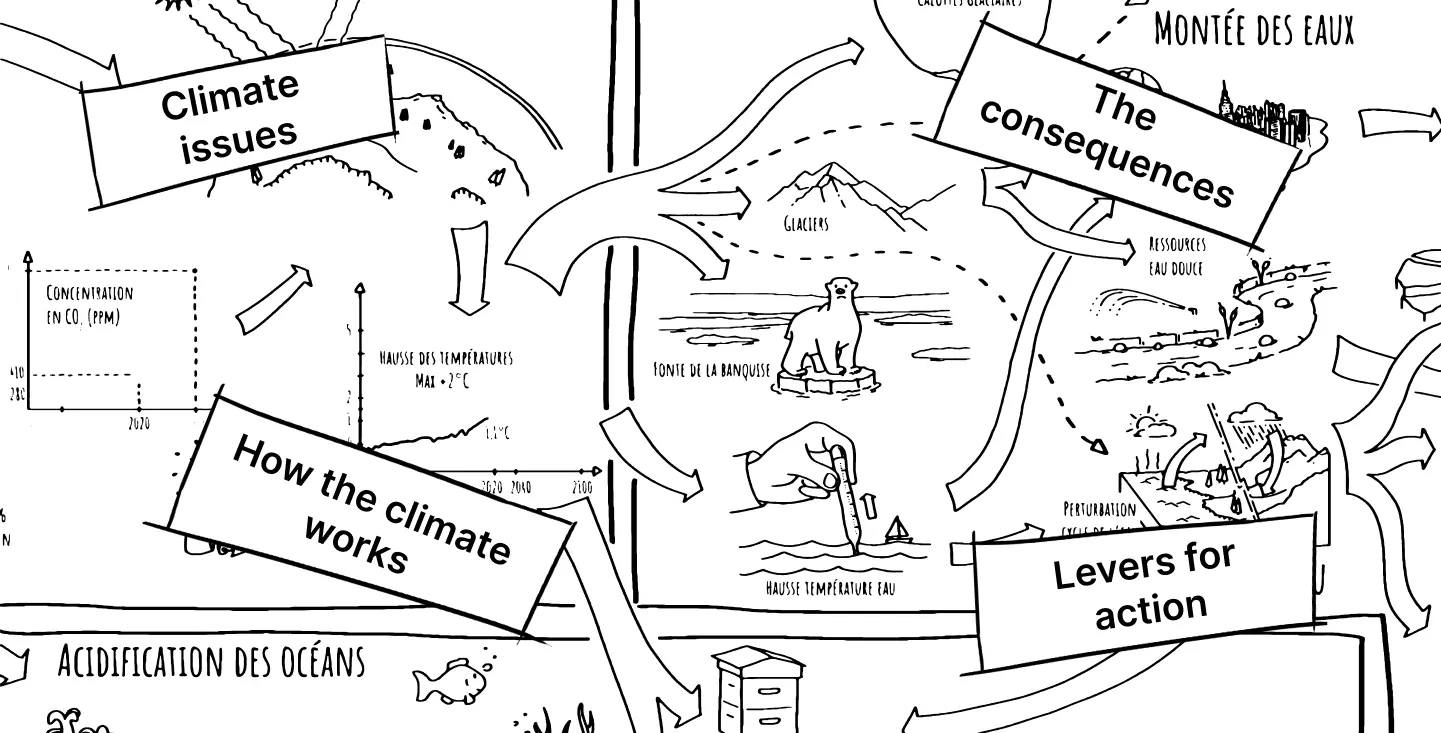
This new initiative equips our ambassadors with effective communication tools to engage and inspire others about the urgent need for climate action in 60 minutes!
The Climate Pitch has been designed to enable as many people as possible to :
… Quickly and simply understand the key messages related to climate change
… Respond positively
… By motivating to engage on a personal, professional and collective level.
An interactive experience open to all, designed to give people the impetus to take action and strengthen their commitment.
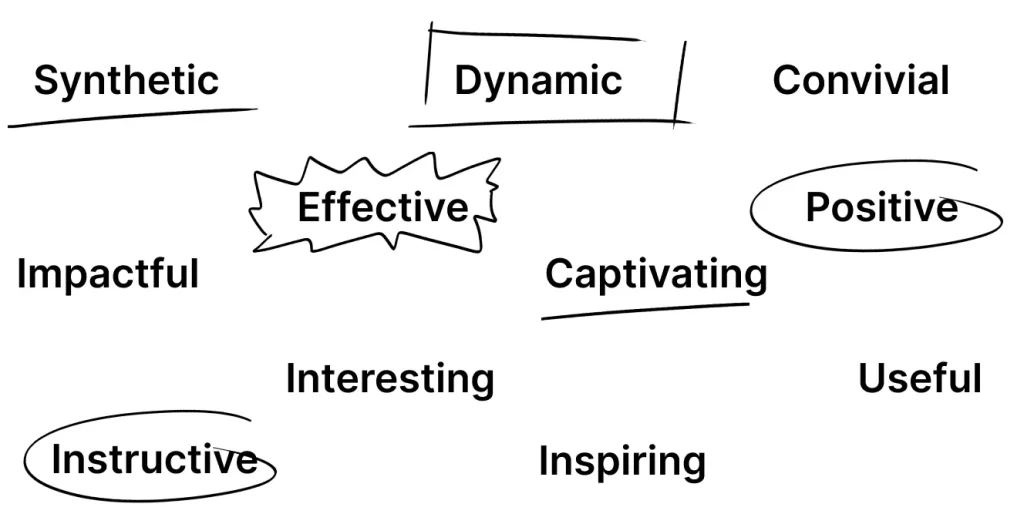
Interactive & accessible content to motivate
Based on the IPCC report
Understanding orders of magnitude
Reconnecting with our role
What participants say…
✔ How does it work?
The participants are guided through visuals and explanations and continuously engaged through a Quiz format incl. different types of questions/exercises. Split in 3 phases :
1. Intro & Warm-up
2. Guided Tour & Quiz
3. Debrief & Solutions
✔ What you need
😊 Your good mood and best self 😉
🖥️ a computer/laptop / tablet – following the conference on mobile is not recommended as our conference is based on visual storytelling
🛜a good WIFI connection
📱Your mobile phone to participate to the quiz!
Leveraging Science-Based Communication to Combat Climate Skepticism
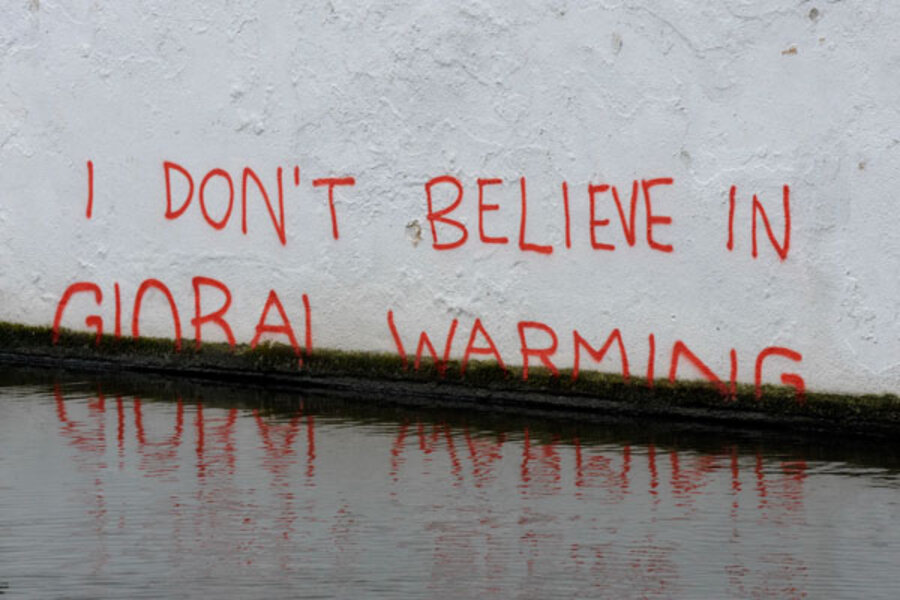
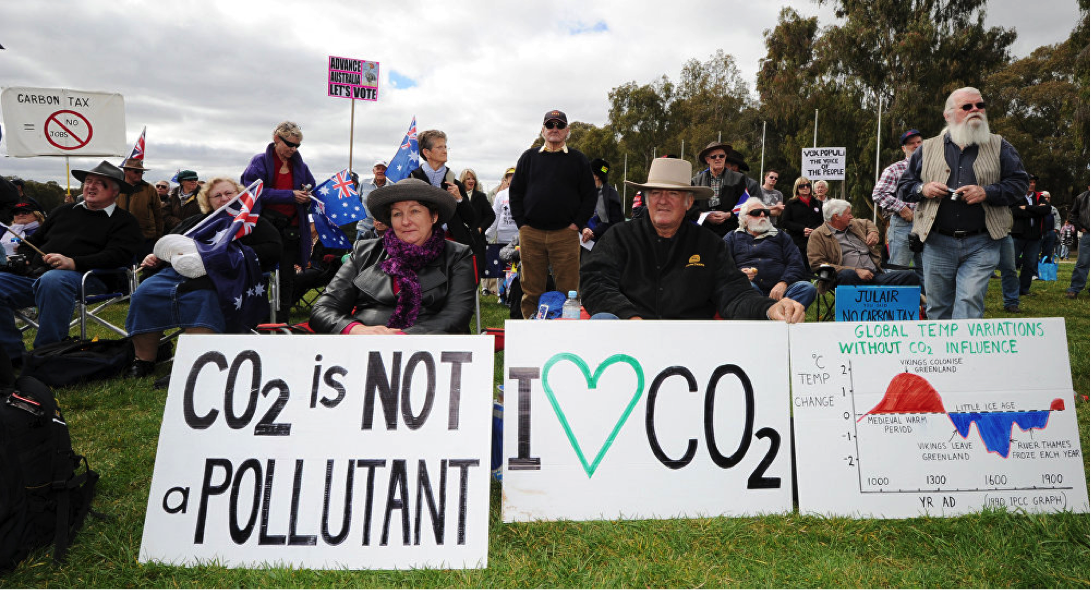
Climate change skepticism varies significantly across different countries and regions. In Australia, skepticism is notably higher compared to many other industrialised nations. Interestingly, this skepticism is positively correlated with our per capita carbon dioxide emissions – ie. the higher we emit, the more skeptical we are...
Let’s work together to revert that trend, spread science-based climate literacy, and empower people to take informed action for a sustainable future.
At People For Nature, we believe that a healthy environment is at the core of a healthy society. When it comes to biodiversity—the incredible variety of life on Earth—its importance to human health cannot be overstated. From the air we breathe to the food we eat, biodiversity plays a central role in supporting our well-being. As we work towards reconnecting people to nature, it’s vital to highlight how closely our health is tied to the nature.
1. Ecosystem Services: The Unsung Heroes of Human Health
Biodiversity sustains the ecosystems that provide us with critical services. Healthy ecosystems—whether it’s a forest, wetland, or coastal ecosystem—are responsible for many processes that directly affect our health. These ecosystem services include:
Pollination: Biodiversity supports the bees, birds, and insects that pollinate our crops. Without these pollinators, many of the foods we rely on would become scarce. According to the United Nations, around 75% of flowering plants worldwide depend on animal pollination, which directly impacts food production (UNEP, 2020).
Water Purification: Wetlands and forests naturally filter and regulate water, providing us with clean and safe drinking water. The World Health Organization (WHO) recognises the importance of ecosystems in ensuring safe water supplies, reducing the risks of waterborne diseases (WHO, 2017).
Climate Regulation: Forests, oceans, and wetlands absorb carbon dioxide, helping regulate our climate. At the same time, they mitigate the effects of extreme weather events and improve air quality. According to the Intergovernmental Panel on Climate Change (IPCC), ecosystems are crucial in achieving climate change mitigation targets (IPCC, 2021).
2. Biodiversity and Medicine: Nature’s Pharmacy
At People For Nature, we recognise that nature’s rich biodiversity provides us with medicines that save lives. Many of the treatments we rely on today are derived from plants, animals, and microorganisms. For example:
Cancer Treatments: The rosy periwinkle, found in Madagascar, produces compounds used in life-saving cancer drugs, such as vincristine and vinblastine, used to treat leukemia and Hodgkin’s lymphoma (NCI, 2020).
Antibiotics and Pain Relief: The opium poppy provides essential pain-relieving compounds, while penicillin, derived from mold, revolutionised medicine. As the World Health Organisation has reported, many life-saving drugs are derived from nature and are crucial in fighting infections and diseases (WHO, 2019).
Through our work, People For Nature encourages communities to recognise the immense value of preserving biodiversity—not just for environmental reasons, but for our ongoing access to these vital health resources.
3. Mental Health and Well-being: The Healing Power of Nature
At People For Nature, we also highlight the profound impact that biodiversity has on our mental health. Numerous studies show that spending time in biodiverse natural spaces improves mental wellbeing, reduces stress, and enhances emotional health.
Stress Reduction: Natural environments, particularly those rich in biodiversity, help reduce cortisol levels (the stress hormone) and lower blood pressure. Studies have shown that exposure to nature can improve mental health, with a landmark study by the University of Queensland showing that nature can significantly reduce stress (University of Queensland, 2019).
Improved Cognitive Function: Nature-rich environments can boost concentration, creativity, and cognitive performance. A study conducted by the University of Illinois found that spending time in natural environments improved cognitive function and attention (Berman et al., 2008).
Emotional Wellbeing: Nature has been shown to improve overall life satisfaction and reduce symptoms of anxiety and depression. According to a study published in the International Journal of Environmental Research and Public Health, exposure to green spaces is linked to improved mental well-being (Thompson et al., 2012).
By understanding the therapeutic power of nature, People For Nature is working to reconnect individuals to the environment, creating opportunities for healing and personal growth.
4. Biodiversity and Disease Regulation: A Natural Defense
Biodiversity plays a crucial role in regulating diseases, preventing the spread of harmful pathogens, and protecting us from outbreaks. As ecosystems become degraded, however, the balance is disrupted, and the risk of disease increases. By protecting biodiversity, we reduce these risks.
Natural Disease Regulation: Healthy ecosystems help keep populations of disease-carrying species in check, preventing the spread of illnesses like malaria and Lyme disease. A study published in Nature Communications showed that biodiversity loss can increase the spread of zoonotic diseases (Hernandez et al., 2020).
Preventing Antibiotic Resistance: The loss of biodiversity also threatens the development of new antibiotics. The loss of microbial diversity in ecosystems means fewer new antibiotics can be discovered. The United Nations has warned that antibiotic resistance could lead to 10 million deaths annually by 2050 if biodiversity loss is not addressed (UNEP, 2019).
At People For Nature, we support efforts to restore habitats and maintain biodiversity, ensuring these natural defense systems remain intact.
5. The Climate Change-Biodiversity-Health Nexus
As climate change accelerates, biodiversity loss and human health challenges are becoming increasingly intertwined. Extreme weather events, changing disease patterns, and food security issues all threaten human health. But healthy ecosystems can help mitigate these effects.
Heatwaves and Respiratory Issues: Biodiverse ecosystems, such as forests, help cool our environment and filter air pollutants. According to the U.S. Environmental Protection Agency (EPA), green spaces reduce urban heat island effects, which are critical in preventing heat-related illnesses (EPA, 2020).
Food Security: As climate change disrupts agricultural systems, biodiversity ensures the resilience of our food sources. A report by the Food and Agriculture Organization (FAO) highlights the role of biodiversity in ensuring sustainable and resilient food systems (FAO, 2019).
Conclusion
At People For Nature, we believe that biodiversity is not just about protecting plants and animals; it’s about protecting ourselves. The health of our planet and the health of our people are inseparable. From the medicines that save lives to the ecosystems that provide clean water and regulate disease, biodiversity is essential to human health and well-being.
By empowering people to take action, we can protect the biodiversity that supports our health. Whether through advocating for biodiversity conservation, creating a nature oasis, or supporting koala research through citizen science, we can all play a role in safeguarding both the natural world and our future health.
Join us at People For Nature in this vital mission. Together, we can make a difference for nature and our health, ensuring a more resilient, sustainable, and healthy future for all.
References:
United Nations Environment Programme (UNEP). (2020). “Pollination and Food Security.” UNEP Report
World Health Organization (WHO). (2017). “Water, Sanitation and Hygiene.” WHO Website
Intergovernmental Panel on Climate Change (IPCC). (2021). “Climate Change 2021: The Physical Science Basis.” IPCC Report
National Cancer Institute (NCI). (2020). “Vincristine.” NCI Website
World Health Organization (WHO). (2019). “Medicinal Plants.” WHO Website
University of Queensland. (2019). “How Nature Reduces Stress.” UQ Study
Berman, M. G., Jonides, J., & Kaplan, S. (2008). “The Cognitive Benefits of Interacting with Nature.” Psychological Science. Journal Article
Thompson, C. W., et al. (2012). “The Benefits of Green Space in Urban Areas.” International Journal of Environmental Research and Public Health. Journal Article
Hernandez, R. M., et al. (2020). “The Effects of Biodiversity Loss on Disease Transmission.” Nature Communications. Journal Article
United Nations Environment Programme (UNEP). (2019). “The Role of Biodiversity in Fighting Antimicrobial Resistance.” UNEP Report
U.S. Environmental Protection Agency (EPA). (2020). “Green Infrastructure and Heat Island Reduction.” EPA Website
Food and Agriculture Organization (FAO). (2019). “The Role of Biodiversity in Food Security.” FAO Report
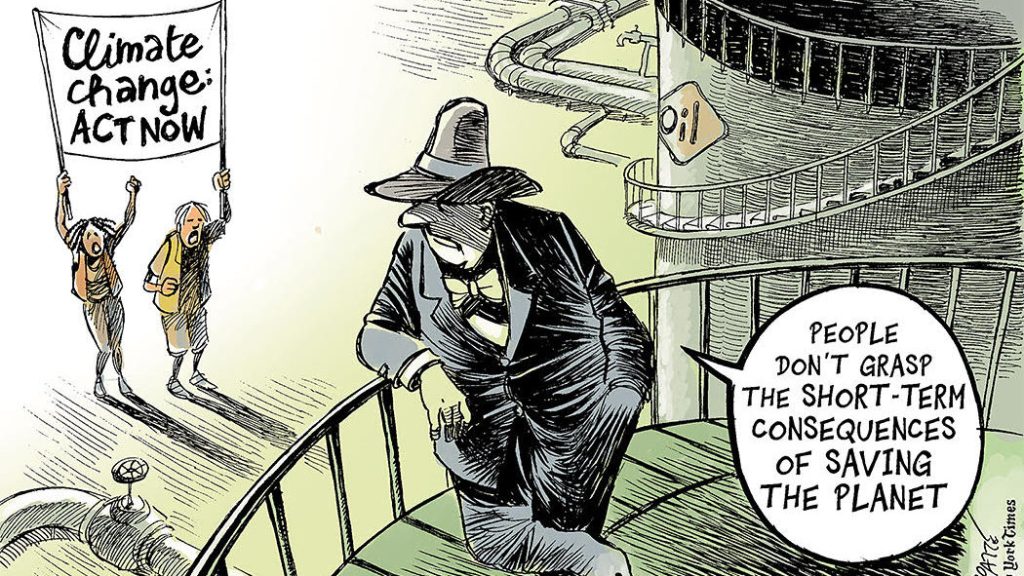
Climate change is frequently described with terms like “urgent crisis” or “code red for humanity”. Yet alongside the science are narratives that slow us down — stories that normalise delay, confusion, or distraction. These narratives shape how communities, organisations, and leaders interpret their agency in responding to climate risks.
At People For Nature, we recognise that how we talk about climate matters. Words do not just communicate; they frame possibility, constrain thinking, and either enable or inhibit action. Our work builds not only scientific literacy but also critical literacy — the ability to discern narratives that enable action from those that hinder it.
🧠 Key Narratives That Enable Delay
Several common narratives consistently undermine climate action:
📌 1. “Solar Farms Create a Vortex That Changes the Weather”
This claim positions large-scale renewable energy as potentially problematic, suggesting that clean solutions themselves could harm ecosystems or the climate. While renewable energy projects have environmental considerations, overemphasising hypothetical risks distracts from the urgent need to decarbonise and scale solutions.
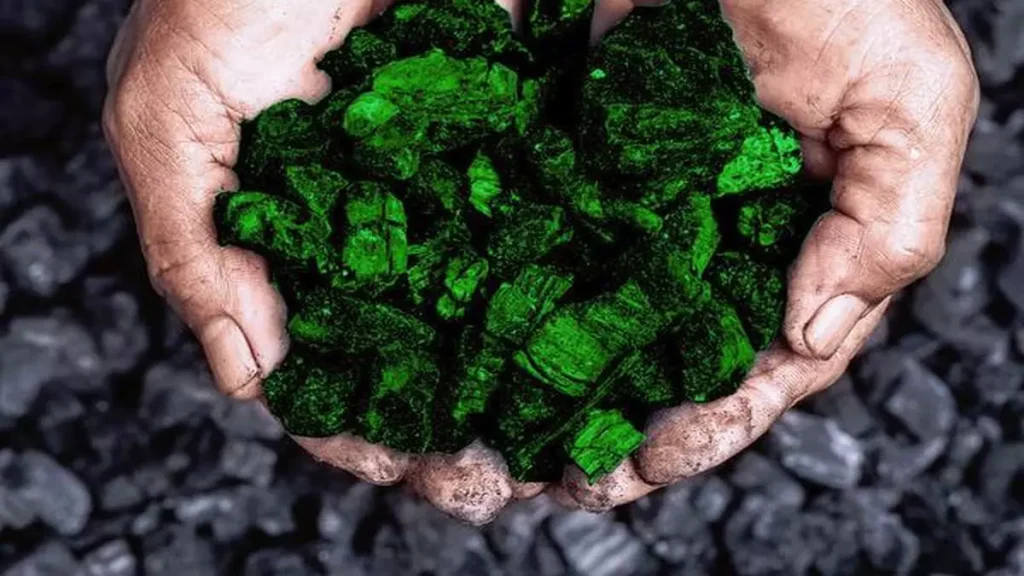
📌 2. “Climate Change Will Be Tackled Now That We Have Found Green Coal”
This is a classic technological distraction. The promise of a ‘silver-bullet’ solution like green coal fosters complacency, implying that systemic behaviour and energy transitions are unnecessary. It delays collective action and reinforces a passive mindset.
📌 3. “The Science Is Settled”
While scientific consensus is real, over-simplifying it can discourage continuous learning and nuanced decision-making in organisations and communities.
📌 4. “It’s Someone Else’s Responsibility”
Shifts accountability away from individuals, teams, or organisations and slows proactive engagement.
📌 5. “We Don’t Have Enough Time”
Urgency is real, but framing time as scarce without pathways to action can trigger paralysis rather than agency.
🌱 Why Addressing Narratives Matters
Narratives are not abstract. They influence:
Perception of risk
Sense of personal and collective agency
Motivation to engage
Willingness to collaborate across sectors
Readiness to adopt change at scale
Without tools to examine and reframe limiting narratives, climate literacy remains incomplete. Facts alone do not drive transformation.
🔄 Dismantling Delay Through Systems Literacy
People For Nature’s approach combines science and systems thinking:
💜 Situating Science Within Systems Understanding climate requires seeing how environmental, social, and economic systems interact — not memorising isolated facts.
💜 Naming and Reframing Limiting Narratives We help learners identify unhelpful stories — like “green coal will fix everything” — and replace them with evidence-based frames that emphasise shared agency and actionable solutions.
💜 Co-creating Pathways to Action Education is most effective when paired with practical strategies. Participants explore what they can do within their organisations, communities, and personal spheres.
💜 Building Collective Competence Complex problems require coordinated responses. Shared understanding and narrative literacy equip teams and communities to act strategically.
📌 Reframing the Narrative — Examples
Instead of:
“Solar farms might harm the weather” → “Renewable energy can be designed responsibly; scaling solutions is critical to climate mitigation.”
“Green coal will fix climate change” → “Systemic transitions and behavioural change are essential alongside innovation.”
“Someone else will fix it” → “Everyone has a role to play — individually and collectively.”
These reframes shift mindset from passive concern to active engagement, grounded in science.
🚀 Why This Matters for Organisations
For corporate partners, educators, and leaders, narrative literacy complements technical and strategic skills. It enables:
💜 Better internal alignment around sustainability goals
💜 More effective stakeholder communication
💜 Greater resilience in planning and risk assessment
💜 Staff confidence in climate-related decision-making
💜 Cultural shifts toward proactive contribution rather than reactive response
💜 Call to Action
Changing narratives does not mean ignoring reality. It means approaching climate challenges with clarity, agency, and strategic perspective. People For Nature supports organisations, schools, and communities to develop climate literacy and narrative awareness — so knowledge becomes power, not paralysis.
👉 Contact People For Nature to explore workshops and partnership opportunities for your team.
Impact of solar panels on global climate, Aixue Hu, Samuel Levis, Gerald A. Meehl, Weiqing Han, Warren M. Washington, Keith W. Oleson, Bas J. van Ruijven, Mingqiong He & Warren G. Strand.
The hospitality industry is at a turning point. As climate change intensifies, businesses must adapt—not only to reduce their environmental impact but to stay ahead in an increasingly eco-conscious market. The good news? The path to sustainability doesn’t have to be overwhelming. With the right knowledge and tools, your team can drive meaningful change from within.
At People For Nature, we specialise in helping businesses navigate this transformation. Through engaging, science-based workshops, we empower teams to understand the challenges, take action, and lead the industry towards a sustainable future.
Reward Hospitality Leads the Way
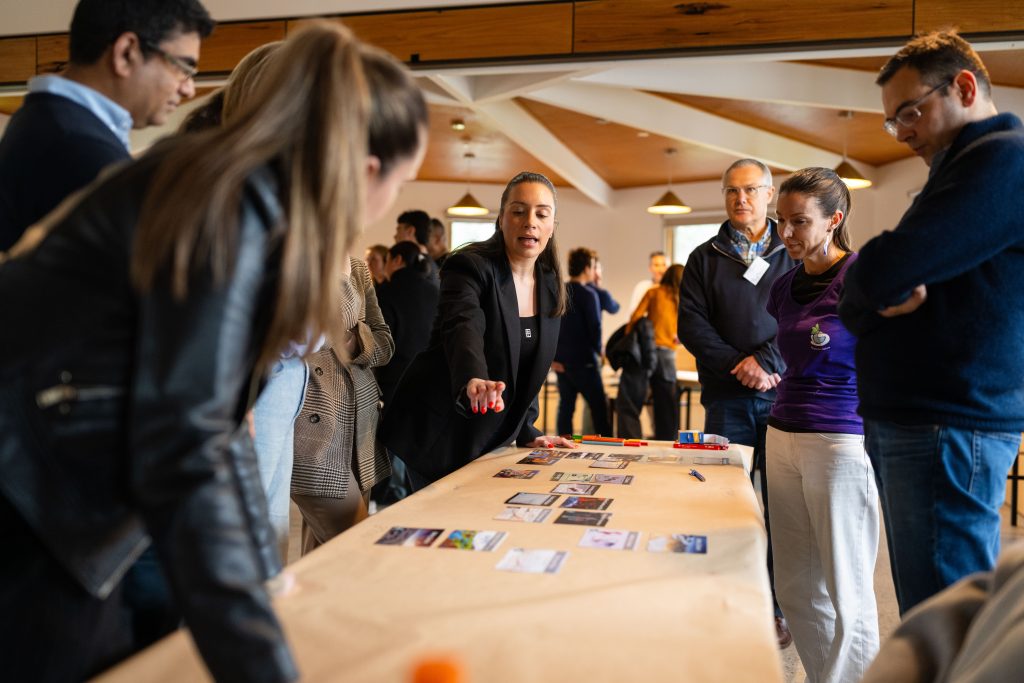
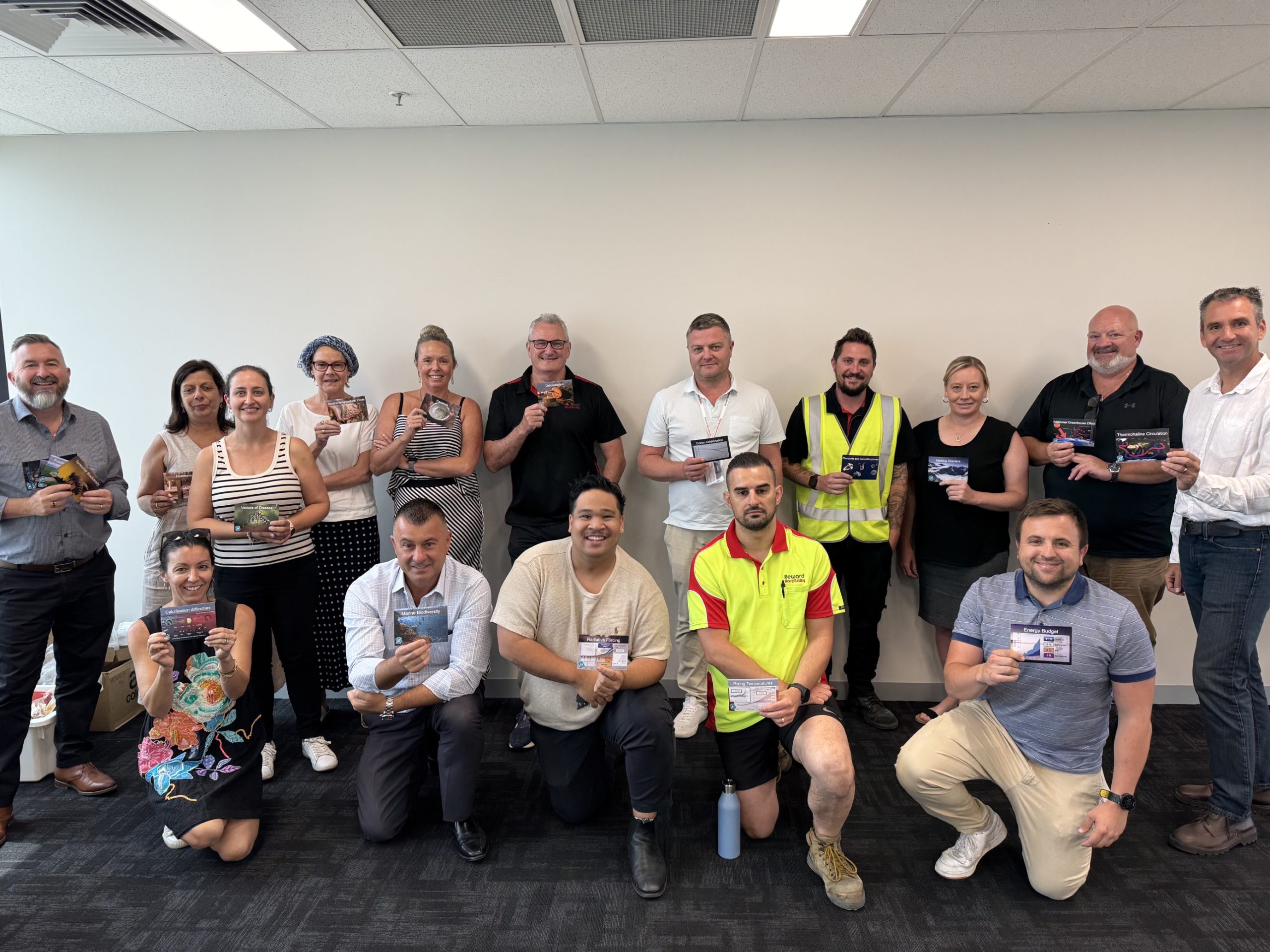
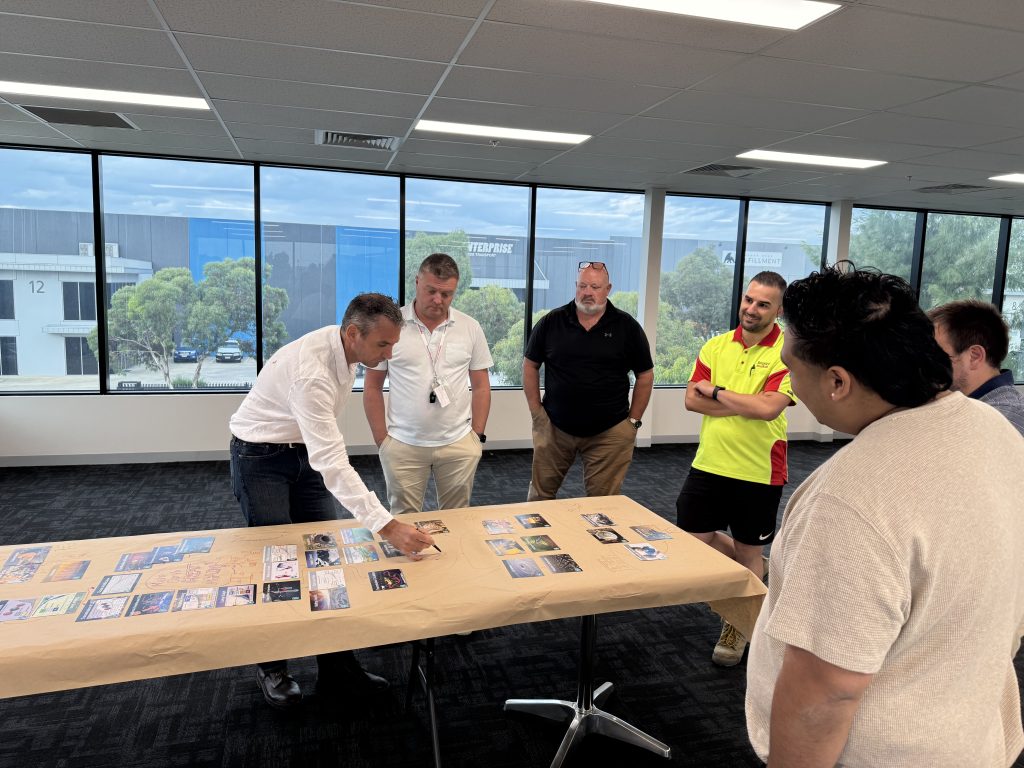
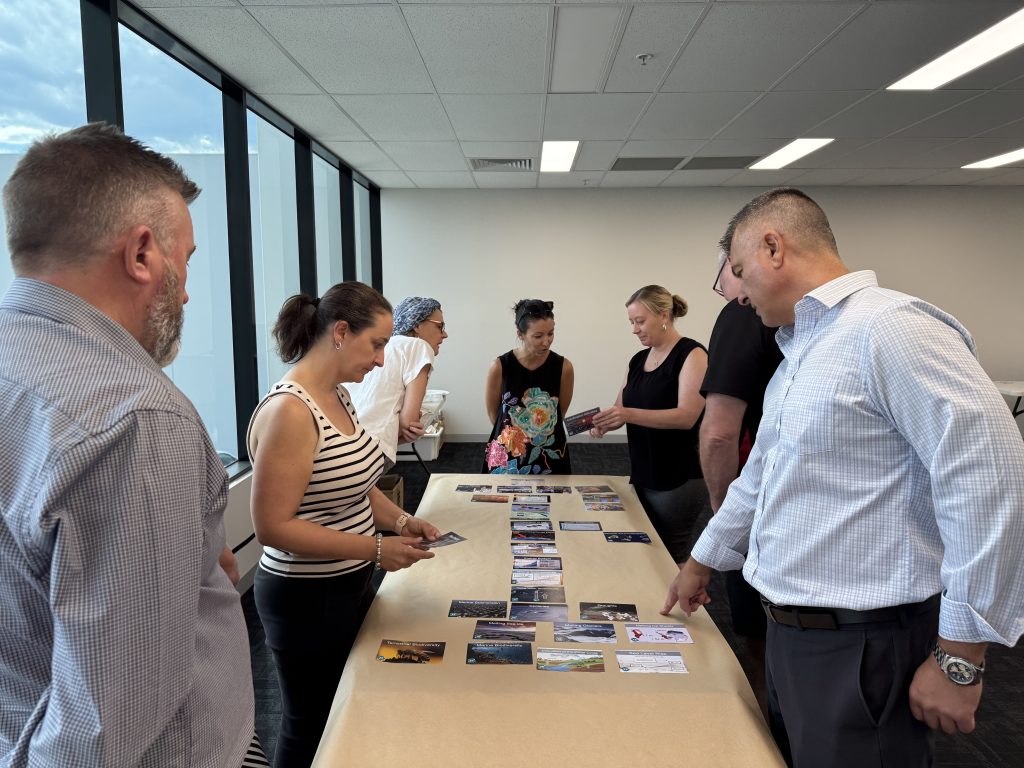
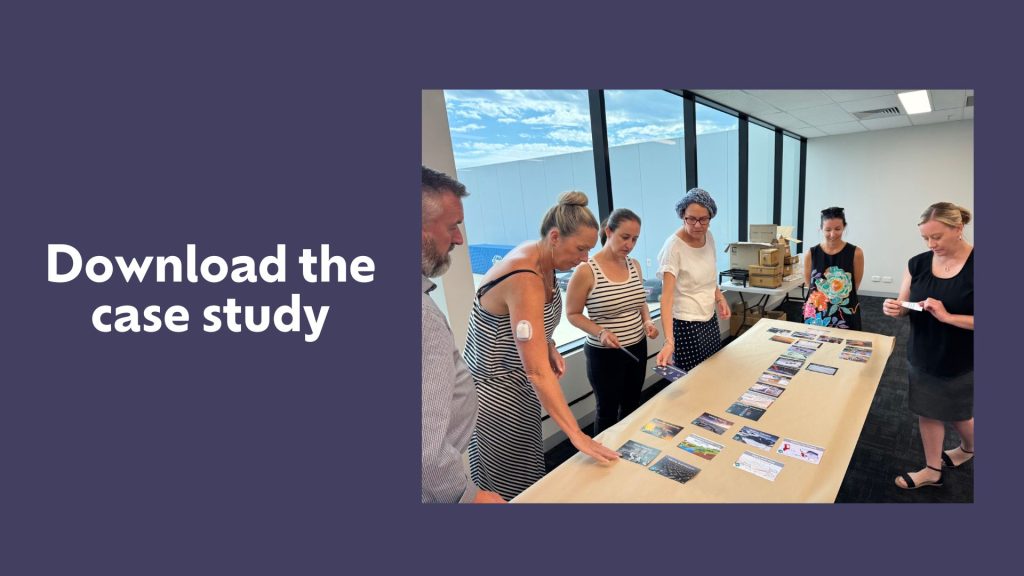
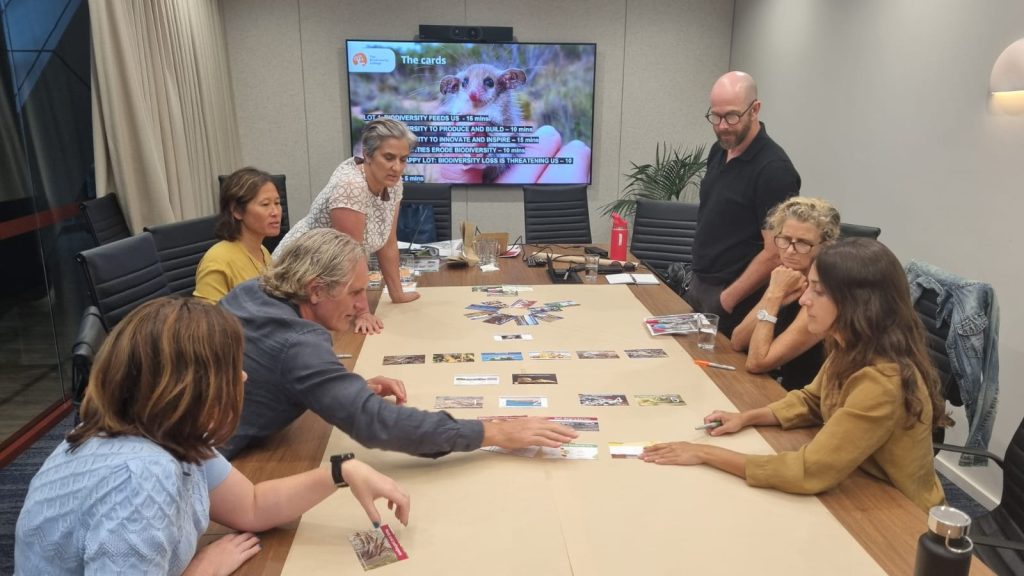
Recently, we partnered with Reward Hospitality, a member of the ECF Group, to deliver a Climate Fresk workshop to around 80 staff across three states. This interactive experience helped their team connect the dots between climate science and business impact, leading to inspired discussions and real-world solutions.
🌏 What is Climate Fresk?
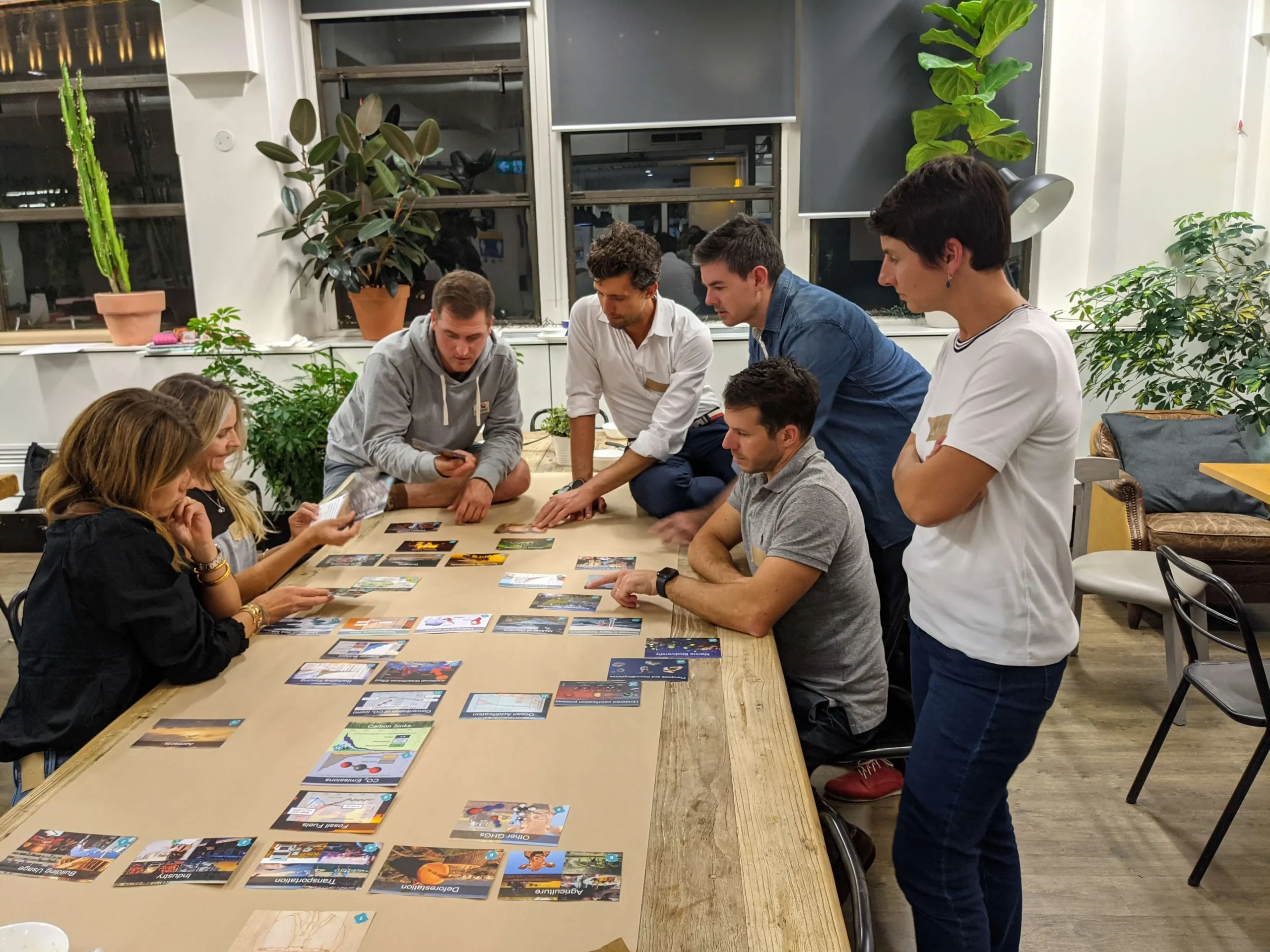
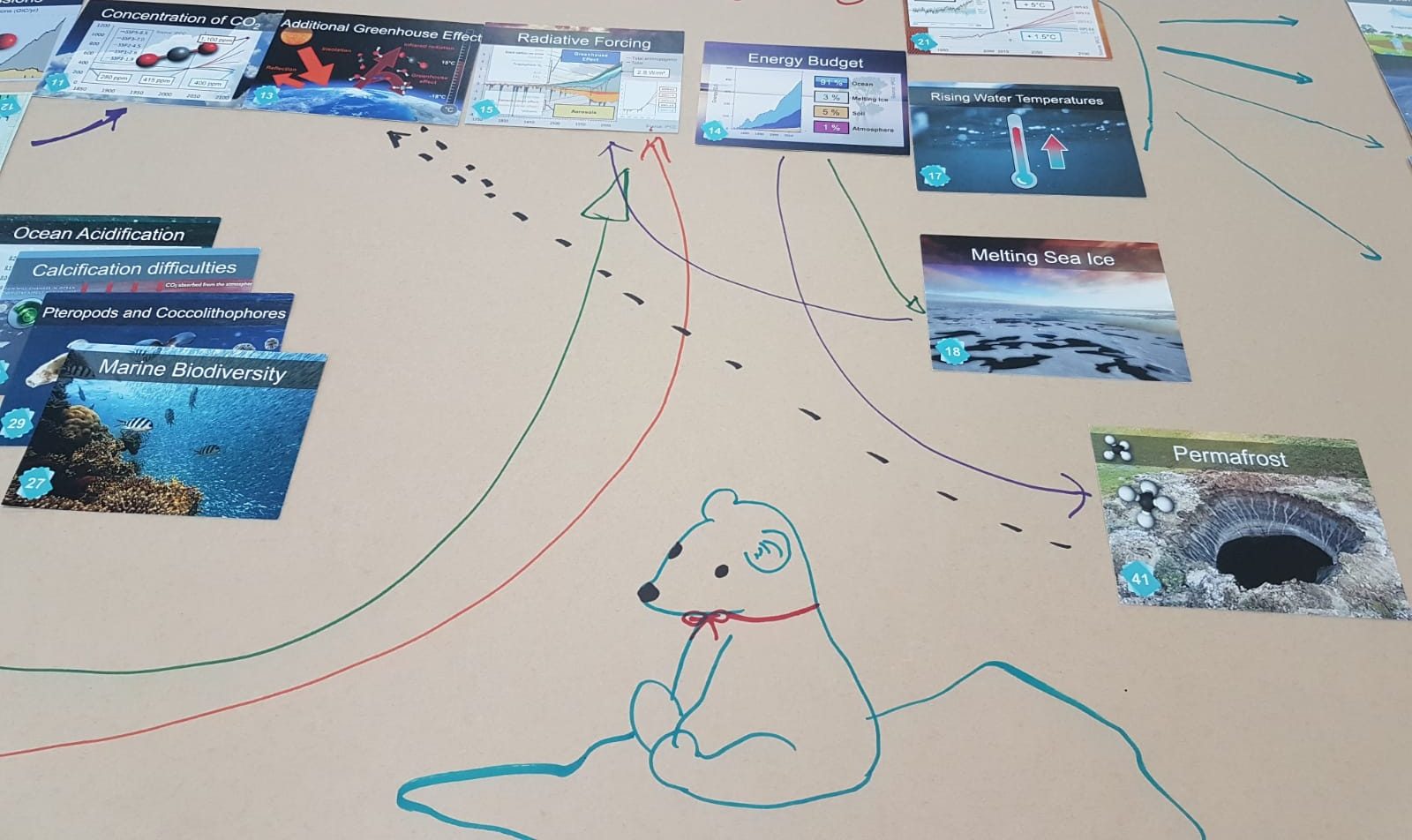
Created in 2015, this globally recognised workshop has already reached over 2 million people in 47 languages. It uses a hands-on approach with 42 knowledge cards, allowing participants to visually map out cause-and-effect relationships in climate change.
“At first, it might seem like just a handful of cards,” explains our CEO, Audrey Barucchi. “But as discussions unfold, the bigger picture comes to life. The result is a powerful moment of clarity, where participants see how their actions directly impact the environment.”
From Awareness to Action
The workshop didn’t stop at education—it sparked real momentum. Teams engaged in:
✔️ Reflection – Understanding the broader implications of climate change on their industry and communities. ✔️ Brainstorming – Identifying practical steps for reducing carbon footprints, integrating sustainability into operations, and influencing clients.
The response? A wave of creative, actionable ideas—from increasing renewable energy use to embedding sustainability in daily tasks.
Your Business Can Be Next!
Sustainability isn’t just a responsibility — it’s an opportunity. Forward-thinking businesses are already taking the lead, strengthening their brands, reducing costs, and future-proofing their operations.
If you want to equip your team with the knowledge and confidence to make a difference, we’re here to help!
📩 Let’s start the conversation.
Contact us today to organise a Climate Fresk, Biodiversity Collage or Circular Economy Collage workshop for your team.
Together, we can transform the hospitality industry, one action at a time.
Are you passionate about climate and sustainability but feel there are gaps in your knowledge? Do you want to better understand biodiversity and its role in shaping a thriving planet? Would greater scientific insight help you engage customers, suppliers, and colleagues on ecological issues? Has your organisation declared a climate and ecological emergency but needs clarity on next steps? Or are you just beginning your journey and looking for the bigger picture?
Understanding biodiversity is crucial—yet the science can feel overwhelming. That’s where the Biodiversity Collage comes in. This interactive, collaborative workshop breaks down complex ecological concepts into an engaging, accessible experience.
What is the Biodiversity Collage?
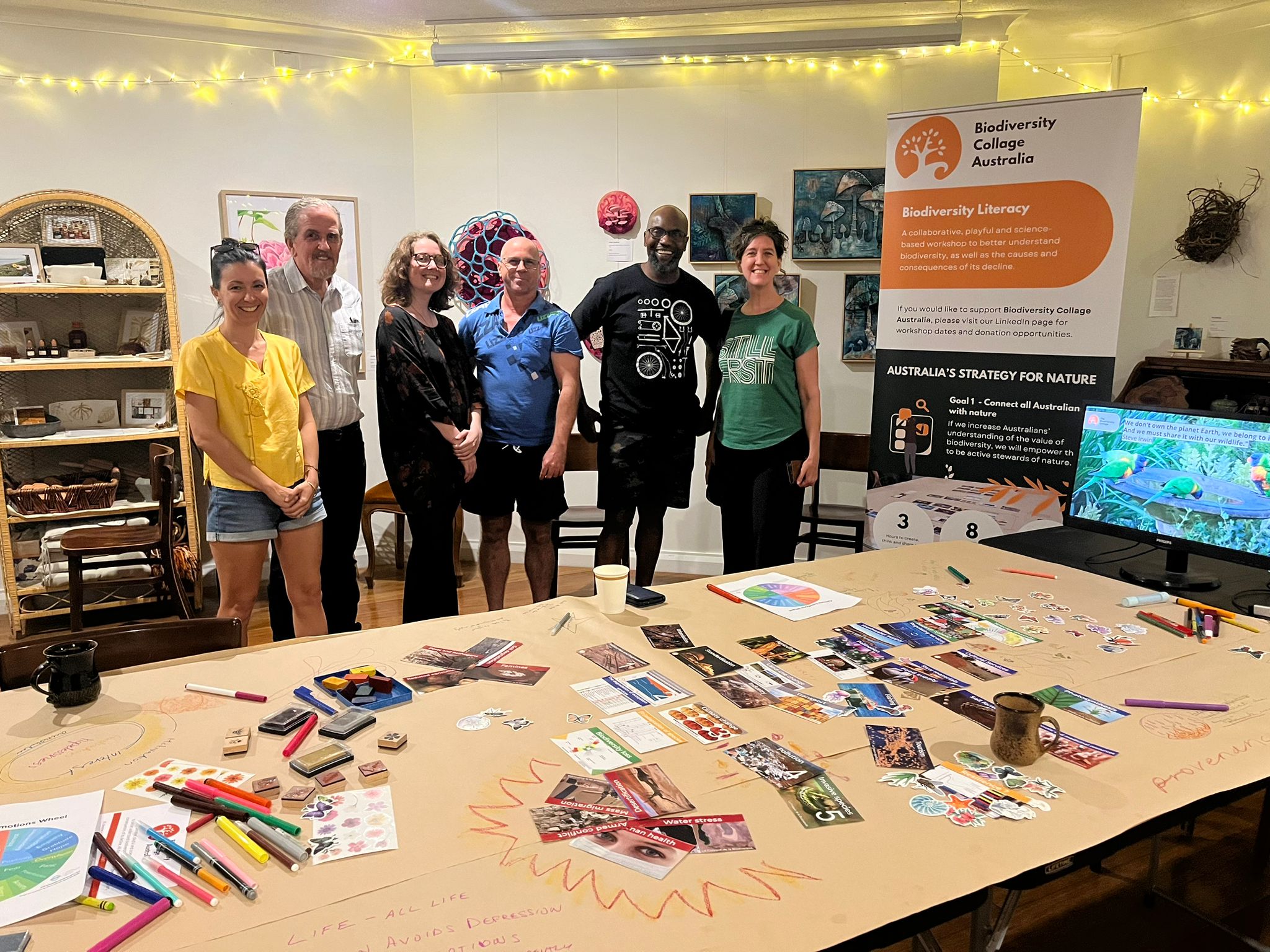
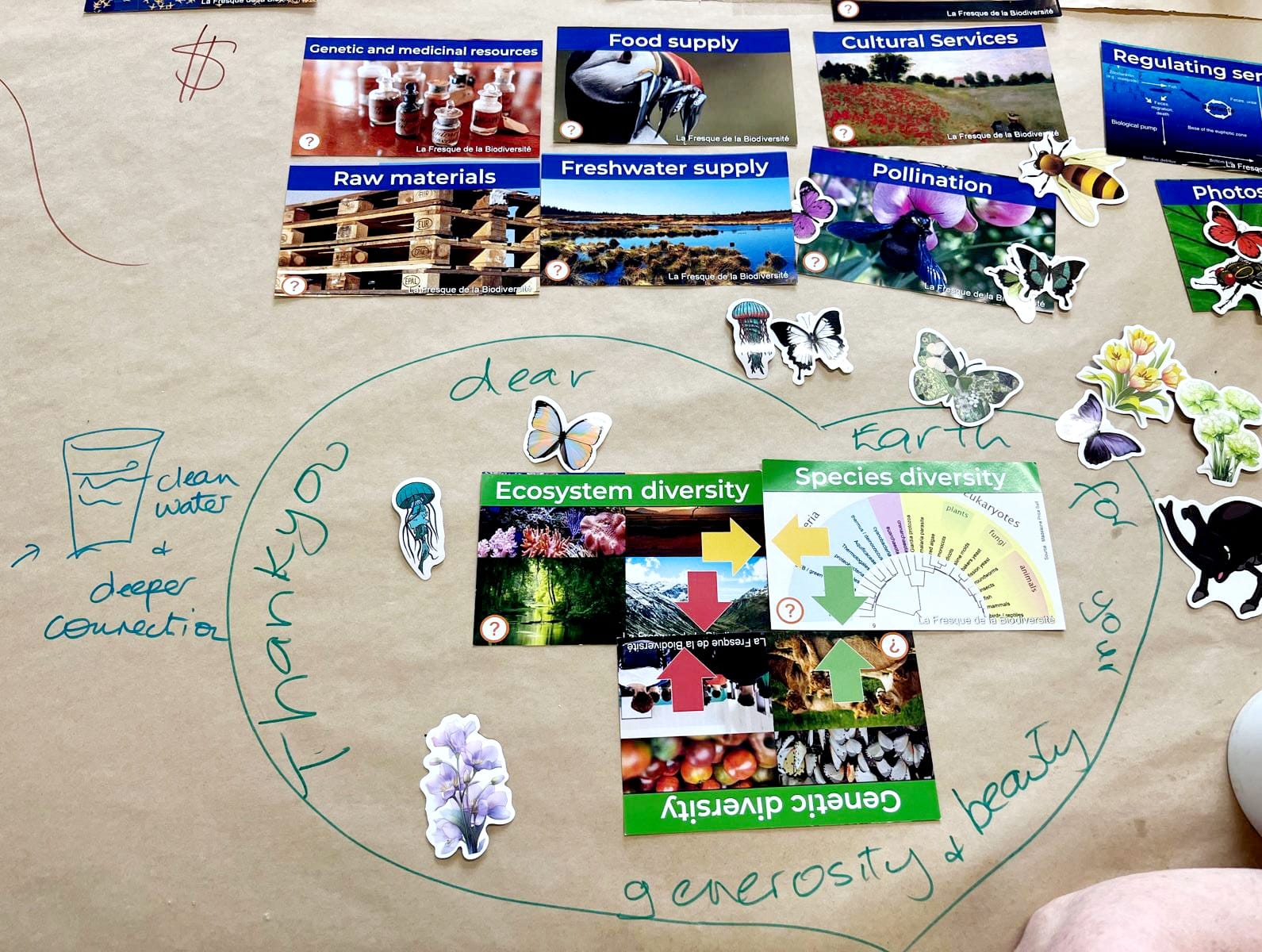
A hands-on, 3-hour workshop designed to deepen understanding of biodiversity and its connection to human activities. Based on the latest IPBES reports, it explores how ecosystems function, why biodiversity matters, and the threats it faces. Inspired by the success of the Climate Fresk, this session turns critical science into an interactive learning experience.
How Does the Workshop Work?
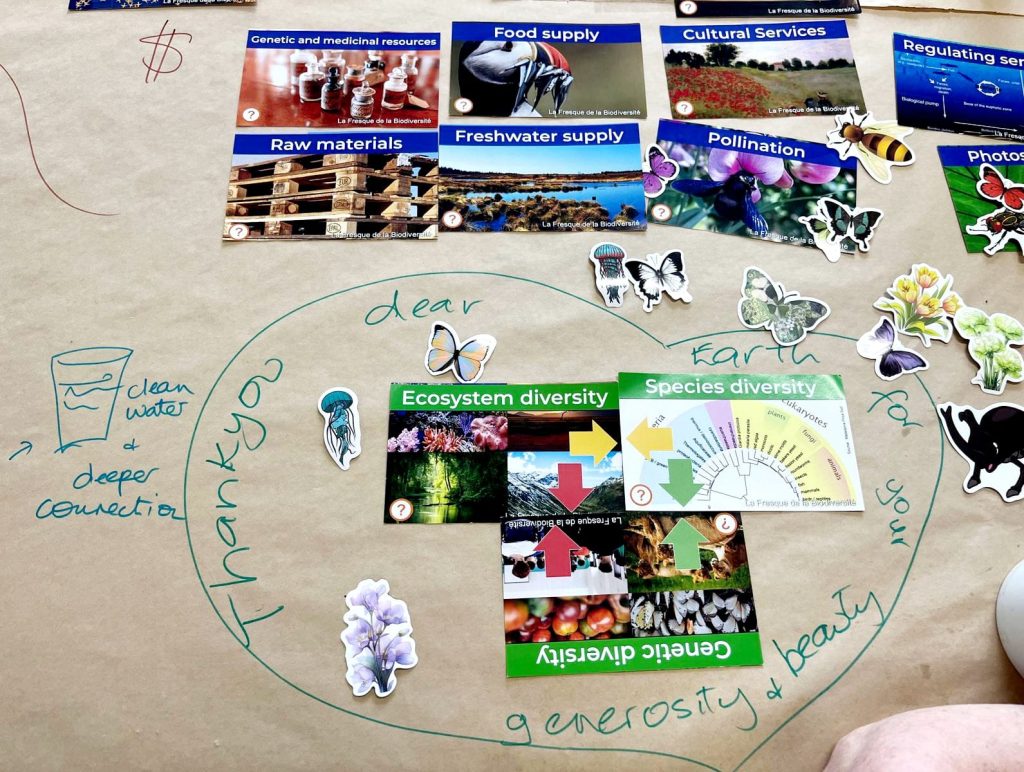
By transforming UN scientific reports into a game, participants actively piece together the biodiversity puzzle using 39 carefully curated cards. Through five rounds of engaging discussions, teamwork, and creativity, you’ll:
Connect the dots between ecosystem functions, human reliance on biodiversity, and the challenges we face.
Get creative by designing and naming your Biodiversity Collage to visualise your insights.
Take action by reflecting on key learnings and building a tailored action plan for your organisation or community.
What You’ll Gain
By the end of the session, you will have:
A clear, science-based understanding of biodiversity and ecosystems
A grasp of the value balanced ecosystems provide to humans
Insight into what degrades biodiversity—and how we can stop it
Practical ideas to restore biodiversity in your organisation or community
A digital summary of your group’s work, plus ongoing learning resources
Why Bring This Workshop to Your Organisation?
🌳 Build a shared understanding of biodiversity’s value
❗ Identify the key drivers of ecosystem degradation
☀️ Explore practical solutions your team can implement
Ready to Get Started?
Join a workshop, or bring the Biodiversity Collage to your workplace, team, or community.
Book a call with us to learn more, or send an email to discuss your needs. We also offer taster sessions — perfect for trialing the workshop before rolling it out more widely.
Climate science can be complex, technical, and overwhelming — packed with long reports, dense data, and jargon that many people find hard to navigate. Yet a widespread understanding of climate change is essential if communities, organisations and leaders are going to respond effectively to the environmental challenges we face.
This is why People For Nature champions the Climate Fresk — an innovative, participatory workshop that turns climate science into accessible, engaging, and action‑oriented learning.
🧠 What Is Climate Fresk?
Climate Fresk is a collaborative climate education workshop developed on the science of the Intergovernmental Panel on Climate Change (IPCC), grounded in the world’s most respected climate research.
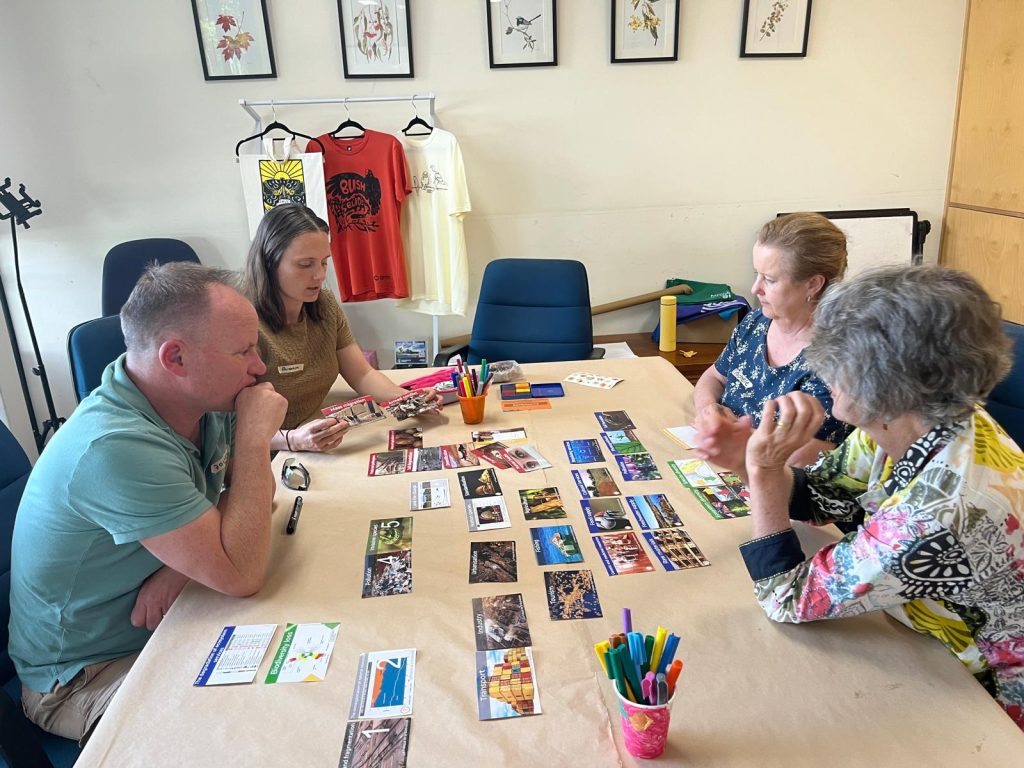
Rather than presenting information in lecture format, Climate Fresk transforms scientific findings into a shared, hands‑on learning experience: participants work together to assemble a “fresk” — a visual representation of how climate change works — using 42 illustrated cards that represent causes, effects and societal responses.
This interactive method brings climate science to life, helping learners see the cause‑and‑effect relationships that drive global warming, ecological impact and societal consequences.
🃏 How It Works
A Climate Fresk workshop typically takes about three hours and involves:
Collaborative learning: Small groups explore the 42 cards together, building a shared understanding of climate science.
Systems thinking: Participants map interconnected cause‑and‑effect pathways, showing how human activities drive climate impacts.
Creative reflection: A final phase invites participants to imagine solutions and actions they can take personally, in their communities or workplaces.
This blend of intellectual challenge and shared discovery makes Climate Fresk powerful not only as an educational tool, but as a change‑making experience that fosters understanding, connection and agency.
🌱 Why Climate Fresk Matters
📘 Accessible Climate Science
Many people feel intimidated by scientific reports, technical language, or conflicting media narratives. Climate Fresk breaks down these barriers by making climate science visible, understandable and relevant to everyone — whether it’s a school class, a university cohort, a corporate team, or a community group.
🤝 Collaboration and Shared Insight
People learn best together. The workshop’s collaborative design encourages deep dialogue, mutual learning, and shared insight — helping participants build not just knowledge, but collective understanding and confidence.
🚀 From Understanding to Action
Climate Fresk doesn’t stop at comprehension — it invites participants to reflect on what they can do next. This makes it a valuable tool for turning knowledge into action — whether in personal life, education, community engagement, or organisational strategy.
🛠 Who It’s For
Climate Fresk is truly for everyone — from people just beginning their climate learning to seasoned professionals.
Individuals who want to deepen their understanding
Schools and students building systems literacy
Workplaces and leaders developing climate competence
Community groups seeking shared insight and collective action
No prior expertise is required — all participants bring curiosity and leave with clarity.
💜 People For Nature’s Role
At People For Nature, we are proud to deliver Climate Fresk workshops as part of our mission to build climate and biodiversity literacy across Australia.
By combining Climate Fresk’s globally recognised methodology with our local facilitation and community network, we help individuals and organisations:
💜 Understand the science behind climate change
💜 Build confidence to communicate and act
💜 Connect climate understanding to nature stewardship
💜 Foster collective action for environmental resilience
We believe that education is a cornerstone of climate agency — and interactive, collaborative tools like Climate Fresk help make that education meaningful, inclusive and impactful.
📩 Ready to Bring Climate Fresk to Your Community?
Whether you’re part of a school, business, university, community group or organisation, Climate Fresk can be tailored to your audience and goals. Join us in shaping a more climate‑literate Australia — one workshop at a time.
👉 Contact People For Nature to explore workshop options and dates.
At People For Nature, we believe that the power to protect and restore our planet lies in the hands of communities, educators, and passionate individuals. As we continue to strengthen our commitment to educating Australians on climate change and biodiversity, we are thrilled to announce an exciting new collaboration with Biodiversity Collage, a global initiative born in France.
This partnership marks a significant milestone in our mission to bring cutting-edge biodiversity education to the world, uniting people from all corners of the globe in the fight to preserve our natural heritage.
Bridging the Gap Between Australia and France
At People For Nature, our mission is to empower individuals and businesses to take meaningful action in defence of biodiversity. Guided by our theory of change—that education drives awareness, awareness inspires care, and care leads to action—we have worked tirelessly to create accessible, engaging, and impactful educational resources that spark lasting change for our planet.
By partnering with Biodiversity Collage, we are not only expanding our reach but also strengthening our ability to provide meaningful, hands-on learning experiences for people of all ages and backgrounds.
The connection between People For Nature and Biodiversity Collage runs deep. As an educational tool, Biodiversity Collage uses collective intelligence to break down complex scientific concepts and make them easily understandable for all. Originating in France, this innovative approach to biodiversity education has quickly gained global recognition, and we are thrilled to introduce this powerful tool to Australians.
The Power of Biodiversity Collage
Biodiversity Collage is more than just a workshop; it’s an immersive experience that transforms participants’ understanding of the world’s biodiversity and the interconnectedness of life on Earth.
Through the Collage experience, participants engage in a creative and interactive session where they piece together the complex puzzle of biodiversity—learning about ecosystems, species, and their relationships to one another. It encourages a deep understanding of the environmental issues we face and inspires people to take action at the individual, professional, and community levels.
Biodiversity: Everywhere, for Everyone, by Everyone.
The success of Biodiversity Collage worldwide speaks volumes about its potential to inspire real change. By providing participants with the tools to understand biodiversity and the urgent need to protect it, the program fosters a sense of agency and responsibility that drives positive action.
A Global Partnership for Local Impact
By joining forces with Biodiversity Collage, People For Nature can now offer Australians access to this highly effective educational tool. Our shared goal is to bring the lessons of Biodiversity Collage to local communities across the country, empowering Australians with the knowledge they need to protect the unique ecosystems that sustain life in this beautiful country.
The collaboration between our two organisations is not only about sharing resources but also about learning from each other.
With Biodiversity Collage’s experience in engaging audiences globally, and People For Nature’s deep connection to local conservation issues in Australia, we are poised to create a synergy that will benefit communities on both sides of the world.
This partnership also opens up exciting possibilities for future projects, combining the strengths of both initiatives to expand the reach of biodiversity education and increase global participation in conservation efforts.
Why This Collaboration Matters
Australia is one of the most biodiverse countries on the planet, home to thousands of species found nowhere else in the world. From the Great Barrier Reef to the unique rainforests of Tasmania, the natural treasures of Australia are a fundamental part of the country’s identity. However, they are increasingly under threat from climate change, habitat loss, invasive species, and human activities. The urgency to address these challenges has never been greater.
At People For Nature, we are deeply committed to educating Australians about the value of biodiversity and the steps we must take to protect it. By collaborating with Biodiversity Collage, we now have the opportunity to bring cutting-edge educational tools to our communities, helping to ensure that the next generation of Australians understands the importance of preserving the environment and the role they can play in its protection.
Together, we can transform the way people perceive biodiversity and inspire a global movement that places conservation at the forefront of public discourse.
Our Vision
A society where everyone can make a tangible contribution, and biodiversity is central to every decision.
A Shared Vision for the Future
This partnership is not just about education; it’s about creating lasting change. As the sixth mass extinction accelerates, the need for urgent action has never been more pressing. To address this crisis, we need to engage and mobilise people from all walks of life. From young students to business leaders, from rural communities to urban dwellers, everyone has a role to play in ensuring the survival of our planet’s biodiversity.
Through the power of education, collaboration, and community engagement, People For Nature and Biodiversity Collage aim to inspire a generation of global citizens who are equipped with the knowledge, skills, and passion to protect the natural world. Whether through hands-on workshops, immersive learning experiences, or community-led conservation initiatives, we are committed to empowering people to take meaningful action in the fight to save biodiversity.
We invite you to join us in this exciting journey—whether by participating in a Biodiversity Collage workshop, sharing your knowledge with others, or taking part in a citizen conservation project. Together, we can make a difference, and together, we can help ensure that the beauty and diversity of our planet is protected for future generations.
Let’s connect the world to nature—one Collage at a time.
Australia’s landscapes are some of the most unique on the planet, from the rainforests of the east to the expansive deserts of the interior. But the very biodiversity that makes this country so special is under serious threat.
Australia is in the midst of the sixth mass extinction event, with species disappearing at a rate unseen in millions of years. The causes are many — habitat loss, invasive species, climate change— but the effect is clear: we are losing the foundation of life as we know it. The question is, what are we going to do about it?
At People For Nature, we are committed to spreading biodiversity literacy across the nation, not just to raise awareness, but to fundamentally shift how Australians understand and approach conservation. This shift is critical. We need to change the narrative around biodiversity, embracing a more inclusive, holistic approach to conservation.
We are currently in the midst of the sixth mass extinction, a crisis that is accelerating at an alarming rate. Over the last century, species around the world have been disappearing faster than ever before. Australia is one of the most biodiverse countries on the planet, yet it also has one of the highest rates of extinction. From the extinction of the Christmas Island rat to the decline of the koala, many of our iconic species are in grave danger.
The concept of the sixth mass extinction can be alarming, but it also serves as a call to action. We cannot ignore the reality that our ecosystems are under siege. Understanding this crisis is the first step to addressing it.
Through education, we can equip Australians with the knowledge they need to respond effectively. That’s why spreading biodiversity literacy is not just a priority—it’s urgent.
Rethinking Biodiversity: A More Inclusive Approach
Biodiversity conservation has traditionally been viewed through a narrow lens, often focusing on specific species or habitats.
While these efforts are important, we need a broader, more inclusive approach to conservation—one that acknowledges the interconnectivity of all life and the cultural, social, and economic dimensions of biodiversity.
Biodiversity is not just about saving animals or plants—it’s about understanding the entire system and the role each part plays in supporting the health of our planet. This means that conservation must involve people from all walks of life.
Education: The Key to Empowerment
Education is the cornerstone of any effective conservation strategy. But it’s not just about passing on facts—it’s about inspiring a shift in mindset. People need to understand that they are not separate from nature but are deeply connected to it.
By fostering a deeper appreciation for the natural world and how it supports human well-being, we can inspire individuals to take action and make a real difference.
At People For Nature, we provide a variety of educational tools that aim to make biodiversity accessible and engaging. Through interactive workshops, citizen science projects, and immersive learning experiences, we help Australians connect with the ecosystems that sustain them. We want people to leave our programs not just with knowledge but with a sense of responsibility—to feel empowered to take action in their own communities and advocate for stronger environmental policies.
Australia’s biodiversity crisis cannot be solved by experts alone—it requires the collective effort of individuals, businesses, and governments working together.
By spreading biodiversity literacy across all levels of society, we can create a nation of informed, passionate advocates for nature.
When communities understand the importance of biodiversity, they will take steps to protect it. Whether it’s planting native species, reducing waste, or supporting local conservation projects, every action counts.
Conserving Australia’s Unique Species and Ecosystems
Educating Australians about the threats to our native species is key to their survival.
This is why we have partnered with The Biodiversity Collage, an initiative founded in France in 2018, to transform complex biodiversity science into an engaging, interactive learning experience that empowers people to understand, care, and take action for our planet.
Biodiversity Collage is an interactive and educational workshop designed to help participants understand the critical importance of biodiversity, the threats it faces, and the actions needed to protect it.
Based on the reports of the IPBES, this innovative tool simplifies complex scientific concepts, breaking them down into an engaging, collaborative learning experience. Through collective intelligence, participants explore the interconnectedness of ecosystems, species, and human activities, gaining a deeper appreciation for the natural world and the urgent need for conservation.
Biodiversity Collage is suitable for all audiences and aims to inspire individuals and communities to take meaningful action for biodiversity.
The Power of Collective Action
In the face of the sixth mass extinction, collective action is more important than ever. Education plays a critical role in mobilising individuals, communities, and governments to take urgent, decisive action. At People For Nature, we are committed to building a movement of Australians who understand the importance of biodiversity and are ready to act.
But we can’t do it alone. We need everyone to get involved. Whether you’re a teacher, a business owner, a policymaker, or a concerned citizen, there’s a role for you in protecting our planet’s biodiversity. Through education and collaboration, we can create a stronger, more resilient Australia—one that not only understands biodiversity but actively works to preserve it for future generations.
To tackle this crisis, we need to radically rethink our approach to conservation, embracing a more inclusive, holistic understanding of biodiversity that involves all Australians.
At People For Nature, we are committed to spreading biodiversity literacy across the nation, empowering individuals, communities, and businesses to take meaningful action in protecting our natural heritage. Through education, engagement, and collective action, we can help ensure that Australia’s unique wildlife and ecosystems survive and thrive for generations to come.
Want to find out more or organise a Biodiversity Collage in your company, school or event — we have trained facilitators in 5 states! – get in touch!
A powerful citizen science program to protect koalas
This citizen science program is a collaborative effort between People For Nature and OWAD Environment, combining community-driven action with expertise in Koala conservation research.
Together, we empower local communities to lead state-of-the art applied Koala research studies that enable effective conservation and strategic restoration of habitats.
We provide participants with the tools, the knowledge and the support systems for local communities to become true custodians of their local Koala populations and recover the iconic species.
🧬Non-invasive sampling
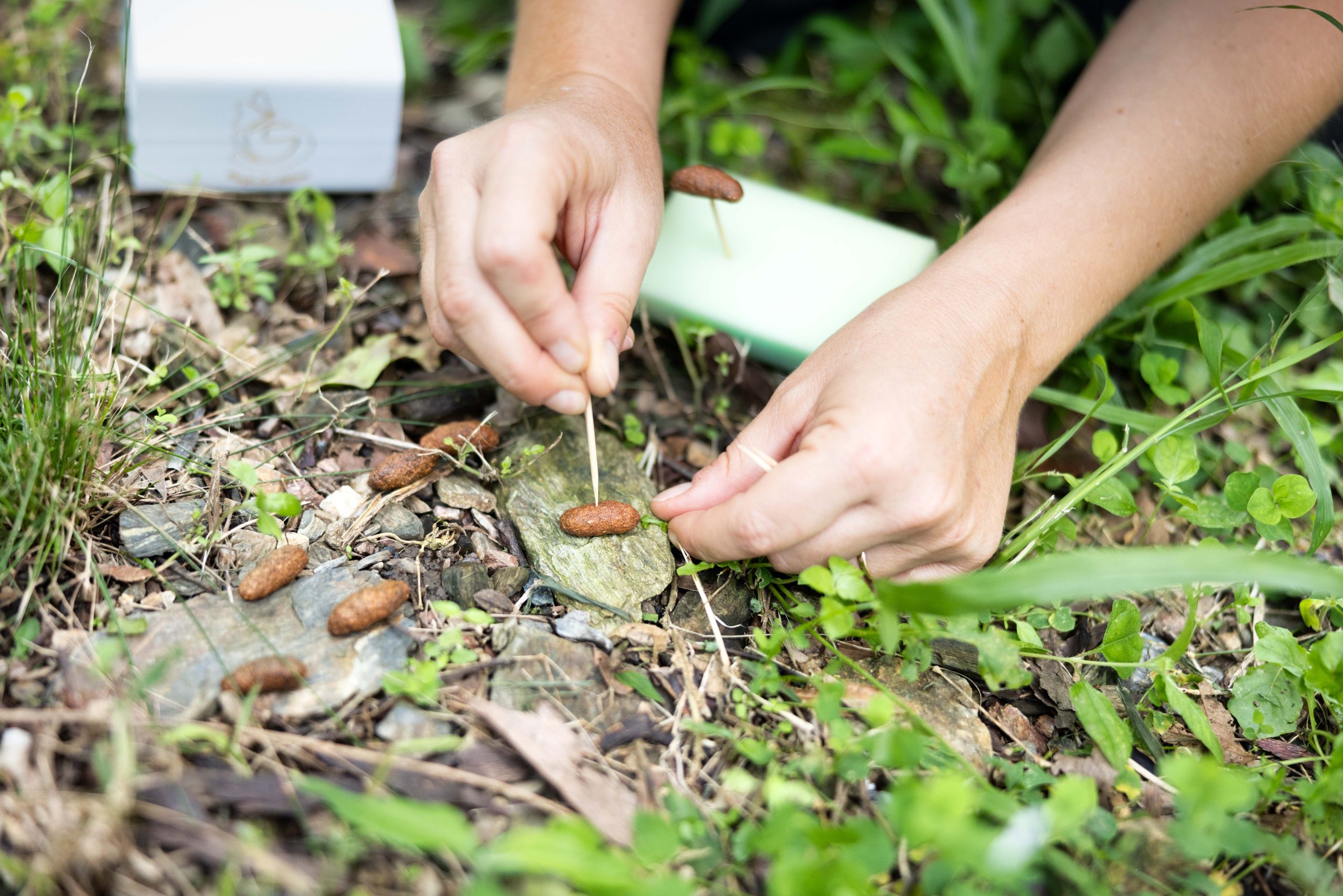
Participants non-invasively sample their local koalas by collecting scat (koala droppings). Sample kits and instructions are provided.
DNA is then isolated from the scat and subjected to key tests to obtain each Koala’s unique genetic profile, its sex, identify the key pathogens it carries, its recent diet, etc. If participants provide contact details, they will receive the individual results of the koala(s) they sampled.
Regional Analysis
Once a region has been sufficiently sampled, all data is analysed to uncover the status of the Koala in the region: current Koala population structure, migration rates, disease distribution and prevalence, etc.
We highlight which vital processes are still functional and need conserving, and what needs restoring or addressing to recover the local populations and prevent further losses.
🐨Why is this a game-changer for koala conservation?
In order to secure the species, all Koala populations that persist today urgently need to be identified and described – but this has not been done yet across much of Eastern Australia.
Indeed, you can’t protect what hasn’t been formally ‘put on the map’! Building on the collaborative effort by many individuals, organisations and community groups from Victoria to Queensland, OWAD spent many years adapting Koala genetic technologies for public participation.
This model is now extensively proven, highly effective, and consistently shown to be very compatible with citizen-science. People For Nature will take this model to scale and empower local communities across Eastern Australia to map their own local Koala populations, so these can be adequately protected and recovered.
This enables local communities and the public to be not merely a powerful ally, but the formal custodians of their local Koala populations. Armed with the right tools, knowledge and information, local communities can then:
✔️ Perform ongoing scientific monitoring of local Koala populations.
✔️ Report the data back to relevant governments, and demand:
– improved government decisions
– funding for targeted actions by community groups in targeted areas
✔️ Collaborating with neighbours to conserve, enhance or restore wildlife corridors in priority areas.
✔️ Make well-informed decisions on their own lands
..And much more.
Examples of Impact
Here are some recent koala studies completed by local communities:
These reports highlight the transformative impact of citizen science in koala conservation.
Want to help?
Your donation will support our community-driven koala genetic monitoring program. By empowering people power, we collect vital data to protect koalas and their habitats. Every dollar is used efficiently to maximise conservation impact.
At People For Nature, we believe that climate literacy is foundational to empowering the next generation to understand and act on environmental challenges. Teaching young people the science of climate change — and the skills to think critically about it — builds confident, informed future leaders who can contribute meaningfully to their communities and the planet.
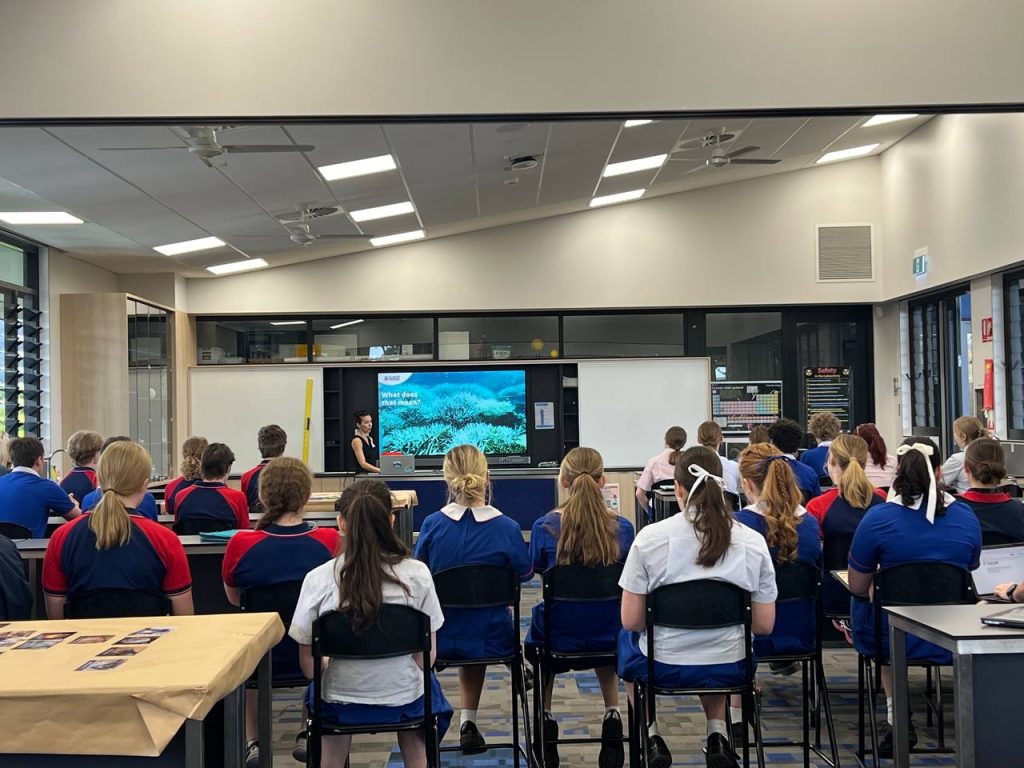
We were delighted to work with students at a Brisbane high school who recently led the charge on climate-smart learning by participating in a Climate Fresk workshop — an interactive, science-based experience designed to make climate change concepts accessible, engaging and relevant to young learners.
🎓 What Happened at the School
A group of Year 10 students took part in the Climate Fresk experience, which uses a collaborative card-based process to help learners understand the causes, consequences and connections within the climate system. Through teamwork and guided discussion, students visualise the links between human activities, environmental change, and potential solutions.
Students also explored how to take practical action — not just learn the theory. This kind of hands-on, facilitated climate education supports critical thinking, communication skills, and collective problem-solving, all of which are key competencies for 21st-century learning.
Junior Science and Circular Economy Coordinator, Damian, advocated for the workshop because he saw the link to the school’s scientific curriculum but also for the potential Climate Fresk offers in thinking critically about climate issues and their societal impacts.
They say it takes a village to raise a child. In a school sense, I see this as everyone doing their part. So sustainability action at our school includes helping everyone make the right decision when it comes to choosing the right bin or turning off lights and A/C at the end of a lesson. If students are more willing to step up in those everyday actions, I will be over the moon.
🌍 Growing Student Leadership
Importantly, the school is embedding this approach into its curriculum by offering some students the opportunity to train as Climate Fresk facilitators. Once trained, these student facilitators will lead workshops for their peers in Years 10 and 11, making climate education a sustainable and student-led part of the learning experience.
This initiative: 👉 Boosts scientific understanding 👉 Builds leadership through facilitation practice 👉 Empowers young people to teach others 👉 Strengthens student engagement in school sustainability culture
“I was so impressed with the session and the wonderful facilitators giving their time, expertise and passion. I was in awe of the whole experience.” Comments a Science Teacher.
📍 Why It Matters for Your School
Schools that integrate climate and systems thinking into teaching provide students with real world context and meaningful opportunities to contribute to solutions — not just learn about problems.
Climate education:
💜 Supports curriculum areas such as Science, Geography and Humanities
💜 Builds critical thinking and systems literacy
💜 Encourages student agency and leadership
💜 Equips learners with tools to participate in school and community sustainability initiatives
🛠 Want to Bring Climate Literacy to Your Classroom?
People For Nature delivers age-appropriate climate education programs designed for schools, including collaborative Climate Fresk workshops and tailored learning experiences. These are facilitated by trained educators and ambassadors who specialise in making complex science accessible and engaging.
If your school is considering climate education, sustainability projects or leadership opportunities for students, we’d love to partner with you — because when young people understand the system, they can help transform it.
💌 Contact us to explore workshop options, dates and bespoke programs for your school community:
High school students often have a natural curiosity and passion for learning. Engaging with them on climate science can be incredibly rewarding, and lead to exciting discussions and new ideas for us facilitators, the school, and the wider community.