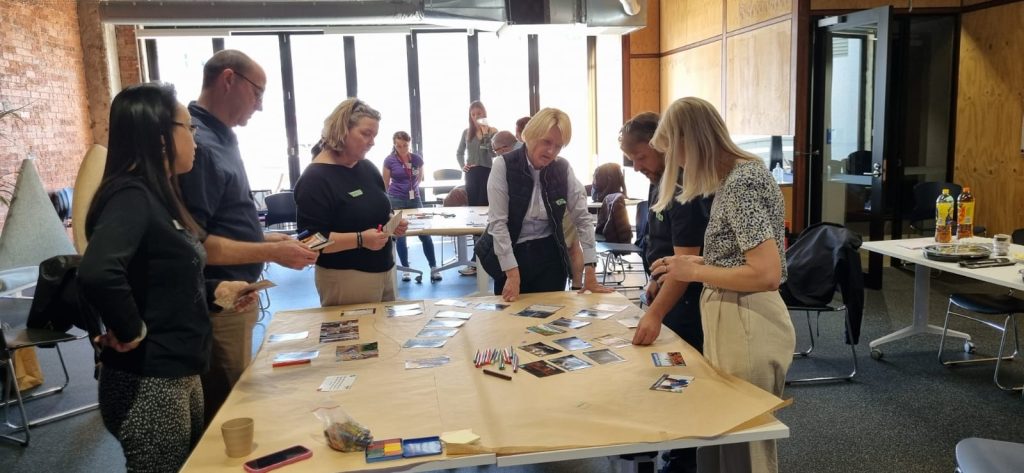
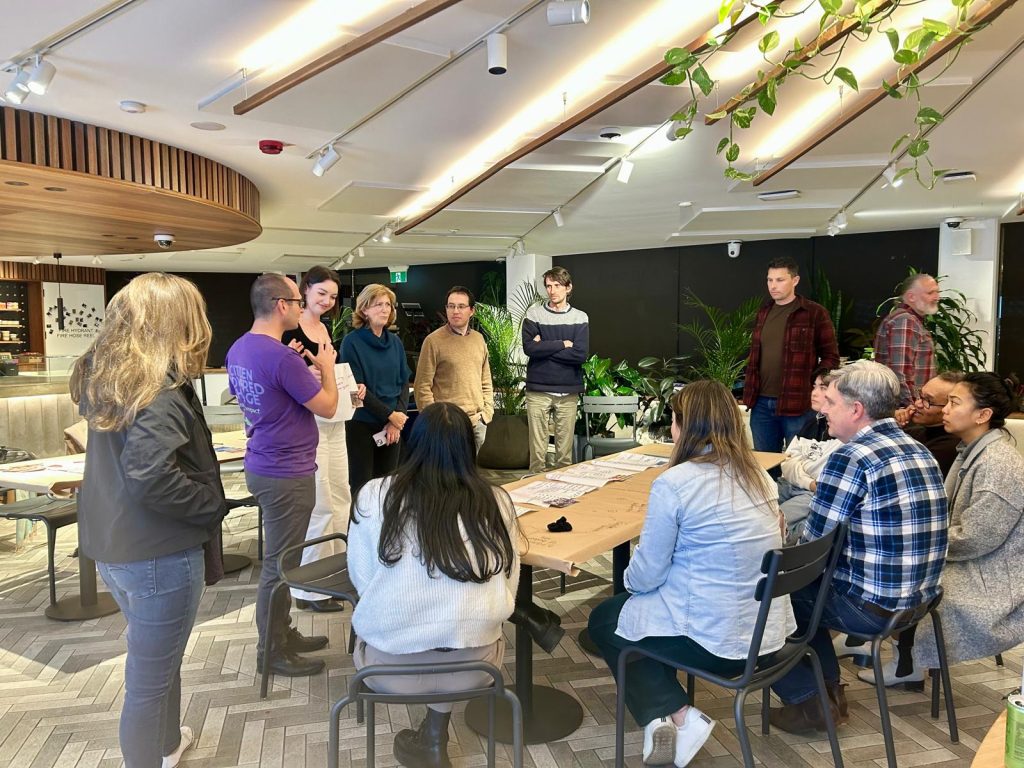
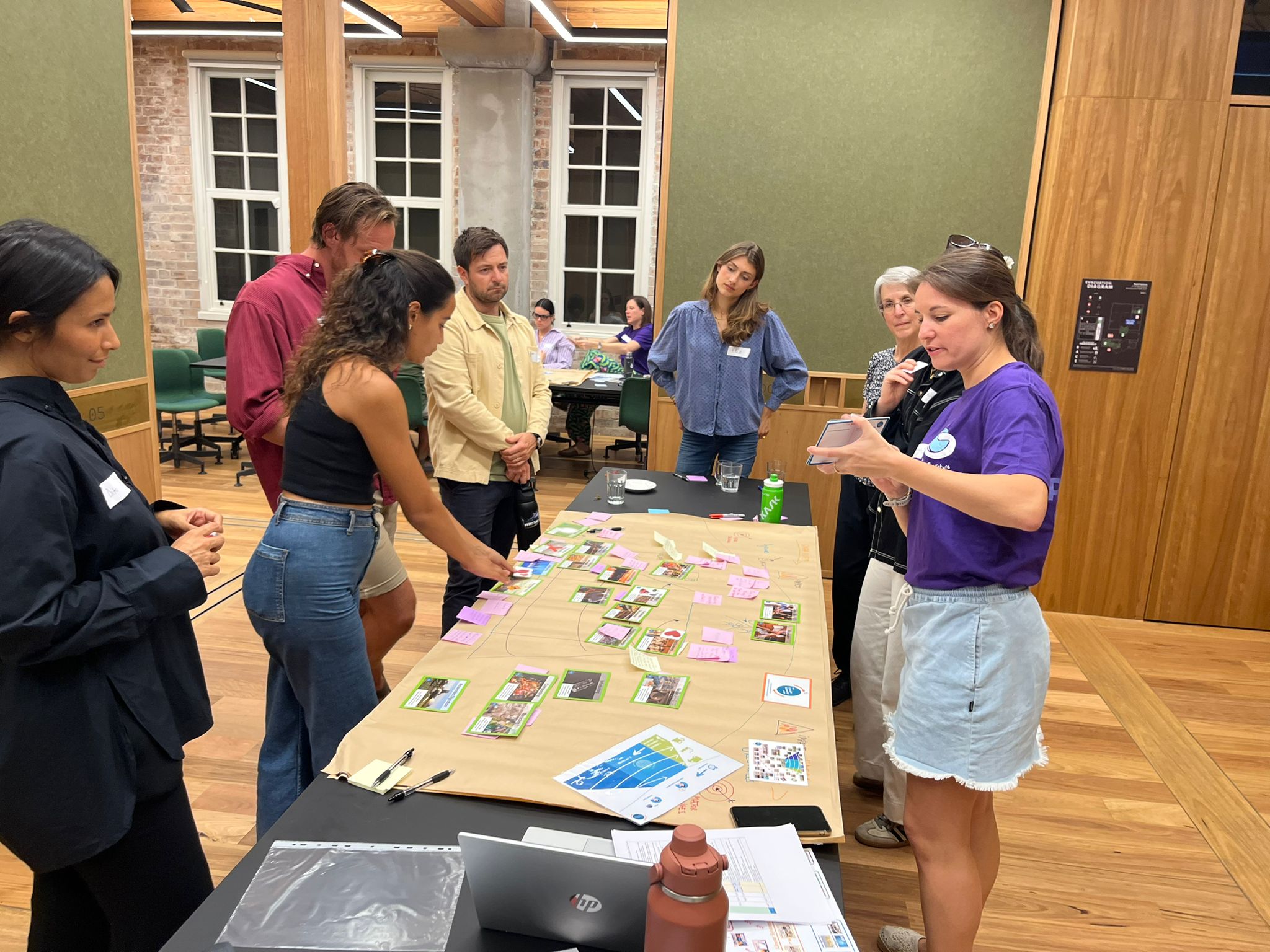
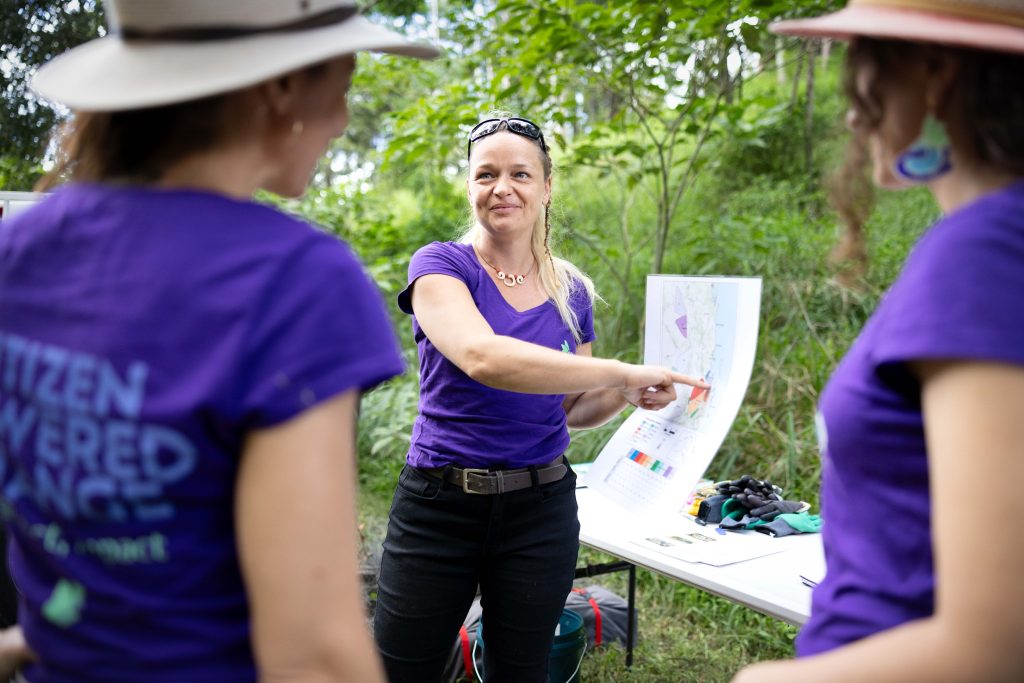
At People For Nature, we believe in the power of collaboration to accelerate climate and biodiversity education. That’s why we’re thrilled to announce our new partnership with Climate Training Co — a purpose-driven organisation empowering climate-literate professionals and organisations across Aotearoa New Zealand.
This partnership marks an exciting step in our journey: expanding our delivery capacity beyond Australia to support the growing demand for powerful, science-based education tools like the Climate Fresk and Biodiversity Collage.
With Climate Training Co’s deep expertise in climate strategy, facilitation, and training, and our commitment to accessible, participatory learning experiences, we’re ready to deliver even greater impact — together.
Whether you’re in Brisbane, Wellington, or anywhere in between, we’re working to ensure individuals, teams, and communities have the tools they need to understand complex environmental challenges and take action that matters.
🌿 Why it matters
Our work is grounded in the belief that knowledge leads to empowerment. By joining forces with like-minded organisations, we strengthen our collective ability to reach more people and build the foundations of a nature-positive, climate-resilient future.
🤝 What’s next?
More workshops.
More trained facilitators.
More communities empowered to step up for nature and climate.
We can’t wait to bring our shared energy, creativity, and knowledge to new audiences across the sea.
If you’re based in New Zealand and want to experience one of our workshops, collaborate on a project, or become a facilitator — get in touch: info@blog.peoplefornature.org.au
In a world built on linear “take‑make‑dispose” systems, understanding how our economy interacts with the environment is essential for lasting change. People For Nature recognises that traditional approaches to sustainability education often miss the bigger picture — the systems that drive environmental impact.
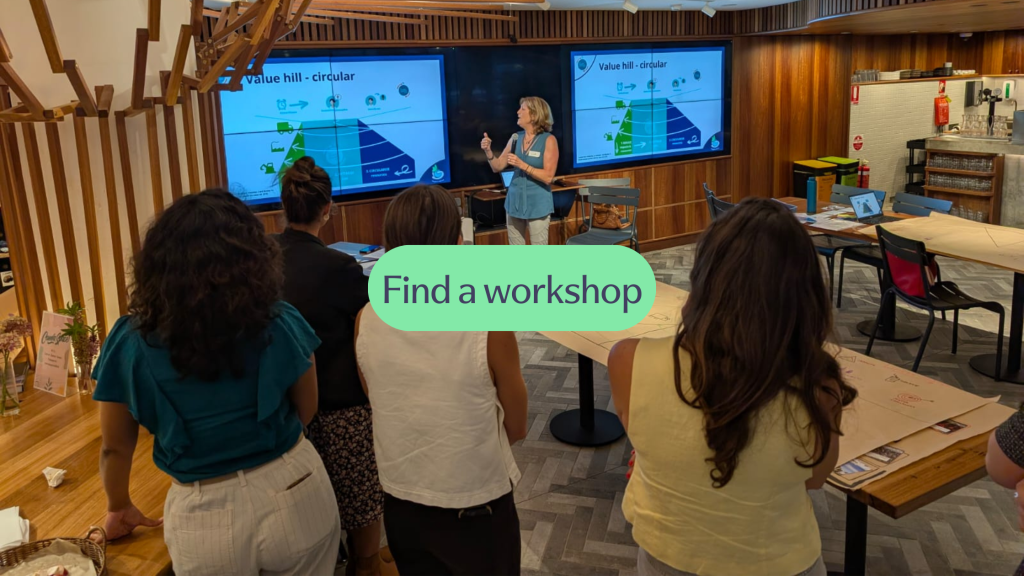
That’s why we’re excited to introduce the Circular Economy Collage — an interactive workshop designed to help participants explore the complexity of economic systems, identify root causes of waste and inefficiency, and imagine pathways to a regenerative future.
📘 What Is the Circular Economy Collage?
The Circular Economy Collage is a hands‑on, participatory learning experience that guides individuals and groups through the core concepts of the circular economy — a model that moves beyond linear consumption toward regenerative, restorative and equitable systems.
Instead of lectures or presentations, the Collage uses engaging visuals and collaborative dialogue to help participants:
💜 See how products and resources flow through the economy
💜 Identify where waste, emissions and resource loss occur
💜 Understand key circular strategies (like reuse, redesign, recycling, and systems redesign)
💜 Explore systemic leverage points for change
This format makes complex economic concepts accessible, memorable and actionable — perfect for learners of all backgrounds.
🧠 Why It Matters
Traditional economic models often treat nature as an externality — something separate from profits, production and policy. But the reality is clear:
🌱 Economic systems are embedded in ecological systems. 🌎 The way we design, use and dispose of products directly affects biodiversity, climate resilience and community wellbeing.
The Circular Economy Collage helps people see the whole system, not just individual pieces. By building systems literacy, the workshop supports:
💜 Better decision‑making at organisational and community levels
💜 Innovation in business models that reduce waste and emissions
💜 A shared language for cross‑sector collaboration
💜 A foundation for strategic sustainability planning
Whether you are part of a business, school, community group, or local government, understanding the circular economy is essential to navigating a future where resources are finite and environmental limits matter.
🤝 What Happens in a Workshop?
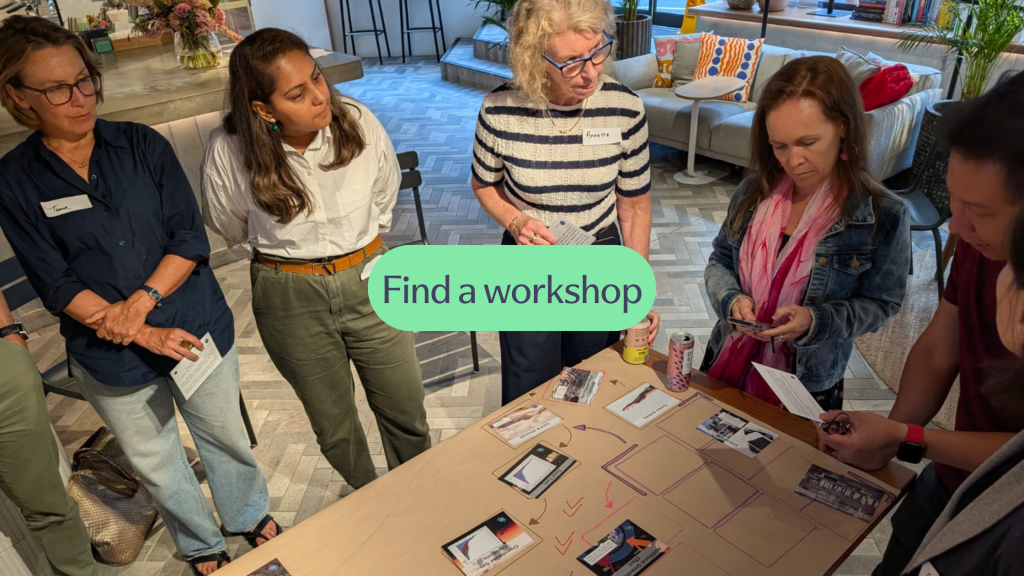
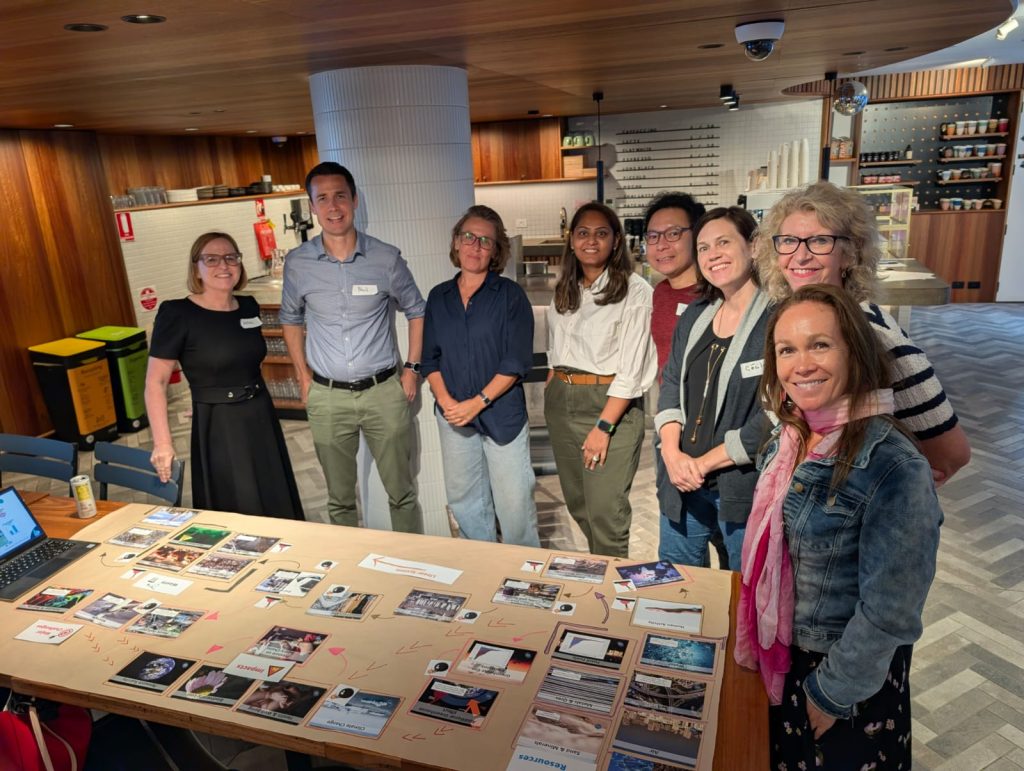
Participants work in small groups to build a visual collage that represents:
the journey of a product or resource through the economy
points of extraction, consumption, disposal and reuse
flows of waste, energy, information and value
opportunities for circular strategies and systems change
Through conversation and reflection, participants uncover:
💜 How linear systems lock in waste
💜 Where circular strategies can have the greatest impact
💜 How individual, organisational and collective choices influence outcomes
This collaborative process boosts both understanding and ownership — people don’t just learn the concepts; they live them.
🌟 Why People For Nature Offers This Workshop
At People For Nature, our mission is to empower citizens with systems understanding that leads to informed action. The Circular Economy Collage aligns with this mission by helping people:
✅ Translate abstract sustainability ideas into tangible insights ✅ Visualise complex interactions between economy and ecology ✅ Identify leverage points where change is possible and meaningful ✅ Build shared understanding across diverse groups
By delivering this workshop, we aim to shift narratives from “problems seem too big” to “we can see where we can act” — and that’s where real change begins.
📩 Who It’s For
The Circular Economy Collage is suitable for:
💜 Schools and students exploring real‑world economics and sustainability
💜 Workplaces and teams seeking strategic insight and innovation
💜 Community groups building local resilience and resource planning
💜 Government and planning bodies engaging stakeholders
💜 Nonprofits and educators teaching systems thinking
No prior knowledge is needed — just curiosity and a willingness to explore systems together.
✨ Ready to Explore Circular Systems?
If your organisation or group is interested in hosting a Circular Economy Collage workshop, People For Nature would love to partner with you. Let’s build understanding, spark ideas and grow capacity for real sustainability — from awareness to action.
👉 Contact People For Nature today to explore workshop formats and scheduling.
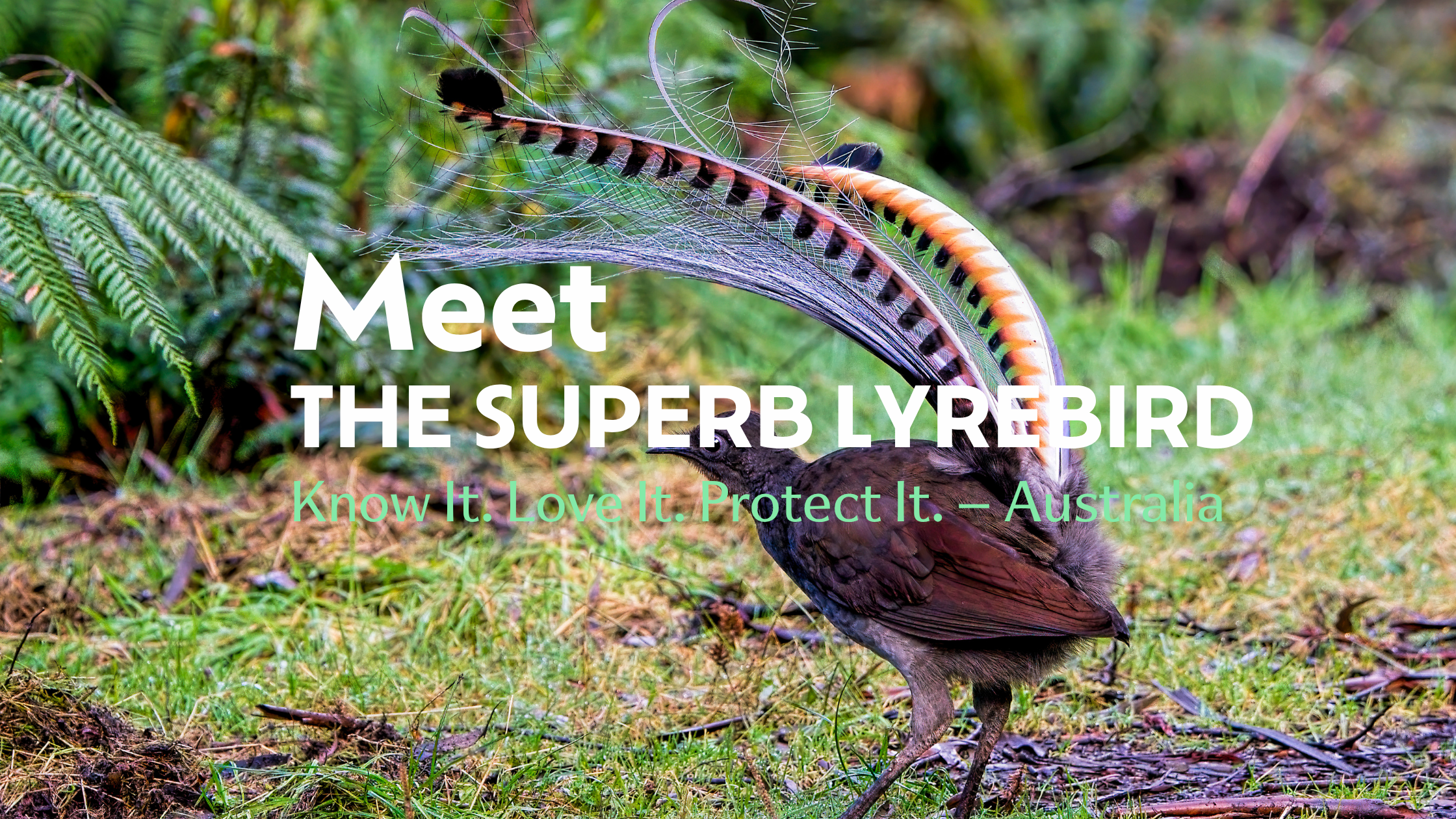
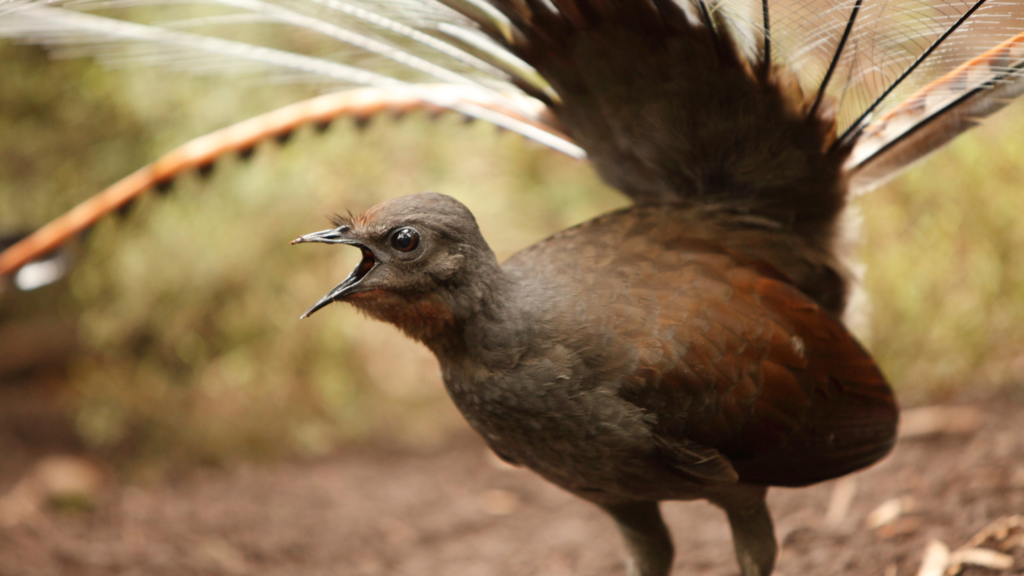
One of Australia’s most extraordinary birds, the Superb Lyrebird is renowned for its elaborate courtship displays and remarkable ability to mimic sounds from the natural world and beyond.
With its ornate tail feathers forming the shape of a lyre, the male performs spectacular dances while imitating the calls of other birds, the sounds of animals and even human-made noises such as camera shutters and chainsaws.
It is a reminder that some of Australia’s most impressive biodiversity is as much about behaviour and intelligence as it is about appearance.
Why it matters
The Superb Lyrebird plays an important role in maintaining healthy forest ecosystems.
🐾 It scratches through leaf litter and soil in search of food, helping to aerate the forest floor
🌱 Its foraging behaviour helps disperse seeds and recycle nutrients
🌳 It contributes to the health and regeneration of forest ecosystems
🕸️ It demonstrates the complex relationships between species and the environments they inhabit
Through its daily activities, the Superb Lyrebird helps shape and maintain the forests it calls home.
Fun facts
🤓 The Superb Lyrebird has one of the most complex syrinxes, or vocal organs, of any bird
🤓 It can imitate an extraordinary range of sounds, from the calls of other birds to human-made noises
🤓 Male lyrebirds perform elaborate courtship displays using their distinctive lyre-shaped tail feathers
🤓 Their vocal abilities have made them one of Australia’s most celebrated and recognisable bird species
A deeper reflection
The Superb Lyrebird challenges the way we think about animal intelligence and communication.
Its ability to learn and reproduce such a diverse range of sounds highlights the remarkable behavioural complexity that exists within Australia’s native wildlife.
Yet the species depends on healthy native forests that continue to face pressures from habitat loss, fragmentation and changing environmental conditions.
In a country with more than 600,000 native species, many found nowhere else on Earth, the Superb Lyrebird reminds us that biodiversity is not only about the species we protect, but also the ecological processes and habitats that allow them to thrive.
How we care for Australia’s native forests today will shape the future of one of our most fascinating and iconic birds.
From Wonder to Action
Learn & understand
Explore how biodiversity, climate, and land systems are deeply connected through our workshops with People For Nature.
Create your Nature Oasis
Plant native species to restore habitat and support the insects, birds, and wildlife that depend on them.
Join citizen science
Record native species around you on iNaturalist and contribute to real conservation data.
(Special thanks to Simon Andrews, Ambassador for People For Nature, for helping shape this story)
At People For Nature, we often hear a fair question:
“If you’re all about nature, why do you focus so much on climate change?”
Here’s the answer — grounded in science:
Climate is not separate from nature.
Climate is a core component of Earth’s life-support system. It influences the patterns of temperature, precipitation, and seasonal cycles that shape where species live, when they breed, and how ecosystems function (IPCC, 2023).
From ocean currents to mountain meadows, from coral reefs to eucalyptus forests — climate defines the conditions in which nature exists. When those conditions shift rapidly, entire ecosystems are put at risk.
The climate crisis is a nature crisis.
According to the 2019 IPBES Global Assessment — the most comprehensive biodiversity report ever produced — climate change is already one of the top five drivers of biodiversity loss globally (IPBES, 2019). And that threat is growing.
Let’s look at some examples here in Australia:
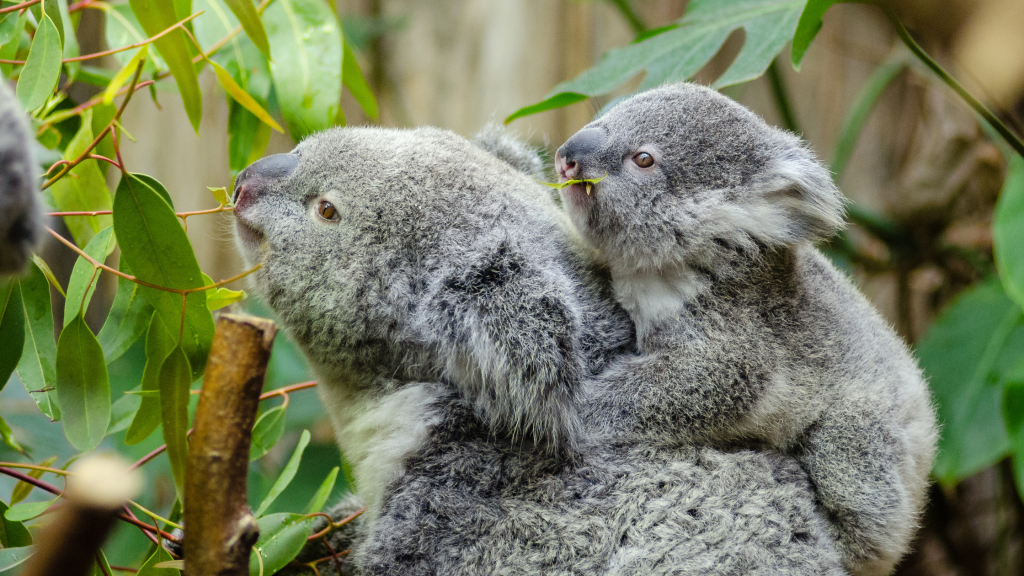
Koalas are losing their habitat as heatwaves, drought, and bushfires reduce the quality and availability of eucalyptus leaves — their sole food source (CSIRO, 2021).
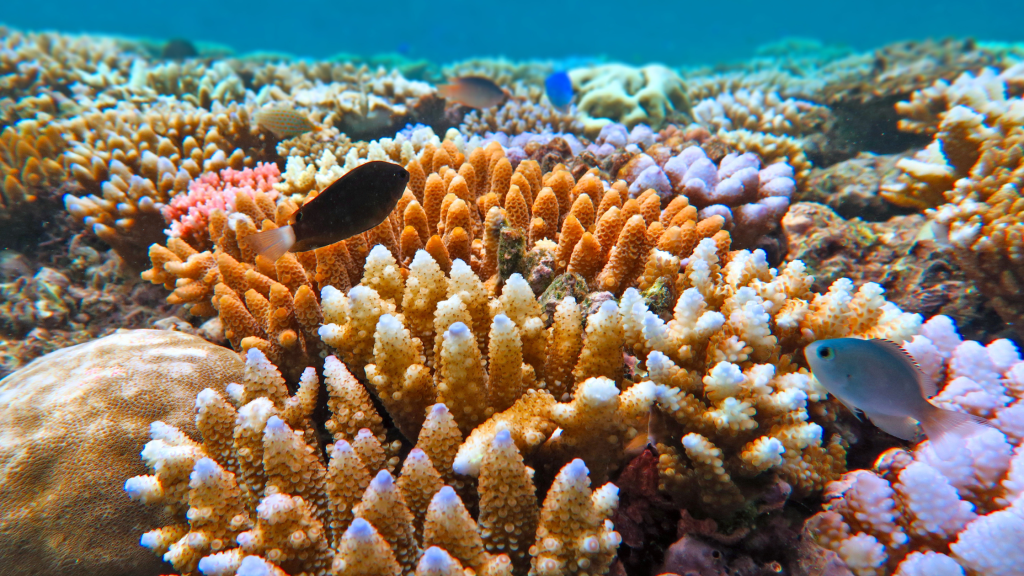
Marine ecosystems such as the Great Barrier Reef are suffering from mass coral bleaching driven by warmer oceans and ocean acidification (AIMS, 2023).
Rainforests are becoming more fire-prone and fragmented as the dry season lengthens, threatening biodiversity hotspots like the Gondwana forests (WWF-Australia, 2022).
These impacts are not just future projections — they are happening now.
Nature regulates climate, too.
Nature is not just a victim of climate change — it’s also a powerful part of the solution. Forests, wetlands, soils, and oceans absorb and store vast amounts of carbon dioxide, helping to stabilise the global climate (IPCC AR6 WG3, 2022).
Protecting and restoring nature is essential if we are to limit global warming. For instance:
Natural climate solutions could deliver up to 30% of the emissions reductions needed by 2030 to meet the Paris Agreement goals (Griscom et al., PNAS, 2017).
Climate and biodiversity are inseparable.
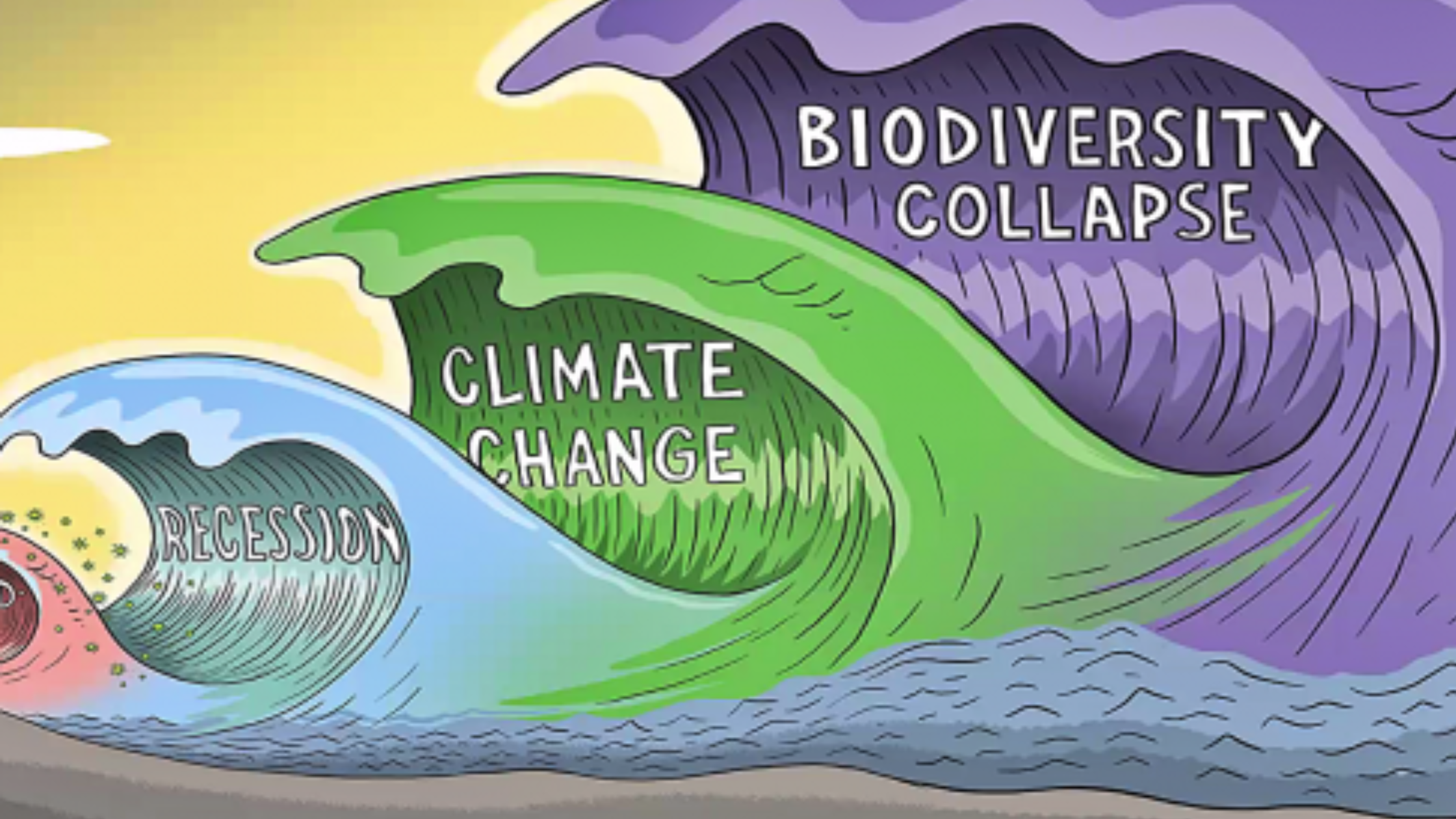
They’re not “two crises.” They’re two sides of the same coin.
When we act to restore ecosystems, we also build climate resilience — and vice versa. That’s why the IPCC and IPBES issued a historic joint report in 2021 calling for integrated action on climate and biodiversity. Their message was clear:
“We cannot solve climate change without addressing biodiversity loss, and we cannot halt biodiversity loss without tackling climate change.” (IPBES-IPCC, 2021)
So why aren’t we People For Climate?
Because climate is nature. It’s not something separate. And because our mission goes beyond emissions — it’s about reconnecting people with the living systems that sustain us: air, water, soil, wildlife, and ecosystems.
We believe that by empowering citizens with science-based tools to understand both climate and biodiversity, we can inspire deeper action for all of nature.
Let’s stop treating these challenges as separate problems. Let’s work with nature, not against it.
Believe in a better future? So do we.
At People For Nature, our mission is bold: to educate 27,000 Australians by 2027 on climate and biodiversity, empowering them to take meaningful action for our planet.
Your donation fuels citizen-powered education that turns knowledge into action—and action into lasting change. Donate today and be part of the change.
💚 Together, we can shape a planet-boundaries literate Australia.
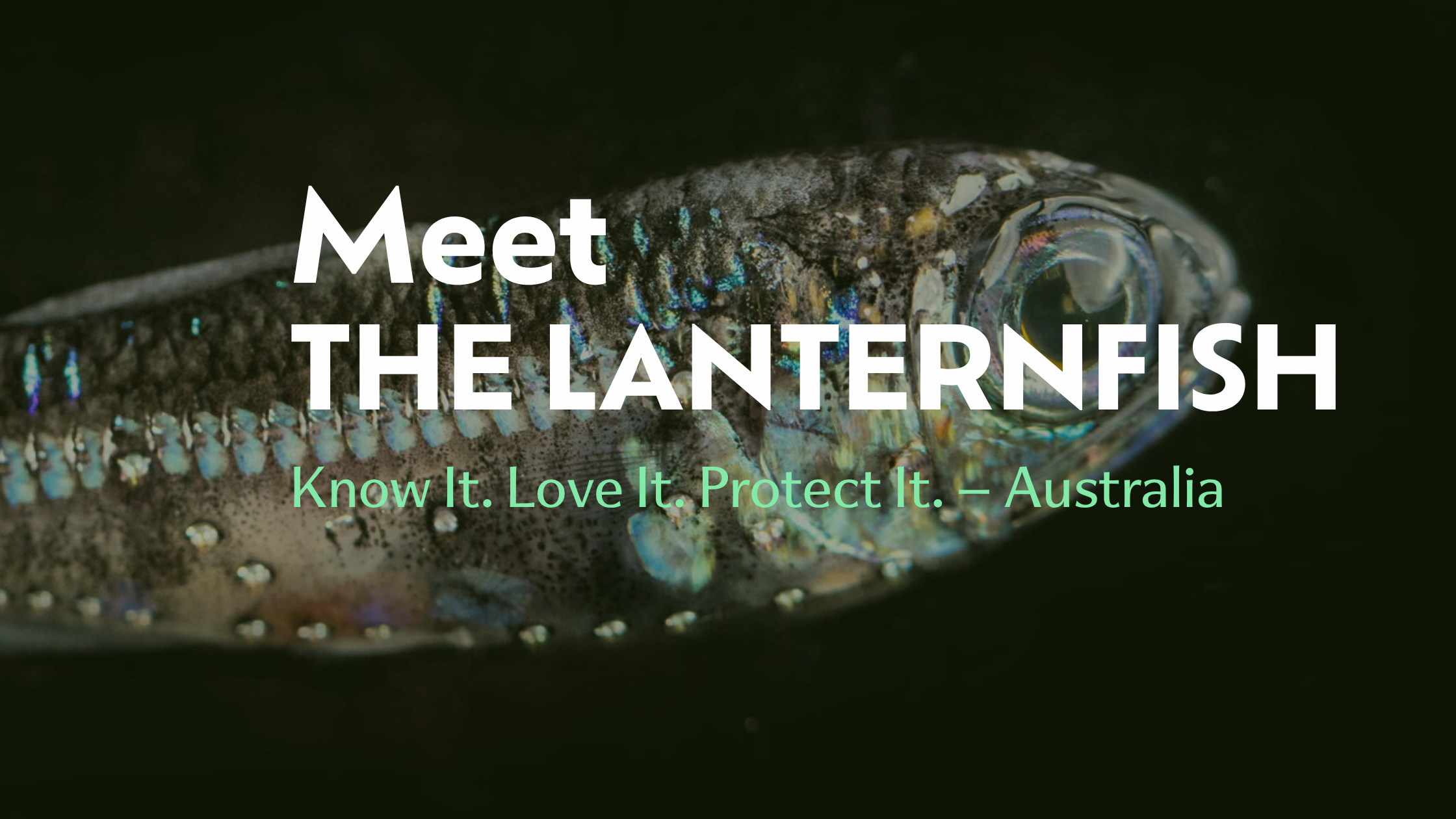
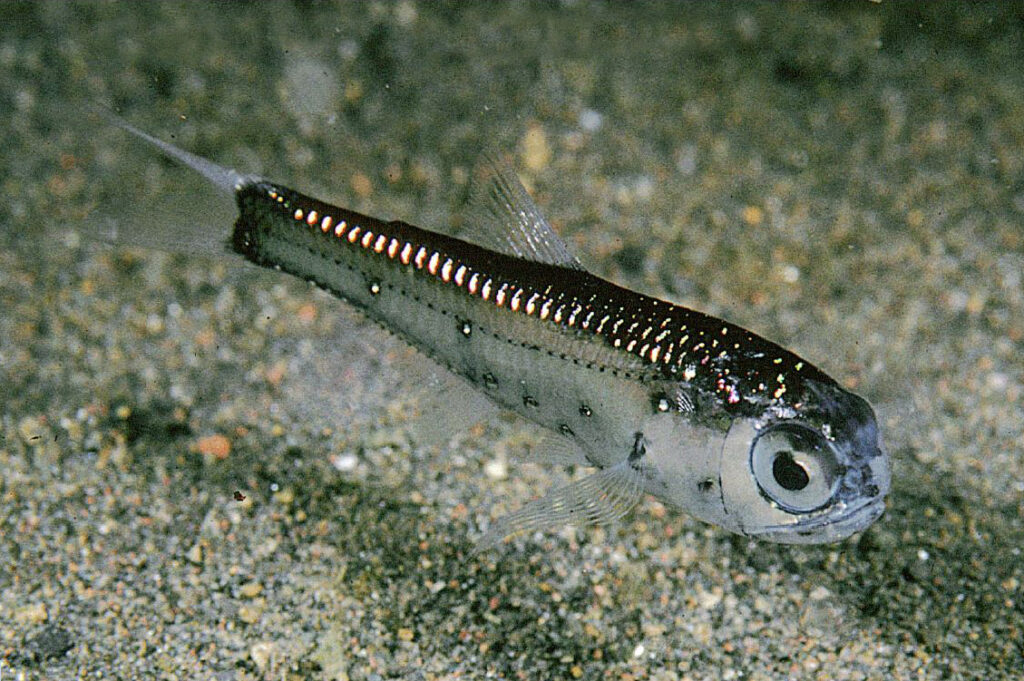
Hidden beneath the ocean’s surface is one of the most abundant groups of vertebrates on Earth, the lanternfish, a small deep-sea fish that plays an enormous role in keeping marine ecosystems healthy.
With at least 250 species worldwide, many of which occur in Australian waters, lanternfishes spend their days in the deep ocean before rising towards the surface each night to feed.
Their remarkable daily movements are part of one of the largest animal migrations on the planet.
Why it matters
Lanternfishes are essential to the health and functioning of ocean ecosystems.
🐟 They provide an important food source for larger fish, squid and seabirds
🌊 They help transfer energy between the ocean’s surface and deeper waters
🌙 Their nightly feeding migrations contribute to the movement of carbon from surface waters to the deep ocean
🕸️ They play a key role in supporting marine food webs across the globe
Despite their small size, lanternfishes are among the ocean’s most important connectors, linking different parts of the marine ecosystem through their movements and feeding habits.
Fun facts
🤓 Lanternfishes get their name from light-producing organs called photophores on their bodies
🤓 Their glowing photophores help them camouflage in dark waters and communicate with one another
🤓 Although they are typically only 3 to 35 centimetres long, they are among the most abundant vertebrates on Earth
🤓 Some species travel more than 500 metres every day during their vertical migrations in search of food
A deeper reflection
The lanternfish reminds us that some of the most important species on Earth are also among the least visible.
Few people will ever see a lanternfish, yet these tiny deep-sea animals help sustain marine food webs and play an unexpected role in the global carbon cycle.
Despite their abundance, lanternfishes face growing pressures from deep-sea fishing, climate change and light pollution, which can disrupt their natural migration patterns.
In a country with more than 600,000 native species, many found nowhere else on Earth, the lanternfish is a reminder that biodiversity extends far beyond what we can easily see and that even hidden species can have global importance.
How we protect our oceans today will influence the health of marine ecosystems for generations to come.
From Wonder to Action
Learn & understand
Explore how biodiversity, climate, and land systems are deeply connected through our workshops with People For Nature.
Create your Nature Oasis
Plant native species to restore habitat and support the insects, birds, and wildlife that depend on them.
Join citizen science
Record native species around you on iNaturalist and contribute to real conservation data.
Special thanks to Simon Andrews, Ambassador for People For Nature, for helping shape this story)
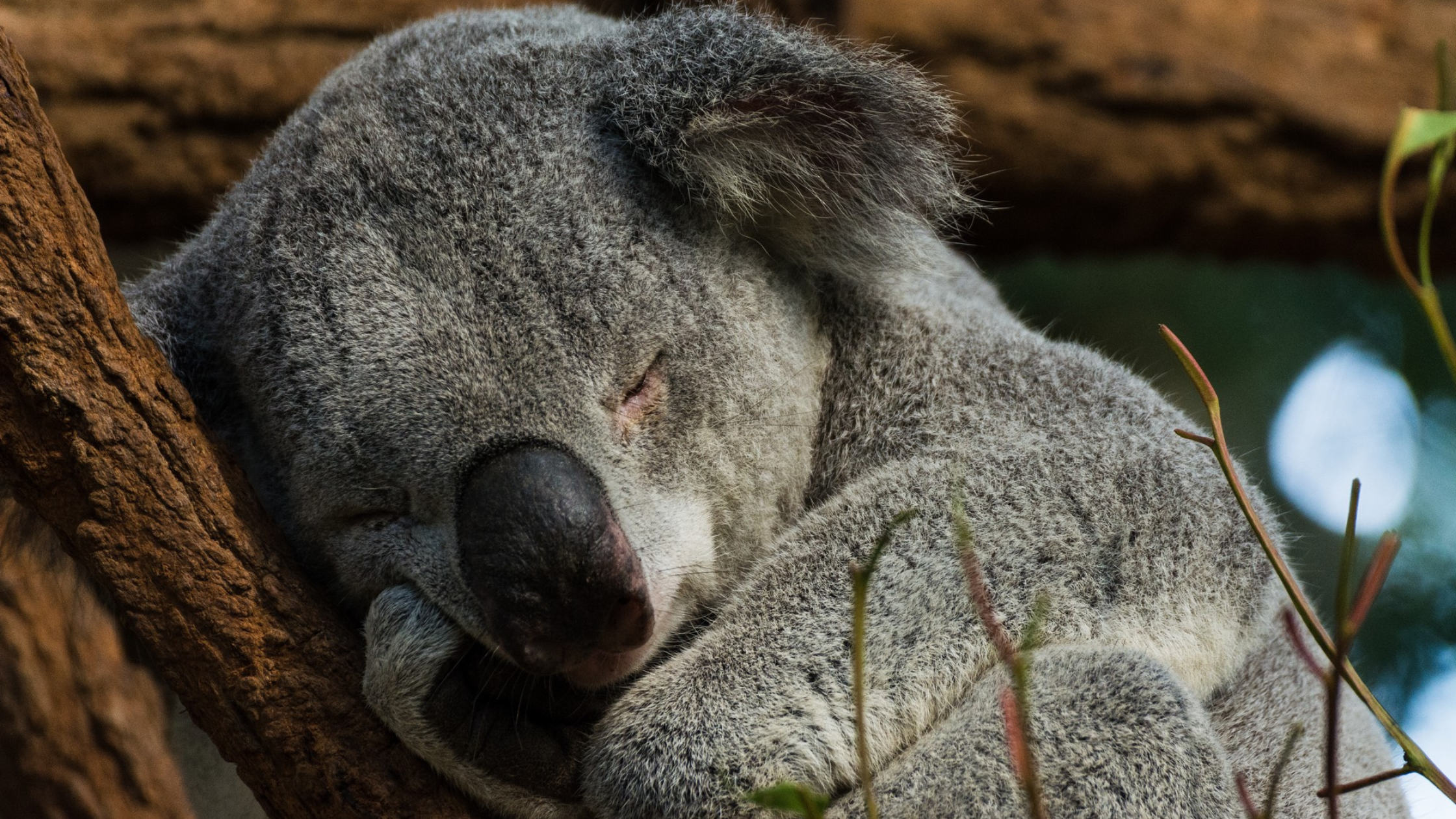
Let’s talk Koalas. Yes, those cuddly leaf-munchers that make Australia famous — and sadly, are quietly disappearing from the wild. But what if we told you the key to saving them isn’t locked up in a lab or buried in a government report… but lying on the forest floor?
That’s right. Poop.
More precisely, Koala poop — or “scat,” if we’re being scientific.
💡 From Droppings to Data
Understanding how Koala populations are structured — which group is still connected to which one, where they can still interact (that’s what a genetic corridor is), and how healthy they are — is absolutely critical to protecting them.
But here’s the catch: traditional methods like trapping and tagging are expensive, slow, and let’s be honest, very stressful for the Koalas themselves.
Enter: the poop scoop revolution.
Over the last decade, Olivia Woosnam worked closely with Dr Wedrowicz and her team to perfect a method first devised by Dr Wedrowicz in the early 2010s.
This optimised method provides a clever, rapid, cheap, and non-invasive way to study Koalas using only their scat. That’s right — no poking, no prodding, just good old DNA extracted from the droppings they leave behind.
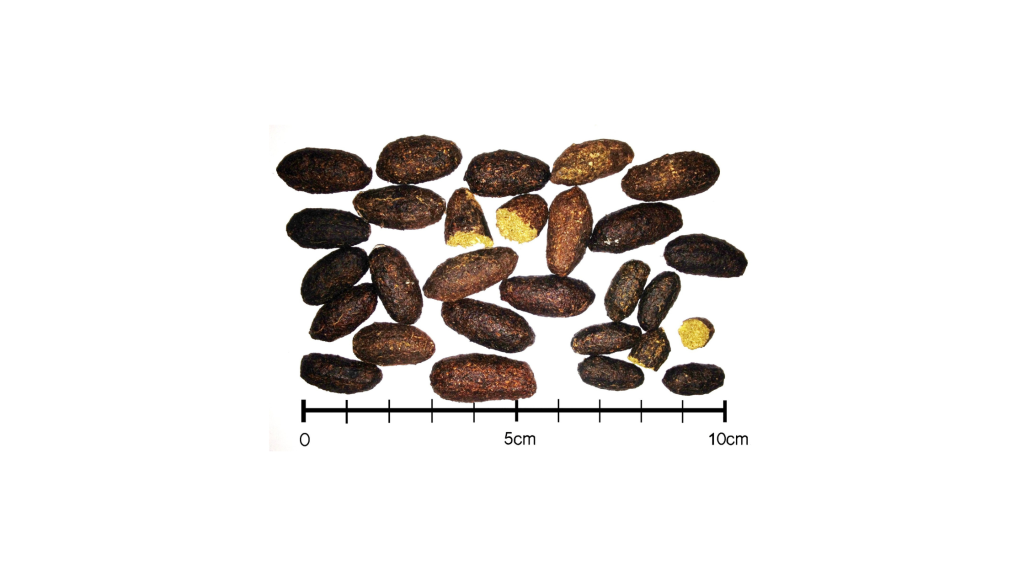
Even though Koalas are often hard to spot in the wild, thankfully they are prolific poopers!
They produce around 150 pellets a day that can remain viable for many weeks, leaving a large trail of DNA behind them wherever they go. This powerful approach allowed to build the largest Koala genetic database in the country, stretching from Victoria to Queensland.
And the best part? Anyone can contribute.
🧬 Science Meets Citizen Power
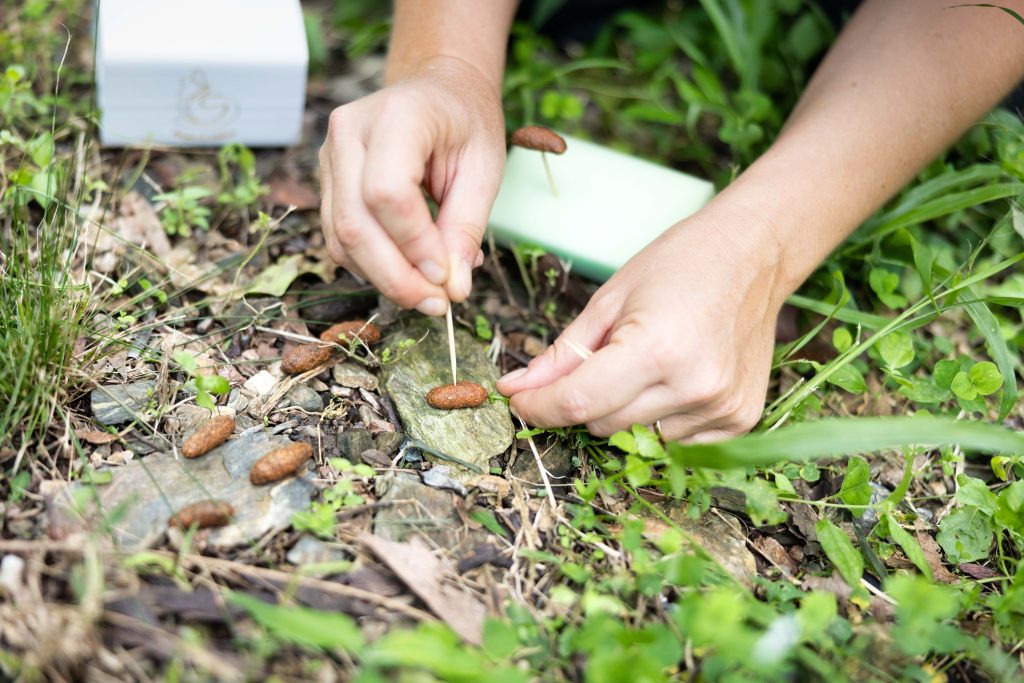
Thanks to this game-changing model, we now have access to a treasure trove of wild Koala DNA — that can now be collected by anyone, without disturbing a single marsupial. With community members, bushwalkers, nature lovers, and local legends banding together with a increasing number of scientists to support them, the data just keeps growing.
Backed by multiple Federal Government projects, this approach is not only scientifically robust, it’s statistically powerful, rapid, and incredibly cost-effective.
In other words: it works, it’s fast, and it won’t cost the Earth (pun intended).
🌏 What’s Next?
At People For Nature, we’re calling on fellow conservationists, councils, and everyday Aussies to get behind a bold plan: roll this model out across all of Eastern Australia.
The goal?
Identify and scientifically describe every Koala population that is still hanging in there today — so we can ‘put them on the map’ and advocate for their conservation before it’s too late.
By empowering communities to lead local monitoring efforts, we can adapt conservation strategies in real time. It’s practical, scalable, and actually fun.
(There’s something oddly thrilling about finding poop with purpose.)
And for those who may be grossed out by the idea of scat: luckily enough Koala pop is ‘dry’ to the touch! No, you won’t get poop all over your hands. If you do, then that’s actually a tell-tale sign that this ain’t Koala scat.
🐨 Why It Matters
Koalas are in serious trouble — especially across Eastern Australia where populations are plummeting. Time is running out to protect what’s left. But with this community-driven, eDNA-based model, we have a real shot at turning things around.
So the next time you’re out on a hike and spot what looks like an olive pit underfoot — pause. It might just be the beginning of the next big Koala breakthrough.
Want to help?
Your donation will support our community-driven koala genetic monitoring program. By empowering people power, we collect vital data to protect koalas and their habitats. Every dollar is used efficiently to maximise conservation impact.
We’re excited to share that People For Nature is now a proud member of the Containers for Change scheme across Queensland and Western Australia!
This means that anyone returning eligible drink containers in these states can choose to donate their 10-cent refund directly to our charity — helping us educate, empower, and reconnect communities with nature.
🌿 What Is Containers for Change?
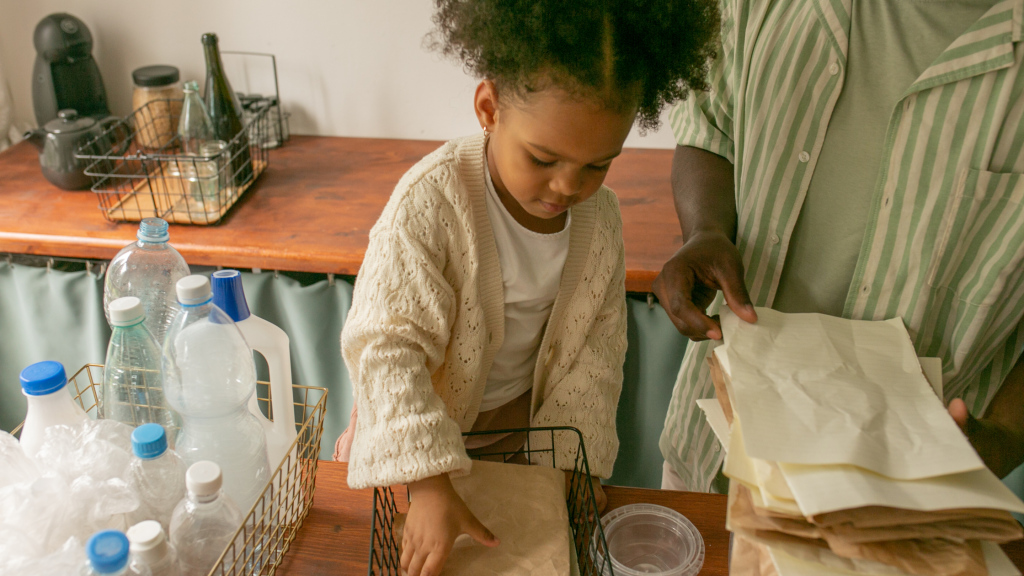
Containers for Change is a state-run container refund program that aims to reduce litter and increase recycling by offering a 10-cent refund for every eligible drink container returned.
By encouraging individuals to recycle thoughtfully, the program not only reduces waste and conserves resources — it also provides an opportunity to support local charities and community groups.
💚 Why It Matters
Australians use over 13 billion drink containers each year. A large portion ends up in landfill or as litter, particularly in waterways and natural environments, where they can take hundreds of years to break down and cause harm to wildlife and ecosystems.
Programs like Containers for Change help:
Reduce waste and pollution
Keep litter out of nature
Encourage a circular economy
Support local charities and community causes
And the best part? You can choose to support People For Nature with your refund.
Your donation can help fund:
Free climate and biodiversity workshops
Community education programs
Citizen science and nature-based action projects
🧃 How You Can Help
It’s simple:
Collect eligible drink containers – typically aluminium, glass, plastic, steel and liquid paperboard containers between 150ml and 3L.
Return them to a refund point in QLD or WA.
Enter our Scheme ID to donate your refund to People For Nature:
QLD Scheme ID: C11593214
WA Scheme ID: C11593239
Each 10-cent refund adds up — and contributes to a healthier planet and a stronger community movement.
🌏 Good for Nature, Good for You
Taking part in Containers for Change isn’t just an act of recycling — it’s an act of regeneration.
By taking responsibility for the waste we create, we reduce our environmental footprint, shift towards sustainable behaviours, and support the kinds of solutions we need to tackle climate change and biodiversity loss.
Let’s turn waste into action — one container at a time.
Thank you for standing with us for nature. 🌿
📚 References & Sources
Australian Packaging Covenant Organisation (APCO), Australian Packaging Consumption and Recycling Data 2021–22, https://apco.org.au
Australia’s landscapes are breathtaking — from ancient rainforests and coral reefs to sunburnt deserts and alpine peaks. But our climate is changing fast, and families across the country are feeling the effects: hotter summers, unpredictable weather, more bushfires, and biodiversity loss.
Here’s how Australian families can take meaningful climate action — together.
1. Start Conversations at Home
Climate action begins with awareness. Talk about climate change with your children in age-appropriate ways. Nature documentaries, books like The Lorax, or visiting local parks and wildlife sanctuaries can spark curiosity and concern.
💬 Ask questions like: What do you love most about nature? What do you want to protect?
2. Eat more mindfully
Food is one of the biggest contributors to greenhouse gas emissions. Simple swaps can have a big impact: 🥦 Add more plant-based meals to your week 🛒 Choose locally grown, seasonal produce 🍴 Avoid food waste by planning meals and using leftovers creatively
3. Reduce, Reuse, Repair
Australia’s waste per capita is among the highest in the world. Teaching children to be conscious consumers builds lifelong habits. 🧸 Organise a toy swap with friends 🛠️ Fix broken household items together 👕 Buy second-hand or opt for quality over quantity
4. Green Your Travel
Transport is a major emissions source in Australia. Even small changes help: 🚲 Walk, ride bikes, or take public transport when possible 🚗 Carpool with other school families ✈️ Try to avoid flying, consider closer destinations for holidays and more creative ways to get to your destination (a train trip with kids can be such an adventure!)
5. Get Into Nature — and Protect It
Spending time outdoors fosters a love for the environment. It also improves wellbeing and resilience. 🌱 Join a local bushcare group or conservation event 🦋 Start a Native Oasis in your backyard to support pollinators 📸 Participate in citizen science projects like FrogID or the Aussie Backyard Bird Count
6. Join a Local Action Group
You don’t have to do it alone. Connect with other parents who care about the future by joining a local group through Parents for Climate. 👣 Whether it’s attending a school climate event, advocating for better policies, or simply meeting other families on the same journey, community brings strength — and joy — to climate action.
7. Support Climate Education
Knowledge empowers action. Encourage schools to integrate climate and sustainability topics. 📚 Join a local a local Climate Fresk For Kids workshops 🎨 Creative nature-based learning through art, storytelling, and games
8. Use Your Voice — Together
Teach kids the power of civic action. Write to your local MP, attend community events, or join school campaigns for better recycling or tree planting.
🗳️ Vote for leaders who prioritise climate 📢 Support organisations that protect nature and educate communities
Why Family Climate Action Matters
Children today will inherit the decisions we make — or fail to make. Taking action as a family shows that caring for the Earth is a shared responsibility, and that every choice counts.
It doesn’t have to be perfect. Just start where you are, with what you have.
Because when families lead, communities follow. And when communities act, systems can change.
Believe in a better future? So do we.
At People For Nature, our mission is bold: to educate 27,000 Australians by 2027 on climate and biodiversity, empowering them to take meaningful action for our planet.
Your donation fuels citizen-powered education that turns knowledge into action—and action into lasting change. Donate today and be part of the change.
💚 Together, we can shape a planet-boundaries literate Australia.
Australia’s Nature Strategy 2024–2030 outlines a bold vision for halting and reversing nature loss, reconnecting people with nature, and fostering a future where both our natural environments and communities can thrive. While the strategy presents ambitious national goals, citizen-led actions play a crucial role in turning these policies into reality on the ground.
One of our key initiatives helping to advance this vision is Nature Oasis—a citizen-led movement that empowers individuals to take action in their own backyards, communities, and beyond. By becoming Nature Oasis Ambassadors, Australians can make a direct contribution to preserving and restoring our unique ecosystems. Let’s explore how these grassroots efforts align with the priorities of Australia’s Nature Strategy.
Engaging All Australians in Conservation
One of the main priorities of the strategy is to engage all Australians in caring for nature. The Strategy highlights the need for a culture of environmental stewardship, where people take active responsibility for the natural world around them.
Citizen-led actions, like those championed by Nature Oasis, are integral to this objective. By providing accessible tools, resources, and workshops, initiatives like Nature Oasis bring environmental action into everyday lives. Whether it’s restoring a local patch of bushland, planting a native garden, or creating wildlife habitats, these small yet significant actions have a ripple effect, inspiring others to get involved.
Nature Oasis encourages people from all walks of life to sign the Nature Oasis Charter, commit to best practices for supporting native wildlife, and contribute to a growing map of nature-positive spaces. This fosters a collective, national effort that aligns directly with the strategy’s call to empower Australians to take care of their environment.
Protecting and Conserving Nature in Partnership with Communities
Australia’s Nature Strategy places great emphasis on conservation efforts that are community-driven. It recognizes that the power to protect nature lies not just in policy but in the collective action of people working together.
Citizen-led projects, such as Nature Oasis, contribute directly to this goal by creating spaces where individuals and communities come together to restore and protect local habitats. Every citizen-led restoration, whether it’s regenerating a small garden or protecting a local wetland, is a direct step toward halting the decline of biodiversity.
Through programs that focus on building community involvement, these initiatives support Australia’s broader conservation goals. By planting native species, restoring vital ecosystems, and creating safe havens for wildlife, citizens become active participants in conservation, working in tandem with local and national efforts.
Bridging the Gap Between Policy and Practice
One of the biggest challenges in achieving national environmental goals is ensuring that policies translate into meaningful actions at the local level. The Nature Oasis initiative helps bridge this gap by providing a platform for individuals and communities to act in line with the national strategy.
Each citizen-led action—no matter how small—contributes to the collective effort to enhance biodiversity and achieve the targets set out in the strategy. From urban backyards to regional parks, these grassroots actions make environmental policy tangible and accessible. By empowering citizens to become part of the solution, Nature Oasis fosters a sense of ownership and responsibility, helping to close the gap between policy ambition and practical outcomes.
Why Citizen-Led Action Matters
Australia’s Nature Strategy sets the stage for a future where nature is safeguarded and restored, but achieving its vision requires the participation of every Australian. Citizen-led actions make this vision possible. Initiatives like Nature Oasis demonstrate the power of individual and collective action in achieving national conservation goals. These grassroots movements ensure that conservation efforts are not confined to policy but are integrated into everyday life, bringing people closer to nature and ensuring the survival of our unique wildlife for generations to come.
Ready to Get Involved?
Nature Oasis invites you to become a Nature Oasis Ambassador and help us create a network of citizen-driven conservation efforts across the country. By signing the Nature Oasis Charter, you can commit to best practices that support the flourishing of native wildlife and flora in your own backyard.
Let’s work together to make Australia’s Nature Strategy 2024–2030 a reality.
Sign the Charter today and start your journey as a nature ambassador! 🌱
Your donation supports citizen-powered change for nature.
By contributing to People For Nature, you’re helping us empower everyday individuals to take meaningful action for the environment. Your support enables us to deliver education, foster community-driven conservation initiatives, and inspire a movement of citizen scientists and conservationists.
In stadiums, on fields, and across oceans, sport unites people like few other forces can. It transcends borders, cultures, and generations. But beneath the roar of the crowd and the thrill of the game lies a growing realisation: sport does not exist in a vacuum. It is deeply connected to the climate and biodiversity crises – and has a unique role to play in shaping solutions.
The Challenge: Sport Is Both Impacted by and Impacts Nature
Climate change is already affecting the sports world. Heatwaves are disrupting tournaments, wildfires are cancelling matches, and rising sea levels threaten coastal venues. At the same time, the global sports industry—through travel, infrastructure, apparel, and sponsorship—has its own environmental footprint.
Biodiversity loss also poses hidden threats. From deteriorating air quality to water scarcity and increased risk of pandemics, the systems that support healthy ecosystems are the same ones athletes and fans rely on every day.
The Opportunity: Sport as a Force for Change in Australia
Sport holds a unique place in Australian culture — it unites communities, shapes identities, and inspires action. With millions of Australians involved as players, fans, and volunteers, sport provides a powerful platform to champion environmental responsibility and spark meaningful change.
But to harness this influence effectively, action must be informed, deliberate, and grounded in education.
That’s where systems thinking comes into play.
Seeing the Bigger Picture: Systems Thinking in Australian Sport
Systems thinking is about understanding the whole picture. It helps us see how climate and biodiversity are deeply connected to economics, health, infrastructure, social equity—and yes, sport.
Applying a systems lens to environmental education in Australia’s sports sector means going beyond one-off actions (like installing recycling bins at footy grounds) and tackling the root causes of environmental challenges. It prompts us to ask:
How does the supply chain for sports gear contribute to deforestation or water stress in Australia and our region?
What climate risks threaten local community clubs and grassroots sport—from floods to extreme heat?
How can we design sporting events to support biodiversity and regenerate local landscapes?
What influence can Aussie athletes have in shaping public attitudes toward climate and nature?
Education grounded in systems thinking equips sporting bodies, leaders, and fans to shift from reactive to proactive—from small changes to bold, systemic impact. from reactive to proactive—from incremental to transformative.
What This Looks Like in Practice
At People for Nature, we believe in making complex science accessible and actionable. Through facilitated workshops and collaborative learning experiences, we help sports professionals connect the dots between climate, biodiversity, and their everyday decisions.
We focus on:
Understanding interdependence – between humans, nature, and the systems that govern sport.
Empowering leadership – by building capacity in clubs, leagues, and athletes.
Fostering innovation – encouraging regenerative practices and nature-positive design.
Creating ripple effects – so that what starts on the field spreads into communities, policies, and businesses.
A Call to Action
The time to act is now. The climate and biodiversity crises are not distant threats—they are here, and they’re affecting the sports we love. But with knowledge, courage, and collaboration, sport can be a force for regeneration.
Let’s reimagine what it means to play, compete, and win—on a thriving planet.
Your donation supports citizen-powered change for nature.
By contributing to People For Nature, you’re helping us empower everyday individuals to take meaningful action for the environment. Your support enables us to deliver education, foster community-driven conservation initiatives, and inspire a movement of citizen scientists and conservationists.