Across Australia, our Ambassadors are deeply concerned by the questions young children are already asking about their future:
“Will the climate be worse when we grow up if people don’t do anything about it?”
These questions highlight a reality that cannot be ignored:
Climate literacy should not be optional.
Imagine if our politicians, teachers, or business leaders did not know English or maths. Would we trust them to make decisions on our behalf? Most of us would agree that these basic skills are non-negotiable for anyone in a position of responsibility.
Yet, while education systems ensure that reading, writing, maths, history, and science are taught to everyone, understanding climate change and biodiversity is often left as a choice. And unlike optional subjects,
Climate literacy is fundamental to the decisions that shape our communities, our economies, and our lives.
Climate literacy gives leaders the knowledge and tools to make informed choices — about energy, food systems, urban planning, and conservation. It empowers them to act responsibly, advocate effectively, and implement solutions that safeguard the natural world for the generation growing up today.
At People For Nature, we go beyond awareness — we empower.
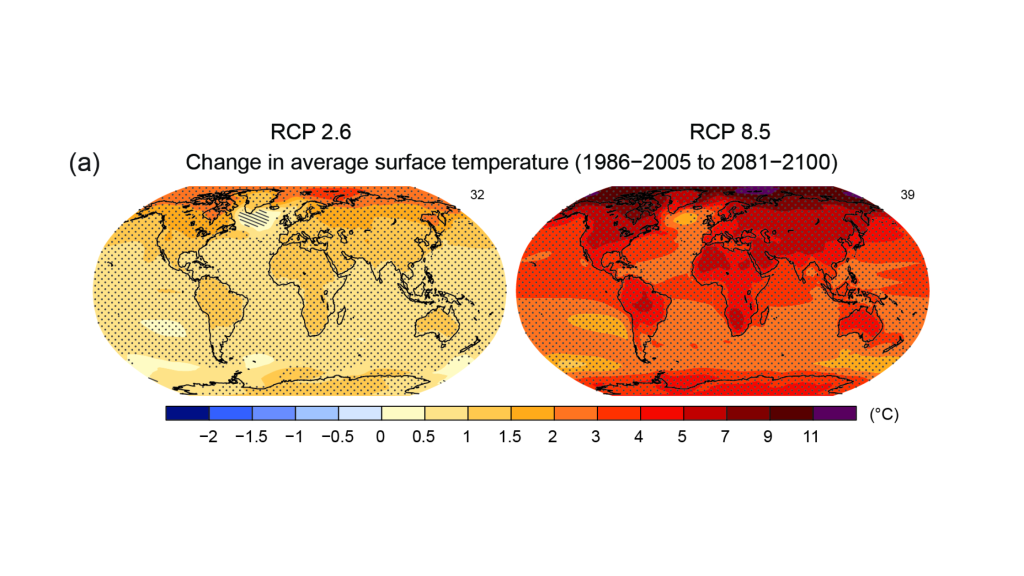
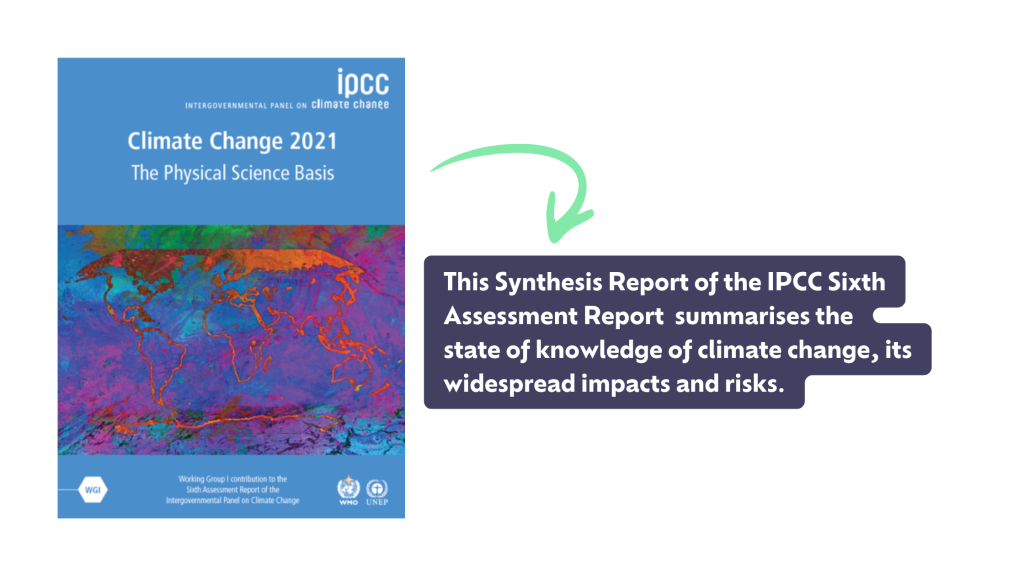
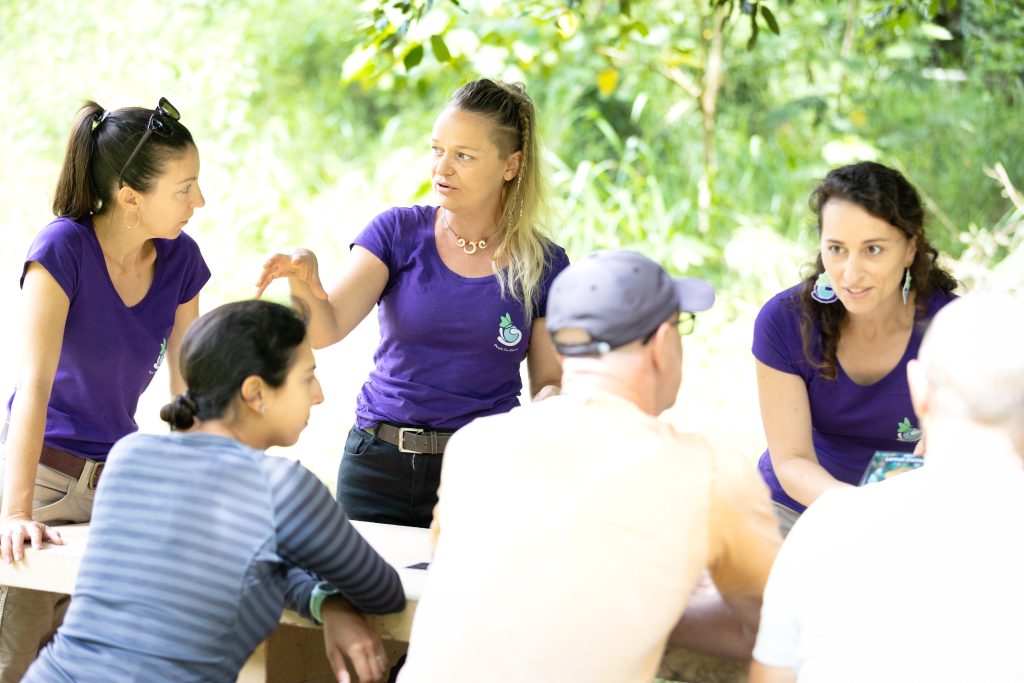
Our workshops are designed so that everyone, regardless of background, can understand the science behind climate change. Participants explore the work of the Intergovernmental Panel on Climate Change (IPCC), including the contributions of its working groups and the data that underpin global climate reports.
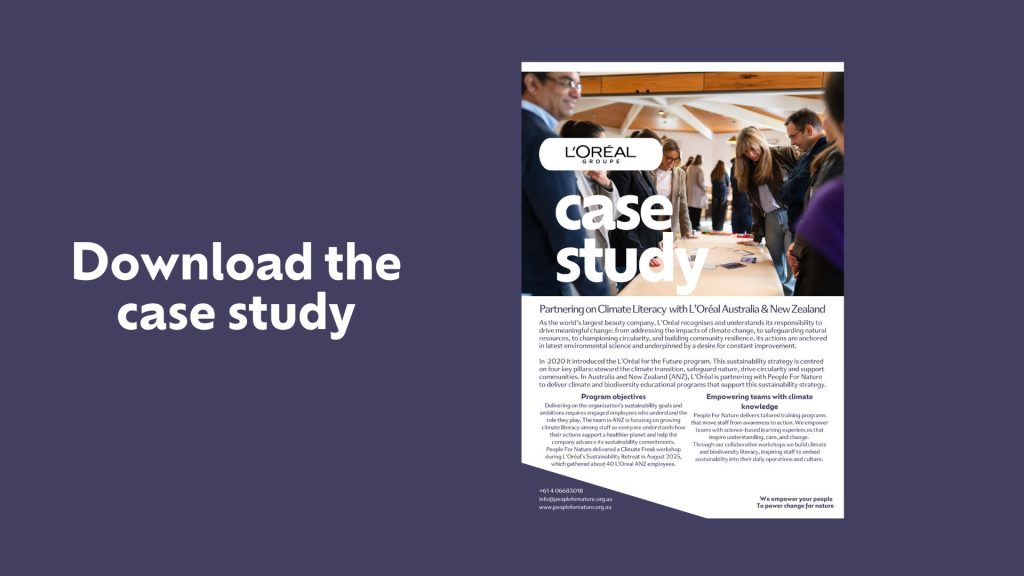
As the world’s largest beauty company, L’Oréal recognises and understands its responsibility to drive meaningful change: from addressing the impacts of climate change, to safeguarding natural resources, to championing circularity, and building community resilience, its actions are anchored in latest environmental science and underpinned by a desire for constant improvement.
In 2020 it introduced the L’Oréal for the Future program. This sustainability strategy is centred on four key pillars:
– Steward the climate transition;
– Safeguard nature;
– Drive circularity;
– Support communities.
In Australia and New Zealand (ANZ), L’Oréal is partnering with People For Nature to deliver climate and biodiversity educational programs that support this sustainability strategy.
Program objectives
Delivering on the organisation’s sustainability goals and ambitions requires engaged employees who understand the role they play.
The team in ANZ is focusing on growing climate literacy among staff so everyone understands how their actions support a healthier planet and help the company advance its sustainability commitments.
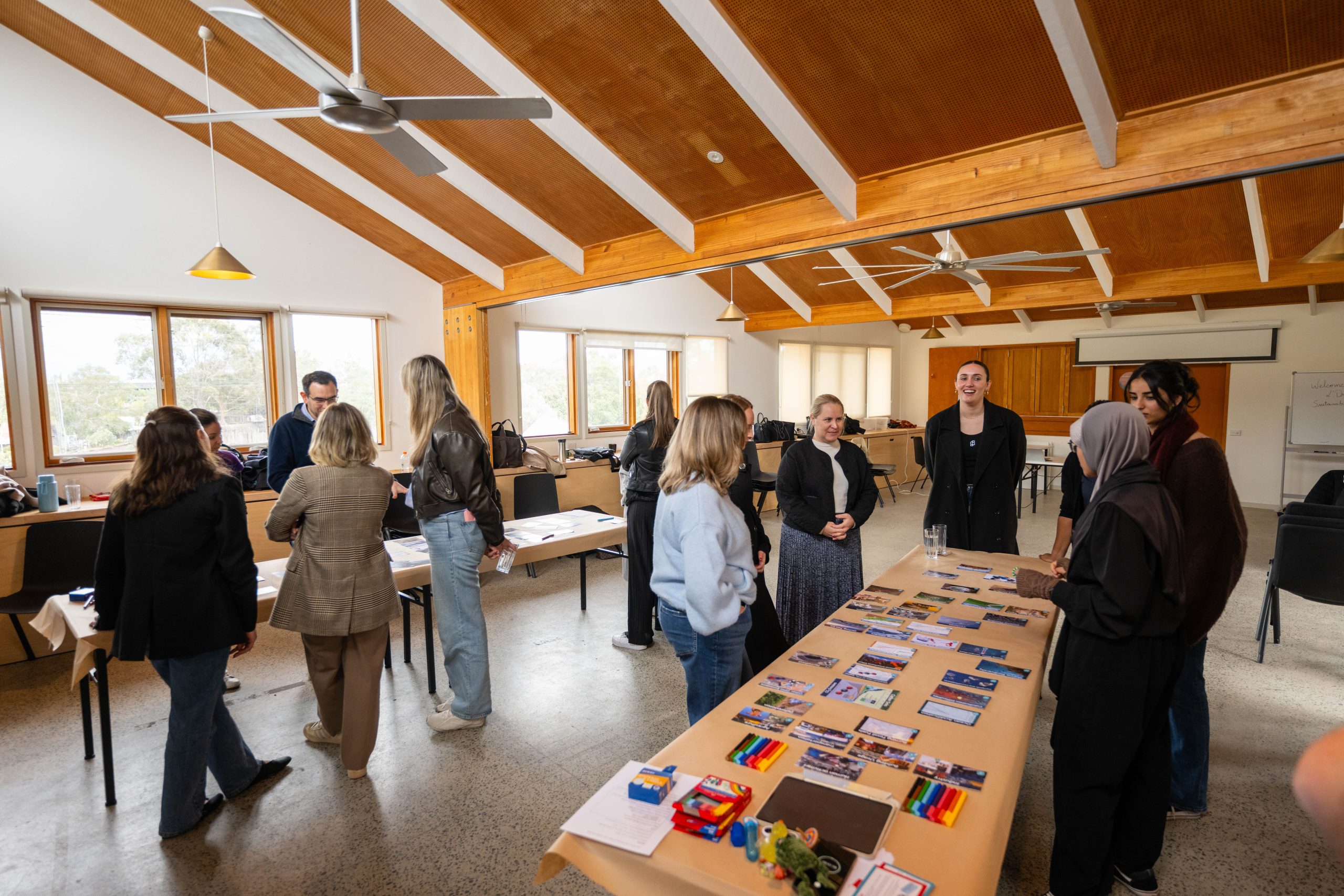
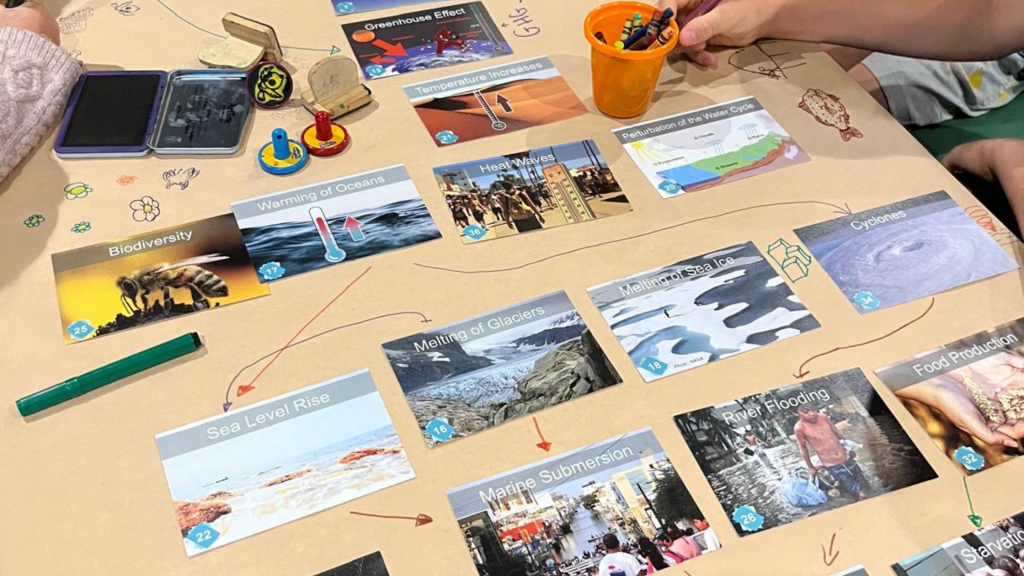
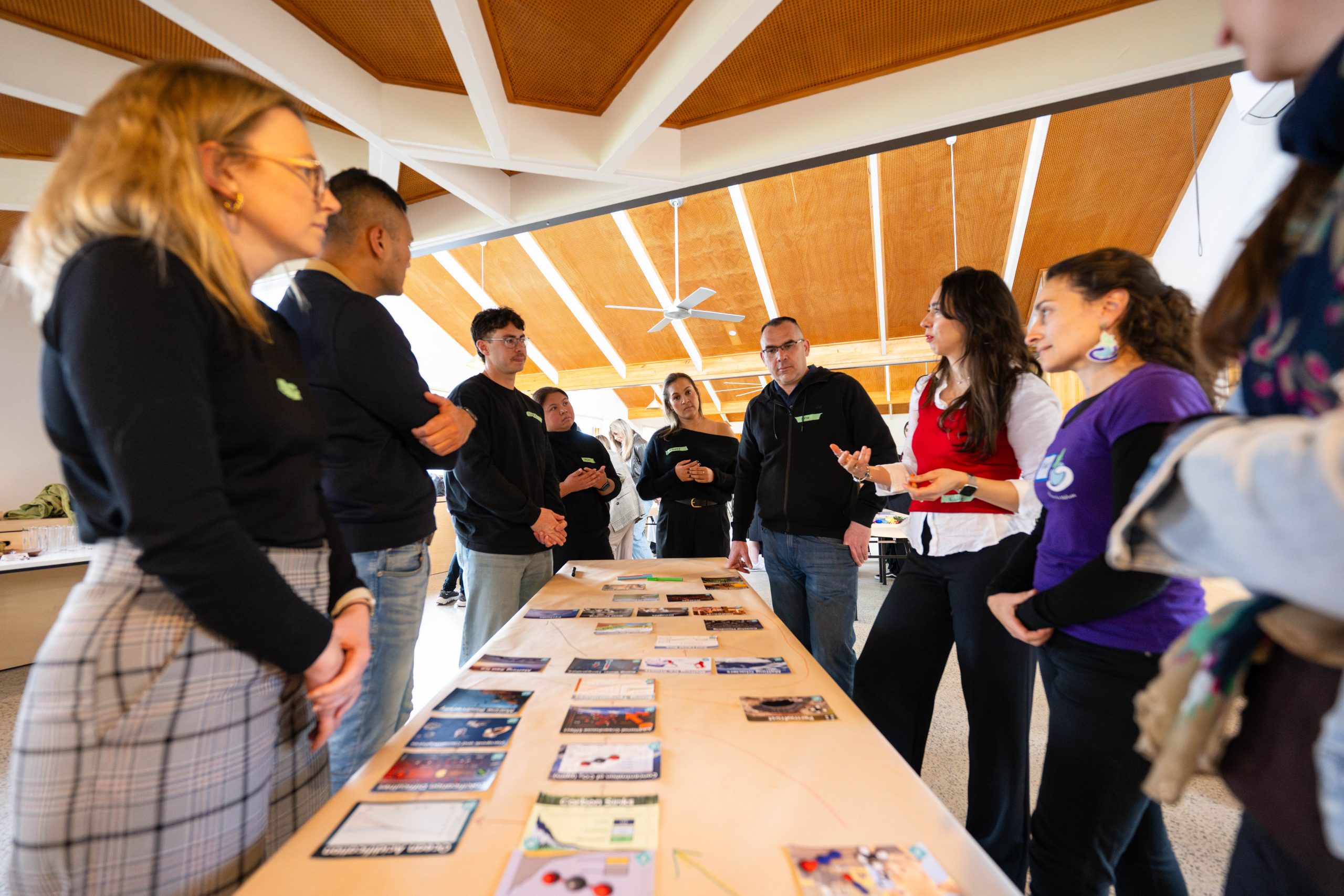
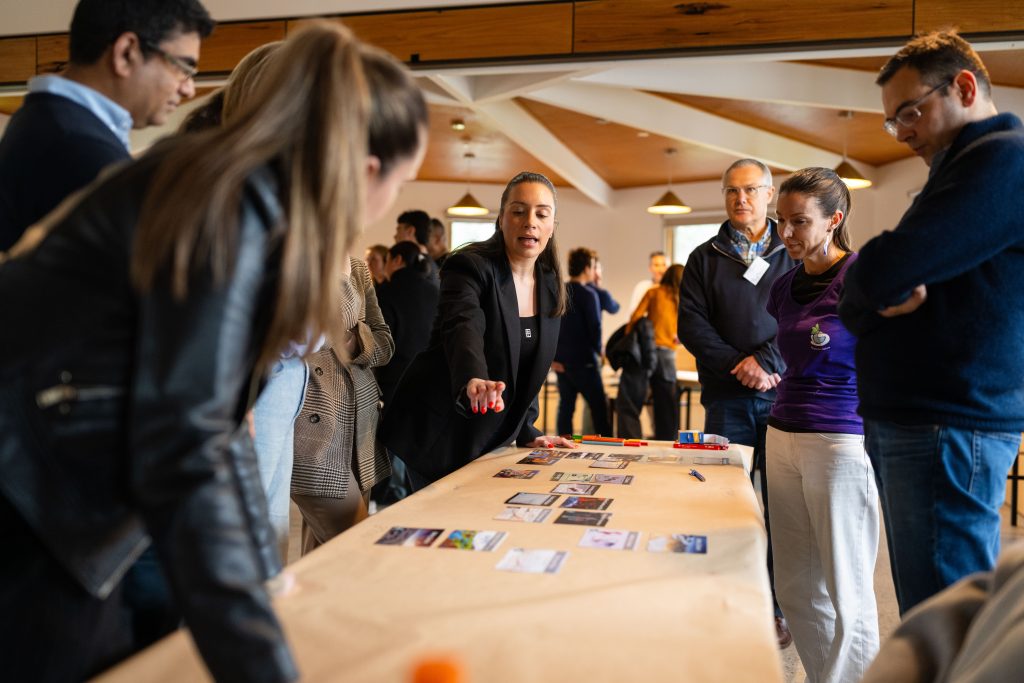
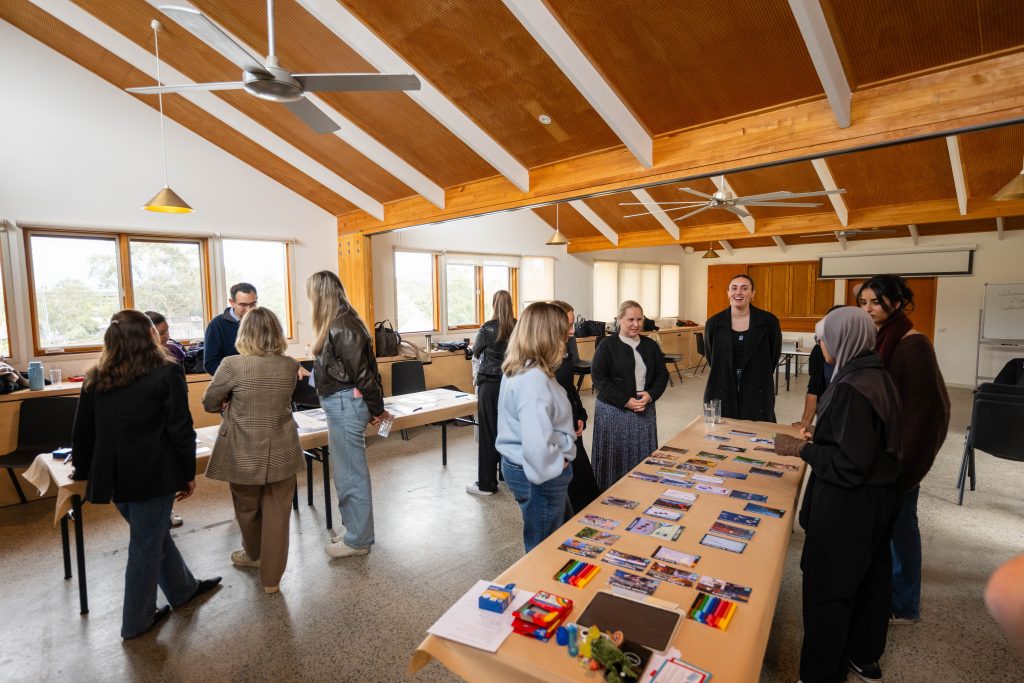
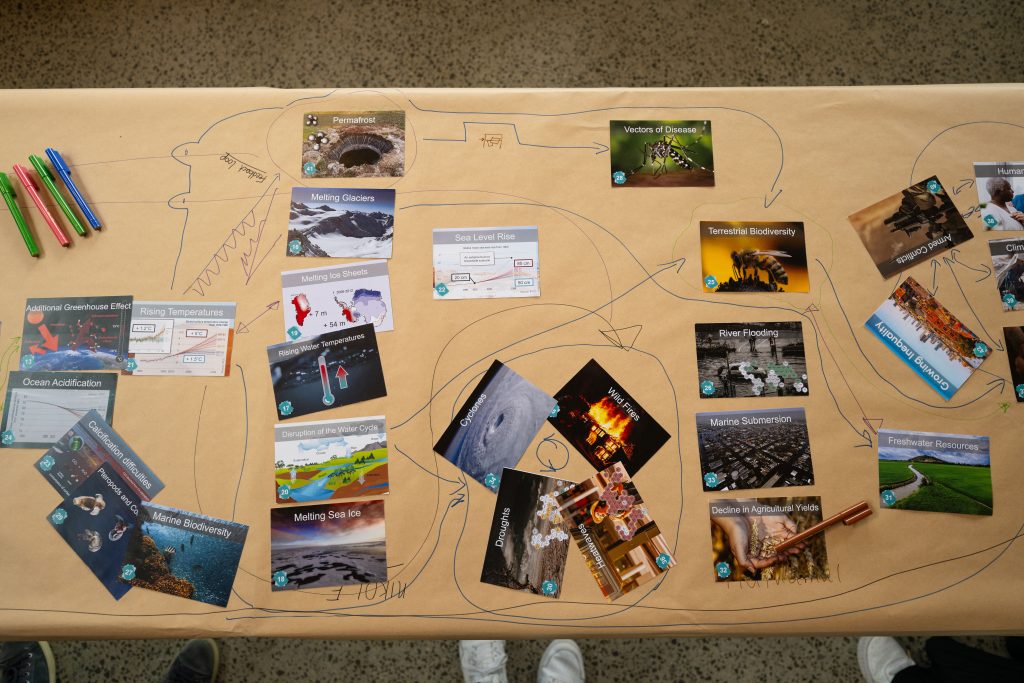
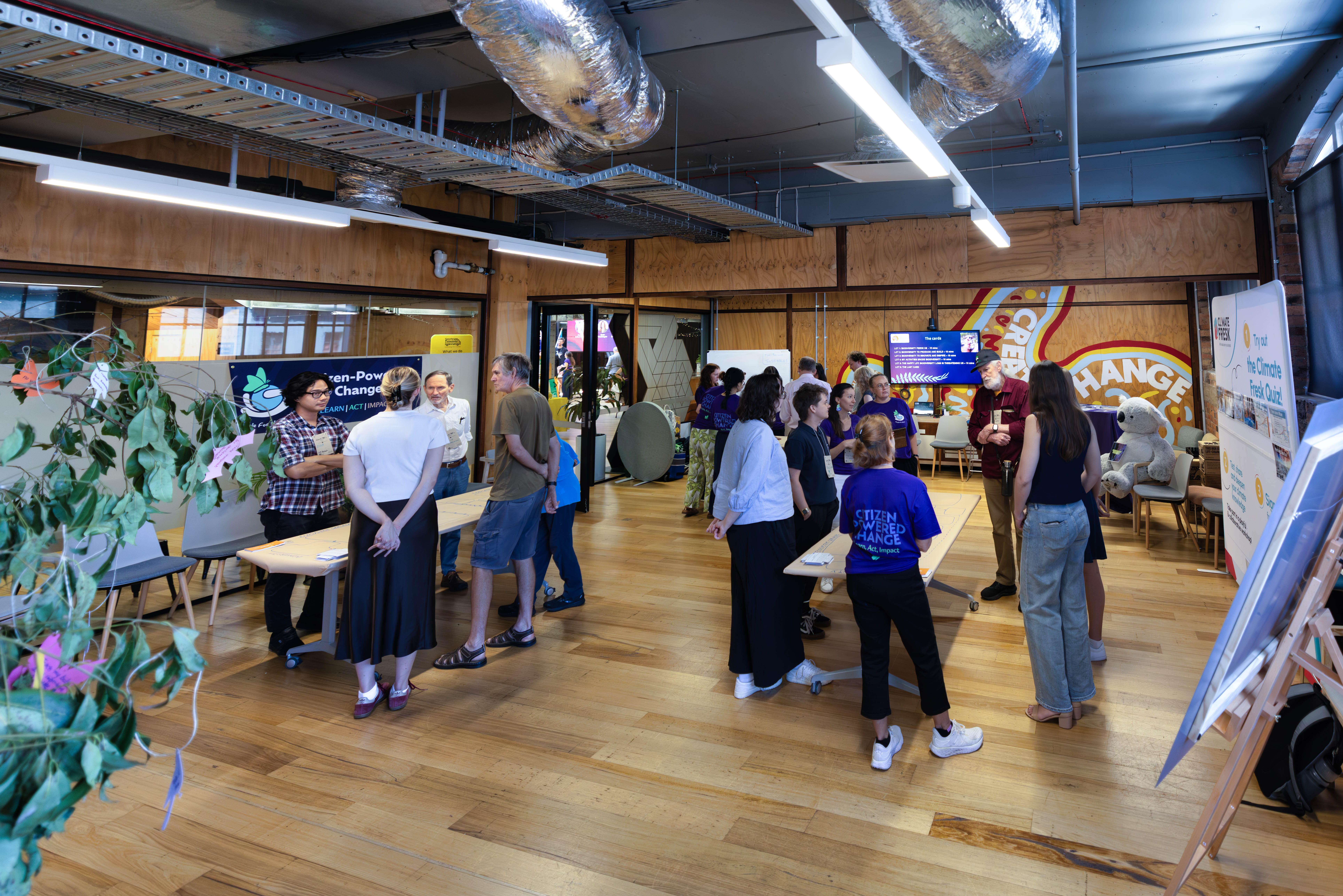
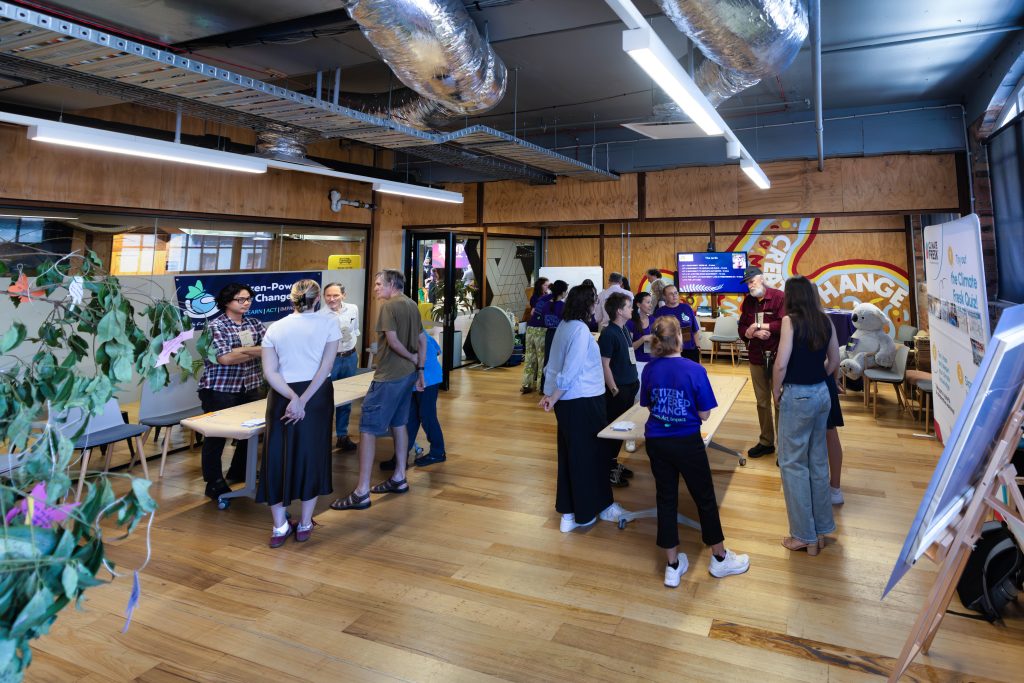
People For Nature delivered a Climate Fresk workshop during L’Oréal’s Sustainability Retreat in August 2025, which gathered about 40 ANZ employees.
Empowering teams with climate knowledge
People For Nature delivers tailored training programs that move staff from awareness to action. We empower teams with science-based learning experiences that inspire understanding, care, and change.
Through our collaborative workshops we build climate and biodiversity literacy, inspiring staff to embed sustainability into their daily operations and culture.
Interested in organising a workshop for your organisation?
We’ll empower your people to power change for nature. Contact us today to find out more.
As we reflect on 2025, we are pleased to acknowledge and celebrate our partnership with Mott MacDonald — an organisation working at the forefront of sustainable infrastructure, engineering, and systems transformation.
Mott MacDonald is an employee-owned engineering and management consultancy with over 20,000 people in more than 50 countries. These teams design, deliver, and maintain infrastructure that connects communities, supports sustainable economic growth, and builds environmental resilience.
Mott MacDonald aims to make a positive difference by delivering sustainable outcomes through its activities and to continuously improve its performance. The teams are committed to collaborating with broader communities to establish actions and make business decisions that consider the climate, environmental, and social aspects of their work.
Their support of AlterCOP 30 Australia – the Australian AlterCOP Chapter brought to Australia by People For Nature in 2025 – reflects this commitment to positive change across buildings and infrastructure, and to engaging with initiatives that bring people closer to climate and nature solutions.
We designed an independent, values-driven gathering running alongside the official United Nations Climate Conference (COP30). Our aim was simple — to create a free and inclusive space where voices often absent from formal negotiations — youth, First Nations leaders, local communities, scientists, artists, and grassroots changemakers — could come together to engage meaningfully with climate and nature action, while actively reducing the environmental footprint of participation itself.
While Australia sent 494 official delegates to COP30, we engaged more than 1,400 people nationwide, extending the spirit of the COP “green zone” through citizen-led events and conversations across the country.
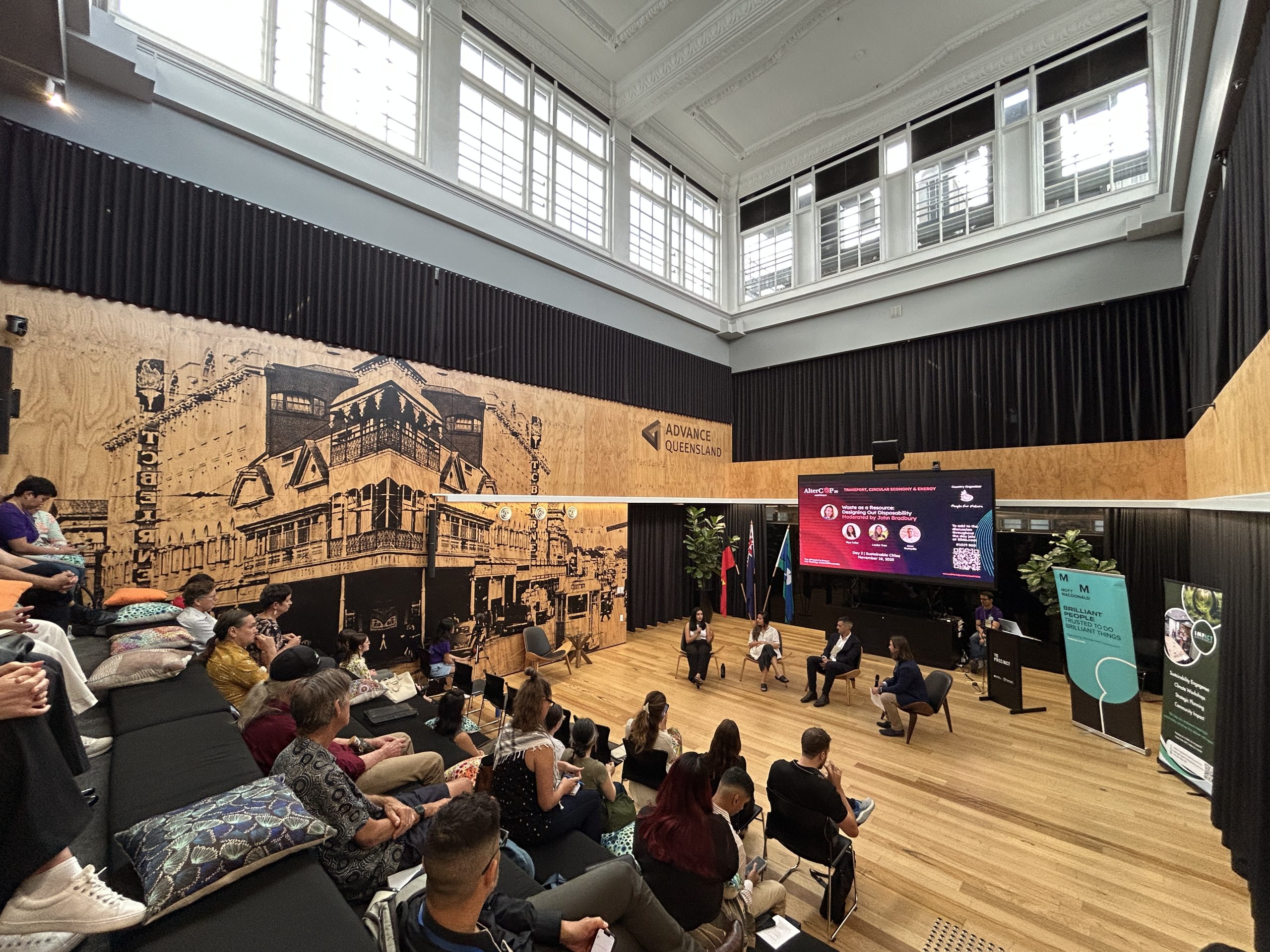
As Riya Tailor, Senior Sciences Engineer and BMS Coordinator – QLD & SAN, at Mott MacDonald shared:
“AlterCOP 30 Australia closely aligned with Mott MacDonald’s commitment to positive change in buildings and infrastructure. Engaging with People For Nature allowed our colleagues, both speakers and attendees, to feel inspired to drive environmental change in their work and personal lives. The event provided valuable insights that will inform future decisions, strengthen our role in creating sustainable places, and inspire ongoing action across the communities and projects we support.”
Alongside this partnership, People For Nature focused on citizen engagement, biodiversity literacy, and participatory learning experiences — helping translate complex climate information into accessible formats that inspire understanding and action.
Together, this collaboration helped strengthen the foundations for what has now evolved into Citizen COP Australia — a decentralised, people-powered movement running alongside global COPs in 2026, designed to make climate and biodiversity action more locally grounded, inclusive, and participatory.
We are deeply grateful to Mott MacDonald for their engagement in 2025. Their commitment to sustainable infrastructure and systems thinking plays an important role in shaping resilient futures, and we look forward to continuing to build connections between engineering, community, and citizen action.
As a charity working at the intersection of climate science, biodiversity, and collective intelligence, we are intentional about who we partner with and how we work together. Sponsorships are not simply a funding mechanism for us — they are a shared commitment to integrity, impact, and long-term systems change.
This is why we’ve developed a clear Sponsorship Philosophy to guide our work and ensure our partnerships serve people, nature, and the public good.
Partnerships, Not Transactions
We believe sponsorships should go beyond logos and visibility. At their best, they are purpose-driven partnerships that enable meaningful action, learning, and impact.
Our sponsorships are designed to:
deliver tangible outcomes for biodiversity conservation and climate education,
strengthen climate and nature literacy within organisations,
support citizen-led and place-based initiatives,
and contribute to a more equitable and regenerative future.
This approach helps ensure that our work — and the work of our partners — creates lasting value well beyond a single campaign or event.
Our Role: Translating Science Into Action
People For Nature exists to make complex environmental science accessible, engaging, and actionable.
Grounded in authoritative research and inspired by participatory learning approaches such as the Climate Fresk, our workshops and programs use collective intelligence to help people:
understand the science behind climate change and biodiversity loss,
explore systemic risks and interconnections,
engage in informed dialogue,
and identify meaningful pathways for action.
Through sponsorship partnerships, we scale this work responsibly — supporting education, community empowerment, and long-term resilience across Australia.
What We Look For in Partners
We partner with organisations that demonstrate:
a genuine commitment to environmental sustainability and social responsibility,
openness to learning, reflection, and transformation,
respect for evidence-based decision-making,
a desire to engage their people meaningfully on climate and nature,
and an ambition to contribute to measurable, real-world impact.
Alignment of values, intent, and impact ambition is essential. When alignment is strong, partnerships are more effective, credible, and enduring.
Our Ethical Boundaries
Integrity is non-negotiable.
Guided by the EIANZ Code of Ethics and our charitable purpose, People For Nature does not engage in sponsorships with organisations whose core activities conflict with our environmental mission.
This includes activities that:
drive fossil fuel extraction or expansion,
contribute to deforestation or biodiversity destruction,
undermine climate science or environmental protections.
We reserve the right to decline or conclude partnerships that compromise our independence, credibility, or public trust.
How We Design Our Partnerships
Every sponsorship partnership is intentionally designed.
Our approach is:
Impact-led — tied to clear outcomes in education, conservation, and community empowerment,
Transparent — with defined scope, expectations, and review points,
Collaborative — co-designed where appropriate, without compromising independence,
Balanced — recognition and visibility are proportionate and secondary to impact.
This ensures partnerships remain grounded in substance, not symbolism.
Accountability and Honest Reporting
We are committed to clear, honest communication with our partners and broader community.
Depending on the partnership, this may include:
annual impact and insights briefings,
program-level reporting,
qualitative and quantitative outcomes,
lessons learned — including what didn’t work.
We believe credibility comes from reporting reality, not just success stories.
Our Commitment
In every partnership, People For Nature commits to:
acting with integrity, independence, and care,
stewarding funds responsibly and transparently,
prioritising people and nature over growth or branding,
maintaining public trust in our work.
We seek partners who see sponsorship not as visibility, but as shared stewardship — a chance to contribute to a thriving future for people and the planet.
Our Partners
This philosophy is not theoretical — it is reflected in the organisations we already work with.
Our current partners include values-aligned organisations across climate education, biodiversity, business, and community sectors who share our commitment to integrity, evidence-based action, and long-term impact. They engage with us not for visibility alone, but to meaningfully support climate and nature literacy, empower people, and contribute to systemic change.
We are proud to collaborate with partners who:
invest in learning and capability-building,
respect scientific evidence and collective intelligence,
support citizen-led and place-based action,
and are willing to lead with integrity.
If this philosophy resonates with you, we’d love to explore what meaningful partnership could look like together: info@blog.peoplefornature.org.au
A living link to Australia’s ancient past, the echidna is one of the world’s most extraordinary mammals and one of only two egg-laying mammals on Earth, alongside the platypus.
Often overlooked as it quietly moves through forests, grasslands and even suburban backyards, this spiny species belongs to one of the oldest surviving mammal lineages on the planet: the monotremes.
It is a reminder that Australia is not just home to unique wildlife, it is home to deep evolutionary history still alive today.
Why it matters
The echidna plays an important ecological role far beyond what its quiet presence suggests.
🐜 It feeds on ants and termites hidden beneath soil and logs
🕳️ Its constant digging aerates soil and improves structure
🍂 It helps cycle organic matter back into the earth
🌱 Its activity supports seed burial and carbon storage in soils
In doing so, the echidna contributes to the health of entire ecosystems, from soil fertility to vegetation growth and carbon dynamics.
It is a small animal with a large ecological footprint.
Fun facts
🤓 Echidnas lay eggs, one of the rarest reproductive strategies among mammals
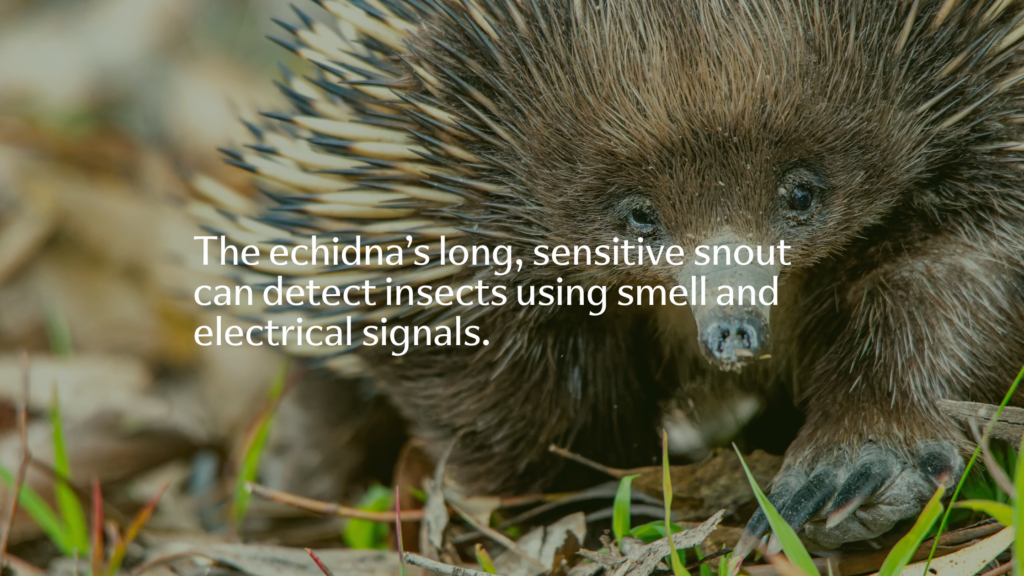
🤓 Their long, sensitive snout can detect insects using smell and electrical signals
🤓 During mating season, males may follow a female in a line known as an “echidna train”
🤓 They have survived largely unchanged for millions of years
A deeper reflection
The echidna challenges how we think about “primitive” and “advanced” in nature.
Despite its ancient lineage, it is highly adapted to modern Australian landscapes, surviving fires, droughts, and fragmented habitats.
But like many native species, it now faces pressure from:
😢 land clearing and habitat loss
😢 domestic dogs and road mortality
😢 changing fire regimes and climate stress
In a country with over 600,000 native species, most found nowhere else on Earth, the echidna is a quiet reminder that biodiversity is not just something we observe, it is something we are actively shaping.
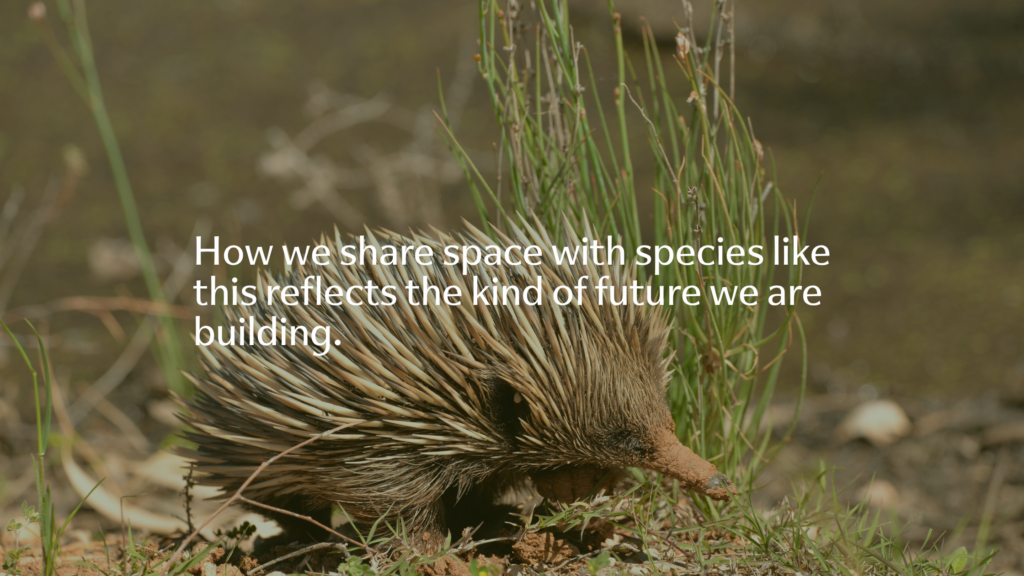
How we share space with species like this reflects the kind of future we are building.
From Wonder to Action
Learn & understand Explore how biodiversity, climate, and land systems are deeply connected through our workshops with People For Nature.
Protecting biodiversity doesn’t have to be complicated. Small actions, taken consistently, can make a real difference for the plants, animals, and ecosystems we rely on every day. Here are a few simple ways anyone can start helping nature right now.
1. Welcome Nature Into Your Space
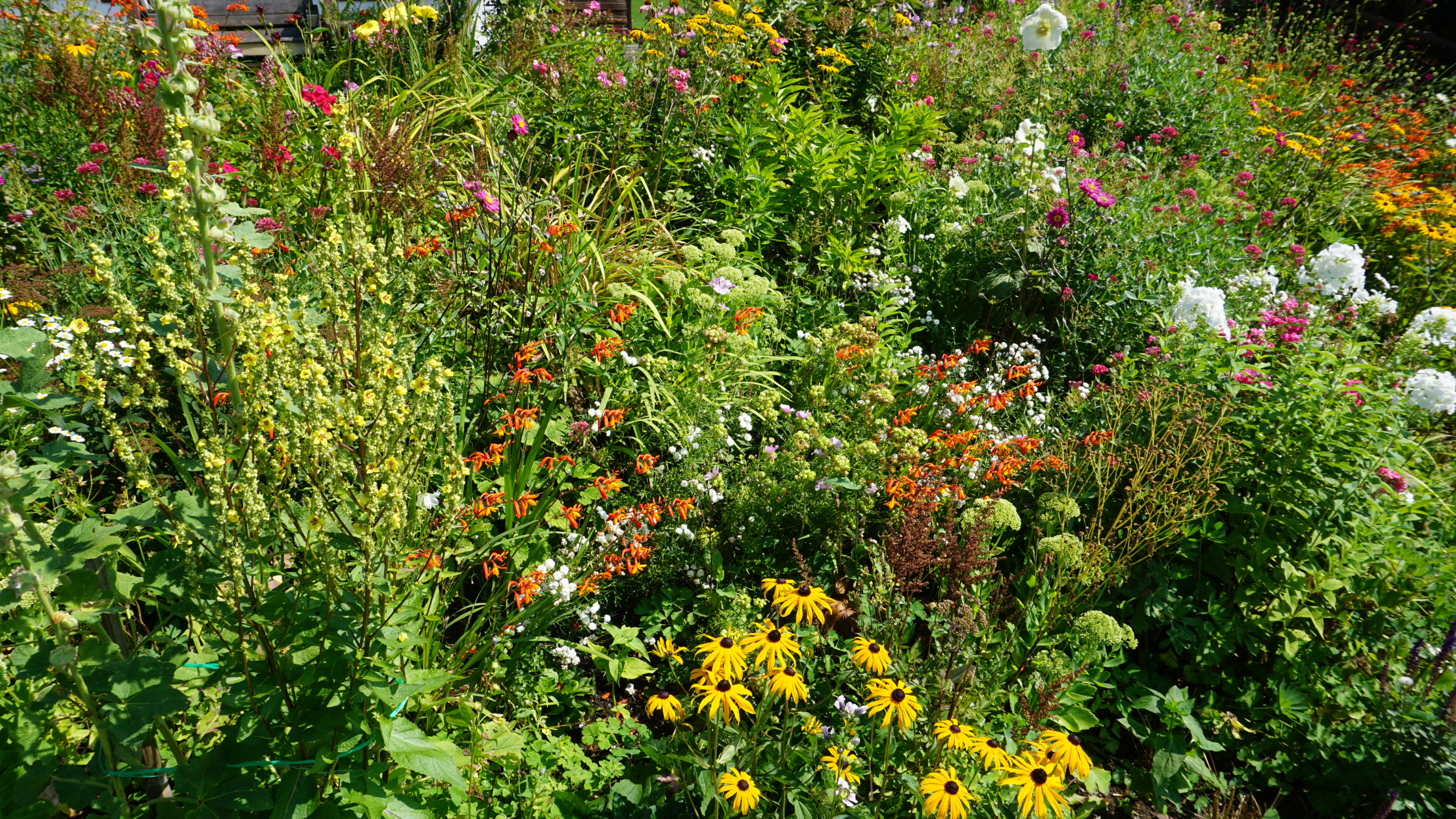
Whether you have a backyard, balcony, or even just a windowsill, you can create habitat. Add native plants, leave a few wild corners, or put out a small dish of water for birds and insects. Nature thrives when we make room for it.
2. Choose Native Plants
Native species support local wildlife far better than exotic plants. They provide food, shelter, and resilience. Even one native plant can become a tiny oasis.
3. Reduce Chemicals
Pesticides and herbicides harm insects, soil health, and waterways. Try natural alternatives, spot weeding, or simply accepting a few “imperfections” as part of a healthy ecosystem.
4. Shop With Nature in Mind
Support farmers and businesses that protect biodiversity. Choose products that are organic, sustainably sourced, and free from unnecessary packaging.
5. Join Local Citizen Science
From bird counts to waterway monitoring, citizen science helps track the health of our ecosystems. Anyone can participate—and it’s a great way to learn.
6. Volunteer for Nature
Give a little time to local conservation groups, habitat restoration projects, or community gardens. Volunteering boosts biodiversity and wellbeing.
7. Share What You Learn
Talk with friends, family, and colleagues about the importance of nature. Your enthusiasm can inspire others to take action too.
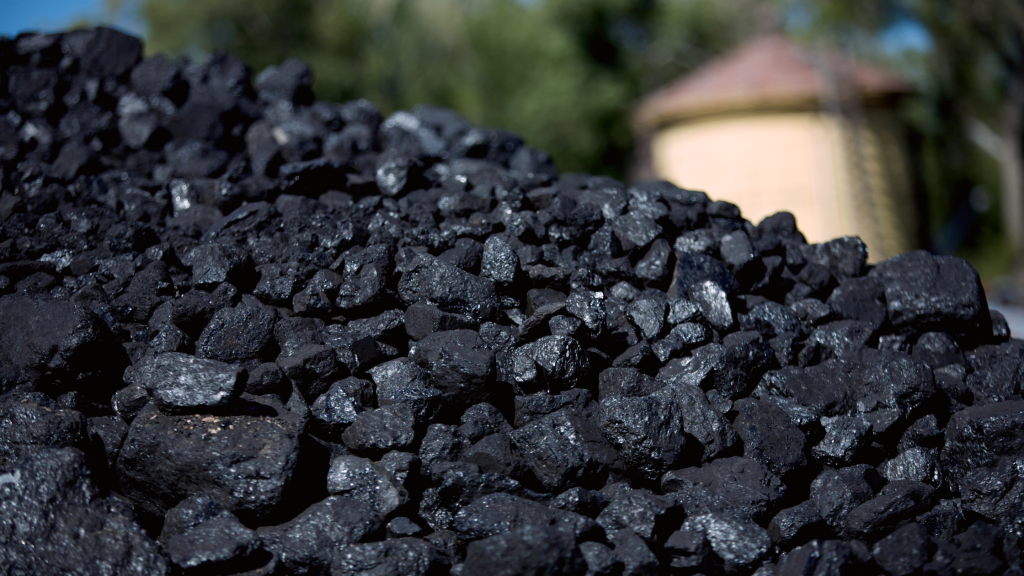
Since the advent of the Industrial Revolution, fossil fuels — coal, oil and natural gas — have underpinned our economic growth and transformed human living standards in a way nothing before could.
Mechanisation, mass manufacturing and new industries became possible once people could tap energy far beyond what human or animal labour alone could supply. Steam engines and then internal combustion engines powered factories, transport, and infrastructure that brought unprecedented productivity and wealth.
Fossil fuels provided the raw energy for electricity generation — lighting homes, powering machines, heating or cooling environments, enabling modern conveniences, health care, global communication, transport, trade and more.
In macroeconomic terms, there’s a strong historical correlation between global primary energy consumption and global GDP (economic production). One recent long‑term study found that physical energy inputs (what we call “primary energy consumption”) have driven both physical capital and human capital, fueling growth across centuries.
Although energy efficiency has improved over time — meaning we now need less energy per dollar of GDP than in the past — the overall scale of energy consumption remains huge, feeding modern complex economies.
Put simply: fossil fuels have supplied the energy surplus — the abundant, high‑density energy — that allowed economies to scale, societies to urbanise, food systems to industrialise, transport and trade to flourish, and living standards to climb globally.
What the “surplus” meant: how fossil energy extended human possibility
Because fossil energy is dense, concentrated, and relatively easy to exploit (especially when reserves are young and accessible), it created a surplus that underpins much of what we consider “modern living.” Some of the key ways that surplus shaped society:
Global mobility and trade — oil-powered shipping, trucking and aviation connected markets, enabled global supply chains, movement of people, goods, and ideas — foundational to globalised economies.
Industrial agriculture and food security — fossil fuels powered machinery, synthetic fertilisers and pesticides, transport of food — enabling production and distribution of enormous volumes of food for billions.
Urbanisation and infrastructure — energy-intensive industries built cities, housing, sanitation, electricity grids, transport networks, communications — enabling high population densities and complex societies.
Access to goods and services — manufacturing of consumer goods, plastics, chemicals, medicines and more all leveraged energy inputs derived from fossil fuels.
Improved health, comfort and longevity — heating or cooling, lighting, medical facilities, global trade of food and medicine, mass agriculture — all contributed to massive improvements in human welfare.
In short: fossil‑fuel surplus didn’t just push GDP numbers up. It expanded the possibility space of what societies could do — allowing humans to transition from subsistence-level existence to global industrial civilisation.
The signs of change — increasing limits on fossil energy, and what that means
But as we move into the 21st century, multiple pressures (sometimes referred to as “planetary boundaries”) — geological, economic, environmental — are signalling that the age of abundant, cheap fossil‑fuel surplus is ending, or at least must be constrained. The consequences will be significant.
Declining surplus and rising constraints
Fossil fuels are finite. While estimates vary, experts warn that under current consumption rates, proven reserves will not last indefinitely, especially when accounting for extraction costs, environmental regulations and declining energy return on energy invested (EROEI).
As fossil energy becomes scarcer or more costly to extract, energy prices rise — and with that, the cost base of industries that rely on cheap, abundant energy: manufacturing, transport, agriculture, logistics. This in turn can slow economic growth or even reverse output.
The tight historical link between energy supply and GDP suggests that declining energy surplus could constrain growth. In the absence of equivalent new energy inputs, some researchers argue economic activity could slow or shift dramatically.
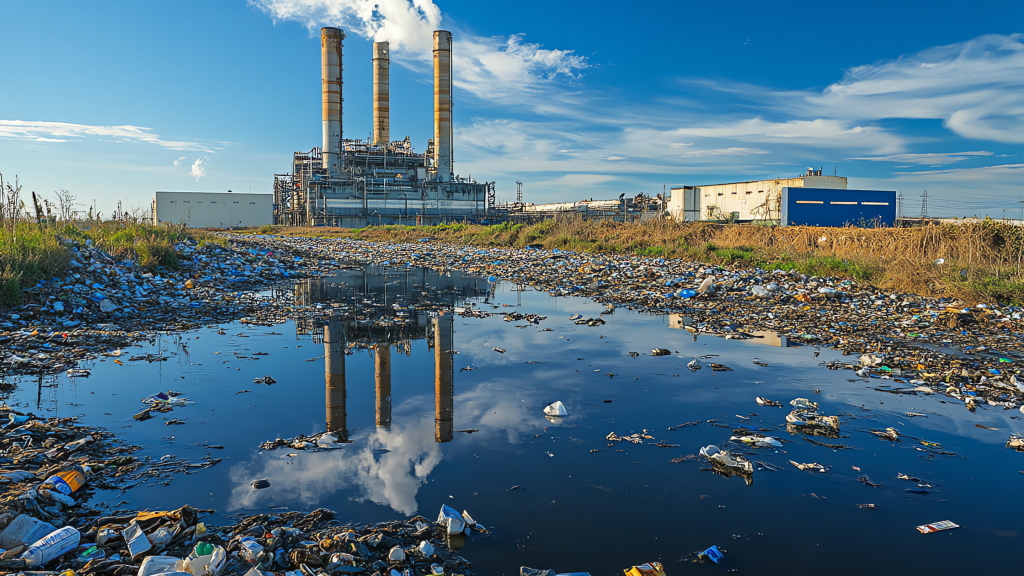
Overconsumption of fossil fuels has also led to major environmental and public health problems — pollution, climate change, biodiversity loss — meaning the “surplus” has come with long-term costs.
What could happen as energy surplus declines
If fossil energy — or accessible, affordable fossil energy — becomes less abundant, several structural shifts become likely:
Re-evaluation of growth paradigms: With energy supply constrained, perpetual economic growth may no longer be sustainable. Some economists argue there may be a thermodynamic cap on how large our global economy can grow — unless we decouple growth from energy consumption via efficiency gains, renewable energy, or radical system change.
Necessity to transition to renewables and sustainable energy systems: To maintain well‑being, economies will need to invest heavily in renewable energy, energy efficiency, electrification.
Restructure of industries reliant on cheap energy: High‑energy industries — like long‑haul transport, heavy manufacturing, conventional agriculture — may shrink or need to transform. Localisation of production, new low‑energy economic models, circular economy, and regenerative practices might become more advantageous.
Potential reduction in consumption, slower growth, simpler lifestyles: Without surplus energy, societies may shift toward lower‑energy consumption, rethinking what “standard of living” means — more local, leaner, less resource-intensive ways of living.
Social and political challenges: Resource scarcity, economic stress, inequality, supply disruptions could trigger instability, especially in fossil-energy dependent economies.
Conclusion — Fossil fuels gave us a head start, but we must not assume the surplus will last
Fossil energy was the diesel behind the engine of industrial civilisation — powering growth, lifting living standards, enabling the modern world. But it was always a borrowed power: ancient biological energy concentrated over millions of years.
As that surplus wanes — through depletion, rising extraction costs, environmental constraints — we can expect deep structural shifts: slower growth, higher costs, transformation of industries, and a need for new paradigms. How well humanity adapts will determine whether we regress, stagnate, or reinvent our societies around sustainability, equity, and harmony with the natural world.
For those committed to biodiversity, climate justice, and education — as you are if you have read this far — this transition is both a challenge and an impetus: an opportunity to help shape the next chapter, grounded in respect for nature’s limits and collaborative human ingenuity.
Volunteer-powered, free & inclusive grassroots climate conference showcased local innovations and action
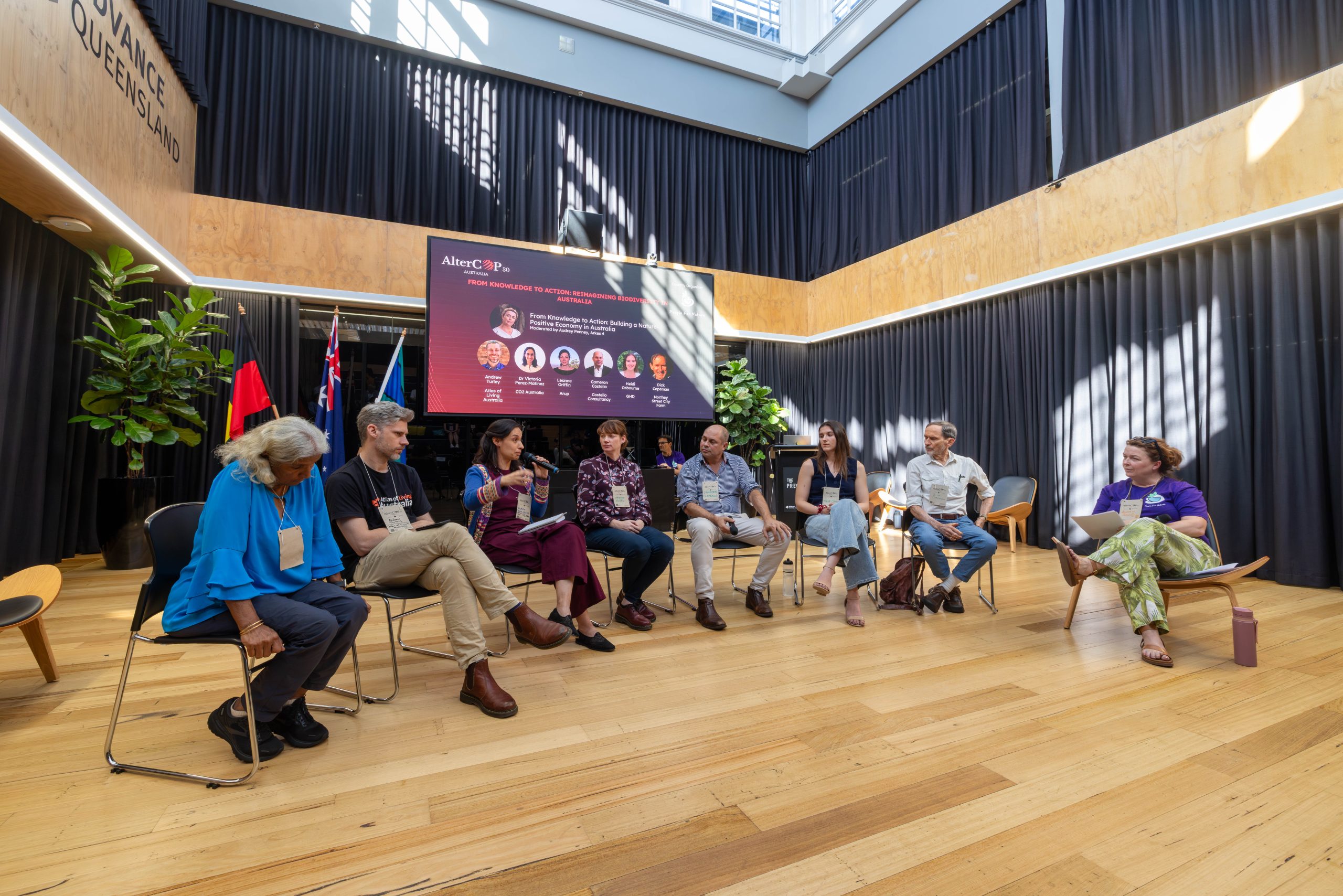
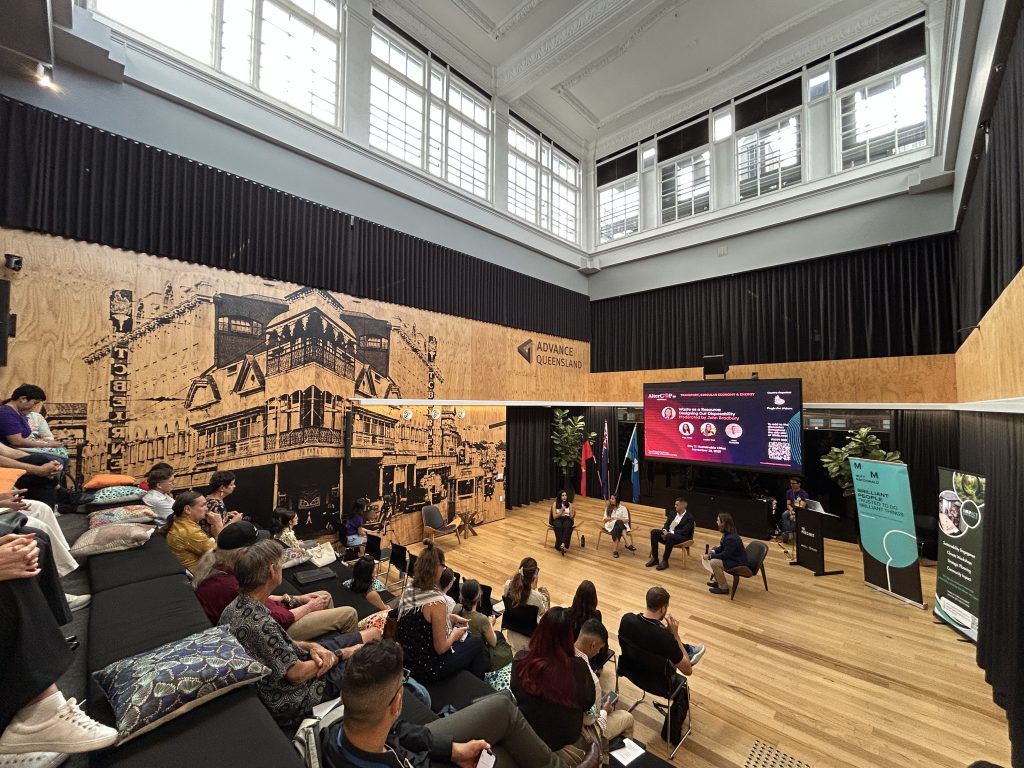
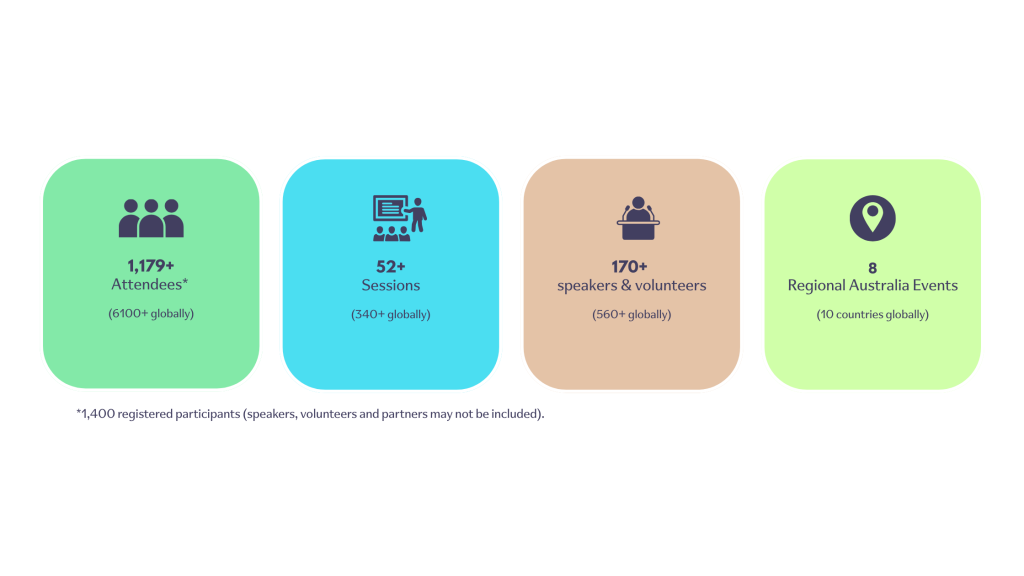
Brisbane, 26 November 2025 – AlterCOP 30 Australia has concluded after four powerful days of community-led climate action, bringing together more than 1,400 registered participants across 42 events nationwide.
Running in parallel to the UN COP30 summit in Brazil, AlterCOP 30 Australia offered a platform for inclusive, locally grounded conversations on climate change, biodiversity, sustainable cities, health, and community resilience, fostering hope, connection and tangible pathways to action.
AlterCOP 30 Australia key highlights include:
42 events in Brisbane, Sydney, Melbourne & beyond
1,400+ registered participants
100+ speakers nationally (85 in Brisbane alone for the main event)
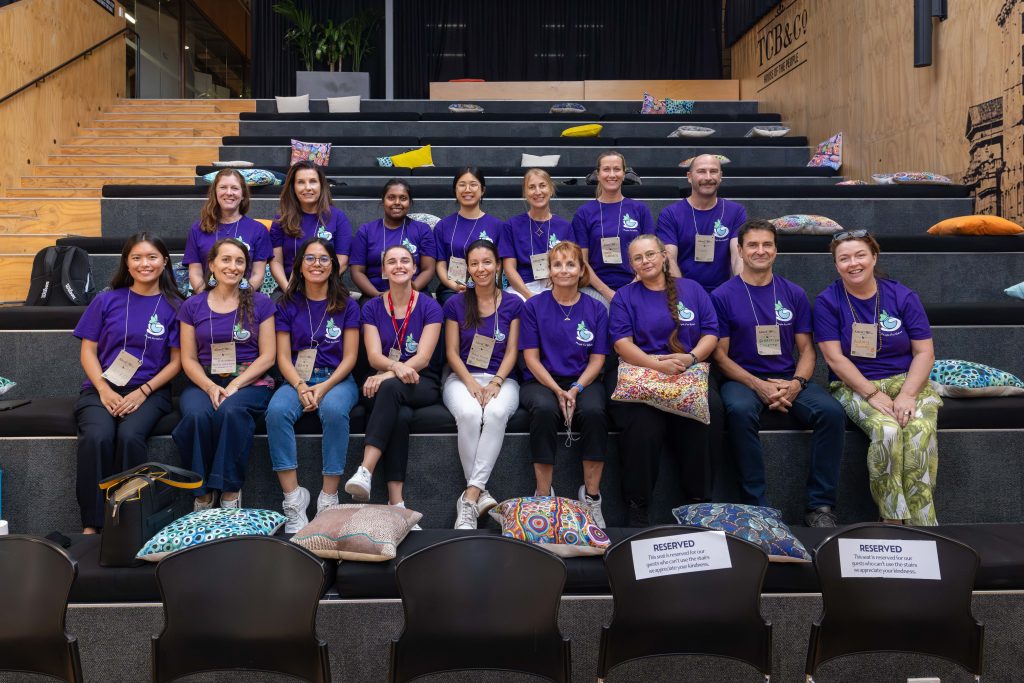
A core team of 15 volunteers driving the program and organisation
33 on-site volunteers in Brisbane, and 37+ more supporting events across the country
49 organisations backing the movement, contributing to a vibrant ecosystem of climate action.
Audrey Barucchi, CEO and Co-Founder of Australian charitable social enterprise, People For Nature, commented “AlterCOP 30 Australia has shown what’s possible when citizens are empowered to lead.
“This wasn’t just a climate conference, it was a nationwide movement demonstrating that climate action is happening now, led by everyday people who care deeply about the future of our planet.
“The energy we witnessed in Brisbane and across our satellite events was extraordinary. From packed workshops to meaningful conversations and new collaborations, AlterCOP 30 Australia has strengthened Australia’s grassroots climate ecosystem and proven that people-powered solutions are essential to driving real change.
“We know there were close to 500 Australian delegates at COP30 in Brazil, carryinga considerable logistical and carbon-footprint burden. On the flipside, our citizen-powered events brought together 1,400 people locally with near to no budget and a minimal environmental footprint. As a local extension of the Green Zone (without the heavy footprint), we enabled everyday Australians to engage with climate dialogue and innovation without having to travel across the world.”
The AlterCOP movement continues to grow
AlterCOP was co-founded in 2024 by The Matcha Initiative and The Transmutation Principle in Singapore, as an accessible alternative to the United Nations COP, making climate action discussions available to communities, professionals, and youth. This year, the summit expanded to 12 new countries, including Australia, highlighting the enthusiasm around the region for inclusive, locally grounded climate dialogue.
Anne Langourieux and Thibaut Meurgue-Guyard, co-founders of AlterCOP, commented: “It’s amazing and exciting to see AlterCOP grow. It proves that a global, community-led movement for climate action is not just possible, it’s thriving. We’re committed to our mission of making climate dialogue accessible to regional communities without air travel while raising awareness of the official COP summit. We look forward to growing the movement to be even bigger next year.”
Audrey Barucchi concluded, “People For Nature is proud to have helped activate a community-powered space that builds engagement, showcases real solutions, and connects Australians to the global climate conversation.
“Australia may have lost the opportunity to host COP31, but this hasn’t diminished our ambition. Instead, we’re planning to grow AlterCOP next year. Our vision is to include more cities, more local communities, and deeper citizen-led climate engagement across Australia.”
What makes AlterCOP different
AlterCOP stands on a set of non-negotiable values:
🫂 Inclusive: ensuring First Nations perspectives and Youth voices were present on every panel.
🙌 Citizen-powered: designed, led, and delivered entirely by volunteers.
🌱 Sustainable by design: no flights, no waste, and only vegetarian catering
🆓 Free and independent: open to all, without corporate influence or paywalls.
🎥 A local extension of the Green Zone: including live interviews and videos with delegates who are on the ground at COPs to share insights on the proceedings.
💡 Positive and solutions-focused: grounded in science, driven by active hope, and inspired by community action.
While we may have lost COP31, we want to take a moment to recognise our peers — the organisations and individuals who worked tirelessly to pursue a positive outcome for hosting it on Australian soil.
At the same time… what an extraordinary first AlterCOP in Australia.
Powered by volunteers, grounded in community, and radiating active hope for Australia’s climate and nature movement, AlterCOP showed what happens when citizens lead with purpose and imagination.
According to Carbon Brief, Australia sent 494 delegates to Brazil this year. Meanwhile, across Australia, we brought together more than 1,400 people in discussions aligned with the COP30 agenda — raising awareness, forging alliances, and building collaboration, all while keeping a minimal footprint.
We even worked alongside our Pavilion with live interventions from Belém, demonstrating an inclusive and impactful model to expand the COP green zones while truly walking the talk.
And this is just Year 1. We’re so excited to see this movement grow — alongside the incredible organisations and wonderful humans who are part of it.
We want to thank the thriving ecosystems of collaboration and the growing chorus of citizen voices who champion our message: Cultivating Hope, Driving Impact.
We can’t wait to grow this momentum even further next year.
🏙 A main 4-day gathering in Brisbane, with major satellite events in Sydney and Melbourne, and additional events in Huon Valley (TAS), Bright (VIC), Wollongong, Newcastle, and Narara (NSW)
🤝 33 on-site volunteers in Brisbane, and 37+ more supporting events across the country 💡 A core team of 15 volunteers driving the entire program across Brisbane and the satellite cities
🌏 A Giant Climate Fresk reaching at least 200 participants across 8 locations in Australia and New Zealand — supported by 25+ facilitators
🎤 85 speakers in Brisbane alone, and well over 100 nationally 🏛️ 49 organisations backing this movement — 15 partners and an ecosystem of 34 collaborations
How We Shaped This Year’s Program
Our work was structured around five core working groups: 🌡 Climate
🌿 Biodiversity
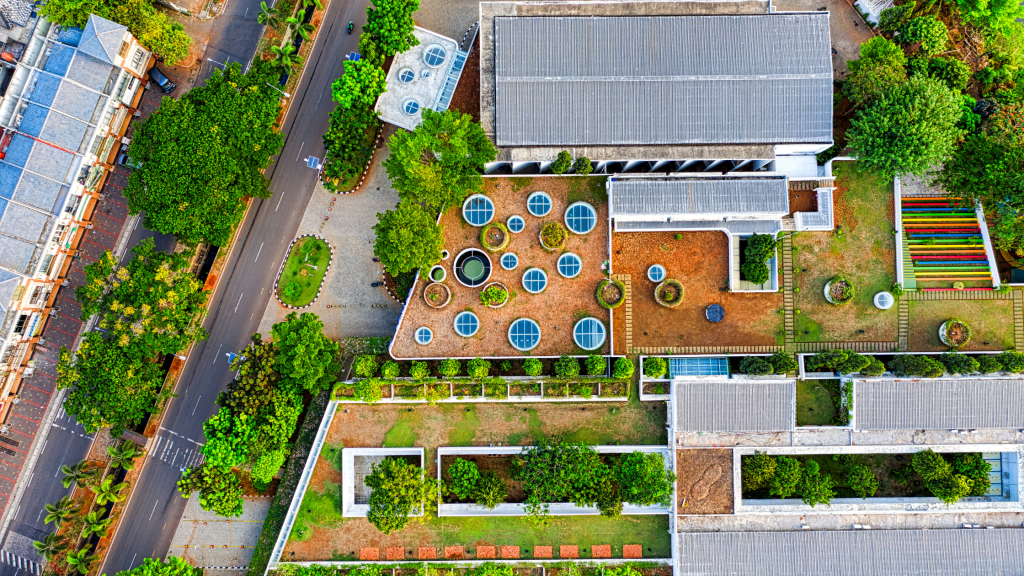
🏙 Sustainable Cities
🧠 Health
🧒 Youth
Through strong collaborations with organisations and communities across the country, these working groups didn’t just shape the main Brisbane program — they also enabled satellite events nationwide, all running in parallel with the same overarching agenda.
Each local hub explored the same themes through its own community lens, grounding the discussions in local realities, challenges, and opportunities. This meant that whether people gathered in Sydney, Melbourne, Huon Valley, Bright, Wollongong, Newcastle, or Narara, they contributed to a unified national conversation while elevating the unique stories and solutions of their region.
These groups didn’t just curate sessions — they embedded the values that make AlterCOP what it is: collaborative, community-led, and rooted in both science and lived experience.
Please take a few minutes to complete ourAlterCOP 30 Australia feedback survey.Your reflections and testimonials are invaluable. This survey isn’t just about improving our future events — it also serves as a citizen pulse, capturing the voices and perspectives of Australians. Your input will be included in our Insights Report to help reflect what matters most to our communities.
What Makes AlterCOP Different?
AlterCOP stands on a set of non-negotiable values:
✨ Inclusive — ensuring First Nations perspectives and Youth voices were present on every panel.
✨ Citizen-powered — designed, led, and delivered entirely by volunteers.
✨ Walk the talk — no flights, no waste, and only vegetarian catering in our first year.
✨ Free and independent — open to all, without corporate influence or paywalls.
✨ Positive and solutions-focused — grounded in science, driven by active hope, and inspired by community action.
A big thank you to the organisations who believed in AlterCOP from day one — especially our partners who supported us with the simple, practical logistics that make an event like this actually work. Your trust and collaboration truly mattered.
This movement is only just beginning. And together, we’ll keep building it. Thank you for being with us on the journey.
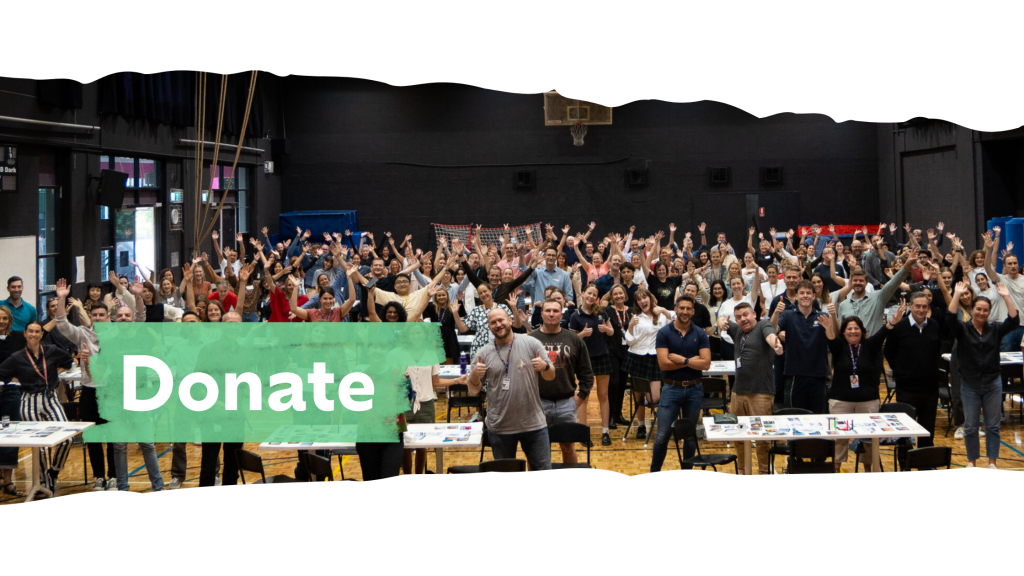
Donate and Help us Stay Independent
This initiative is proudly citizen-powered, collaborative, and inclusive. It came together thanks to the dedication of an extraordinary group of volunteers, working with almost no budget but a shared commitment to climate and nature action. As we look ahead, we’re excited to grow this momentum even further — and for that, we need your support. By contributing to People For Nature, you help us continue expanding this movement while remaining independent and accessible to all. People For Nature is a registered charity with DGR status, and donations are tax deductible.
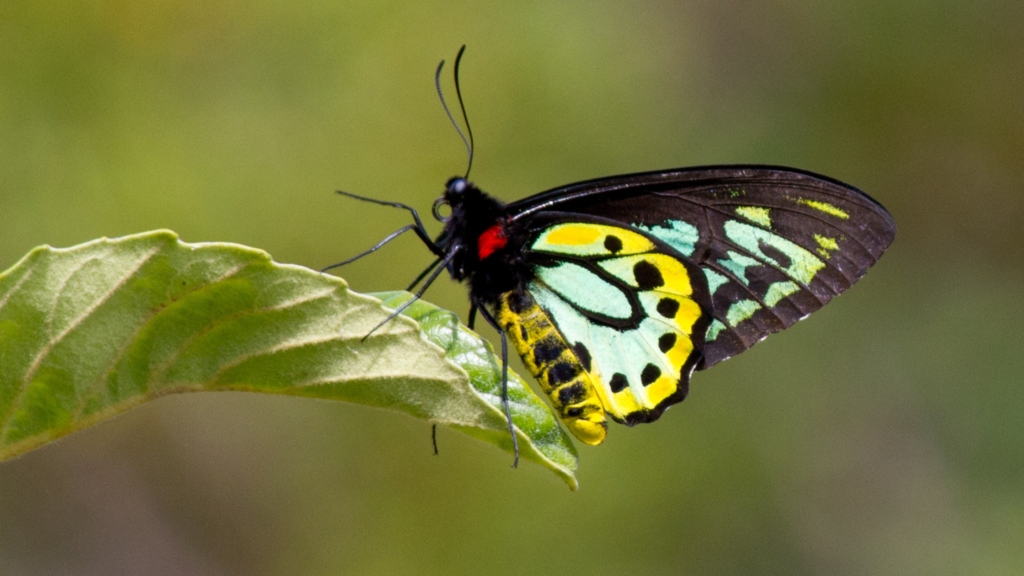
One of Australia’s most spectacular insects, the Richmond Birdwing Butterfly is among the country’s largest butterflies and is found only in the rainforests of Queensland and northern New South Wales.
With its striking colours and impressive size, this beautiful species has become a symbol of the unique biodiversity that makes Australia’s rainforests so special.
It is also a reminder that even some of our most iconic species can be vulnerable to environmental change.
Why it matters
The Richmond Birdwing Butterfly plays an important role in the health of rainforest ecosystems.
🦋 Adult butterflies feed on nectar from a wide variety of native and introduced flowering plants
🌼 They contribute to pollination and support the reproduction of many plant species
🌳 Their lifecycle is closely linked to the health of rainforest habitats
🌏 Their recovery is seen as symbolic of broader efforts to protect Australia’s unique biodiversity
As both pollinators and indicators of ecosystem health, Richmond Birdwing Butterflies highlight the importance of conserving interconnected natural systems.
Fun facts
🤓 The Richmond Birdwing Butterfly has a close relationship with the native Birdwing Vine (Pararistolochia praevenosa), which is the sole food source for its larvae
🤓 The Birdwing Vine contains aristolochic acid, making the caterpillars toxic to vertebrate predators
🤓 Despite this defence, the caterpillars can still fall prey to other invertebrates, including other larvae
🤓 Adult butterflies prefer feeding on white and red flowers, including native frangipani, lilly pillies and hibiscus
A deeper reflection
The Richmond Birdwing Butterfly reminds us that no species exists in isolation.
Its survival depends entirely on the presence of a single native vine, demonstrating how deeply interconnected biodiversity can be.
Yet habitat destruction, climate change and the introduction of non-native plants have significantly restricted the butterfly’s range and placed increasing pressure on its future.
In a country with more than 600,000 native species, many found nowhere else on Earth, the Richmond Birdwing Butterfly is a powerful example of why conservation is about protecting relationships between species as much as protecting individual plants and animals.
How we care for rainforests and native habitats today will determine whether future generations can continue to witness one of Australia’s most beautiful butterflies.
From Wonder to Action
Learn & understand
Explore how biodiversity, climate, and land systems are deeply connected through our workshops with People For Nature.
Create your Nature Oasis
Plant native species to restore habitat and support the insects, birds, and wildlife that depend on them.
Join citizen science
Record native species around you on iNaturalist and contribute to real conservation data.
(Special thanks to Simon Andrews, Ambassador for People For Nature, for helping shape this story)